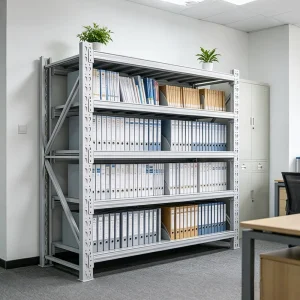
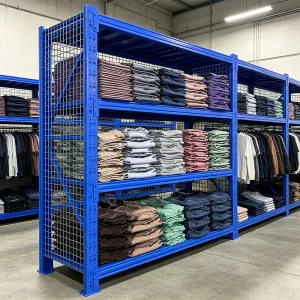
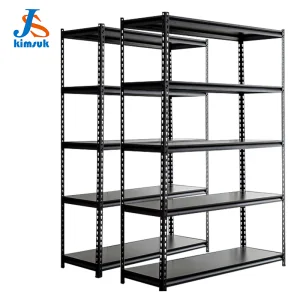
Engineered storage solutions maximizing vertical cube utilization, safety, and inventory accessibility.
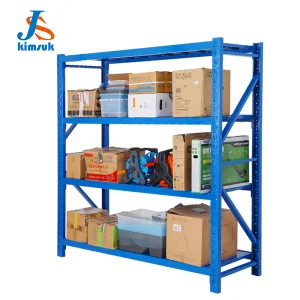
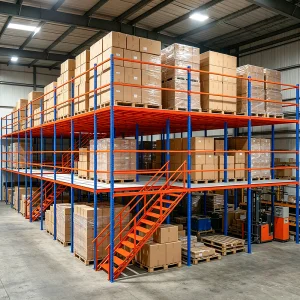
In the modern era of logistics, warehousing is no longer characterized merely as a dynamic storage space. It is a core pillar of structural engineering that directly affects supply chain velocity, workplace safety, and bottom-line scalability. The global shift toward regionalized fulfillment hubs, just-in-case inventory buffers, and cold chain expansions has triggered unprecedented demand for high-capacity, space-optimized industrial racking.
Global market indicators emphasize that space utilization is the single largest operational differentiator for logistics hubs and third-party logistics (3PL) providers. High-density, high-load configurations are progressively replacing standard pallet designs. Structural calculations must account for dynamic factors, environmental variables (like seismic activity and sub-zero temperatures), and mechanical interface safety. Manufacturers are required to supply not just plain metal but scientifically optimized, stress-tested, and load-rated systems.
Under international specifications (such as FEM 10.2.02 and RMI Standards), structural deflection under nominal load must not exceed L/240 of the clear span length. Ensuring this compliance protects your automated equipment and personnel from load-shear catastrophic events.
As supply lines stretch and cross-border delivery schedules tighten, failure of storage structures represents a critical bottleneck. Consequently, enterprises from North America, Europe, Southeast Asia, and the Middle East are re-evaluating their sourcing criteria, prioritizing structural traceability, raw-material verification, and engineering precision over bare cost calculations.
Established in 2015, Dongguan Kimsuk Shelves Co., Ltd. is a leading manufacturer specializing in the design, engineering, and production of heavy-duty industrial shelving and warehouse storage systems. Operating from a modern production facility spanning 32,000 square meters, we have grown into a trusted global supply chain partner with 11 years of industry expertise and 8 years of direct international export experience.
Driven by robust manufacturing capability, our annual export revenue reaches $18 million, serving clients across key international markets, including North America, Europe, Southeast Asia, and the Middle East.
Detailed look into our material treatment, forming precision, robotic assembly, and quality assurance processes.
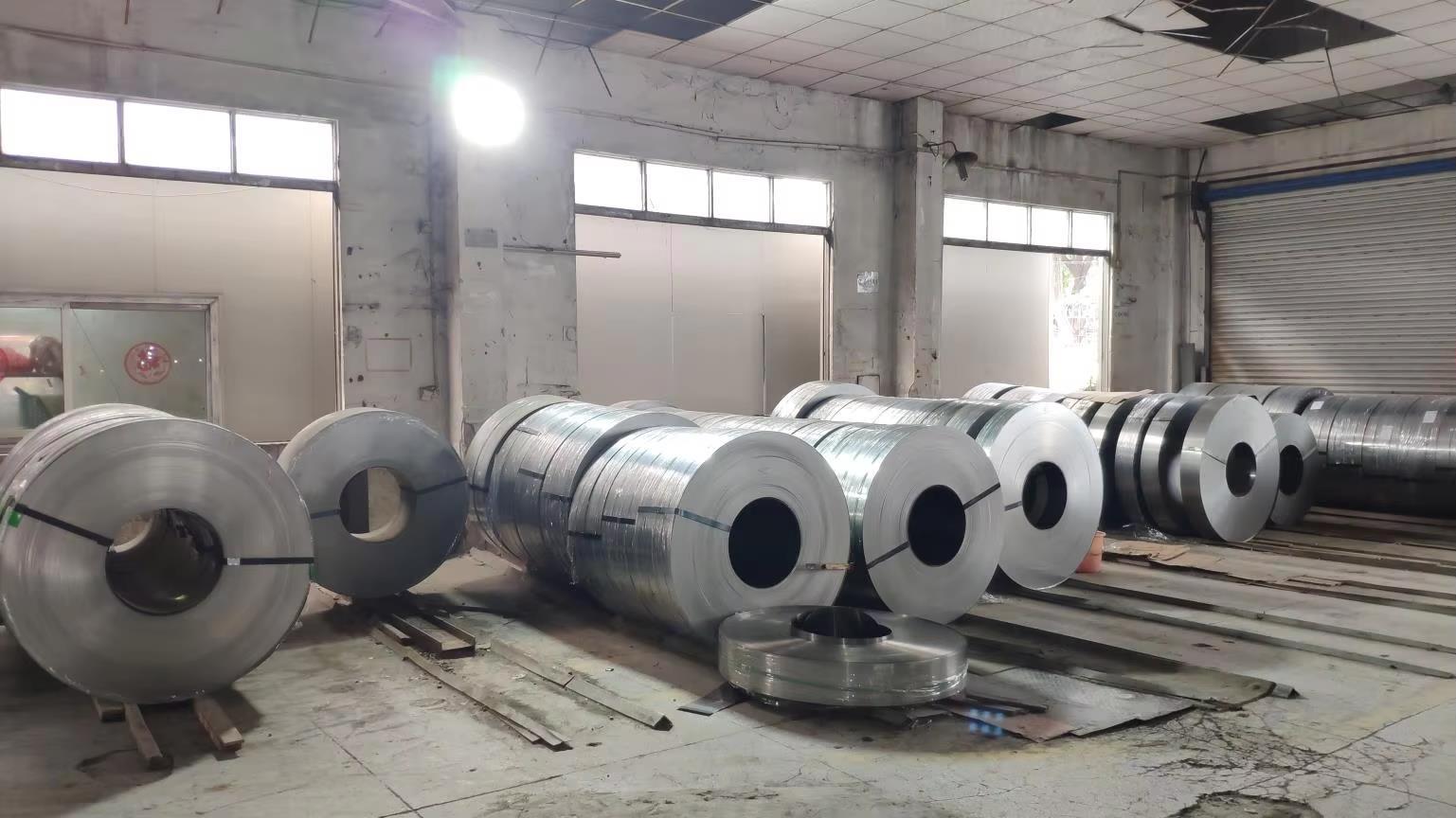
Our manufacturing ethos centers around rigid process control and strict metallurgical verification. Heavy-duty shelving units are subjected to multi-axis mechanical stresses; hence, we initiate quality control at the raw-material stage. Working with certified domestic steel mills, we utilize premium Q235B and Q355B cold-rolled steel coils, evaluating structural characteristics through regular destructive tensile testing and chemical assays.
Quality and precise engineering are at the core of our operations. We maintain a strict Quality Assurance protocol supported by a dedicated team of 35 QA/QC inspectors. Our comprehensive product inspection methods combine automated non-destructive testing, raw material tensile testing, load-bearing stress evaluations, and precision powder-coating thickness measurements. Supported by an extensive network of over 850 verified supply chain partners, we consistently deliver reliable, high-integrity racking systems to a diverse client portfolio, ranging from large-scale logistics hubs and third-party logistics (3PL) providers to industrial manufacturing facilities and commercial retail distributors.
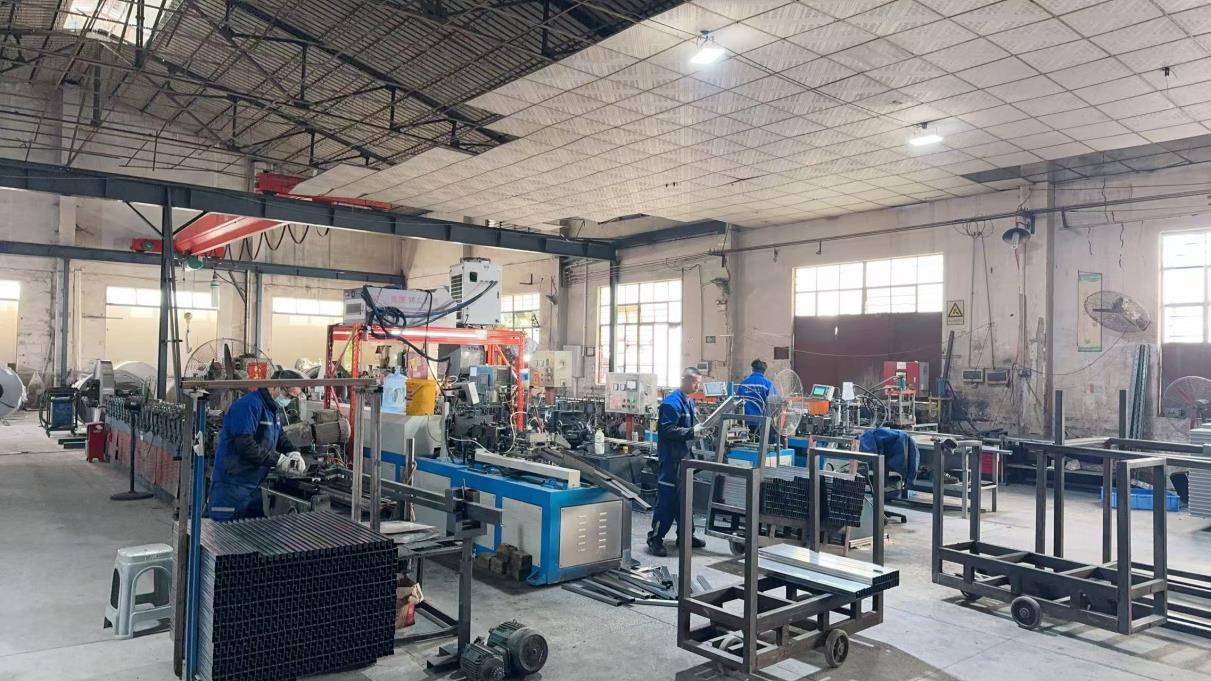
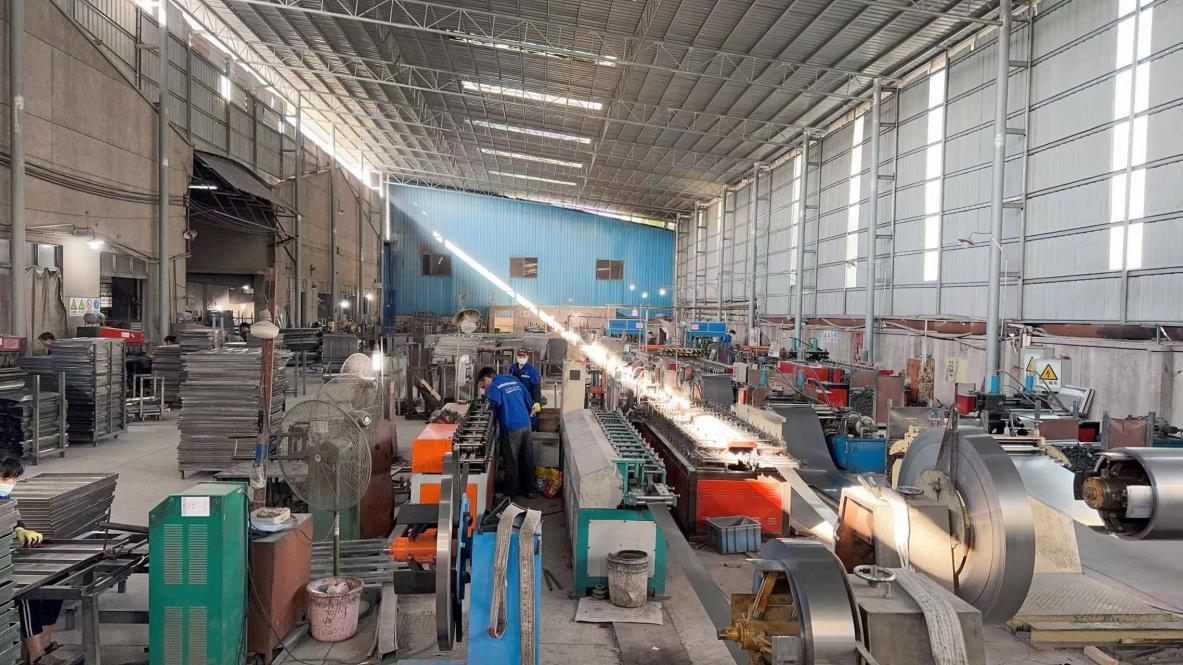
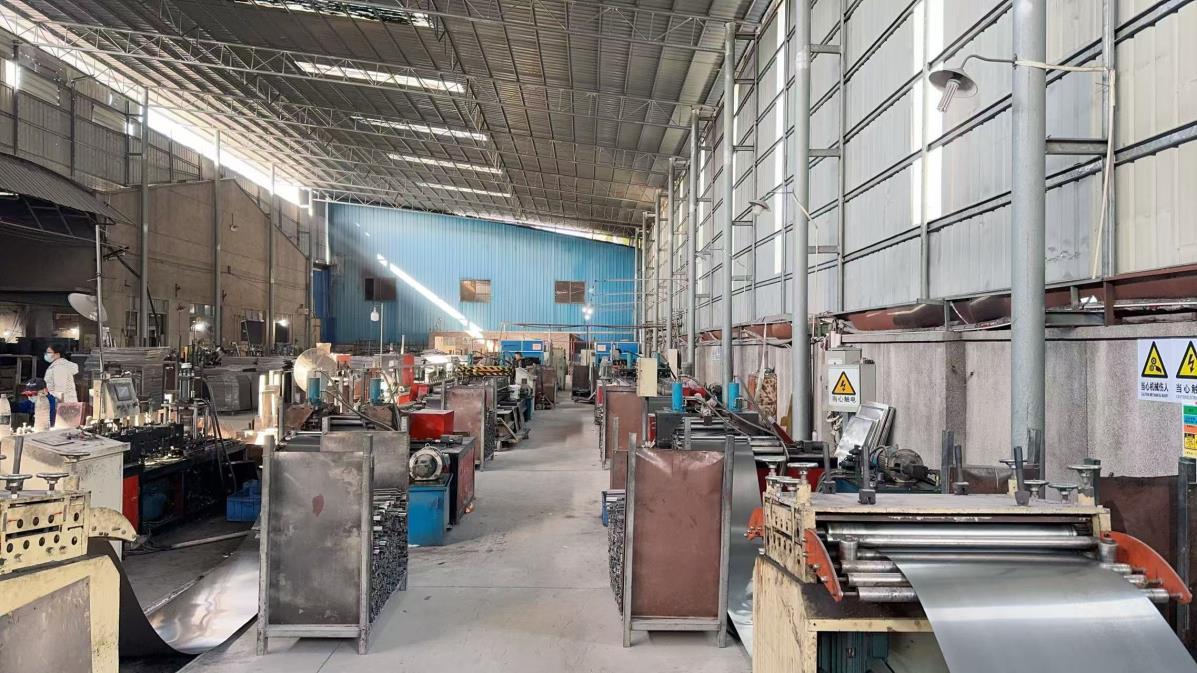
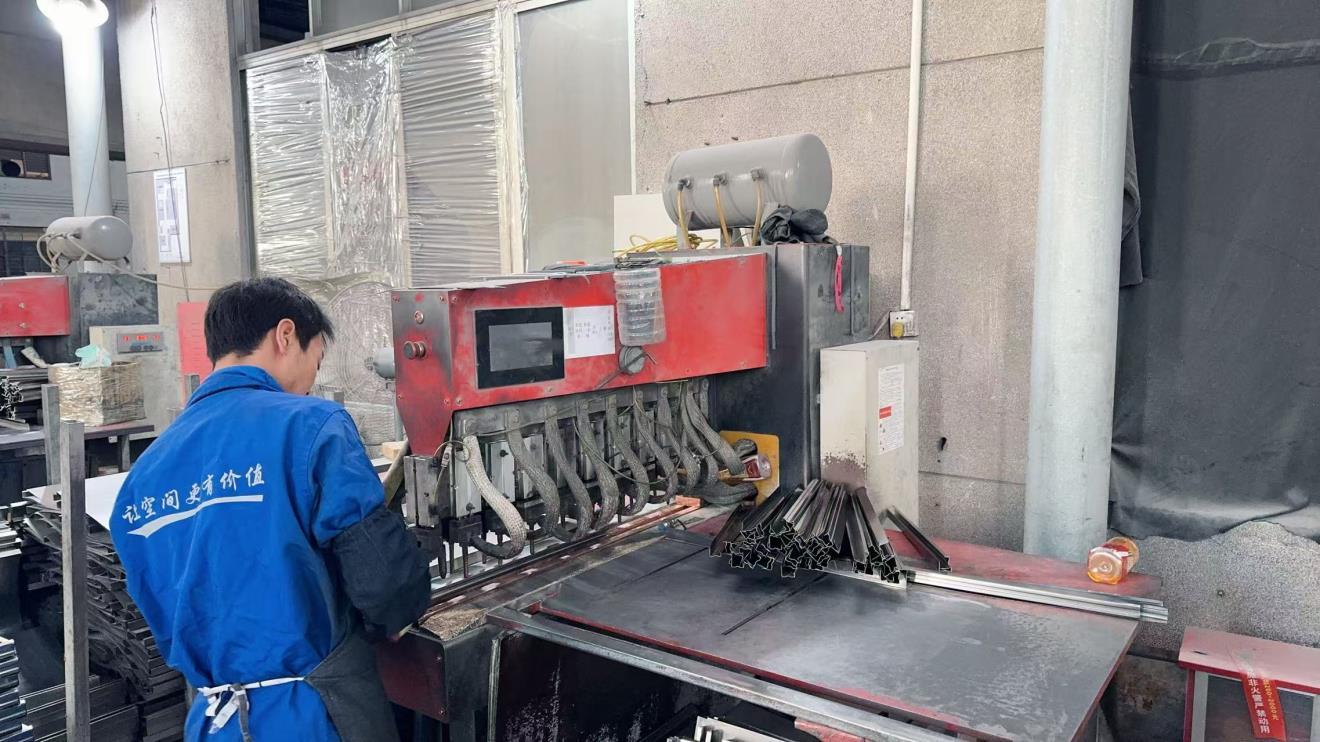
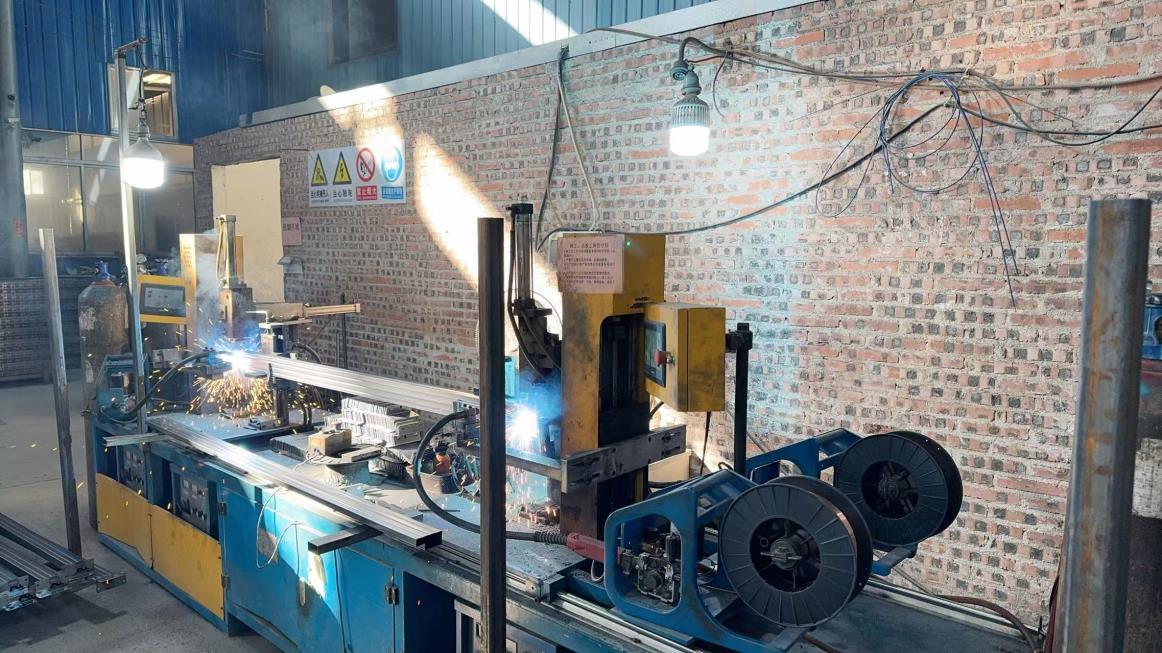
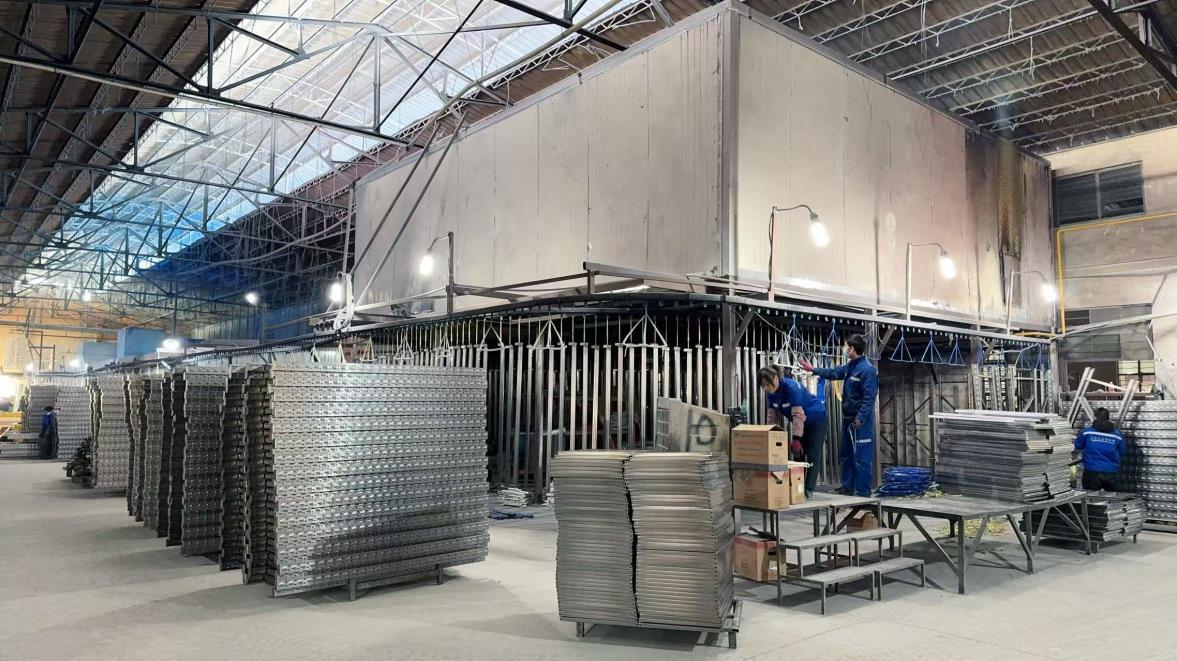
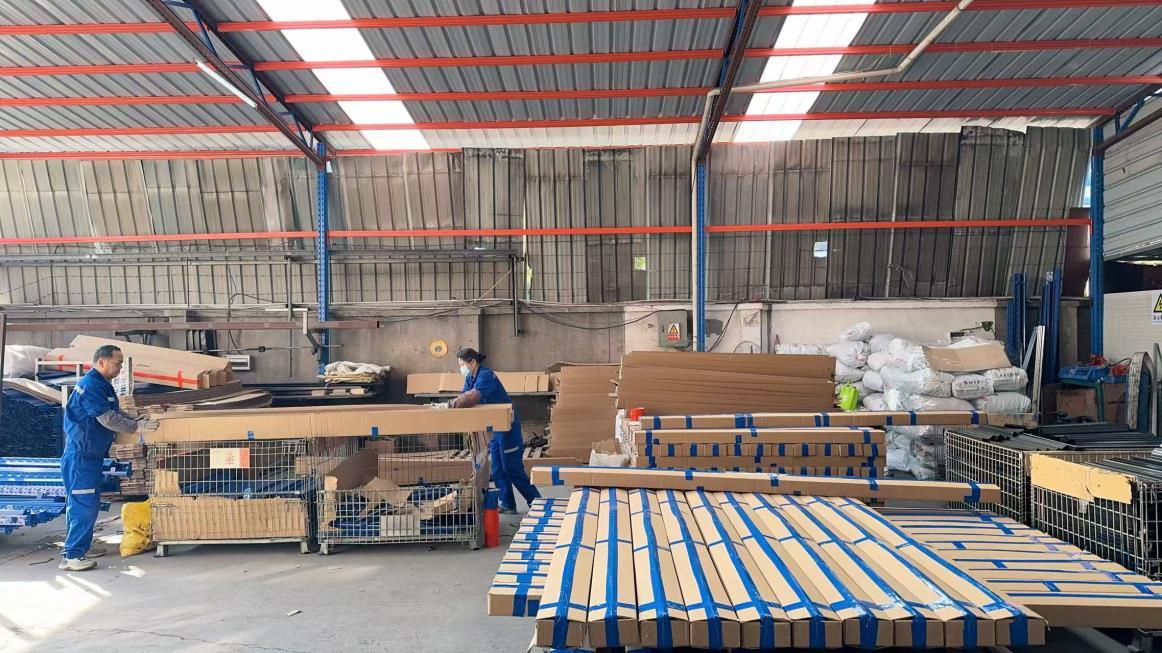
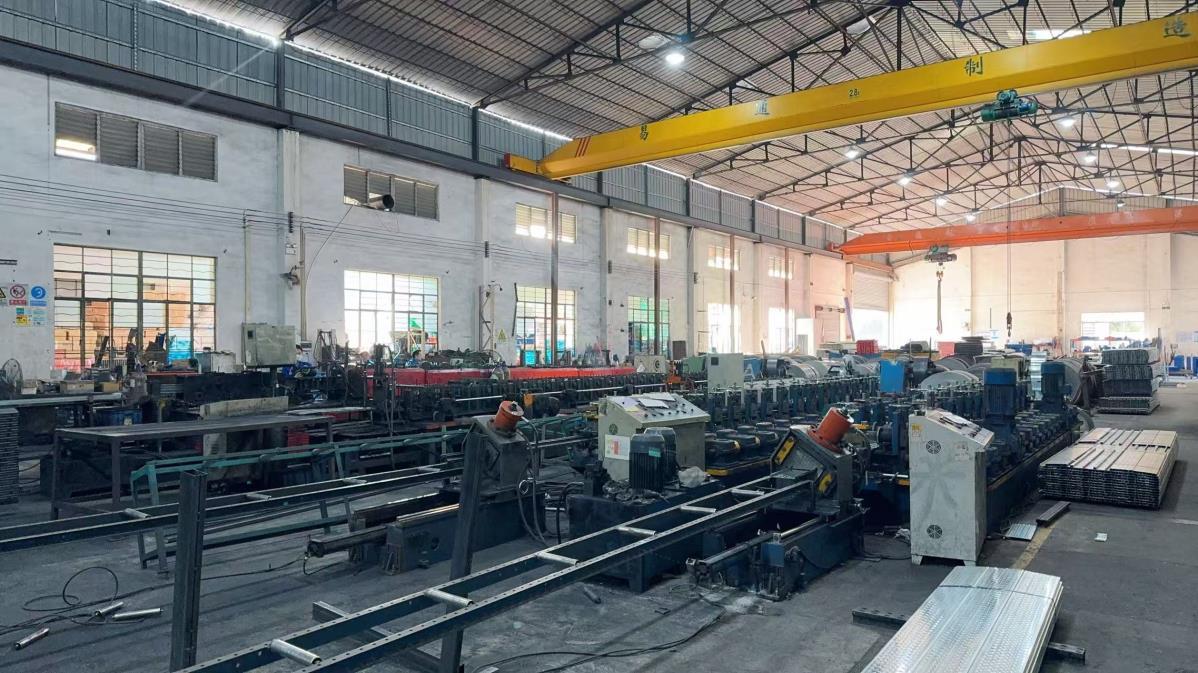
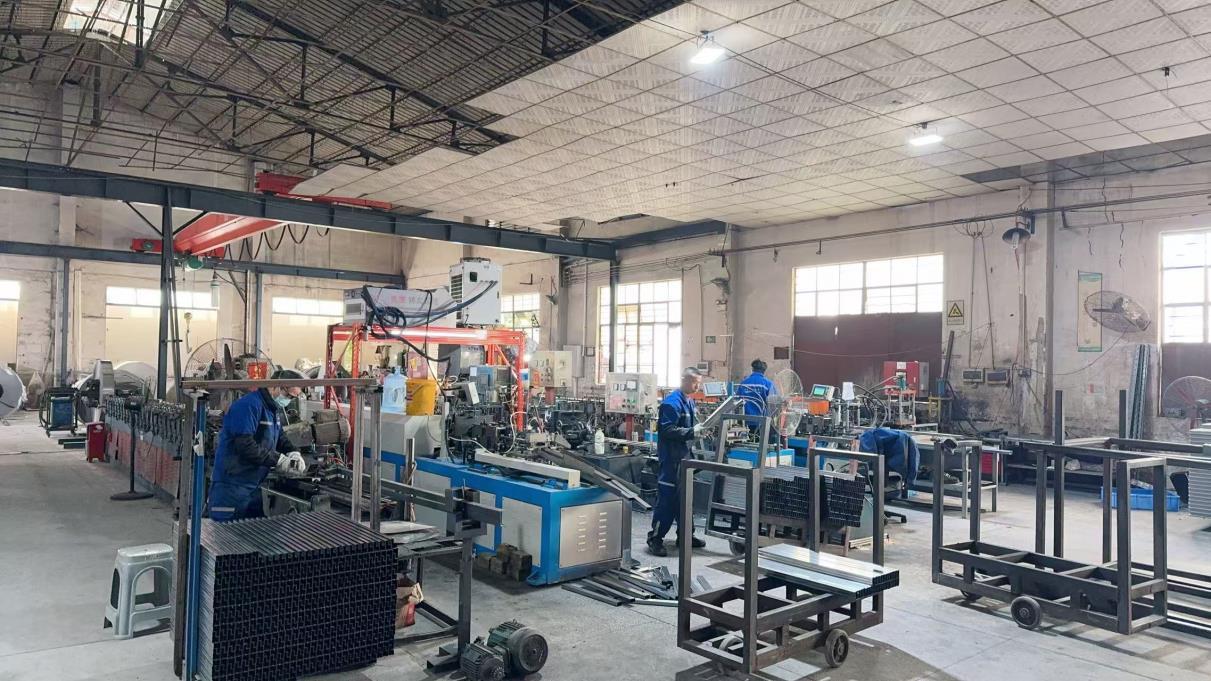
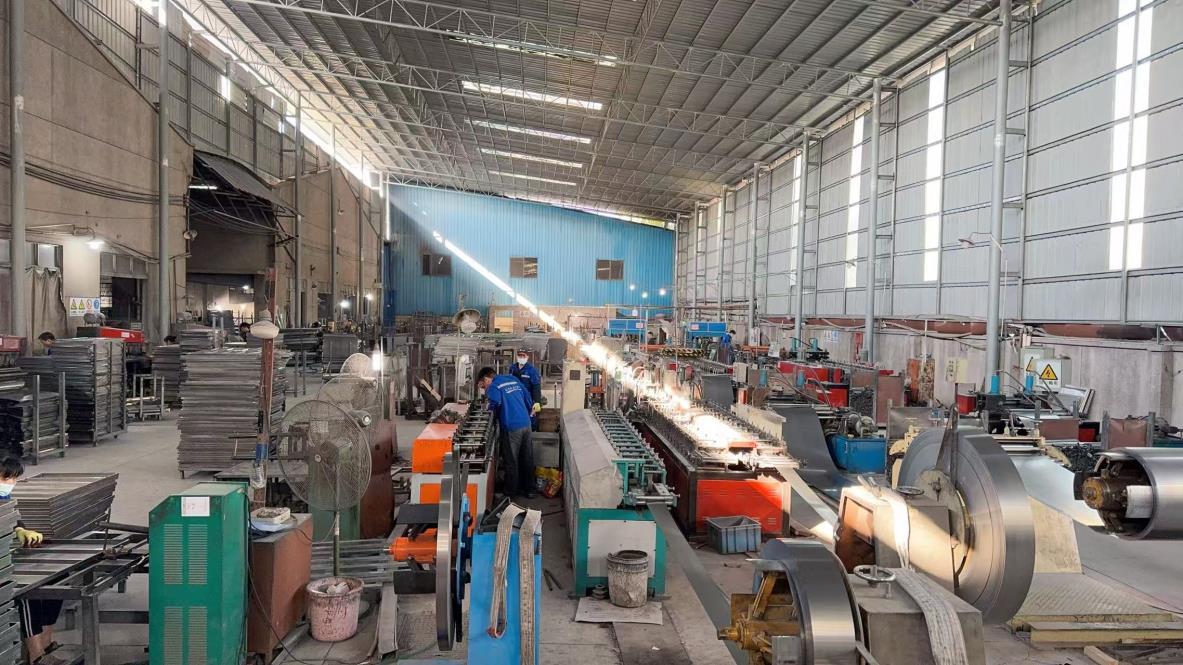
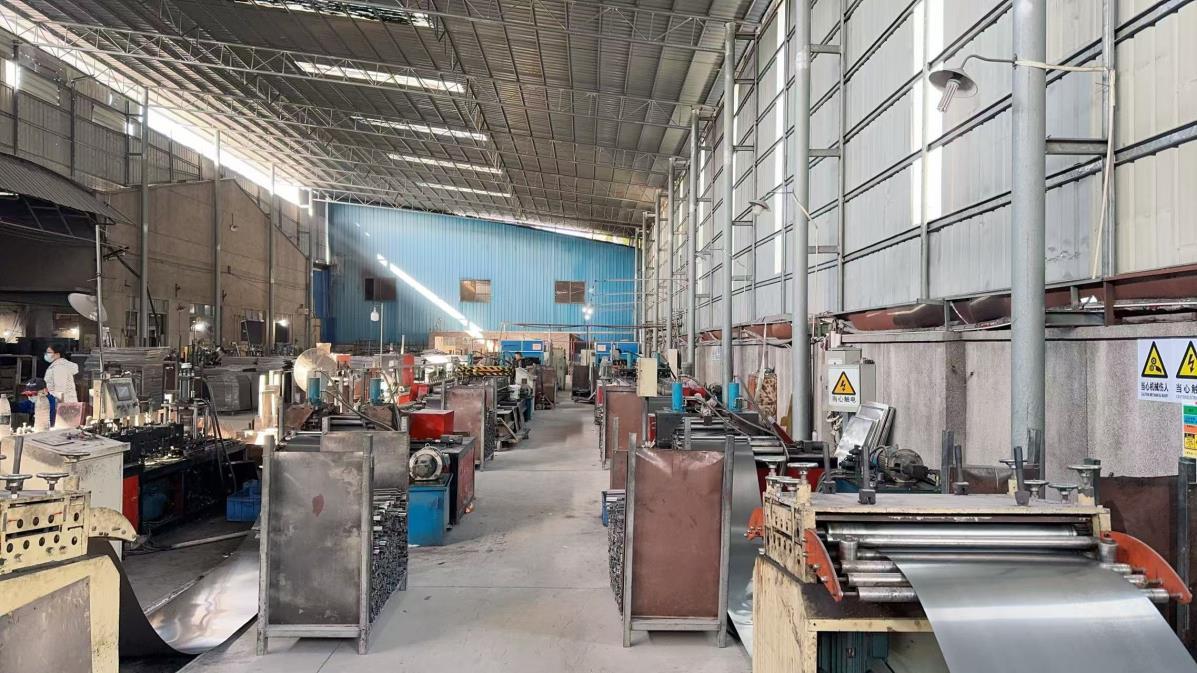
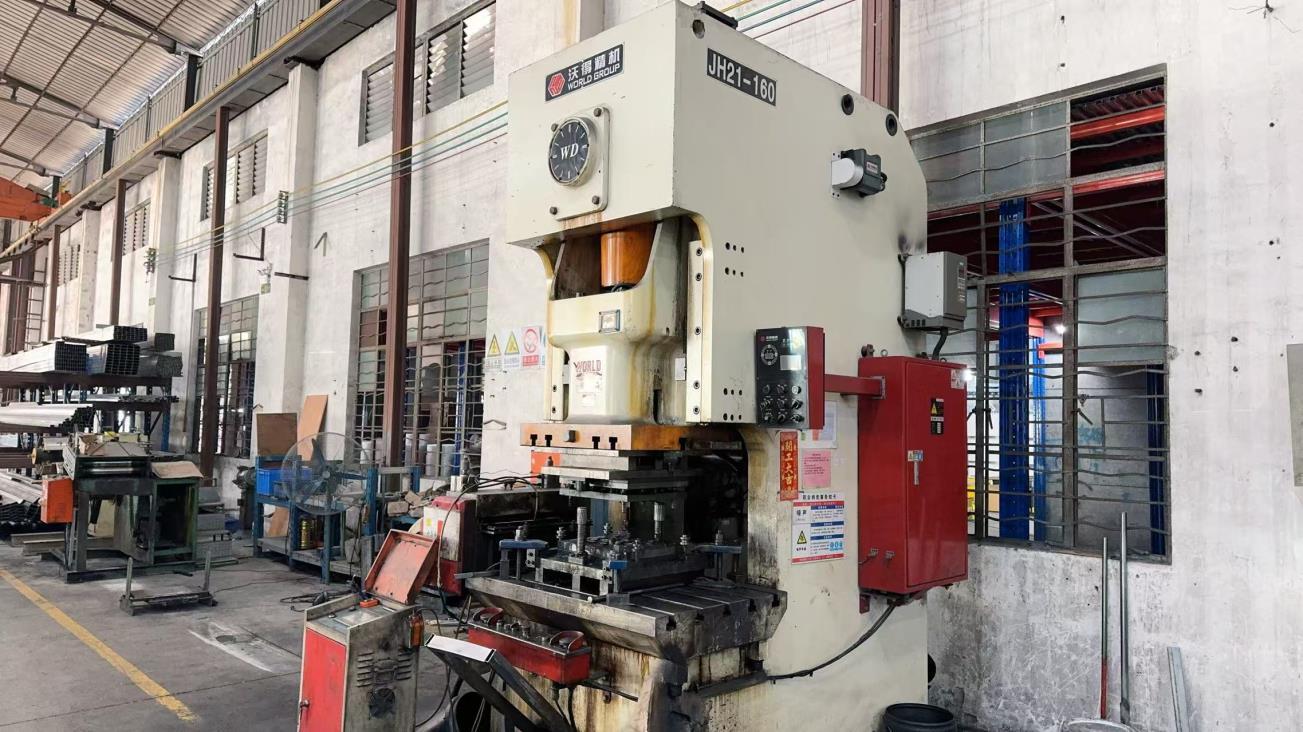
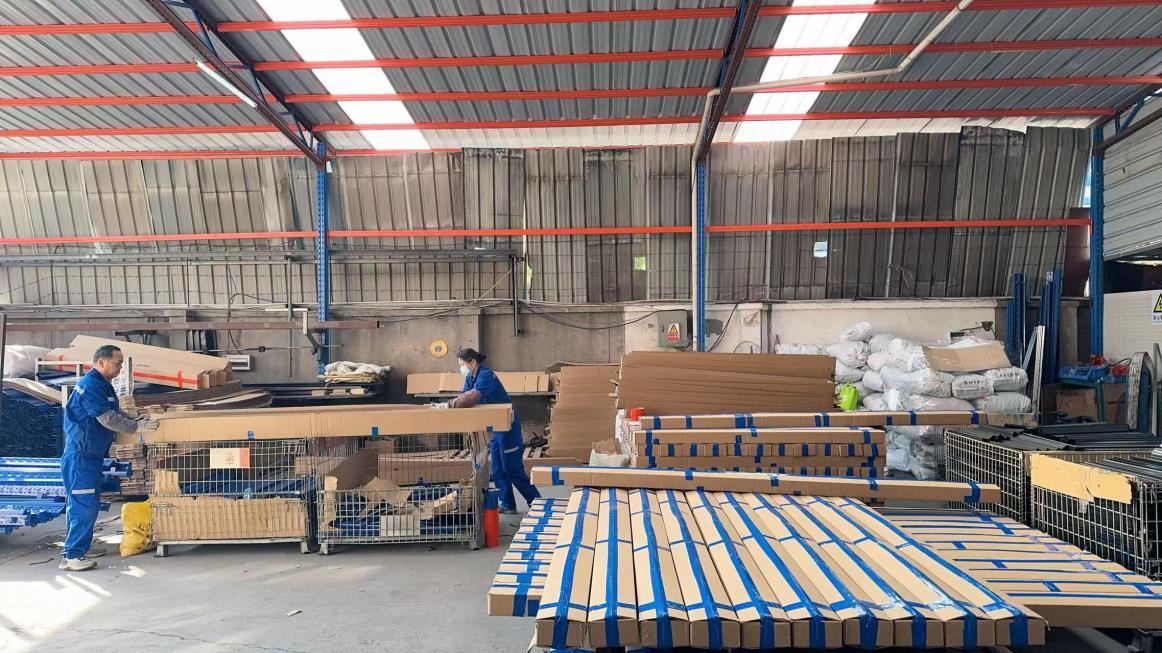
Operating from the industrial manufacturing core of Dongguan, China, provides our global clients with structural and economic advantages. First, the spatial proximity to specialized steel mills allows us to secure raw materials at scale and avoid logistics bottlenecks. Second, our network of over 850 verified supply chain partners provides access to custom fasteners, specialized poly-deck boards, and structural steel accessories.
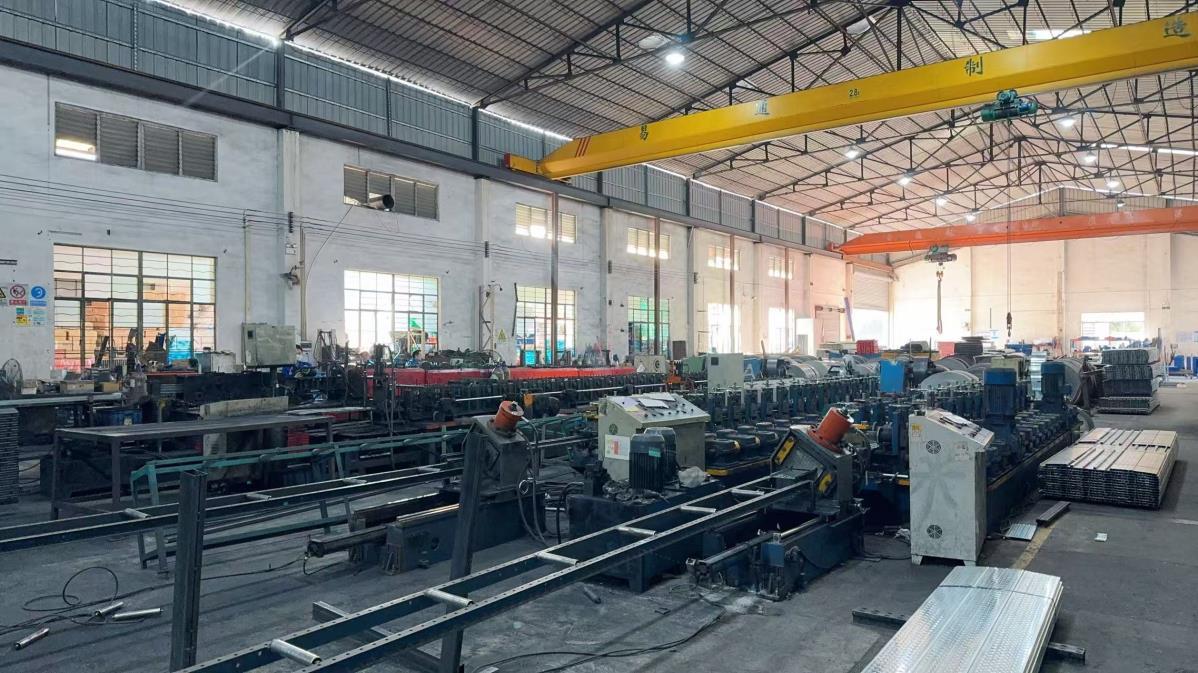
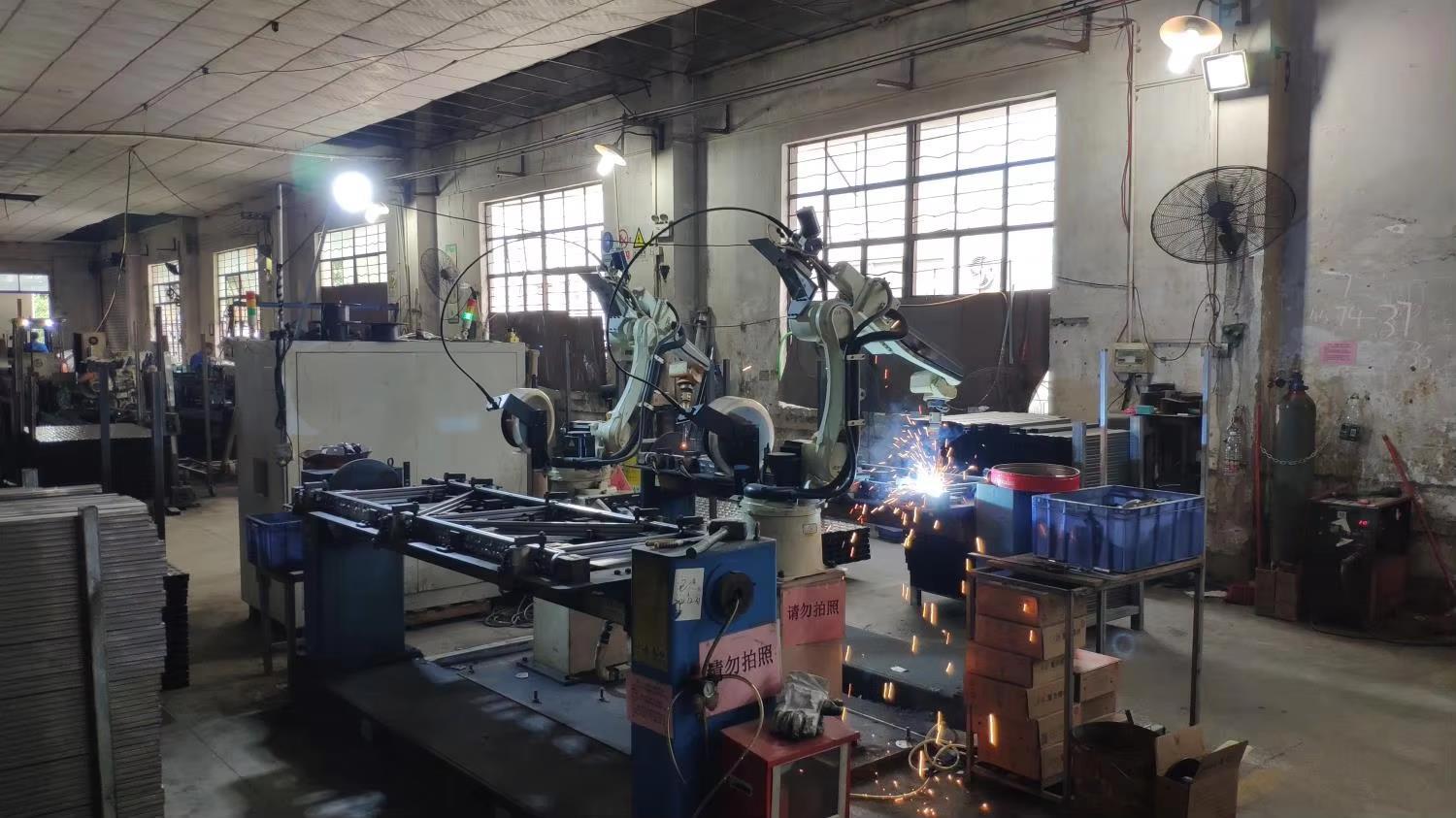
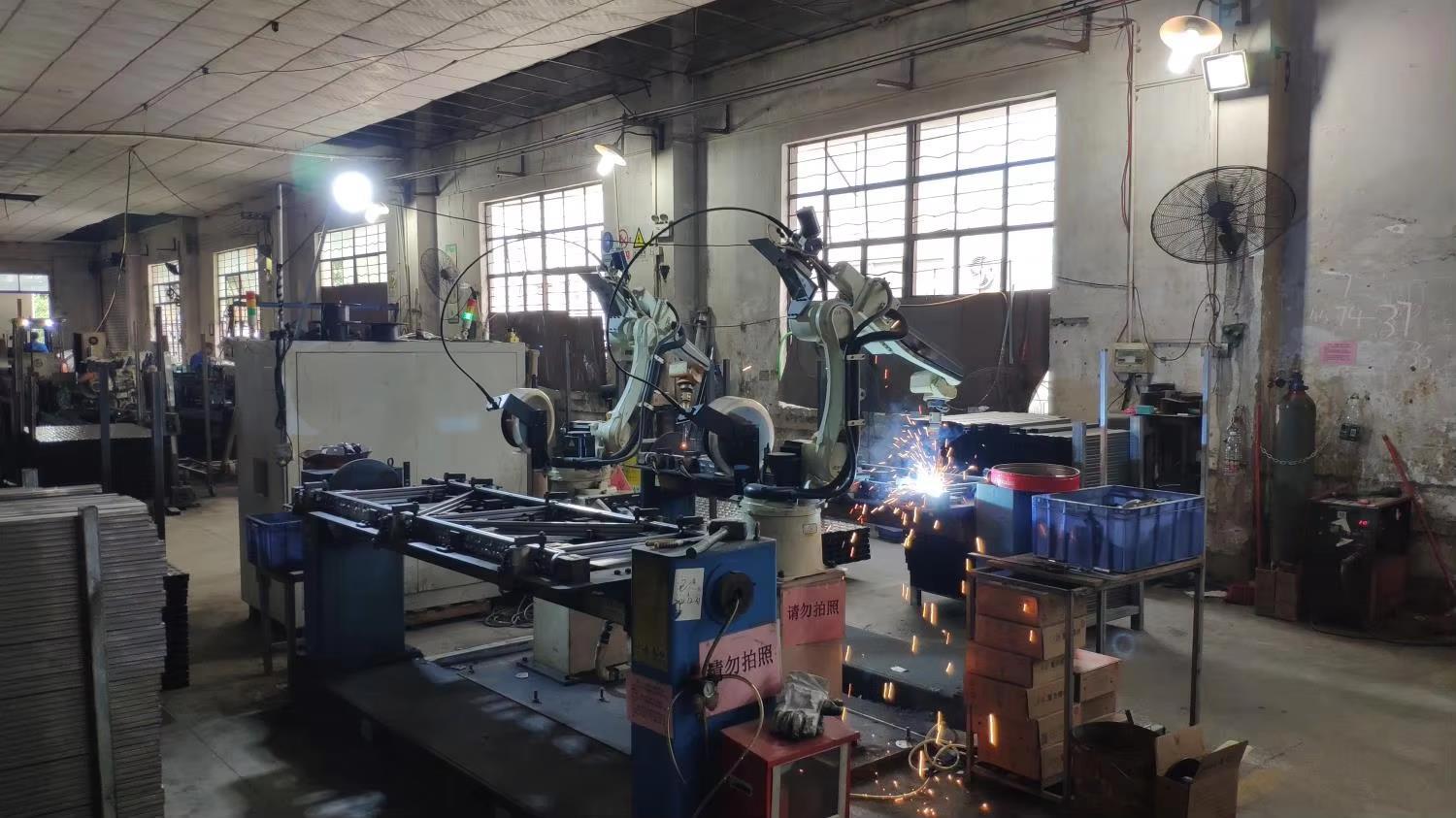
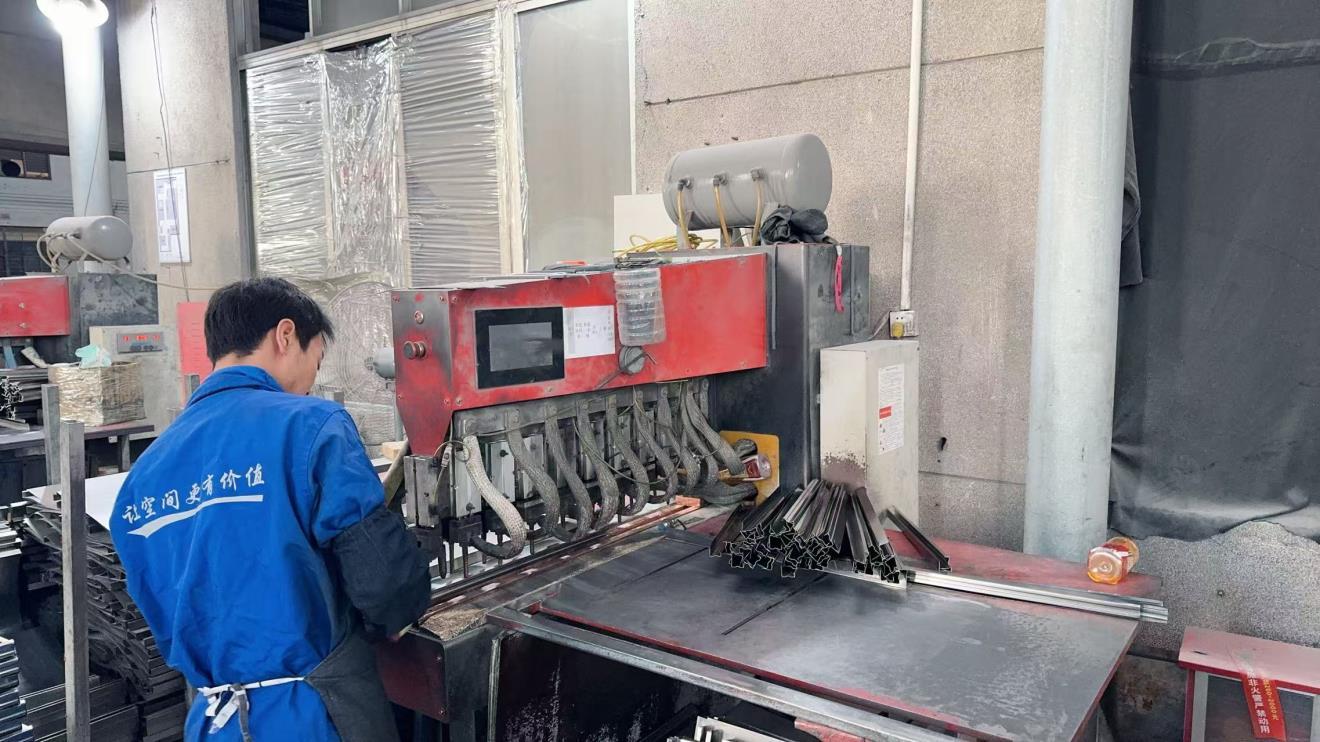
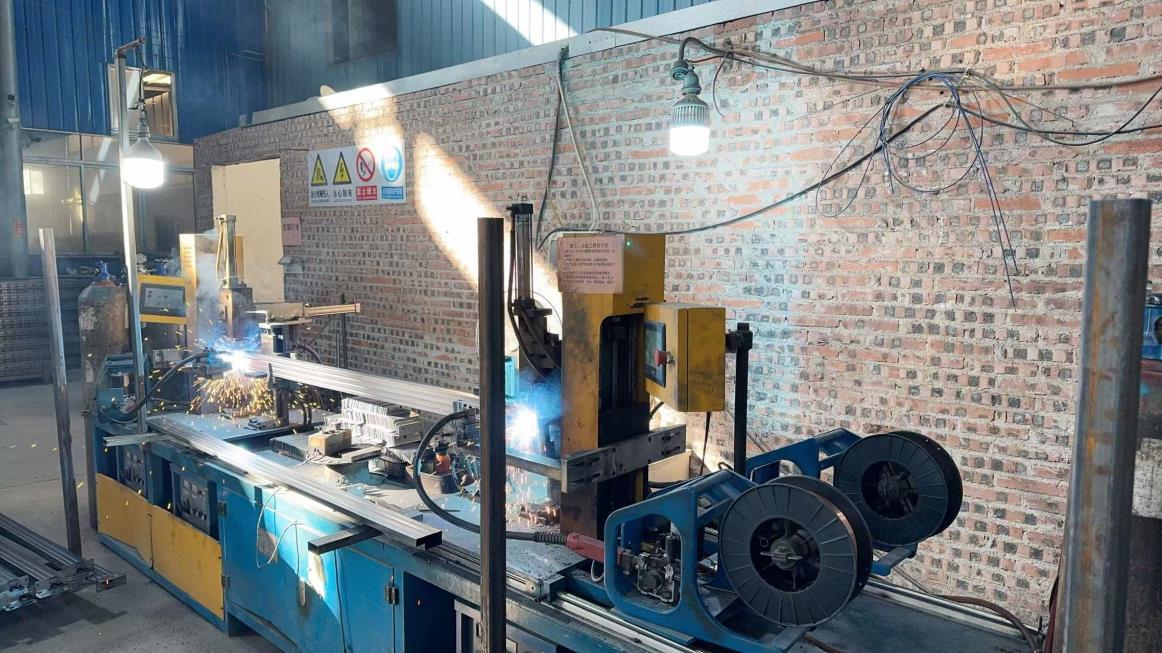
Our manufacturing processes leverage high-speed roll forming lines and automated punch presses that shape uprights and beams with dimensional accuracy. Robotic welding arms produce consistent weld penetration and structural throat depth, mitigating manual welding irregularities.
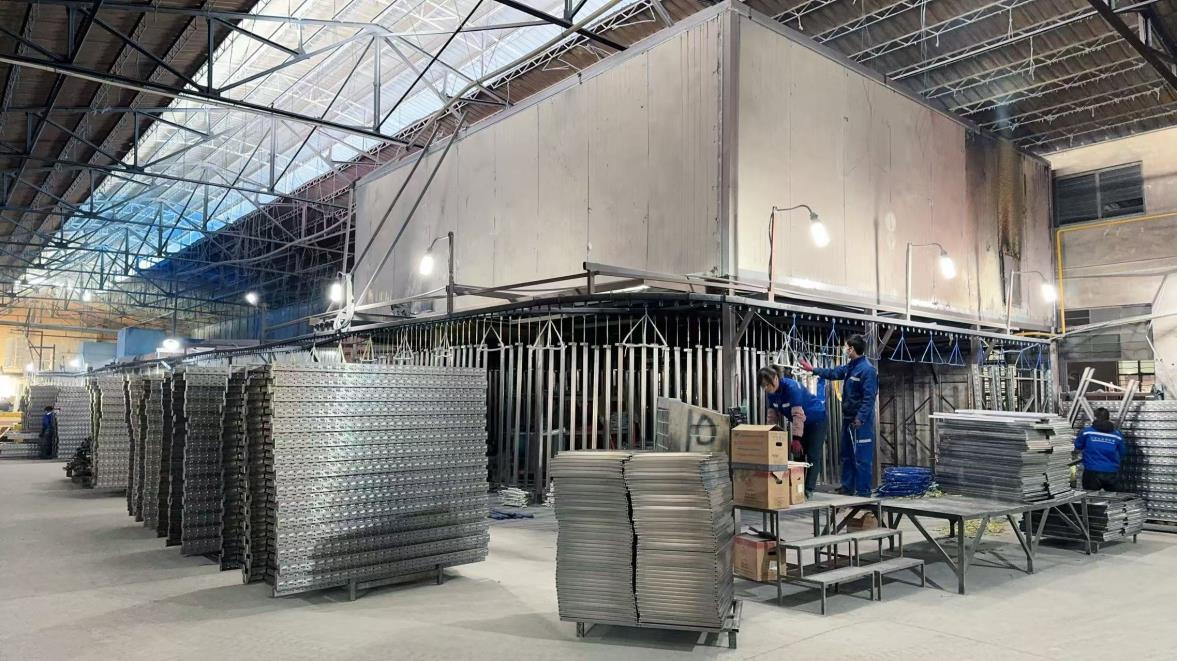
Our advanced surface finishing processes utilize continuous multi-stage pre-treatment tunnels. Racking surfaces undergo alkaline degreasing, acid rust removal, micro-crystalline zinc phosphating, and electrostatic powder coating. This systematic treatment ensures rust resistance and mechanical durability in high-traffic and humid warehousing environments.
Innovation drives our growth. Our in-house R&D team consists of 18 senior structural and engineering specialists capable of delivering full OEM/ODM custom solutions. From tailored rack dimensions and heavy load capacities to specialized seismic-resistant structures and anti-corrosion surface finishes, we turn complex warehousing requirements into optimal designs. Demonstrating our continuous drive for innovation, we successfully developed and launched 120 new product models and modular storage enhancements last year alone.
Looking to the future, our engineering roadmap centers on integration with Automated Storage and Retrieval Systems (AS/RS). These systems require structural tolerances within ±2mm across heights exceeding 20 meters. We are developing carbon-reduced cold-formed profiles, anti-static electrostatic finishes for sensitive electronics storage, and IoT-enabled structural sensor fittings designed to monitor real-time rack stresses and notify warehouse safety officers of impact damage.
Tailoring heavy-duty storage configurations to diverse operating conditions and local regulatory frameworks.
Standard structural carbon steel exhibits low-temperature brittleness, increasing risk under impact load. For sub-zero installations down to -30°C, we specify killed carbon steel with controlled trace elements to maintain notch toughness and mechanical energy absorption.
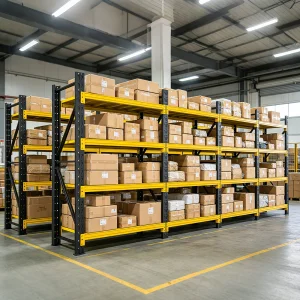
E-commerce logistics rely on manual picking, multi-tier platforms, and high-frequency SKU access. Our customizable Picking Racks feature boltless adjustability, integrated carton-flow mechanisms, and ergonomic shelf levels that reduce cycle times.
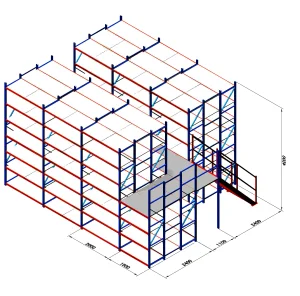
Automotive, aerospace, and machinery plants require extreme load capacities. Our systems utilize heavy-gauge upright steel, double-connector tabs, and robust baseplates. These elements distribute point loads onto warehouse concrete slabs.
We design and build shelving configurations to conform with regional industrial standards. This commitment ensures our racking systems integrate smoothly into regulatory audits across target markets:
Essential considerations for warehouse operators, structural engineers, and procurement managers.
Seismic design calculations evaluate geographic hazard levels (such as Spectral Acceleration, Ss and S1 values), soil profiles, and total structural dead weight. Under RMI and FEMA standards, racking systems in active seismic areas utilize heavy structural steel uprights, baseplates with expansion anchoring, and additional back-to-back connectors and cross-bracing. Finite Element Analysis (FEA) is applied to verify connection rigidity and prevent joint failure during seismic events.
In sub-zero temperatures (0°C to -30°C), carbon steel can undergo a transition from ductile to brittle behavior, which increases the risk of cracking under forklift impacts. We address this by selecting high-grade steel with specific manganese-to-carbon ratios, checking impact toughness via Charpy V-notch testing, and applying polyester powder coatings designed to maintain adhesion and flexibility across wide temperature variations.
Roll-formed racking uses cold-rolled sheet steel formed into channel shapes, yielding an adjustable and cost-effective system suitable for standard commercial storage. Structural steel racking uses hot-rolled C-channels that offer higher impact resistance. This makes structural steel suitable for heavy manufacturing, drive-in systems, and high-frequency, heavy-duty warehouse applications.
Static load is the stationary weight of goods resting on the shelf beams. Dynamic load refers to the transient forces applied when putting down or retrieving pallets, including forklift impact and acceleration forces. Racking designs apply safety factors (typically 1.5 to 2.0 based on yield strength) to ensure the system absorbs dynamic stresses without experiencing structural deformation.
We process components through a multi-stage pre-treatment line that includes alkaline degreasing, clean-water rinsing, iron or zinc phosphating, and deionized water rinsing. This process prepares the steel surface for electrostatic polyester powder coating, ensuring paint adhesion and salt spray corrosion resistance that meets ISO 9227 standards.
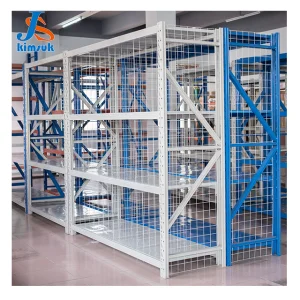
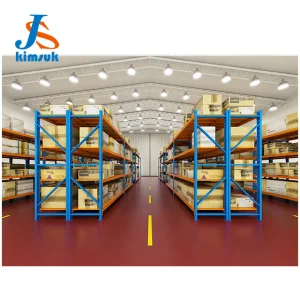
Explore our full range of heavy-duty, medium-duty, and custom racking solutions.
 Kimsuk Steel