Premium structural integrity and high-density spatial configuration. Discover our primary range of global exports.
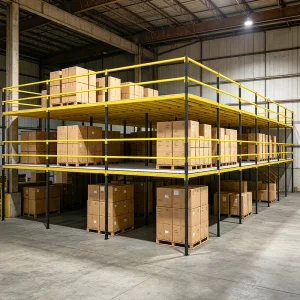
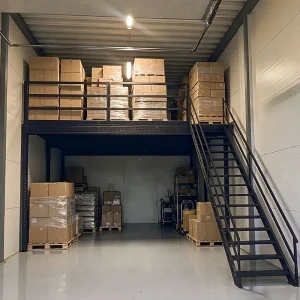
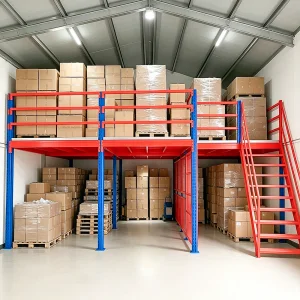
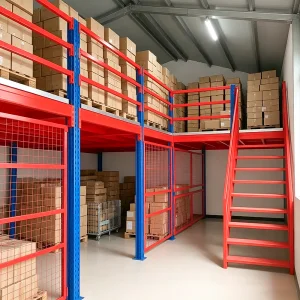
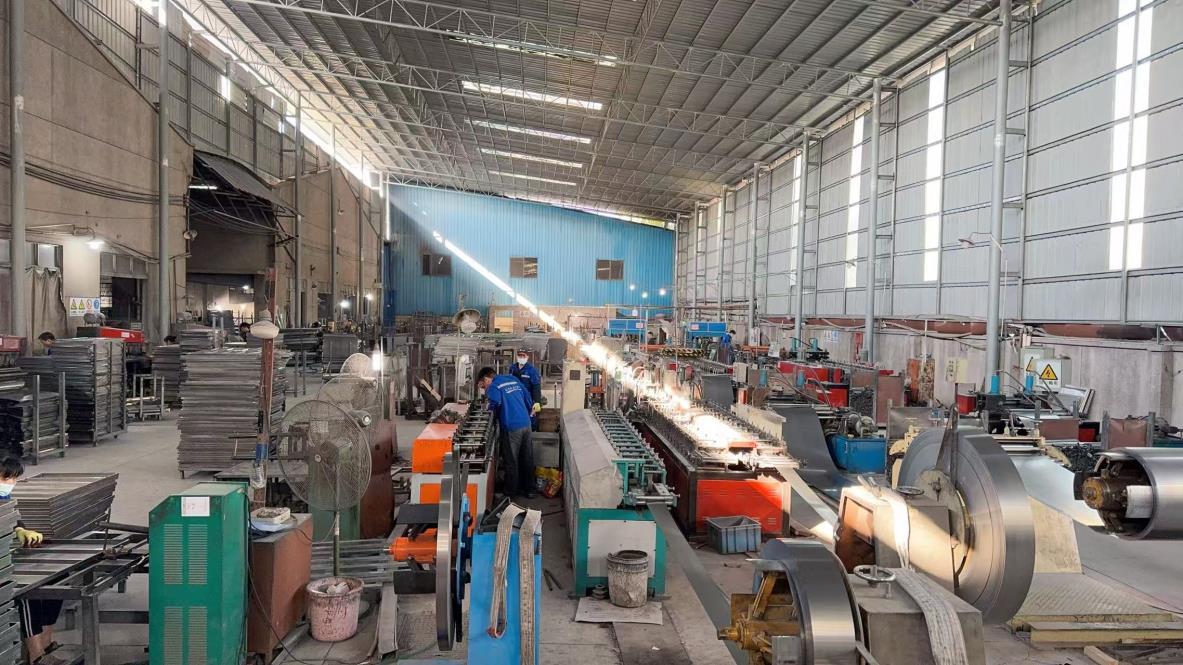
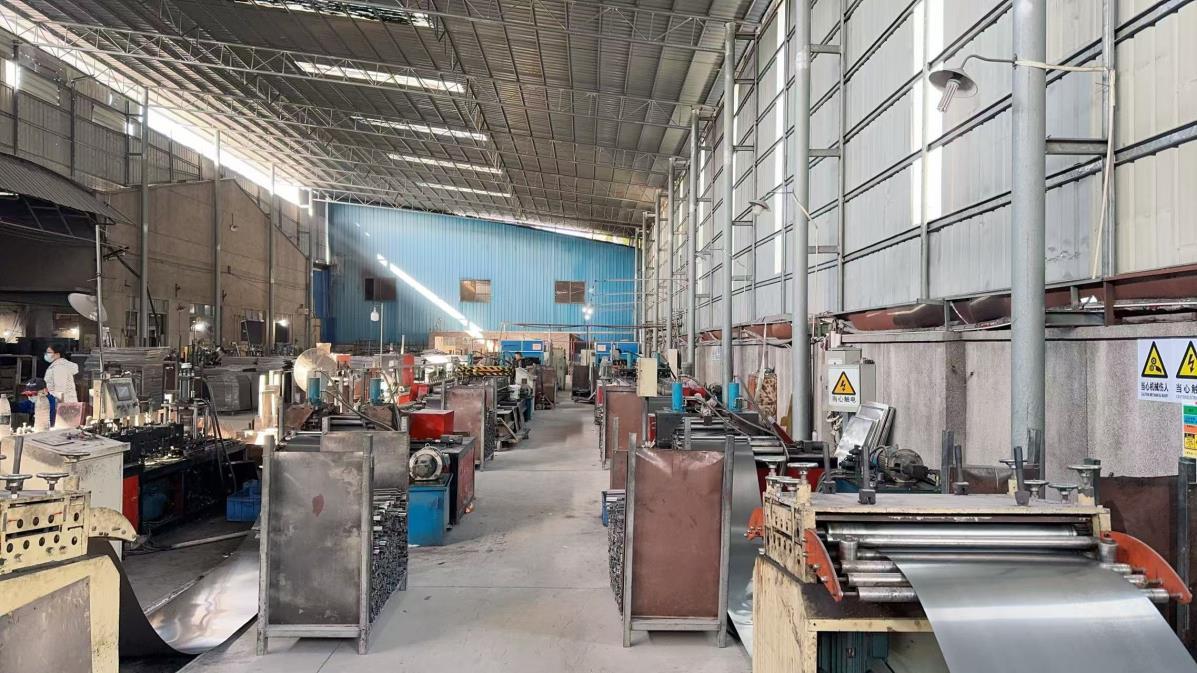
Since 2015, Dongguan Kimsuk Shelves Co., Ltd. has established itself as an engineering pioneer in heavy-duty industrial shelving, warehouse rack-supported lofts, and structural steel platforms.
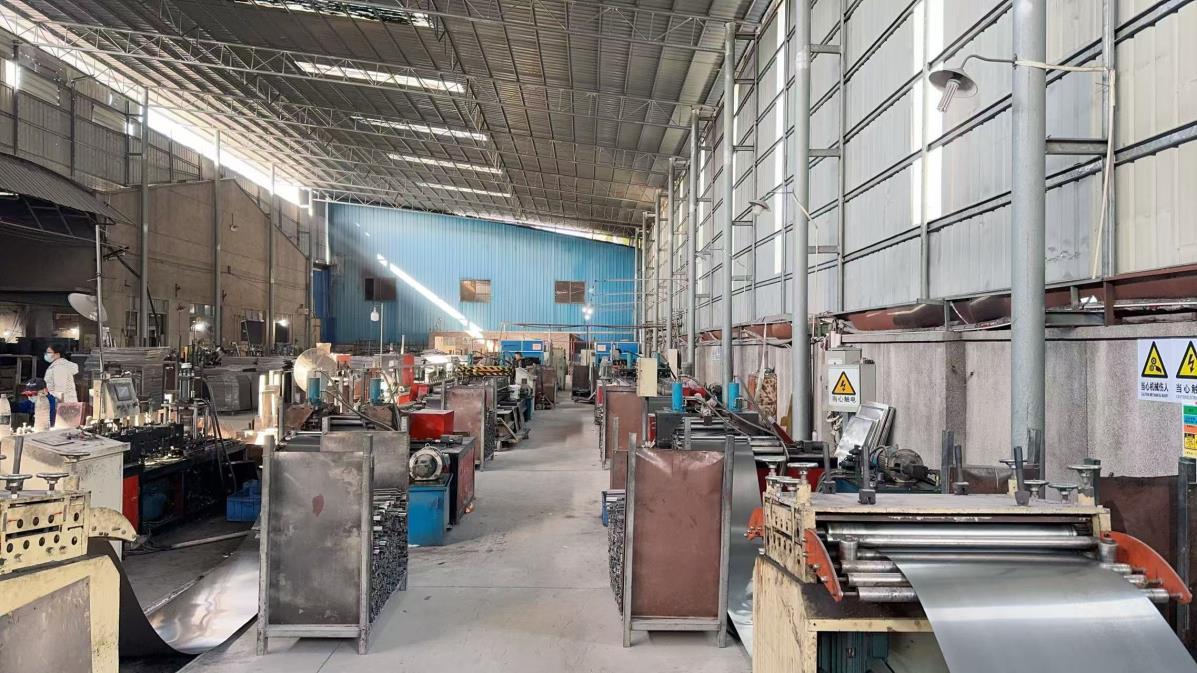
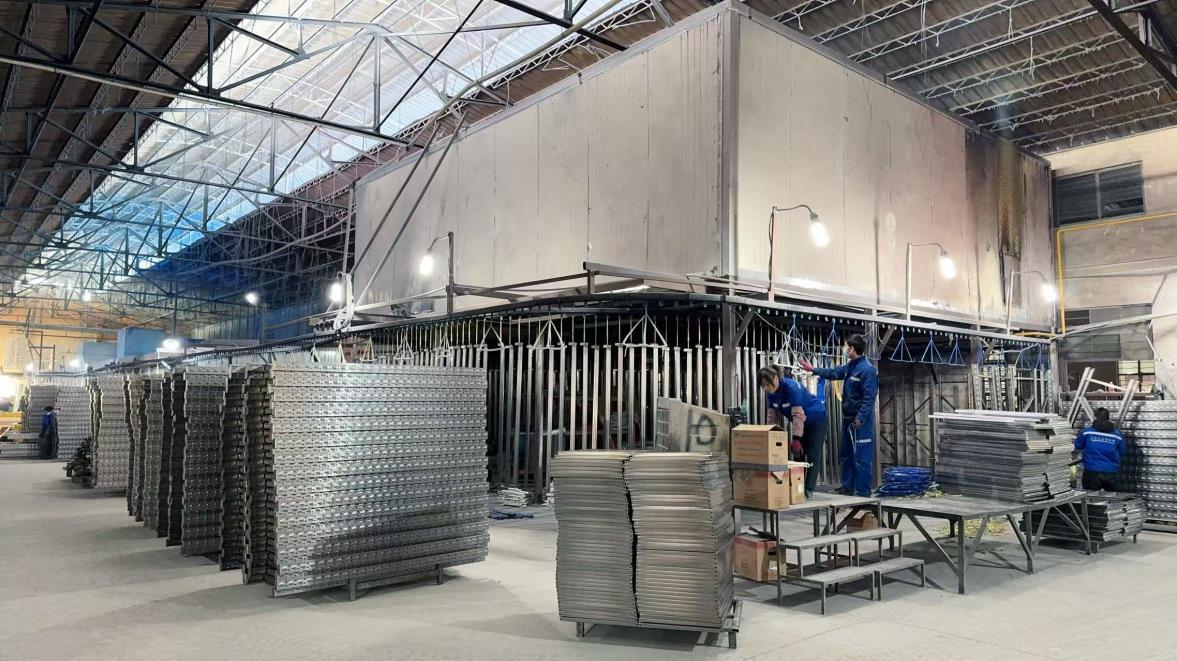
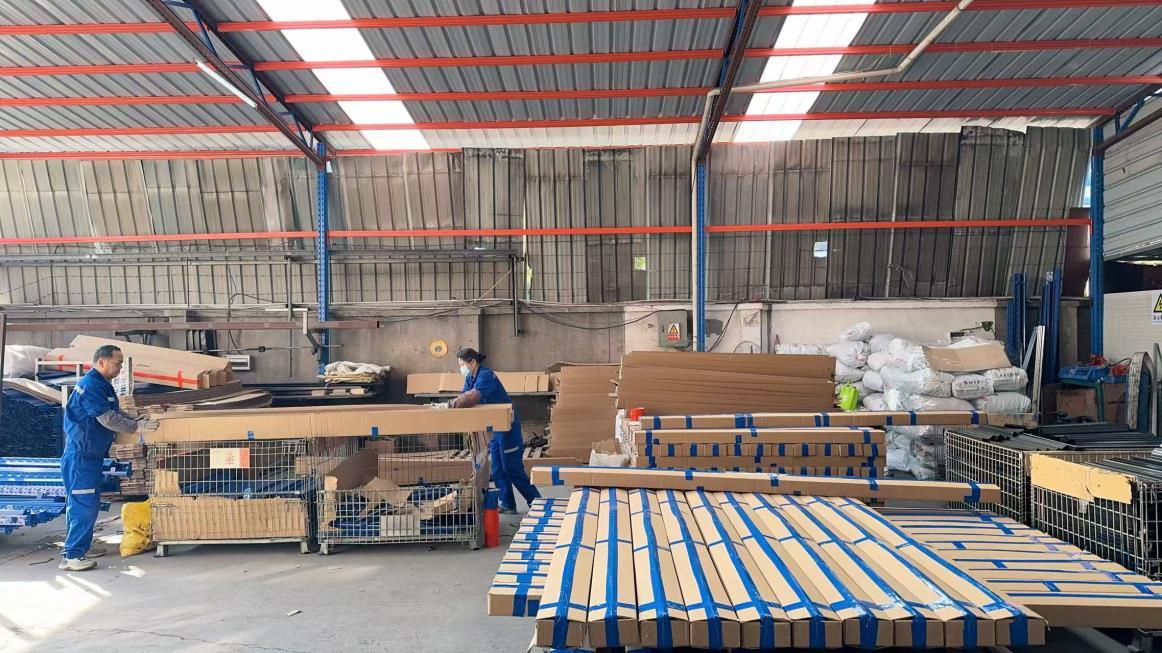
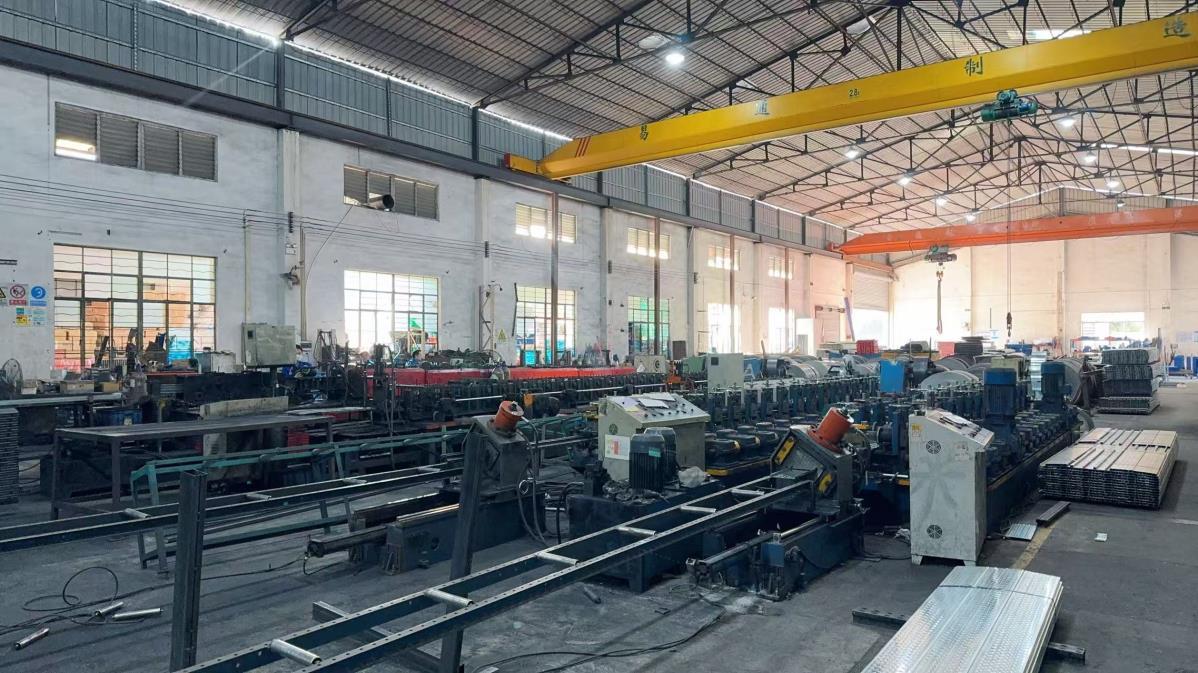
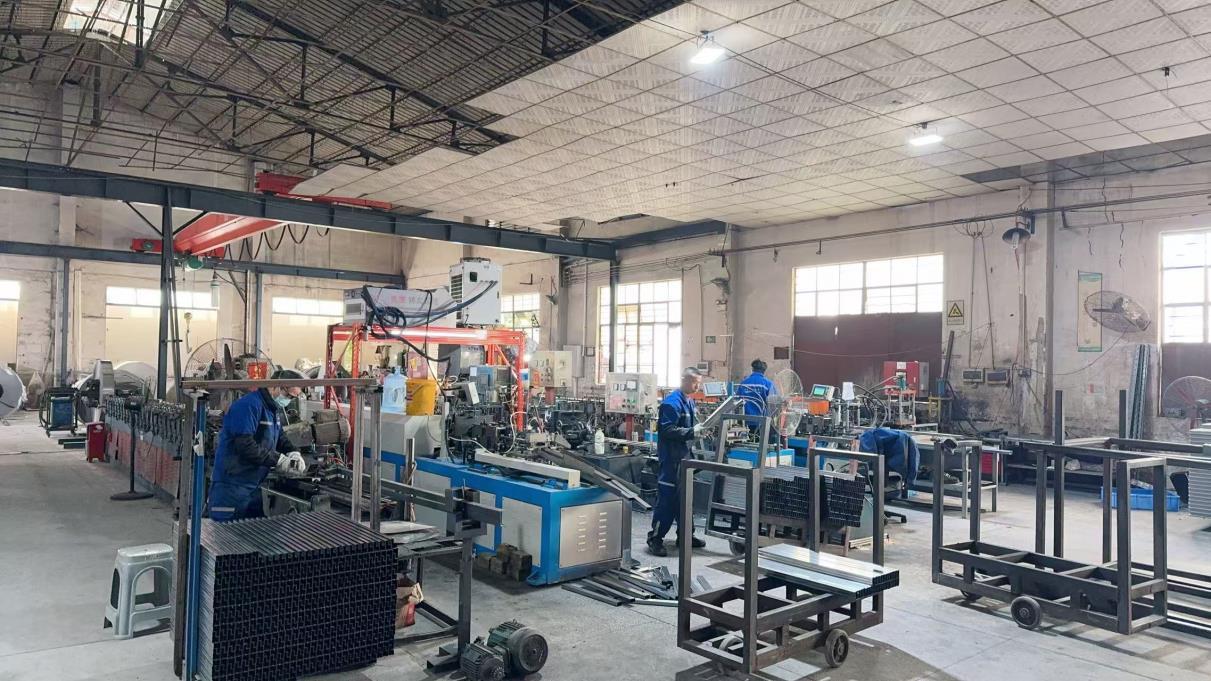
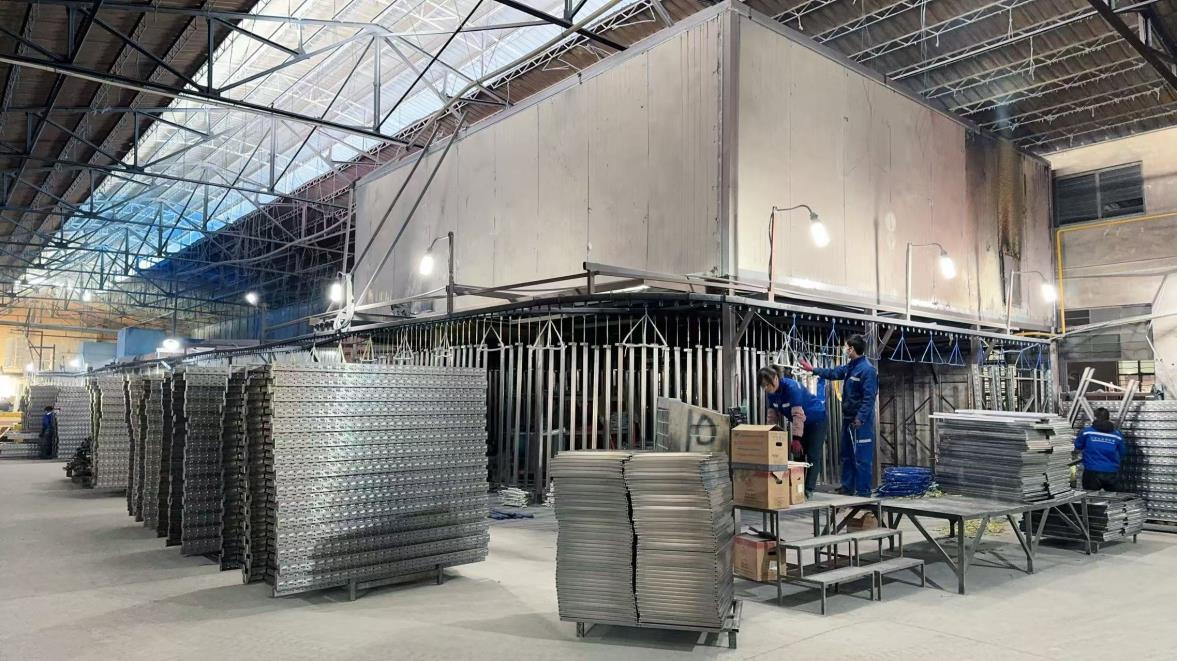
Leveraging over 11 years of structural engineering expertise combined with 8 years of dedicated direct international export logistics, we optimize space constraints for high-throughput supply chains. Operating from our state-of-the-art 32,000 square meter digitalized production base, we operate with a strict quality-centric approach. We maintain an international distribution reach generating an annual export capacity of over $18 million across major global regions, including North America, Europe, Southeast Asia, and the Middle East.
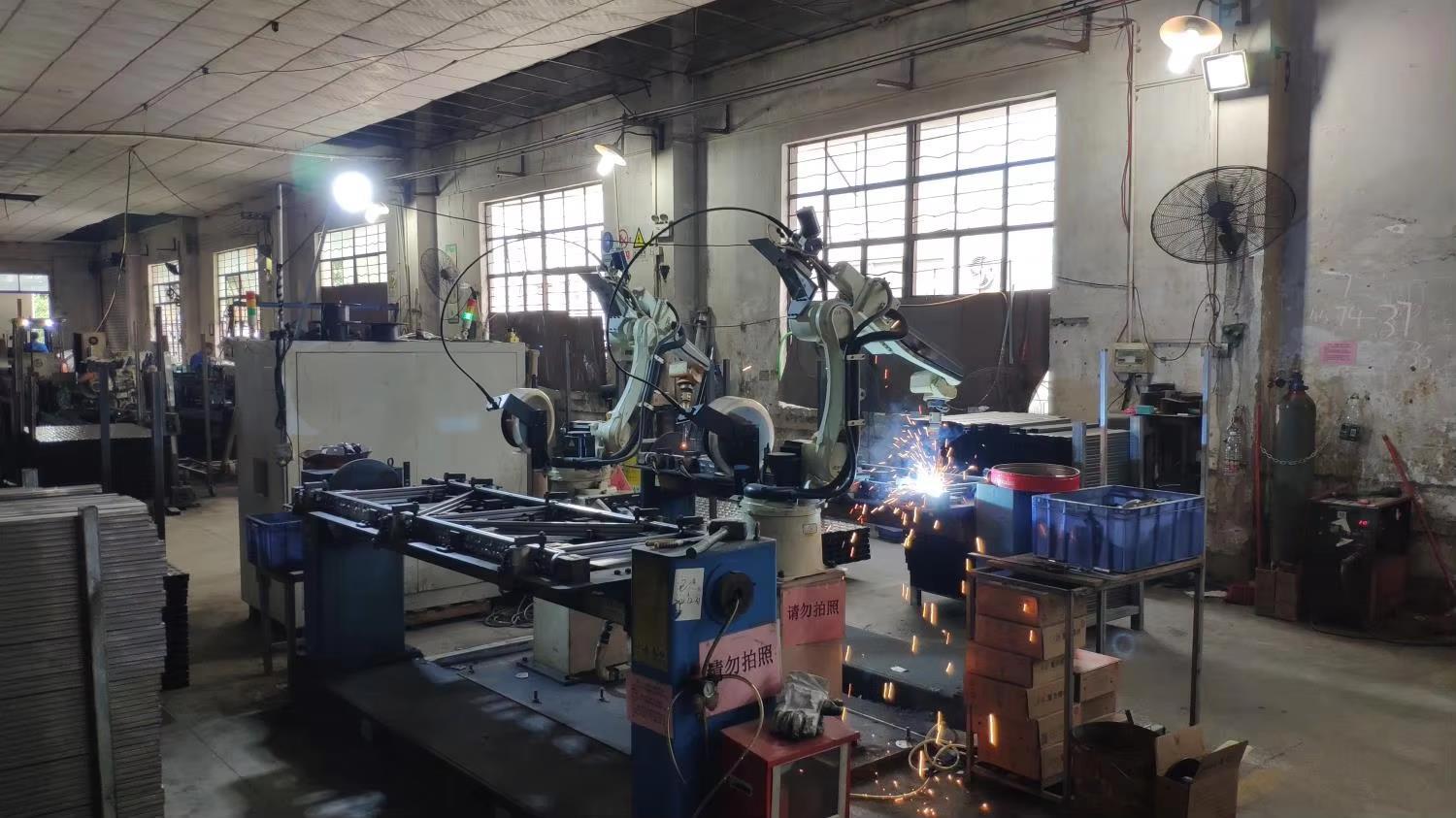
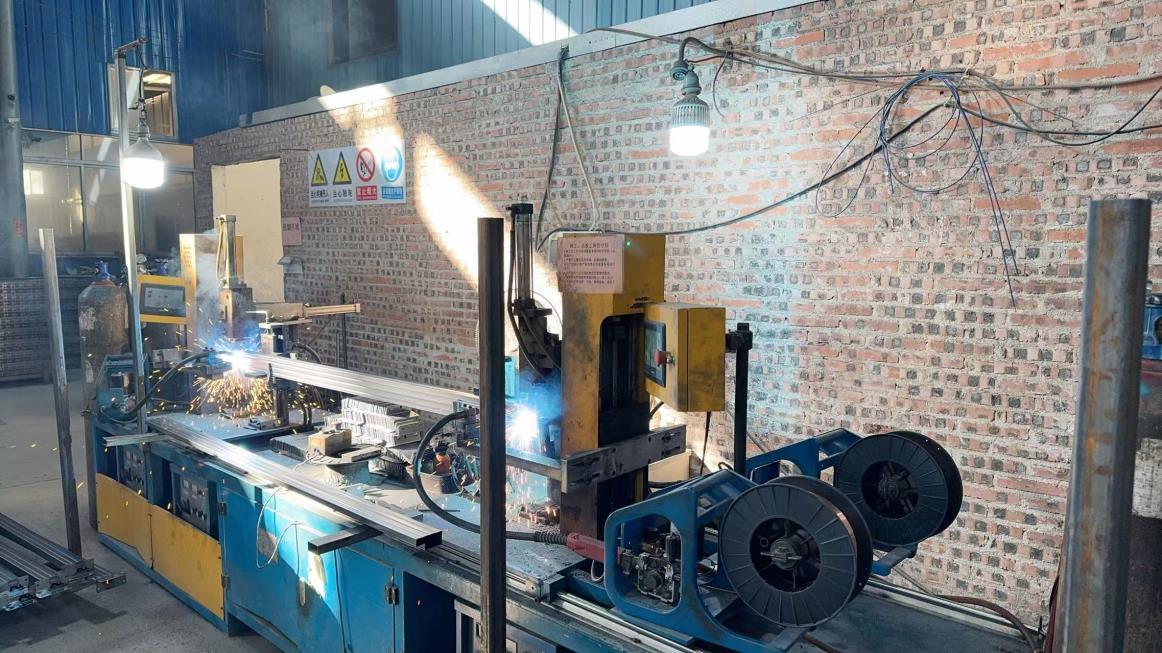
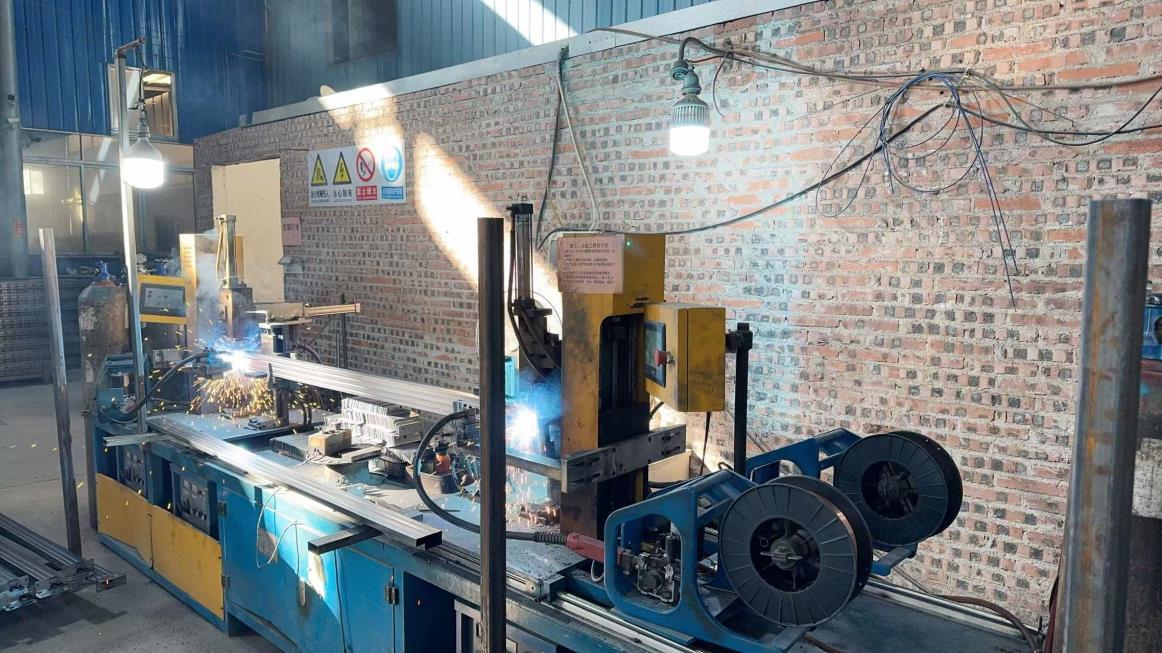
Structural safety is the core pillar of Kimsuk's custom fabrications. Supported by a rigorous quality assurance framework featuring a team of 35 expert QA/QC engineers, our verification testing process leaves zero margin for failure. We utilize automated non-destructive weld testing, raw material tensile test benches, load-deflection metrics, and micron-level powder-coating thickness analysis. Complemented by our extensive raw material and component network of over 850 verified supply chain partners, we serve demanding logistics systems, 3PL giants, manufacturing plants, and heavy e-commerce distribution facilities.
Our engineering team specializes in complete custom OEM/ODM steel structures. Last year alone, we introduced 120 new structural profiles and storage configurations, providing tailormade solutions to meet seismic parameters, aggressive corrosion exposures, and custom point load specifications.
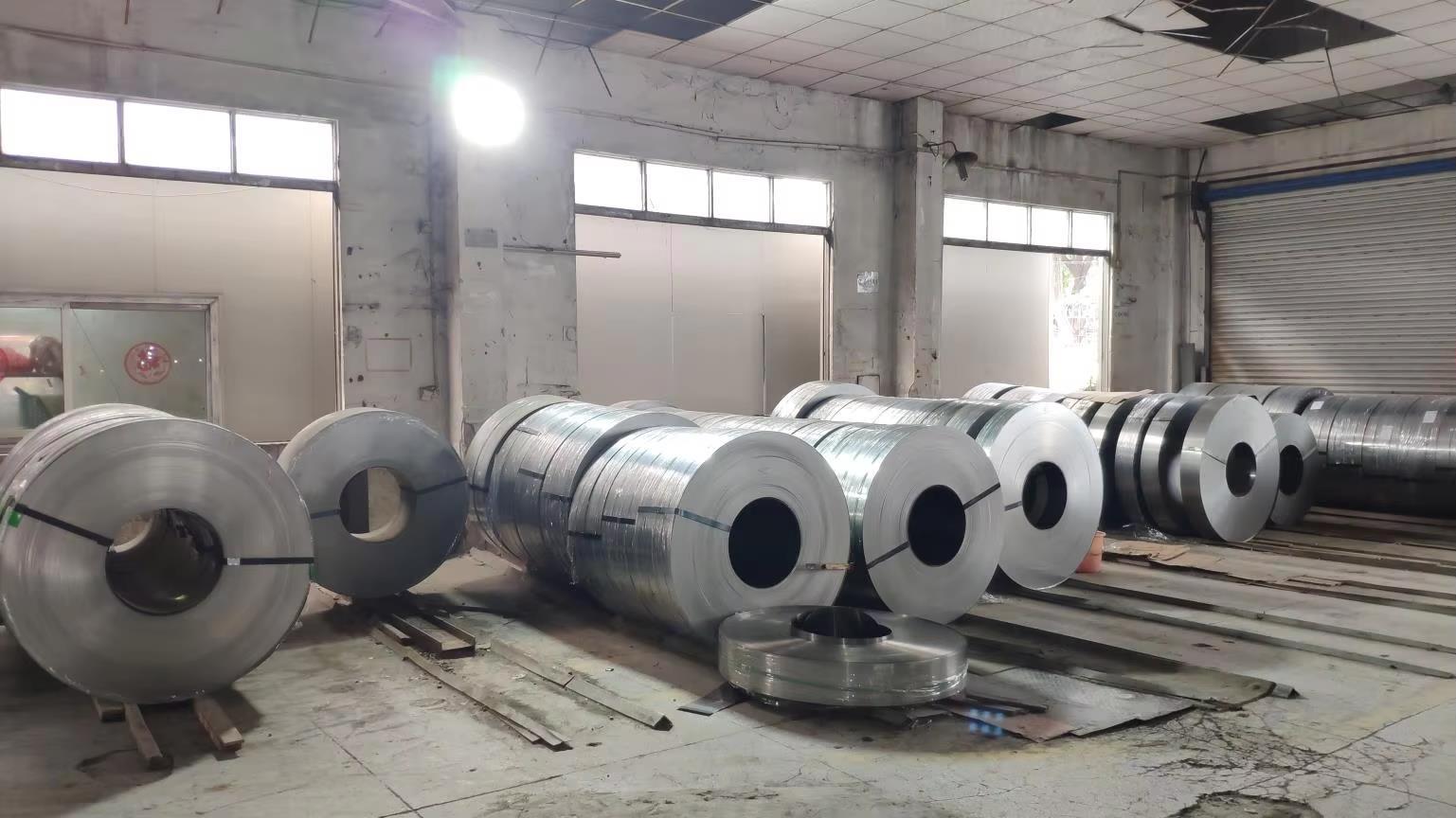
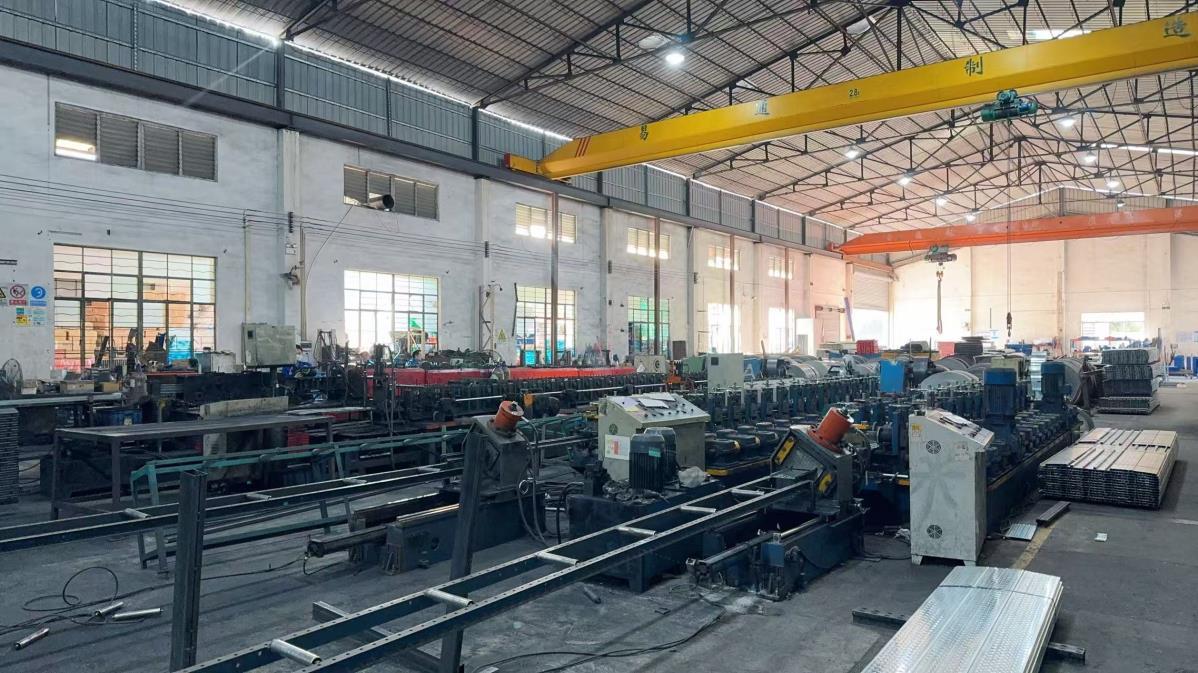
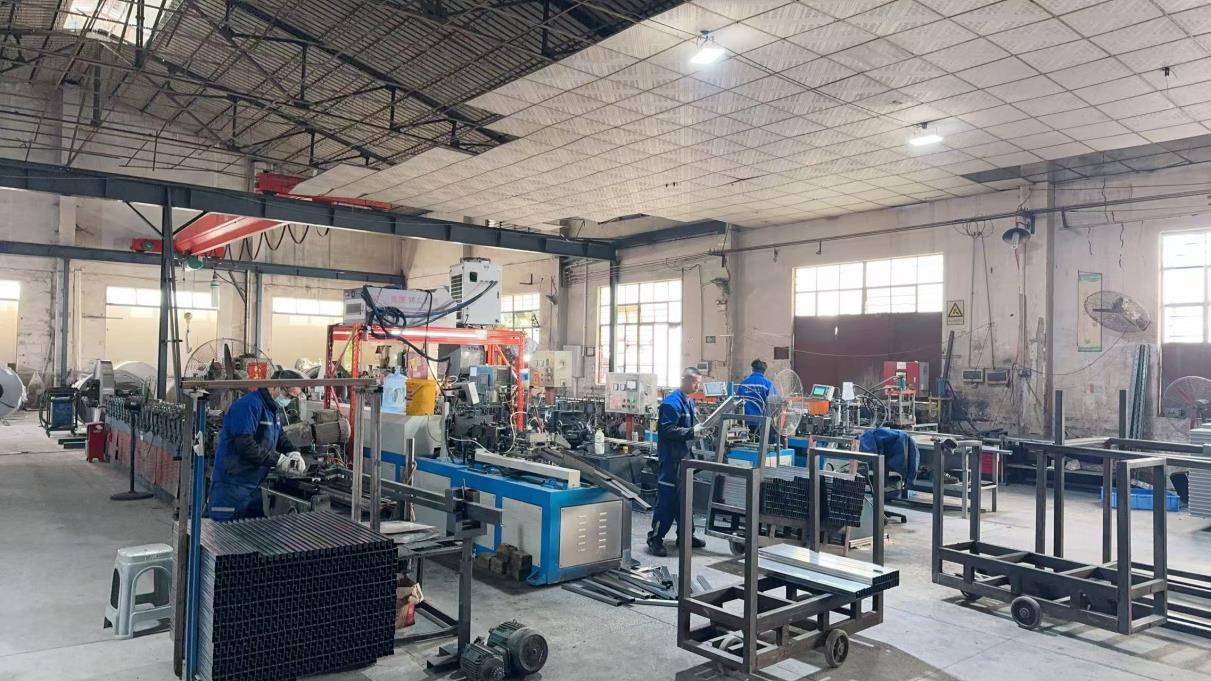
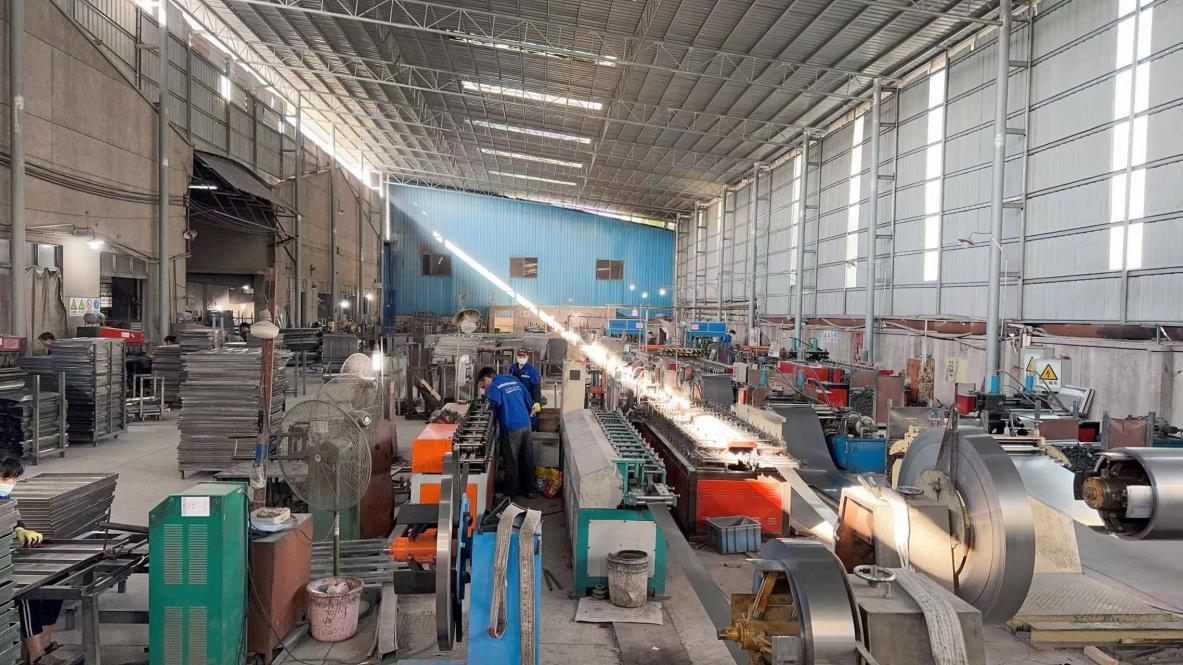
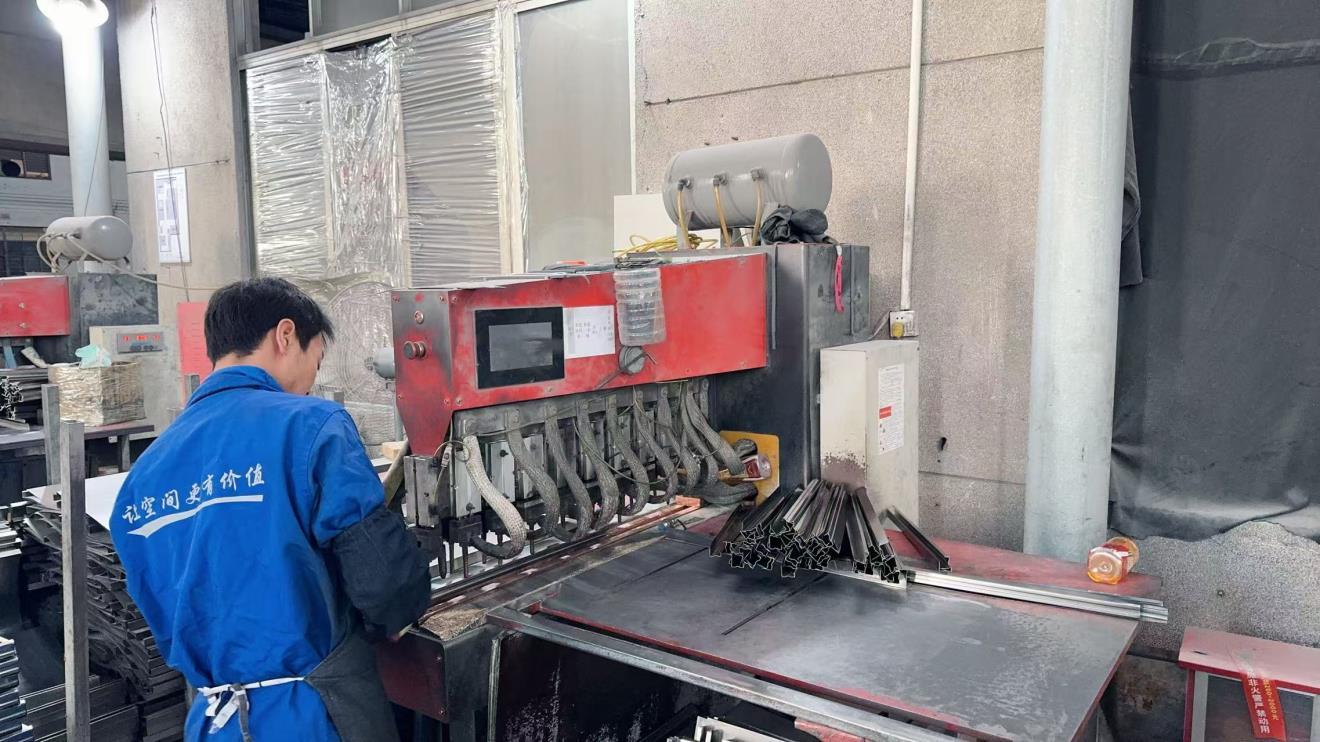
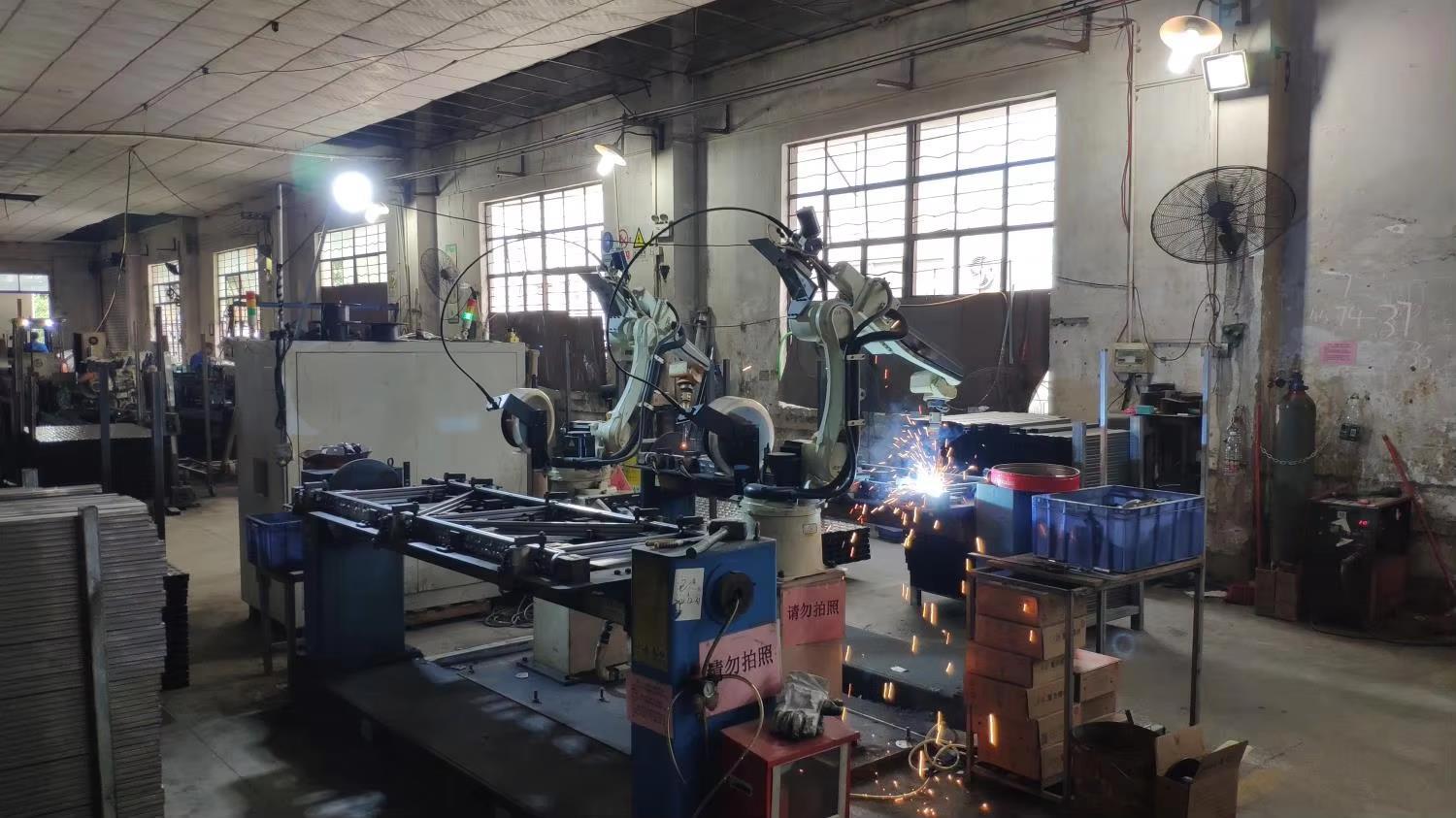
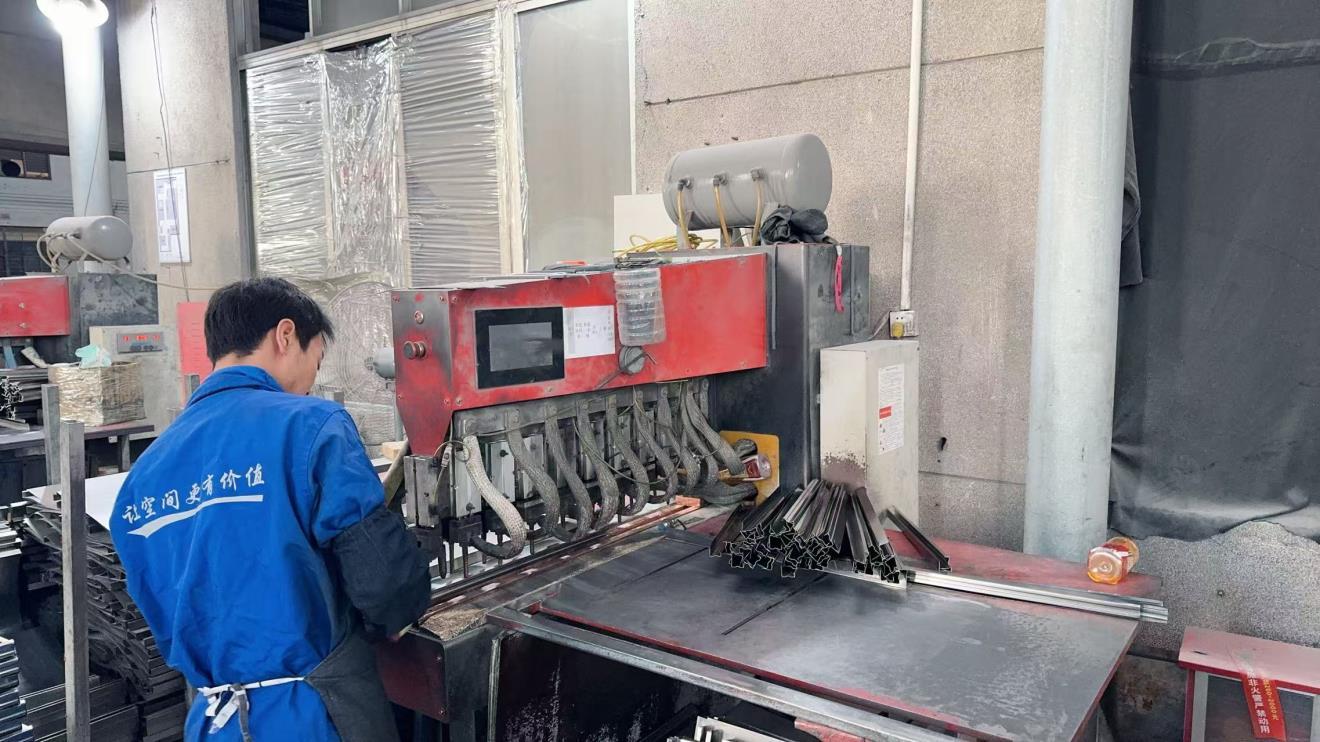
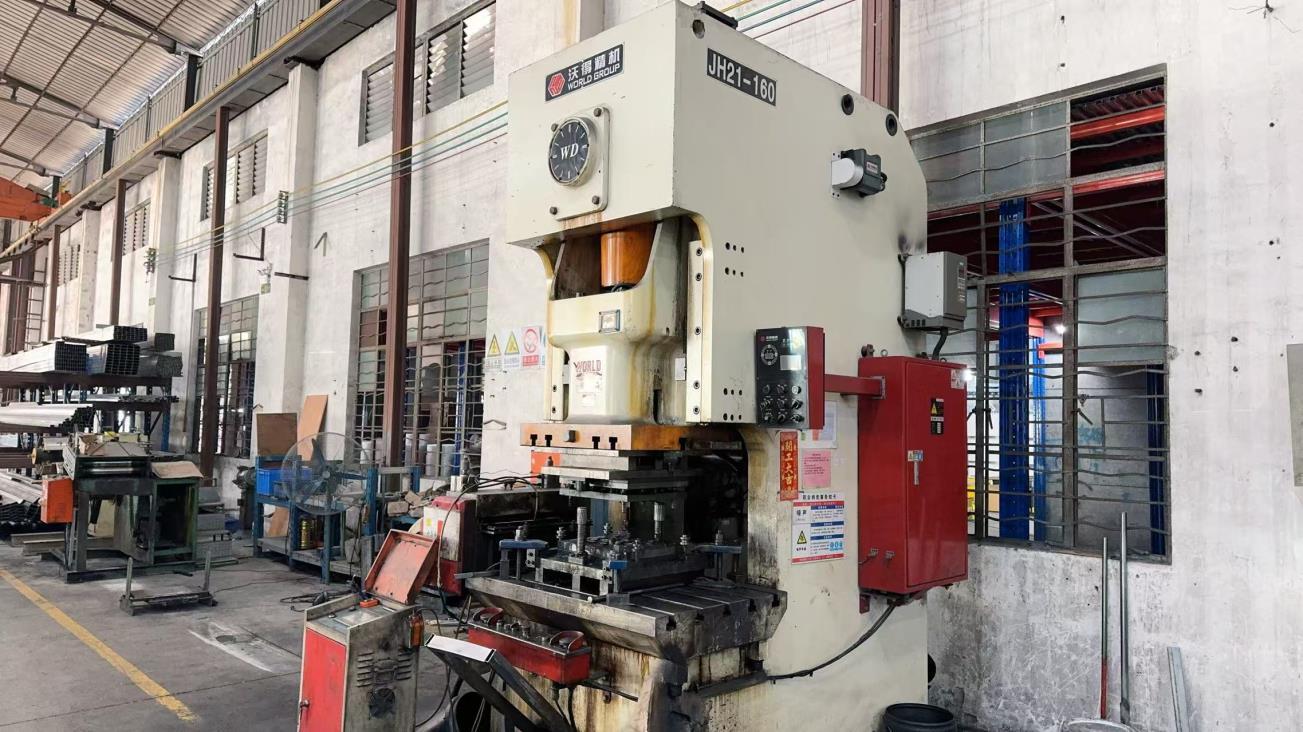
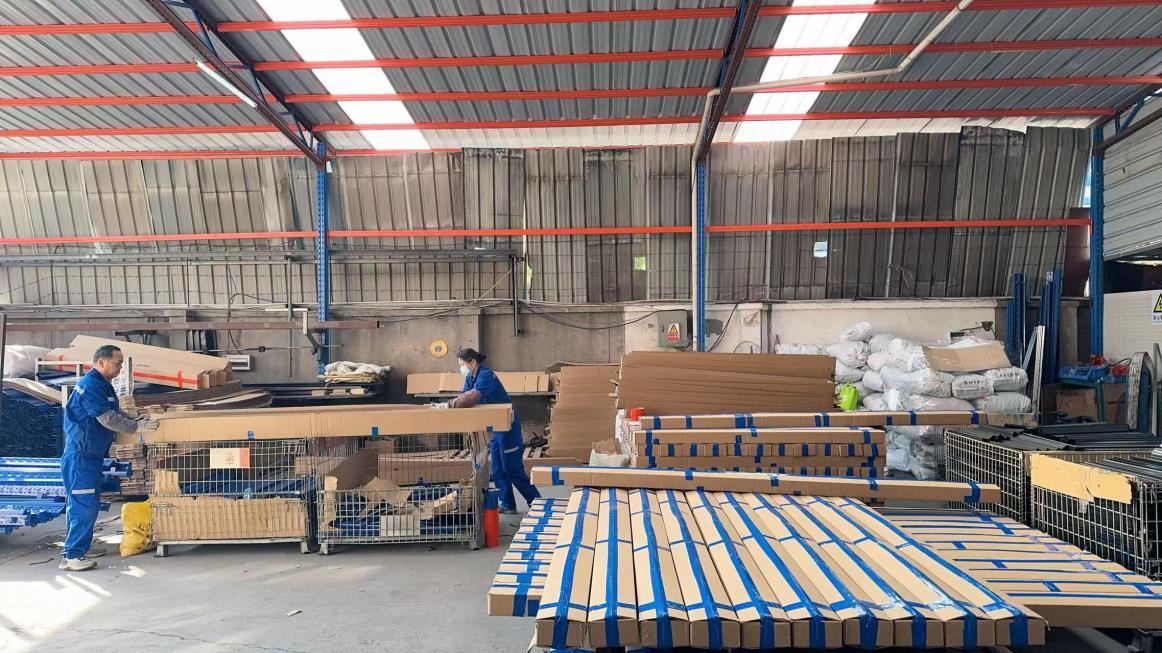
Take an inside look at our structural steel manufacturing facilities, robotic weld centers, and quality-testing protocols.
Key shifts impacting supply chains, logistics architecture, and structural standards.
Industrial platforms are shifting from simple manual storage levels to dynamic mechanical structures. Contemporary installations integrate with Automated Storage and Retrieval Systems (AS/RS), autonomous mobile robots (AMRs), and specialized heavy-load conveyor routes requiring high precision engineering.
To minimize structural build downtime on active warehouse floors, boltless, welding-free structural configurations have surged in popularity. Modular components are precision-cut, pre-drilled, and powder coated off-site, allowing for immediate mechanical assembly without site welding permits.
Extreme environments like cold storage and chemical logistics hubs demand specialized finishes. High-durability hot-dip galvanization and advanced electrostatic powder coatings provide long-term corrosion barrier protection, meeting rigorous health, cleanroom, and safety requirements.
Procuring structural steel platforms and multi-tier mezzanines requires careful coordination of engineering specifications. A minor calculations error can compromise structural safety, cause localized collapse, or lead to non-compliance with local zoning authorities.
When sourcing high-load structural configurations, global purchasing departments must evaluate several primary criteria:
From single-level storage decks to complex, integrated multi-tier facilities.
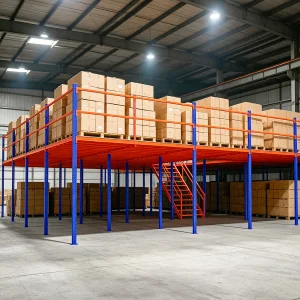
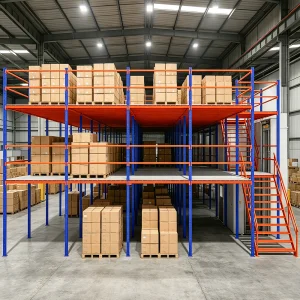
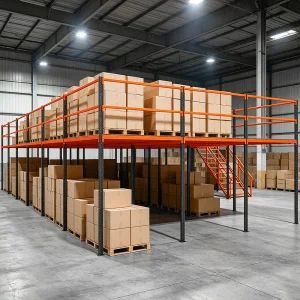
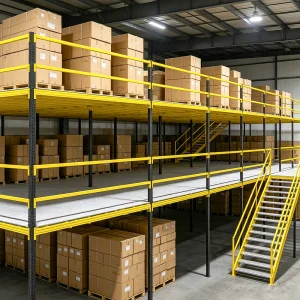
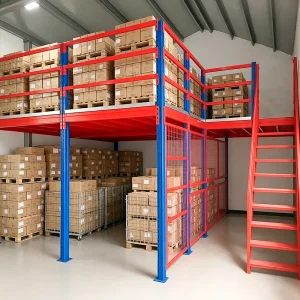
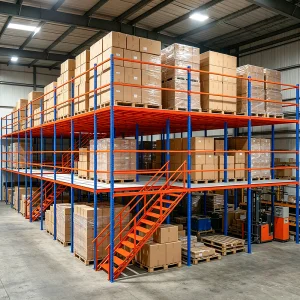
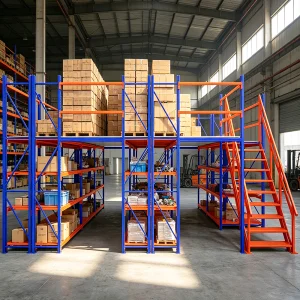
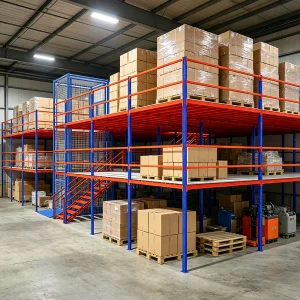
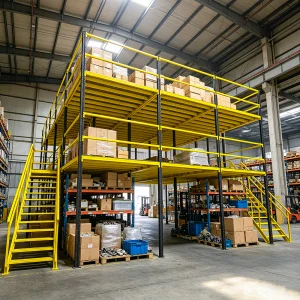
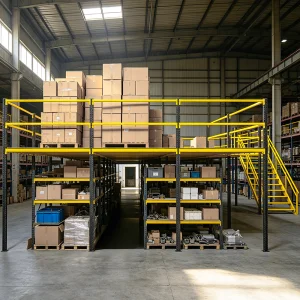
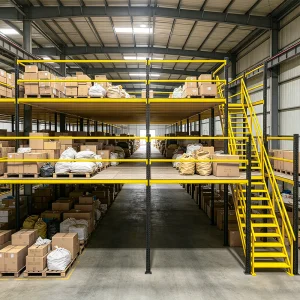
Maximize picking face efficiency with multi-tier rack-supported mezzanine platforms. By utilizing high vertical clearances, operations can expand pick-pack modules and product storage locations without altering the warehouse's physical footprint.
Separate fabrication machinery from raw inventory storage. High load structural steel floors act as heavy-duty equipment platforms, allowing heavy machinery, HVAC units, or control stations to operate safely above floor-level paths.
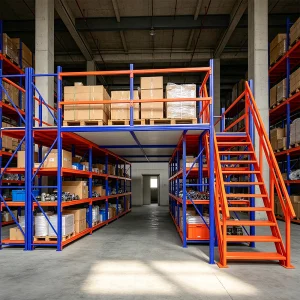
Cost-effective manual access lofts engineered for smaller boxed goods, fast-moving items, and multi-SKU storage. Complete with integrated industrial staircases, safety access gates, and safety perimeter guardrails.
Sourcing heavy structures internationally requires aligning with local regional structural regulations.
Dongguan Kimsuk Shelves Co., Ltd. ensures all manufactured components are engineered in compliance with regional building standards. We provide complete calculations and engineering documentation to streamline local approval processes.
Our engineering department models structural loads using calculations configured to meet the following regulatory design parameters:
Designs conform to the American Institute of Steel Construction (AISC) structural codes and the International Building Code (IBC) guidelines. All safety stairs, access gates, and industrial railings meet OSHA safety criteria.
All structural calculation methods are verified against Eurocode 3 (EN 1993) design parameters for steel structures, with steel weld certifications in compliance with EN 1090-2 execution standards.
For our oceania distribution partners, cold-formed steel structural components are engineered to conform to the AS/NZS 4600 and AS 4084 steel storage racking regulations.
Driving supply chain efficiency with next-generation spatial engineering and digital design tools.
Integrating custom mezzanine designs into comprehensive building models. Our BIM files allow clients to test spatial layout configurations, structural clearances, utility integration, and logistics flow dynamics before production begins.
As dynamic material handling robots become standard in smart warehouses, our platforms are engineered to handle the wheel loads, acceleration stresses, and flat floor requirements of AMR navigation systems.
Committed to sustainability, our production lines utilize pre-consumer recycled steel coils, and our powder coating operations reclaim overspray, reducing chemical waste by 95% while providing zero-VOC finishes.
Answers to key engineering, procurement, and deployment questions for global logistics partners.
Roll-formed mezzanine racks are typically supported by racking upright frames and light-gauge steel columns. They are ideal for high-density storage of hand-pushed items. In contrast, structural steel platforms are fabricated from heavy-duty structural steel shapes (such as I-beams, H-beams, and thick hollow section tubes). This design allows for larger column spans, higher clearances below, and much higher load capacities, making them suitable for heavy equipment, pallet traffic, and forklift operations.
Every custom system we design undergoes structural verification using Finite Element Analysis (FEA) software. We calculate structural stress limits, deflection parameters (ensuring compliance with L/300 deflection requirements), and soil/slab load distributions. Testing is conducted using raw material tensile tests, ultrasonic weld checks, and load cell stress verification to ensure compliance with AISC, EN 1993, and AS/NZS codes.
Seismic design depends on the facility's location, the soil classification, the building's overall height, and the mezzanine's load capacity. In areas with high seismic risk, our engineers add lateral and vertical steel bracing, heavy-duty base plate anchoring systems, and dynamic connection joints to absorb seismic energy and prevent structural collapse.
We provide four main decking options depending on the application:
1. Heavy-duty Steel Grating: Best for ventilation, fire suppression water penetration, and natural light.
2. Solid Steel Floor Plates: Ideal for forklift or pallet jack operations requiring a smooth surface.
3. Perforated Steel Panels: Combines slip resistance with ventilation and light flow.
4. Plywood or MDF over B-Decking: A cost-effective solution for manual picking zones, offices, and light warehouse applications.
Yes, all safety gates (tilting, sliding, or swing gates), industrial staircases (tread width, rise angle, non-slip steps), and handrails are engineered in compliance with OSHA standards for the US, HSE guidelines for Europe, and AS 1657 codes for Australia.
Standard engineering drawings and calculations are completed within 5-7 working days. Once designs are approved, fabrication takes 25-35 days, depending on the project's scale and customization. Standard sea shipping from Shenzhen or Guangzhou port takes 15-40 days depending on the destination port.
Explore our custom configurations designed for complex industrial layouts.
 Kimsuk Steel