Explore our foundational range of heavy-duty warehouse storage systems, engineered for maximum volume utilization and extreme load stability.
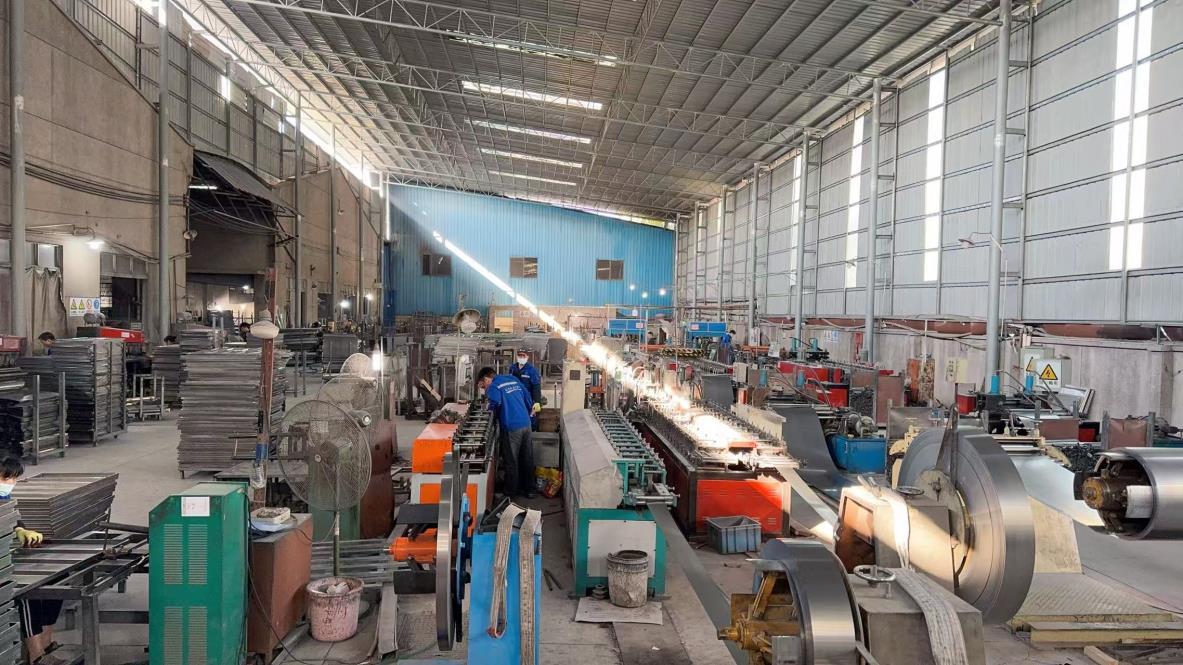
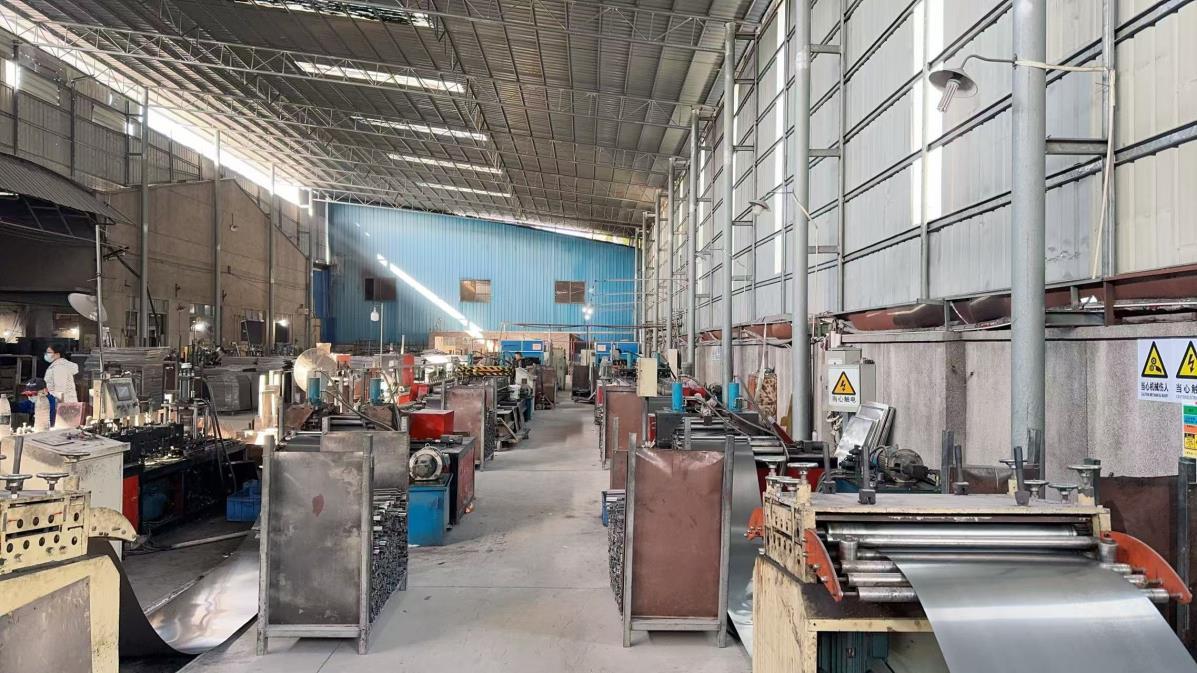
Established in 2015, Dongguan Kimsuk Shelves Co., Ltd. stands as a premier global manufacturer and designer of heavy-duty industrial shelving and structural warehouse storage solutions. Leveraging 11 years of deep industrial expertise and 8 years of dedicated international export services, we act as a strategic engineering partner for global enterprises seeking high-efficiency storage.
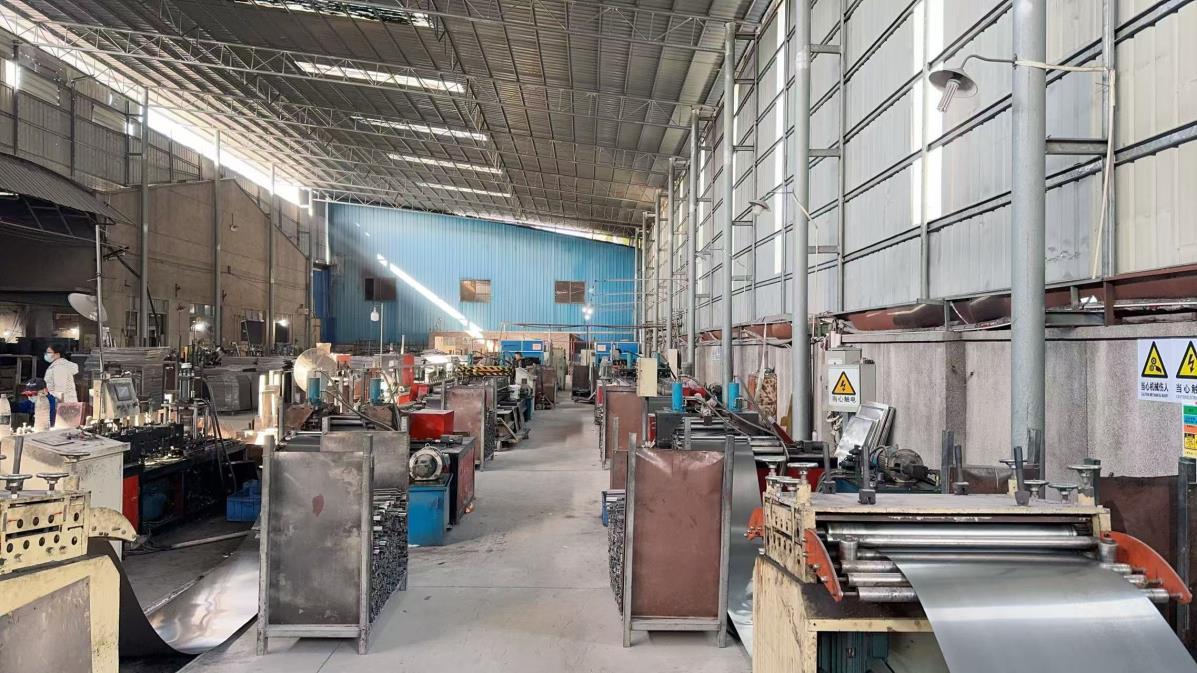
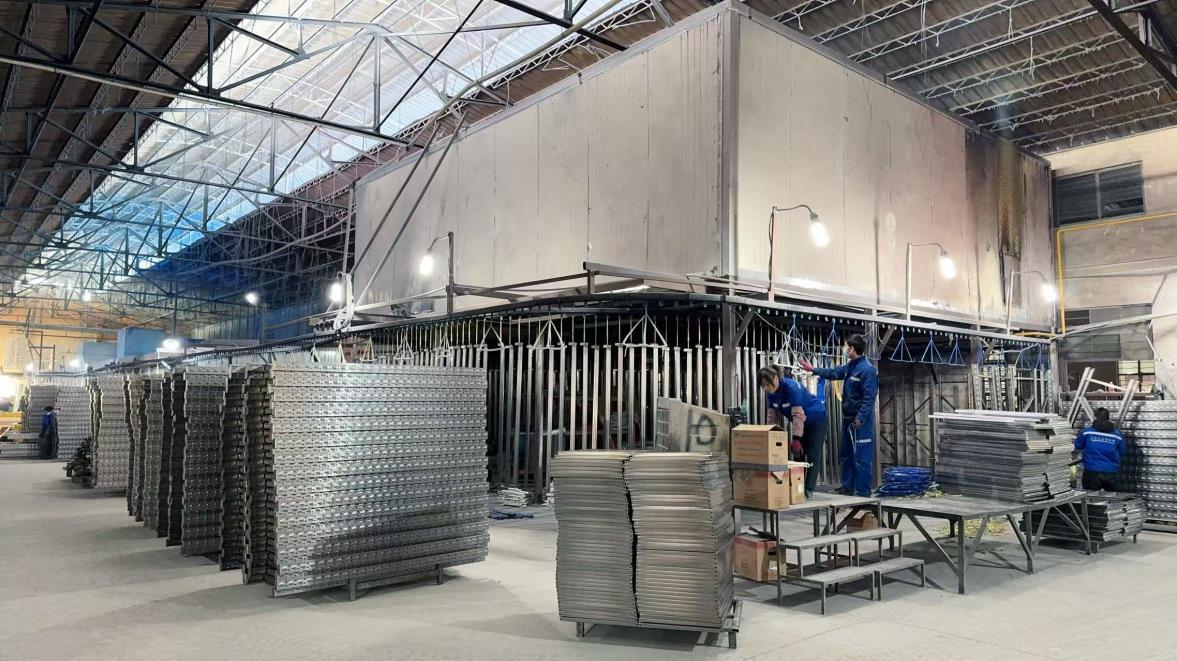
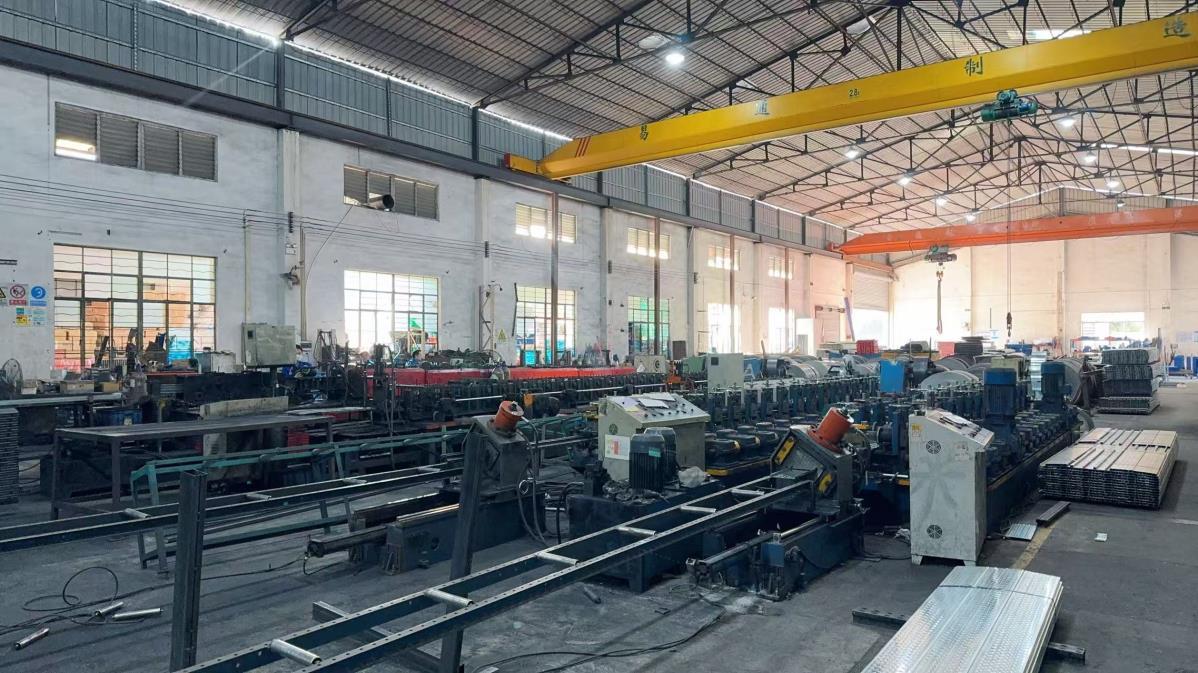
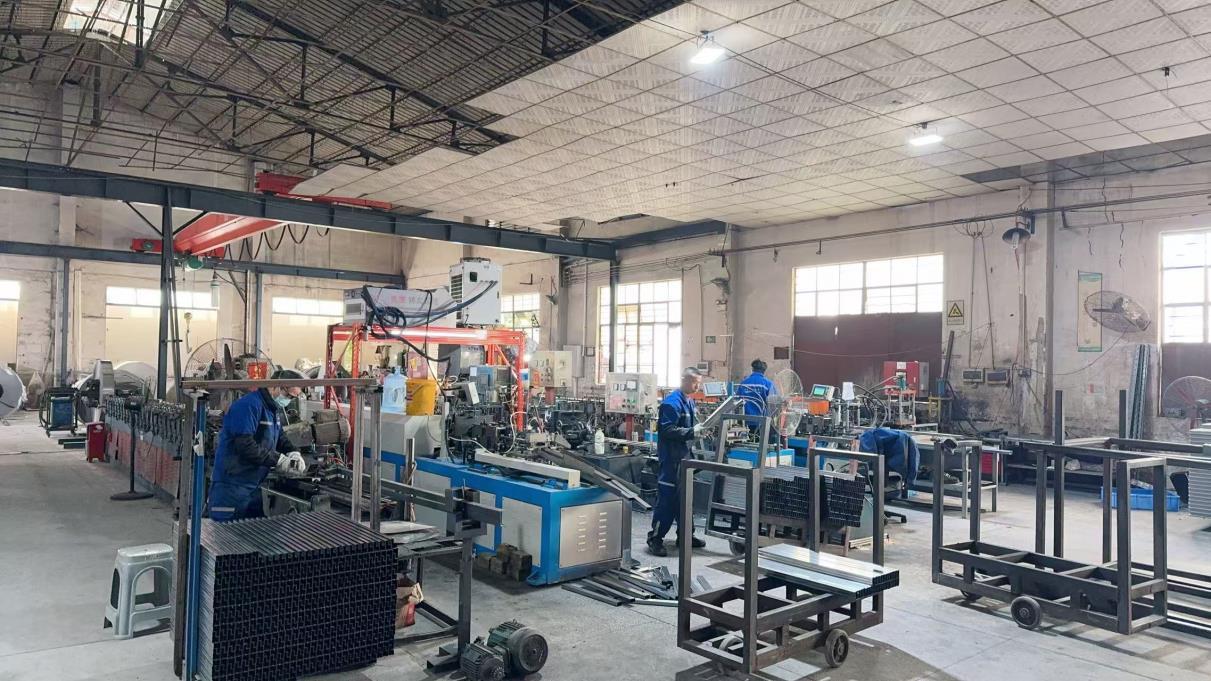
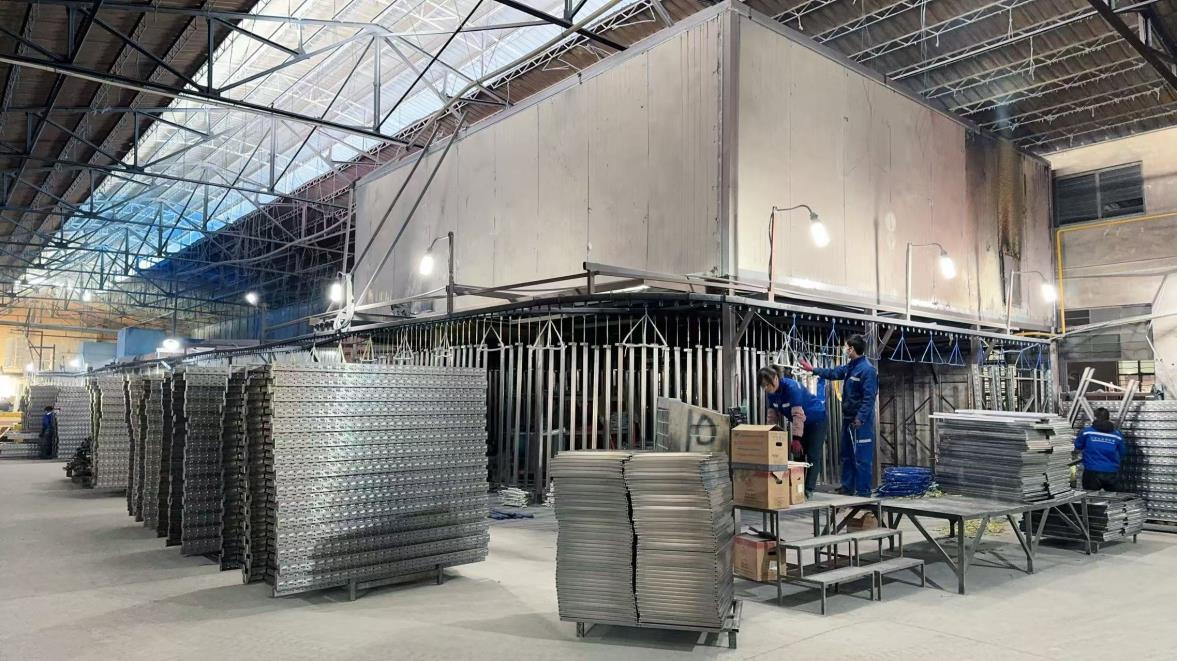
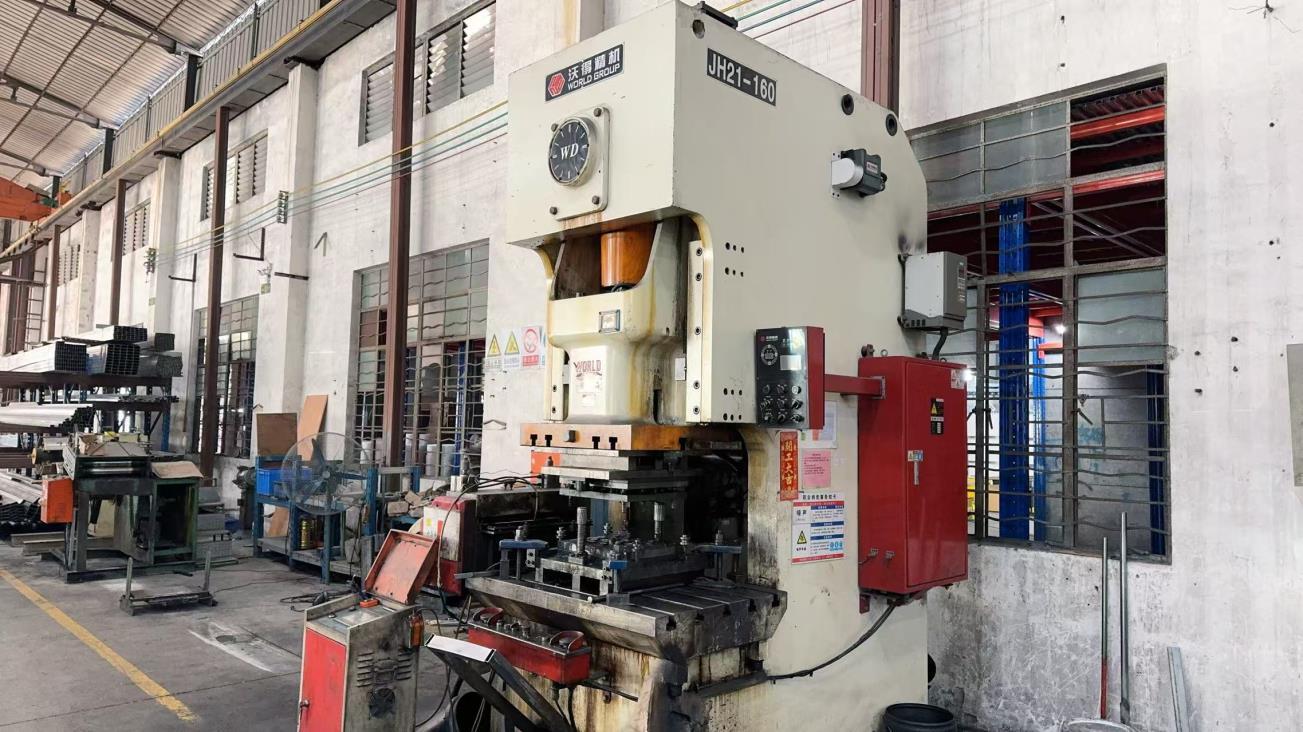
From our advanced production base spanning over 32,000 square meters, our dedicated manufacturing facilities produce precision-rolled racking configurations engineered to support immense dynamic and static loads. With an annual export valuation exceeding $18 million, our products serve logistics hubs, heavy industrial manufacturing facilities, 3PL distributors, and cold storage chains throughout North America, Europe, Southeast Asia, and the Middle East.
We work closely with 850+ verified upstream raw material and supply chain partners to source high-grade Q235B and Q355B structural steel, maintaining tracebility from raw coil to final powder-coated installation.
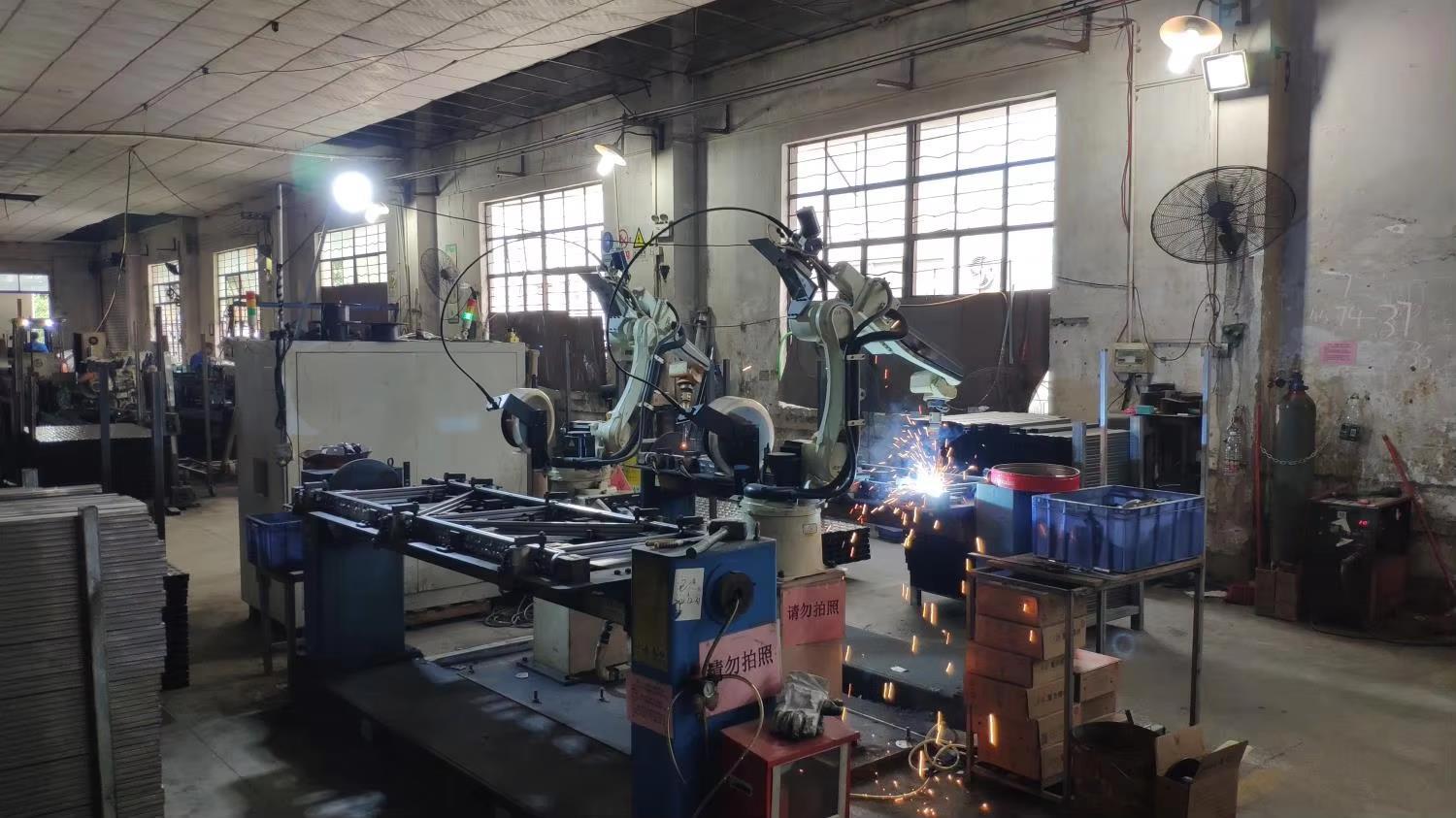
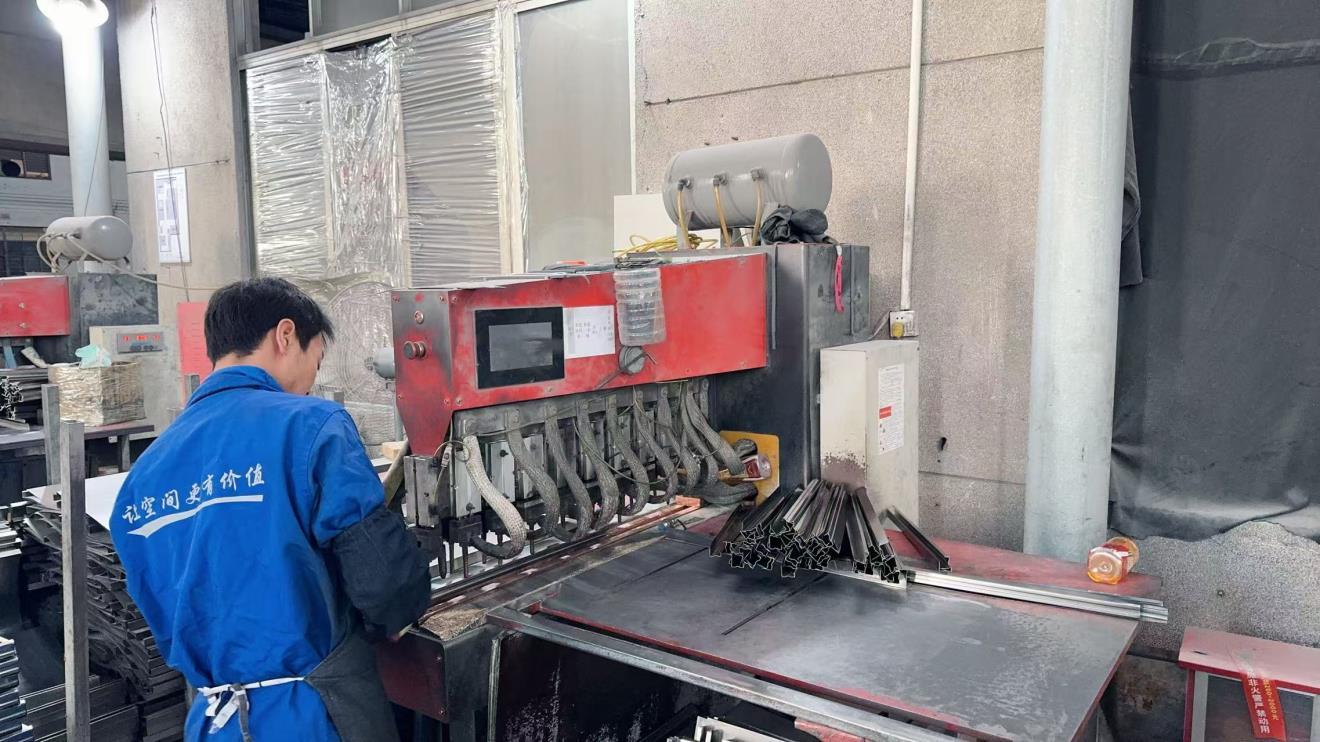
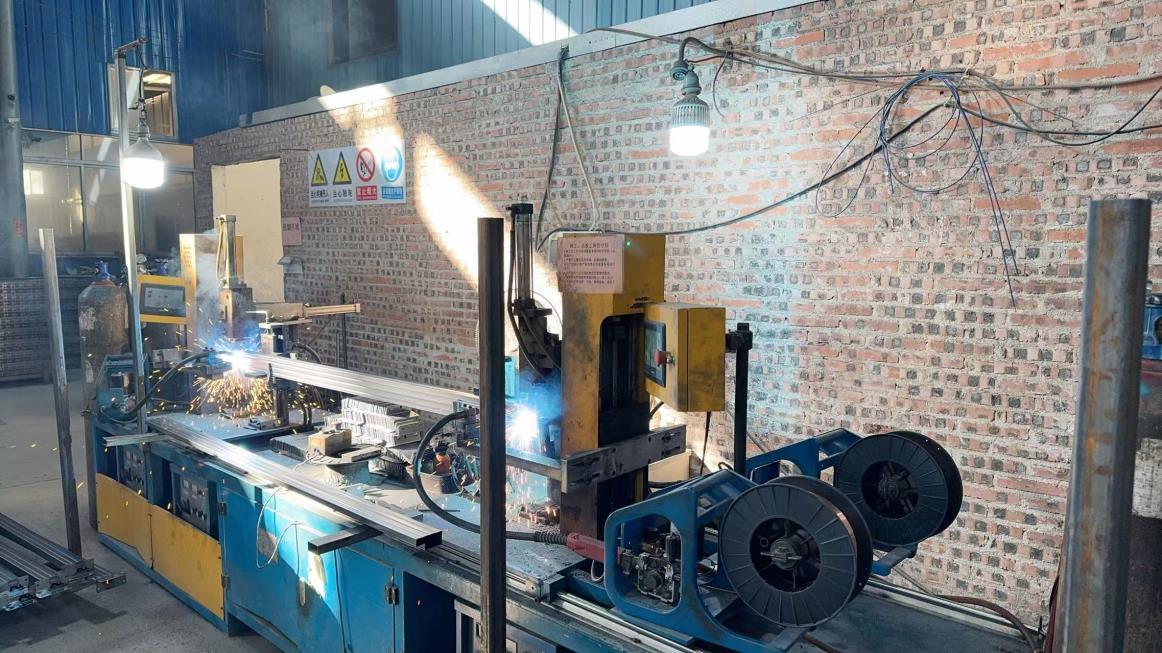
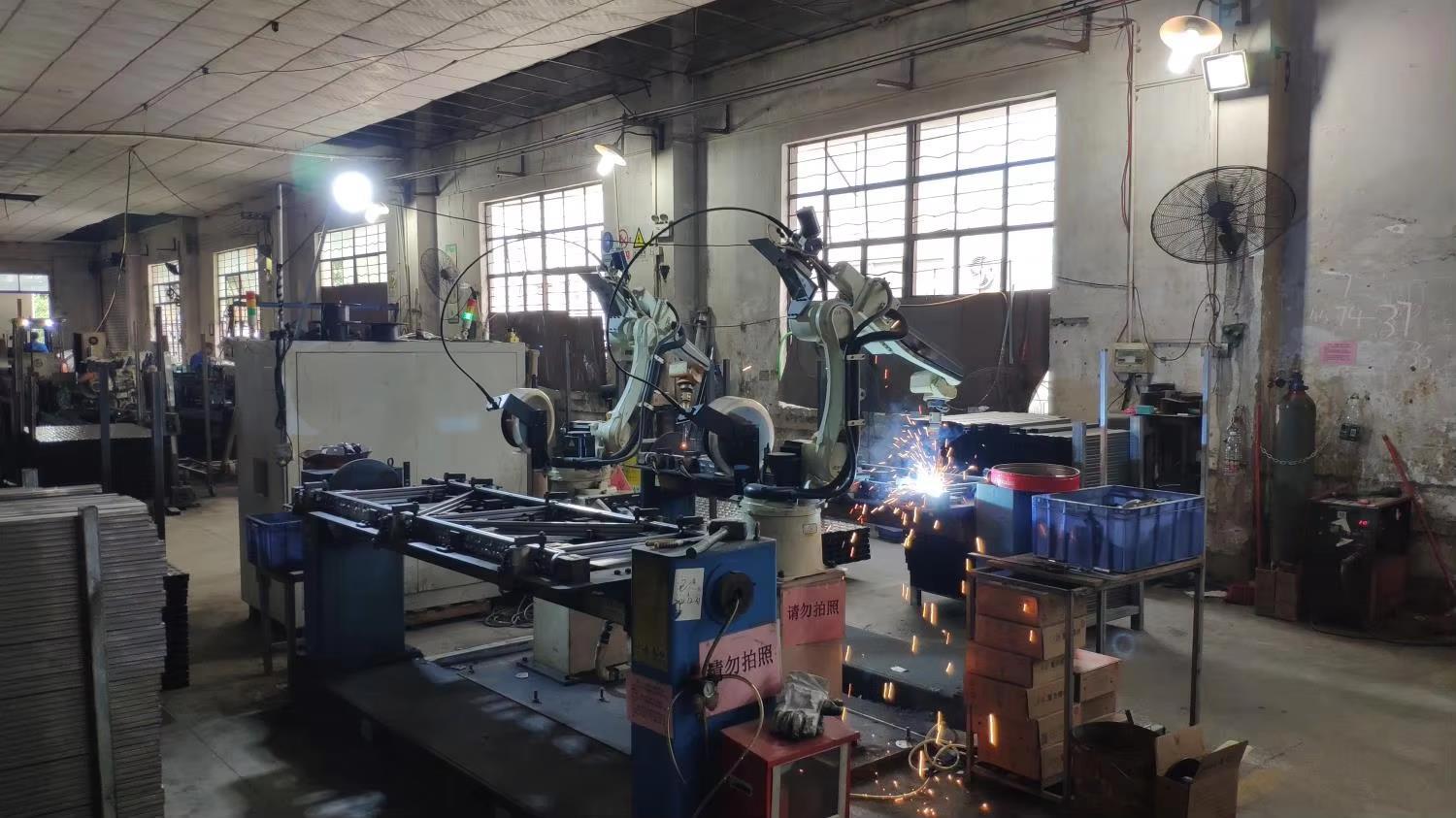
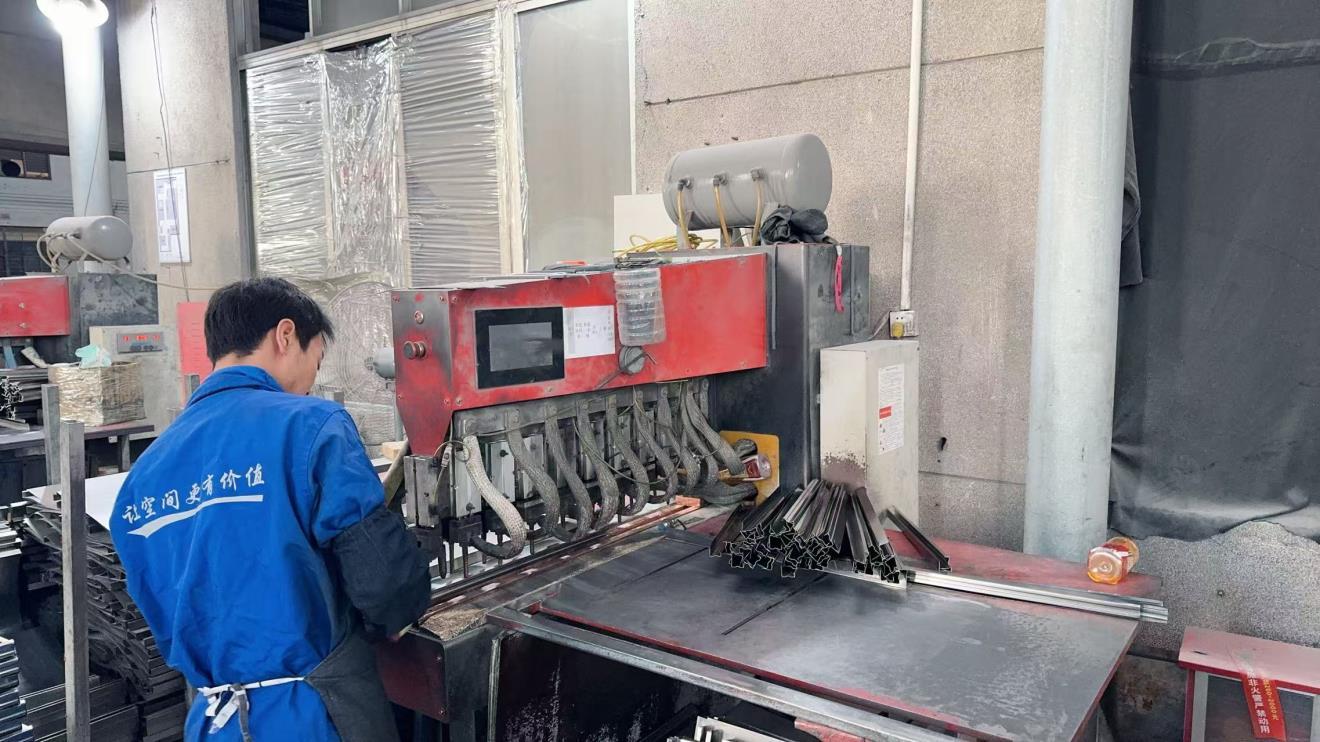
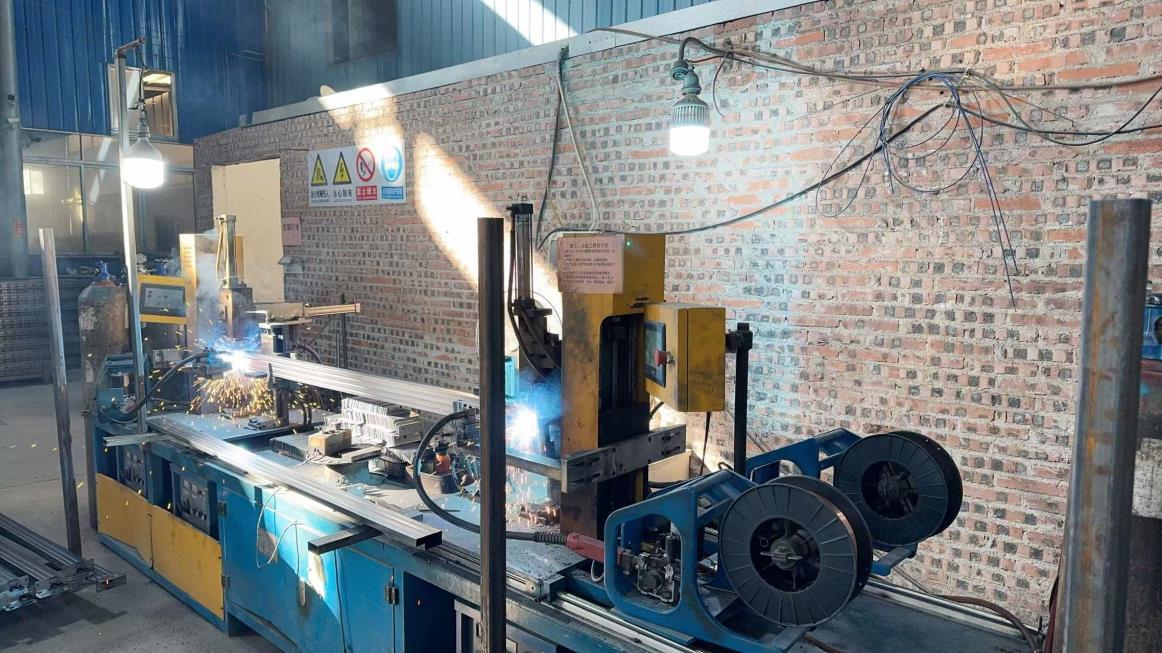
Combining heavy machinery automation, advanced robotics, and strict quality control measures to deliver structural consistency and long service lifetimes.
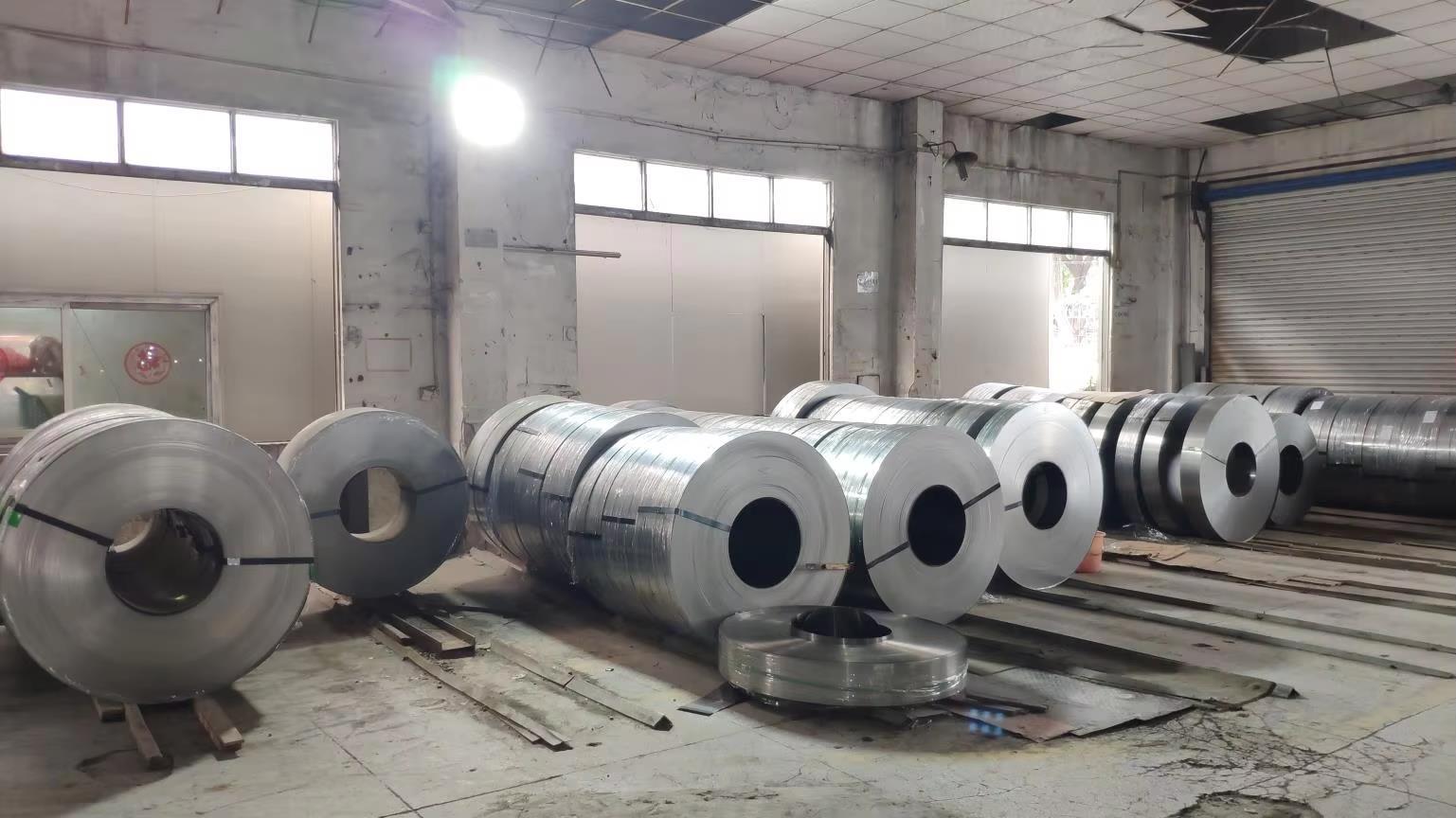
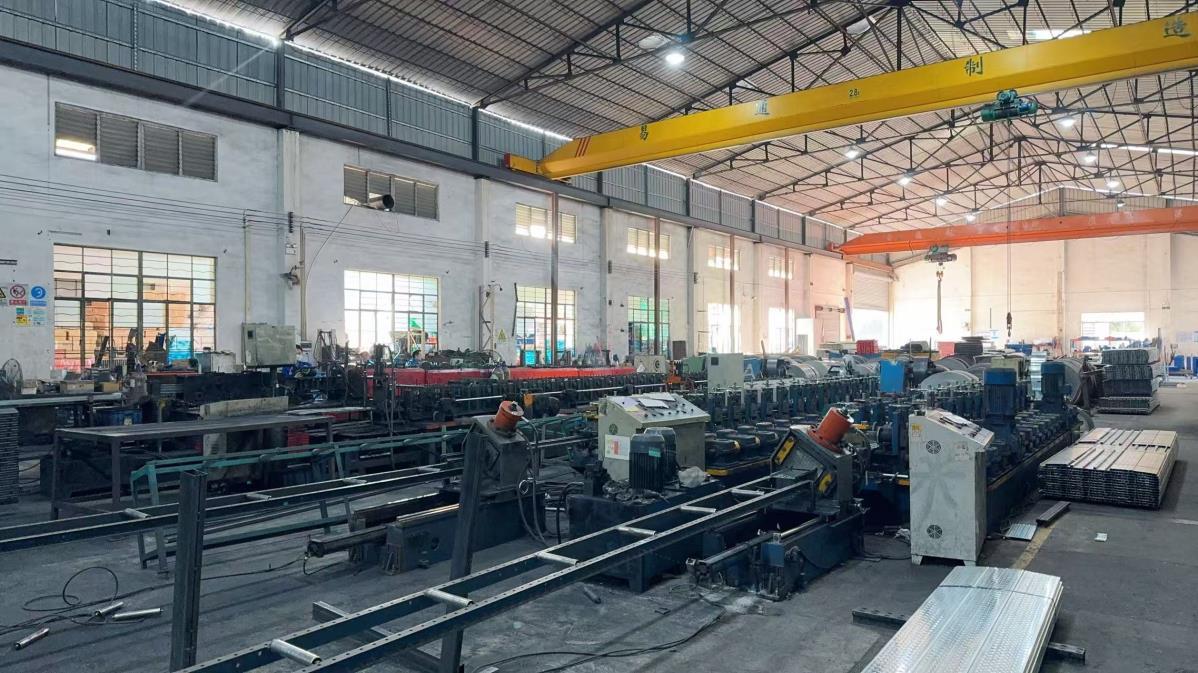
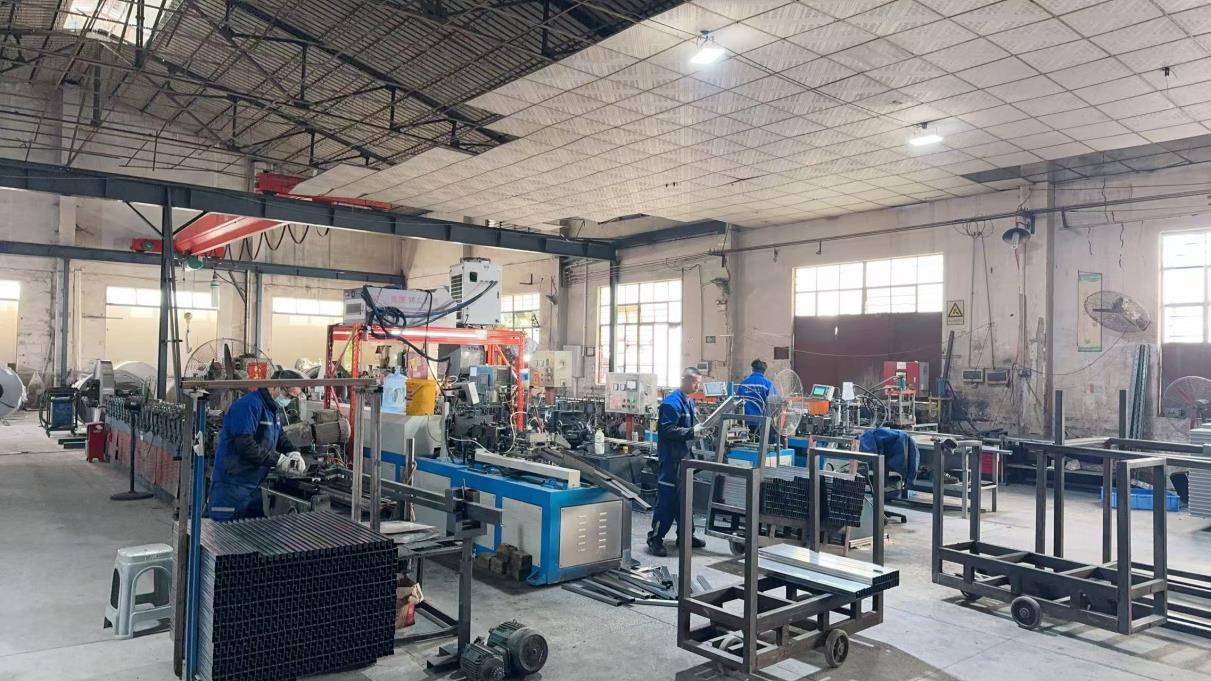
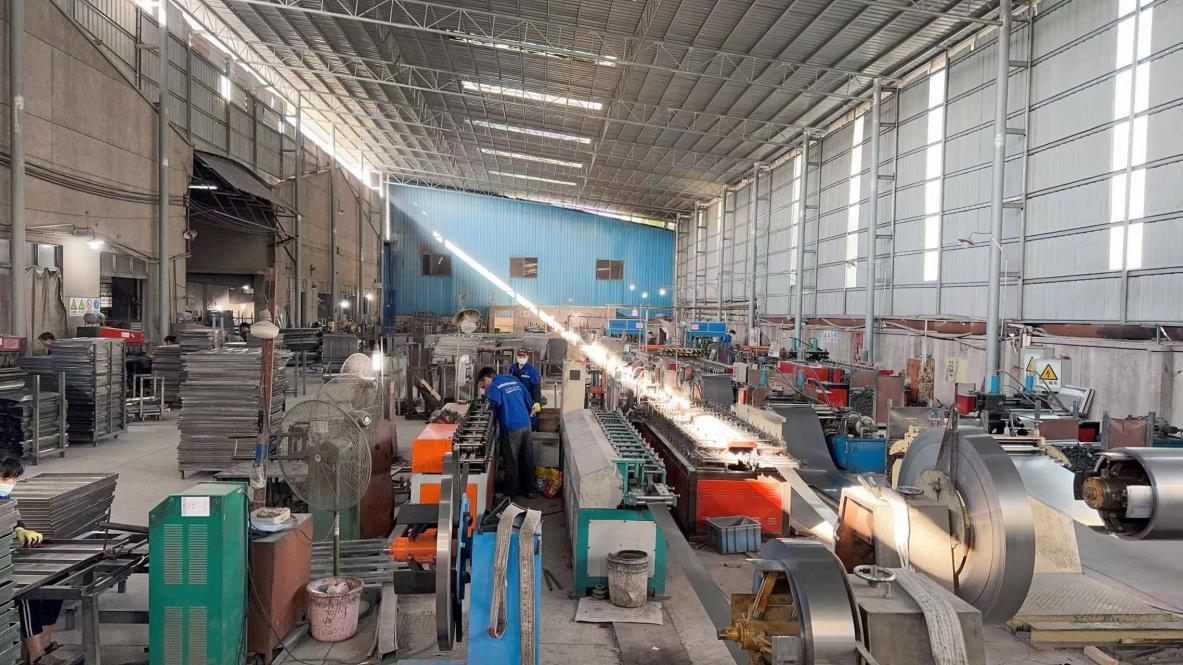
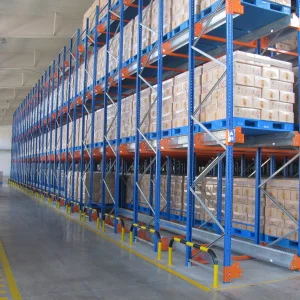
Drive-in and drive-through pallet racking systems represent the apex of high-density, low-selectivity warehouse engineering. Designed primarily to optimize storage volume by eliminating forklift access aisles, these configurations allow lift trucks to enter directly into the storage bays. This makes them ideal for warehousing large volumes of homogeneous stock-keeping units (SKUs) under strict space constraints, such as in cold storage facilities or rapid-turnover FMCG operations.
However, the execution of safe, durable, and highly efficient drive-in racking systems requires deep materials engineering, precise load distribution design, and comprehensive quality assurance protocols. In this paper, we delve into the structural design principles, material standards, and system integrations that establish Dongguan Kimsuk Shelves Co., Ltd. as an industry-leading OEM/ODM manufacturer.
The structural integrity of a drive-in system relies heavily on its structural steel profiles and cantilevered rail systems. Unlike selective pallet racking—where load beams support the horizontal plane of every pallet—drive-in systems utilize continuous support rails mounted on brackets along the column uprights. This places high torsional stresses and bending moments on the vertical frames.
To mitigate these forces, our design team uses heavy-duty cold-rolled steel coils, focusing on grades Q235B and Q355B, which offer high tensile strength and yield stress properties. The upright profiles feature unique multi-bend geometries (typically 11 or 13 bends) to maximize the radius of gyration and prevent localized torsional-flexural buckling. Dynamic loads (caused by forklifts entering and leaving the bays) are absorbed by robust floor-mounted guide rails, heavy-duty baseplates, and structural upright protectors, reducing overall maintenance costs and protecting personnel.
Our support rails are designed using continuous roll-forming techniques to prevent localized stresses. We calculate and manufacture our systems to conform with the strict deflection limits defined by EN 15512 and FEM 10.2.02, ensuring vertical deflection does not exceed 1/200th of the span under maximum load.
Cold rooms and freezer warehouses represent some of the most expensive industrial real estate to build and operate. Consequently, drive-in racking is highly favored in cold chains to maximize refrigerated cubic space. However, cold storage introduces severe engineering challenges: cold temperatures alter the ductile-to-brittle transition point of structural steel, making it susceptible to cracking under impact stresses.
At Dongguan Kimsuk Shelves Co., Ltd., we utilize specialized steel formulations with controlled carbon, manganese, and silicon content to preserve impact toughness down to -30°C. Additionally, our specialized powder-coating lines apply a dual-stage electrostatic thermo-cured epoxy-polyester coating. This coating prevents micro-cracking and rust propagation caused by condensational temperature cycles when bays are loaded and unloaded.
As logistics operations transition toward automated warehousing, traditional drive-in systems are evolving. We are designing our systems with modular adaptability in mind. This allows global operators to convert standard drive-in rails into semi-automated Radio Shuttle Racking Systems with minimal structural modifications.
This technical roadmap includes preparing structural profiles to accept automated guide lanes, integrating intelligent photoelectric sensors for real-time pallet position tracking, and designing heavy-duty structural end-stops. By integrating IoT load sensors along critical upright nodes, warehouse managers can monitor structural stress levels, detect forklift impact anomalies, and optimize maintenance schedules through predictive telemetry.
Reduces dedicated aisle space by up to 75% compared to selective racking, unlocking maximum storage capacity per square meter.
Engineered using advanced dynamic structural calculations (ANSYS modeling) to comply with international seismic zone codes.
Configured as single-entry Drive-in (Last-In, First-Out) or dual-entry Drive-Through (First-In, First-Out) configurations.
Procuring warehouse racking systems requires navigating complex international safety and quality compliance frameworks. For supply chain managers, importing racking from China is cost-effective, but requires verification of compliance with structural and material quality certifications. A failing racking system presents a significant operational risk, which makes strict QA/QC testing essential.
At Dongguan Kimsuk Shelves Co., Ltd., our Quality Assurance system is overseen by a team of 35 dedicated QA/QC inspectors. We test and document every stage of production—from the raw steel sheet's chemical composition to post-production load capacity limits. This ensures that every racking project delivered matches the precise design requirements of the customer.
Our verification processes include automated ultrasonic non-destructive weld testing, raw material tensile strength testing, digital powder coating thickness gauges, and physical stress tests. Our systems are engineered in alignment with regional building regulations, including RMI (North America), AS4084 (Australia/Pacific), and FEM 10.2.07 (Europe).
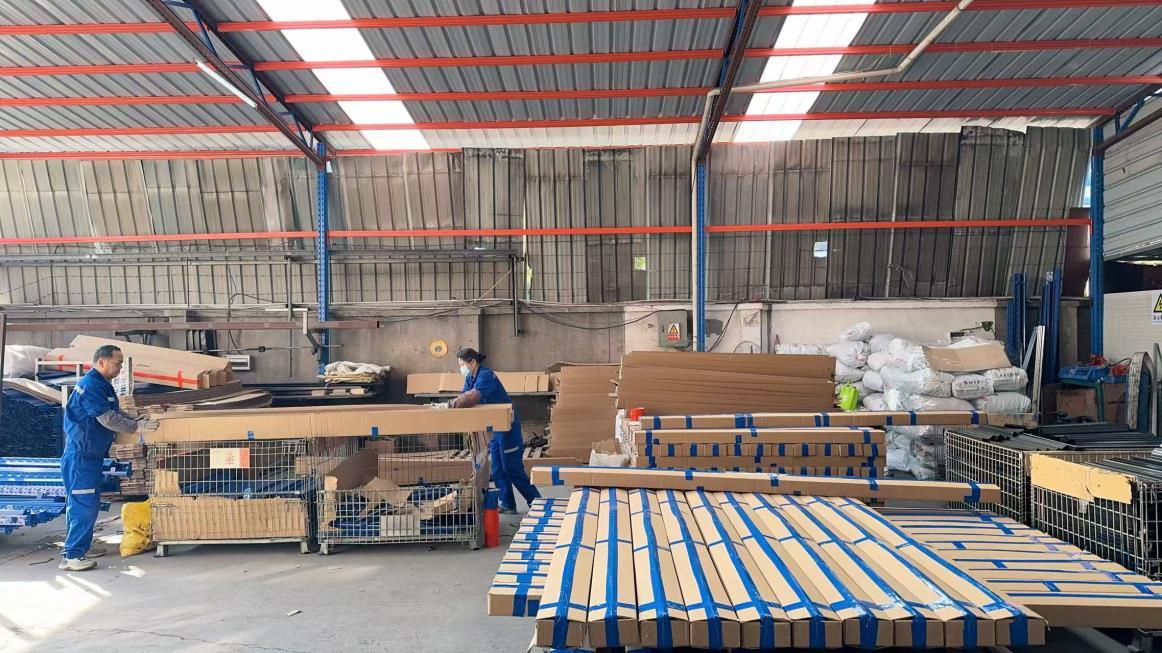
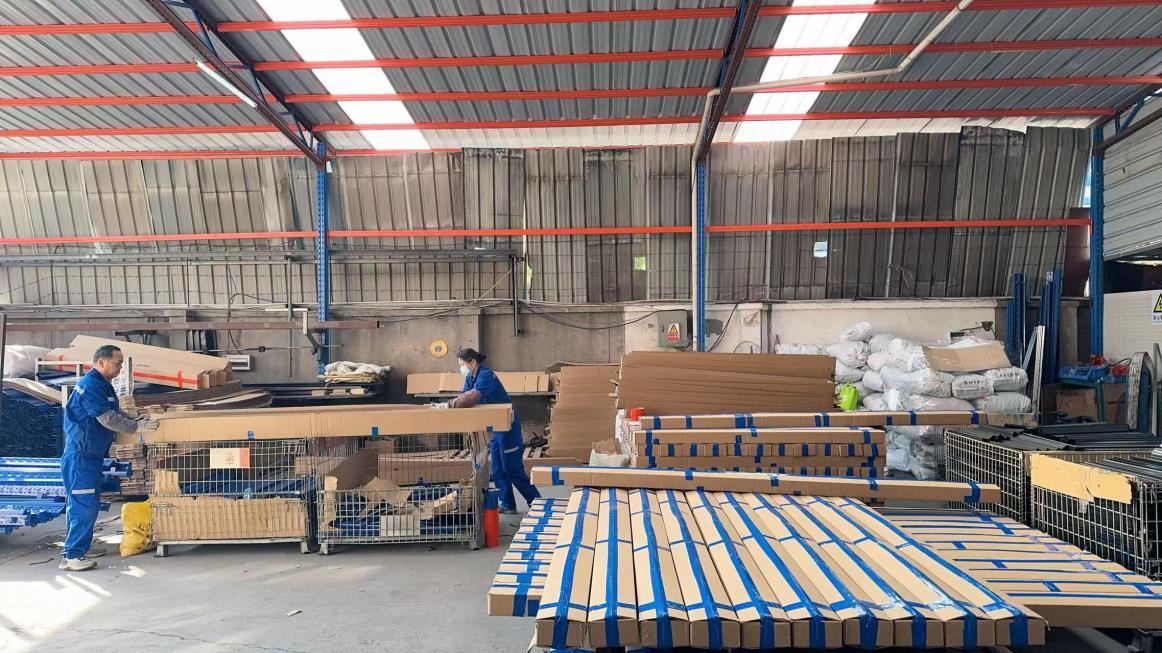
Coordinating delivery and staging on site is a key challenge for global logistics projects. Racking parts are heavy, large, and susceptible to damage during shipping. We manage this risk by packing profiles using modular steel-banded crates, edge-protectors, and heat-shrink plastic wrapping to prevent movement and scraping during transit.
Our logistical connections, located near major transport ports, allow us to offer flexible shipping arrangements (FOB, CIF, DDP). We coordinate closely with global project teams to deliver shipments in stages, ensuring that structural frames, floor guides, rails, and bracing arrive in order. This staging reduces assembly delays and minimizes downtime on site.
Answers to technical, regulatory, and mechanical questions for global procurement managers and logistics planners.
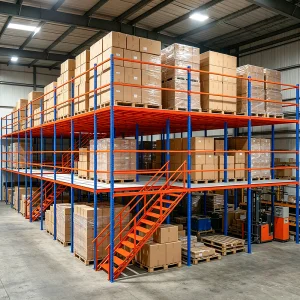
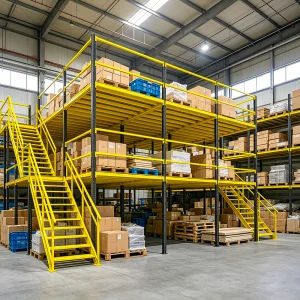
Custom structural storage solutions and platform engineering designs optimized for heavy industrial loads and high-capacity facilities.
 Kimsuk Steel