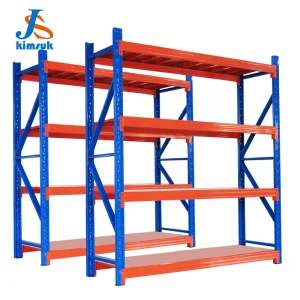
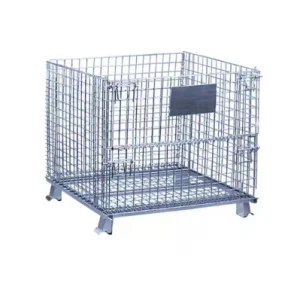
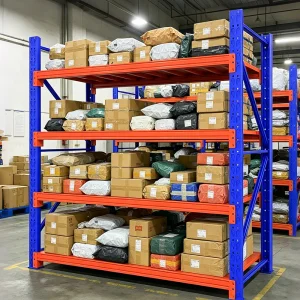
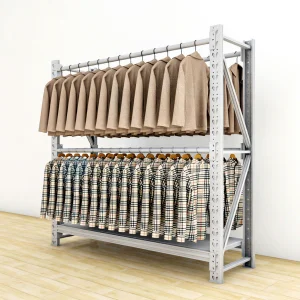
In the modern industrial landscapes of North America, Europe, and Asia-Pacific, rising real estate costs and the imperative for accelerated material throughput are pushing traditional selective storage layouts to their limits. Dynamic Pallet Flow Storage, operated on the First-In, First-Out (FIFO) principle, has emerged as the global benchmark for high-density, velocity-controlled stock management.
Unlike static drive-in configurations, pallet flow racking systems utilize heavy-duty inclined wheel tracks or roller lanes, allowing pallets to slide effortlessly via gravity from the loading face to the picking aisle. This design minimizes forklift transit times, cuts energy consumption in cold chain operations, and provides virtually 100% SKU availability across dedicated channels.
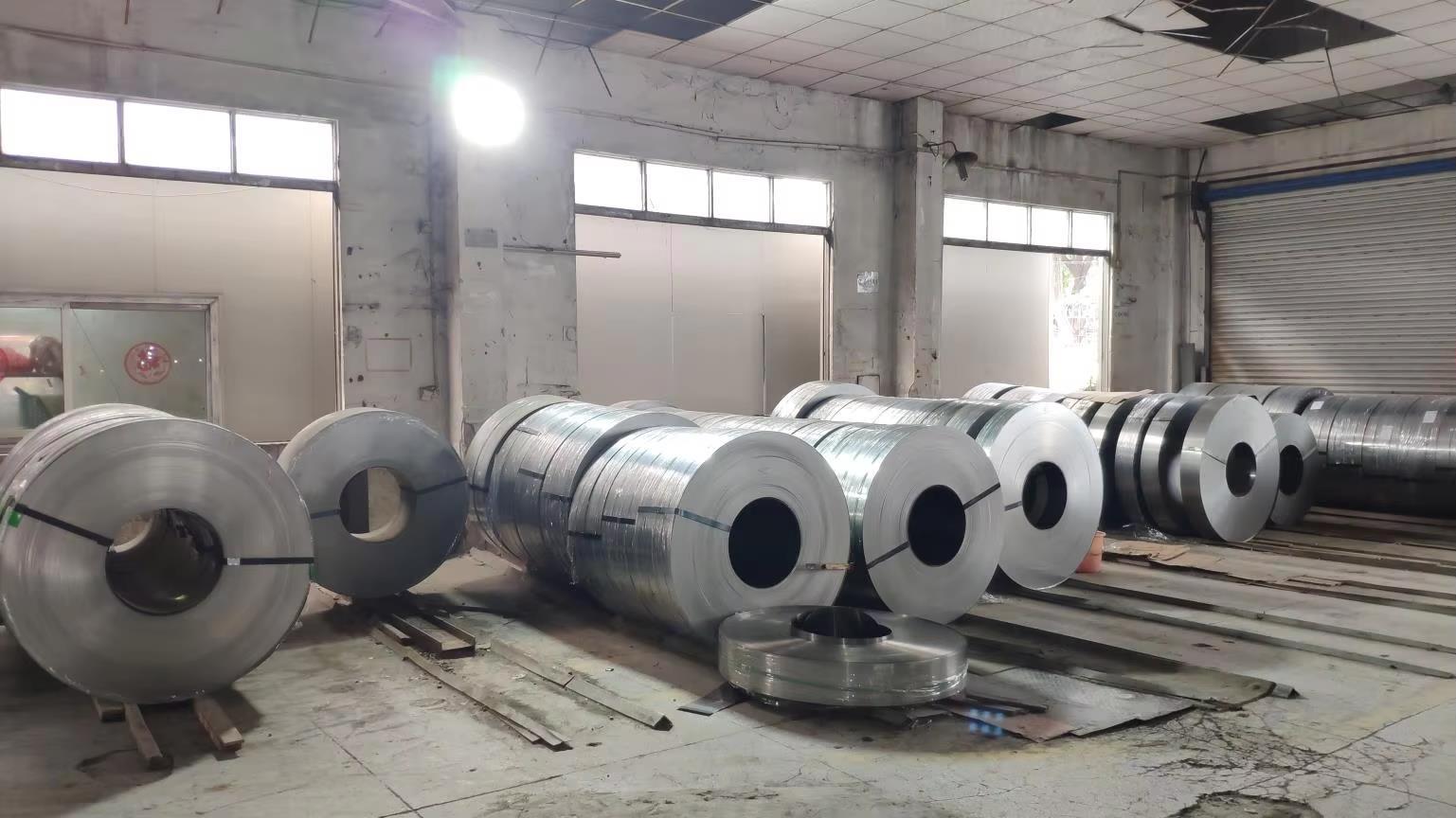
As logistics hubs adapt to automation, integrating structural integrity with precise engineering tolerances becomes paramount. Modern manufacturing demands high-grade raw steel, precise brake roller placements, and advanced velocity controllers to prevent impact damage while ensuring consistent product rotation.
Saves up to 60% floor space compared to conventional selective racking by eliminating intermediate traffic aisles, turning wasted space into active inventory lanes.
Critical for perishable food and beverage storage, pharmaceuticals, and sensitive raw materials where precise production batch sequencing is required.
Equipped with custom-calibrated mechanical speed controllers and robust entry guides to prevent pallet derailment and minimize operational hazards.
Global supply chain managers, 3PL procurement directors, and warehouse architects search for partners who offer more than just bulk steel profiles. The buying intent centers on structural validation, adaptability to existing infrastructure, and a robust verification process that ensures compliance with international standards such as RMI (Rack Manufacturers Institute) and EN 15512.
When sourcing industrial storage configurations, technical buyers analyze specific variable parameters: yield strength of structural steel, powder-coating durability under sub-zero temperatures (for cold storage applications), weld integrity, and the configuration of gravity lanes. Sourcing from a partner capable of executing calculations for dynamic loads ensures long-term operational resilience and risk mitigation.
Engineering criteria demand dynamic structures that withstand constant load variations. Industrial pallet storage systems are configured to bear weights exceeding 1,500 kg per pallet position, demanding precision tolerances from raw steel roll-forming machines and structural cross-bracing setups.
Modern Production Facility
Annual Export Revenue
Dedicated QA/QC Team
New Models Developed Annually
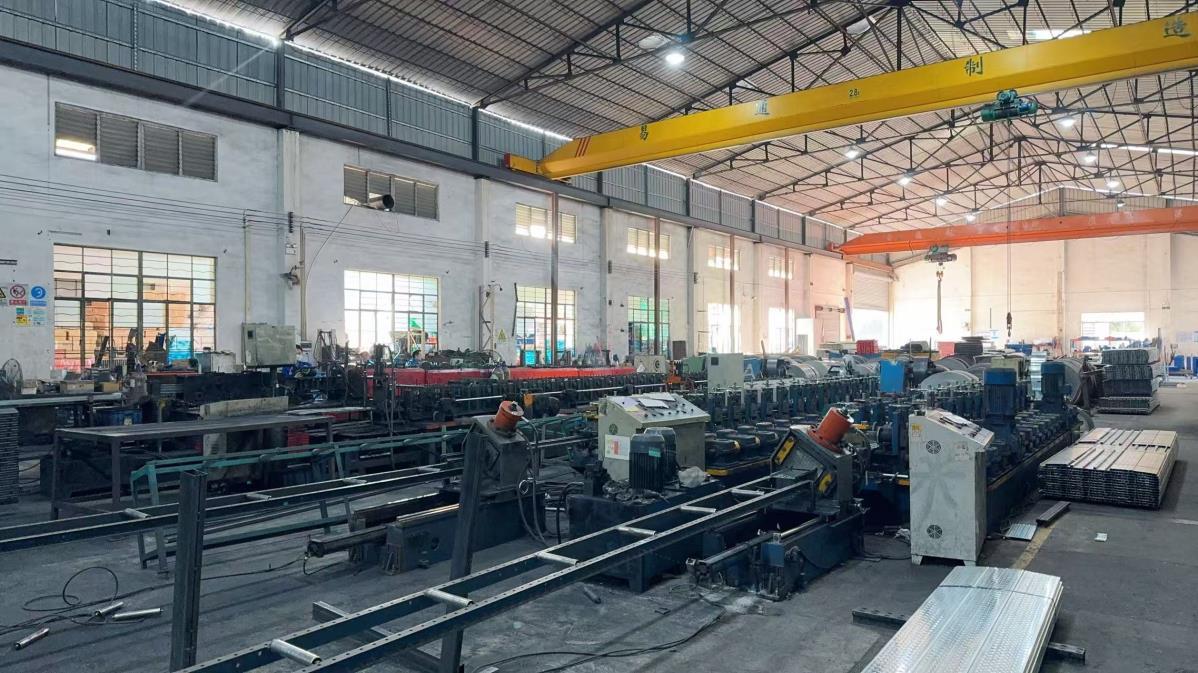
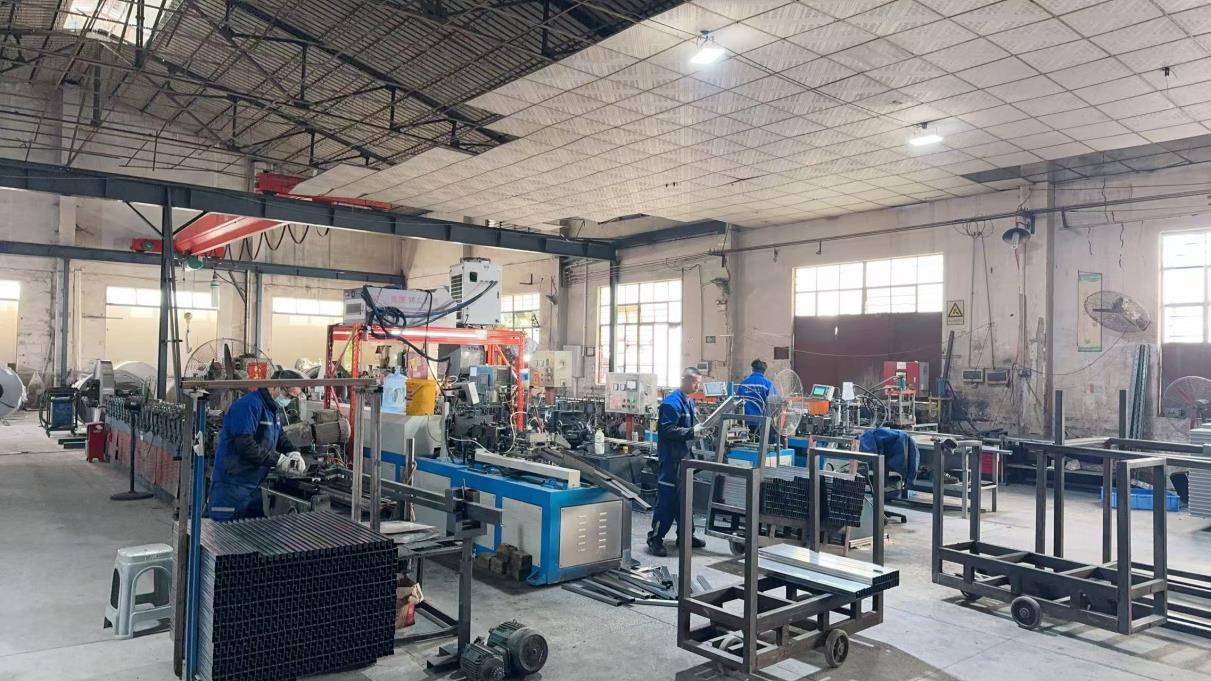
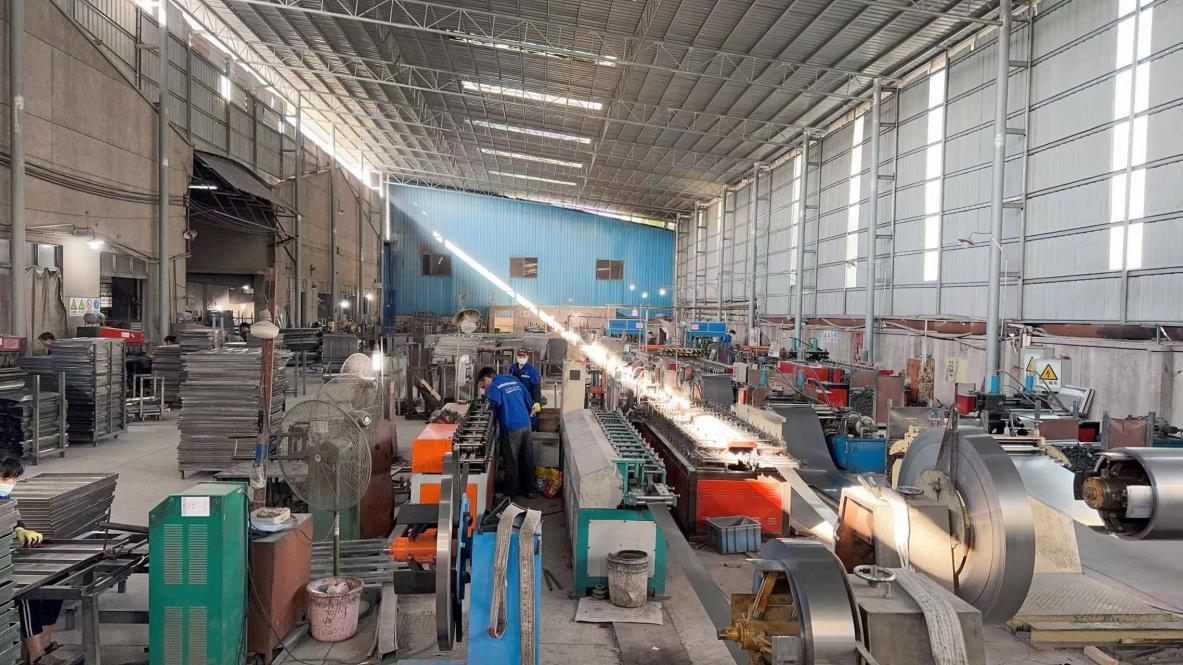
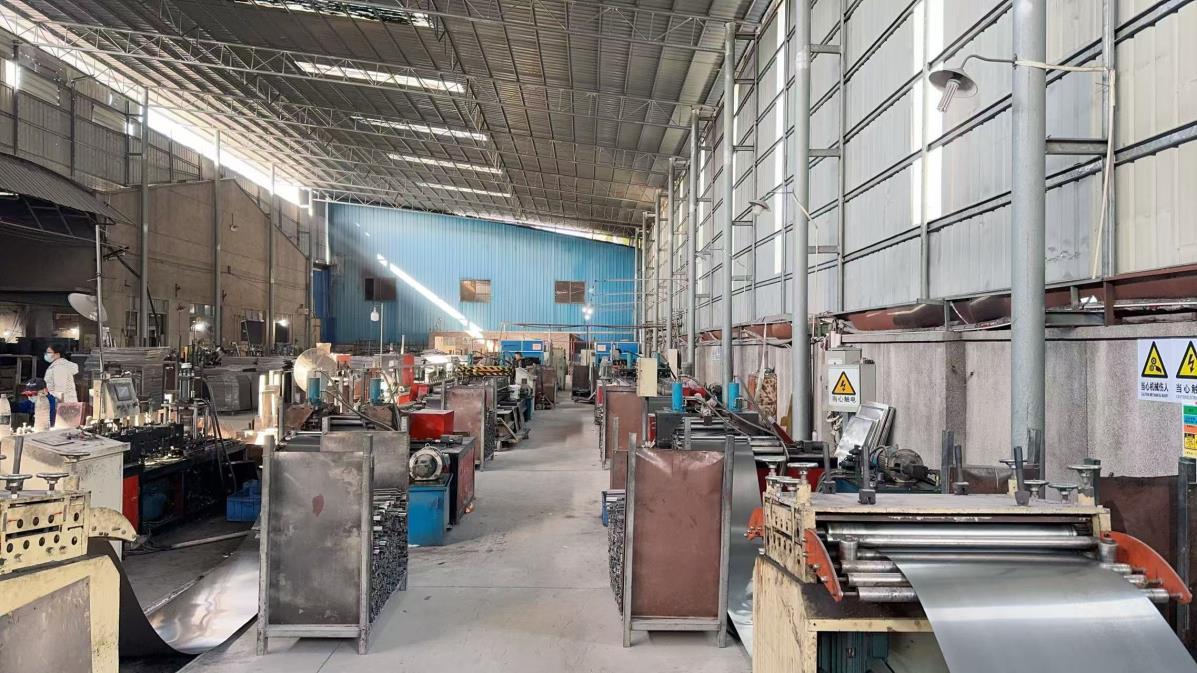
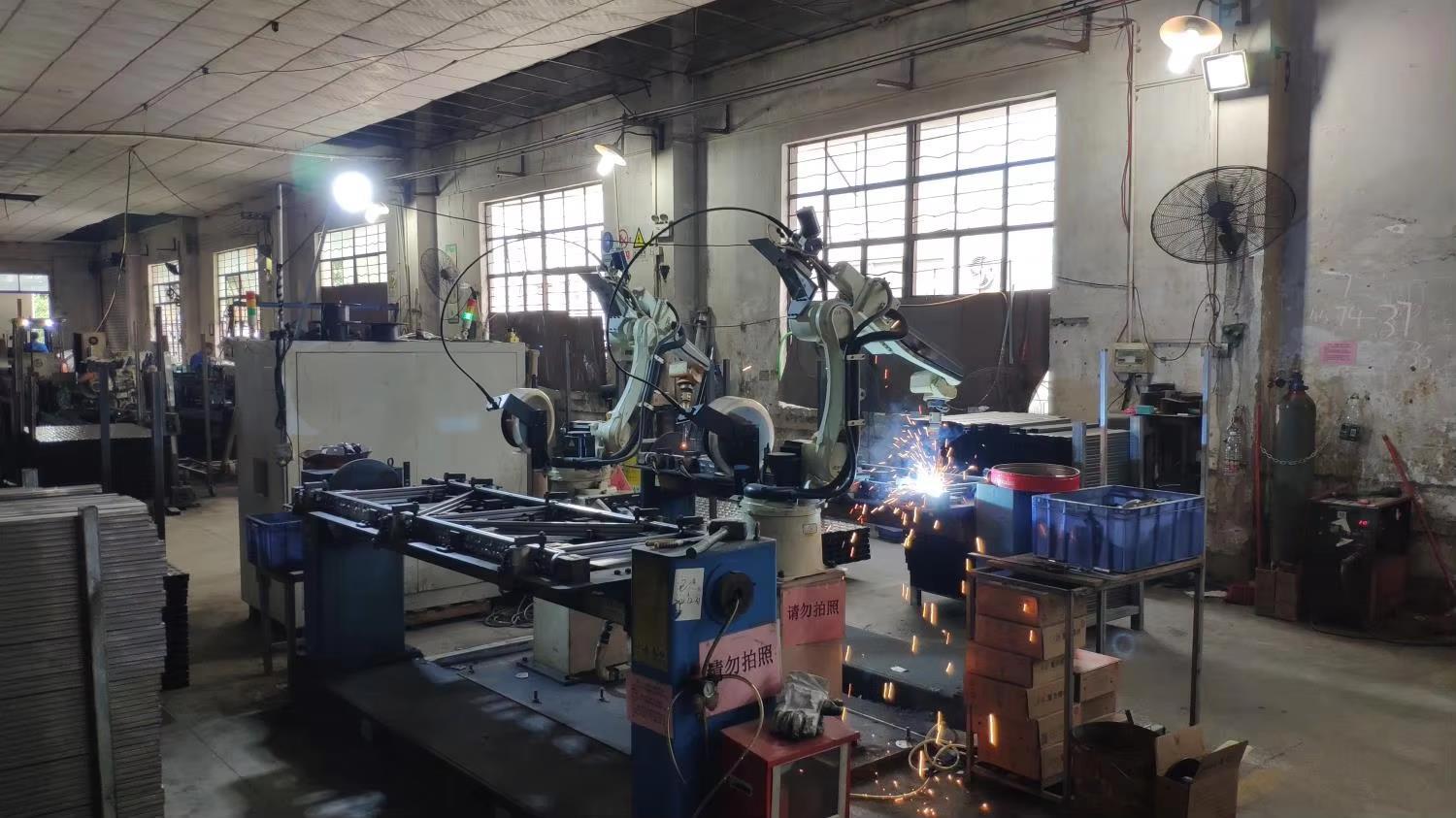
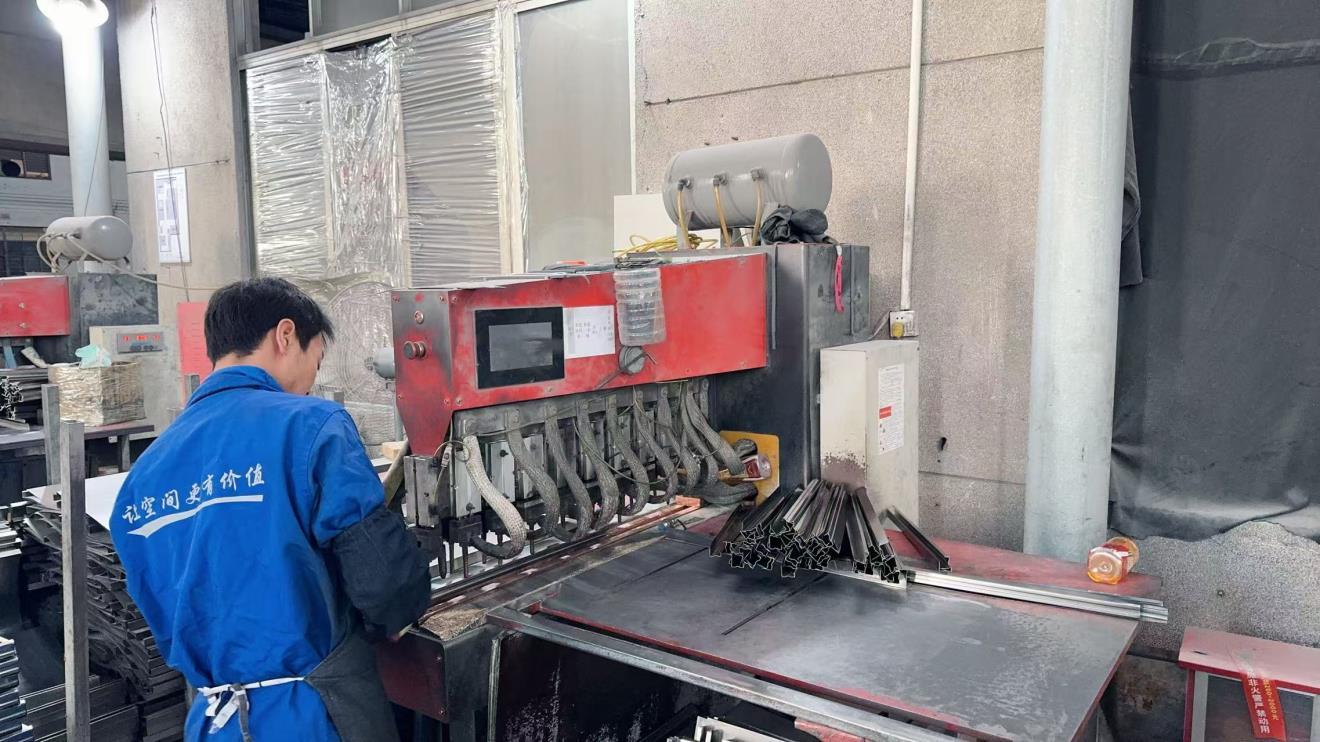
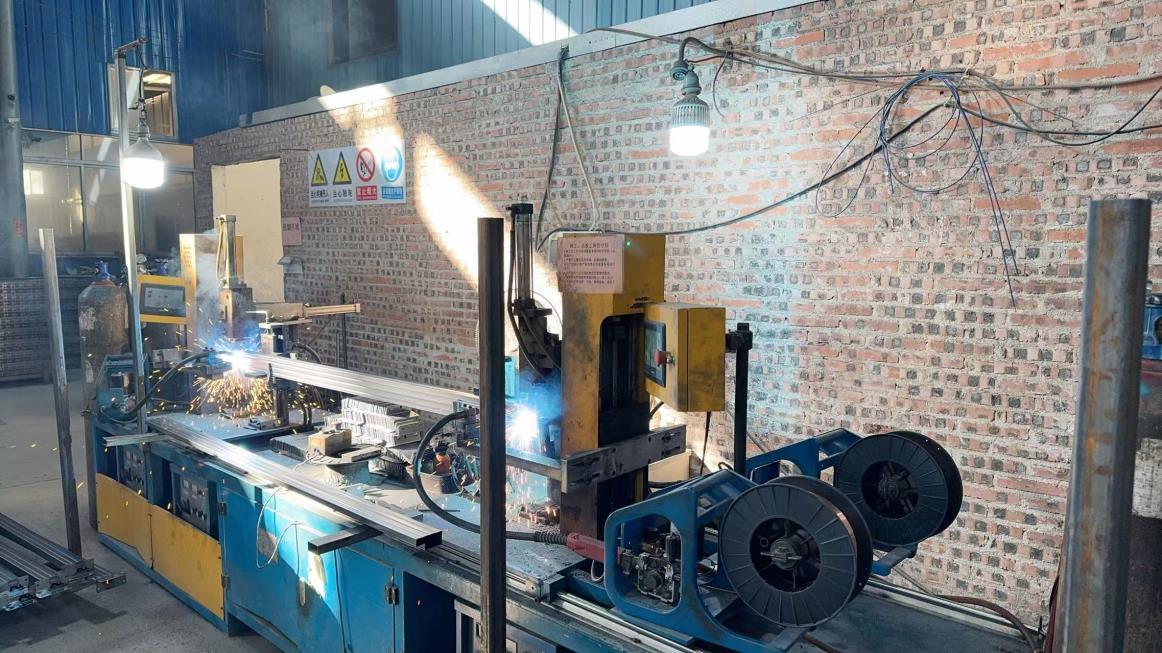
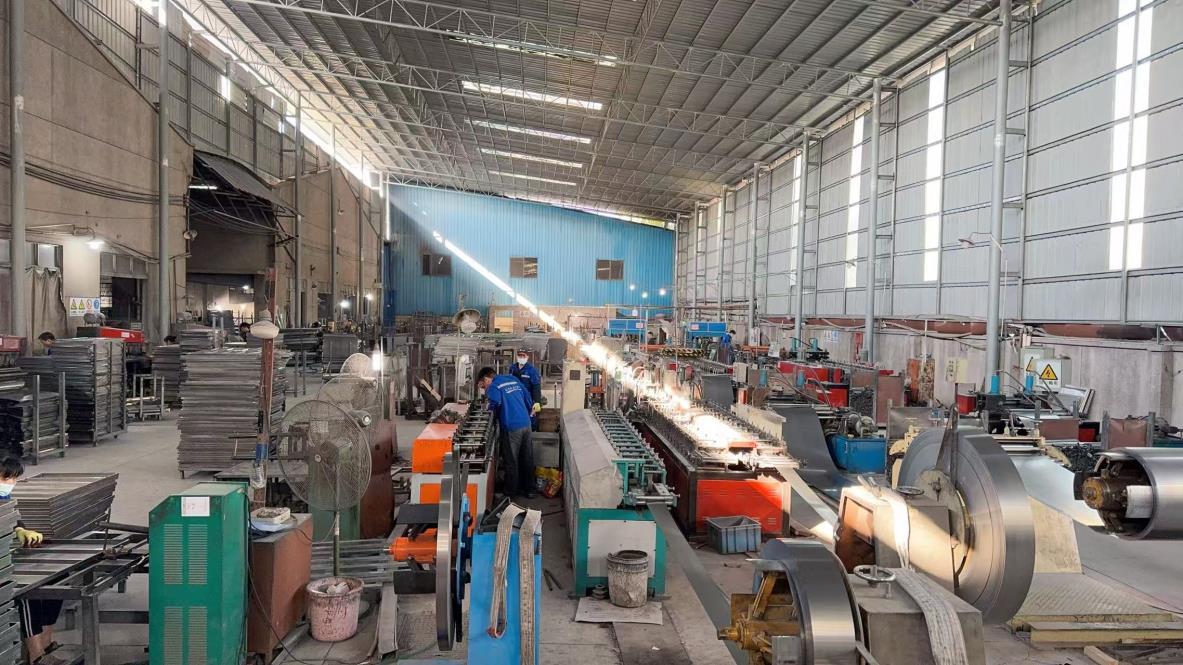
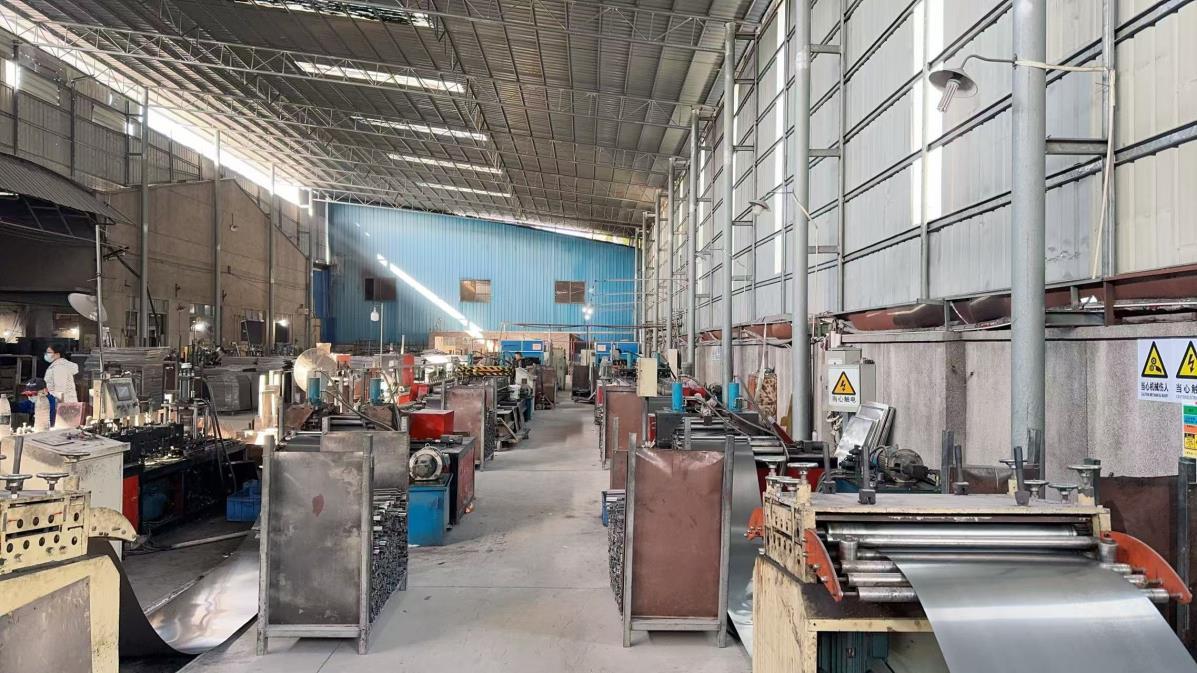
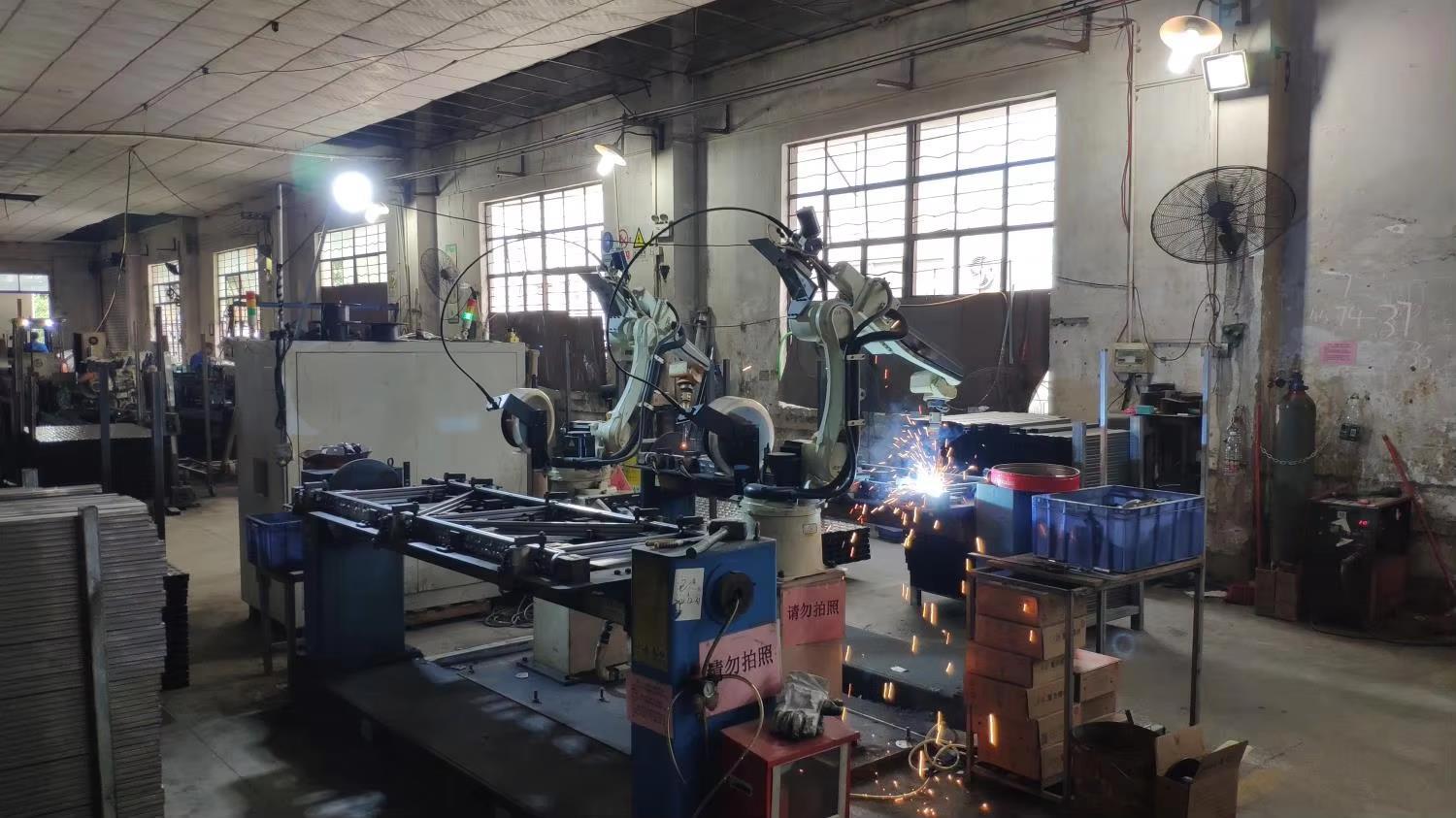
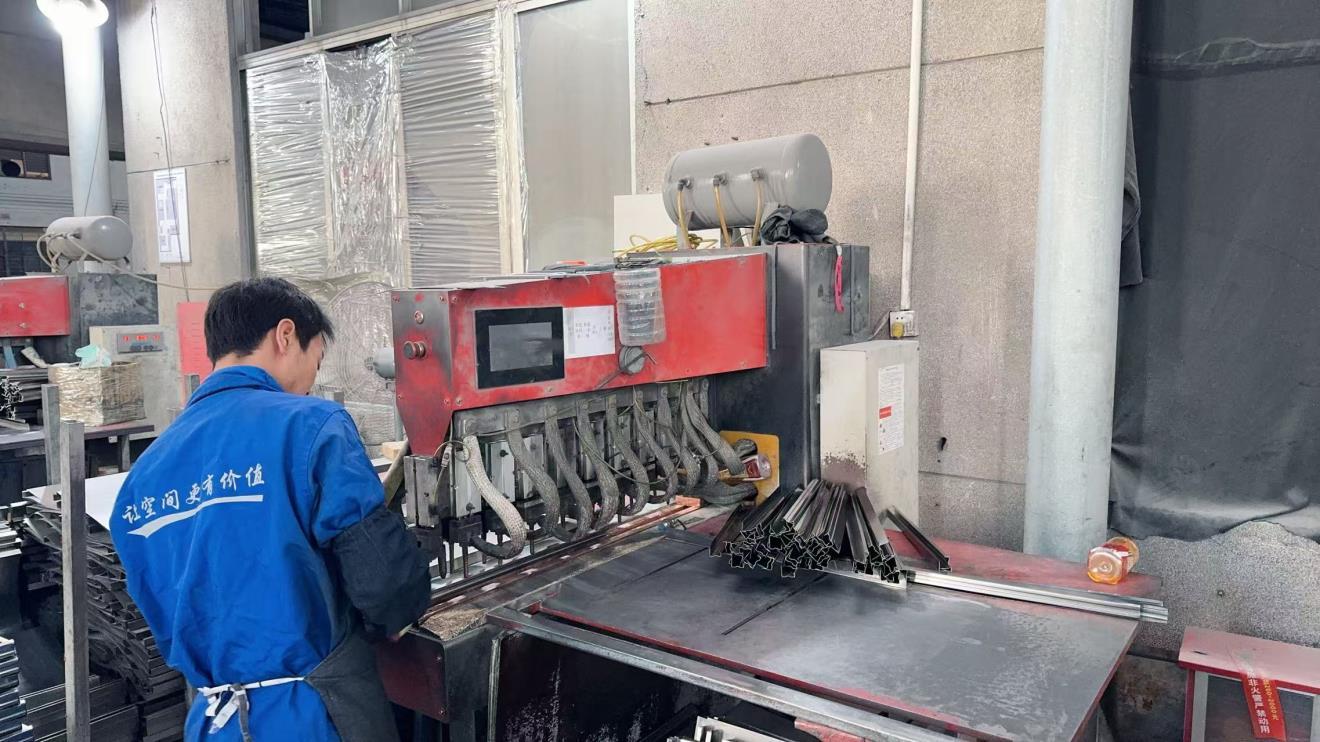
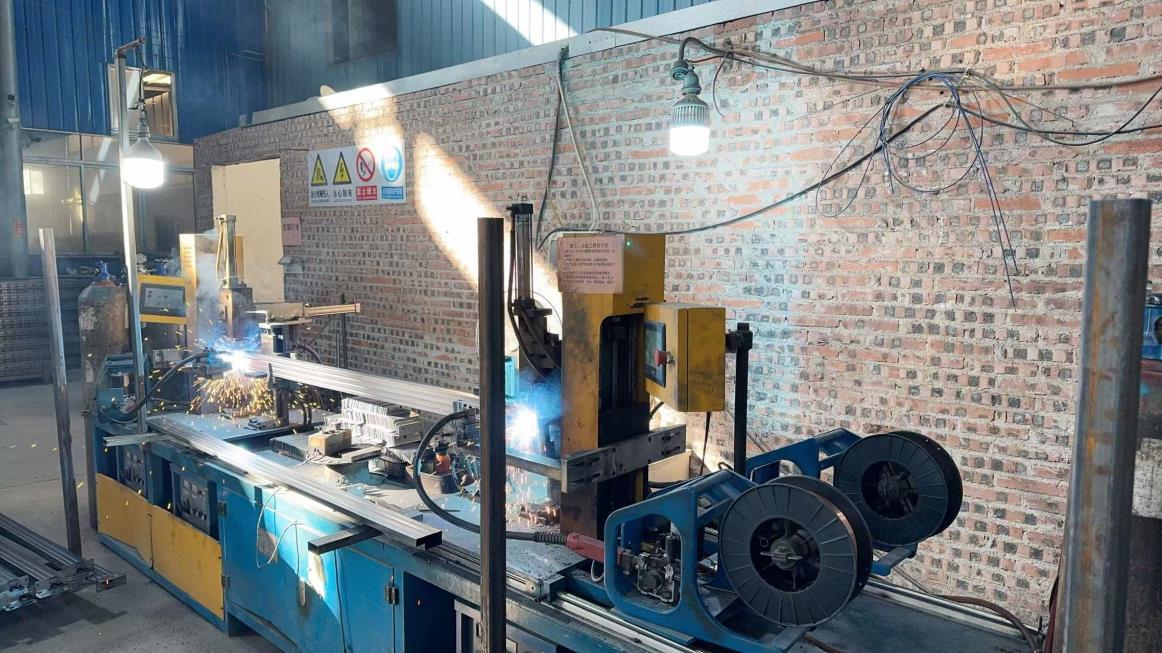
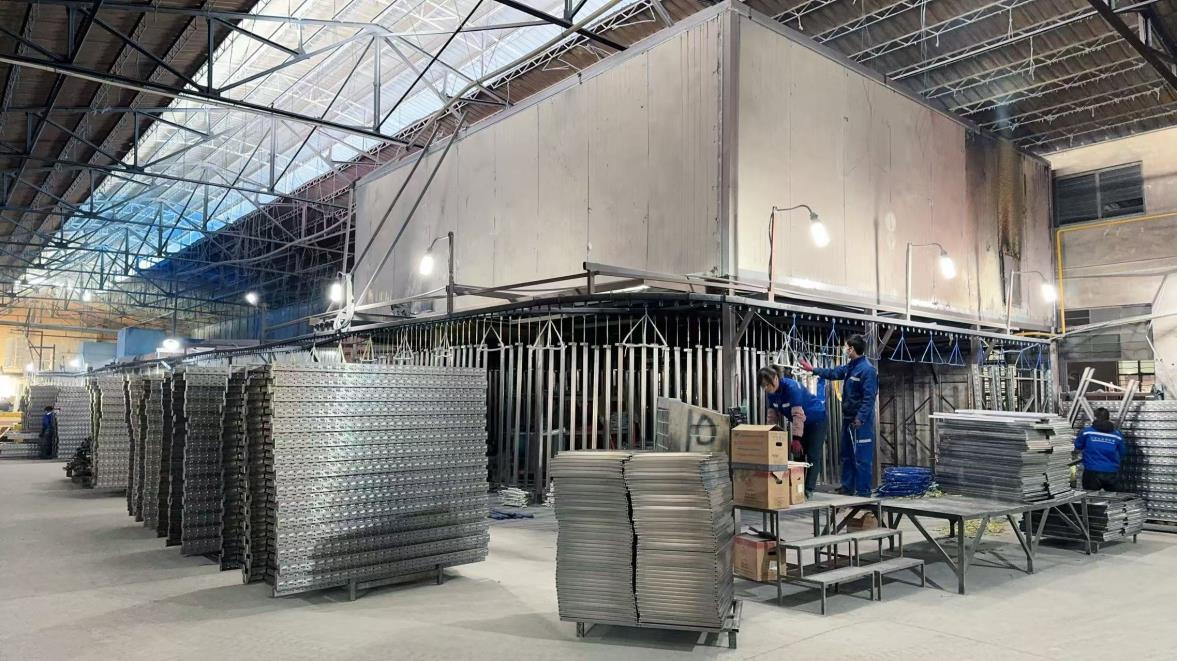
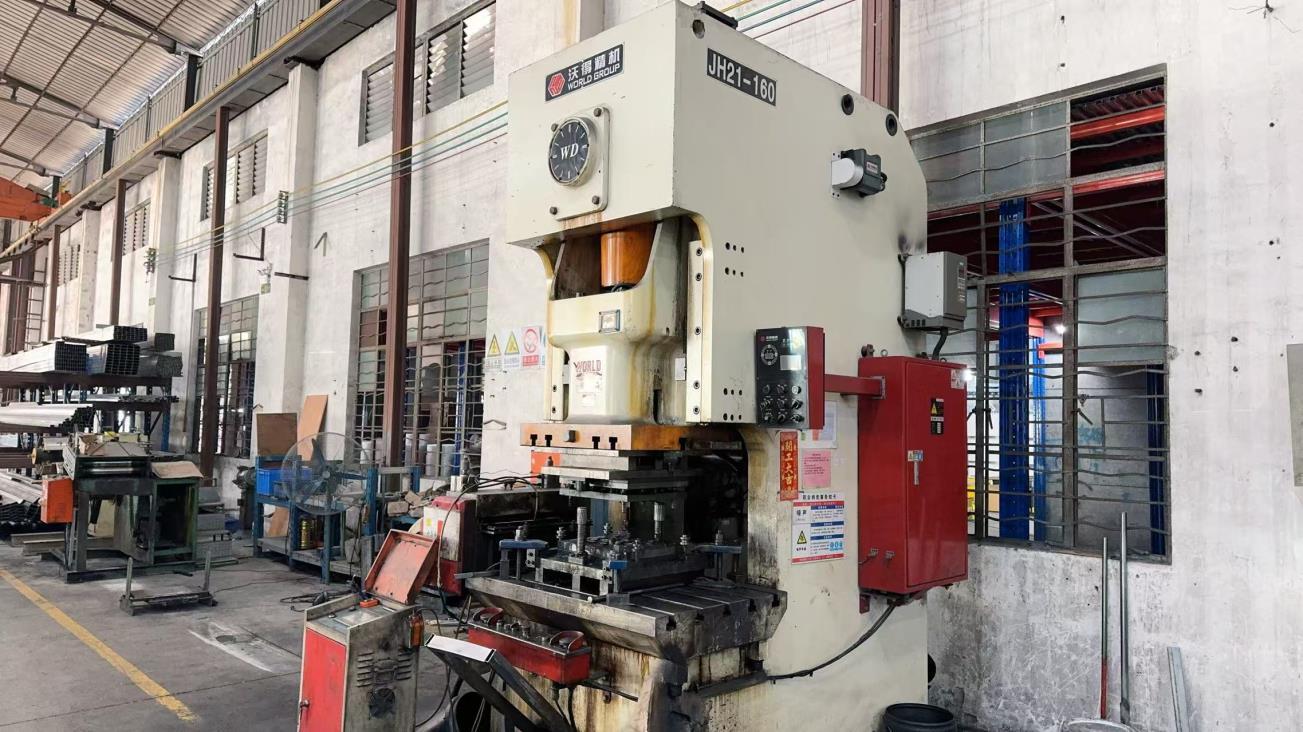
Operating out of the industrial center of southern China, Dongguan Kimsuk Shelves Co., Ltd. blends precision structural engineering with advanced robotic automation. Industrial automation, lean manufacturing principles, and automated quality testing loops are embedded across our production processes. From raw steel tensile evaluation to computerized electrostatic powder coating, every structural element is manufactured to withstand intense warehouse operating cycles.
Established in 2015, Dongguan Kimsuk Shelves Co., Ltd. is a leading manufacturer specializing in the design, engineering, and production of heavy-duty industrial shelving and warehouse storage systems. Operating from a modern production facility spanning 32,000 square meters, we have grown into a trusted global supply chain partner with 11 years of industry expertise and 8 years of direct international export experience. Driven by robust manufacturing capability, our annual export revenue reaches $18 million, serving clients across key international markets, including North America, Europe, Southeast Asia, and the Middle East.
Quality and precise engineering are at the core of our operations. We maintain a strict Quality Assurance protocol supported by a dedicated team of 35 QA/QC inspectors. Our comprehensive product inspection methods combine automated non-destructive testing, raw material tensile testing, load-bearing stress evaluations, and precision powder-coating thickness measurements. Supported by an extensive network of over 850 verified supply chain partners, we consistently deliver reliable, high-integrity racking systems to a diverse client portfolio, ranging from large-scale logistics hubs and third-party logistics (3PL) providers to industrial manufacturing facilities and commercial retail distributors.
Innovation drives our growth. Our in-house R&D team consists of 18 senior structural and engineering specialists capable of delivering full OEM/ODM custom solutions. From tailored rack dimensions and heavy load capacities to specialized seismic-resistant structures and anti-corrosion surface finishes, we turn complex warehousing requirements into optimal designs. Demonstrating our continuous drive for innovation, we successfully developed and launched 120 new product models and modular storage enhancements last year alone. At Dongguan Kimsuk Shelves Co., Ltd., we remain committed to maximizing warehouse space efficiency and delivering long-term value to our global partners.
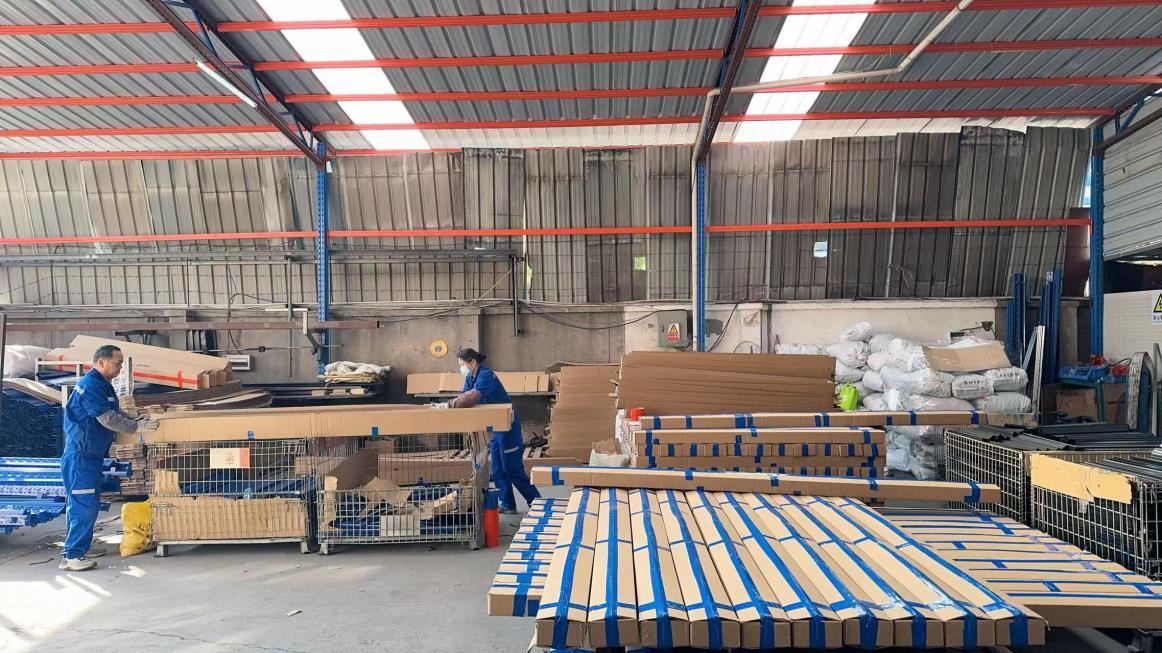
Our smart production facility employs advanced metal forming, automated welding robotics, and quality control diagnostics at every step of manufacturing.
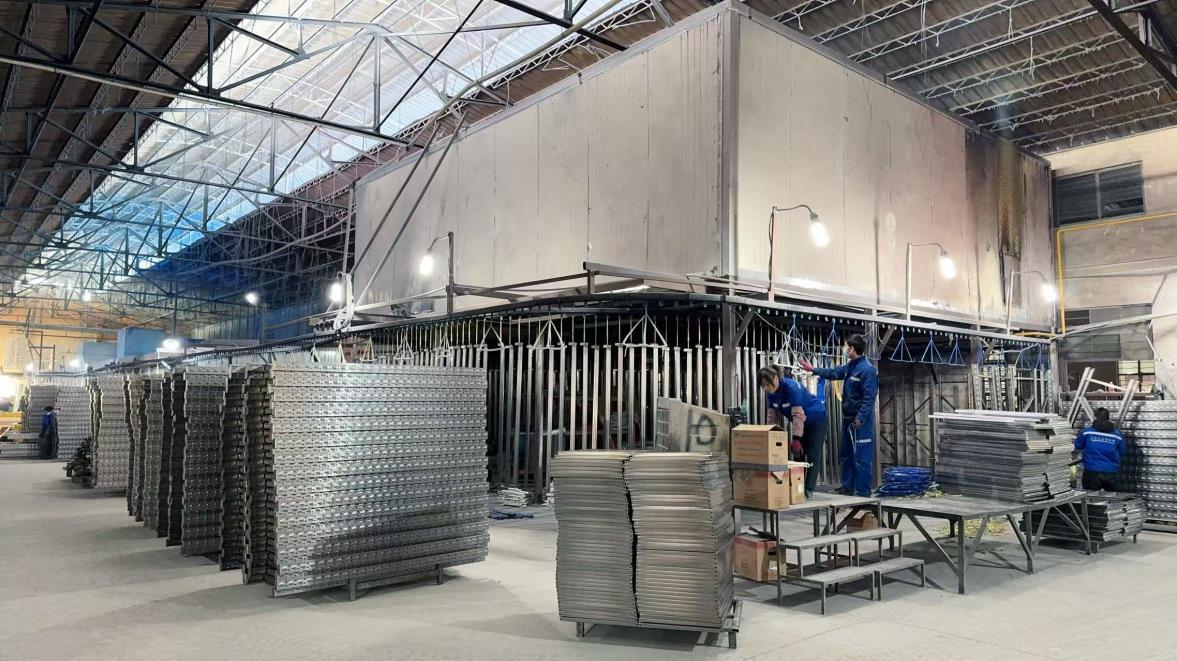
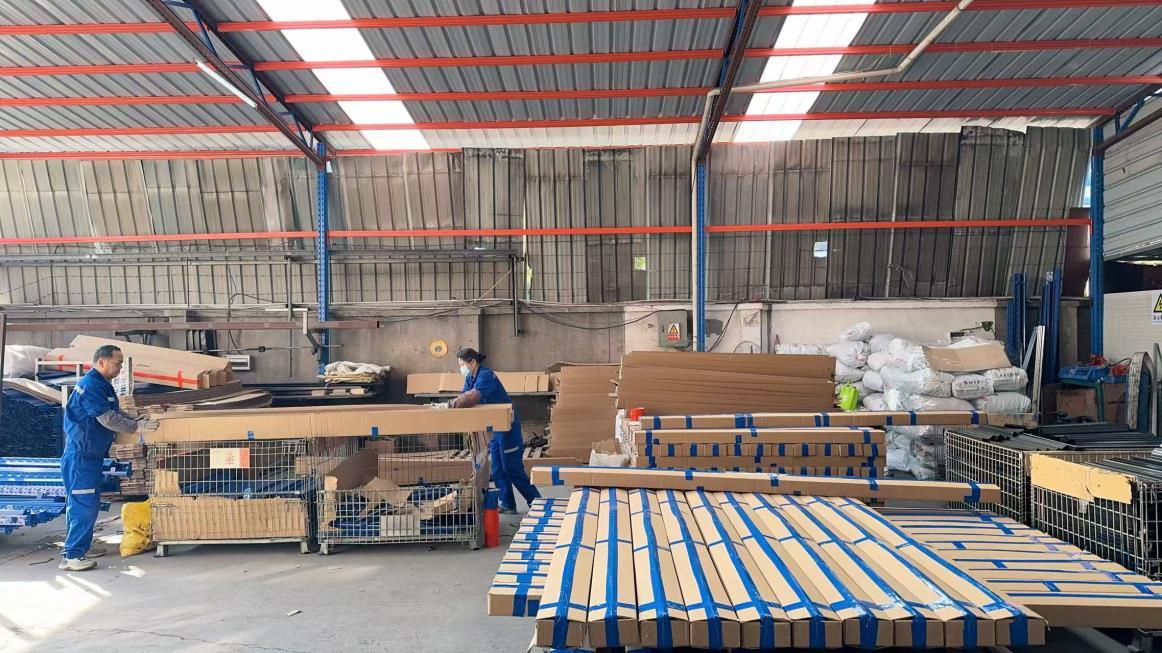
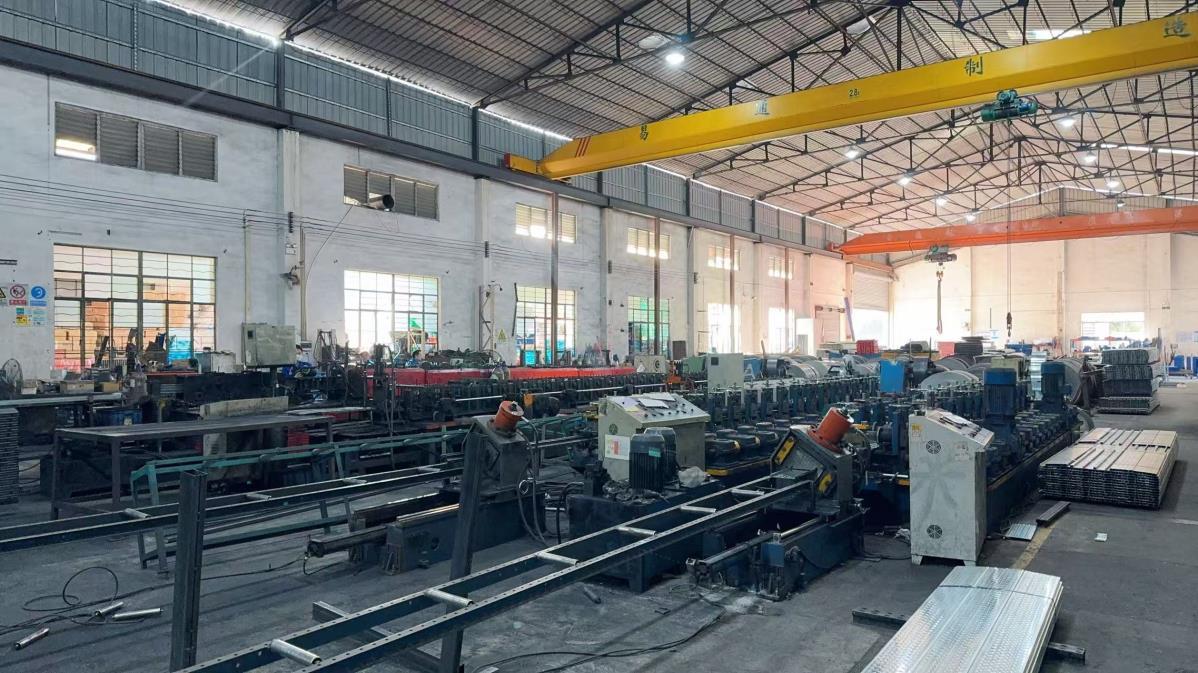
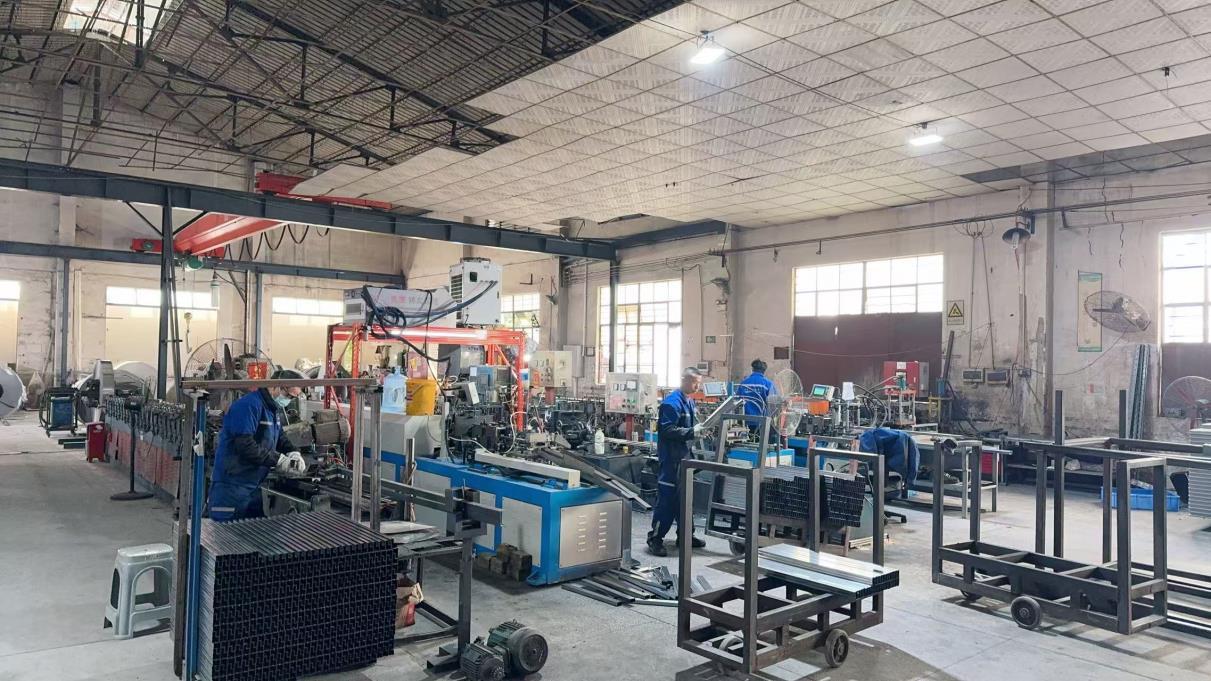
Deploying gravity-driven flow systems globally requires understanding regional climate variables, logistics patterns, and design regulations. For projects in high-seismic regions (such as sections of North America and Japan), our R&D specialists build structural upright frames with enhanced cross-bracing and anchor systems to handle dynamic shifting loads during earthquakes.
In cold chain environments, standard oils used in conveyor rollers freeze, which can stop gravity operations. Kimsuk designs custom low-temperature bearings and synthetic lubrication solutions that keep dynamic operations running reliably at temperatures as low as -30°C. Additionally, pre-galvanized upright frames and anti-corrosion powder coatings protect against rust caused by condensation when products are transferred between temperature zones.
Answers to key questions structural engineers, procurement teams, and logistics managers ask when planning and sourcing storage projects.
 Kimsuk Steel