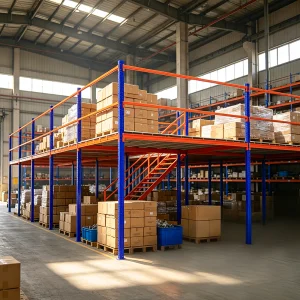
Explore our elite range of structural storage racks, industrial mezzanines, and smart logistics equipment, designed for high-density warehouse operations.
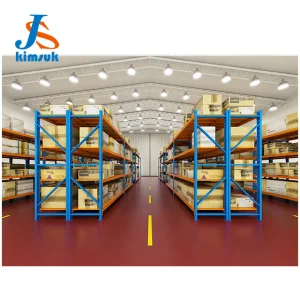
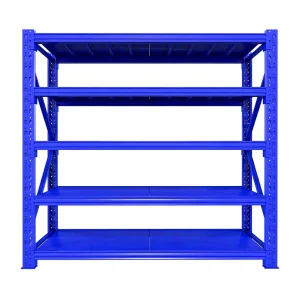
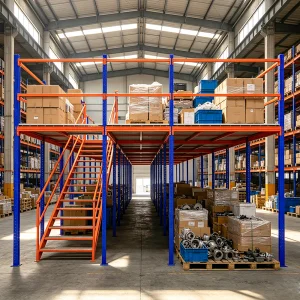
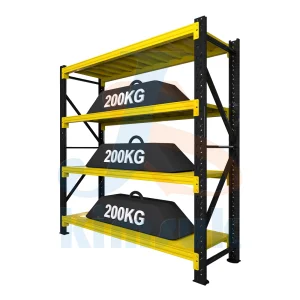
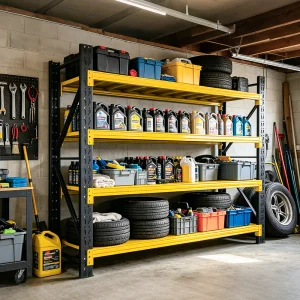
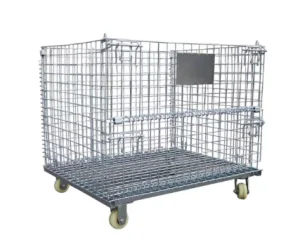
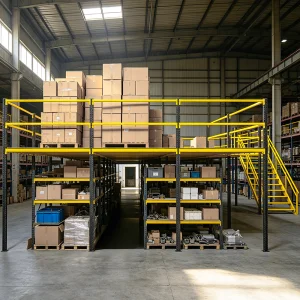
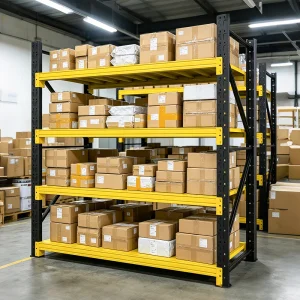
In the modern, highly integrated global supply chain, storage infrastructure is no longer static steel frames. It represents the structural backbone of physical logistics systems. Across the world, supply chain directors are dealing with rising land costs, labor shortages, and complex fulfillment metrics. Optimizing cubic spatial volume with high-performance Heavy Duty Racking Systems has become a necessity.
As a leading heavy duty storage systems manufacturer, Dongguan Kimsuk Shelves Co., Ltd. builds structural systems that balance safety, durability, and cost. Modern storage structures must withstand vertical load forces, continuous stress fatigue, forklift impact, and seismic events. Engineering heavy duty racking requires deep material science, precise manufacturing, and rigorous testing standards.
"By shifting the focus from square footage to vertical cubic utility, modern logistics hubs can reduce overall operational expenditures by up to 30%."
Adapting your storage layout to technology, global supply shifts, and structural safety standards.
Smart factories rely on automated storage and retrieval systems (AS/RS). Modern heavy-duty structures are manufactured to tight tolerances to allow robotic shuttles, cranes, and automated guided vehicles (AGVs) to operate without interruption.
Global logistics facilities require structural stability in seismic zones. Our engineering team designs custom upright frames, bracing layouts, and floor anchor configurations to meet international building codes and seismic ratings.
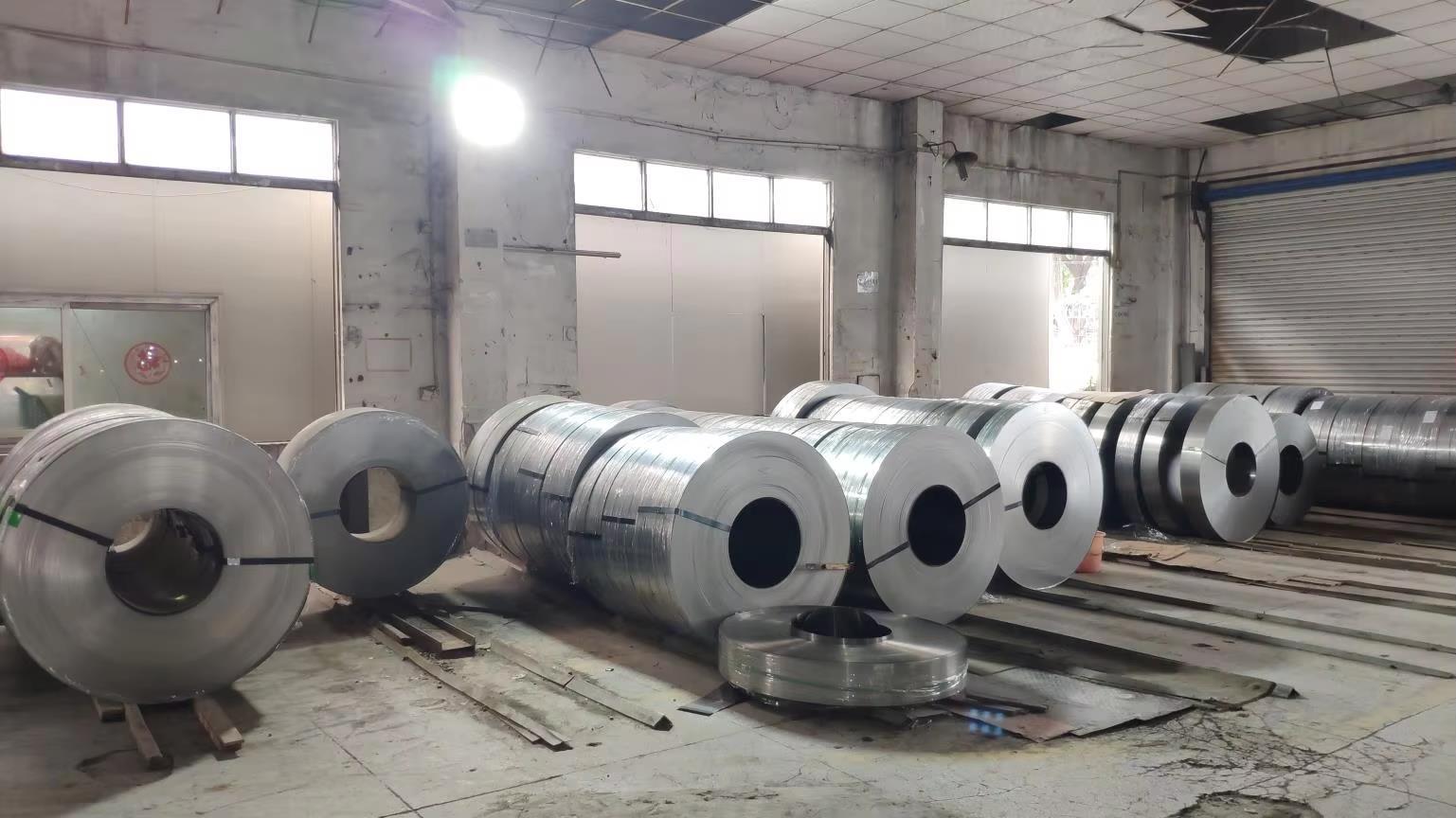
Using premium steel alloys, such as Q235B and Q355B cold-rolled steel, allows us to build slimmer profiles that carry higher load capacities. This reduces structural weight while maintaining high safety margins.
Procurement teams at international 3PL organizations, heavy machinery manufacturers, and global distribution hubs look for structural durability, regulatory compliance, and supply chain reliability. A racking failure can lead to operational delays, inventory loss, and safety issues.
Our export footprint spans North America, Europe, Southeast Asia, and the Middle East, allowing us to align with international regulatory requirements, including the Rack Manufacturers Institute (RMI) standards in the Americas and the FEM guidelines in Europe. We provide detailed load-bearing calculations, finite element analysis (FEA) reports, and customized structural configurations for every project.
Our engineering team designs racking systems that withstand forklift collisions, adapt to temperature changes in cold storage, and support flexible configurations as inventory needs evolve.
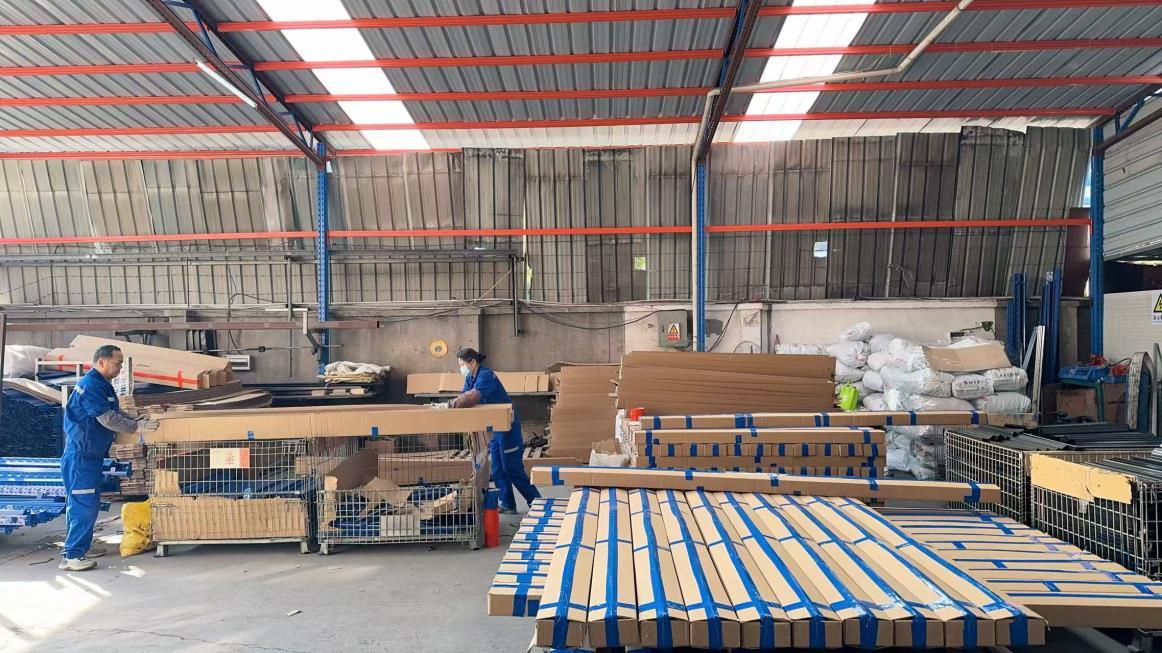
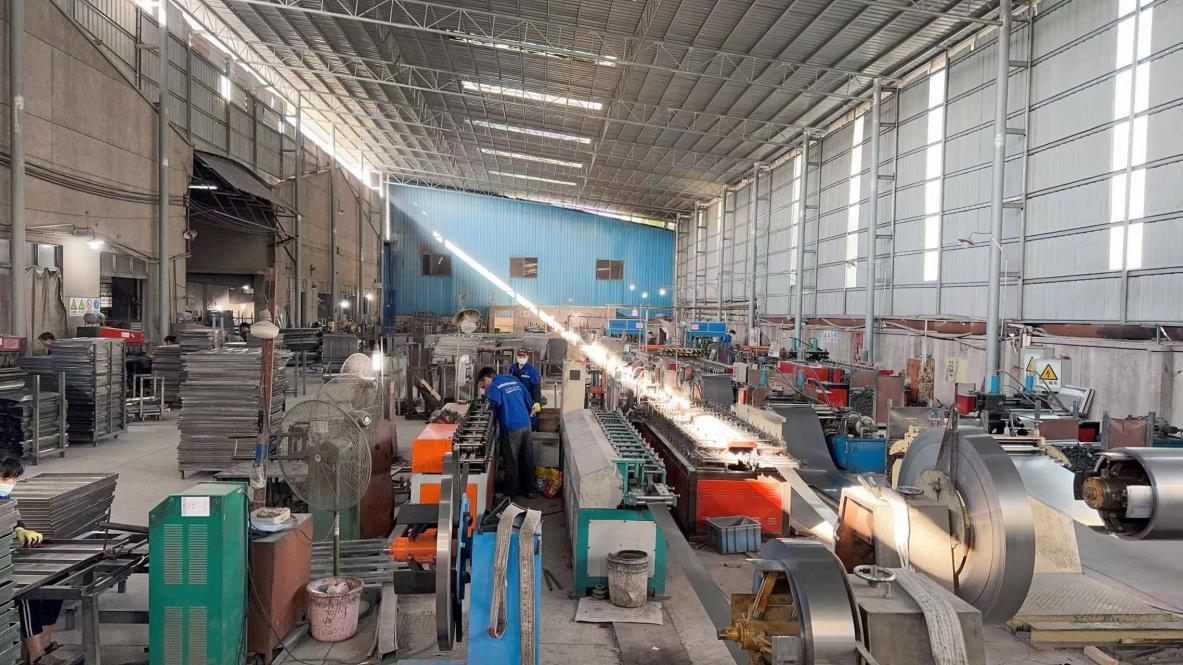
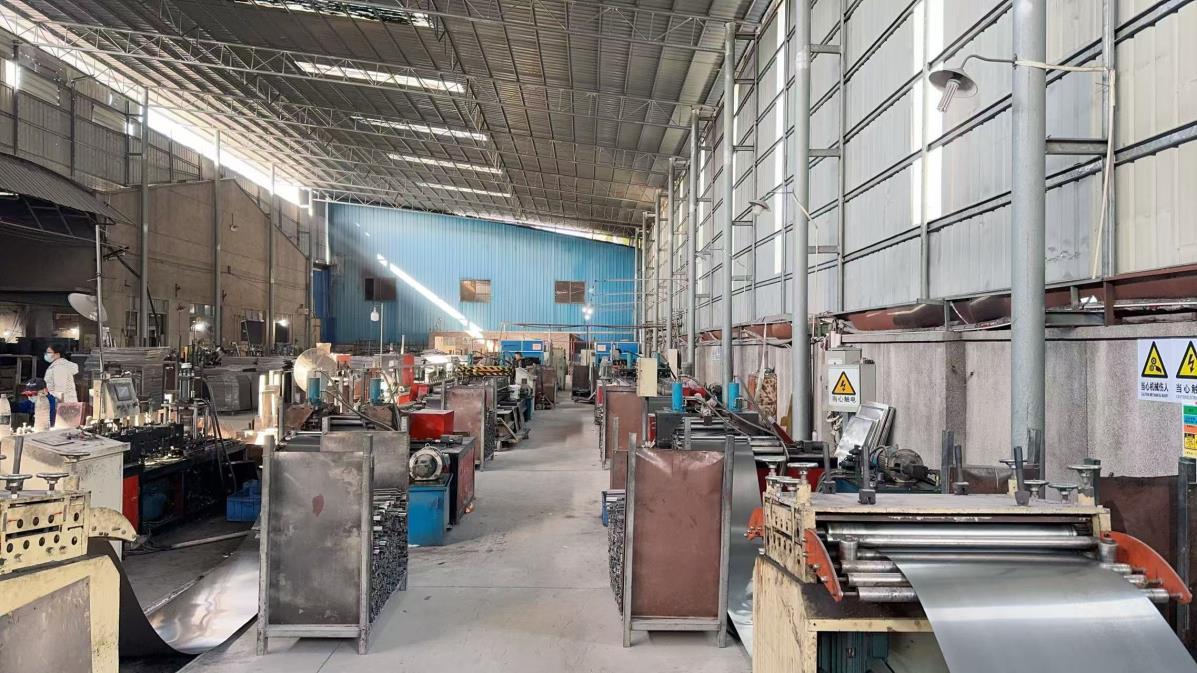
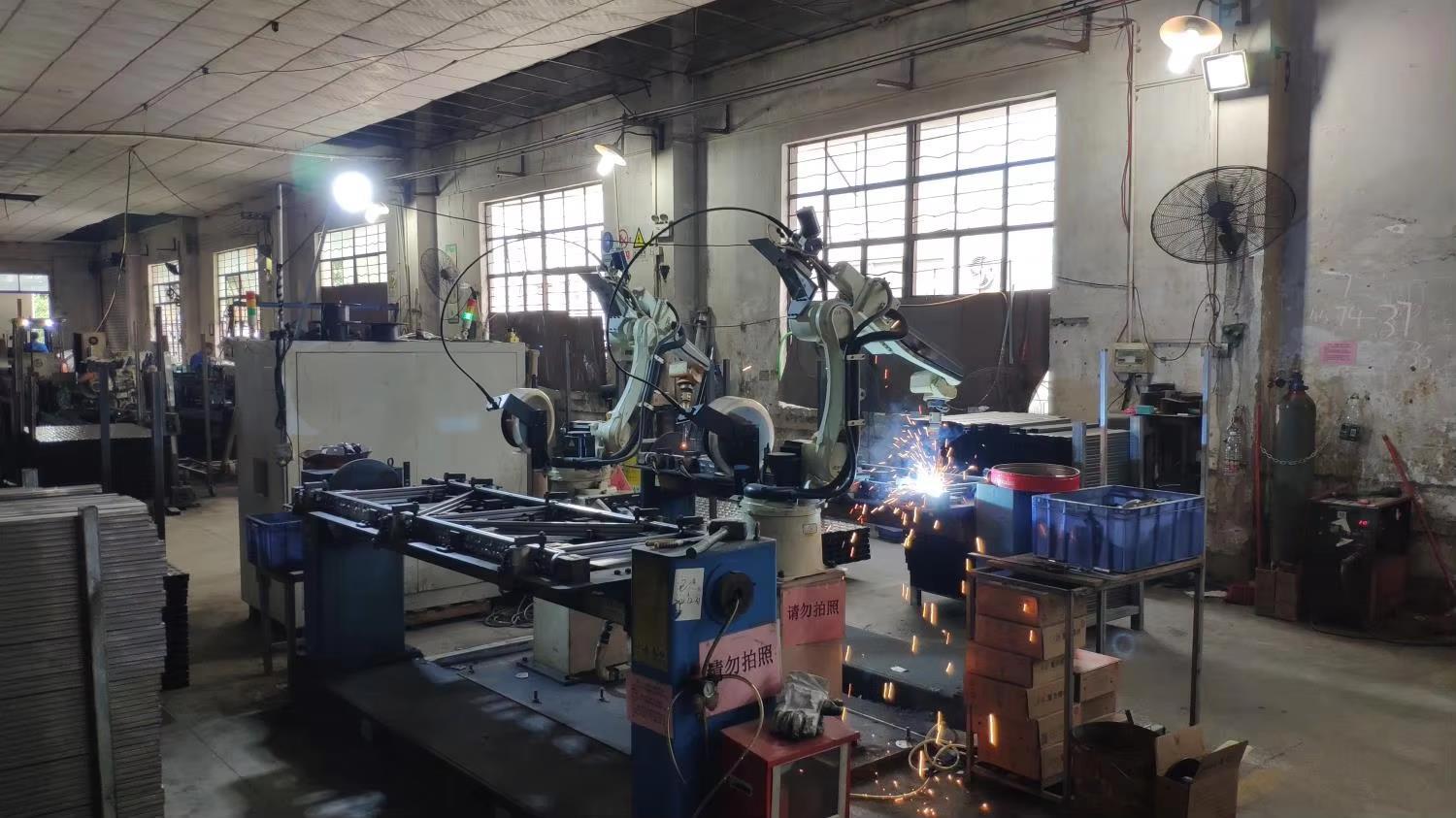
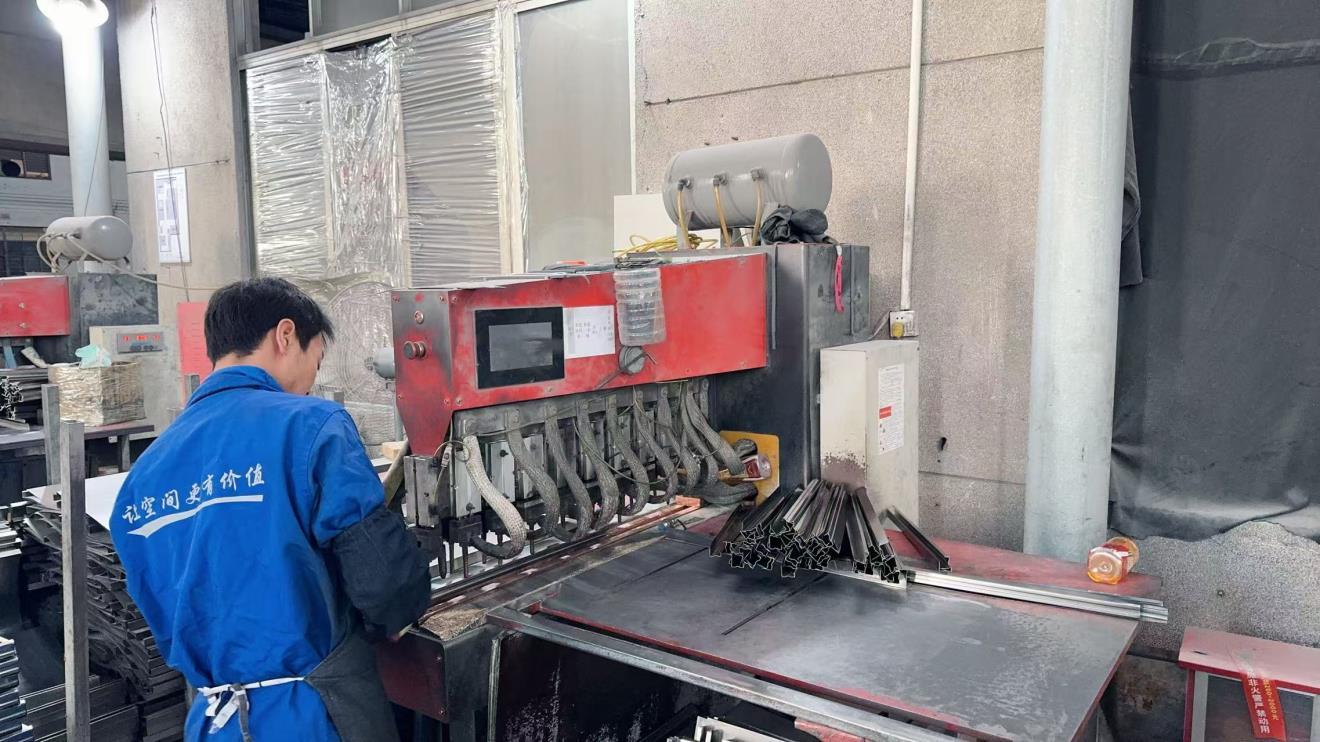
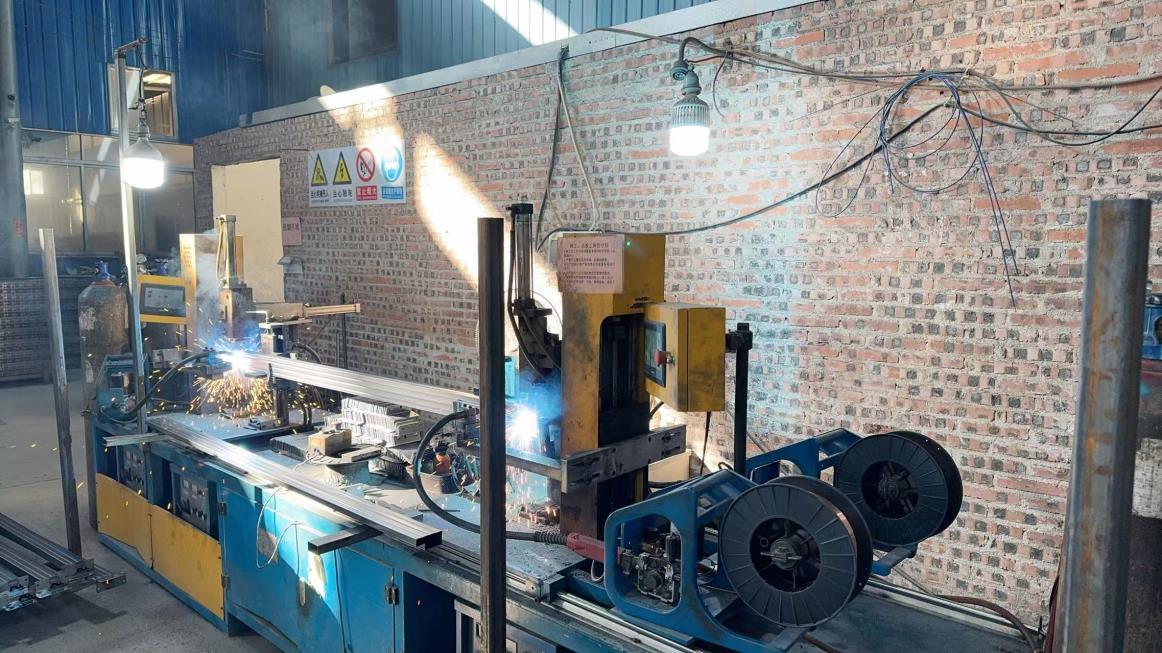
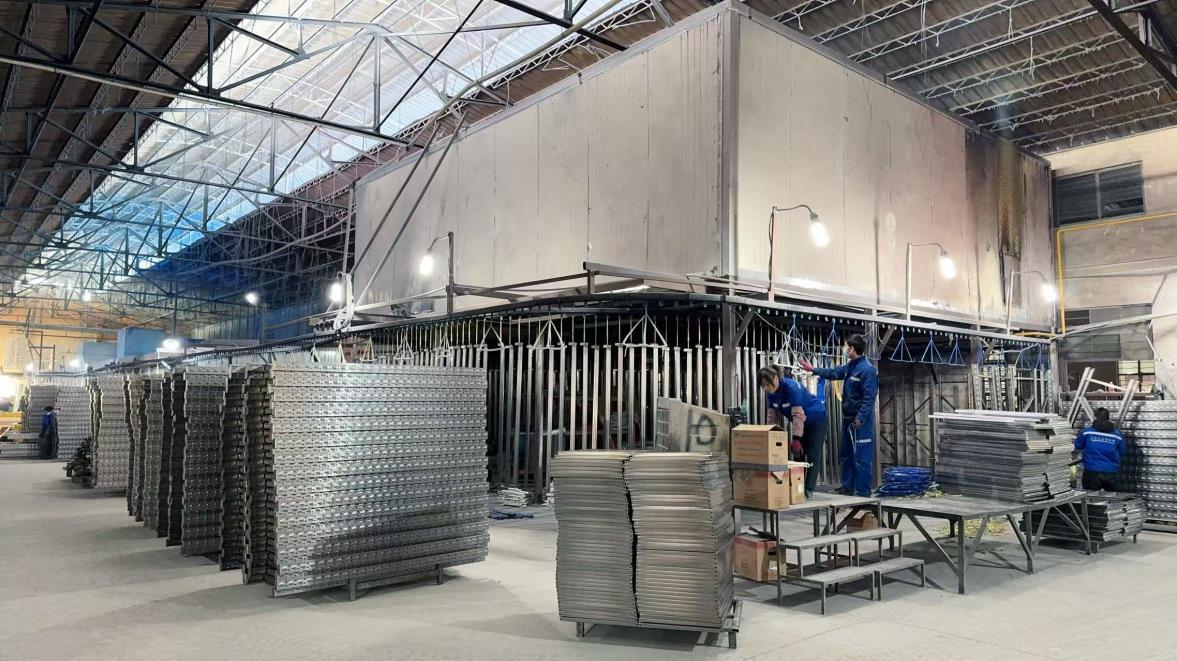
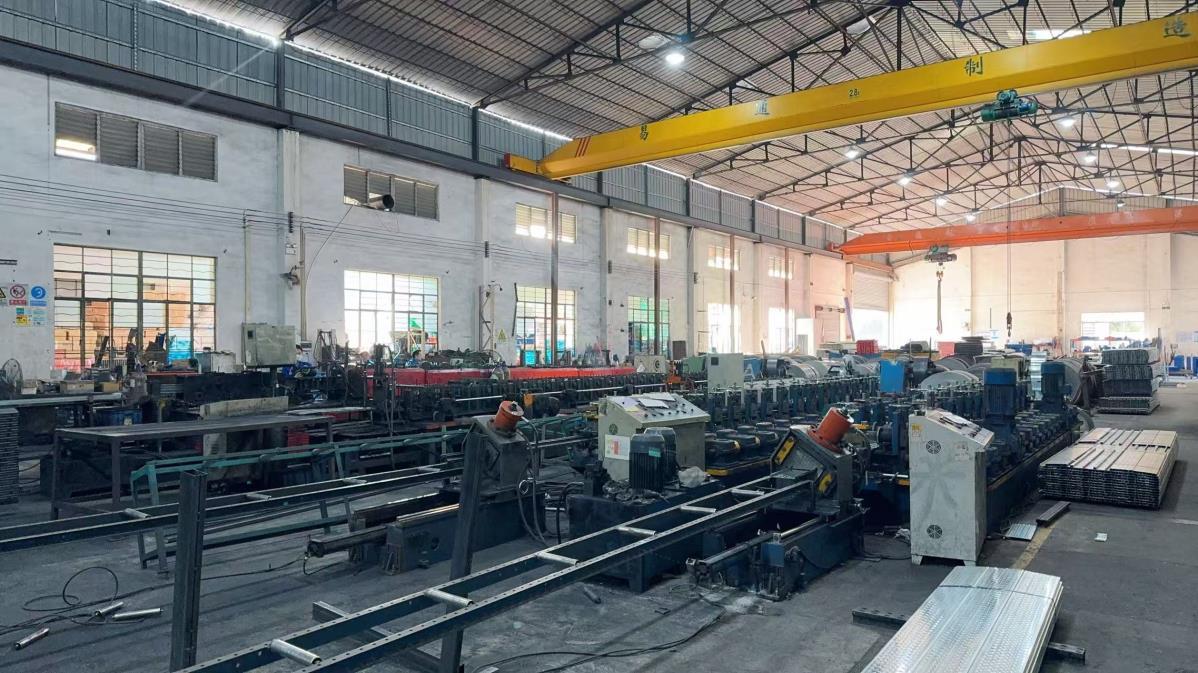
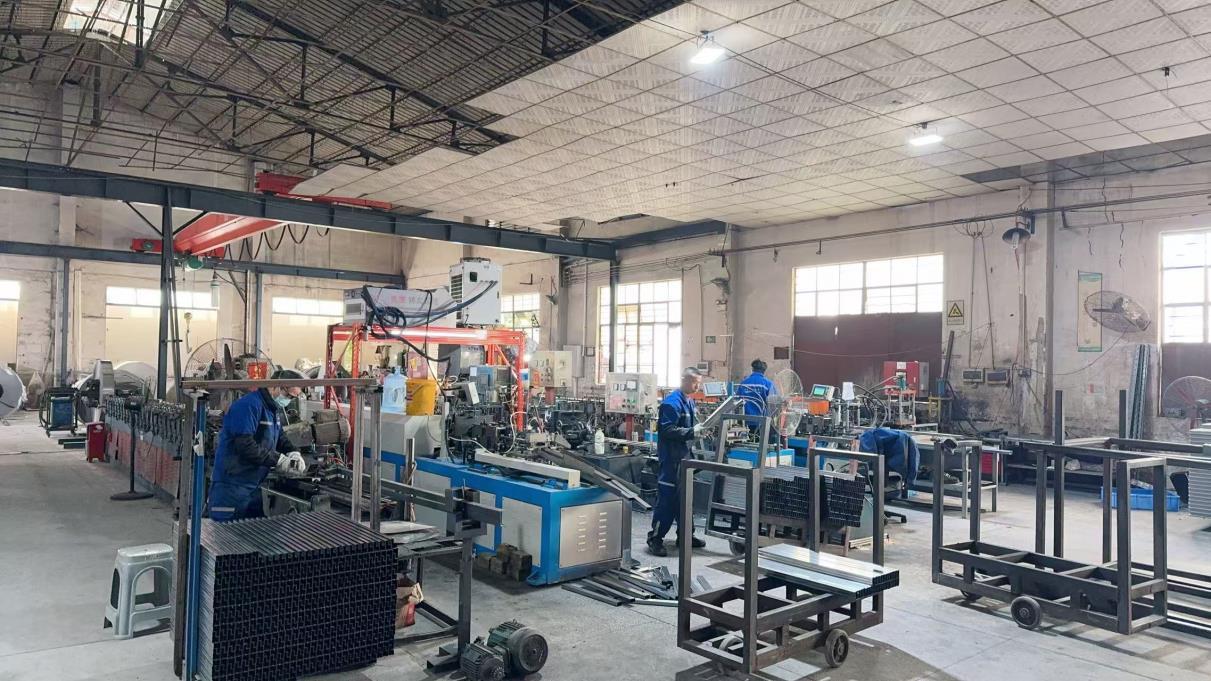
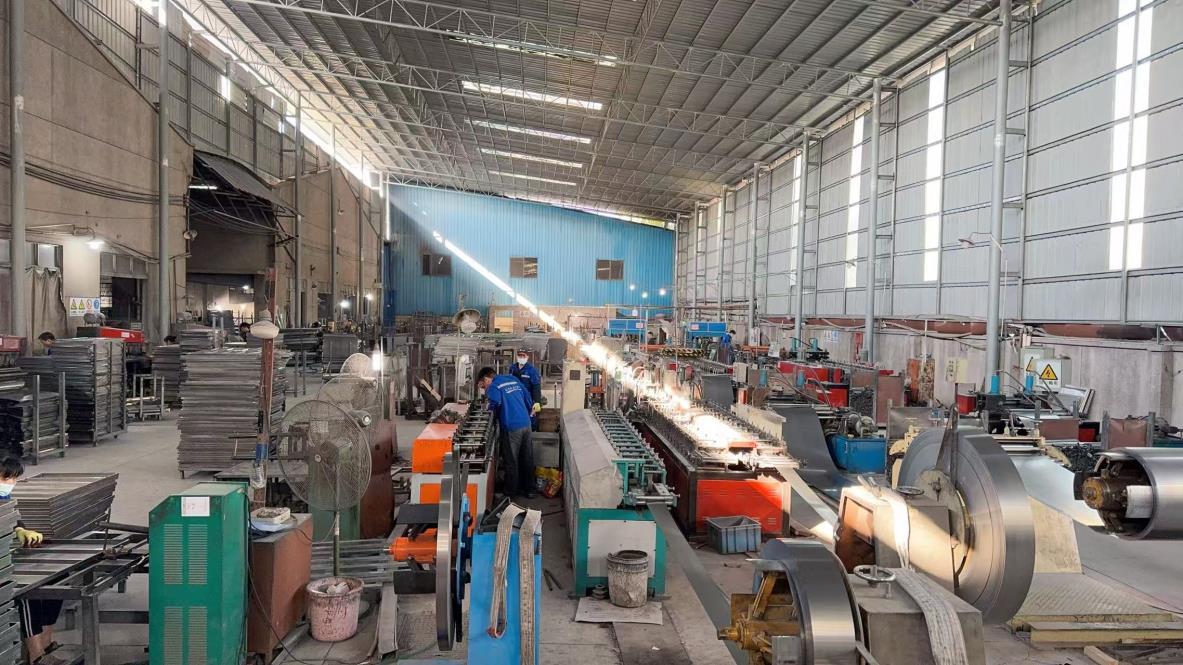
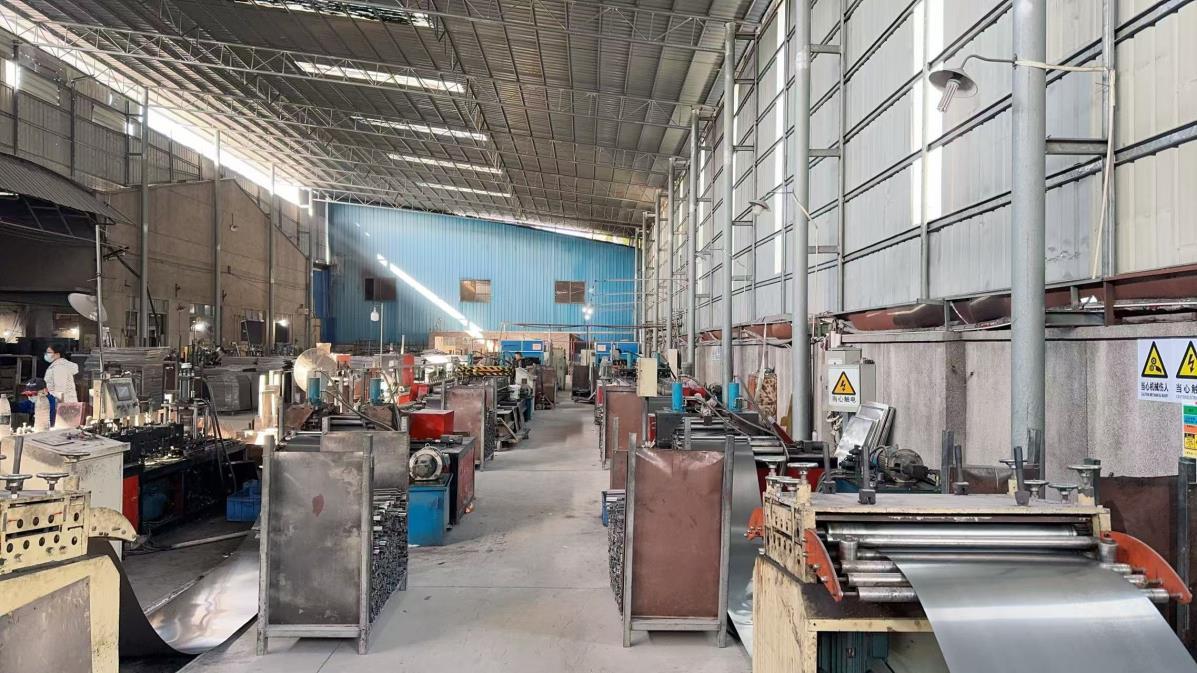
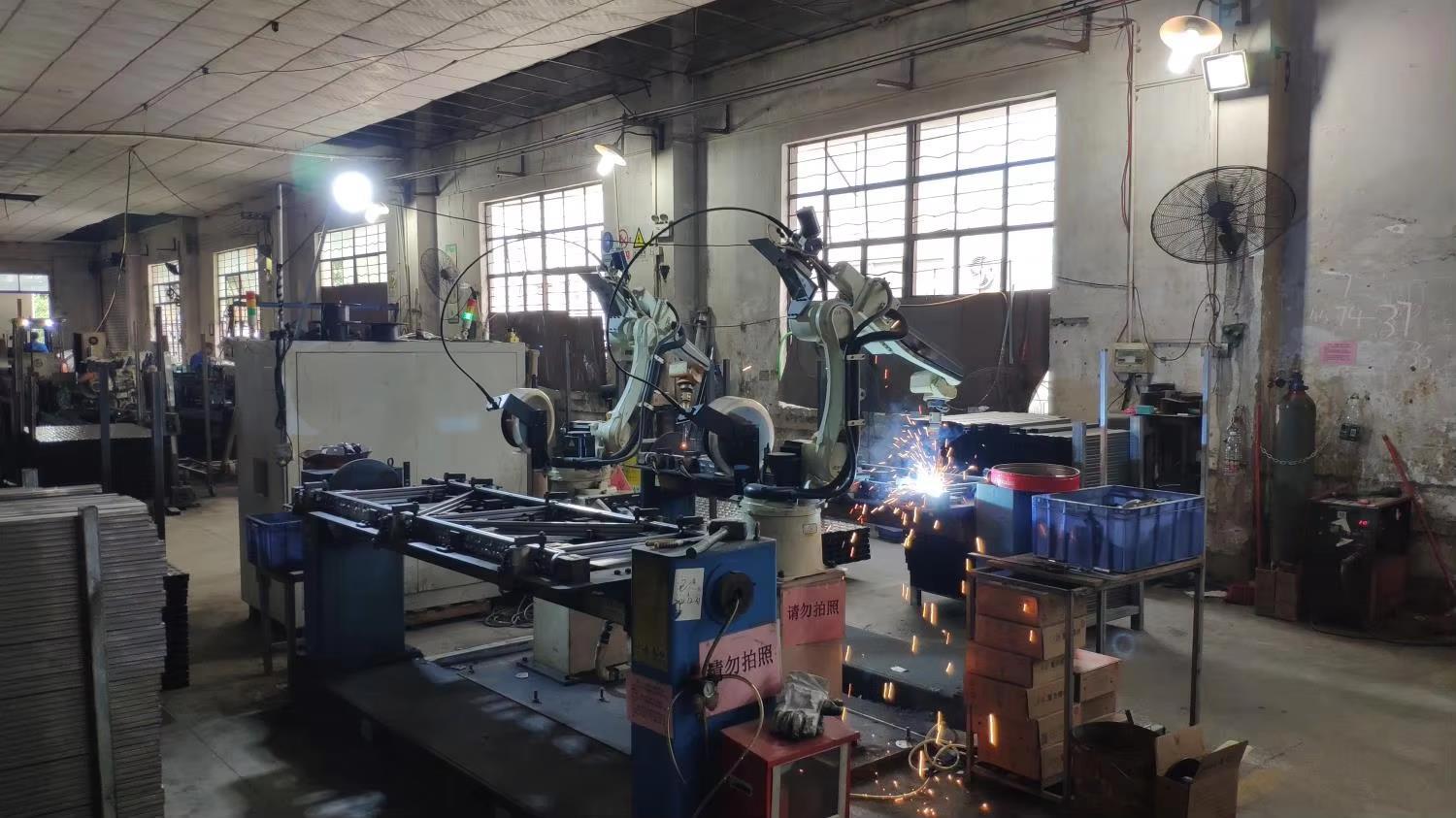
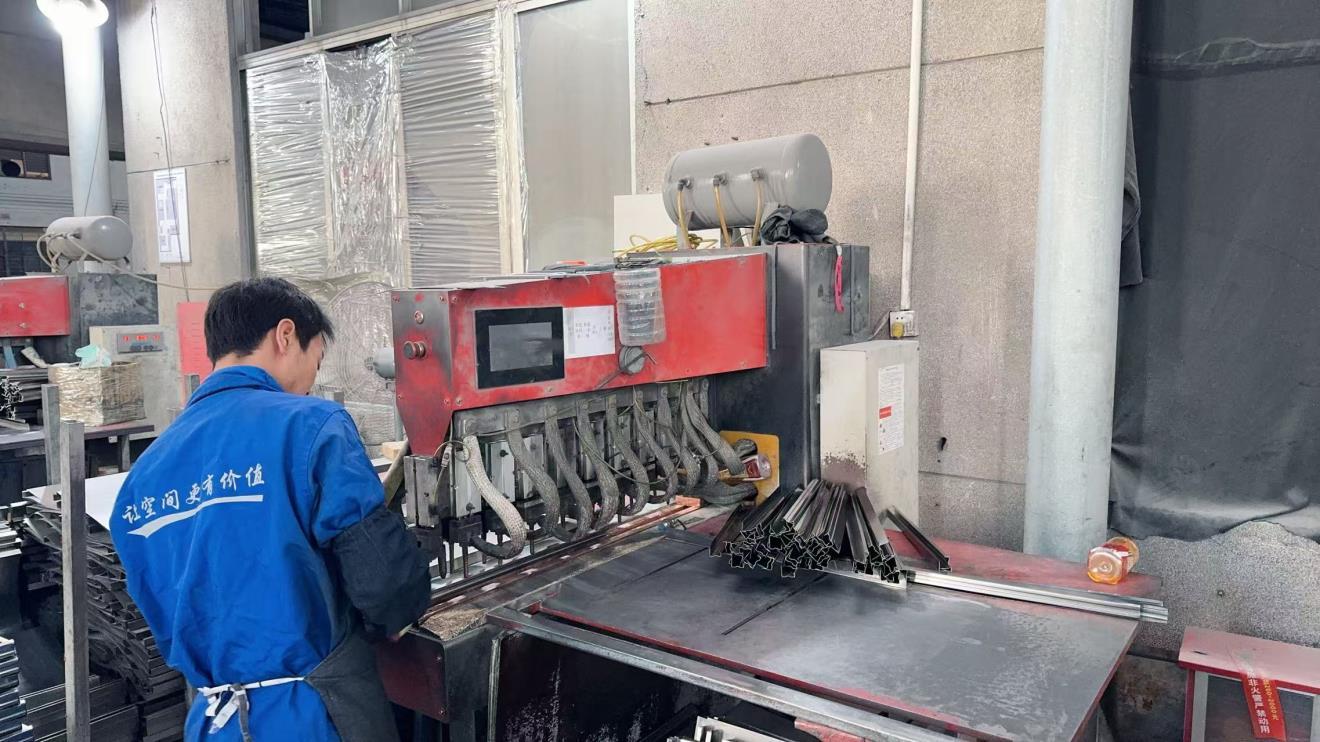
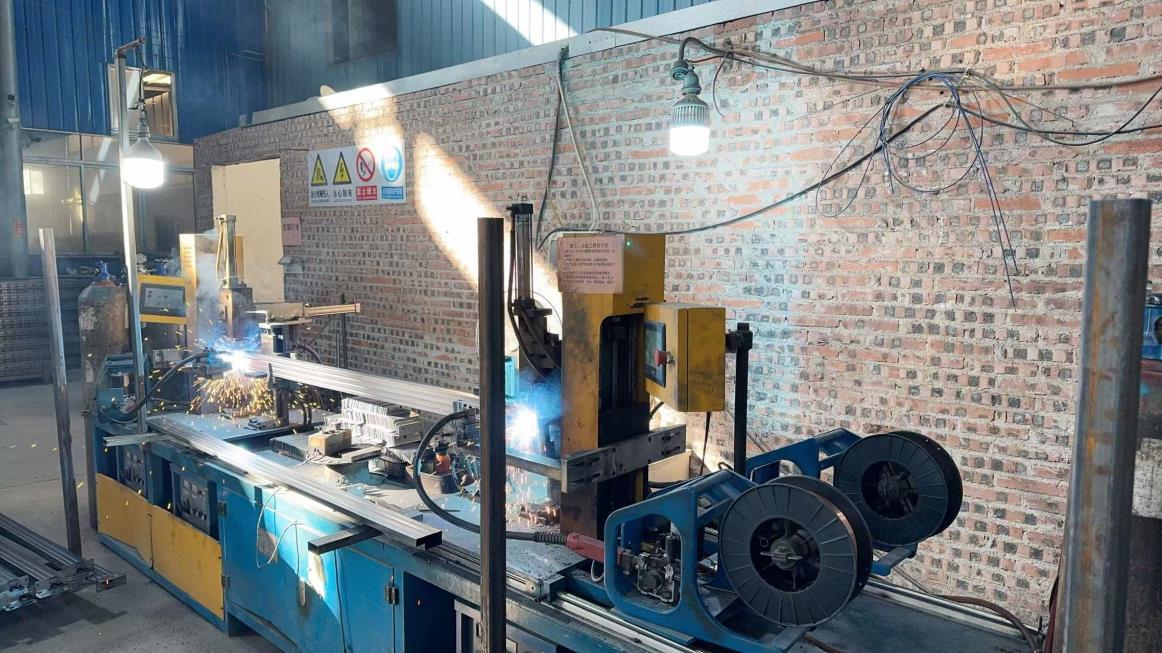
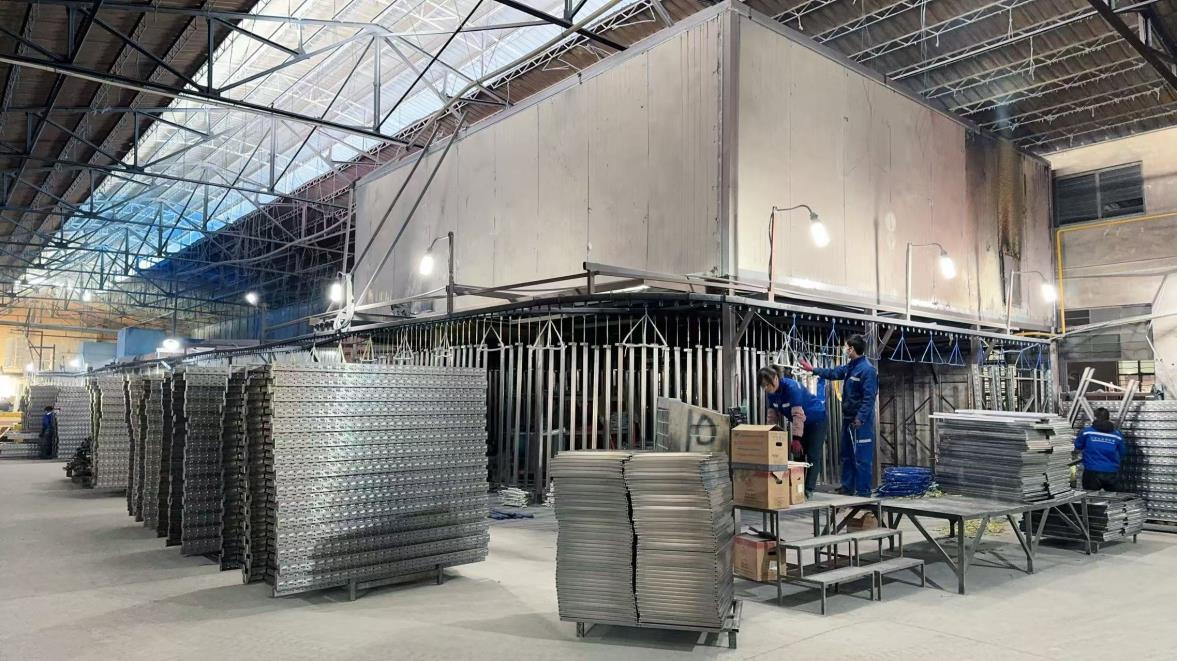
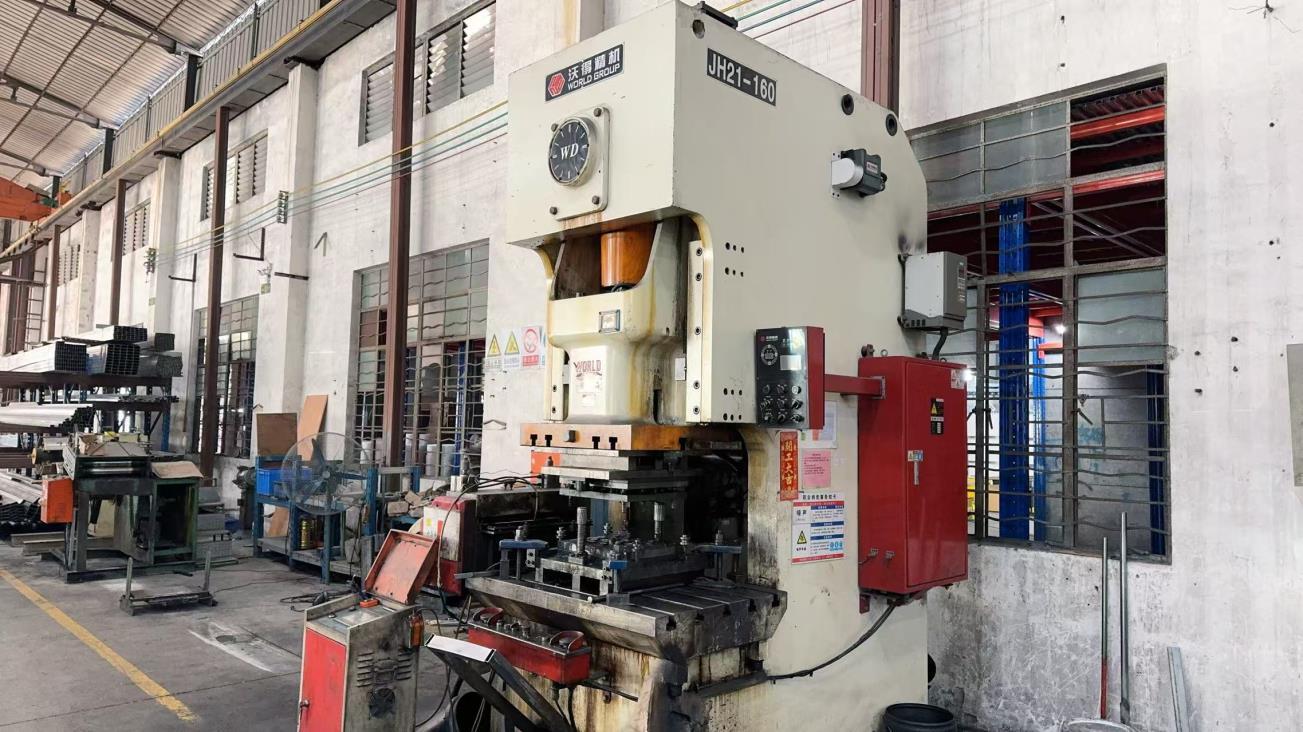
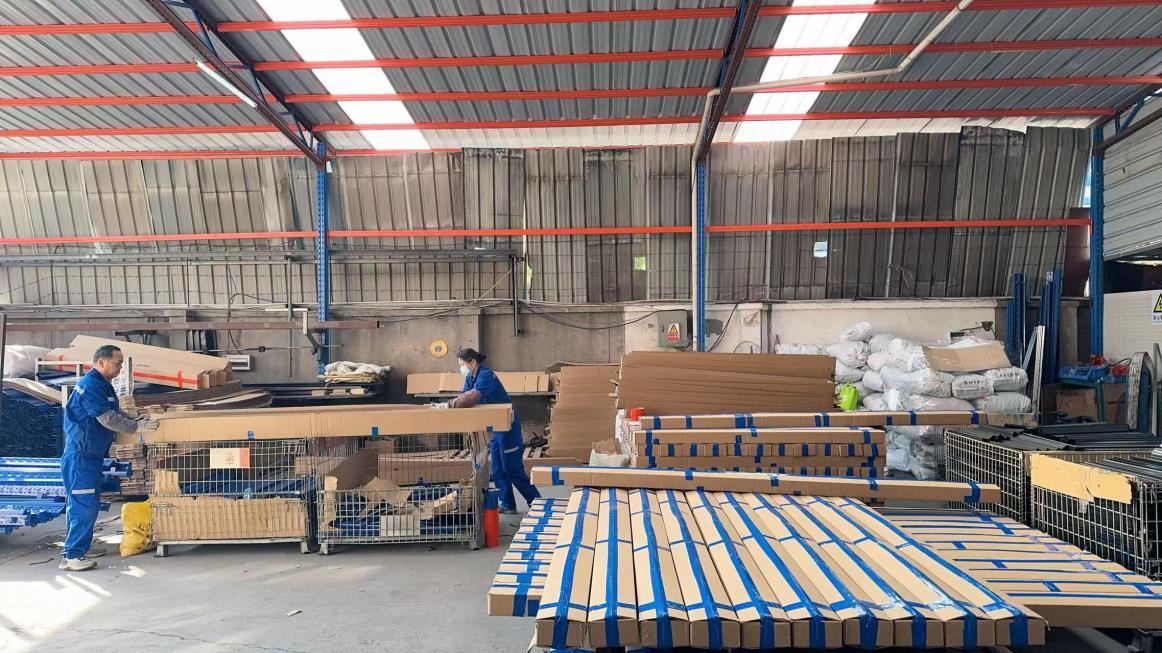
Inside Dongguan Kimsuk Shelves Co., Ltd.'s 32,000㎡ manufacturing facility. Quality assurance starts with the selection of raw materials and continues through to robotic welding and packaging.
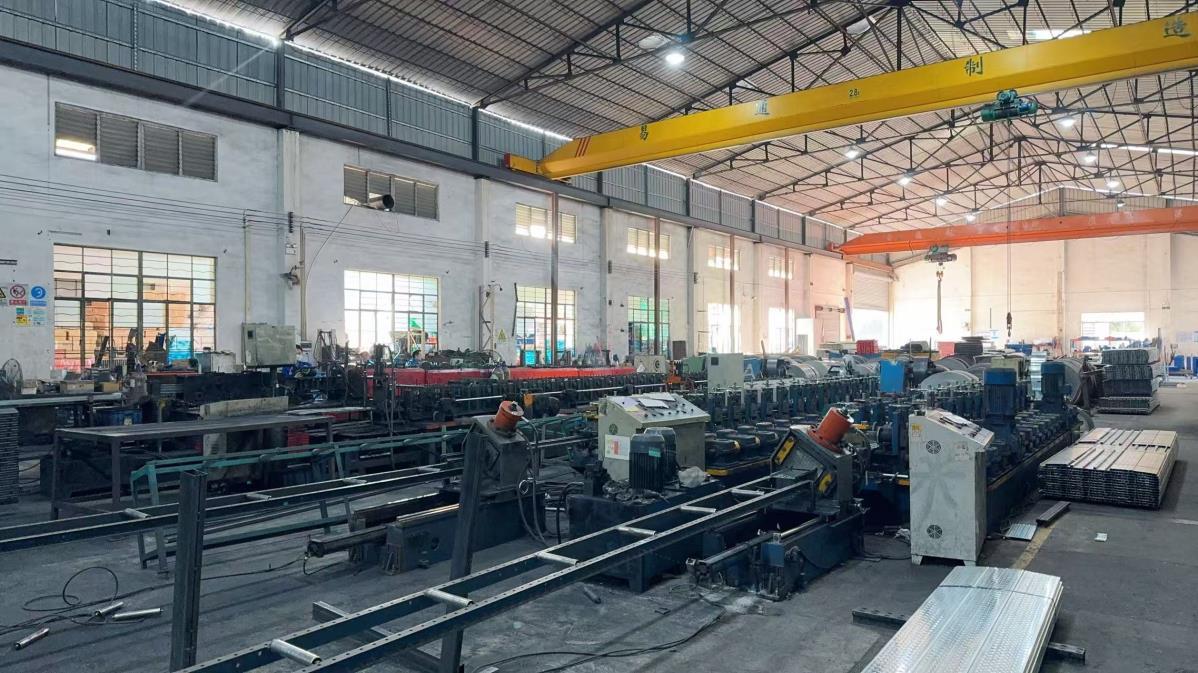
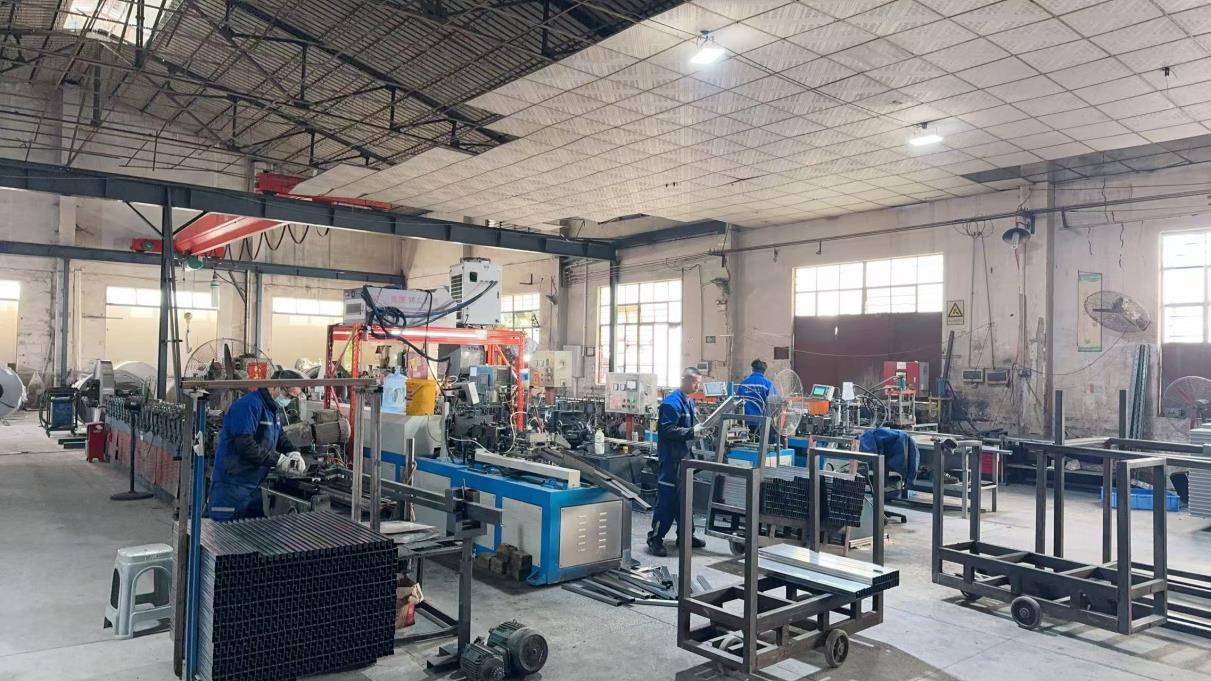
Different industrial sectors face unique environmental and storage challenges. Our structures are customized to perform across diverse sectors.
Cold storage requires durable materials. Low temperatures can make steel brittle, risking structural failure. Kimsuk uses low-temperature-resistant carbon steel, finished with protective powder coatings, to maintain structural performance and safety in sub-zero environments.
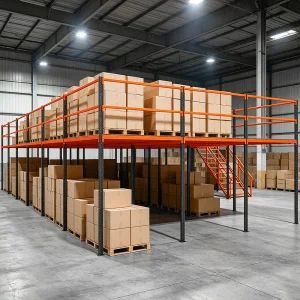
Third-party logistics providers (3PL) require storage systems that can adapt to changing client needs. Our modular teardrop racking, dynamic gravity flow racks, and multi-tier mezzanine configurations allow hubs to reorganize layouts quickly.
Automotive components vary from lightweight electronics to heavy steel engine blocks and tires. Our industrial heavy-duty racks feature reinforced box beams, wire deckings, and custom cantilever structures to store irregular shapes safely.
At Dongguan Kimsuk Shelves Co., Ltd., quality control is integrated into every step of production. Our facility features a dedicated QA/QC department staffed by 35 inspectors who oversee the manufacturing process from raw material arrival to final container loading.
Raw materials are sourced from verified steel mills and undergo tensile testing to confirm yield strength. During the forming and robotic welding stages, we check dimensions and weld penetration to prevent weak spots. Completed components undergo load-bearing testing, non-destructive weld testing, and powder-coating thickness checks.
Our in-house design and engineering department includes 18 senior structural specialists. This team uses finite element analysis (FEA) to simulate stress conditions under static, dynamic, and seismic loads, ensuring safety and compliance with international standards.
Find technical answers on design, installation, compliance, and custom ordering processes.
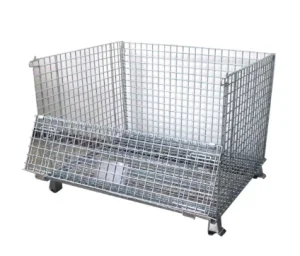
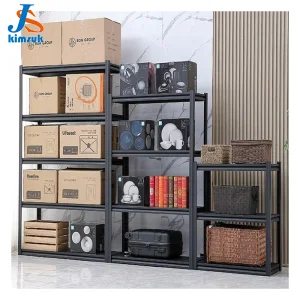
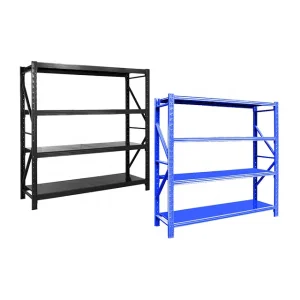
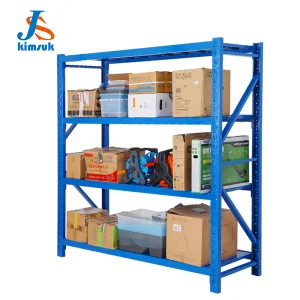
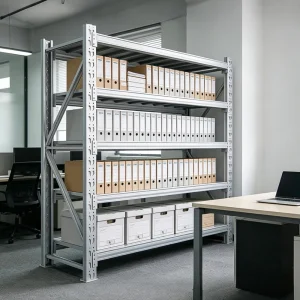
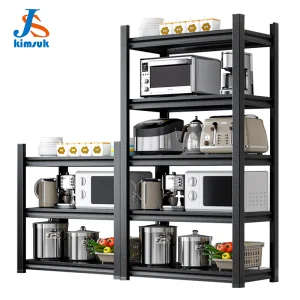
Review our specialized storage products, designed to optimize space utilization, improve accessibility, and ensure warehouse safety.
 Kimsuk Steel