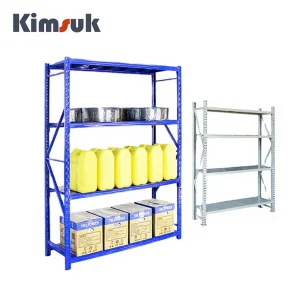
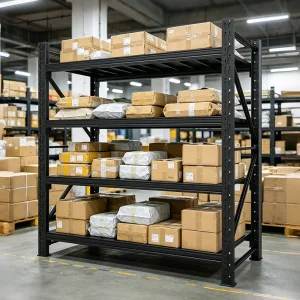
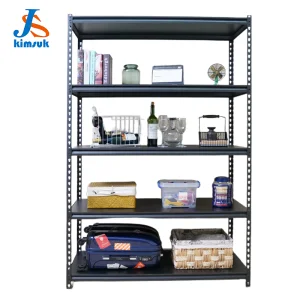
Explore our leading industrial racking and warehouse steel storage structures, designed for heavy loads and maximum structural durability.
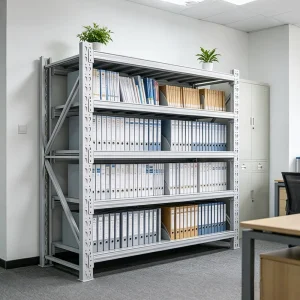
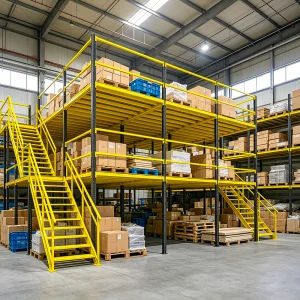
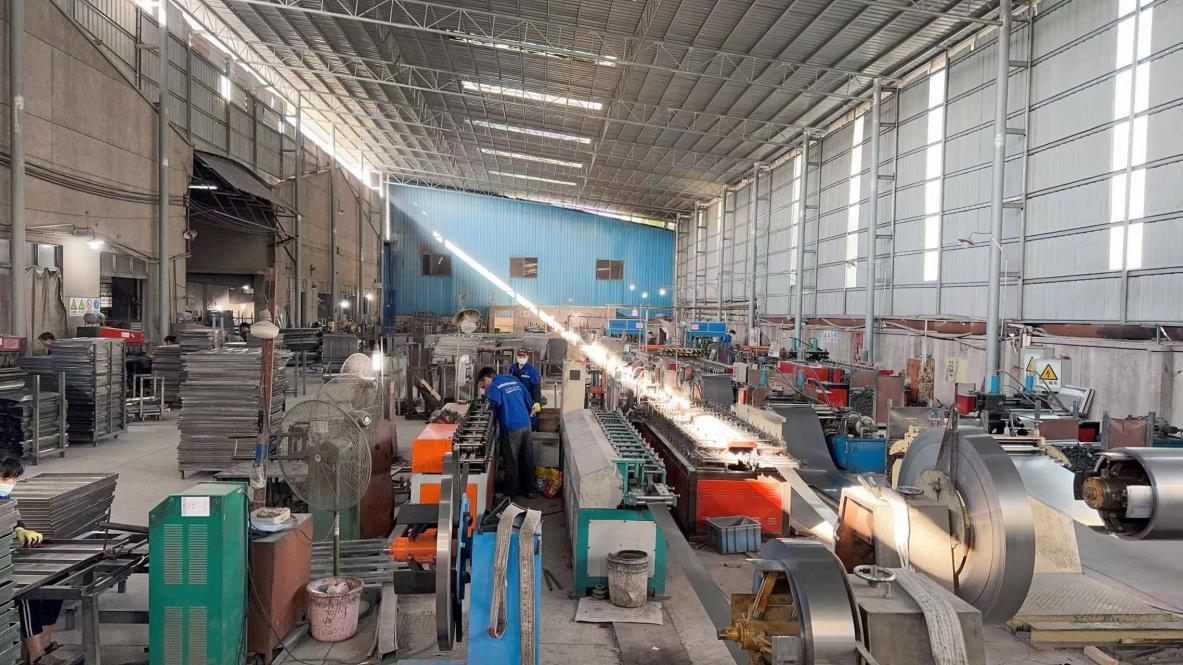
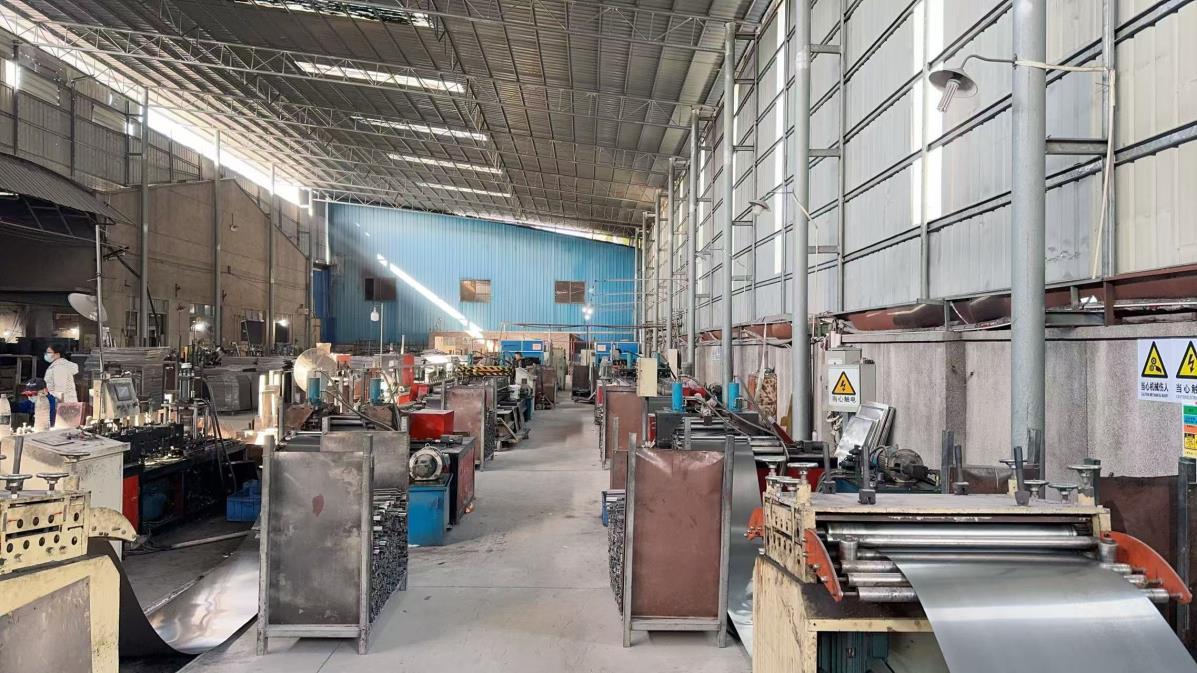
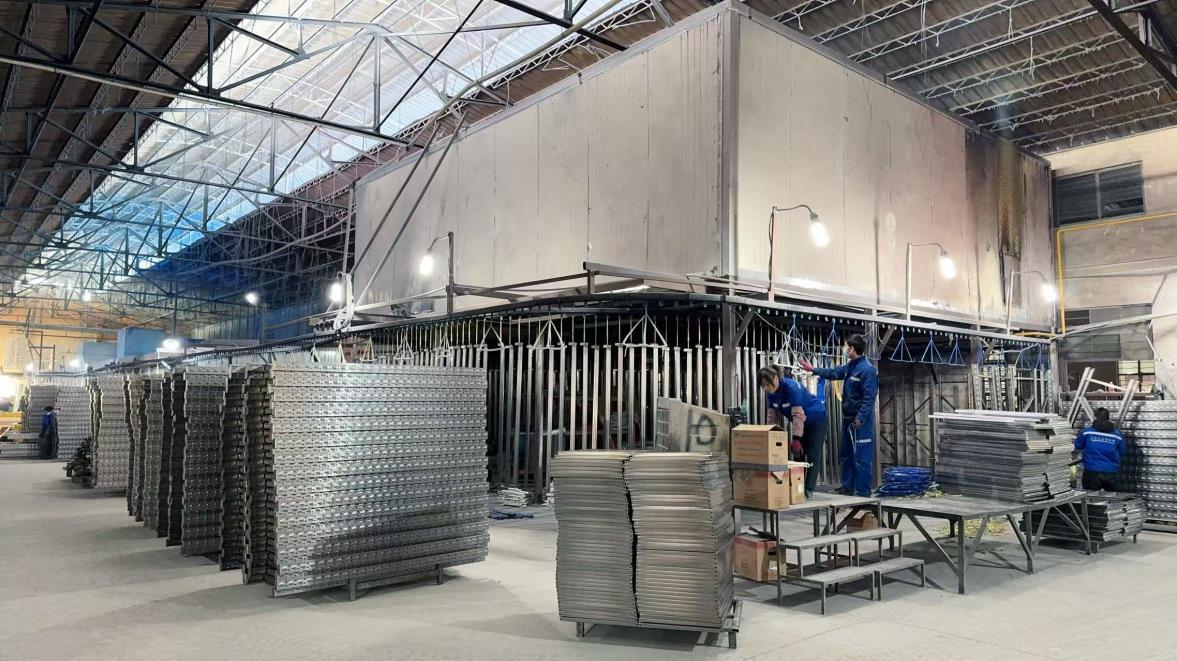
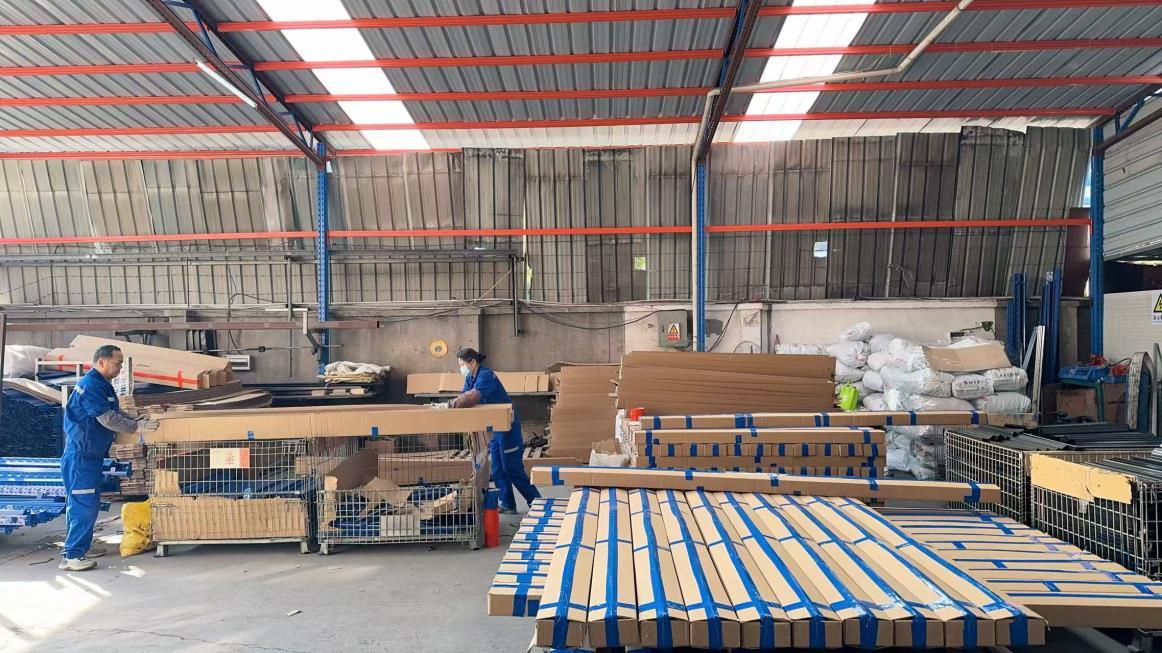
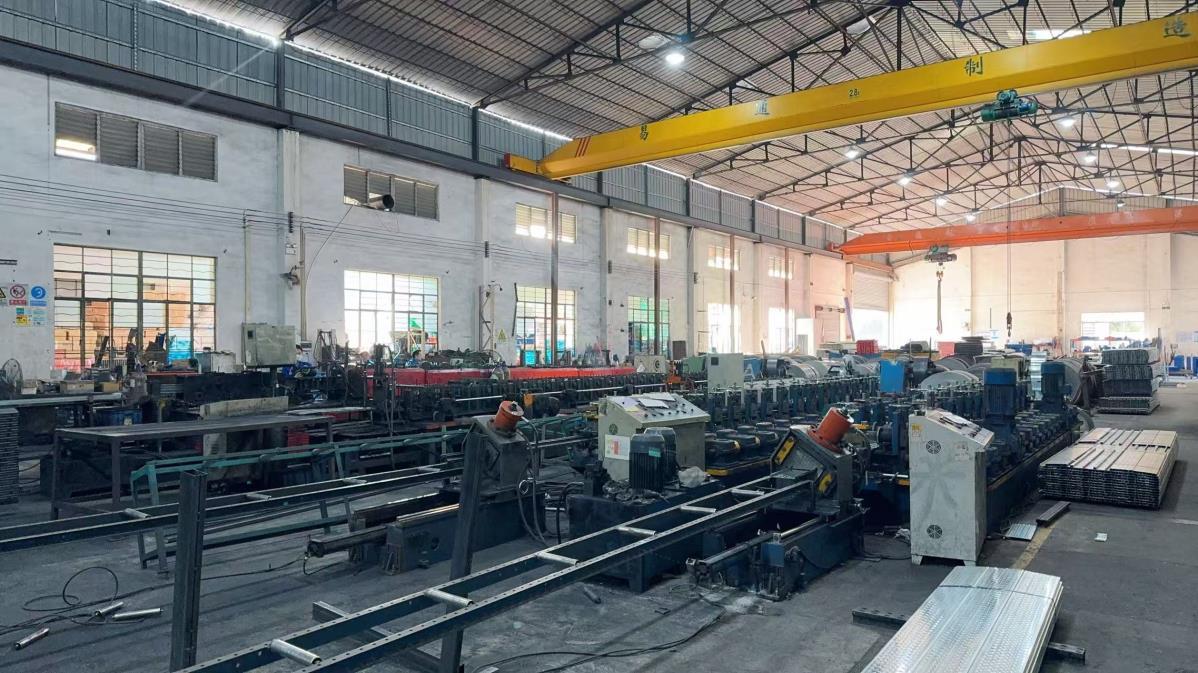
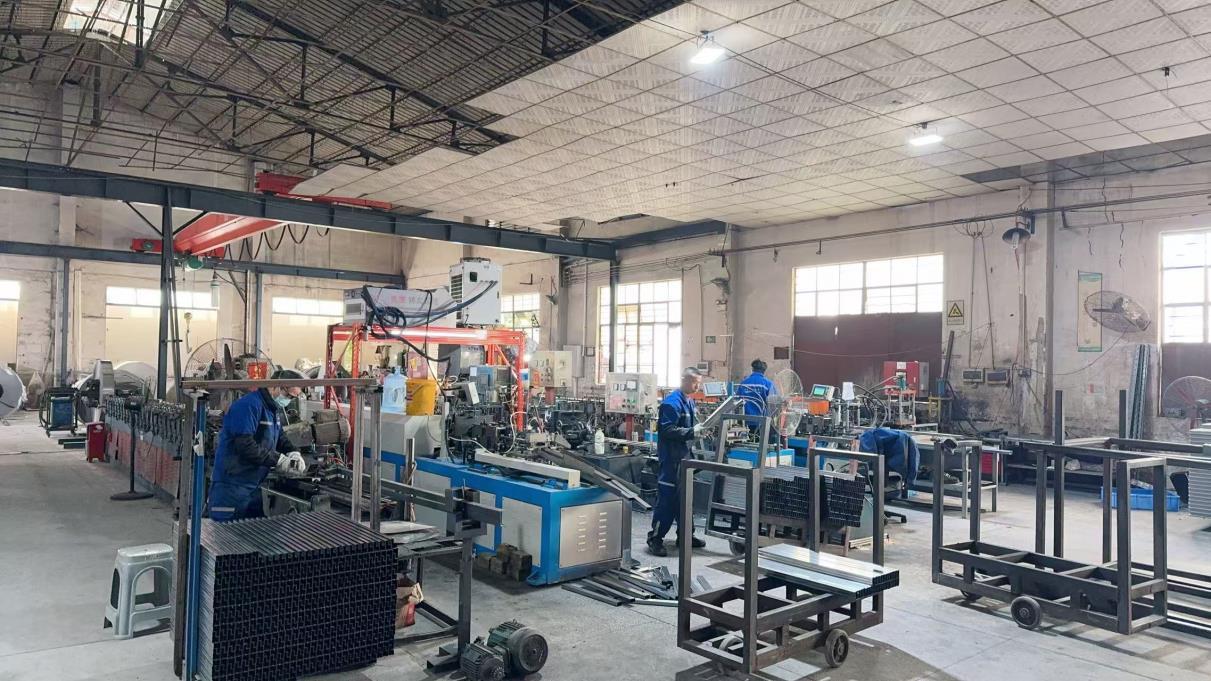
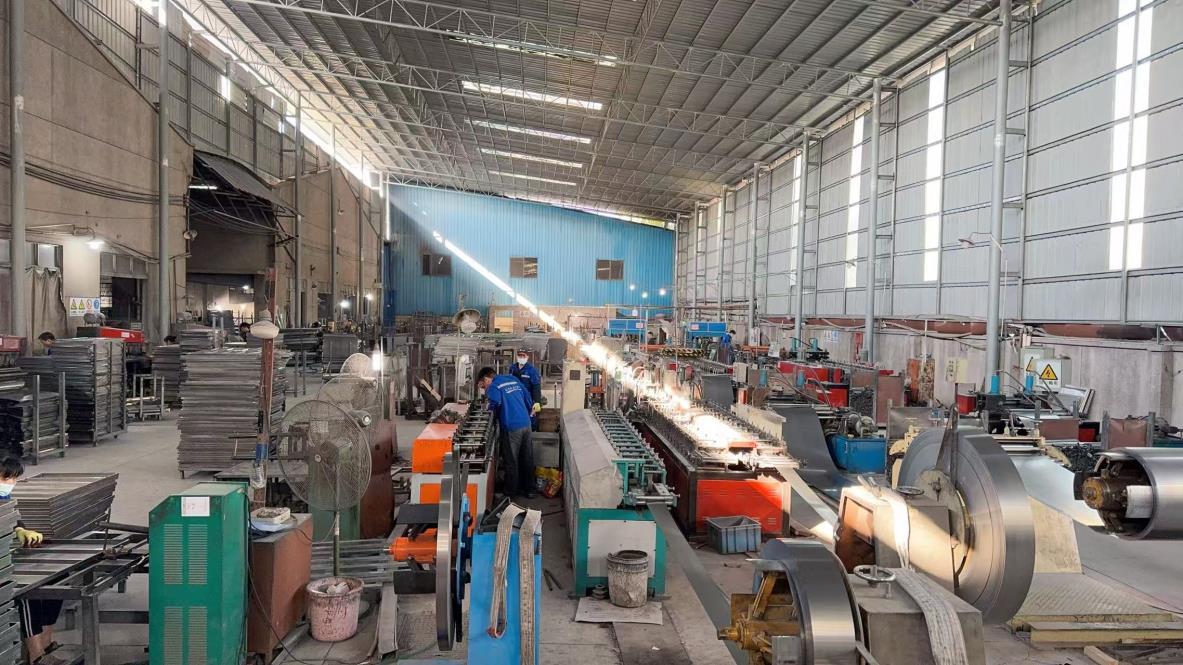
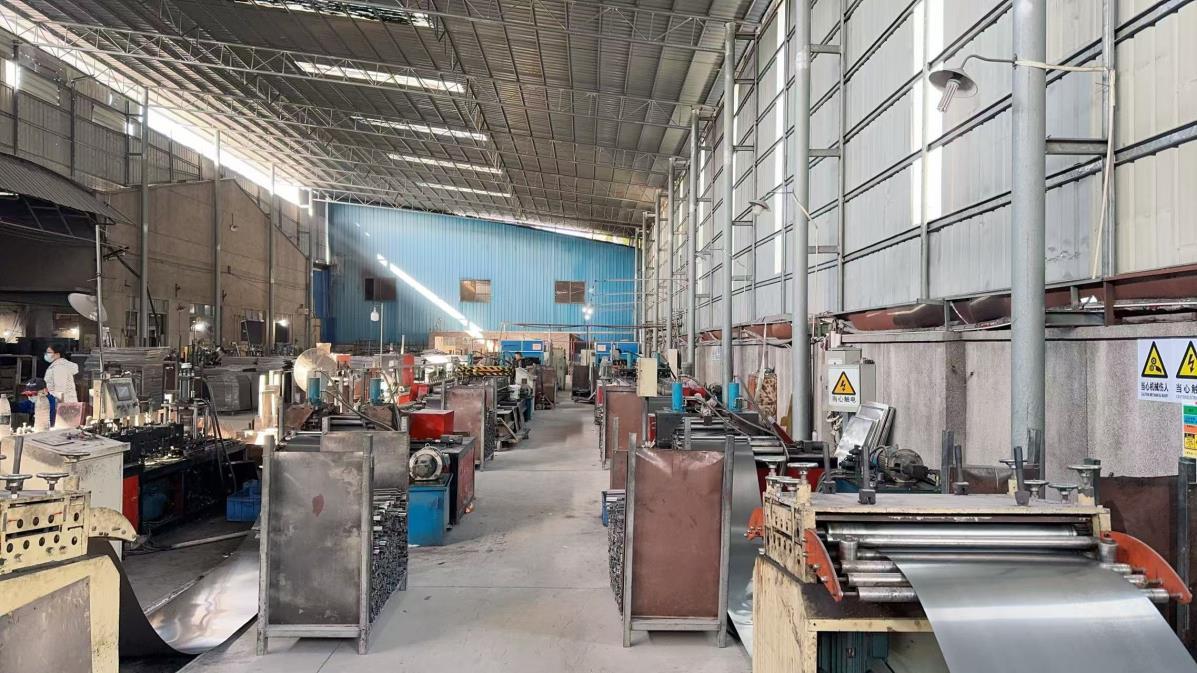
Established in 2015, Dongguan Kimsuk Shelves Co., Ltd. is a leading manufacturer specializing in the design, engineering, and production of heavy-duty industrial shelving and warehouse storage systems. Operating from a modern production facility spanning 32,000 square meters, we have grown into a trusted global supply chain partner with 11 years of industry expertise and 8 years of direct international export experience. Driven by robust manufacturing capability, our annual export revenue reaches $18 million, serving clients across key international markets, including North America, Europe, Southeast Asia, and the Middle East.
Quality and precise engineering are at the core of our operations. We maintain a strict Quality Assurance protocol supported by a dedicated team of 35 QA/QC inspectors. Our comprehensive product inspection methods combine automated non-destructive testing, raw material tensile testing, load-bearing stress evaluations, and precision powder-coating thickness measurements.
Supported by an extensive network of over 850 verified supply chain partners, we consistently deliver reliable, high-integrity racking systems to a diverse client portfolio, ranging from large-scale logistics hubs and third-party logistics (3PL) providers to industrial manufacturing facilities and commercial retail distributors.
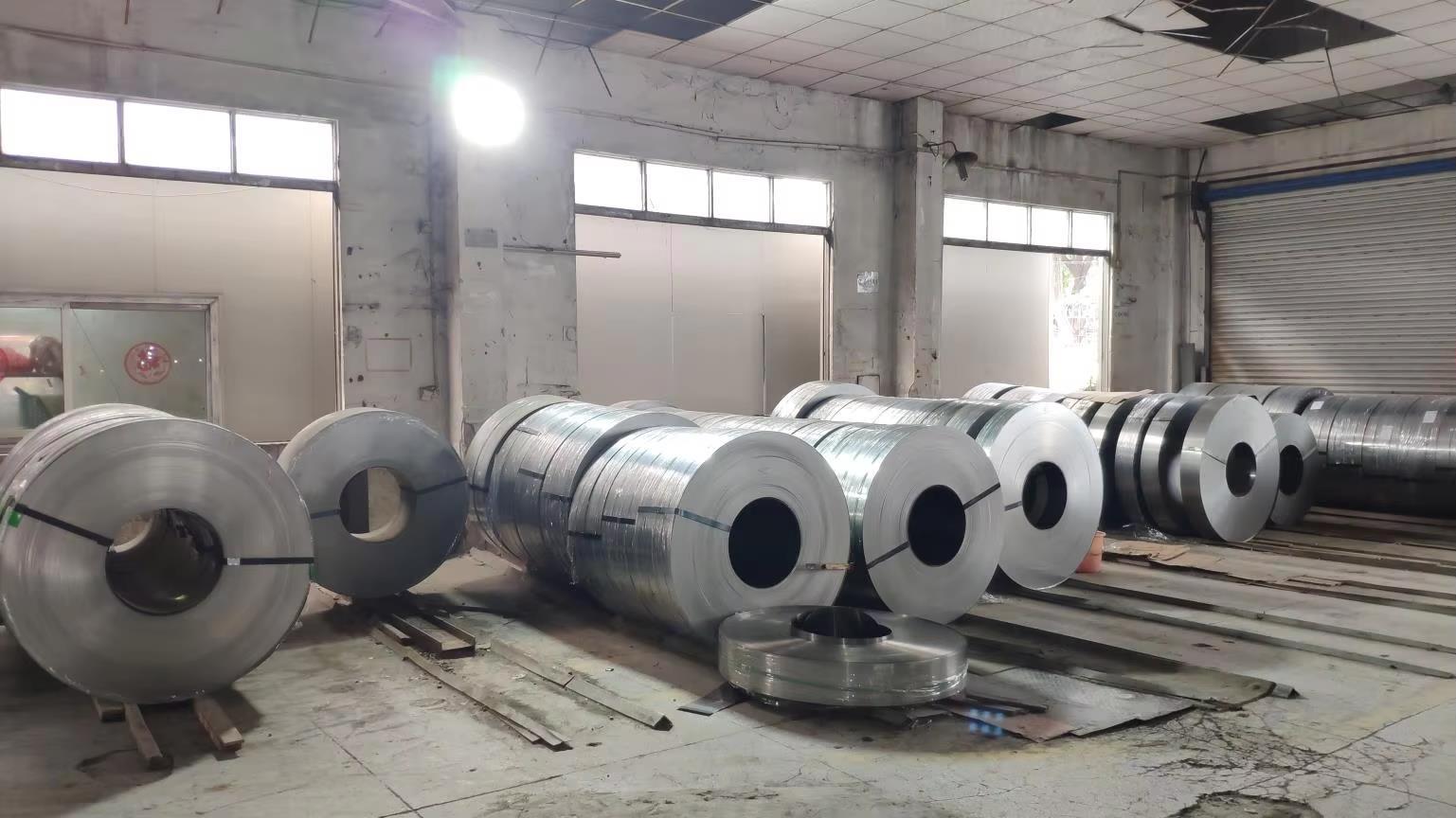
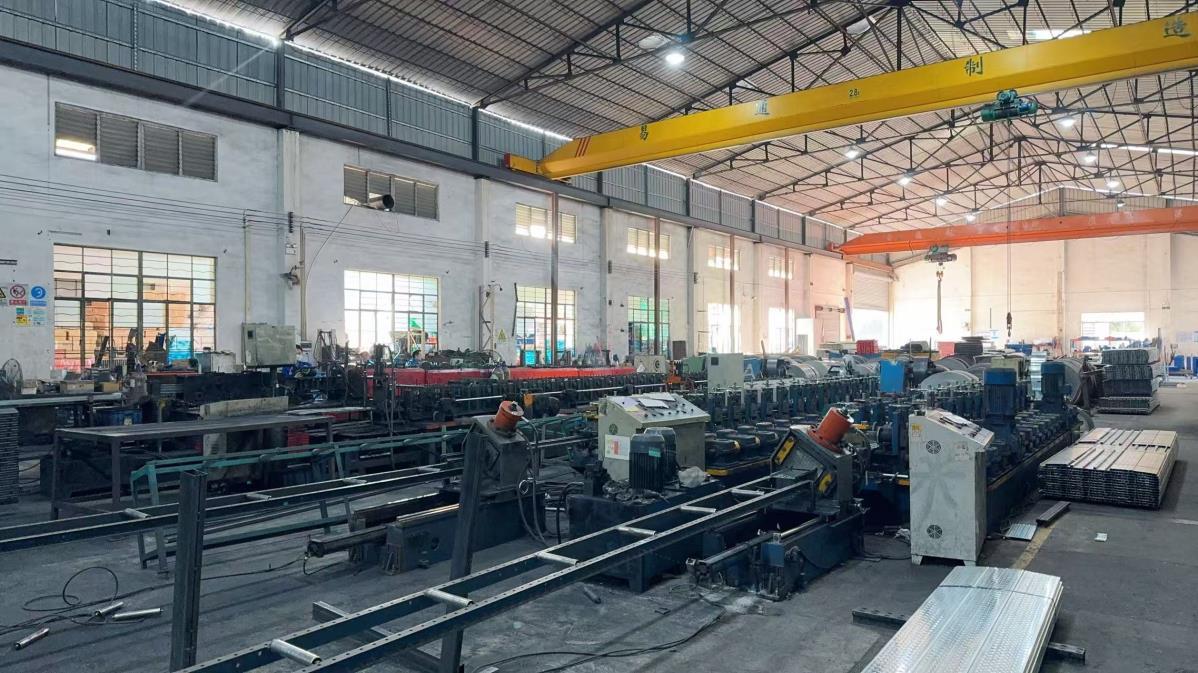
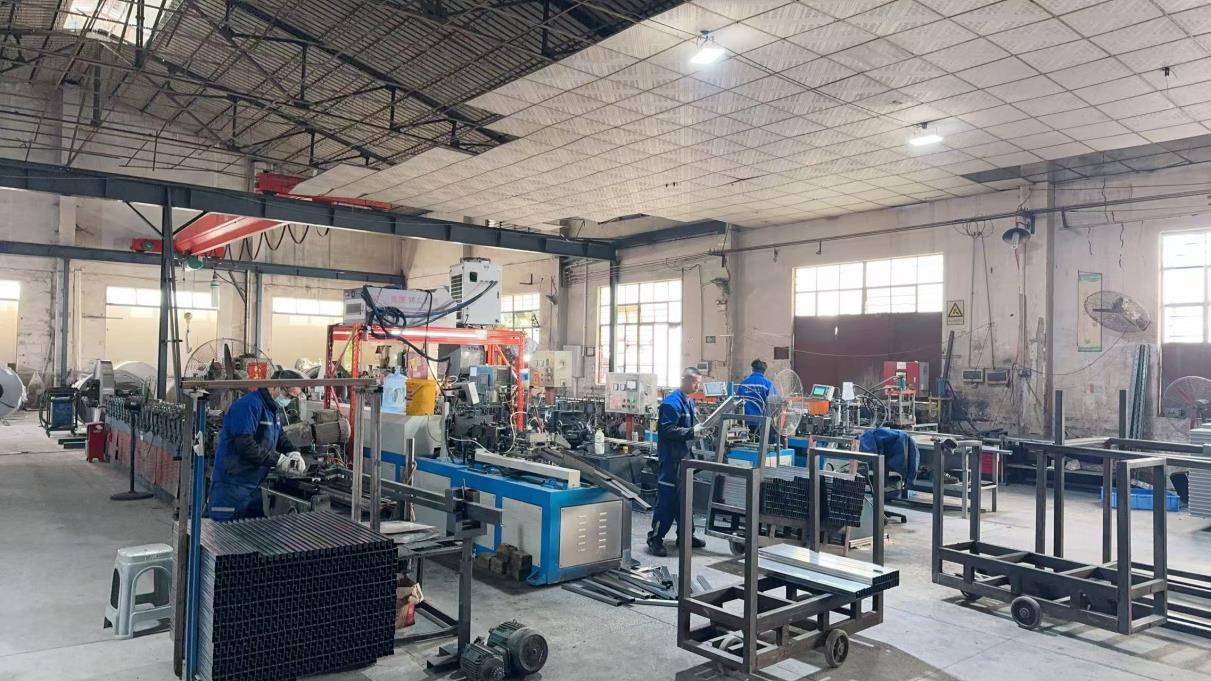
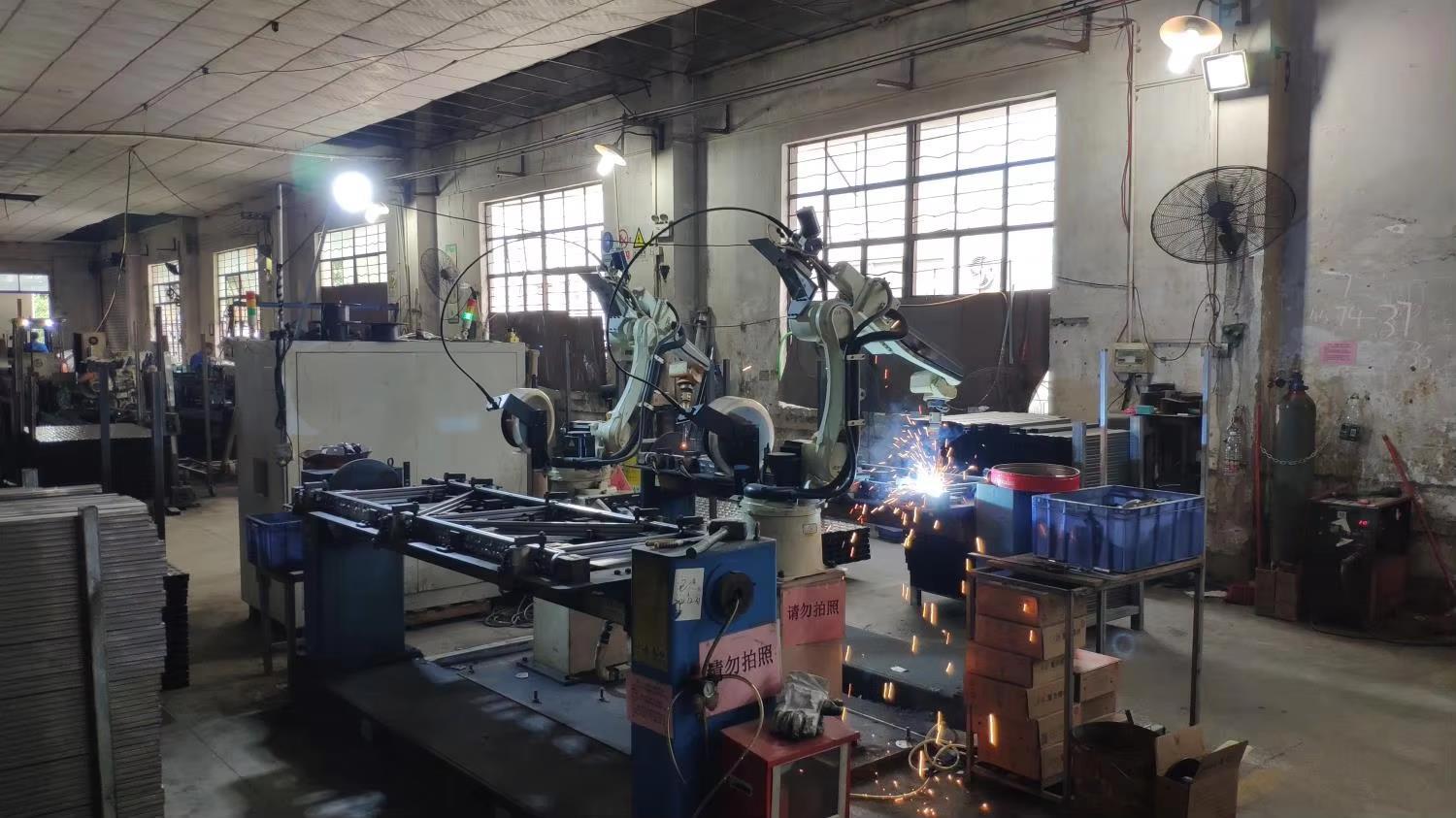
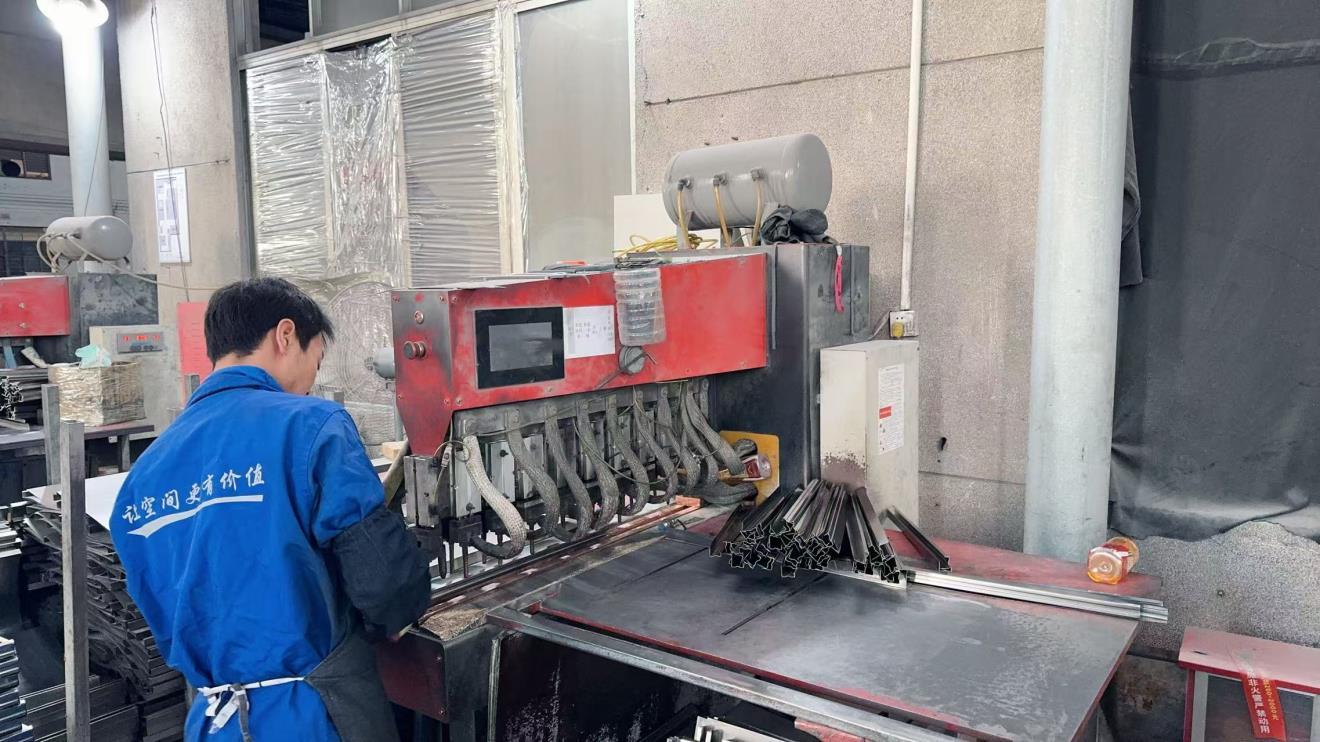
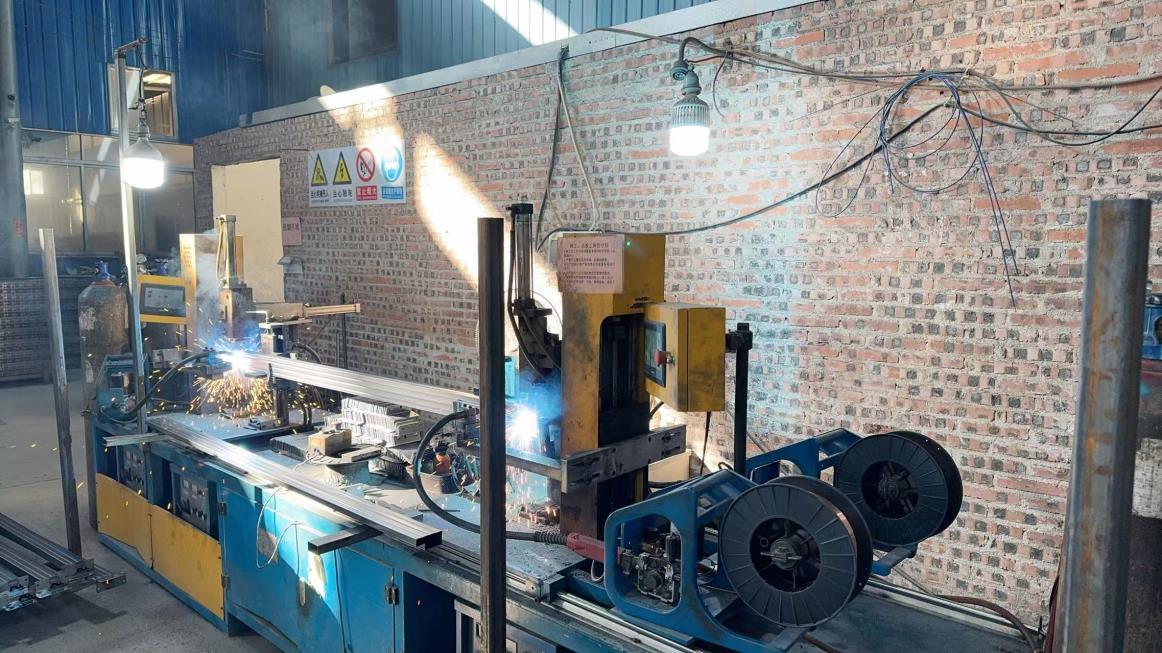
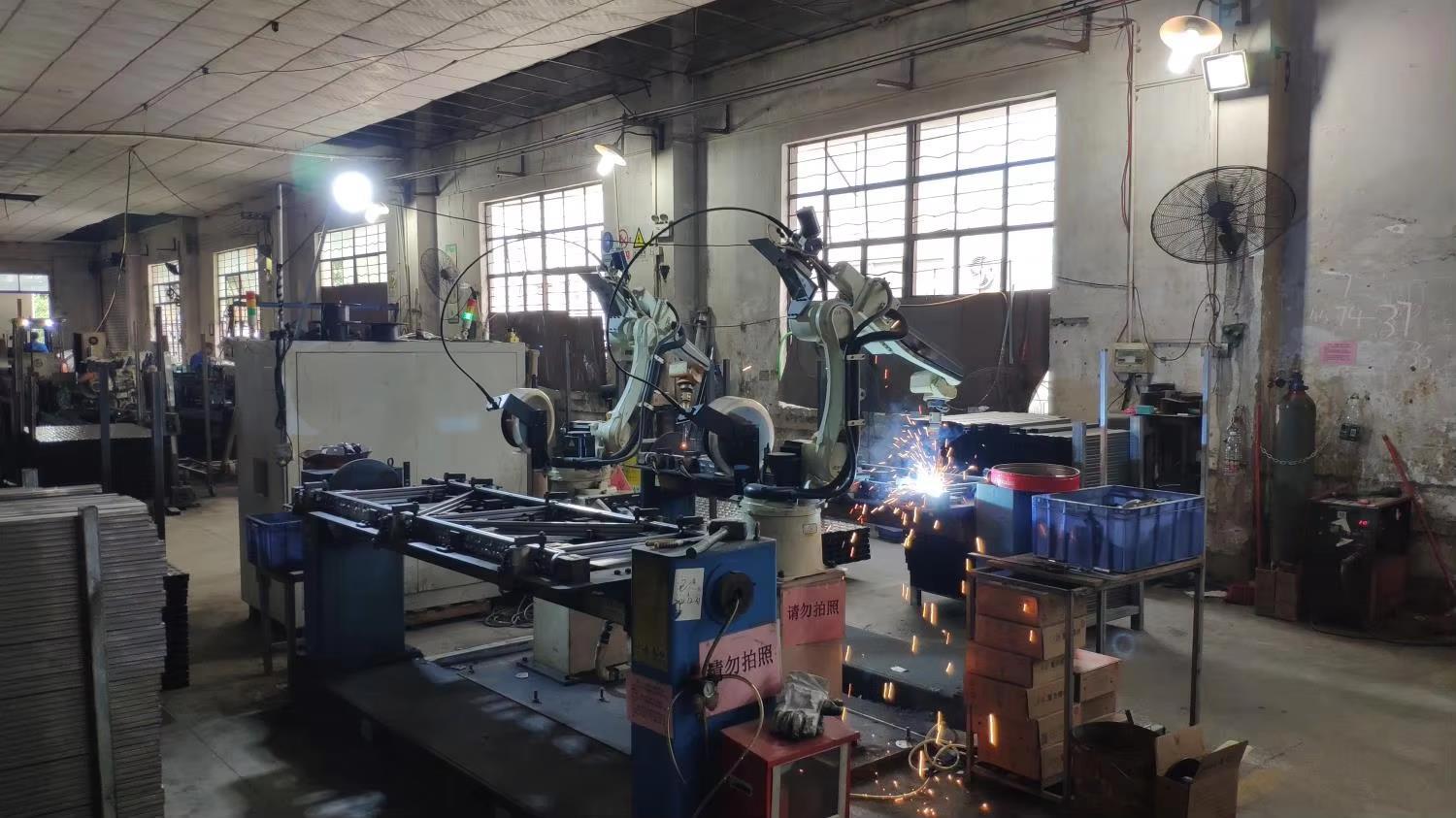
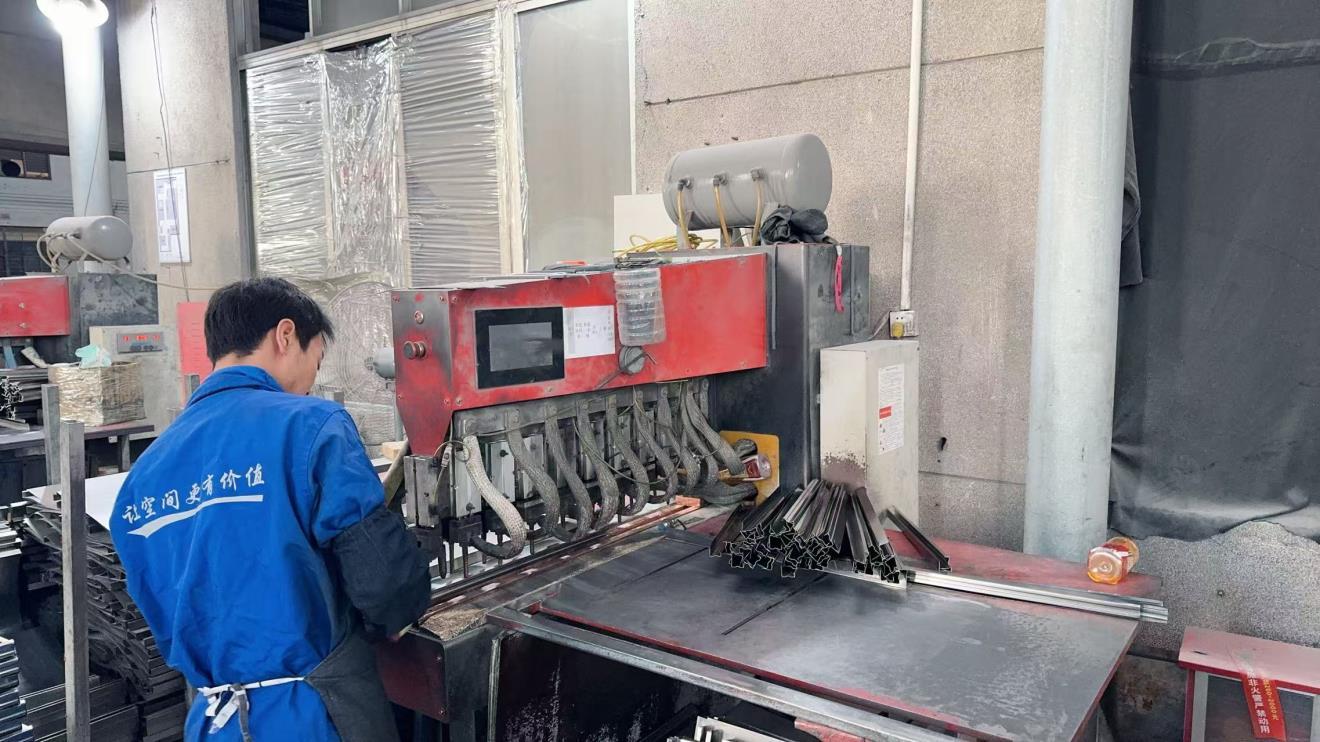
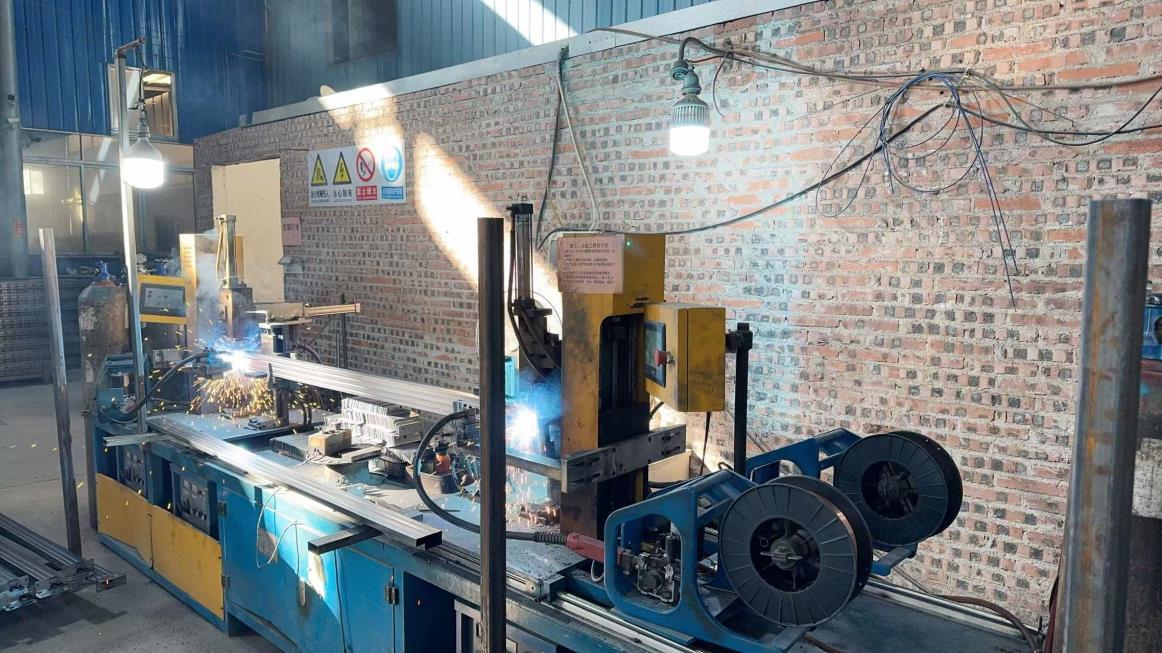
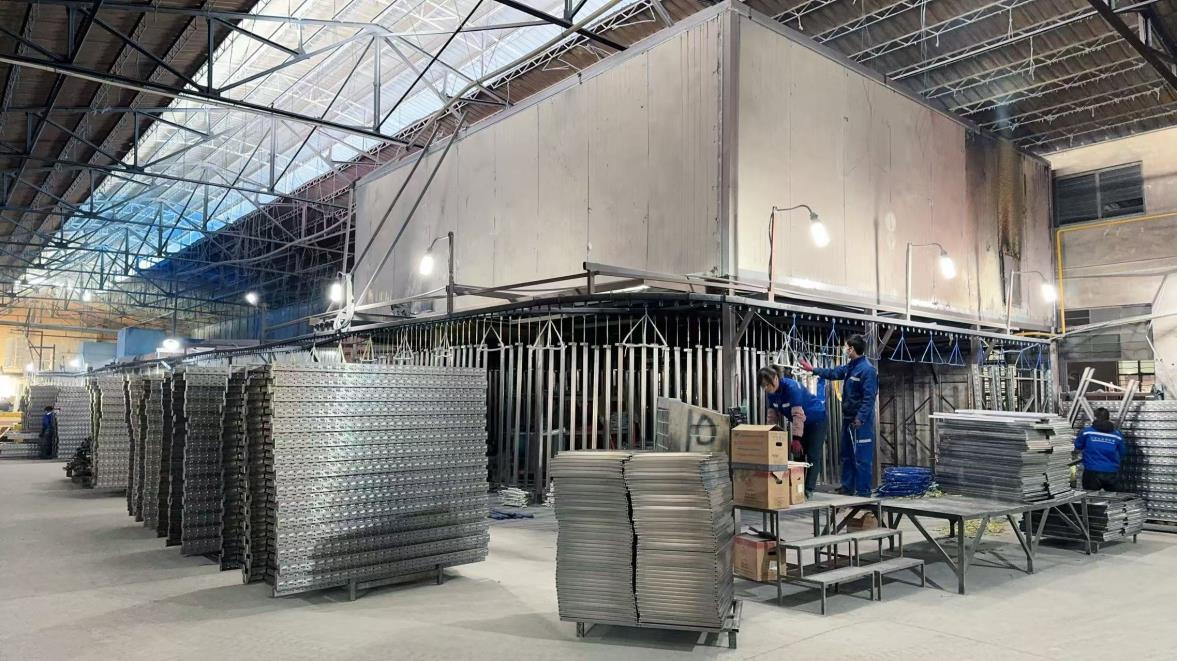
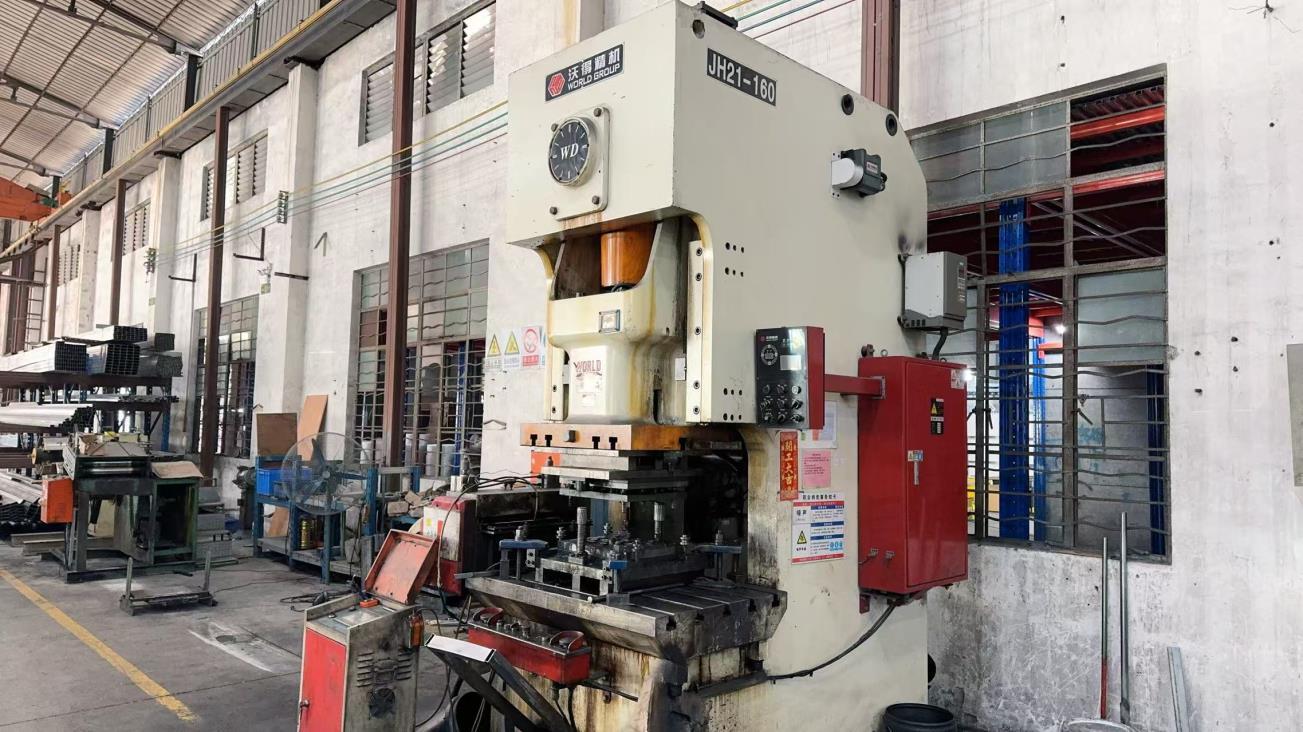
From structural steel sheet shearing to automated robot welding and precision powder-coat spraying, our automated lines guarantee zero structural defect tolerances.
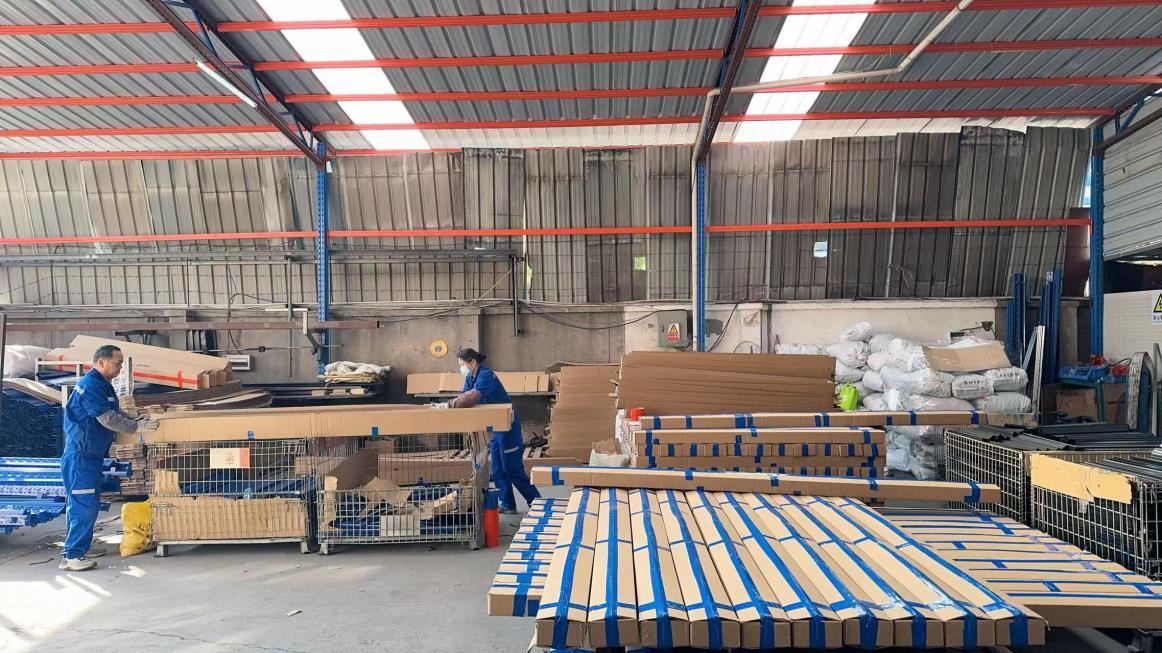
Cantilever racking systems are highly effective solutions for storing long, bulky, or oddly shaped materials such as timber, steel piping, plastic tubing, and structural panels. Unlike standard pallet racks, cantilever racks do not have structural front columns. This configuration provides unobstructed horizontal storage, making loading and unloading long items more efficient.
Understanding the load dynamics and structural assembly is critical to ensuring warehouse safety and high E-E-A-T manufacturing standards:
Sourcing heavy steel storage racks from a qualified factory in China offers several advantages in material supply, technical integration, and production capacity:
Chinese steel mills produce high-grade structural carbon steel, such as Q235B and Q355B. These steel formulations offer excellent tensile strength and ductility, which are critical for supporting heavy, static loads without deformation. Sourcing raw materials from verified mills ensures that the structural steel maintains uniform strength profiles across all manufacturing batches.
Dongguan Kimsuk Shelves Co., Ltd. uses automated CNC roll-forming machinery and robotic welding arms in its production line. Automating these steps helps ensure consistent welds and dimensions, which reduces assembly tolerances. This precision is essential for cantilever configurations, where alignment deviations can cause uneven weight distribution across the racking arms.
"Automated robot welding guarantees clean, continuous weld joints with minimal heat-affected zones (HAZ). This process helps prevent cracking under cold-storage temperatures and heavy industrial loads."
When selecting a cantilever racking system, engineers and warehouse logistics managers must evaluate the material fabrication process relative to load dynamics:
| Feature Description | Roll-Formed Cantilever Racks | Structural Steel Cantilever Racks | |
|---|---|---|---|
| Manufacturing Process | Cold-rolled sheets formed through continuous roller dies. | Hot-rolled C-channel shapes welded into heavy structural profiles. | Standard C-sections vs. Heavy structural H-sections. |
| Load Capacity Class | Light to medium-heavy duty (100kg to 1,500kg per arm). | Ultra heavy-duty (1,500kg to 6,000kg+ per arm). | Accommodates standard pipes to heavy cast metal moulds. |
| Impact Resistance | Moderate. Susceptible to damage from heavy forklift impacts. | High. Resists collisions in high-throughput operations. | Structural thick-walled tubing withstands forklift fork strikes. |
| Corrosion Resistance | Ideal for standard dry indoor facilities. | Well-suited for outdoor yards with hot-dip galvanized finishes. | Galvanization provides protection in outdoor yards. |
Cantilever racking systems are utilized across various industries to manage long-span inventory:
For international buyers and project engineers, procuring racking systems requires adherence to safety standards and regional building codes. Compliance ensures structural integrity and workplace safety under design loads:
Dongguan Kimsuk Shelves Co., Ltd. conducts load testing to verify system performance before shipping. Our testing includes:
Common questions from structural engineers, project designers, and warehouse operations managers.
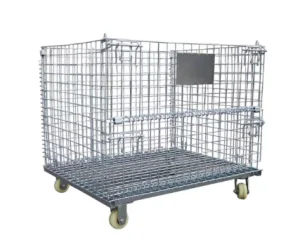
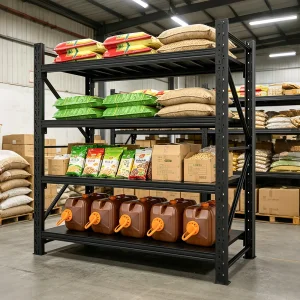
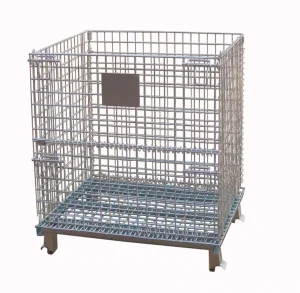
Explore our range of heavy-duty mezzanine platforms, wire mesh logistics containers, and light-duty garage shelving units.
 Kimsuk Steel