Modern industrial supply chains require highly specialized material handling structures to handle large format sheet goods, timber panels, steel sheets, glass composites, and heavy industrial boards. Raw sheet materials pose distinct physical challenges compared to traditional palletized cargo. Their dynamic weights, propensity to flex, structural footprint, and vulnerabilities to damage demand heavy-duty racking systems designed around precision mechanical engineering. Selecting premium manufacturer partners ensures that safety, spatial utilization, and logistics throughput are optimized.
Traditional flat stacking consumes immense floor space and limits vertical storage capability. Vertical and cantilever panel racks allow density scaling by utilizing overhead clearance while maintaining swift mechanical accessibility.
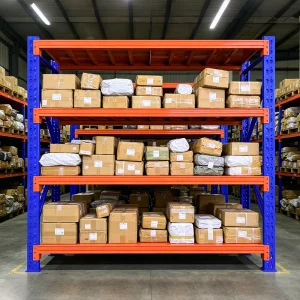
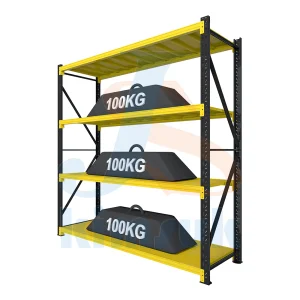
Sheet materials are inherently heavy. Structural design must support loads from 500kg up to several tons per tier without bowing, ensuring structural preservation under continuous localized weight distributions.
Improper horizontal storage causes bowing, warping, and micro-cracks in wood panels and glass composites. Specialized vertical divider and roll-out storage protects sensitive material surfaces from friction damage.
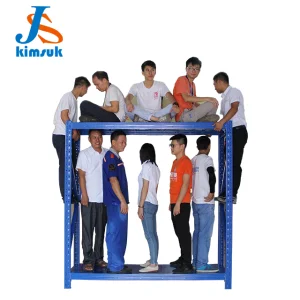
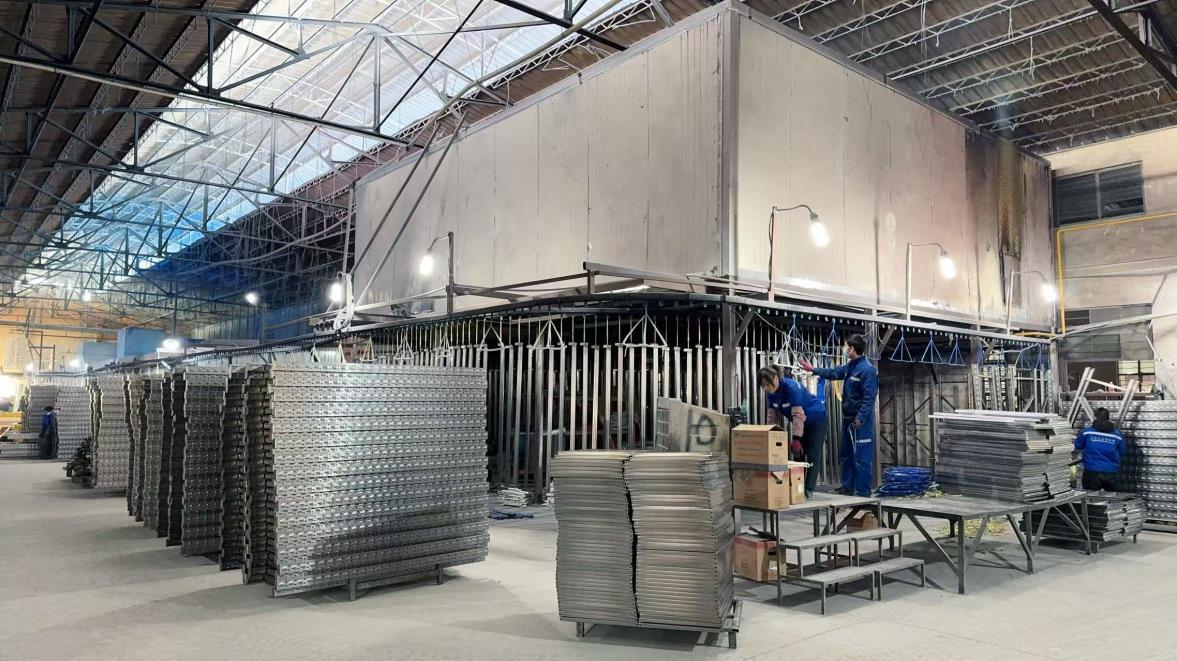
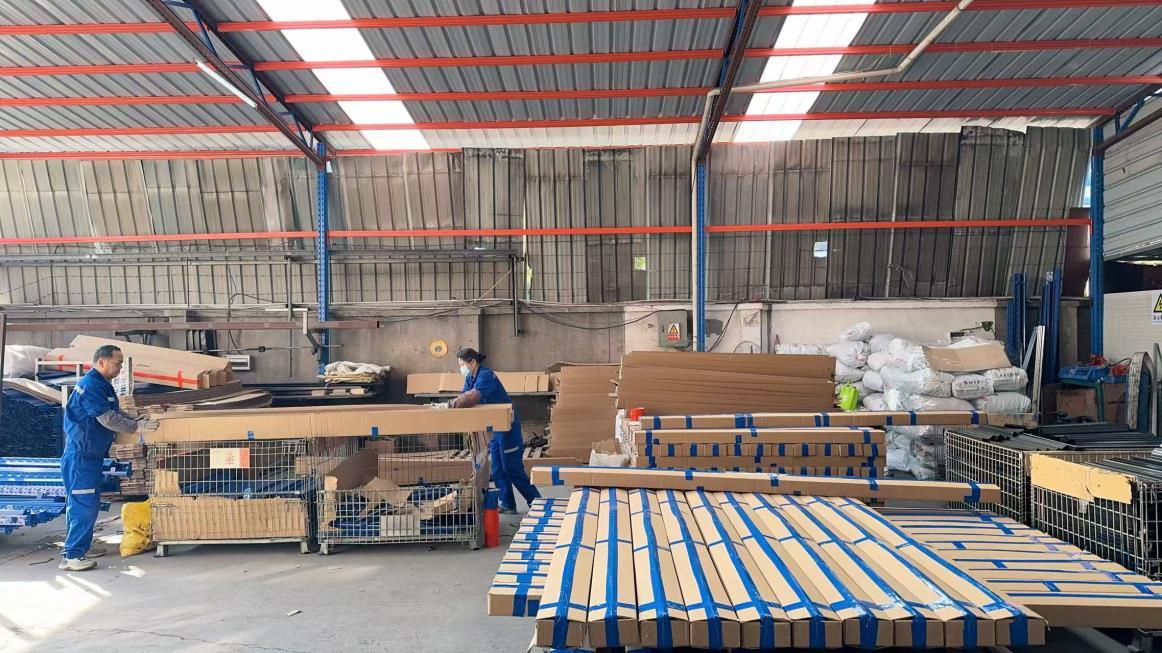
Established in 2015, Dongguan Kimsuk Shelves Co., Ltd. is a leading manufacturer specializing in the design, engineering, and production of heavy-duty industrial shelving and warehouse storage systems. Operating from a modern production facility spanning 32,000 square meters, we have grown into a trusted global supply chain partner with 11 years of industry expertise and 8 years of direct international export experience. Driven by robust manufacturing capability, our annual export revenue reaches $18 million, serving clients across key international markets, including North America, Europe, Southeast Asia, and the Middle East.
Quality and precise engineering are at the core of our operations. We maintain a strict Quality Assurance protocol supported by a dedicated team of 35 QA/QC inspectors. Our comprehensive product inspection methods combine automated non-destructive testing, raw material tensile testing, load-bearing stress evaluations, and precision powder-coating thickness measurements. Supported by an extensive network of over 850 verified supply chain partners, we consistently deliver reliable, high-integrity racking systems to a diverse client portfolio, ranging from large-scale logistics hubs and third-party logistics (3PL) providers to industrial manufacturing facilities and commercial retail distributors.
Innovation drives our growth. Our in-house R&D team consists of 18 senior structural and engineering specialists capable of delivering full OEM/ODM custom solutions. From tailored rack dimensions and heavy load capacities to specialized seismic-resistant structures and anti-corrosion surface finishes, we turn complex warehousing requirements into optimal designs. Demonstrating our continuous drive for innovation, we successfully developed and launched 120 new product models and modular storage enhancements last year alone. At Dongguan Kimsuk Shelves Co., Ltd., we remain committed to maximizing warehouse space efficiency and delivering long-term value to our global partners.
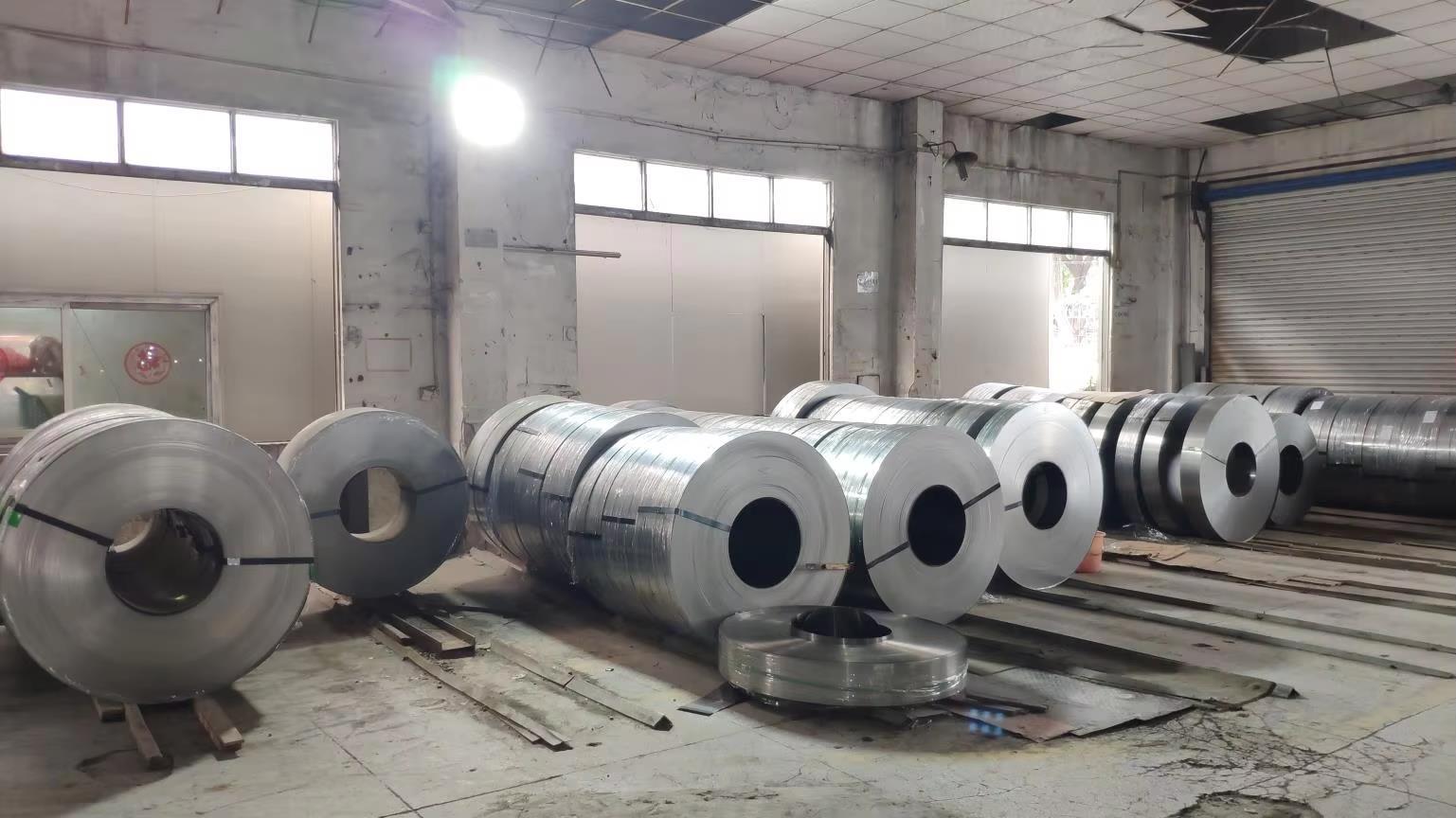
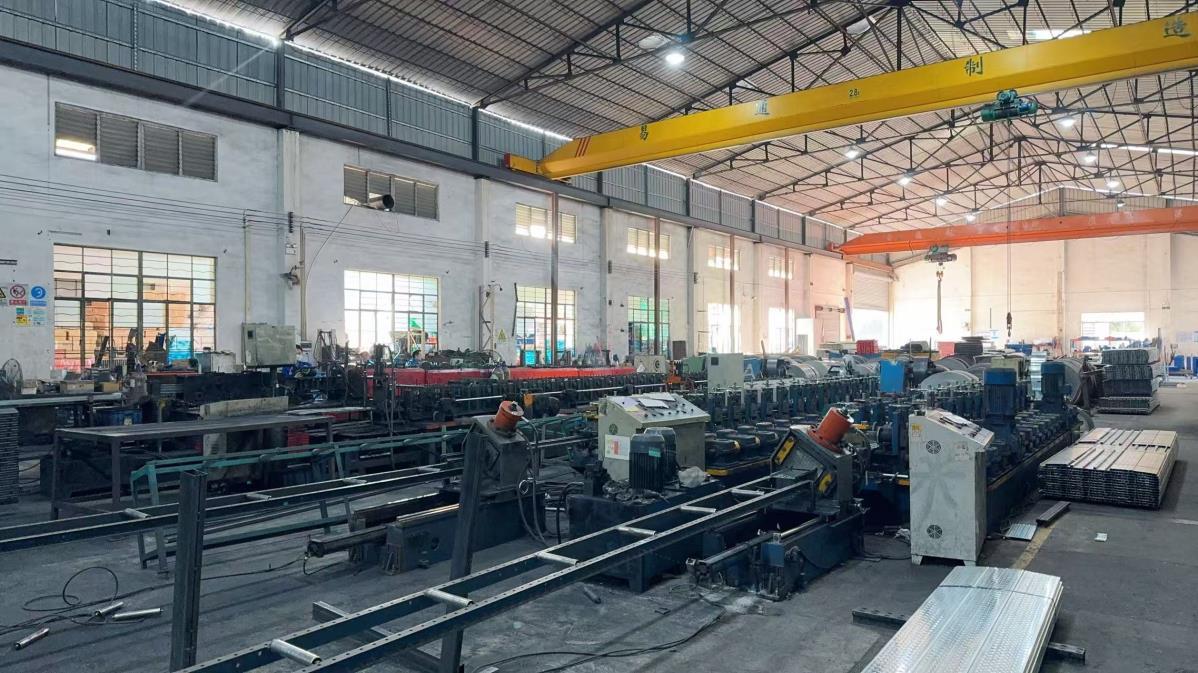
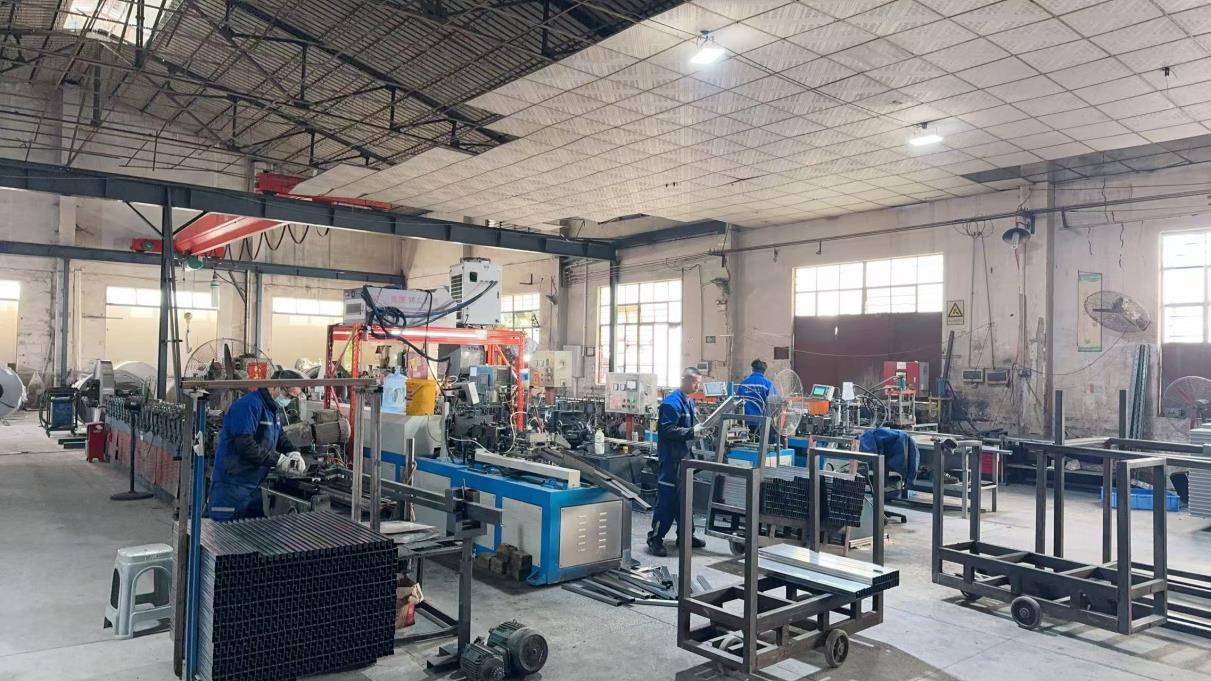
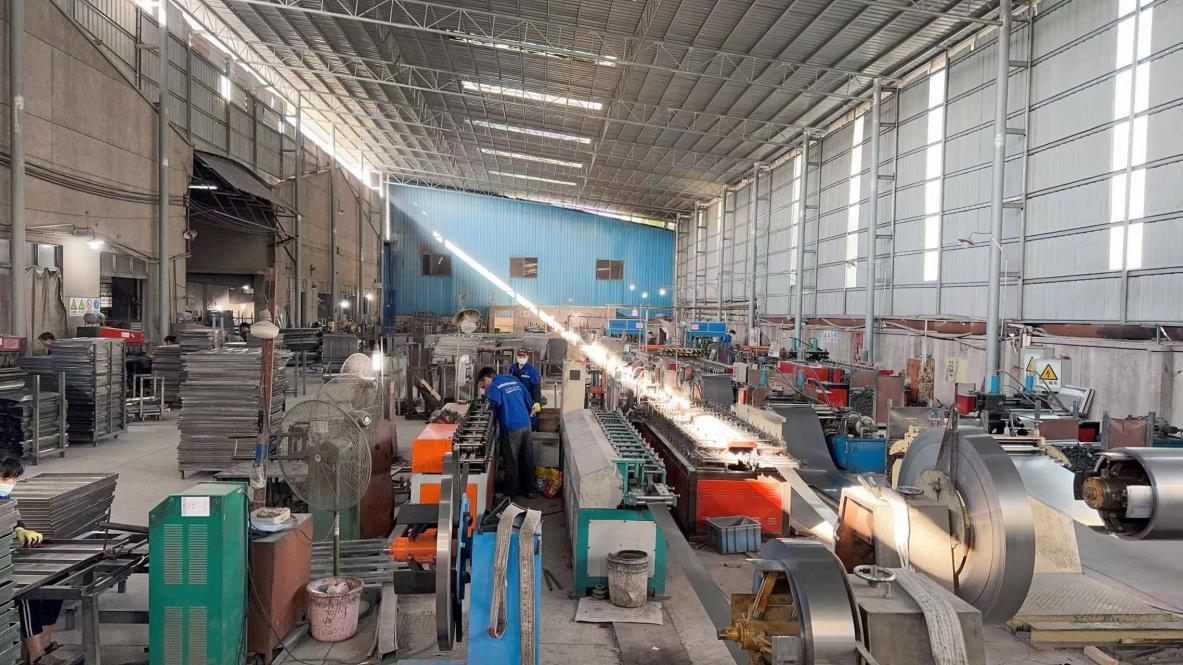
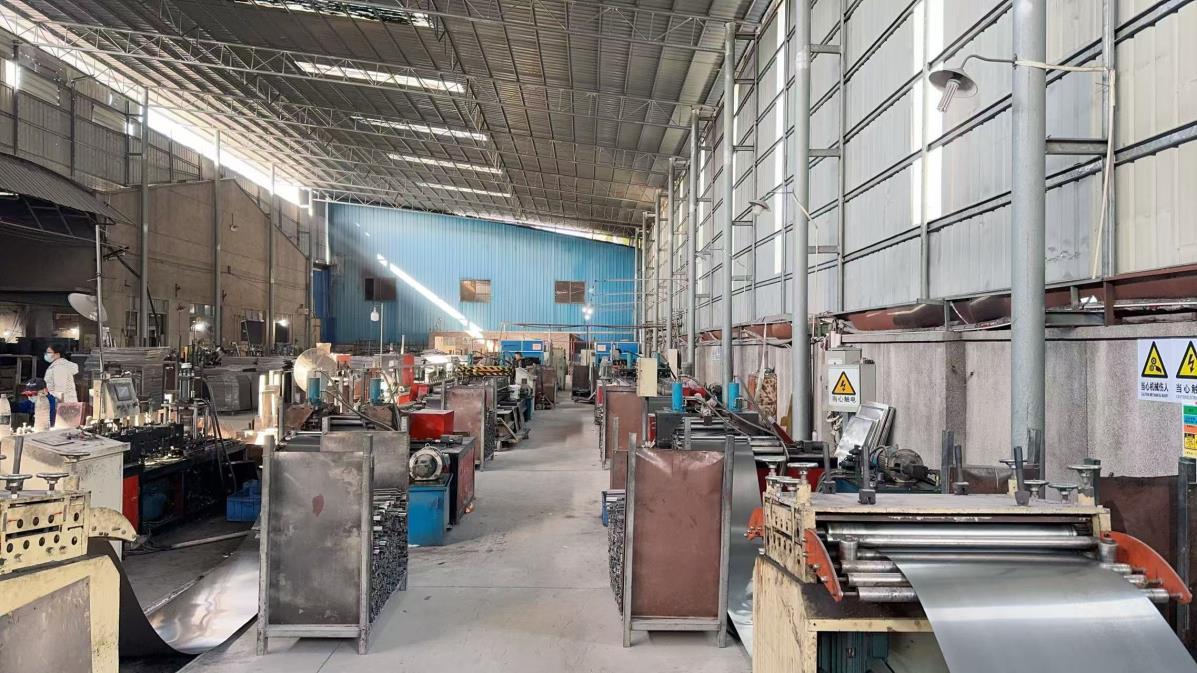
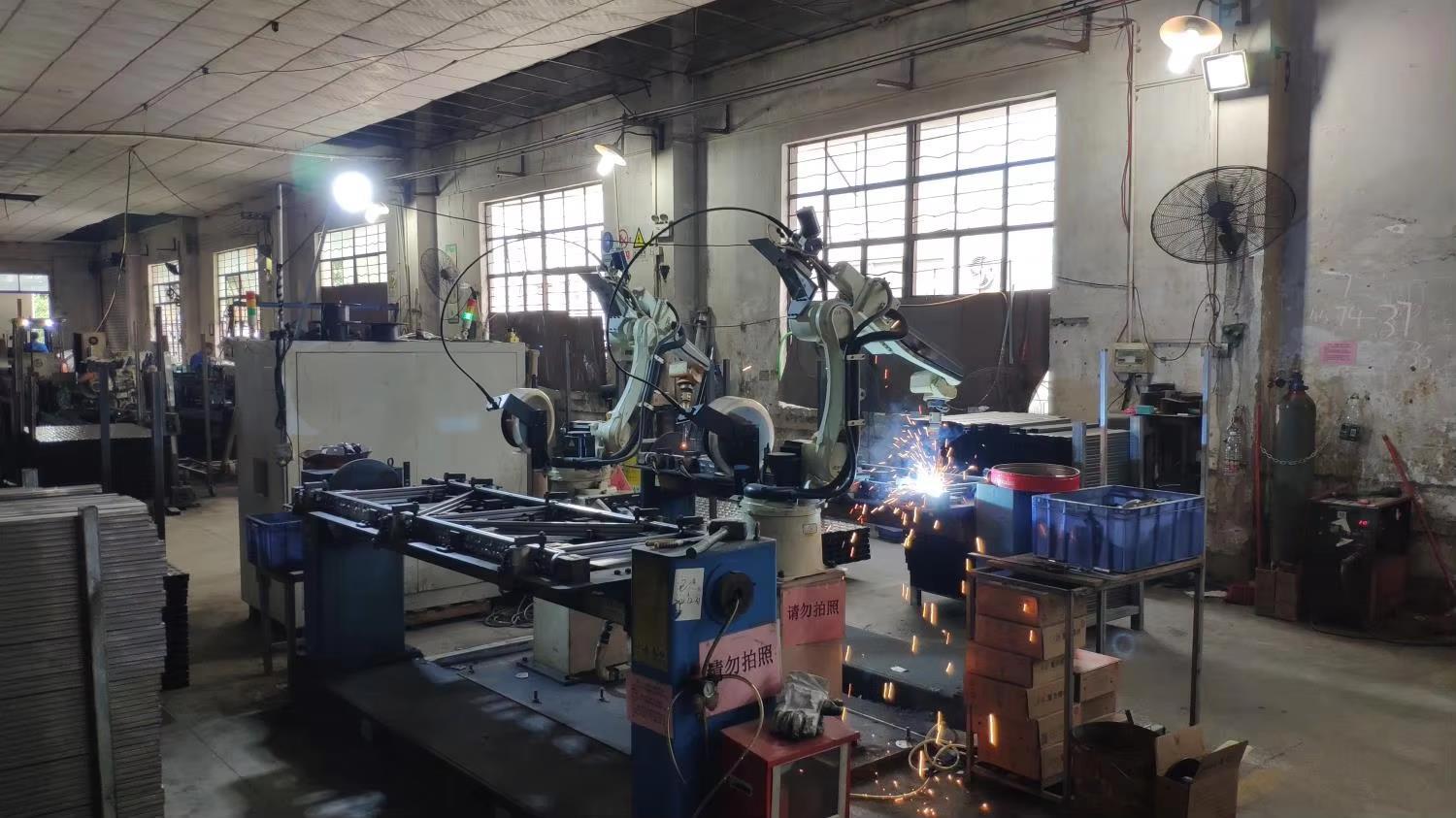
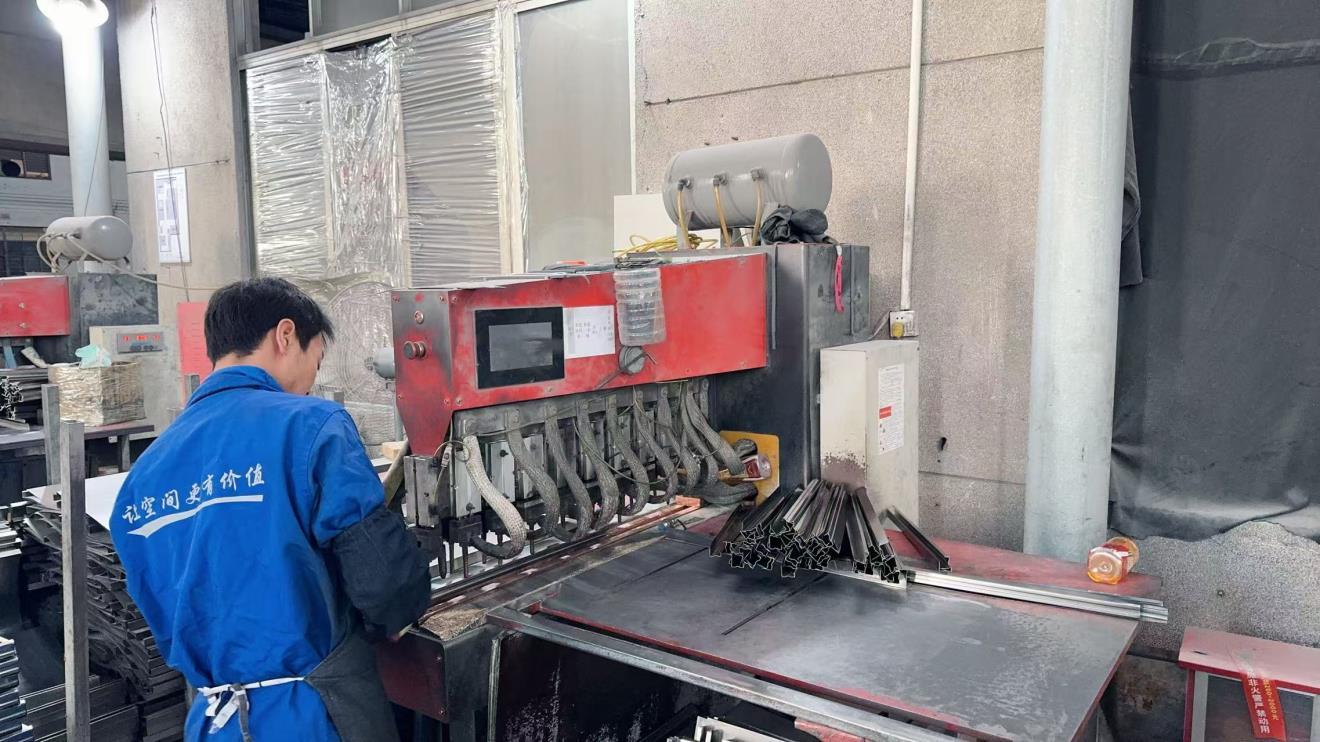
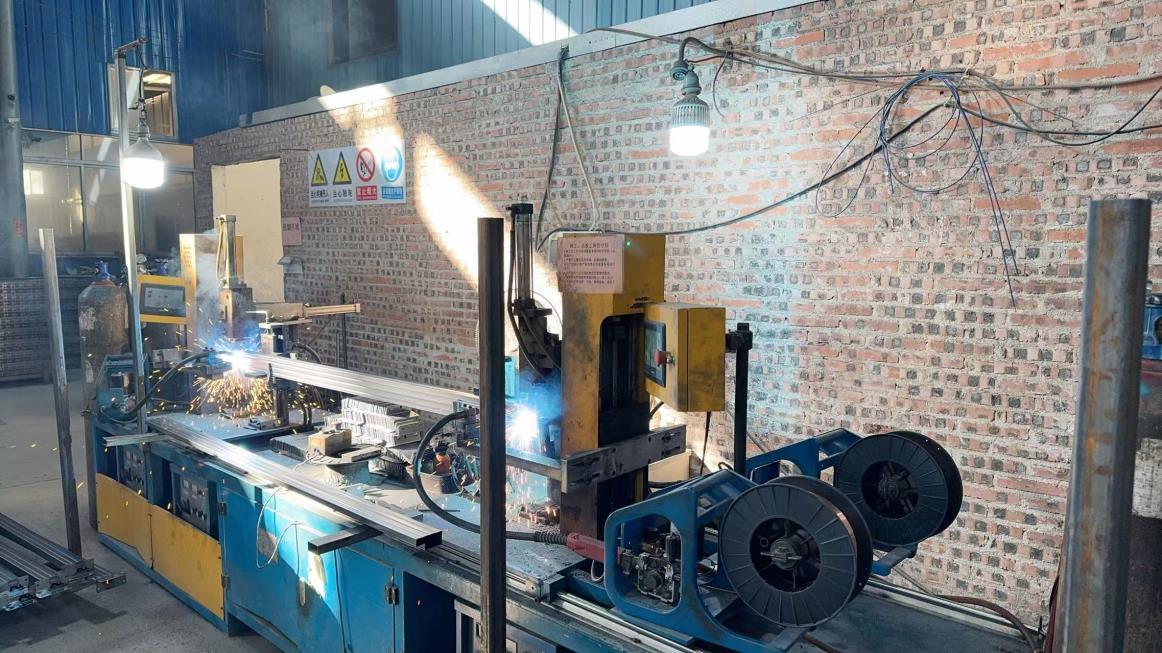
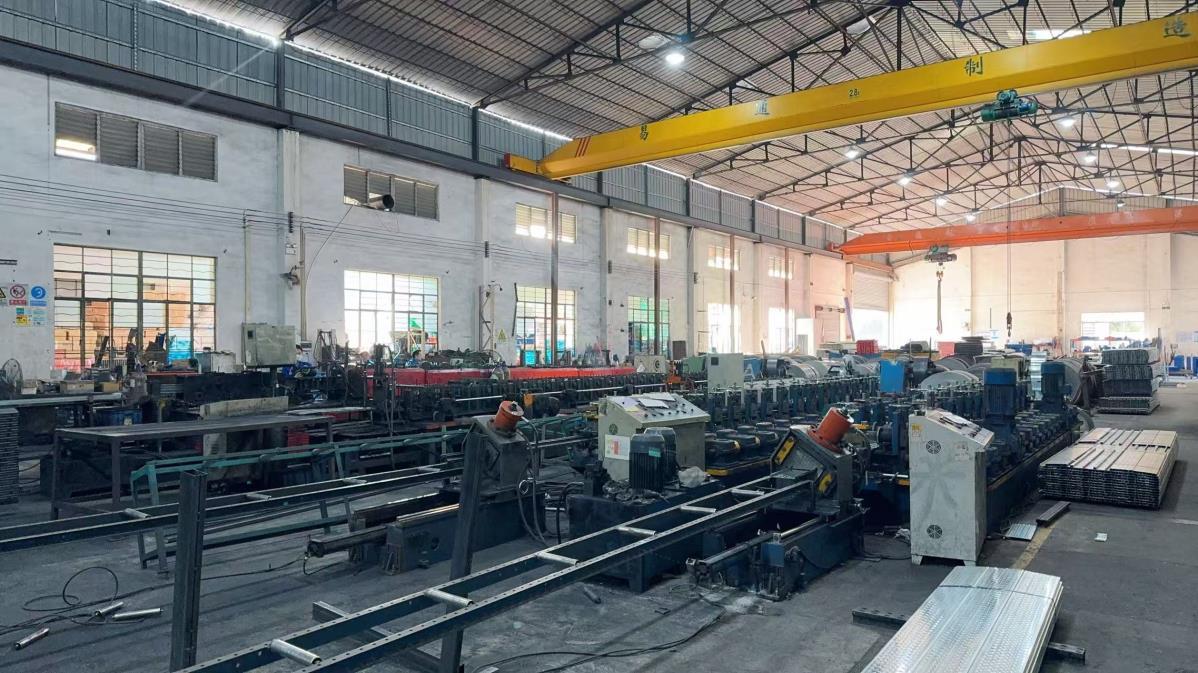
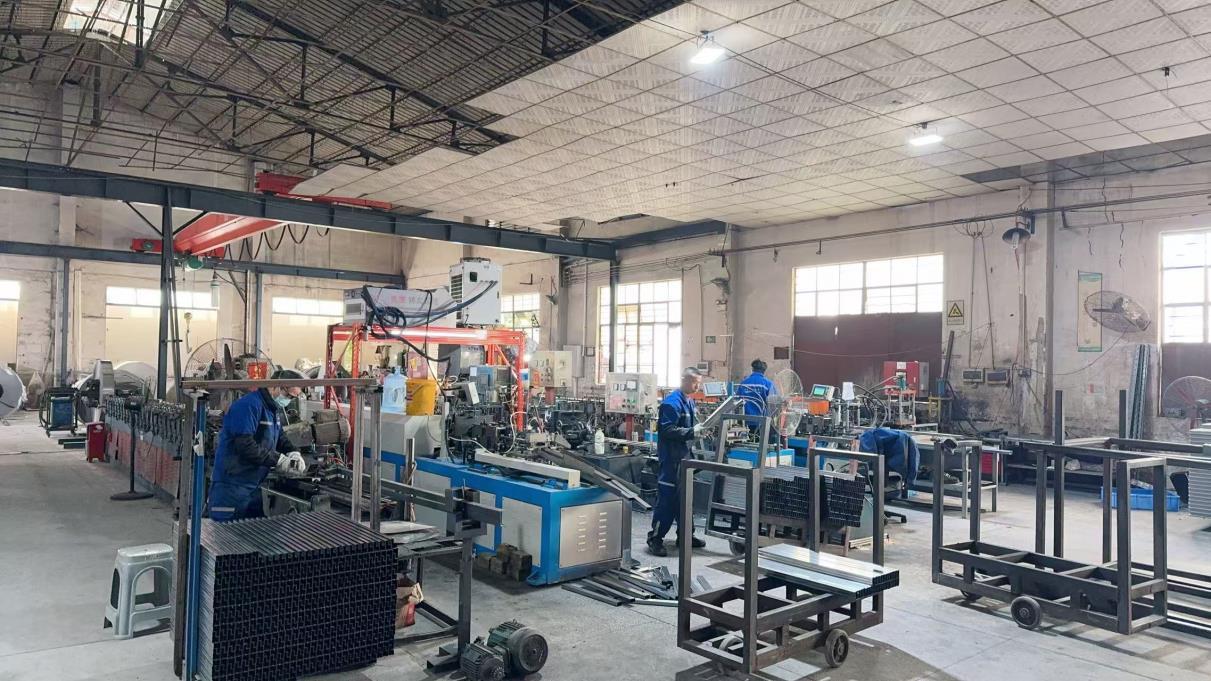
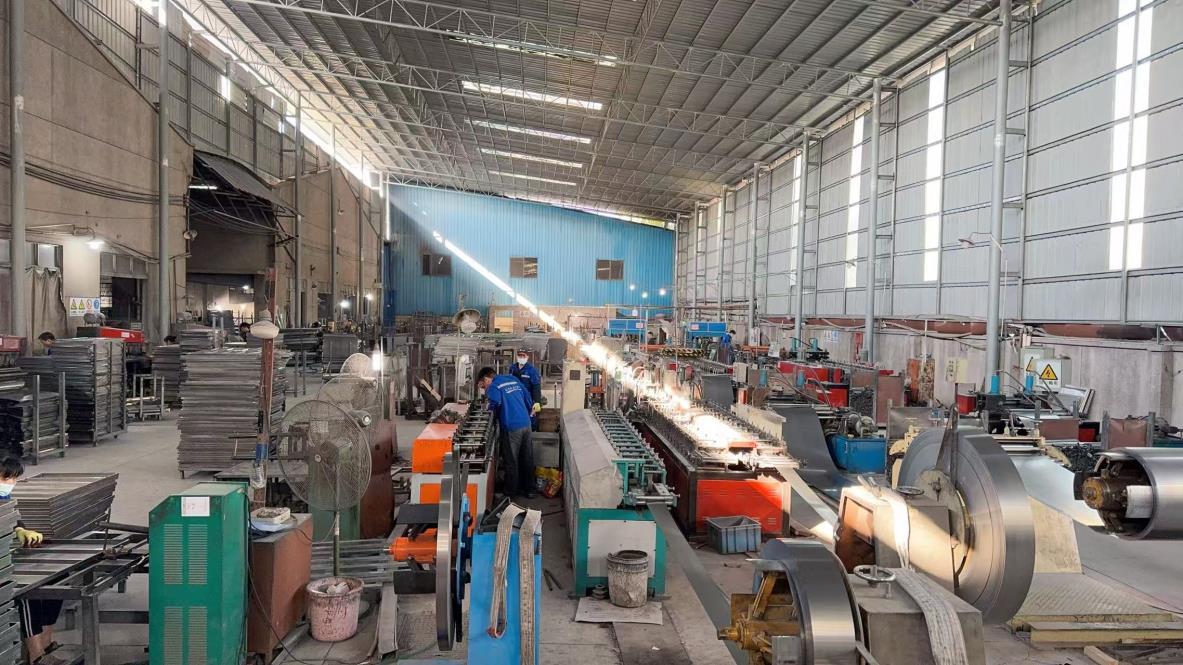
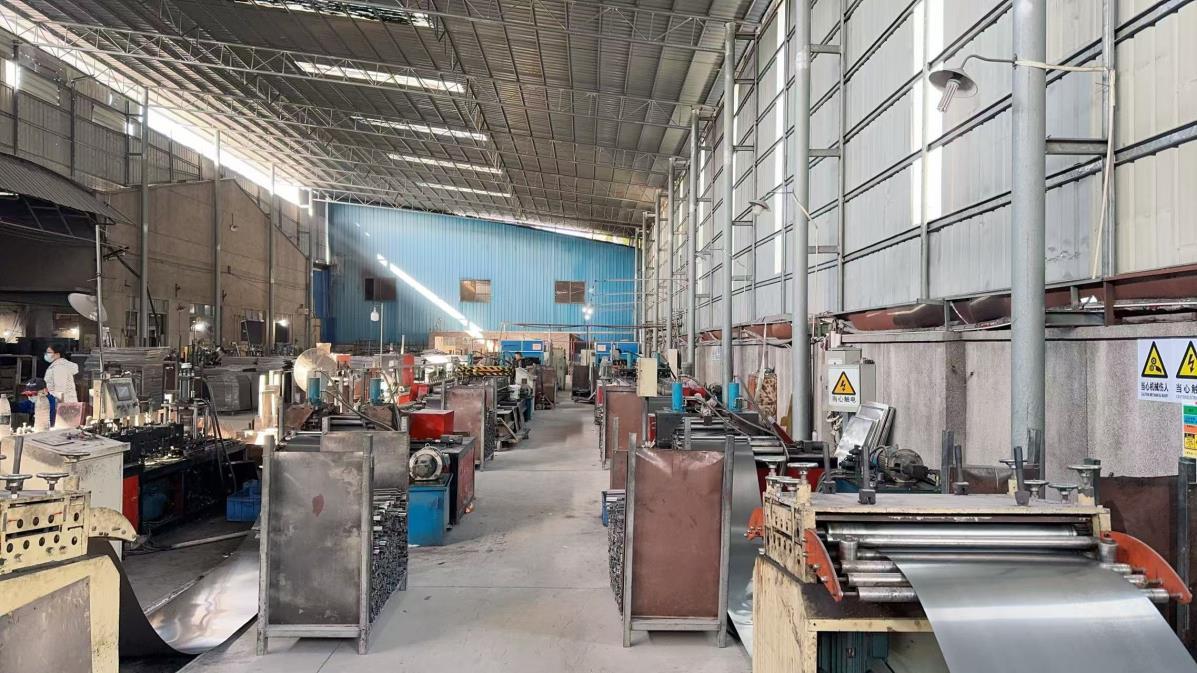
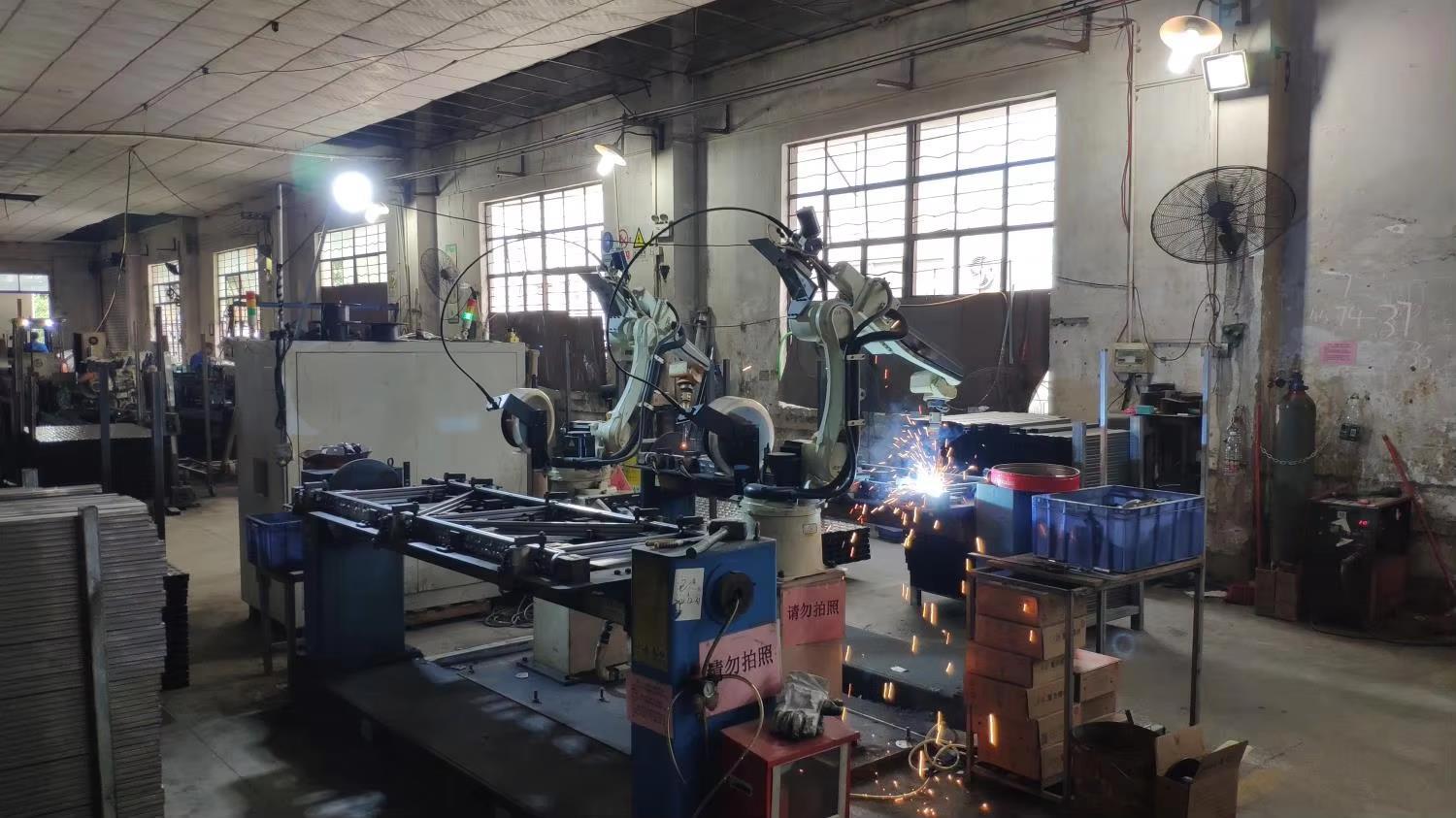
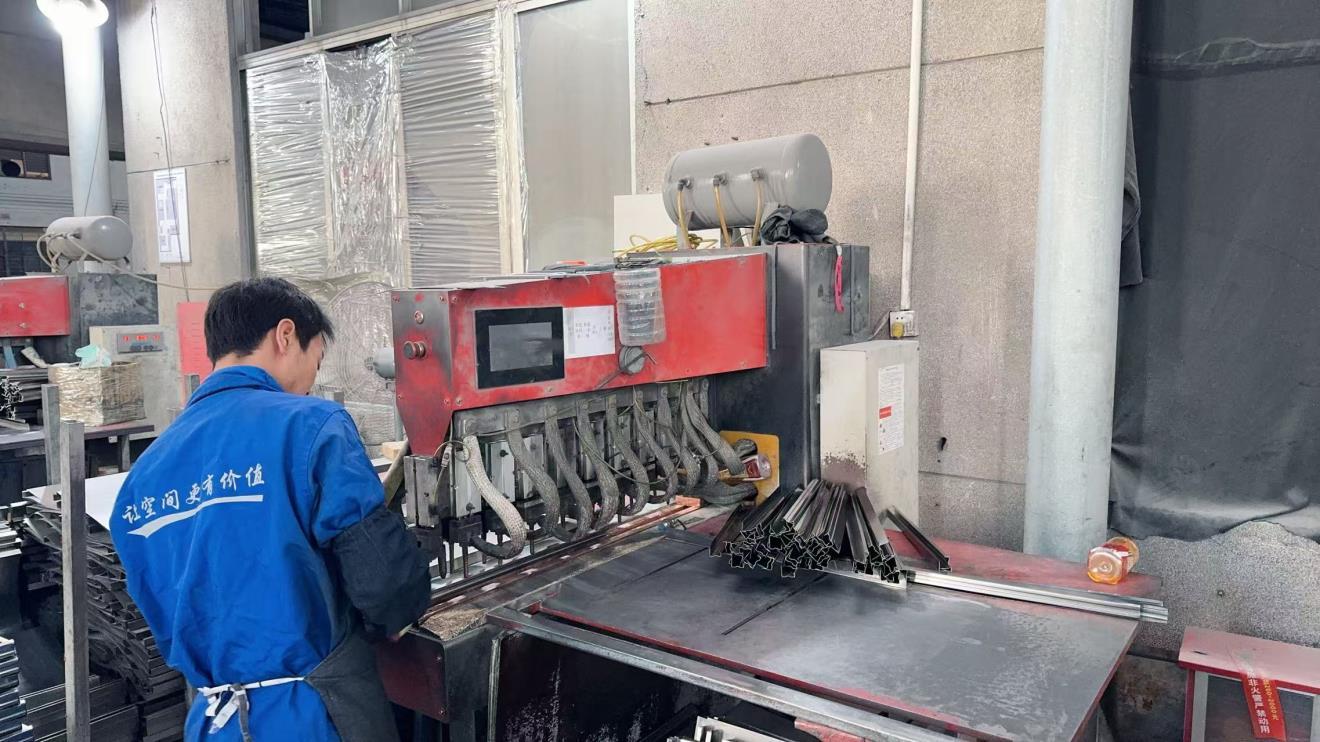
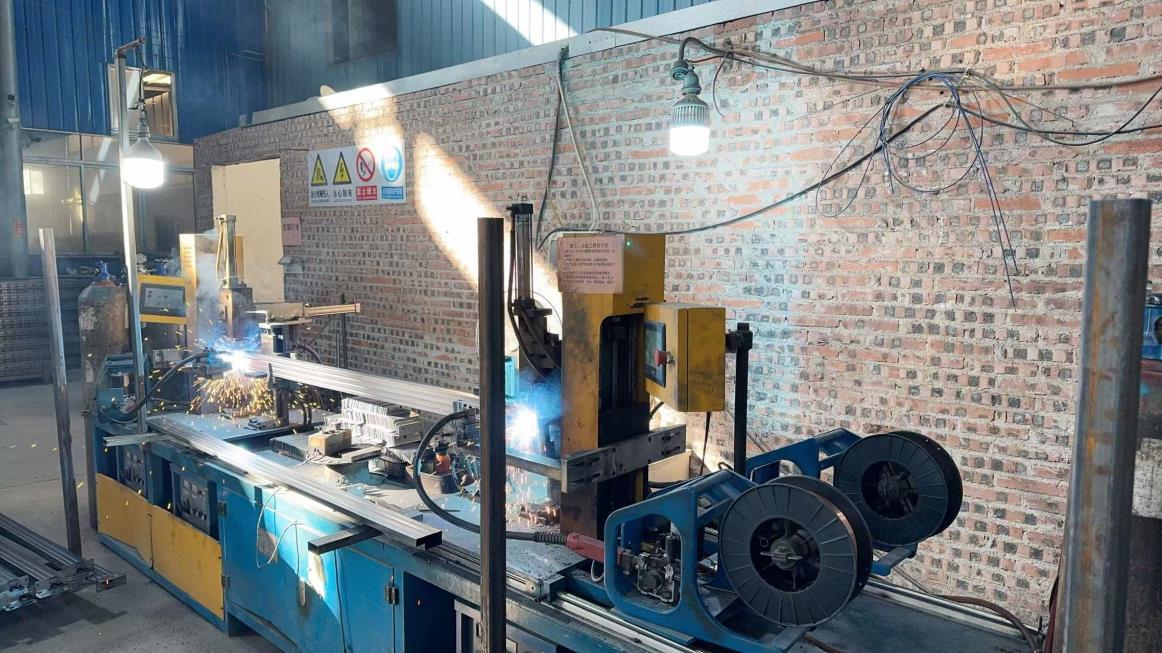
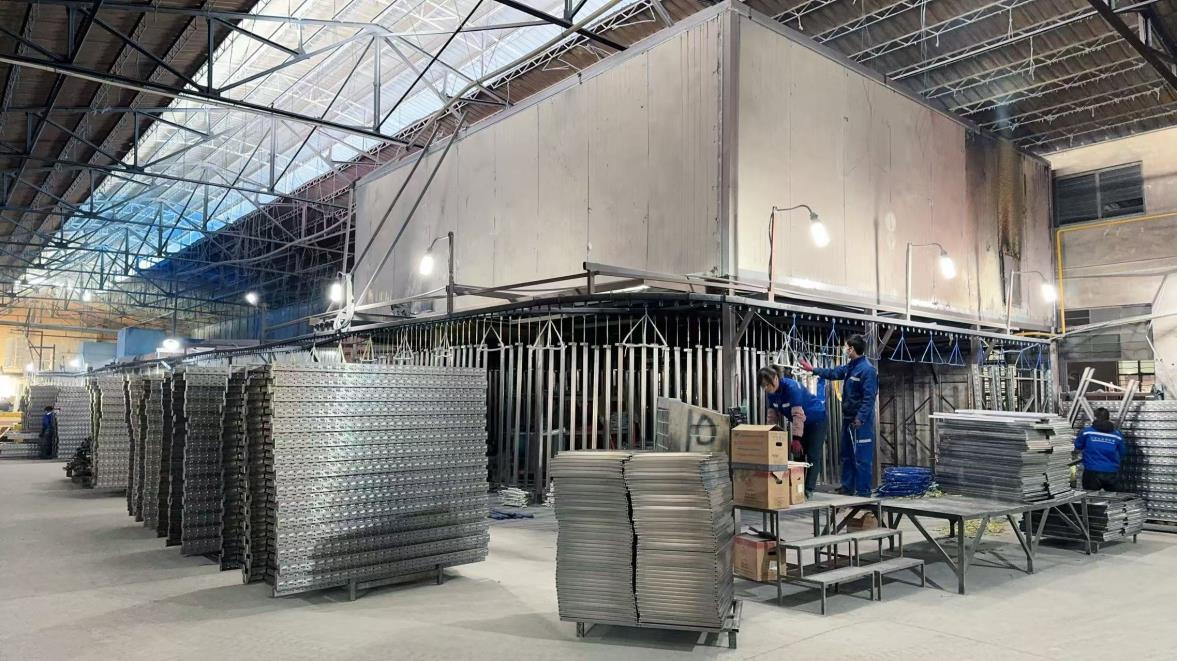
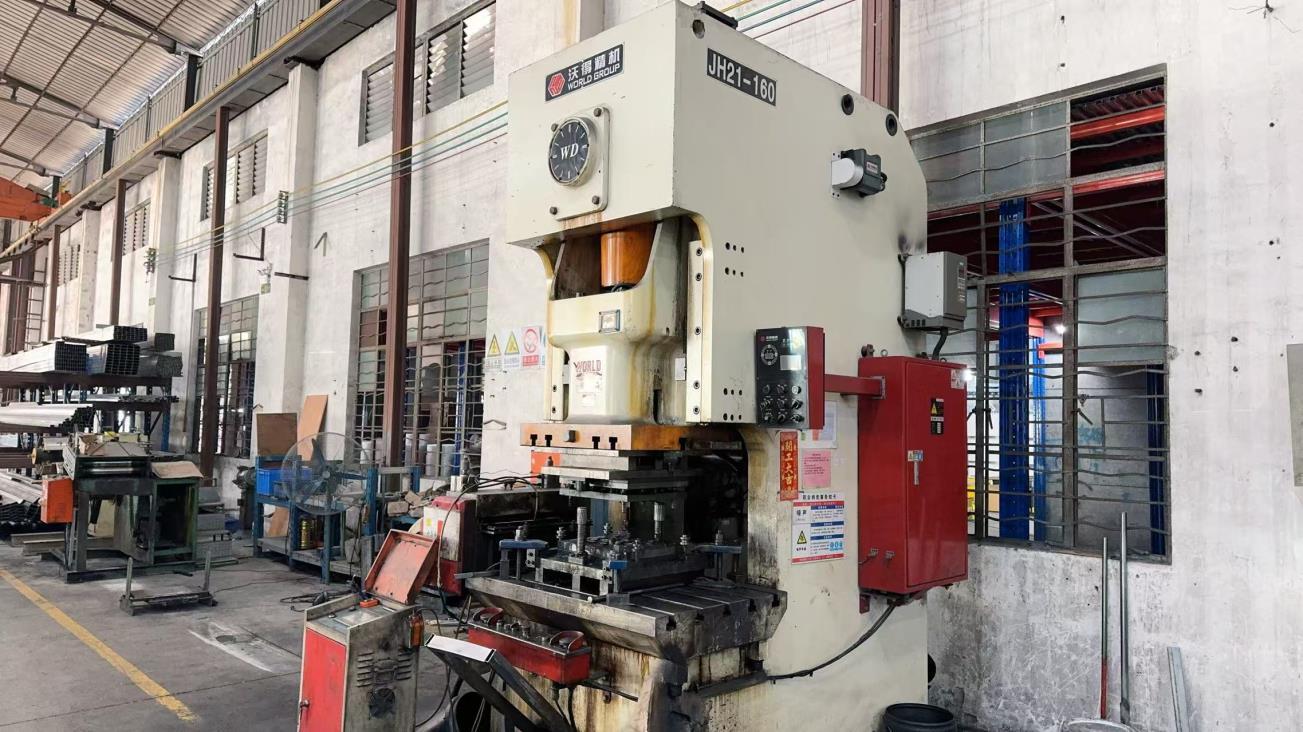
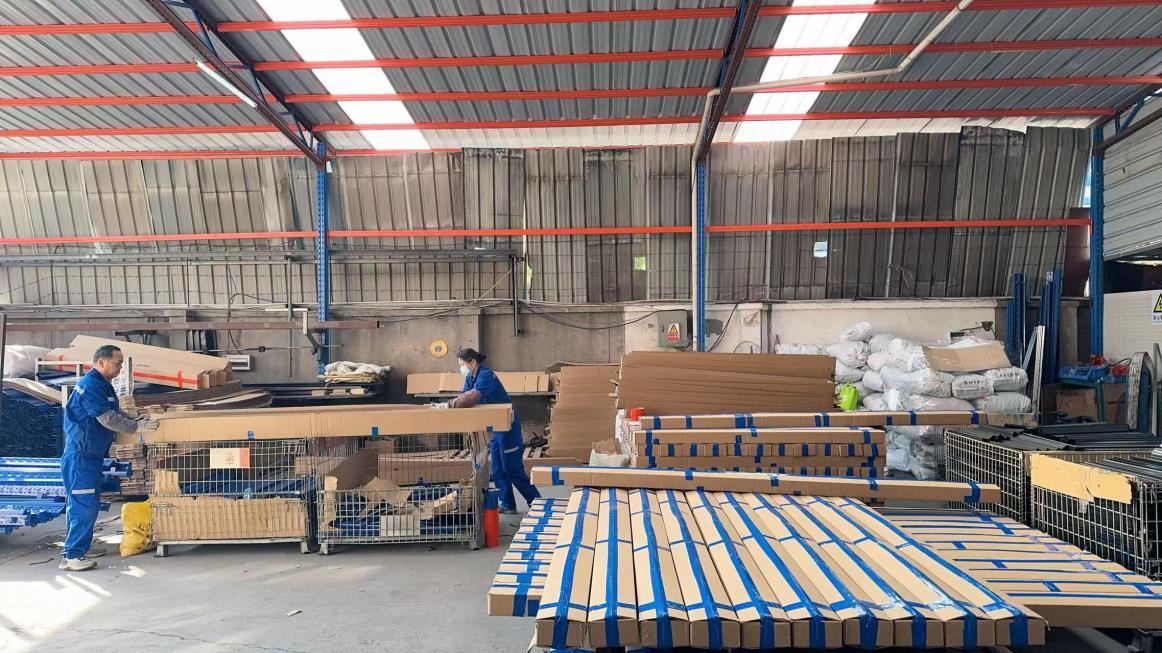
Leveraging state-of-the-art heavy machinery, robotic structural assembly lines, and automated chemical treatment processes, our factory operates under rigid industrial manufacturing frameworks to guarantee dimensional stability and structural capacity.
Deploying heavy storage infrastructure demands absolute compliance with localized construction codes and engineering standards. A structural failure in a warehousing facility can result in extensive liability. Consequently, leading exporters ensure that structural designs undergo finite element analysis (FEA) tuned to localized wind, load, and seismic constraints.
In North America, racking must conform to RMI (Rack Manufacturers Institute) specification ANSI MH16.1. Racking profiles are optimized mathematically to withstand seismic forces (SDC A through F), utilizing robust baseplate connections and dynamic bracing calculations.
European installations adhere strictly to EN 15512 and EN 15635 guidelines. Structural safety ratios are calculated precisely to dictate safe operating parameters, load limitations, and mandatory weekly, monthly, and yearly inspection parameters.
Top-tier manufacturers facilitate seamless local site approvals by providing structural calculation sheets, material mill certificates, and DWG/BIM drawings compatible with municipal building permit requirements.
The concentration of raw material steel refinement, high-precision automation, and logistics networks makes Chinese manufacturing hubs highly competitive globally. Dongguan, located in the heart of the Pearl River Delta, offers a sophisticated industrial support structure.
Sourcing high-tensile structural steel (Q235B and Q355B grades) directly from state-owned steel mills ensures material consistency, tensile reliability, and verified chemistry, eliminating structurally suspect raw inputs.
By utilizing robot welding cells, automated roll-forming equipment, and advanced powder-coating lines, China-based production facilities sustain continuous operations with minimal human error margins.
Proximity to global freight hubs in Shenzhen, Guangzhou, and Hong Kong facilitates reduced transport lead times, container consolidation efficiencies, and minimized inland transit costs.
Procurement directors and warehouse operations managers face a delicate balance between budget limits and strict facility safety requirements. Successful global sourcing of panel storage systems requires evaluating verified criteria that go beyond unit price.
Initial acquisition cost is only part of the equation. High-quality systems minimize maintenance costs, resist forklift impacts via reinforced upright columns, and retain high re-configuration utility over decades.
Standard off-the-shelf shelving units rarely satisfy unique warehouse footprints. Having a dedicated engineering team capable of designing customized beam lengths, frame depths, and seismic footings is vital.
Industrial purchases require verified documentation. Providing mill test certificates, loading deflection ratios, weld quality reports, and powder-coating thickness tests minimizes structural risk.
The warehousing sector is undergoing rapid digitization. As industrial real estate costs escalate, facilities are transitioning away from passive storage toward dynamic, automated systems designed to optimize volumetric efficiency.
Automated Storage and Retrieval Systems (AS/RS) are being configured to handle large-format boards and sheets. Specialized rack layouts serve as the structural backbone for crane-guided picking systems.
Eco-friendly manufacturing processes are essential. Modern powder coating lines use zero-VOC, heavy-metal-free thermosetting polymers that reduce environmental impact while maintaining corrosion protection.
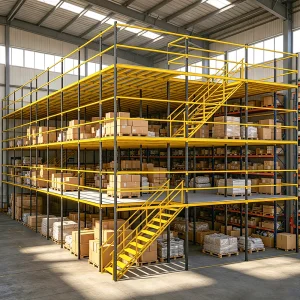
Fixed racking restricts business adaptability. Enterprise buyers prefer modular panel racks that can scale vertically, adjust tier heights, or convert into mezzanine supports as inventory needs change.
Different industries require unique structural designs to support their specific workflows. Tailoring the storage configuration to the material's physical properties optimizes safety and efficiency.
Automotive body panel stamping plants require extreme load capacities. Heavy-duty stack racks and customized sheet cradles prevent sheet-metal deformation and facilitate forklift-friendly crane access.
Wood panel manufacturing requires flat, deflection-free horizontal support to prevent permanent warping. Wide-span shelving and heavy cantilever racking maintain panel flatness and structural integrity.
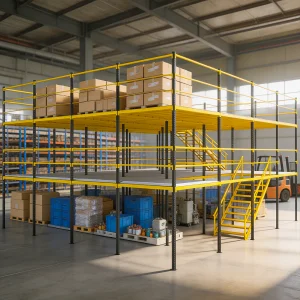
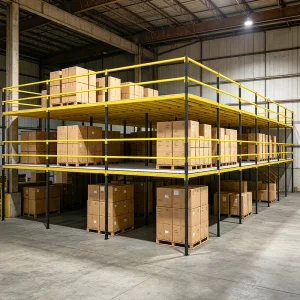
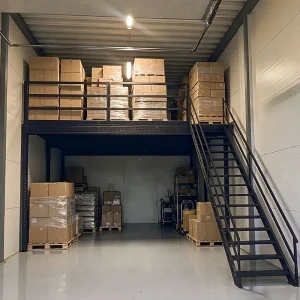
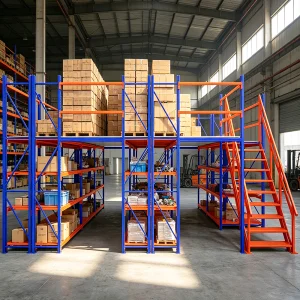
High-volume distribution hubs utilize multi-tier mezzanine platforms to store drywall, insulation panels, and composite cladding, optimizing overhead space in prime logistics zones.
Technical guidance regarding loading dynamics, structural configuration, standards compliance, and international purchasing procedures.
 Kimsuk Steel