Engineered for high-density space optimization, certified structural load distribution, and severe industrial reliability
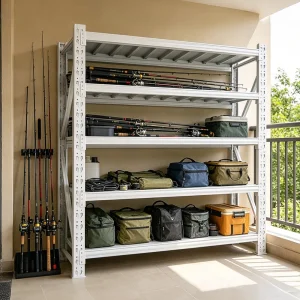
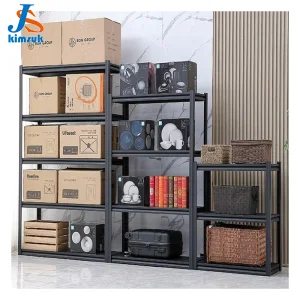
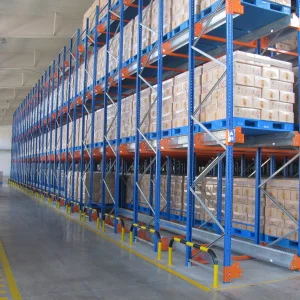
Macroeconomic drivers, optimization bottlenecks, and performance requirements in the era of smart intralogistics
Modern fulfillment operations require rapid vertical expansion without structural building modifications. Structural steel mezzanines provide a cost-effective alternative to warehouse relocation by maximizing existing clear height. Industry metrics indicate that implementing a multi-tier mezzanine platform improves floor space yield by up to 100% to 200%, minimizing spatial footprint costs in high-density urban areas.
Global procurement teams prioritize high-tensile structural steel grades (such as Q355B or S355JR). Utilizing advanced cold-rolled profile processes enables the design of lightweight support columns and main beams that carry static loads of 300 kg/m² to 2000 kg/m². These materials must exhibit excellent weldability and yield strength properties to ensure long-term structural integrity under heavy dynamic forklift cycles.
Exporter capabilities are benchmarked by their ability to design systems according to rigorous international structural codes, including the Rack Manufacturers Institute (RMI) standards in North America, EN 15512 specifications in Europe, and localized seismic hazard parameters. Complete structural analysis calculations, including deflections, moments, and baseplate load transfers, are essential documentation for municipal building permits.
Industrial capacity and raw engineering capability of Dongguan Kimsuk Shelves Co., Ltd.
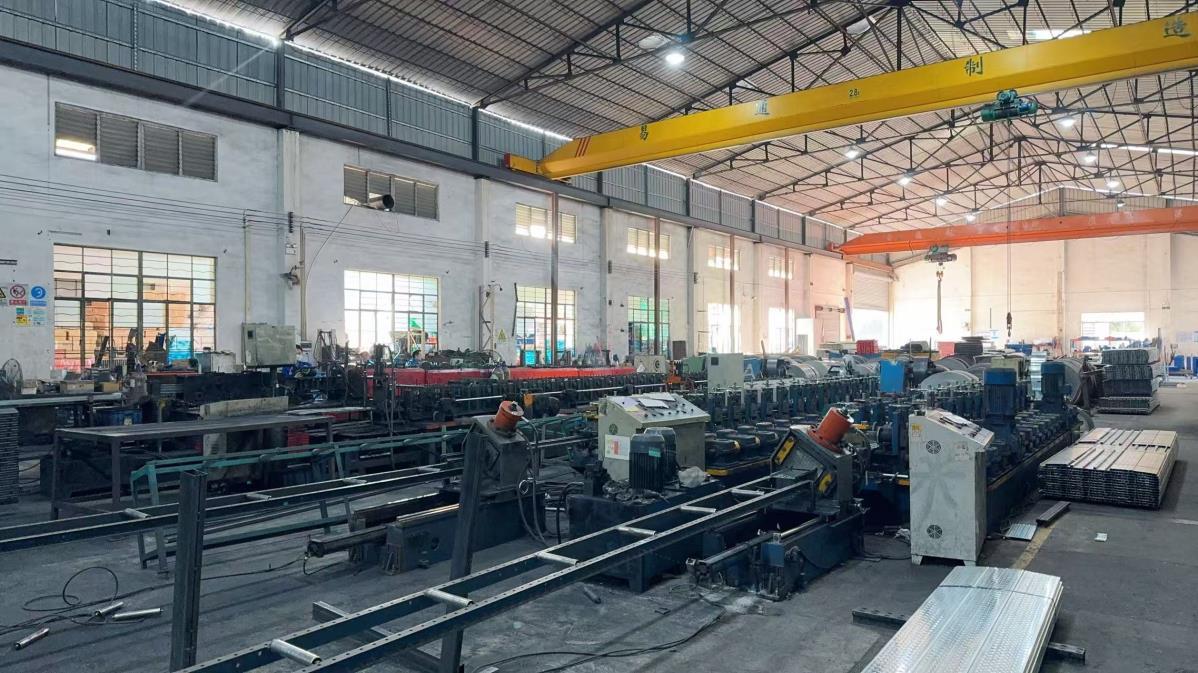
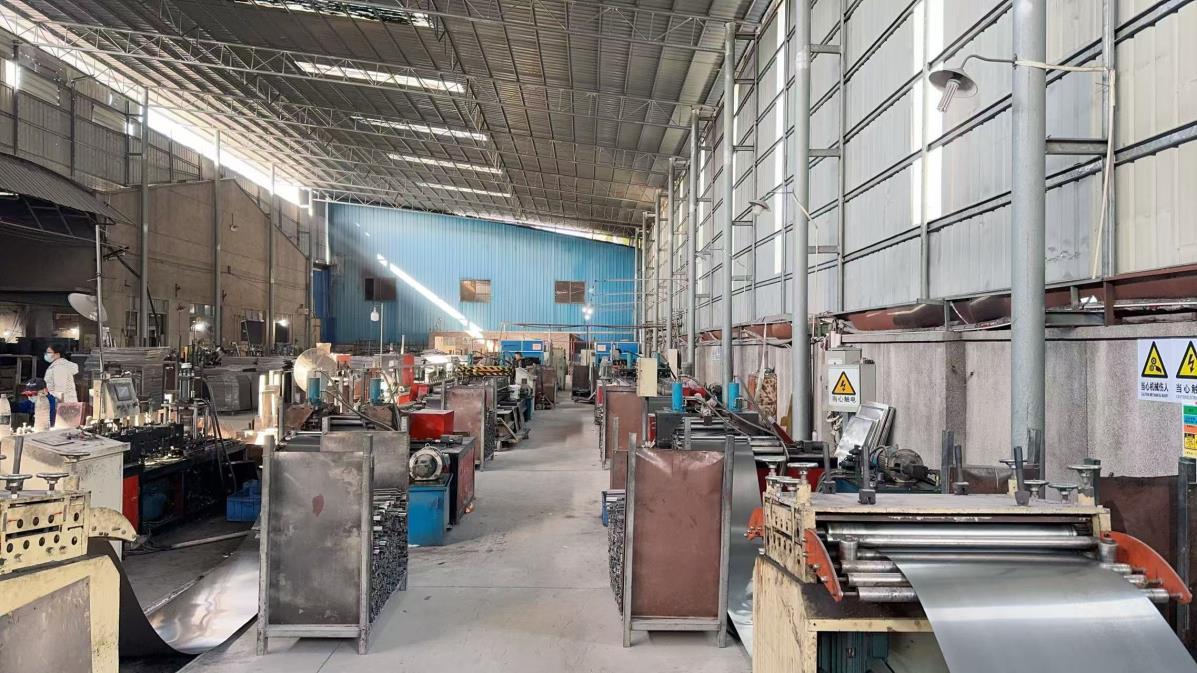
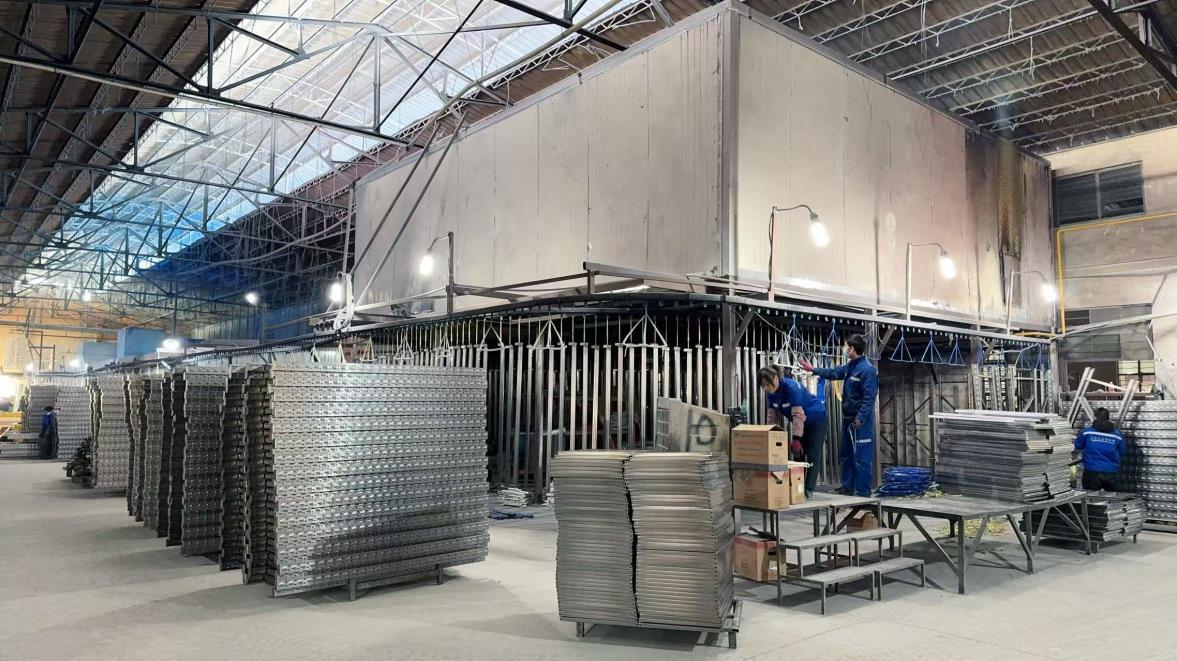
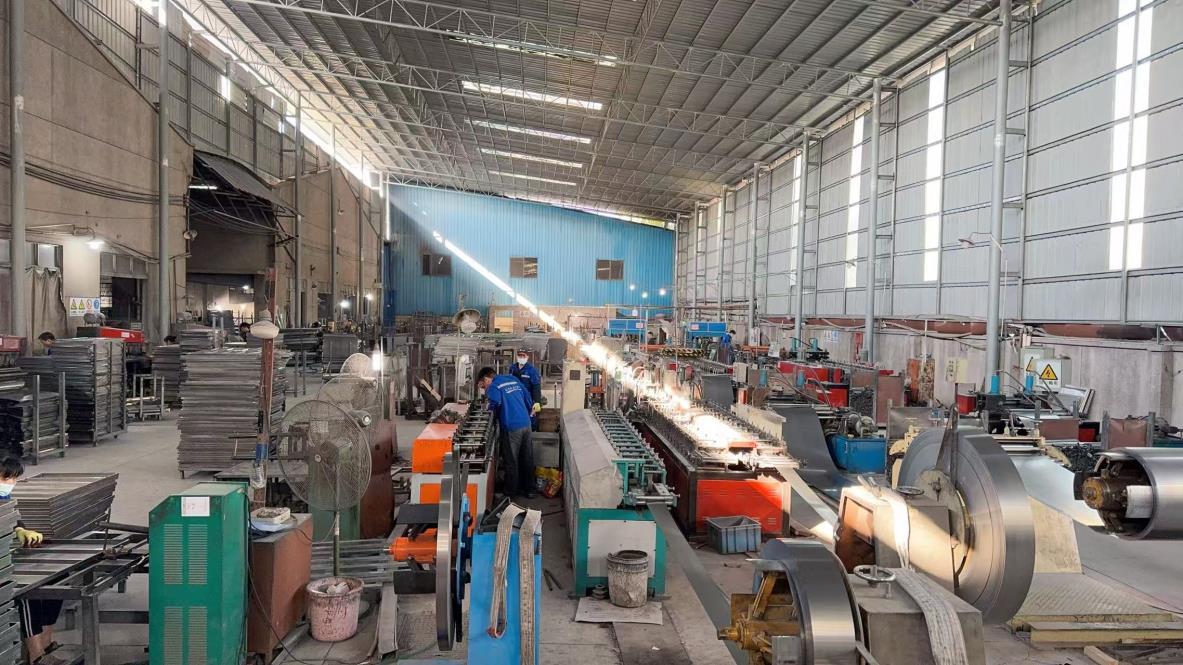
Founded in 2015, Dongguan Kimsuk Shelves Co., Ltd. has established itself as an industry-leading manufacturer specializing in the engineering, design, and precision manufacturing of industrial shelving and complex mezzanine system installations.
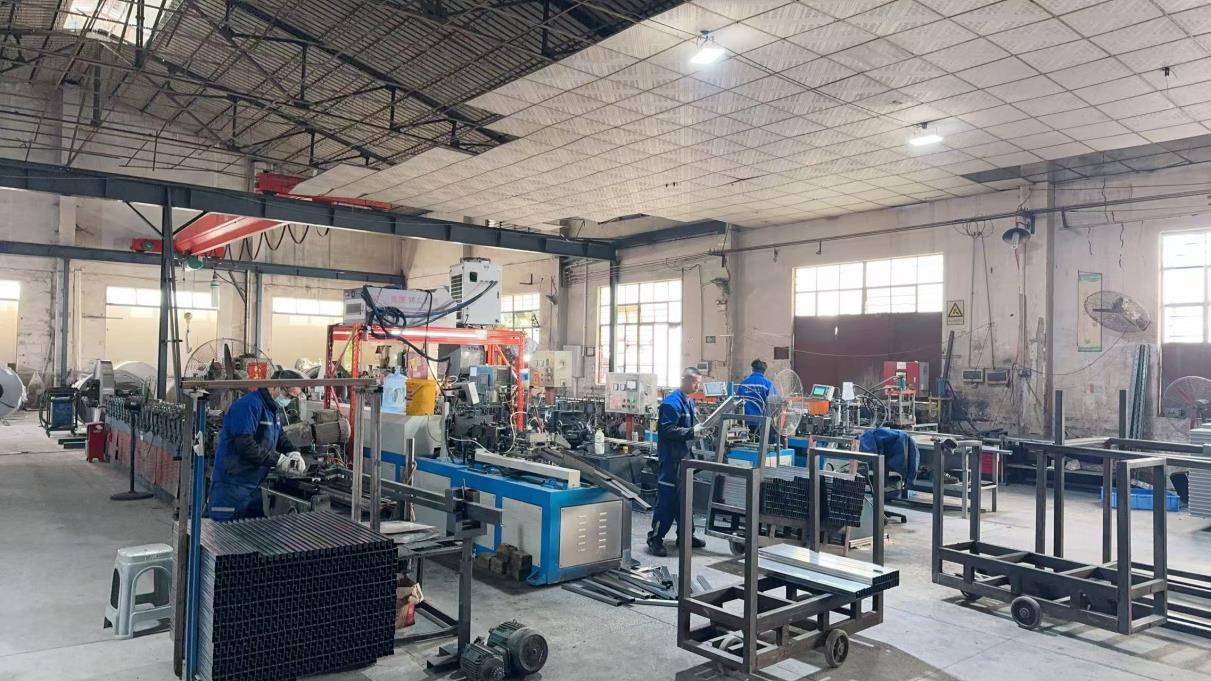
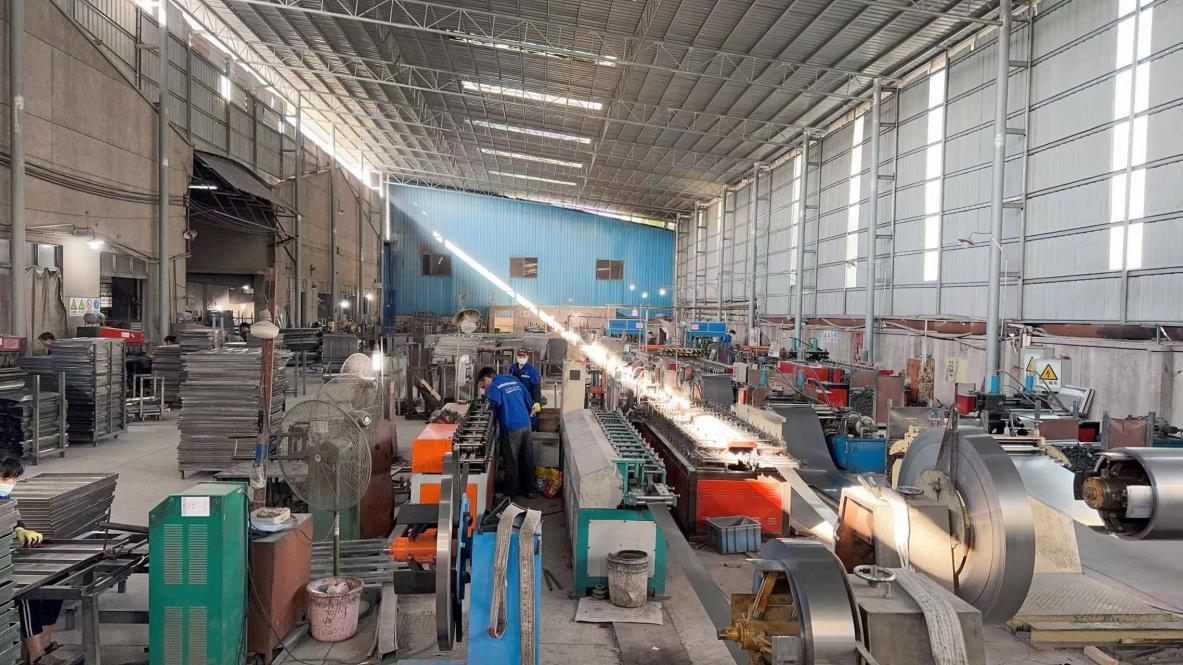
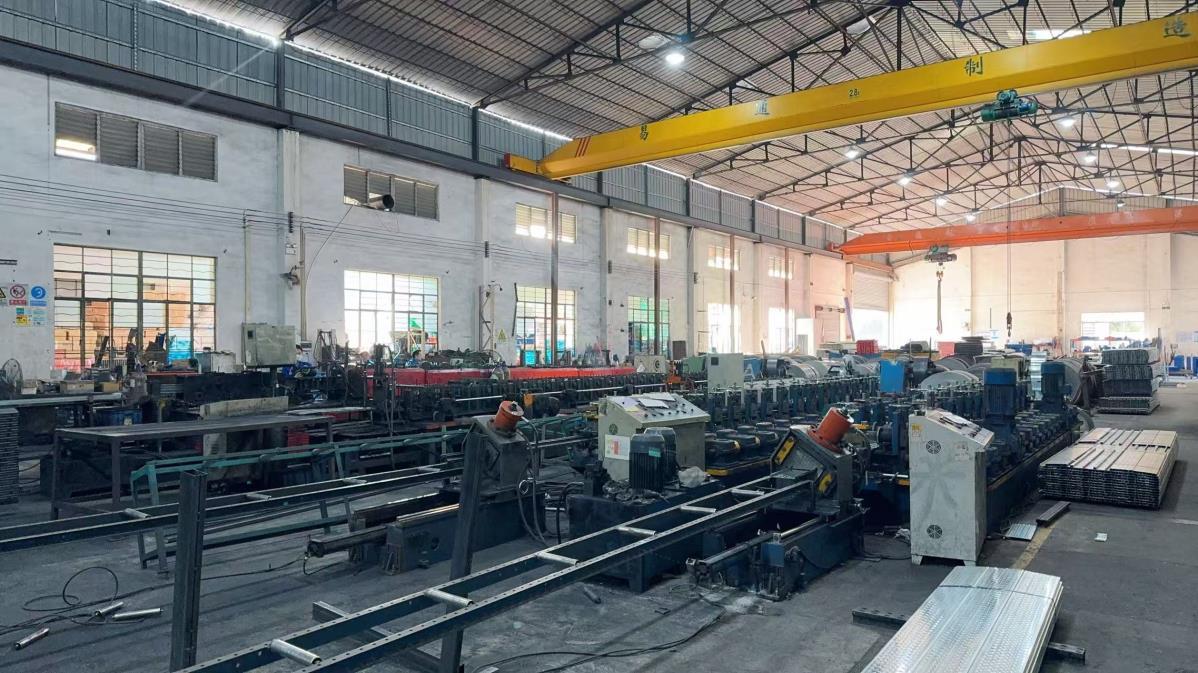
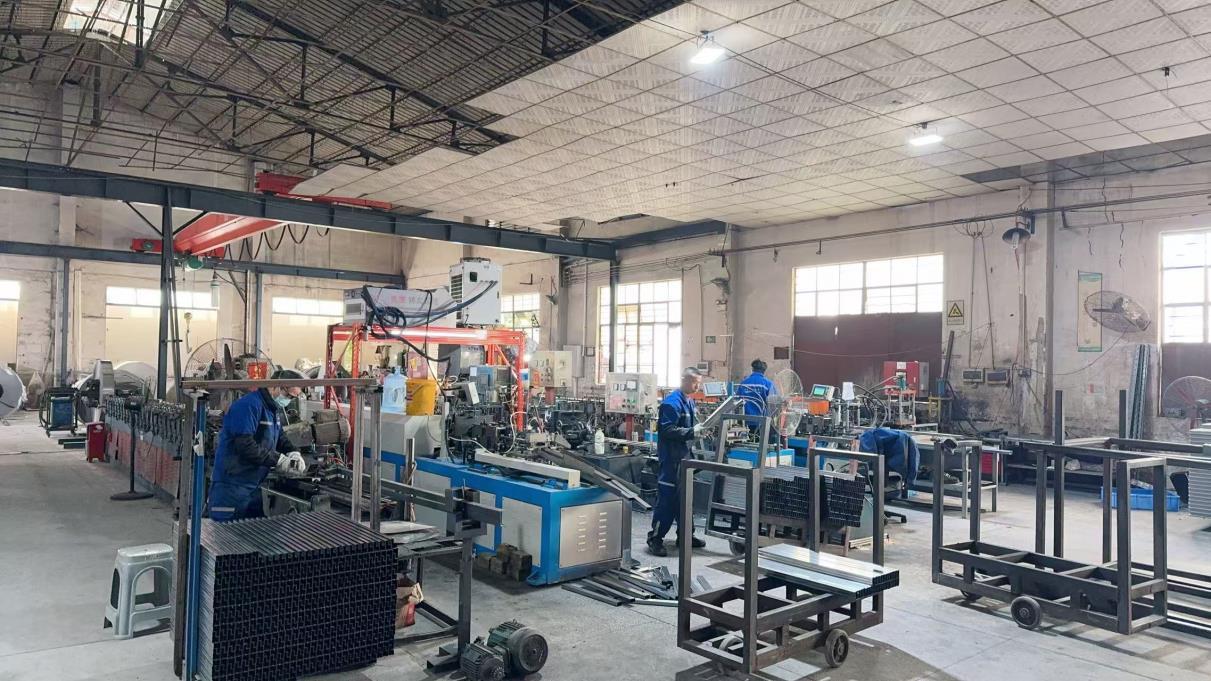
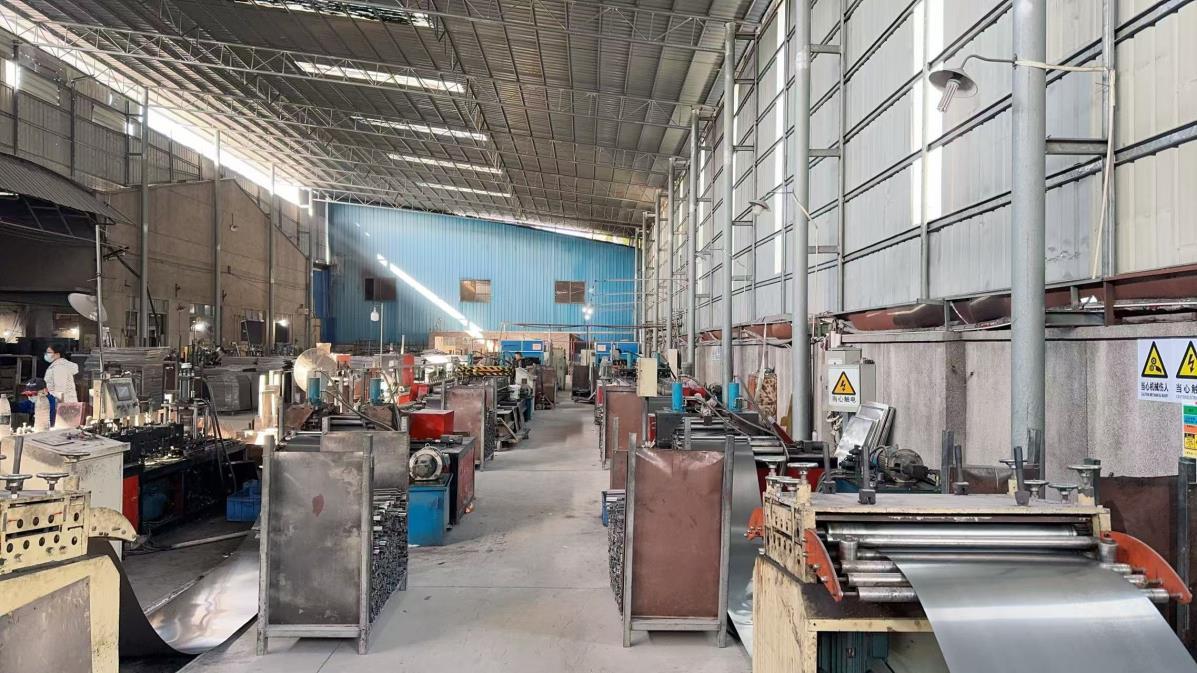
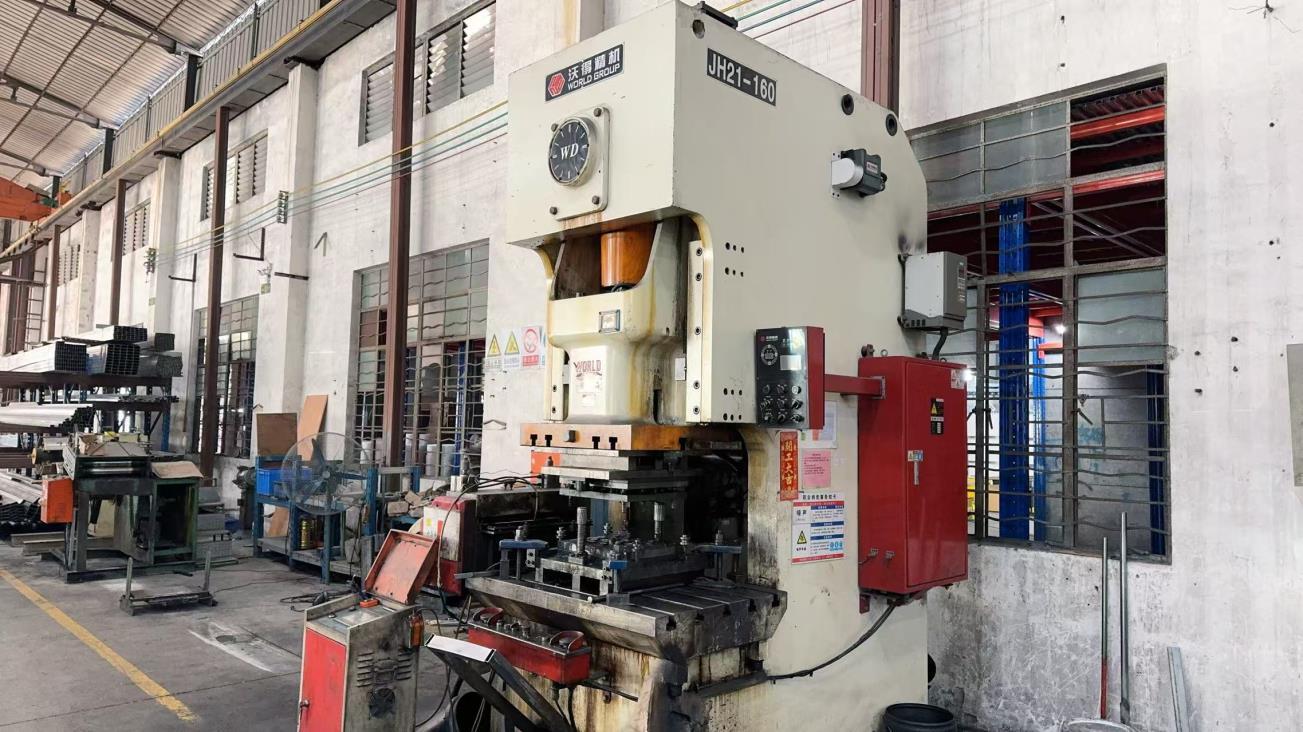
Operating out of a state-of-the-art facility spanning 32,000 square meters, the enterprise leverages over 11 years of structural engineering expertise and 8 years of dedicated direct-export performance. The company services high-tier accounts across North America, Europe, Southeast Asia, and the Middle East, recording an annual export revenue of over $18 million. This export stability is sustained by an extensive network of 850 verified supply chain partners, guaranteeing consistent supply of certified steel plates, structural tubes, and premium epoxy-polyester coatings.
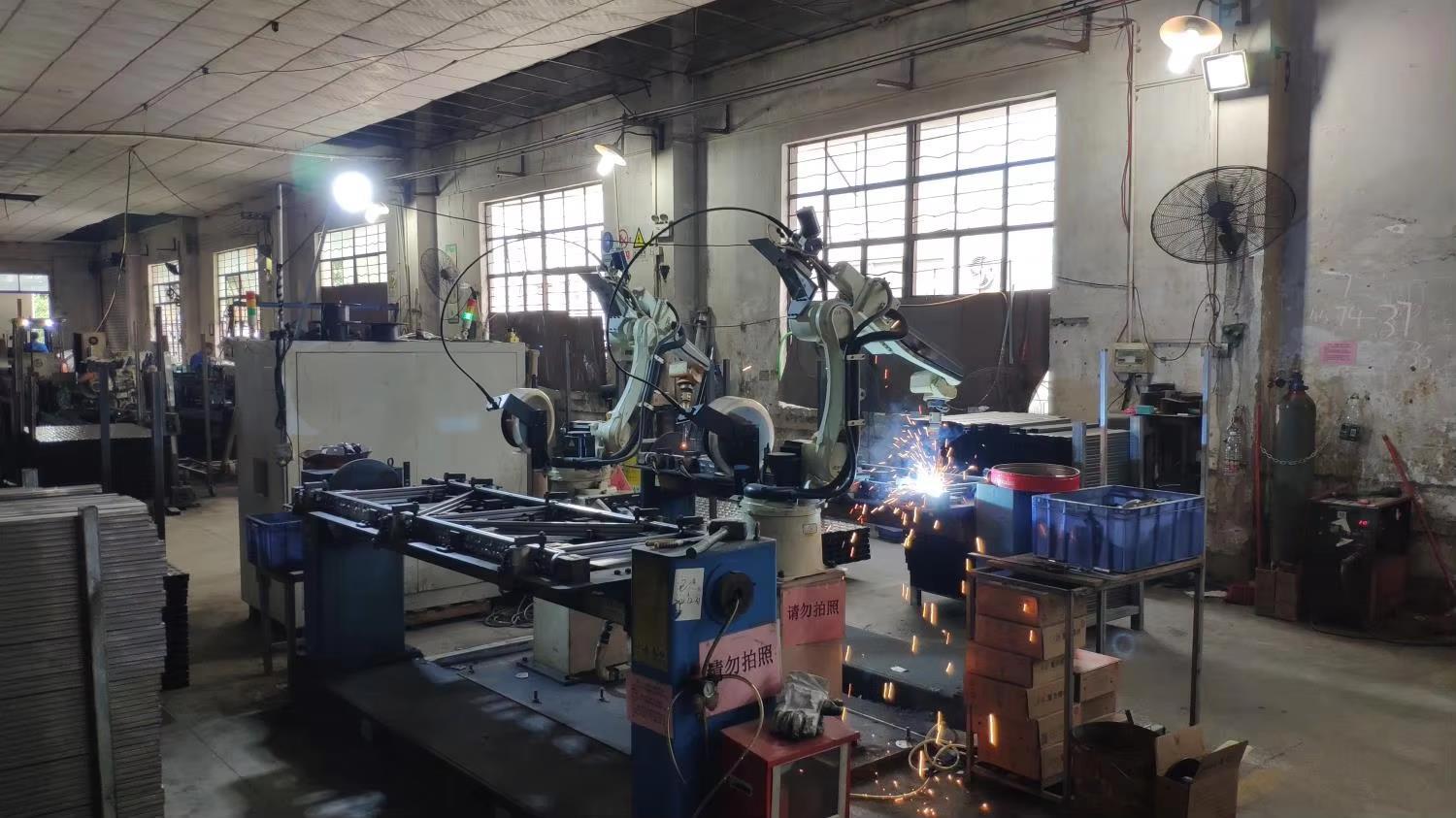
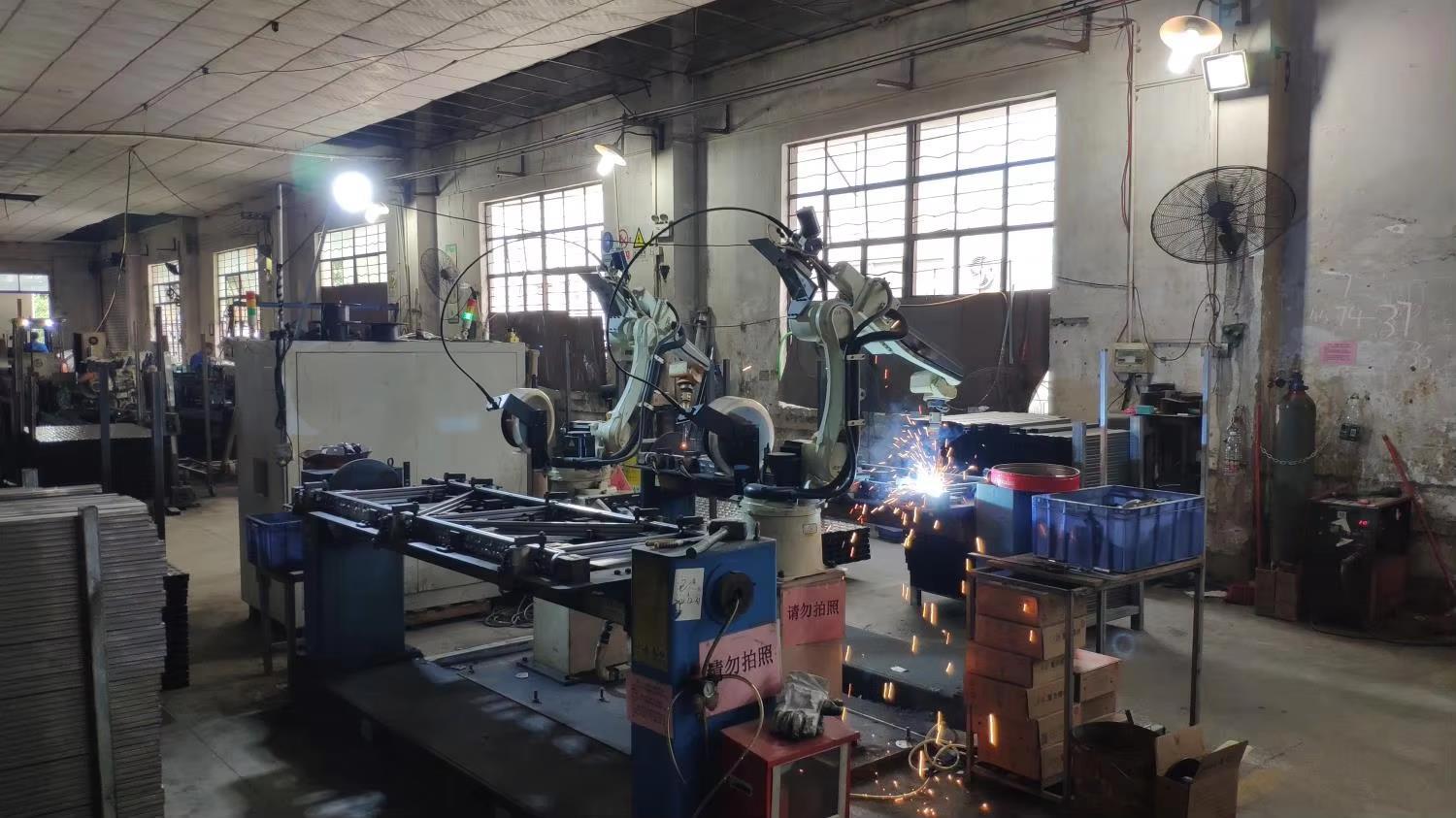
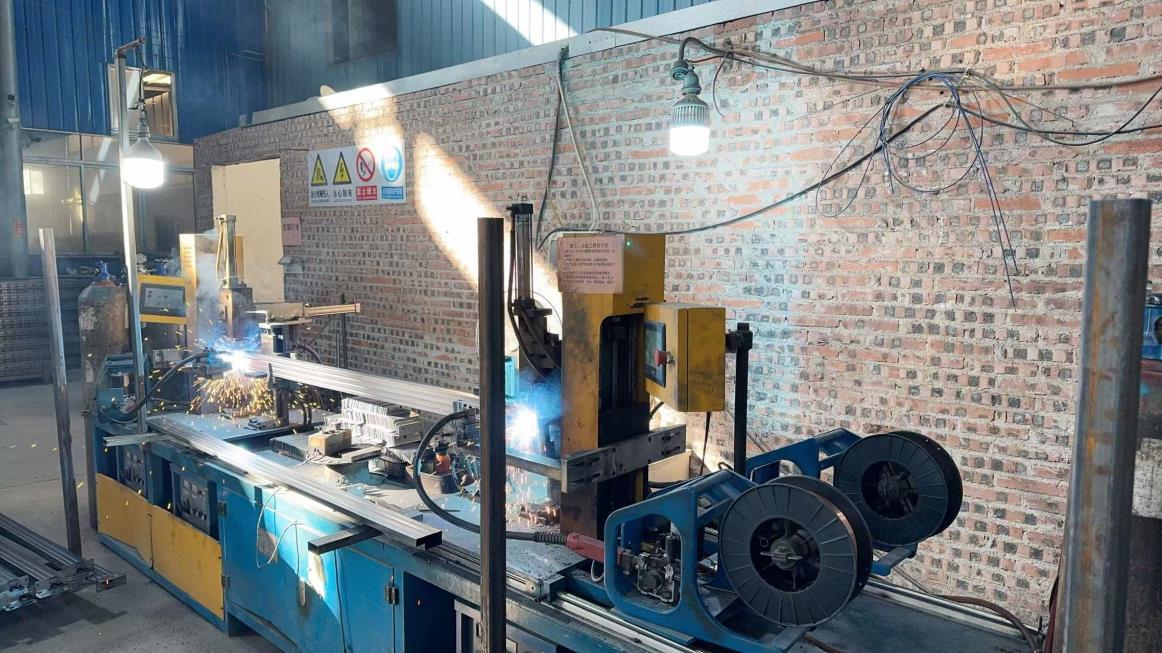
Quality assurance is maintained by 35 dedicated QA/QC inspectors working with modern testing equipment, including raw material tensile testing rigs, automated non-destructive weld testing, dynamic stress load simulators, and dry-film coating thickness gauges. For bespoke architectural conditions, our in-house R&D team composed of 18 senior structural and mechanical specialists provides full OEM/ODM capabilities, creating optimized space-saving designs, high-seismic configurations, and anti-corrosive finishes. Over the past year, Kimsuk developed and launched 120 new product models and components, ensuring customers have access to up-to-date warehouse spatial layouts.
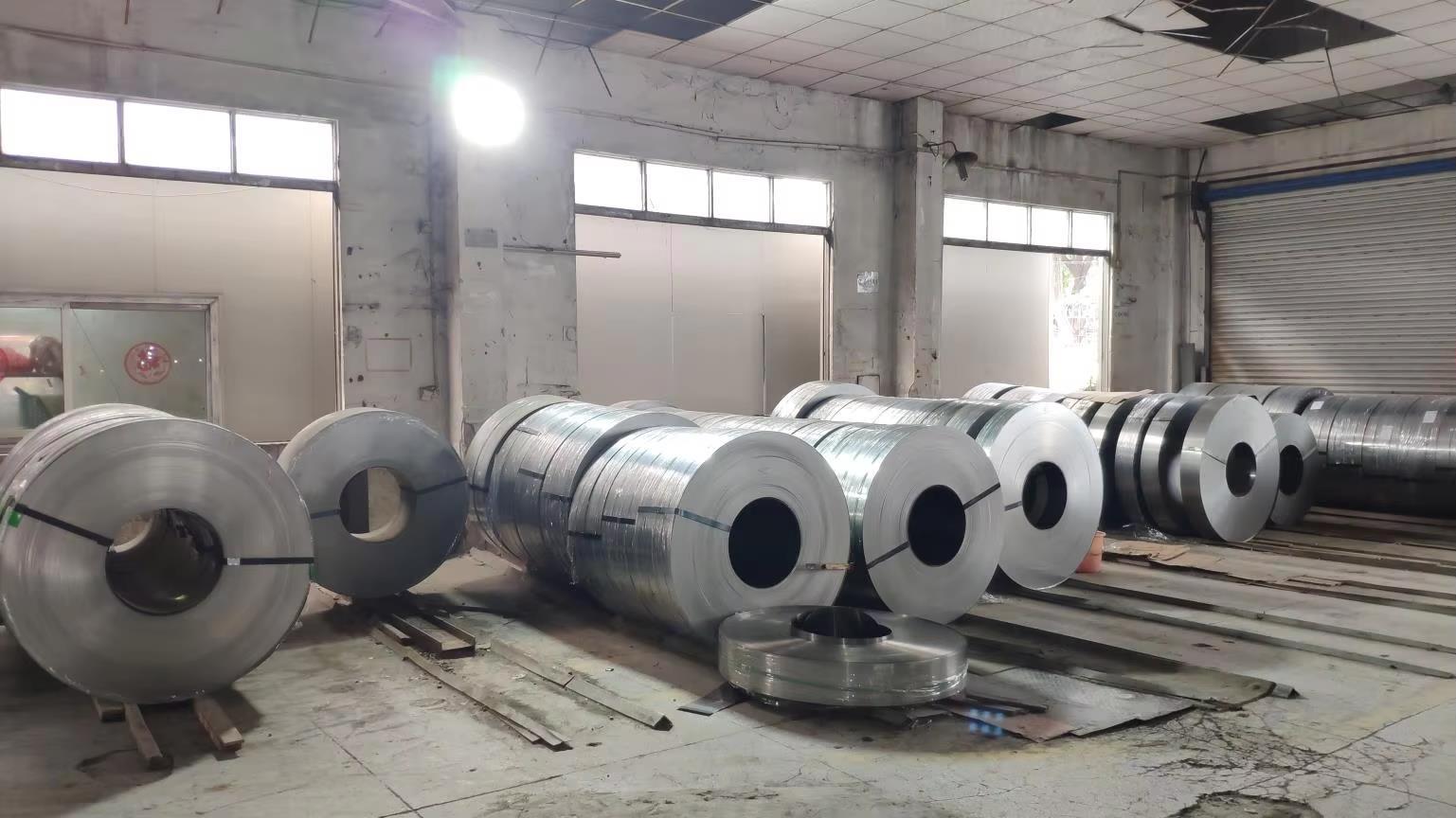
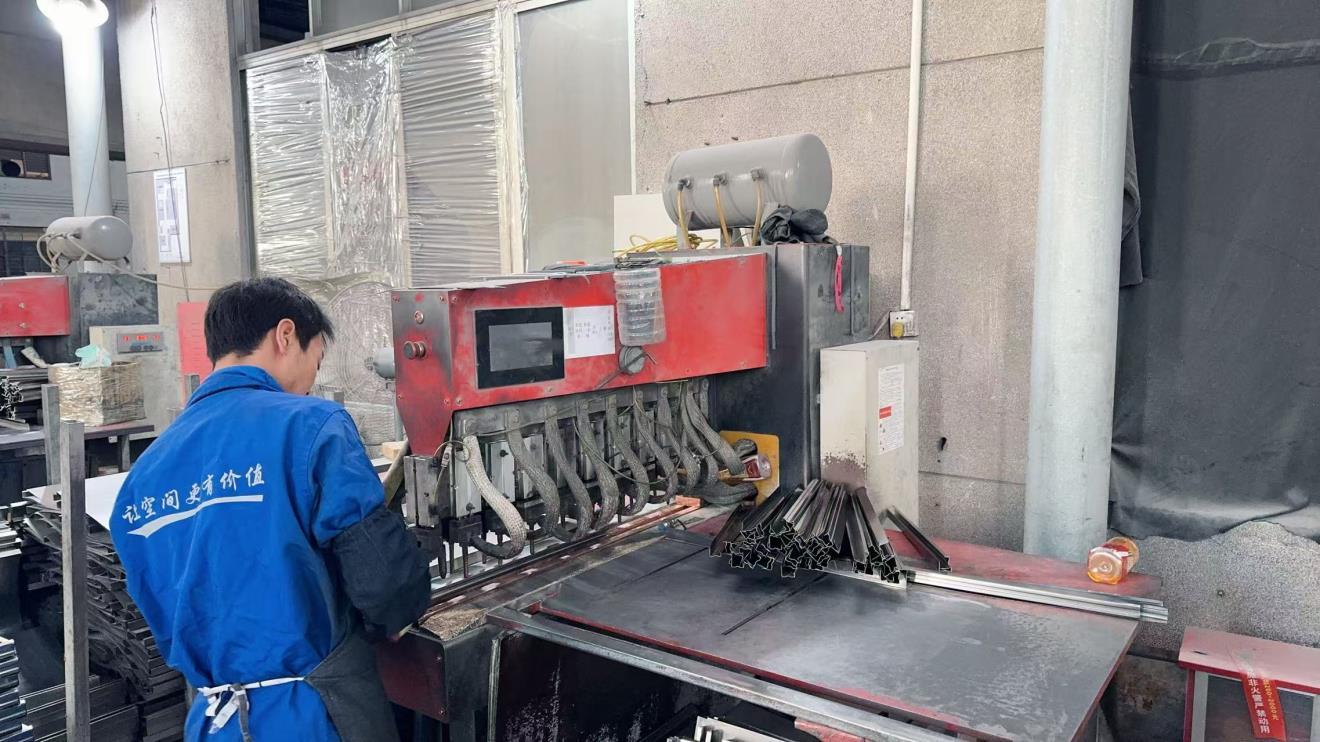
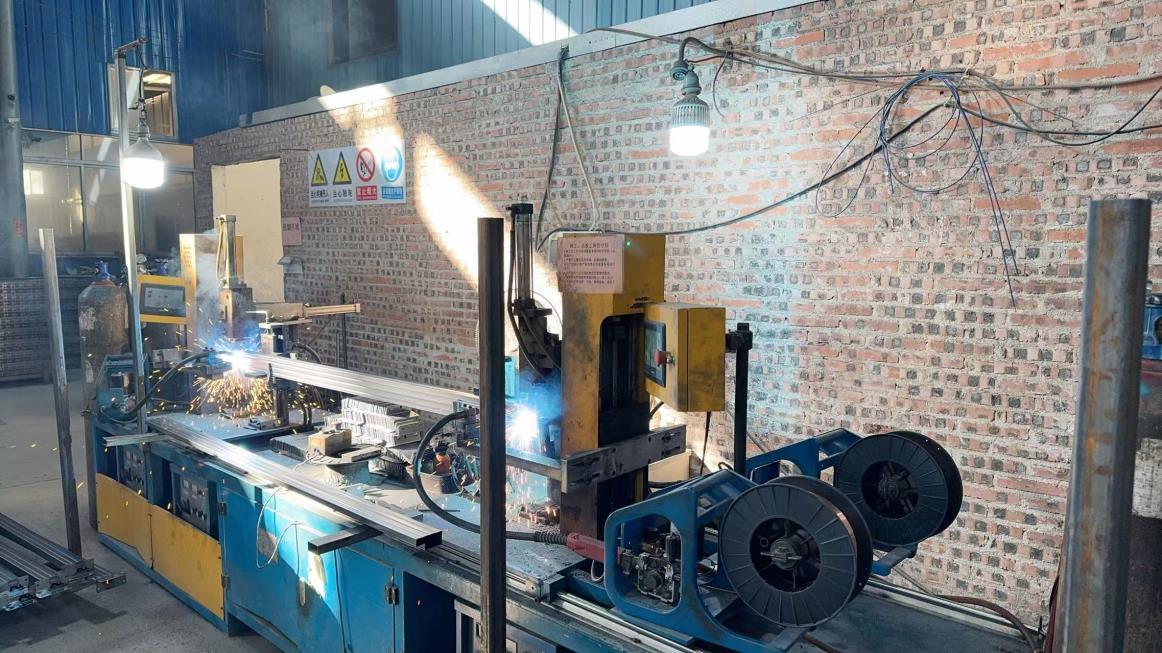
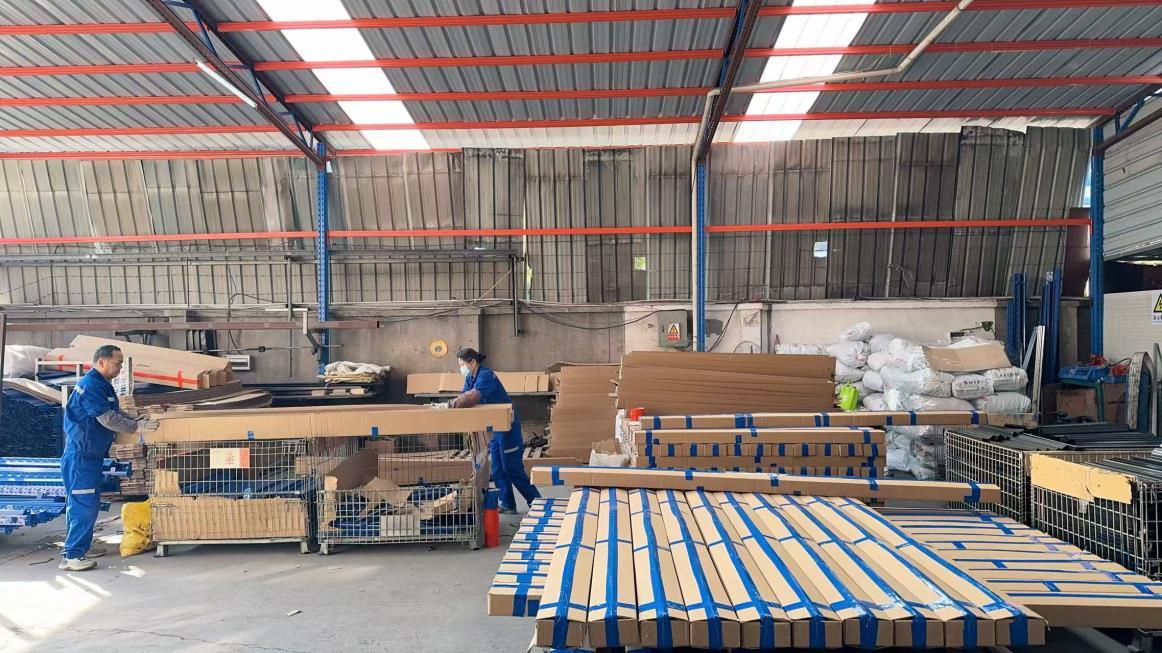
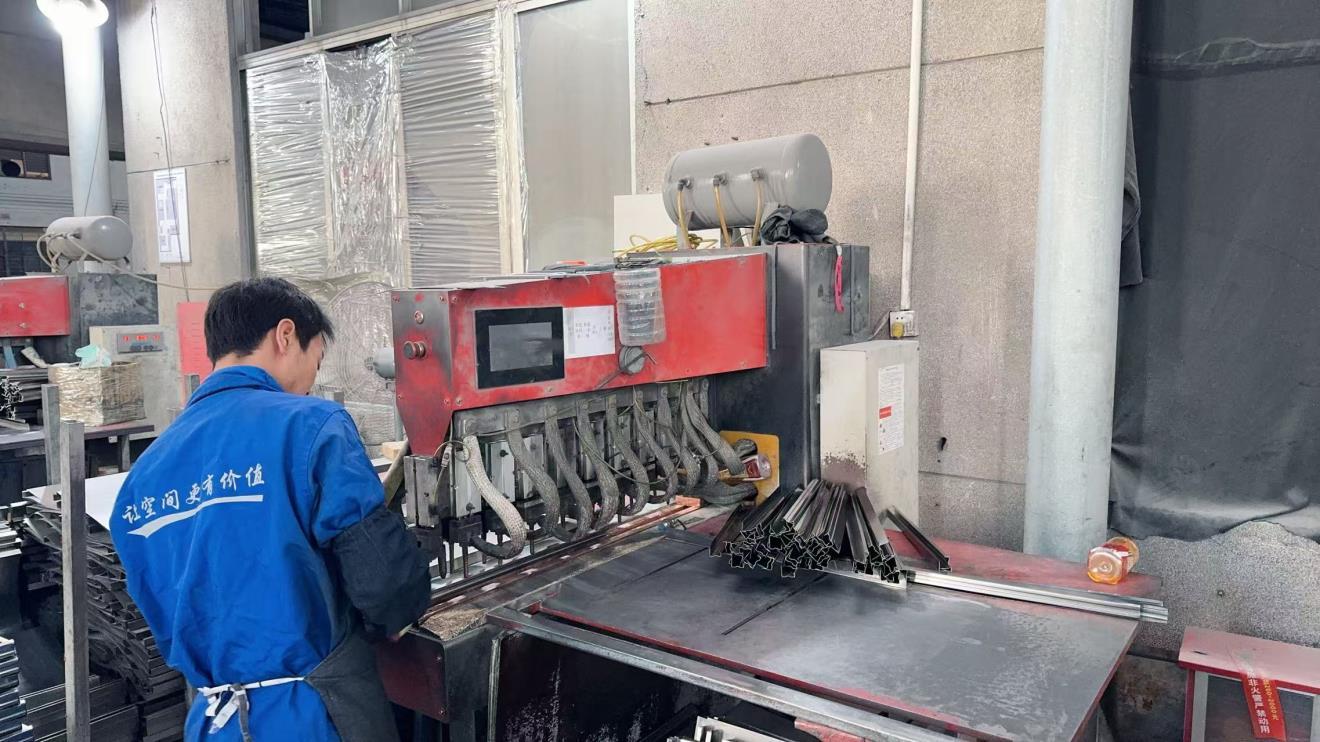
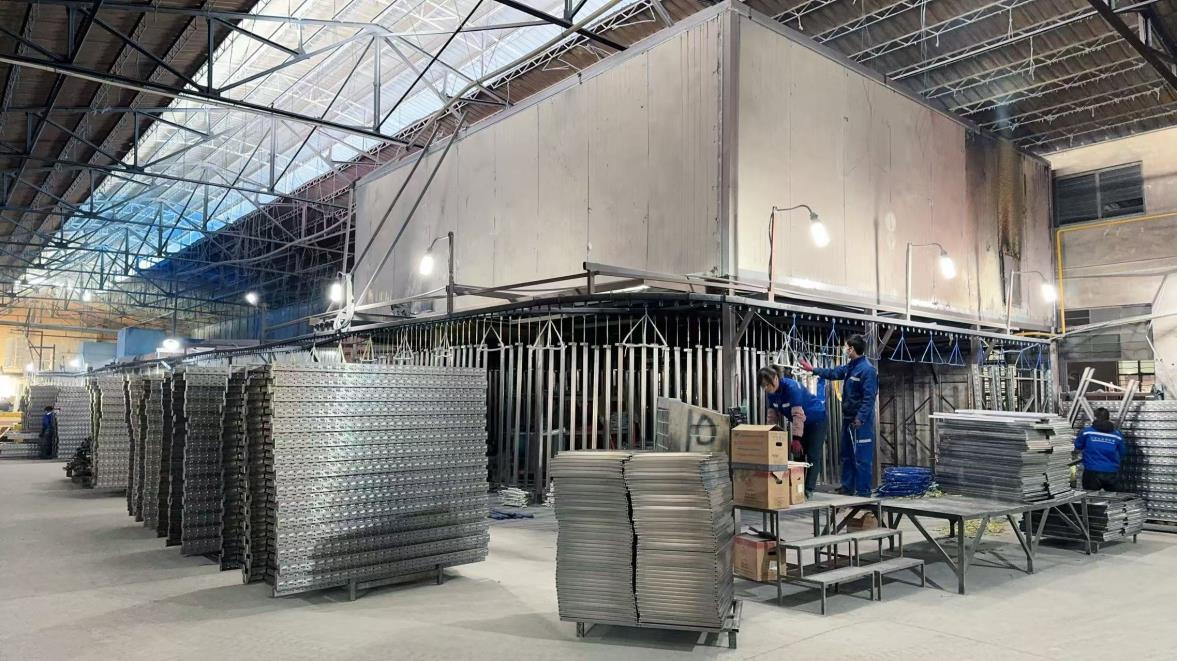
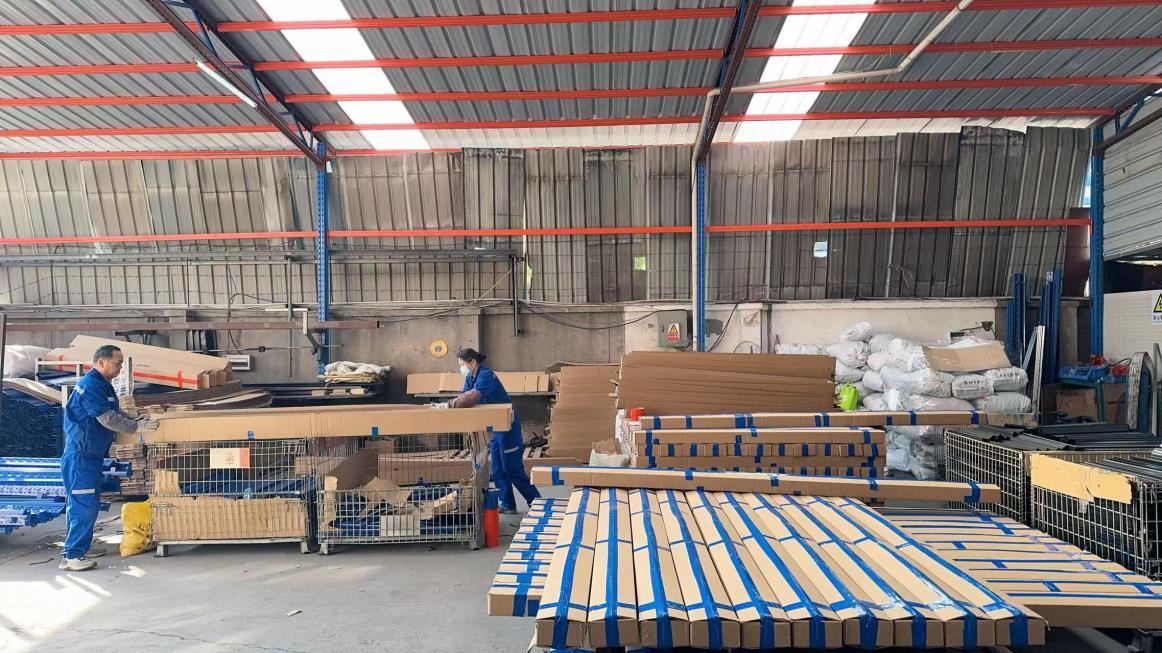
Every mezzanine component is fabricated inside Kimsuk's vertically-integrated factory, following strict ISO 9001:2015 workflows from raw coil validation to final seaworthy packaging.
How global industrial segments implement high-capacity structural mezzanine floor configurations
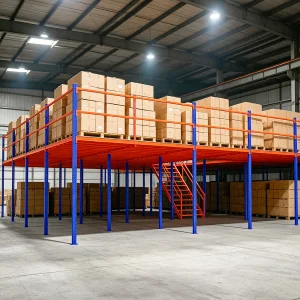
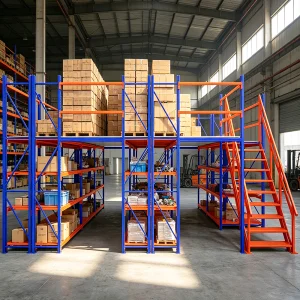
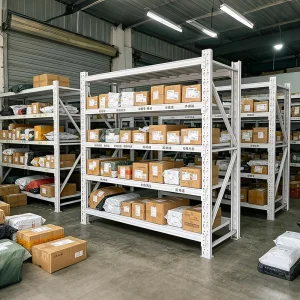
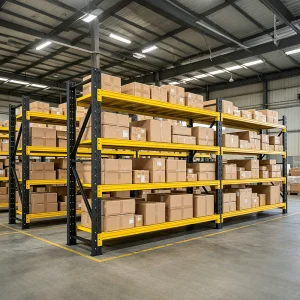
Designed for parts storage and e-commerce distribution centers, this layout uses the structural storage racks below to support the upper platform levels. Utilizing racking uprights as structural studs reduces steel costs and maximizes vertical volume.
Engineered for machinery installation, bulk assembly lines, and heavy-payload raw stock storage. Built with hot-rolled structural steel sections (I-beams and H-sections) that enable long spans with minimal column interruption below.
Tailored for refrigerated warehouses and food-processing hubs. Standard structural steel undergoes specialized anti-corrosion treatments, such as hot-dip galvanization, to withstand continuous sub-zero temperatures and high humidity.
| Mezzanine Type | Typical Load Capacity | Max Span Capability | Recommended Application | Structural Compliance |
|---|---|---|---|---|
| Rack-Supported System | 300 - 800 kg/m² | 3 - 5 Meters | 3PL Warehouses, Retail Distribution, Archive Storage | EN 15512, RMI Standards |
| Structural Steel Platform | 500 - 2,500 kg/m² | 6 - 12 Meters | Heavy Manufacturing, CNC Tooling Centers, Bulk Shipping | AISC Specifications, Eurocode 3 |
| Catwalk / Multi-Tier System | 150 - 350 kg/m² | 2 - 4 Meters | Manual Order Picking, E-Commerce, Apparel Garment Racks | BS 5950, OSHA Safety Codes |
Bridging traditional structural steel engineering with digital automation and environmental sustainability
Modern mezzanine systems are engineered to integrate with Autonomous Mobile Robots (AMRs) and Automated Guided Vehicles (AGVs). This requires strict leveling tolerances (DIN 18202 standards), specialized decking wear layers, and load-distribution plates that prevent deflection during robotic movement.
Future installations will feature integrated strain gauges and IoT sensors embedded in high-stress support beams. These devices monitor deflections and structural health in real-time, providing digital warnings if weight limits are exceeded and improving overall facility safety.
Our paint lines are transitioning to zero-VOC, heavy metal-free powder coatings. This reduces environmental impact while maintaining high corrosion resistance (ASTM B117 salt spray certified), meeting strict environmental mandates for green facility certifications.
Assuring structural safety, international regulatory approval, and seamless project execution
Deploying an industrial mezzanine structure requires adherence to strict building codes. As a primary exporter, Dongguan Kimsuk Shelves Co., Ltd. provides certified structural calculation reports signed by professional structural engineers (PE) to support the local permitting process.
Addressing structural calculations, loading dynamics, fire codes, and export logistics
To provide a detailed layout design and quotation, we require: (1) The layout dimensions of the warehouse, including clear ceiling height, column locations, and floor obstacles; (2) The desired load-carrying capacity per square meter (e.g., 300kg, 500kg, or 1000kg); (3) The number of platform levels required; (4) Preferred decking material (steel plate, mesh panel, or high-density timber deck); and (5) Local building seismic conditions.
Most local building codes require mezzanine decks to allow water penetration if they cover large floor areas. To meet this requirement, we design platforms using open bar steel grating or perforated steel decking, which allows water from ceiling sprinklers to reach lower levels. We also configure standard fire escape routes, integrated handrail systems, and safety loading gates.
Mezzanine uprights and main beams are wrapped in heavy-duty bubble wrap and secured on steel pallets to prevent metal-on-metal friction. Secondary components like connectors, fasteners, and floor baseplates are packed in heavy-duty wooden crates. This packaging ensures all materials remain clean, dry, and undamaged during sea transit.
We provide four main decking options based on use case: (1) Solid textured steel sheet for maximum durability and heavy hand-truck traffic; (2) Open mesh grating for optimized light and sprinkler water penetration; (3) Plywood panels with steel underlayment for quiet manual picking; (4) Heavy-duty composite panels for heavy-load operations.
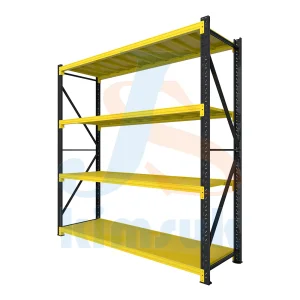
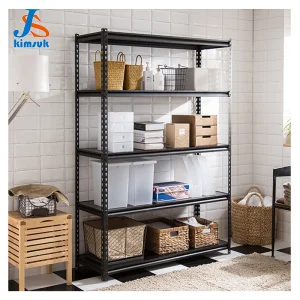
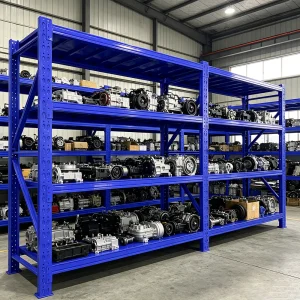
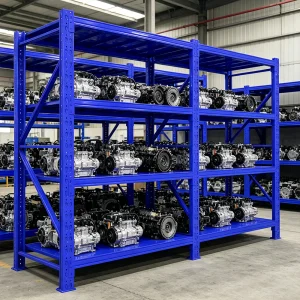
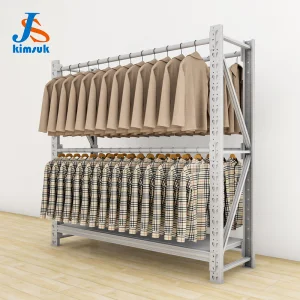
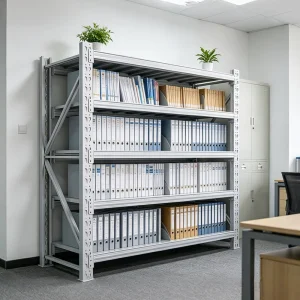
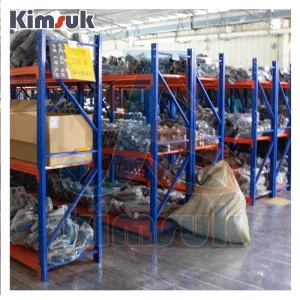
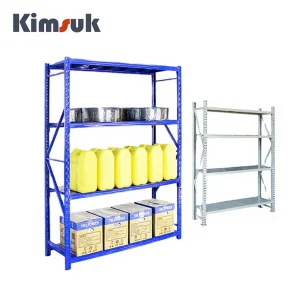
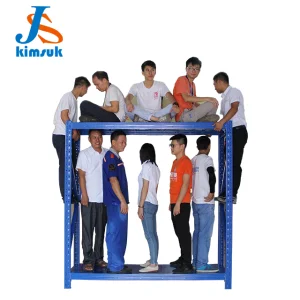
Industrial structural shelving and customizable space-saving racks for heavy industrial storage
 Kimsuk Steel