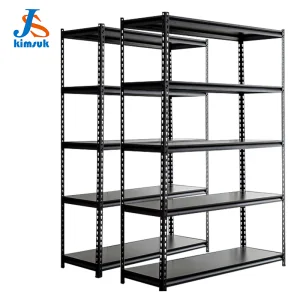
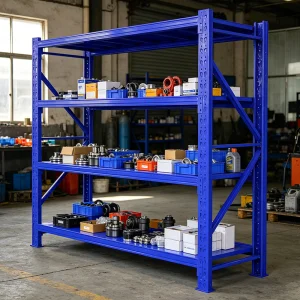
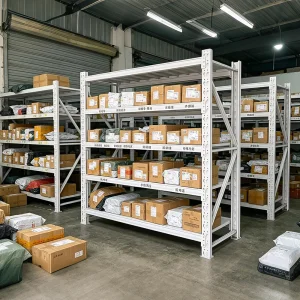
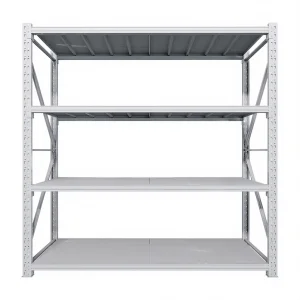
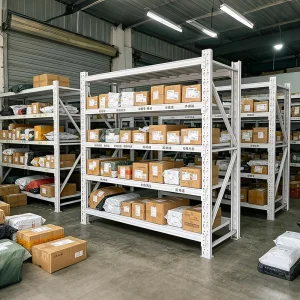
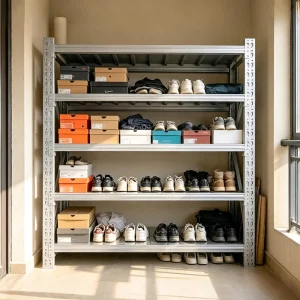
High-performance warehouse racking systems designed for load capacities ranging from 100kg to 500kg per tier. Engineered with high-strength structural steel, precision roll-formed frames, and anti-corrosive powder finishes.
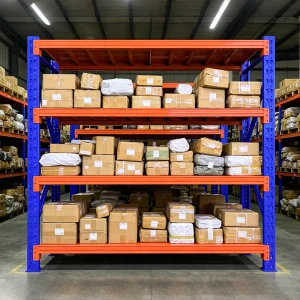
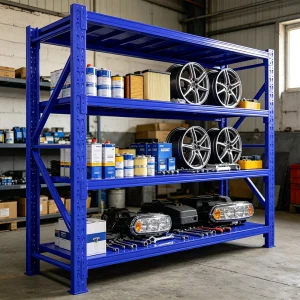
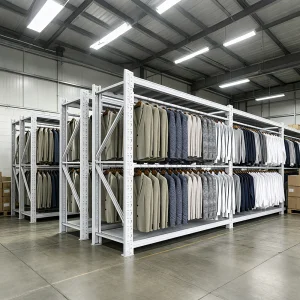
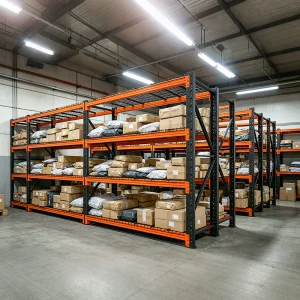
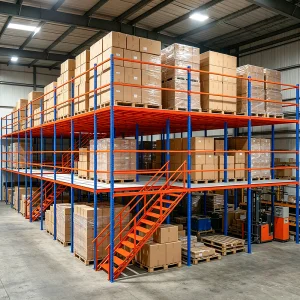
In modern industrial logistics, optimization of spatial dynamics represents a critical operational priority. The explosion of global e-commerce, localized supply hubs, and third-party logistics (3PL) centers has created an unprecedented demand for modular, high-load shelving infrastructure. Global supply chains face escalating real estate costs, forcing warehouse managers to pivot from horizontal expansions to high-density vertical solutions.
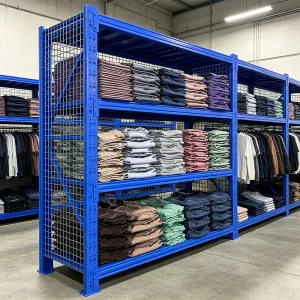
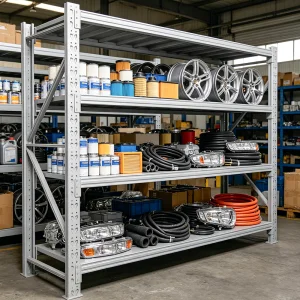
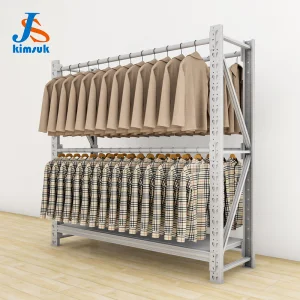
Medium-duty racking systems, holding a standardized unit capacity range of 100kg to 500kg per shelf tier, bridge the structural gap between light-duty manual shelving and ultra-heavy pallet racking. These systems cater to high-density picking layouts, spare parts storage, garment hanging configurations, and box-level fulfillment lines. Key performance indices like deflection calculations (L/200), high tensile steel certifications (Q235/SPCC), and seismic resilience dictate the structural integrity of these implementations.
Established in 2015, Dongguan Kimsuk Shelves Co., Ltd. stands as a premier enterprise specializing in the design, engineering, and execution of heavy-duty industrial shelving, warehouse storage systems, and automated rack integrations. Operating from a contemporary manufacturing facility spanning 32,000 square meters, Kimsuk has evolved into a key node in the international supply chain, backed by 11 years of structural fabrication expertise and 8 years of international export pedigree.
Our operational output reaches an annual export volume of $18 million, reliably serving markets throughout North America, Europe, Southeast Asia, and the Middle East. With an expansive framework comprising over 850 verified supply chain partners, we are positioned to support enterprise-level projects from initial CAD conceptualization to automated manufacturing runs, regional clearance support, and structural field deployment.
Innovation remains the core engine of our engineering operations. Kimsuk's R&D department features 18 senior structural and material engineers who maintain deep competence in ODM and OEM workflows, developing custom load matrices, anti-corrosive finishes, seismic baseplates, and modular shelving modifications. In the preceding fiscal year, our engineering pipeline delivered 120 newly certified product variants and modular storage accessories to market.
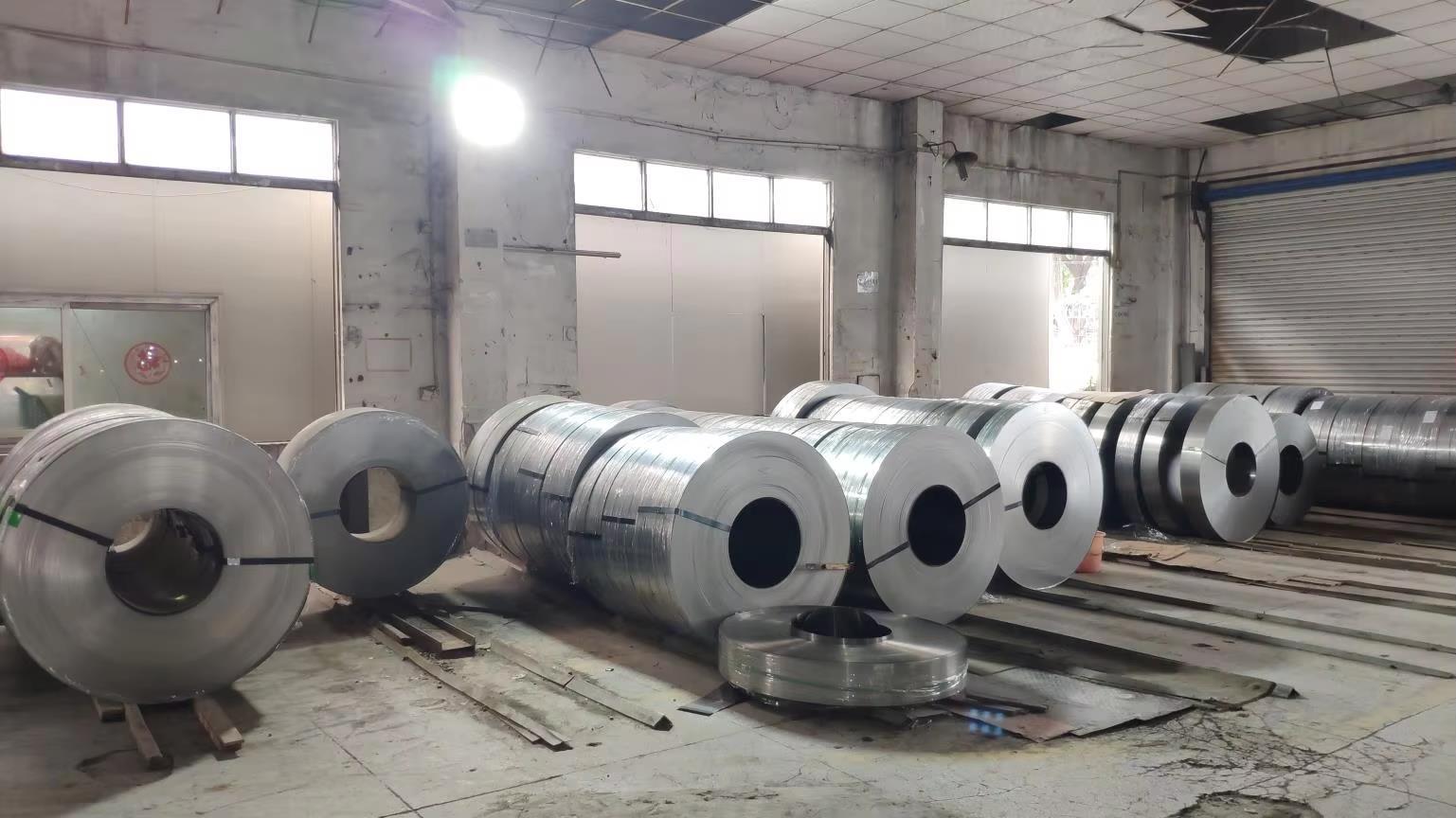
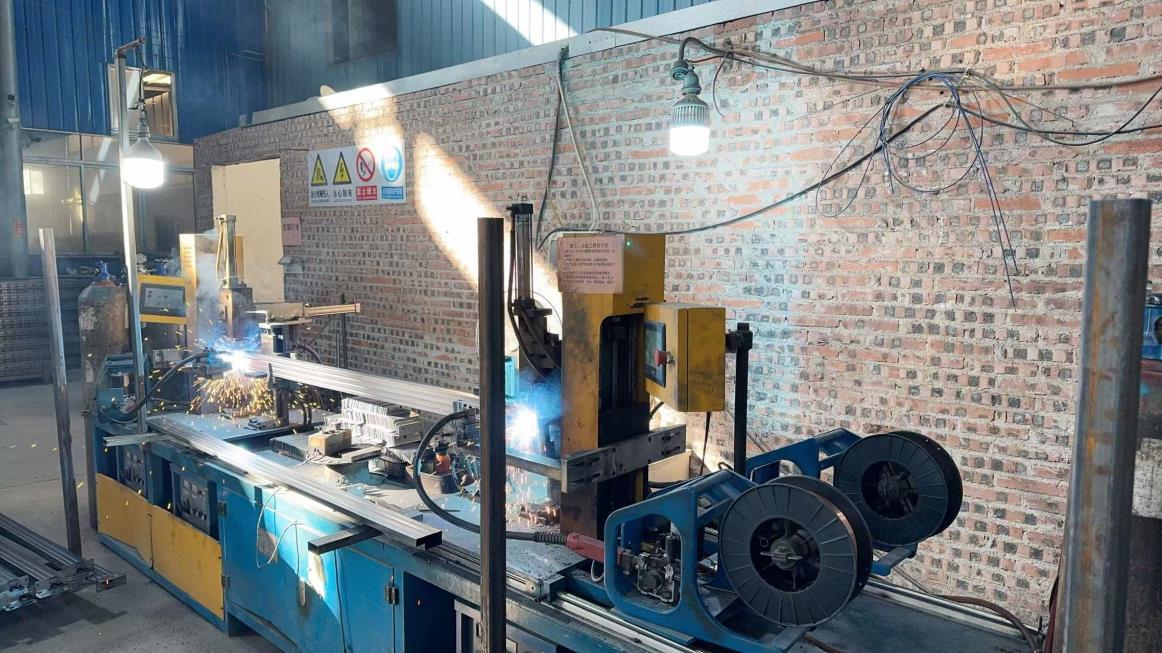
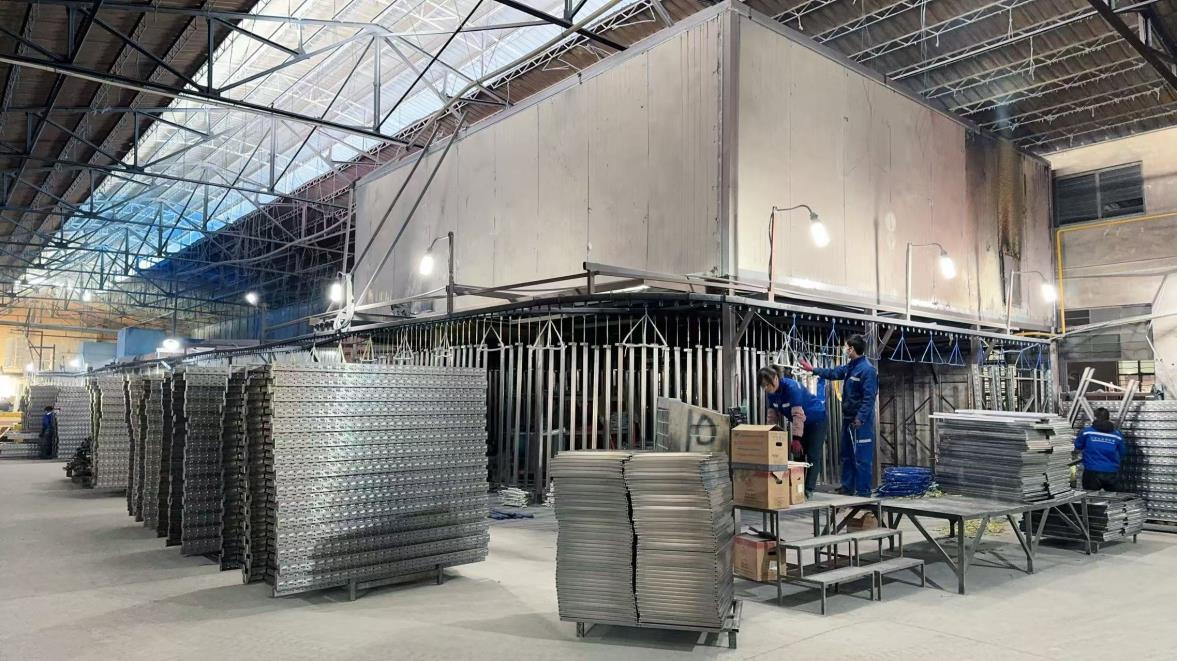
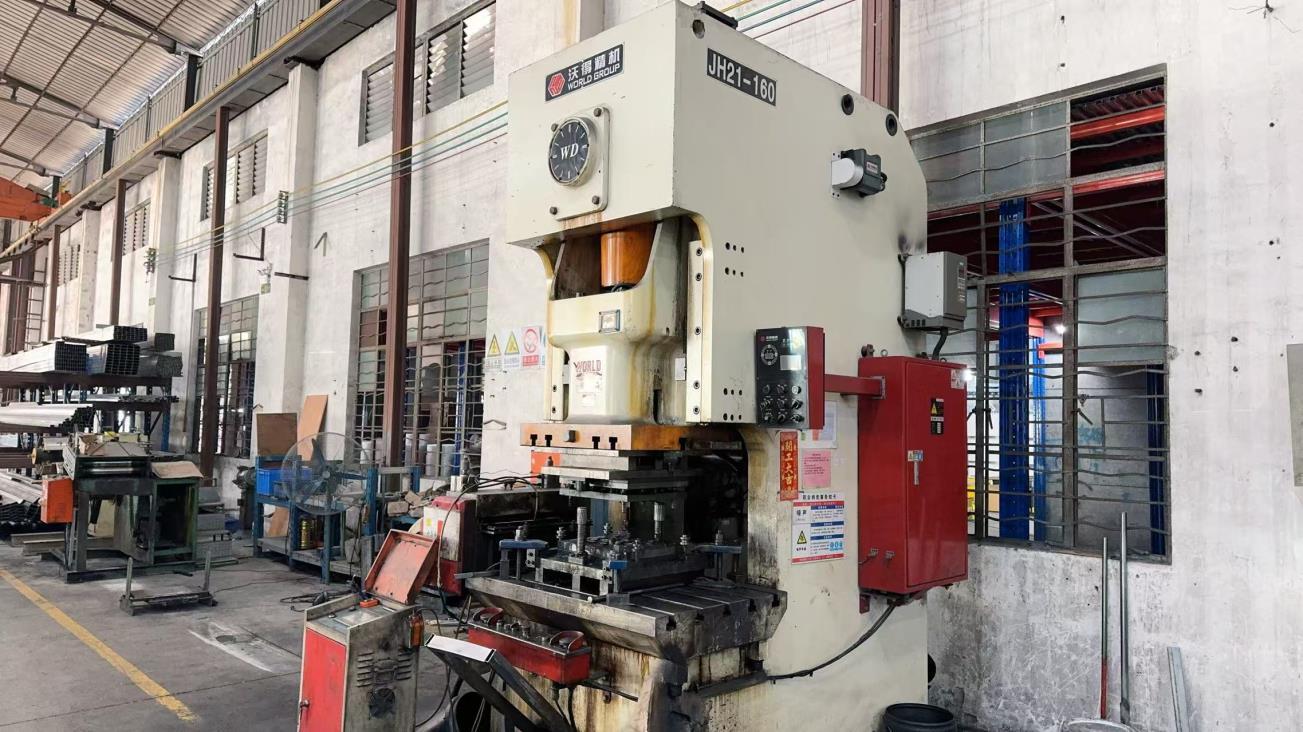
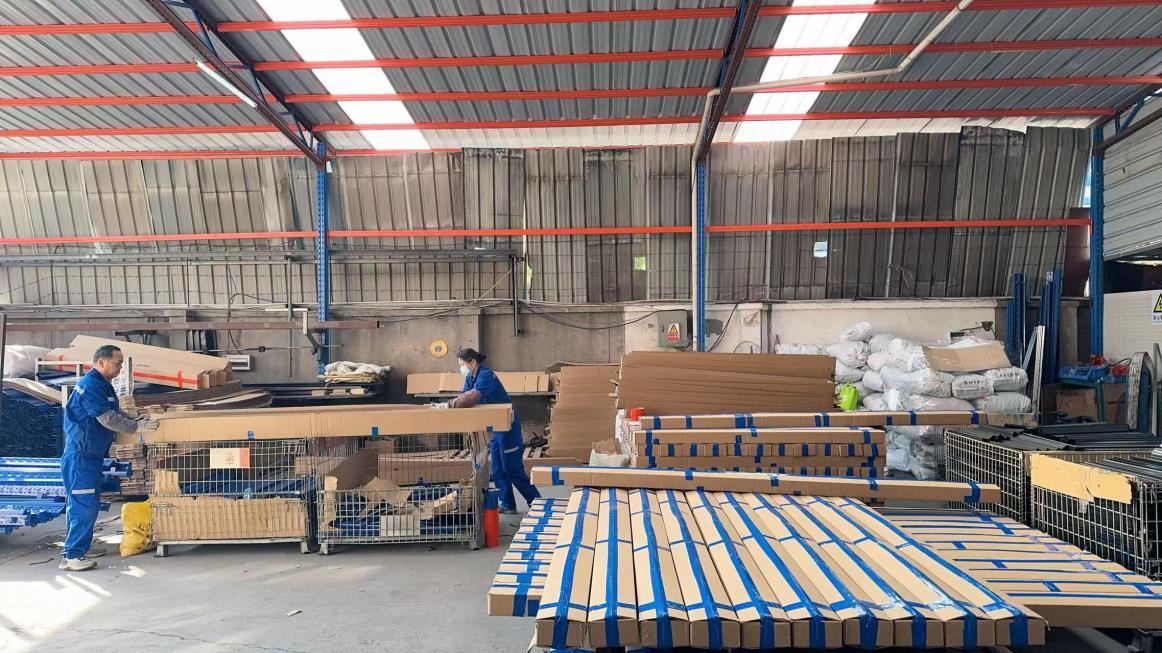
Under strict QA/QC supervision, raw cold-rolled steel coils undergo automated slitting, high-precision punching, computerized roll-forming, robotic welding, and electrostatic powder coating phases.
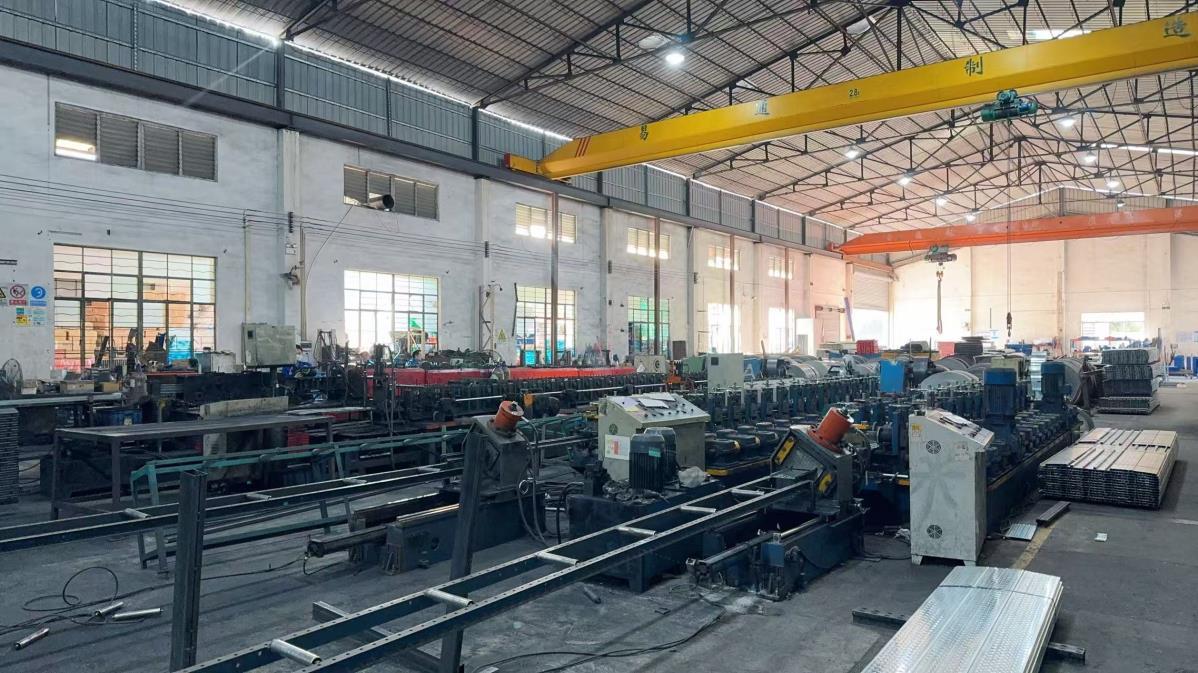
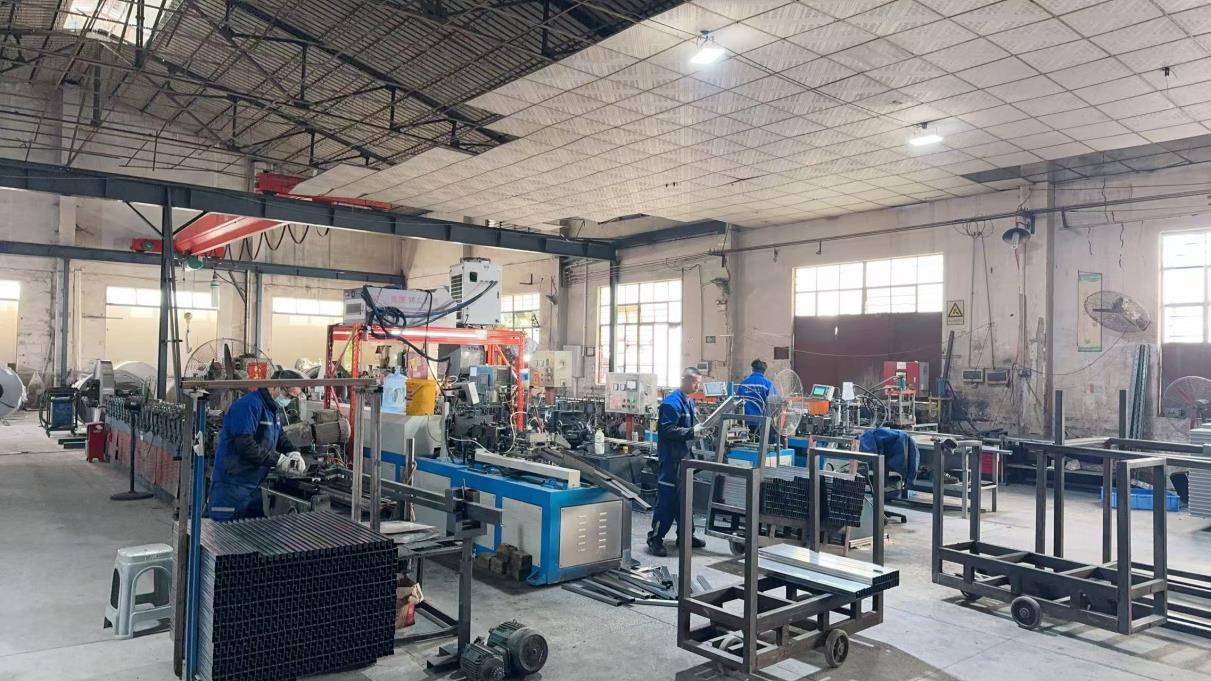
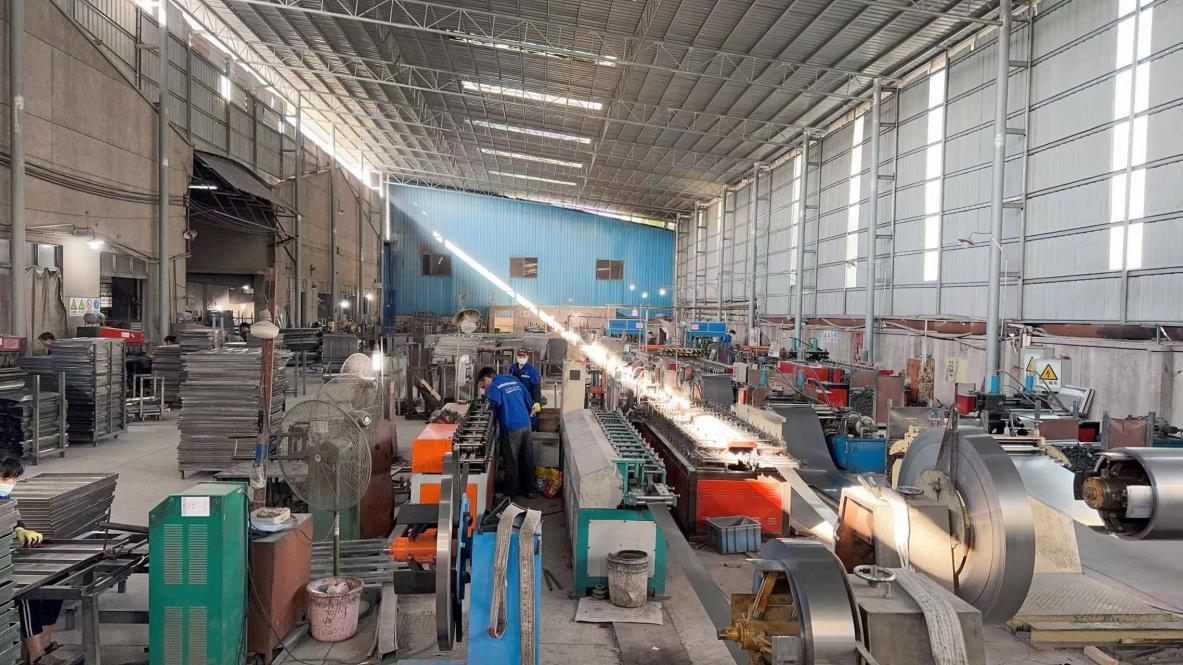
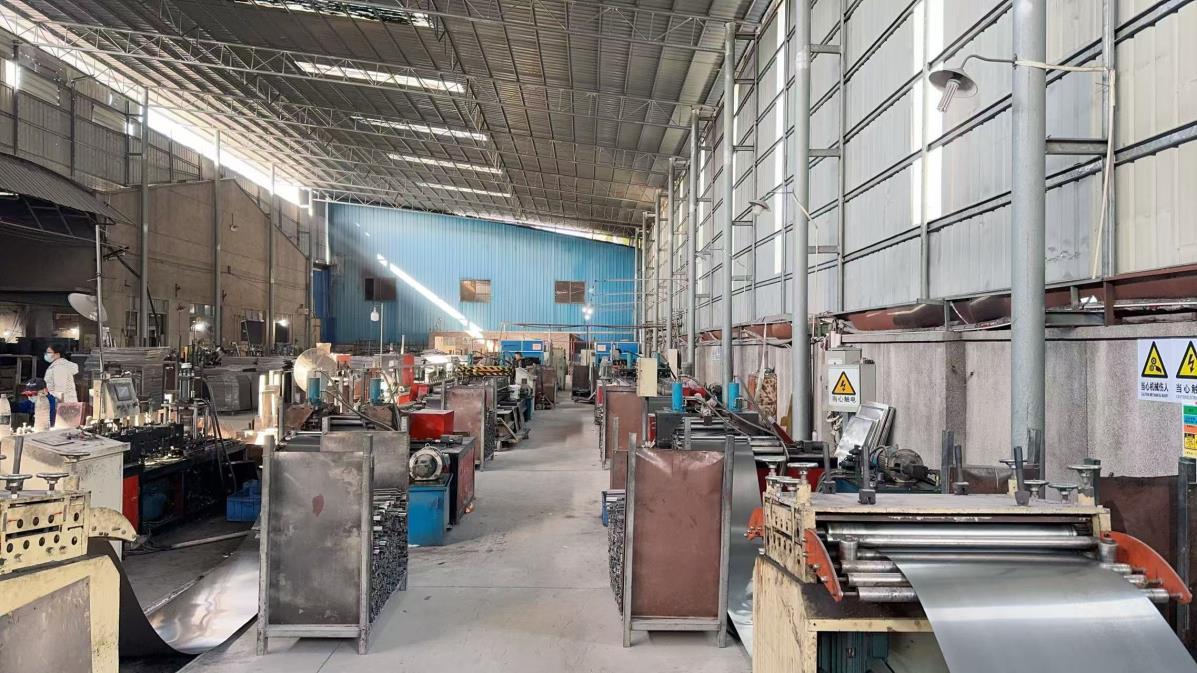
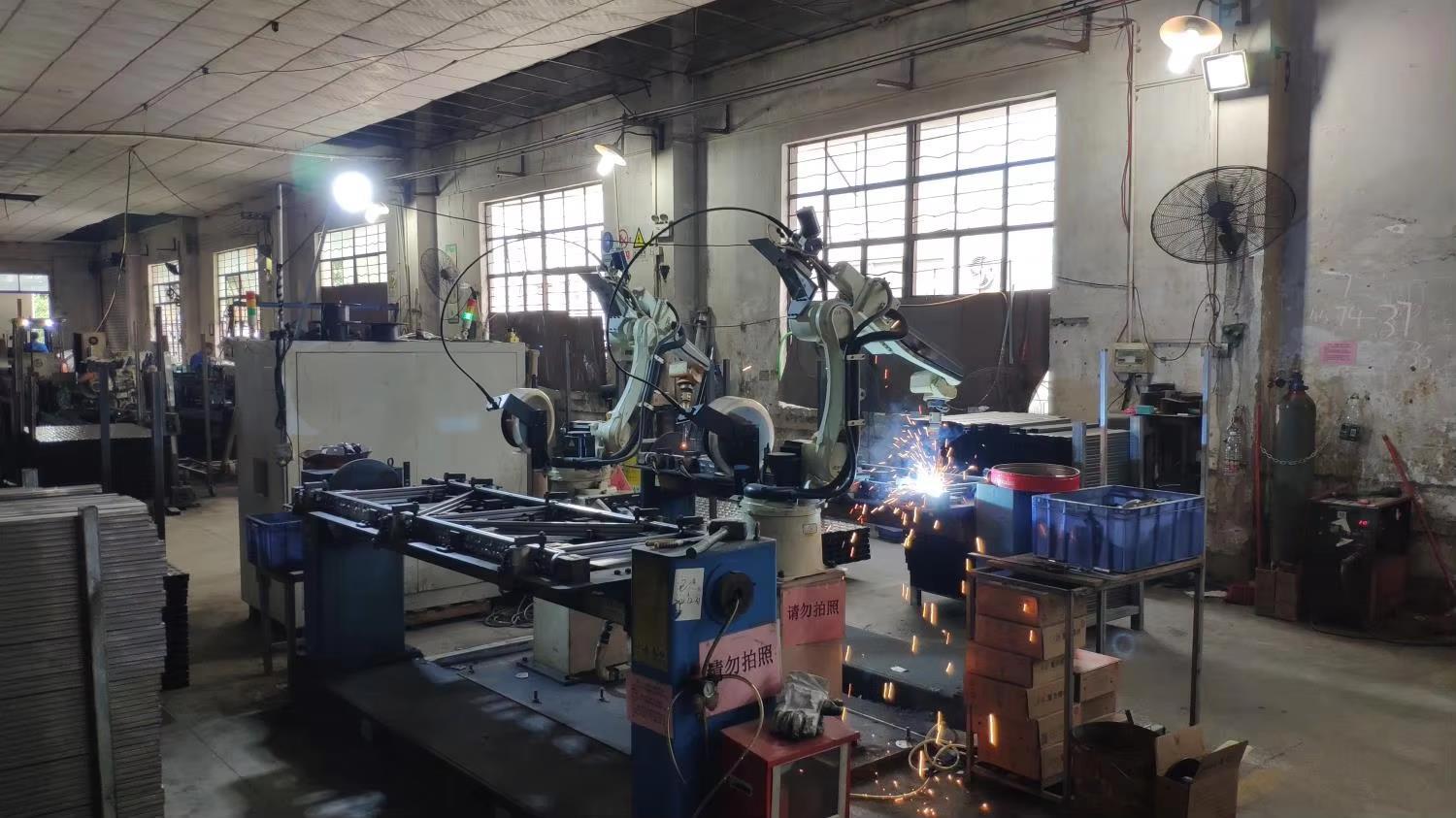
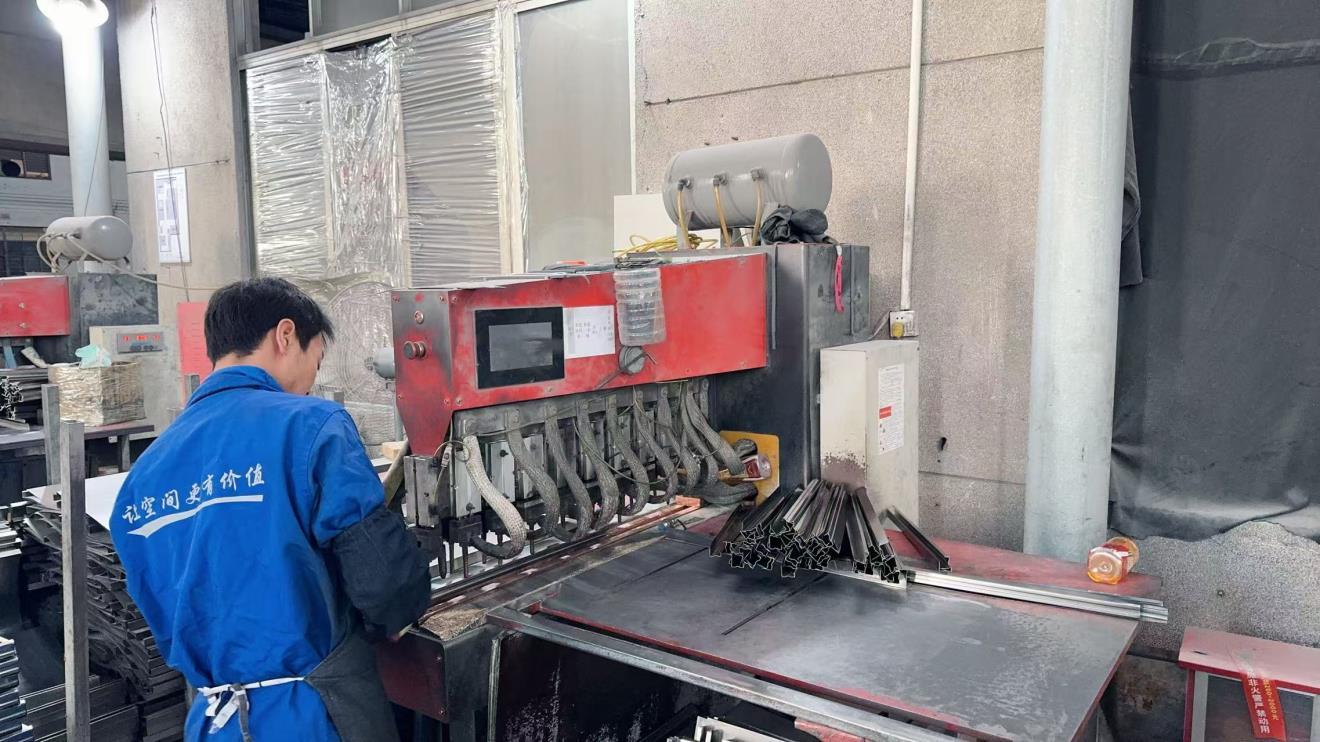
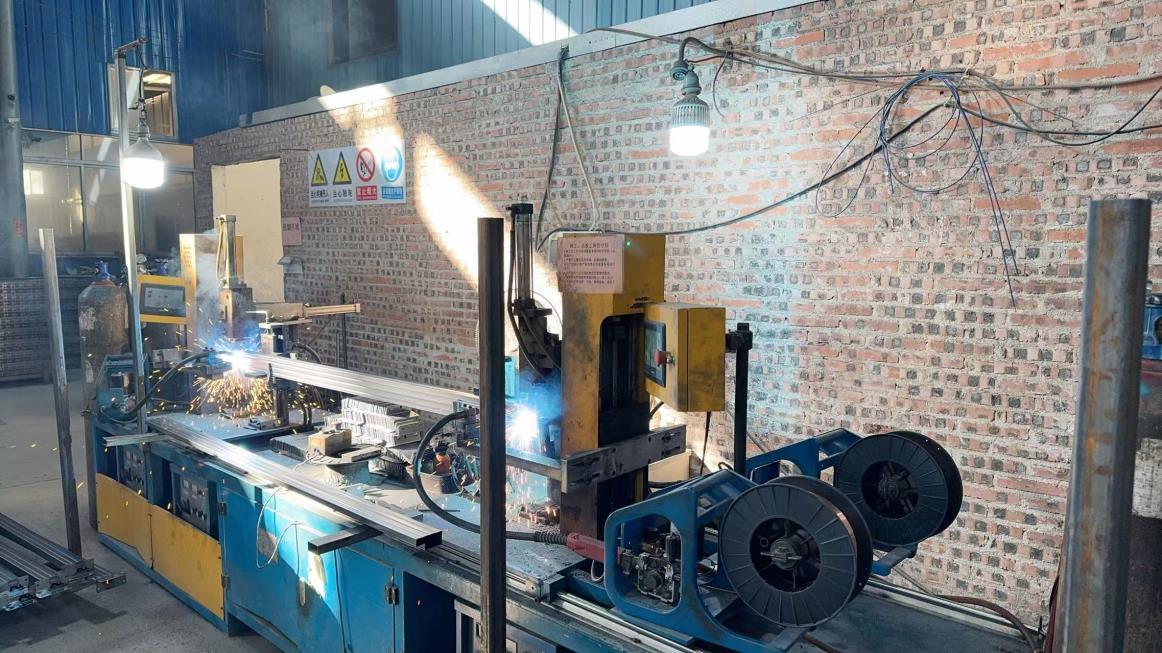
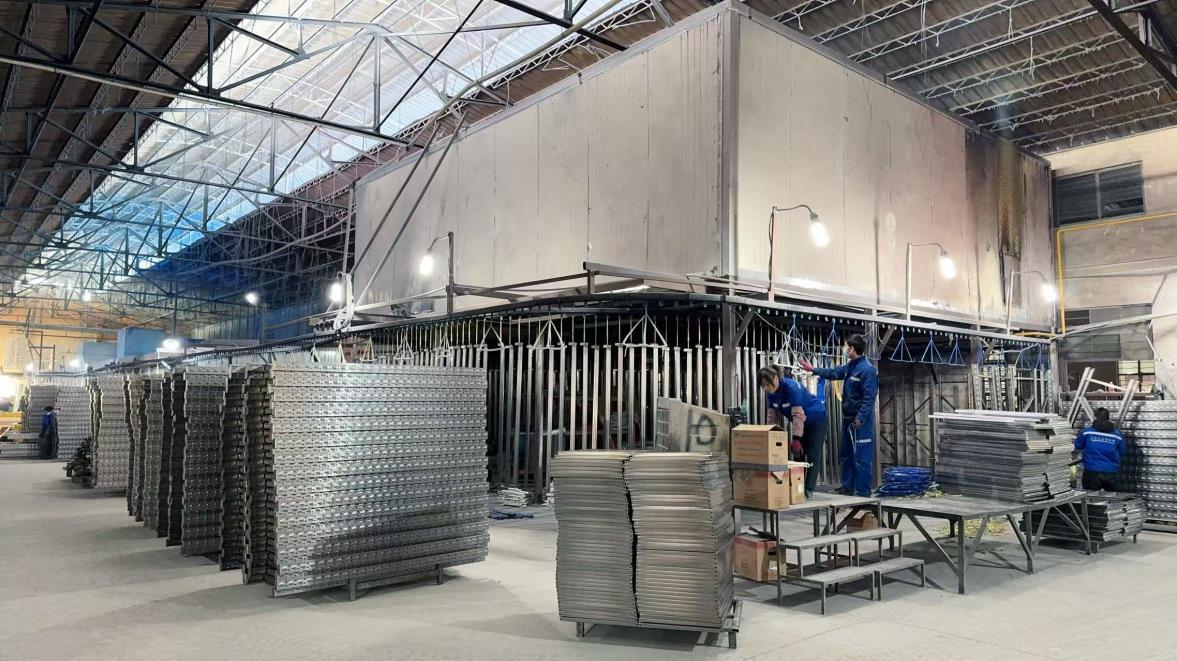
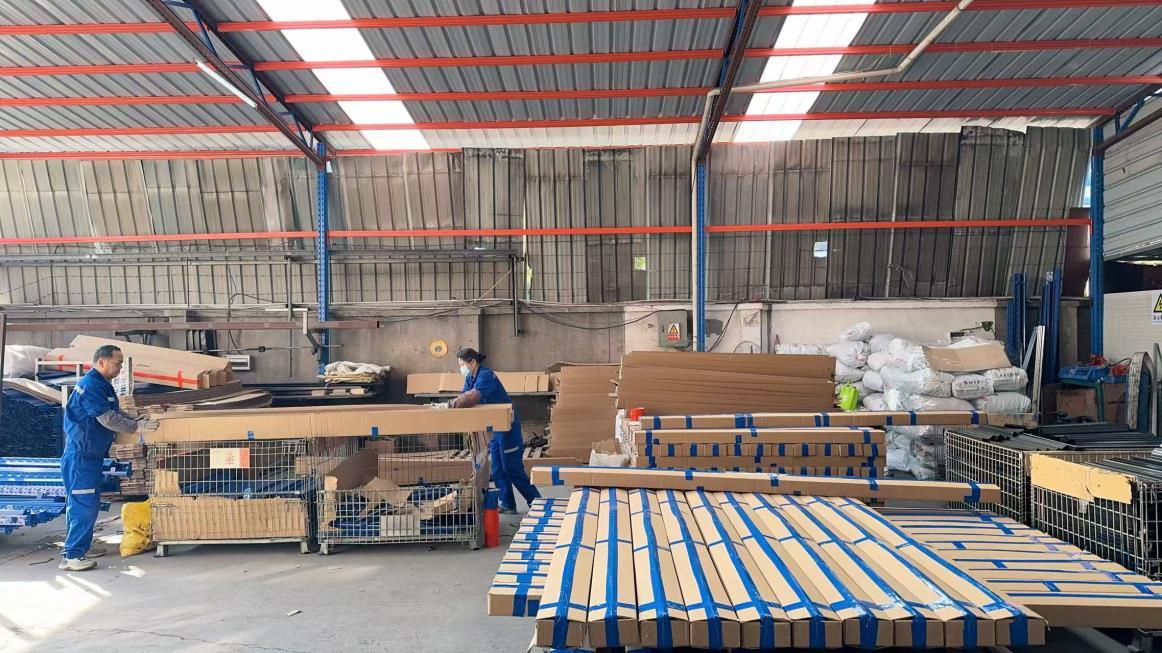
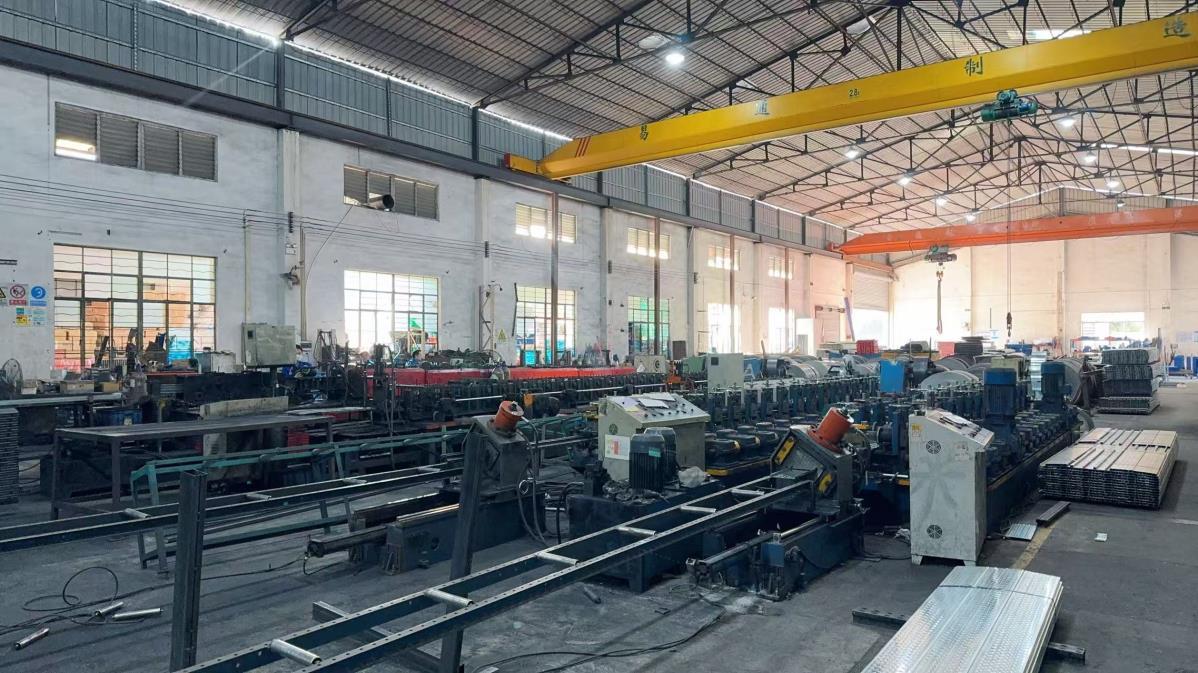
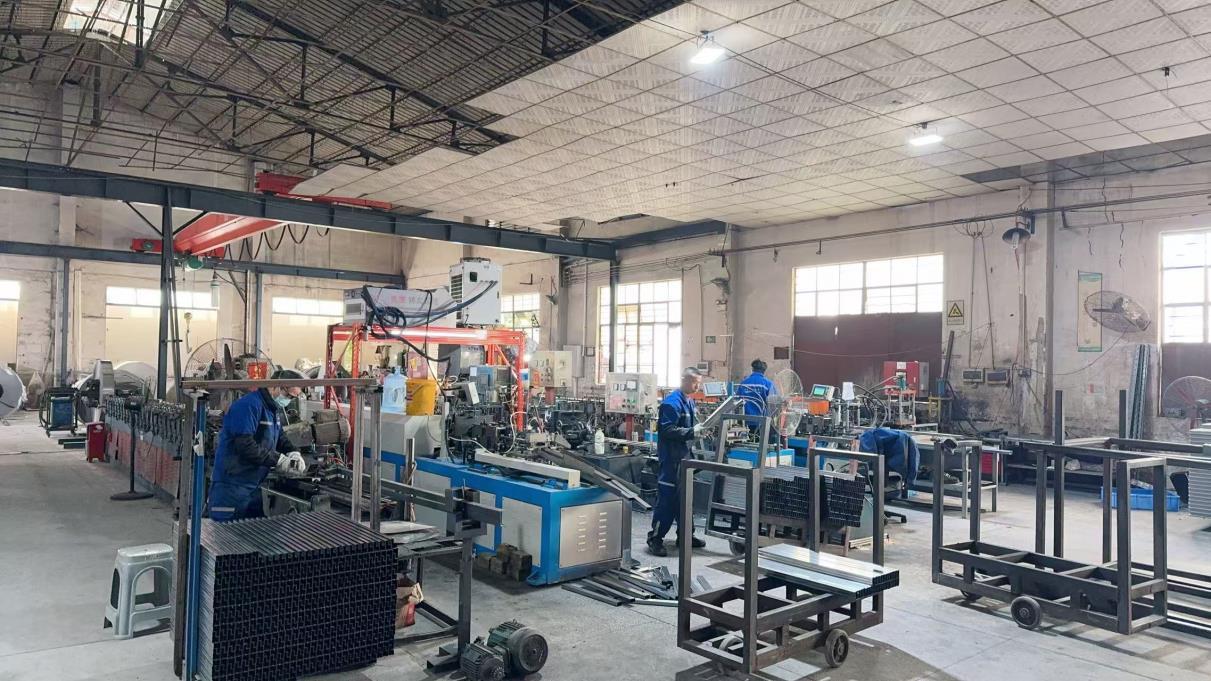
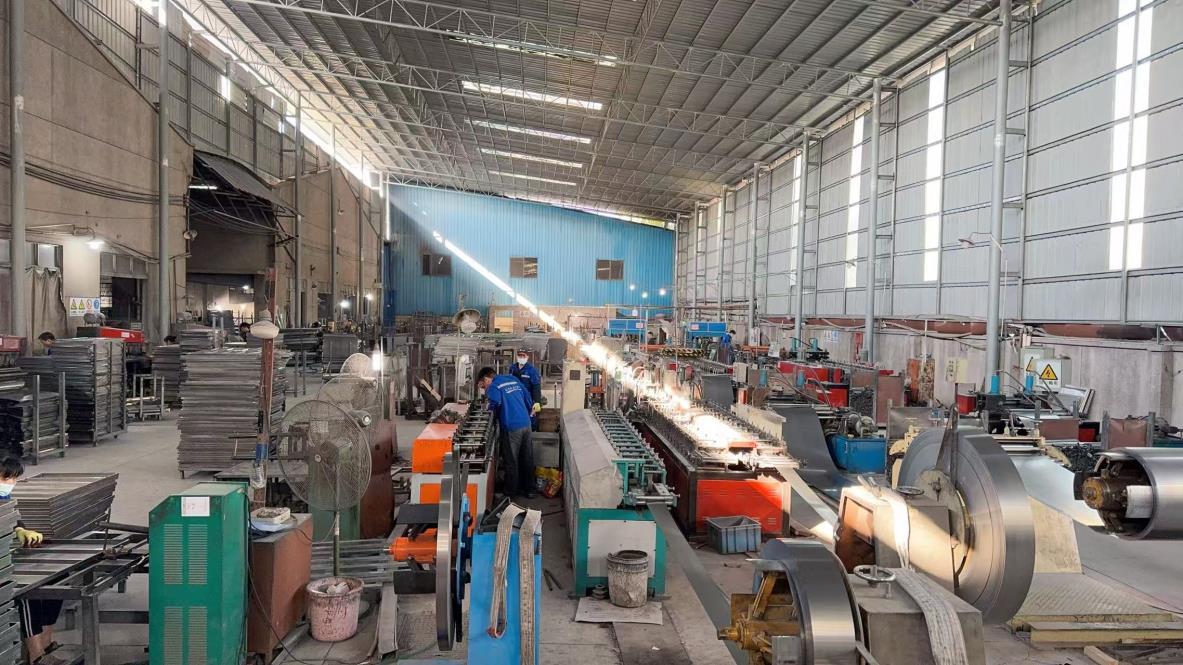
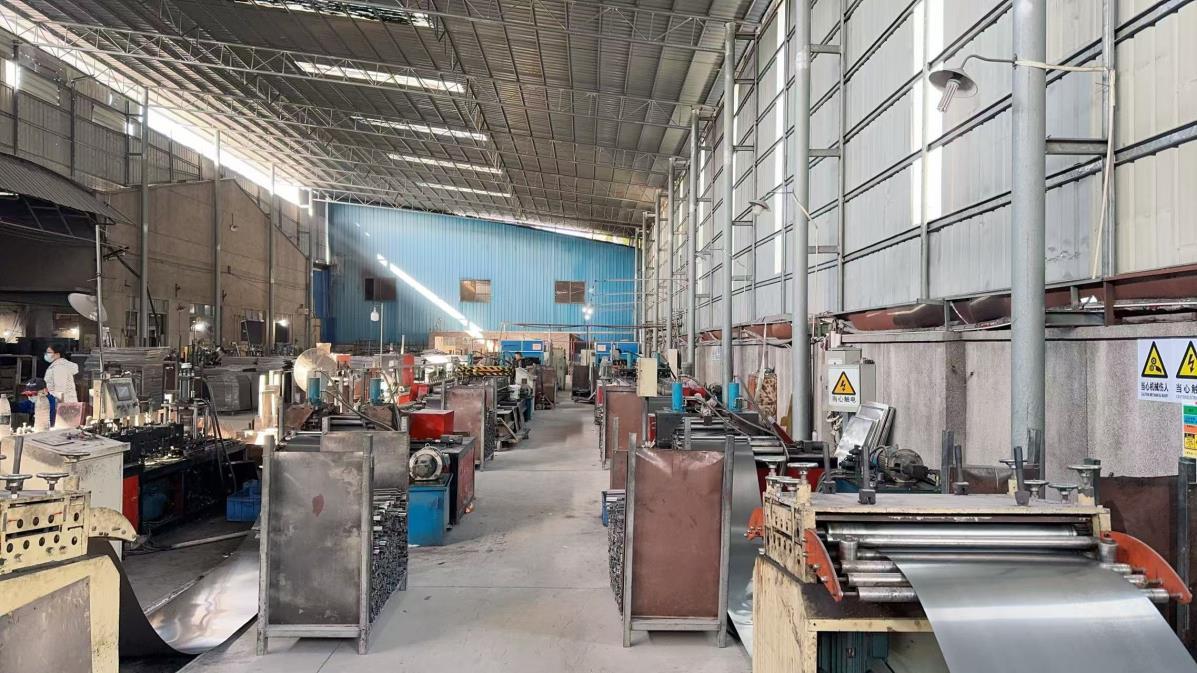
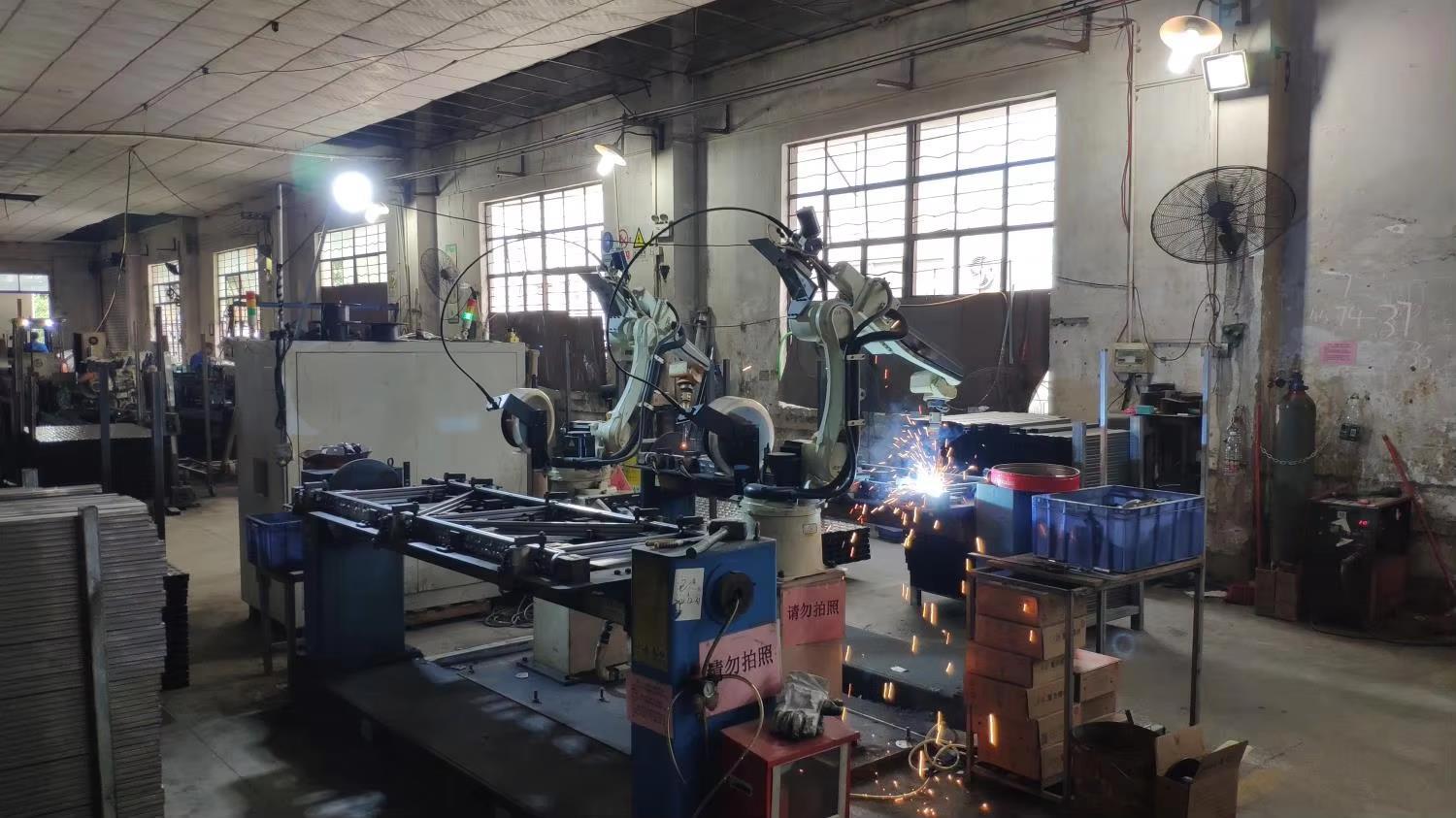
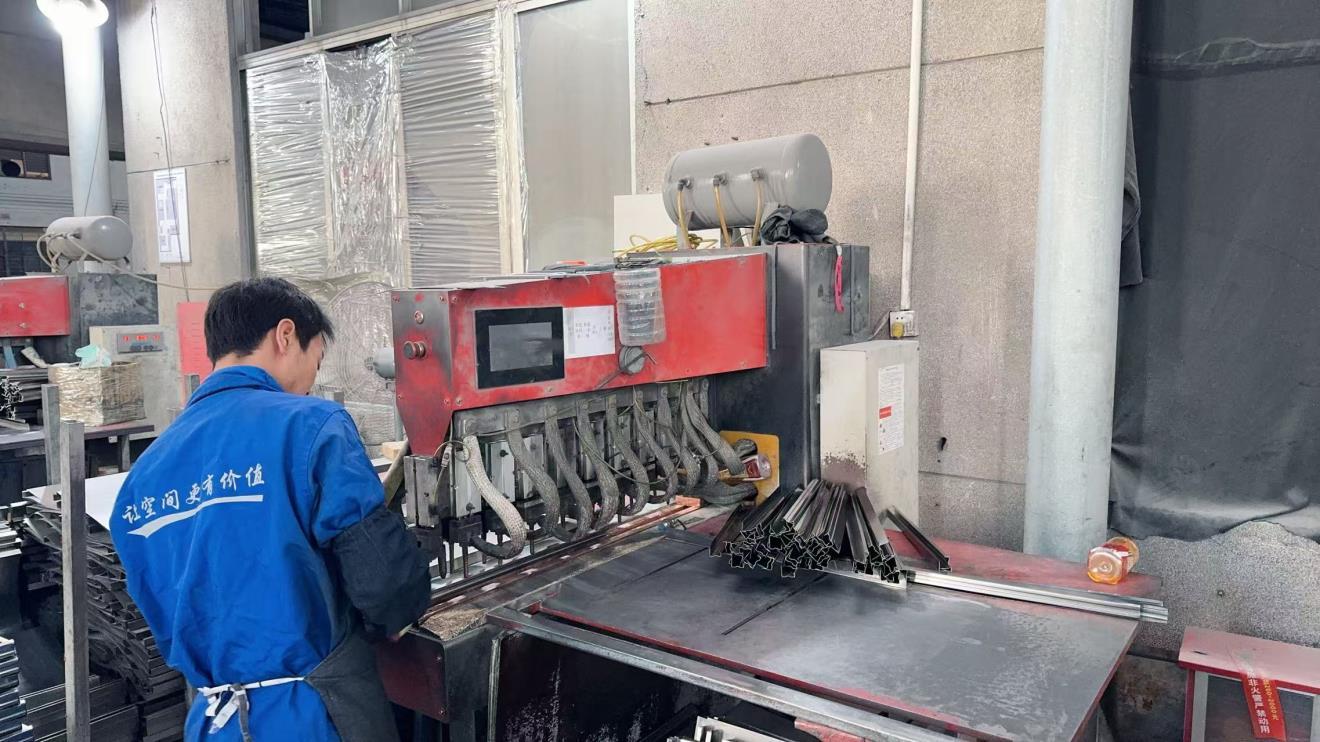
Procuring medium duty racking requires evaluation of mechanical capacities, dimension flexibility, and raw material thickness metrics. The guide below highlights global manufacturing parameters:
| Evaluation Parameter | Light-Medium Duty System | Industrial Medium-Duty System | Heavy-Medium Duty System | |
|---|---|---|---|---|
| Load Capacity Per Tier | 100 kg - 200 kg | 200 kg - 350 kg | 350 kg - 500 kg | |
| Raw Material Specification | SPCC Cold-Rolled Carbon Steel | Q235 Structural Carbon Steel | Q235B / Q355 High-Strength Steel | Thickness: 0.8mm - 1.2mm |
| Upright Frame Dimensions | 50mm x 30mm x 1.2mm | 55mm x 47mm x 1.5mm | 60mm x 50mm x 1.8mm | |
| Beam Profiles Available | Z-Beam / Step-Beam (1.2mm) | P-Type Tube Beam (1.5mm) | Box Beam / C-Channel (1.8mm-2.0mm) | |
| Safety Deflection Standard | L/150 Max Deflection Limit | L/200 Under Static Uniform Load | L/240 Under Maximum Safe Load | |
| Corrosion Resistance Treatment | Standard Epoxy Powder (60μm) | Powder Coating (80μm-100μm) | Hot-Dip Galvanized / Anti-Acid Finish |
In high-density industrial storage, mechanical performance is highly dependent on design standards. Structural safety requires consideration of local buckling, torsional stiffness in upright columns, and shear capacity of the hook connectors.
Raw Material & Tensile Strength: Leading manufacturers utilize premium Q235 structural carbon steel, offering yield strength values of 235 MPa. Raw steel coils are tested for grain-structure homogeneity, yield points, and tensile resistance. High ductility ensures the structural profile undergoes plastic deformation under accidental load surges rather than catastrophic failure.
Connector Technology & Boltless Safety Locks: The engineering transition from traditional bolted systems to boltless, butterfly-hole/trapezoidal-hook configurations has optimized assembly workflows. When load is applied to a step beam, the hook is driven deeper into the upright column taper, increasing system stability. Safety locking pins prevent accidental beam displacement by material handling equipment.
Corrosion Mitigation Systems: Warehousing operations in chemical plants, food storage, or high-humidity regions require resilient metal surfaces. Modern treatment processes apply automated multi-stage washing, acid pickling, zinc phosphate conversion, and electrostatic epoxy-polyester powder spraying. The finish is cured at 180°C to 200°C to achieve a minimum dry film thickness of 80 microns, withstanding salt spray testing protocols (ASTM B117) for over 500 hours.
Procuring industrial racks at scale requires thorough verification of regulatory compliance. Different regions enforce specific engineering regulations to protect warehouse operators and structural integrity:
Structural & Regulatory Codes: In European markets, racks must comply with FEM 10.2.02 (Design of Static Steel Shelving) and EN 15635 (Application and Maintenance of Storage Equipment). In North America, the Rack Manufacturers Institute (RMI) standards govern load testing and safety factors. Australasian installations must adhere to AS 4084, detailing specifications for structural testing and seismic load resistance.
Critical Sourcing Mitigations: Procurement managers face risks including material substitution, steel thickness variance, and weld porosity. To address these, buyers should mandate raw material mill test certificates (MTC) matching steel chemistry, verify that manufacturer-reported frame load capacities include a 1.5 safety factor, and require third-party inspections (e.g., SGS, TÜV) for structural weld integrity and coating thicknesses before shipment clearance.
Answers to technical, regulatory, and logistical questions frequently asked by structural engineers and supply chain directors.
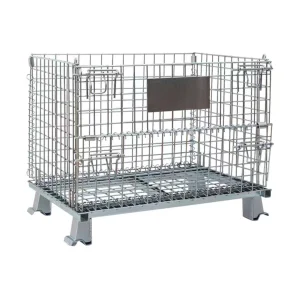
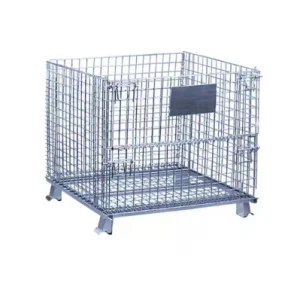
Industrial shelving, modular wire mesh containers, and high-density warehouse racking platforms built to global safety codes.
 Kimsuk Steel