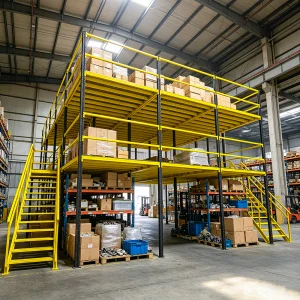
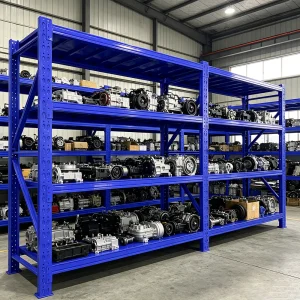
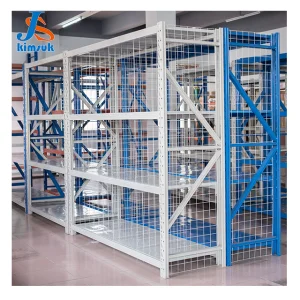
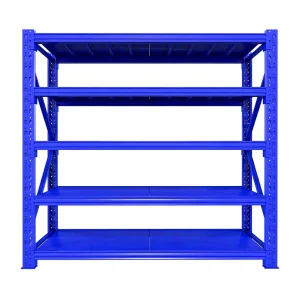
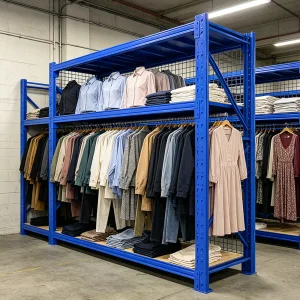
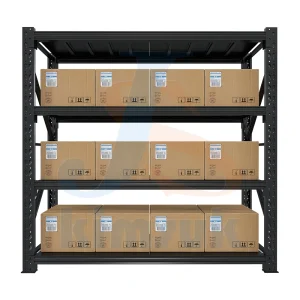
High-performance warehouse racking, mezzanine platforms, and structural steel configurations optimized for heavy duty capabilities.
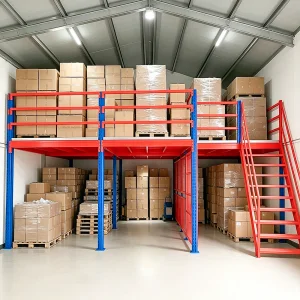
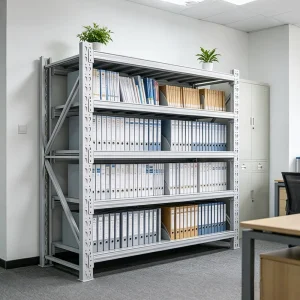
In the modern era of logistics, warehousing is no longer merely a static space for physical inventory accumulation. Dynamic land valuation, combined with volatile consumer demand fluctuations and labor deficits, has catalyzed a major transition towards semi-automated storage models. Chief among these solutions is the Radio Shuttle Racking System—a deep-lane pallet storage infrastructure utilizing autonomous shuttle runners to move loads within racking channels. As a leading OEM/ODM Radio Shuttle Storage Supplier and Exporter, Dongguan Kimsuk Shelves Co., Ltd. is positioned at the center of this transformation, providing high-integrity, customizable racking setups integrated with advanced automation capabilities.
Statistically, the global market for semi-automated pallet shuttle systems is experiencing a compound annual growth rate (CAGR) of over 9.2%. Industrial developers are pivoting away from standard selective pallet racking. Although selective racking offers 100% accessibility, it compromises storage density by requiring extensive aisle footprints. Conversely, traditional drive-in racking improves density but introduces structural risks, slower operational timelines, and potential damage to vertical frames from forklifts. Radio Shuttle technology resolves these issues by keeping lift trucks outside the racking channels, dramatically speeding up throughput and mitigating collisions.
“Information Gain Advantage: Transitioning from traditional forklift-in-rack designs to dynamic radio shuttle systems reduces pallet loading and unloading cycle times by up to 50%, while completely eliminating rack collision damage inside storage lanes.”
Every industrial distribution center presents unique geometric and mechanical challenges. Structural parameters must accommodate temperature-controlled cold storage zones, regional seismic requirements, and varying load weights. Off-the-shelf racking solutions rarely maximize volumetric efficiency under these complex conditions. This is where professional OEM/ODM engineering becomes essential. By working directly with a manufacturer capable of customized steel extrusion, structural calculation modeling, and tailored rail profiling, logistics managers can optimize their facilities for exact space utilization, load limits, and automated performance.
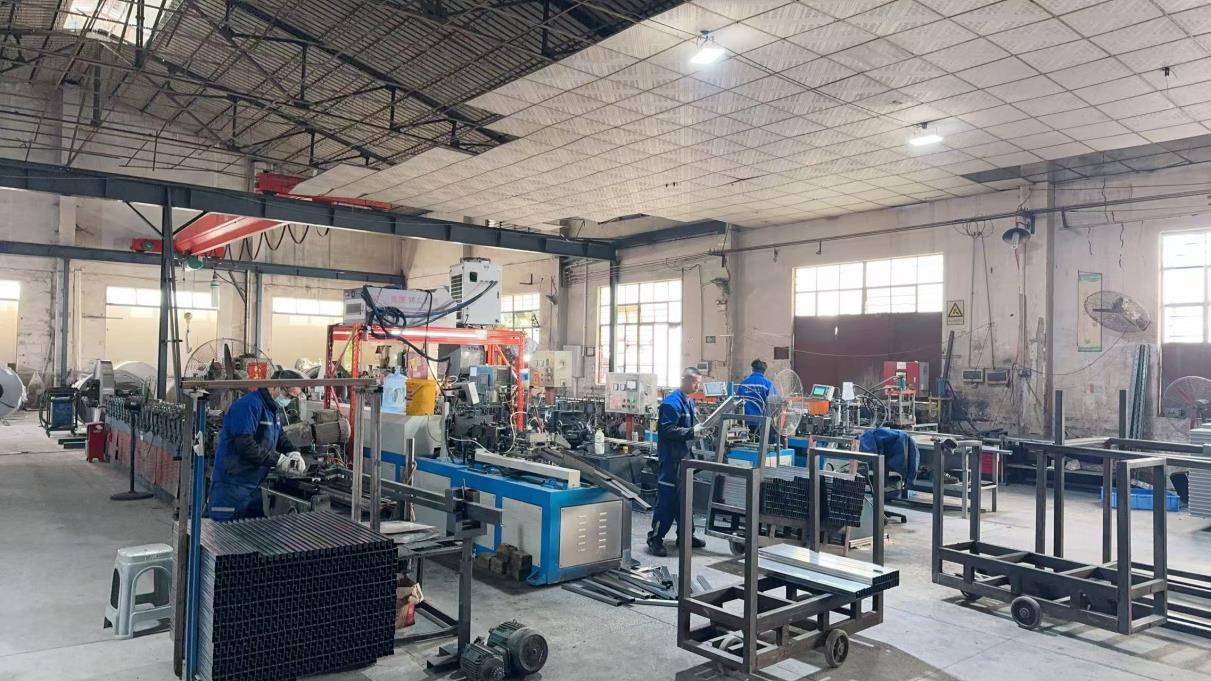
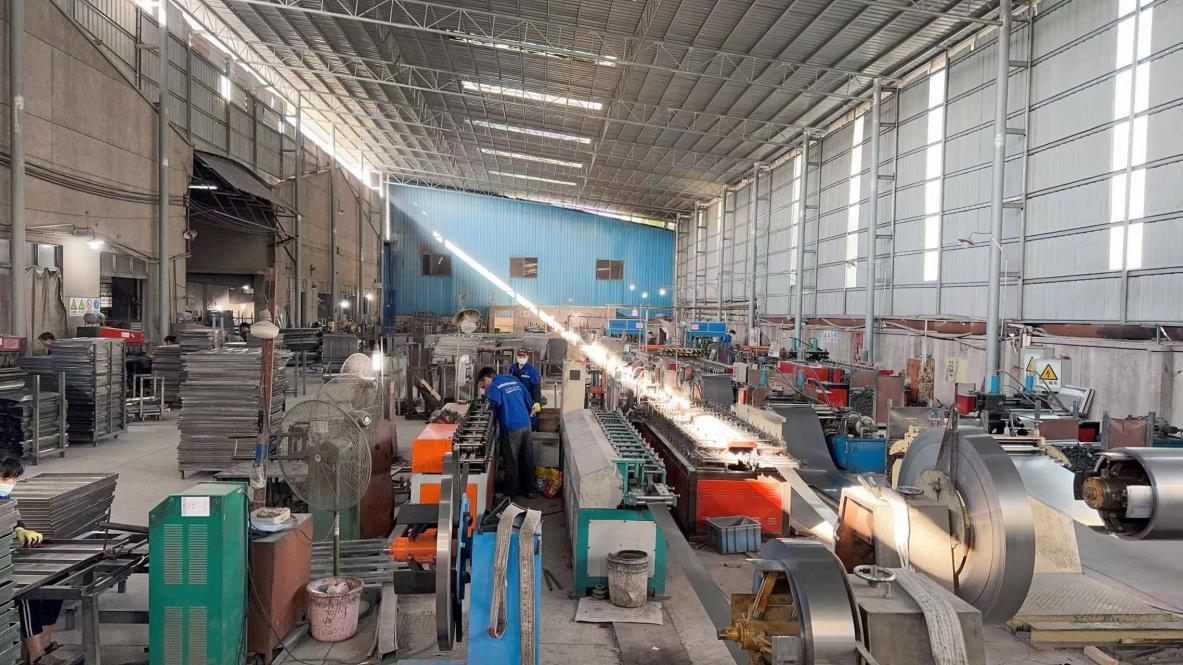
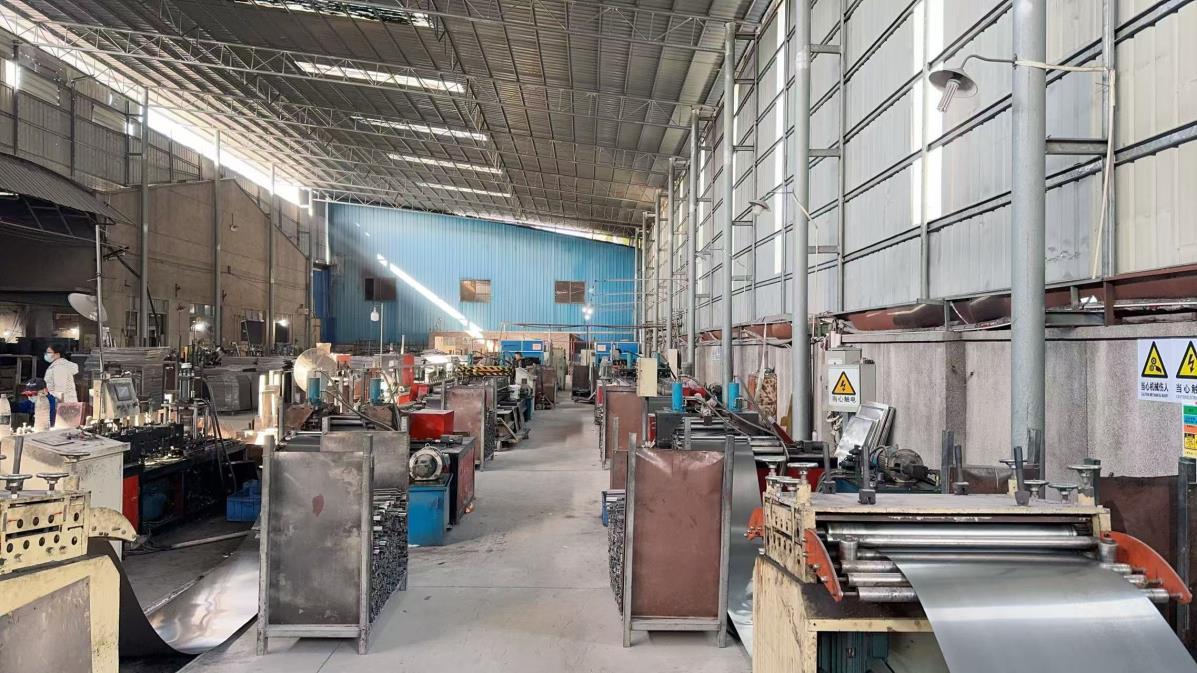
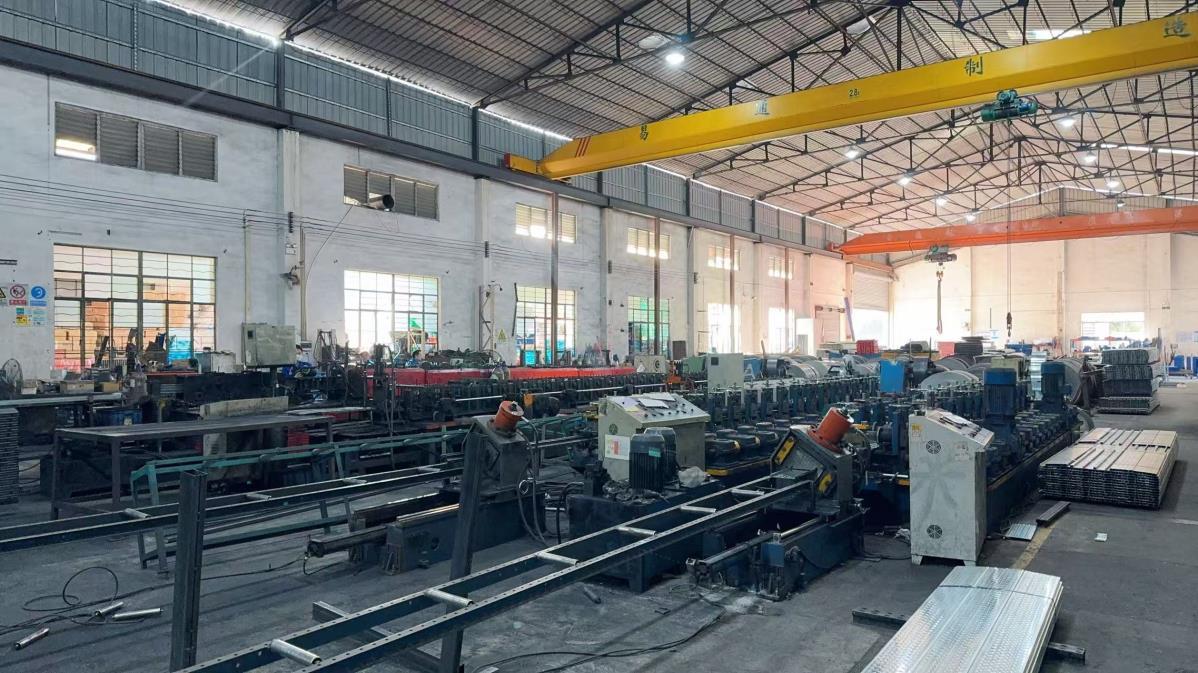
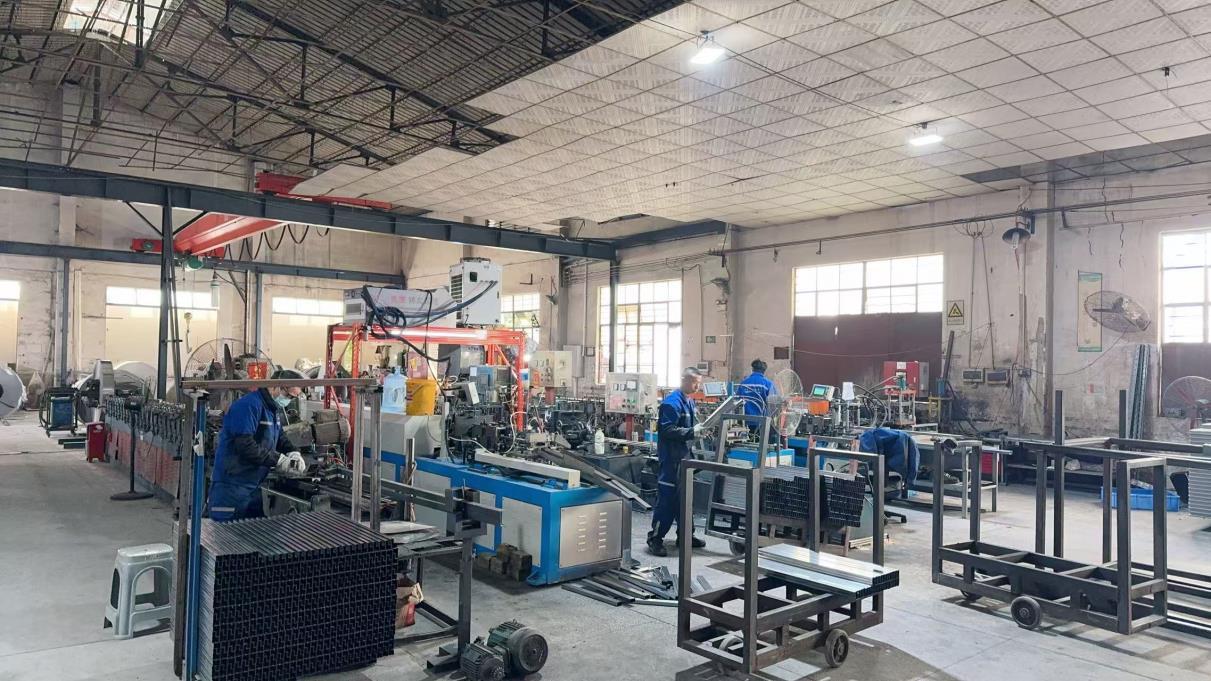
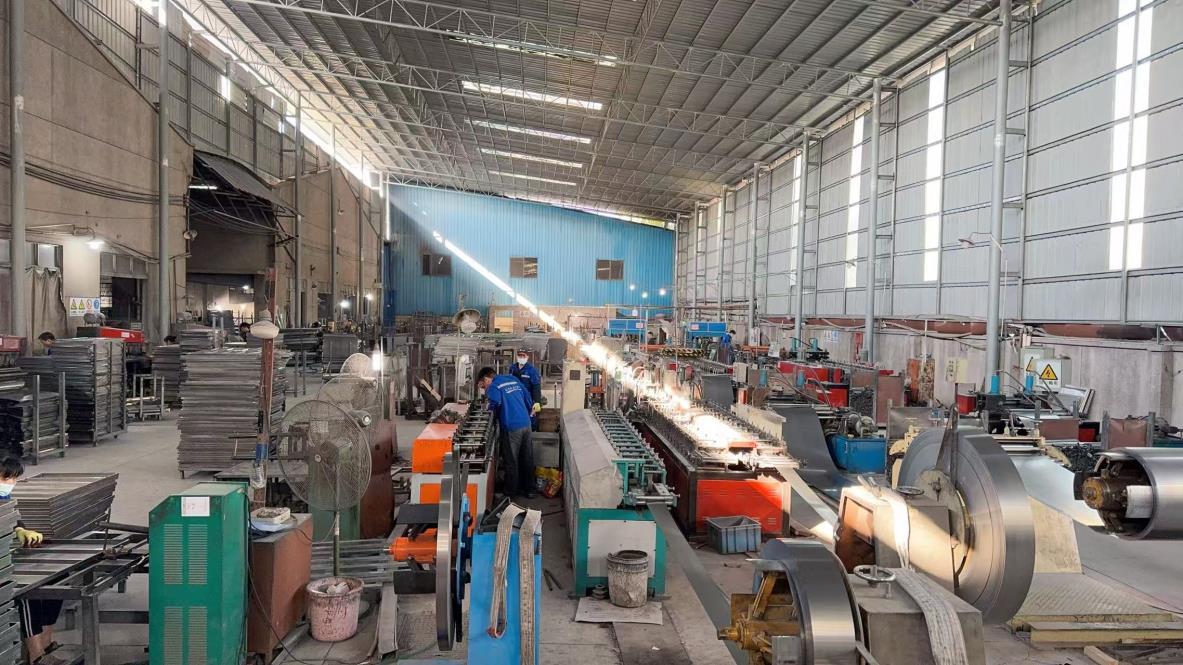
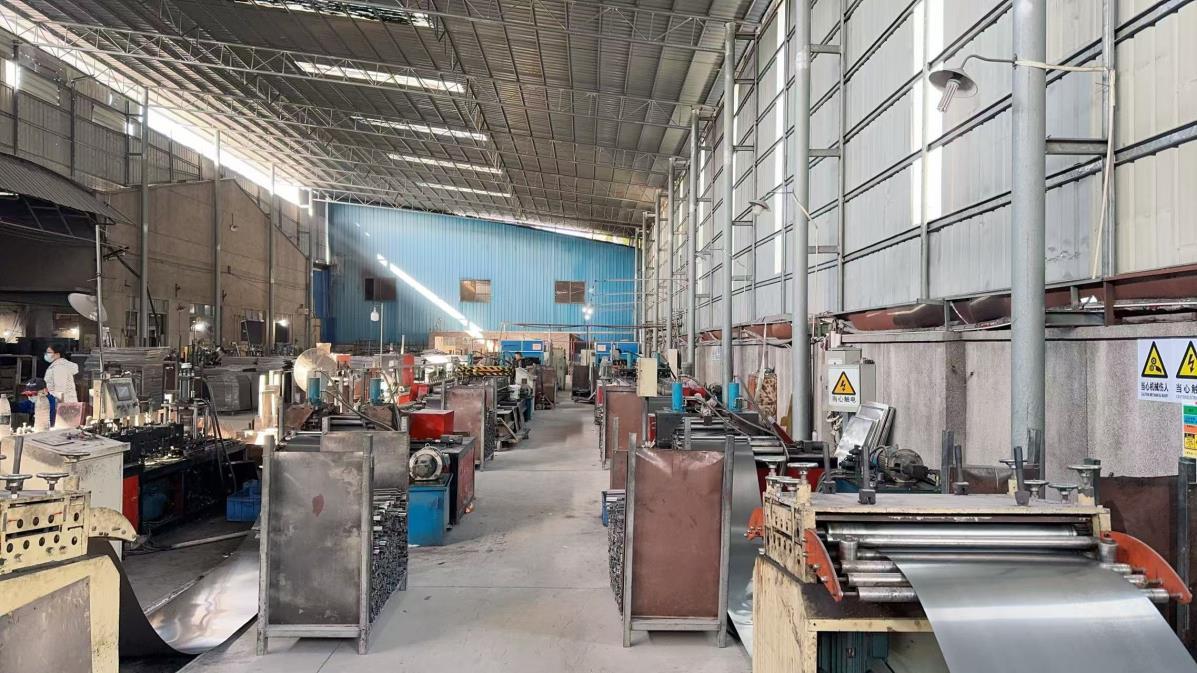
Established in 2015, Dongguan Kimsuk Shelves Co., Ltd. is a leading manufacturer specializing in the design, engineering, and production of heavy-duty industrial shelving and warehouse storage systems. Operating from a modern production facility spanning 32,000 square meters, we have grown into a trusted global supply chain partner with 11 years of industry expertise and 8 years of direct international export experience. Driven by robust manufacturing capability, our annual export revenue reaches $18 million, serving clients across key international markets, including North America, Europe, Southeast Asia, and the Middle East.
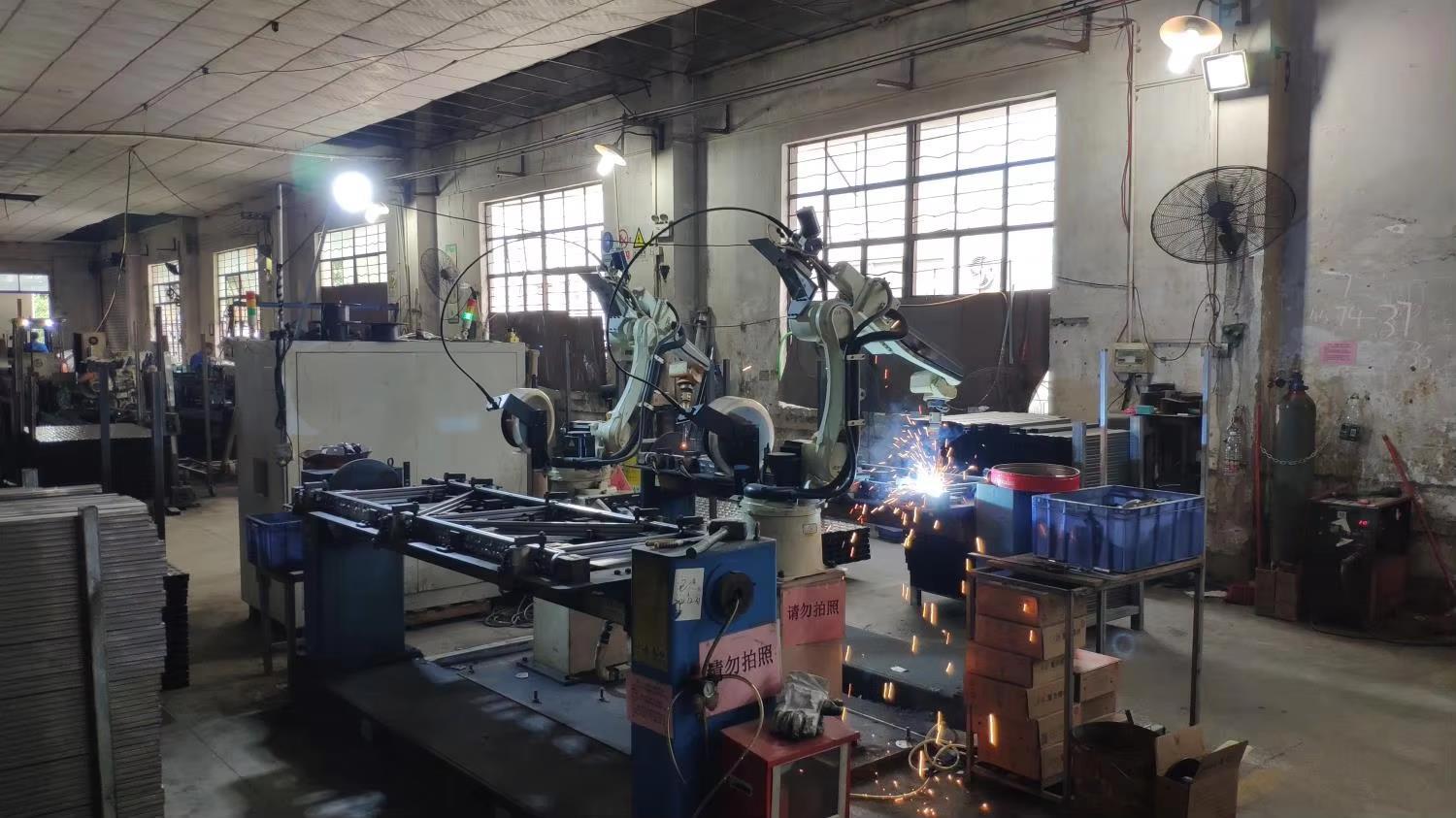
Quality and precise engineering are at the core of our operations. We maintain a strict Quality Assurance protocol supported by a dedicated team of 35 QA/QC inspectors. Our comprehensive product inspection methods combine automated non-destructive testing, raw material tensile testing, load-bearing stress evaluations, and precision powder-coating thickness measurements. Supported by an extensive network of over 850 verified supply chain partners, we consistently deliver reliable, high-integrity racking systems to a diverse client portfolio, ranging from large-scale logistics hubs and third-party logistics (3PL) providers to industrial manufacturing facilities and commercial retail distributors.
Innovation drives our growth. Our in-house R&D team consists of 18 senior structural and engineering specialists capable of delivering full OEM/ODM custom solutions. From tailored rack dimensions and heavy load capacities to specialized seismic-resistant structures and anti-corrosion surface finishes, we turn complex warehousing requirements into optimal designs. Demonstrating our continuous drive for innovation, we successfully developed and launched 120 new product models and modular storage enhancements last year alone. At Dongguan Kimsuk Shelves Co., Ltd., we remain committed to maximizing warehouse space efficiency and delivering long-term value to our global partners.
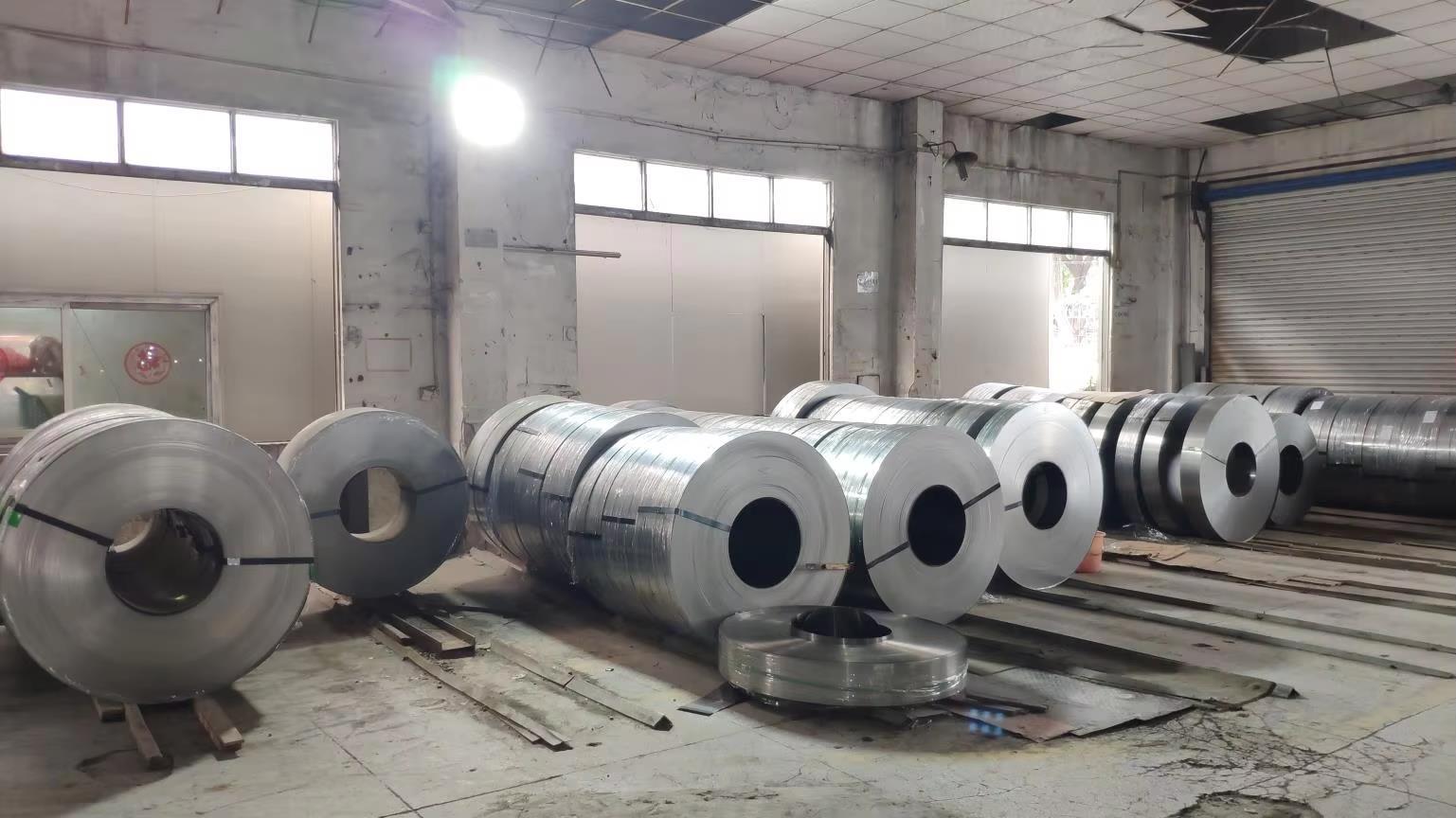
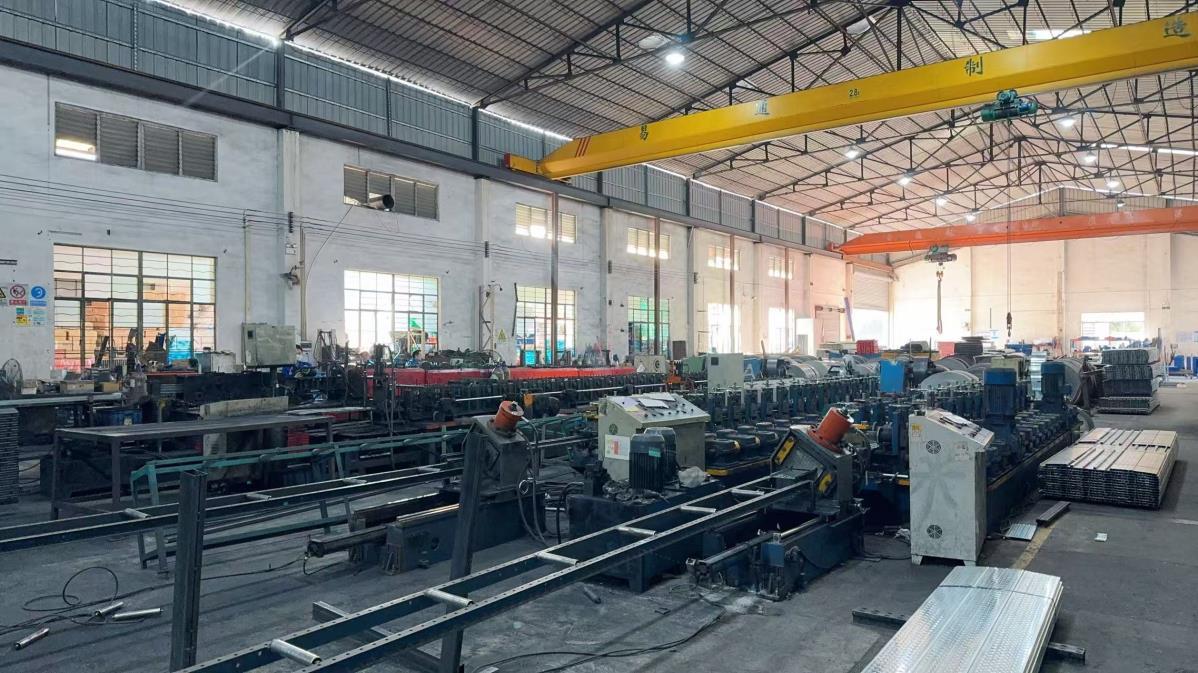
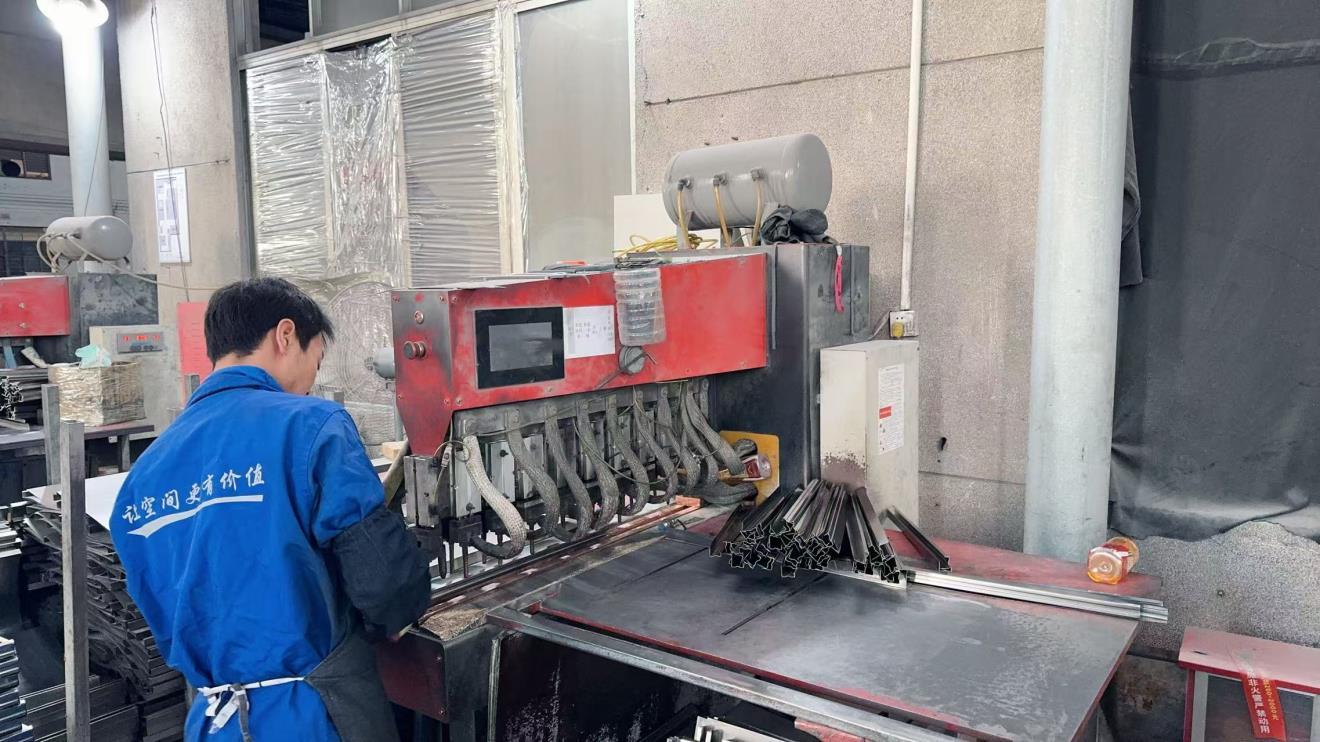
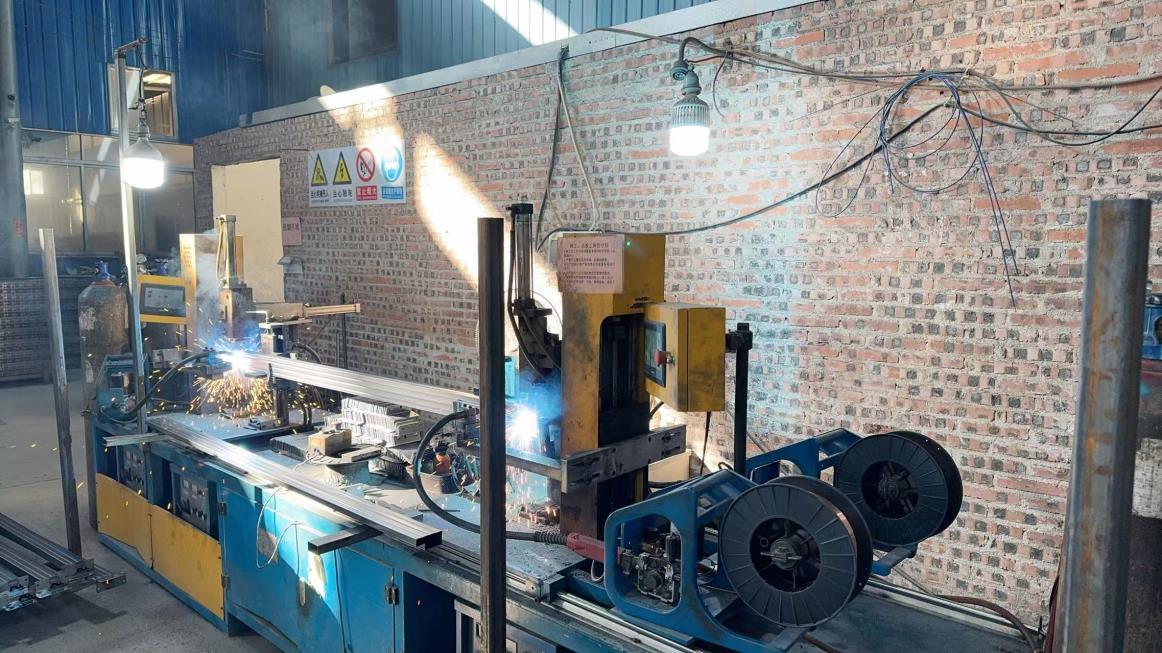
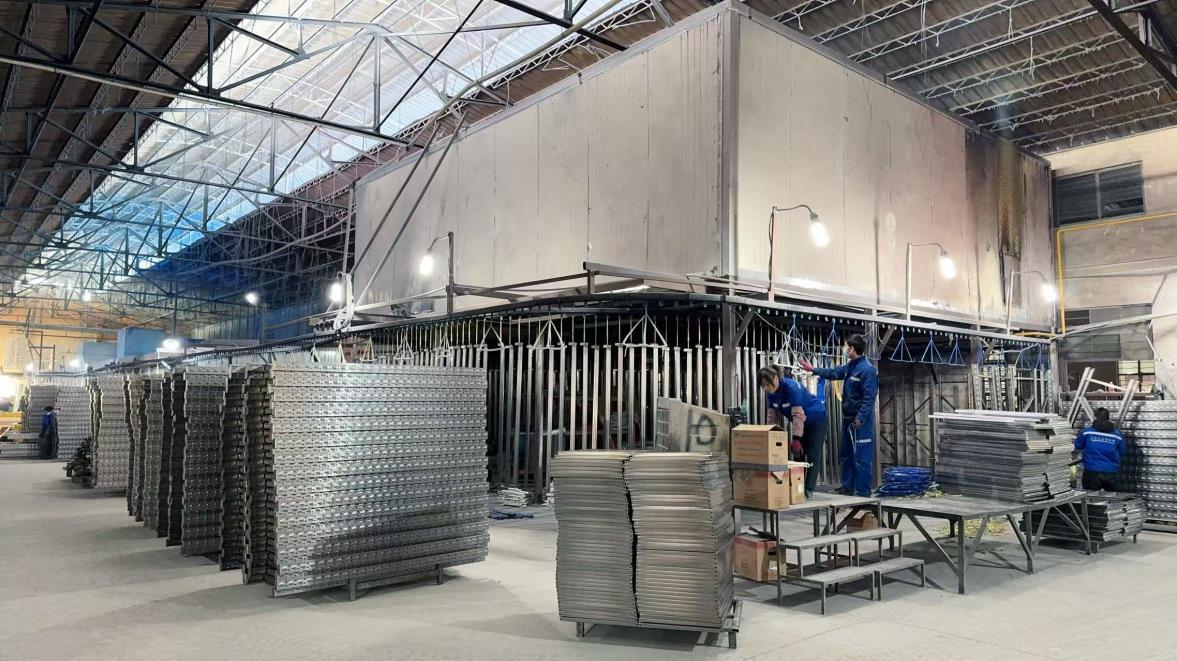
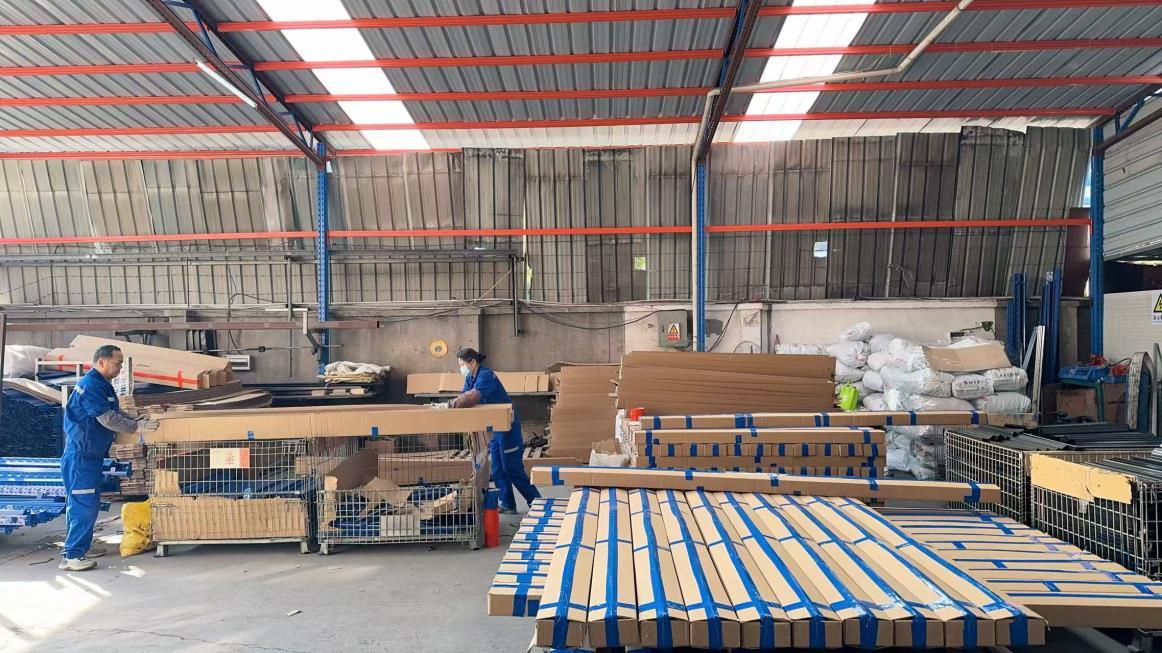
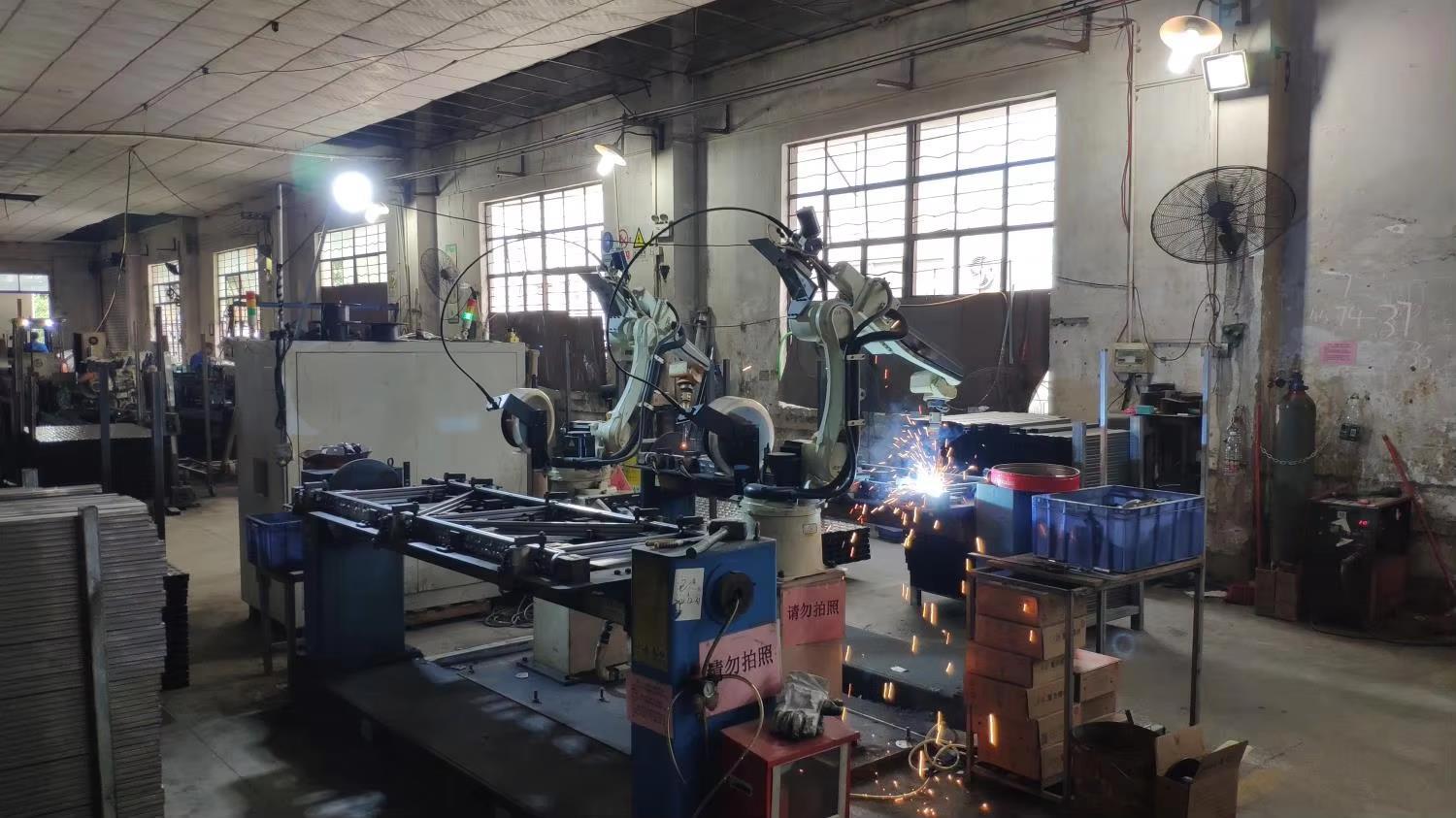
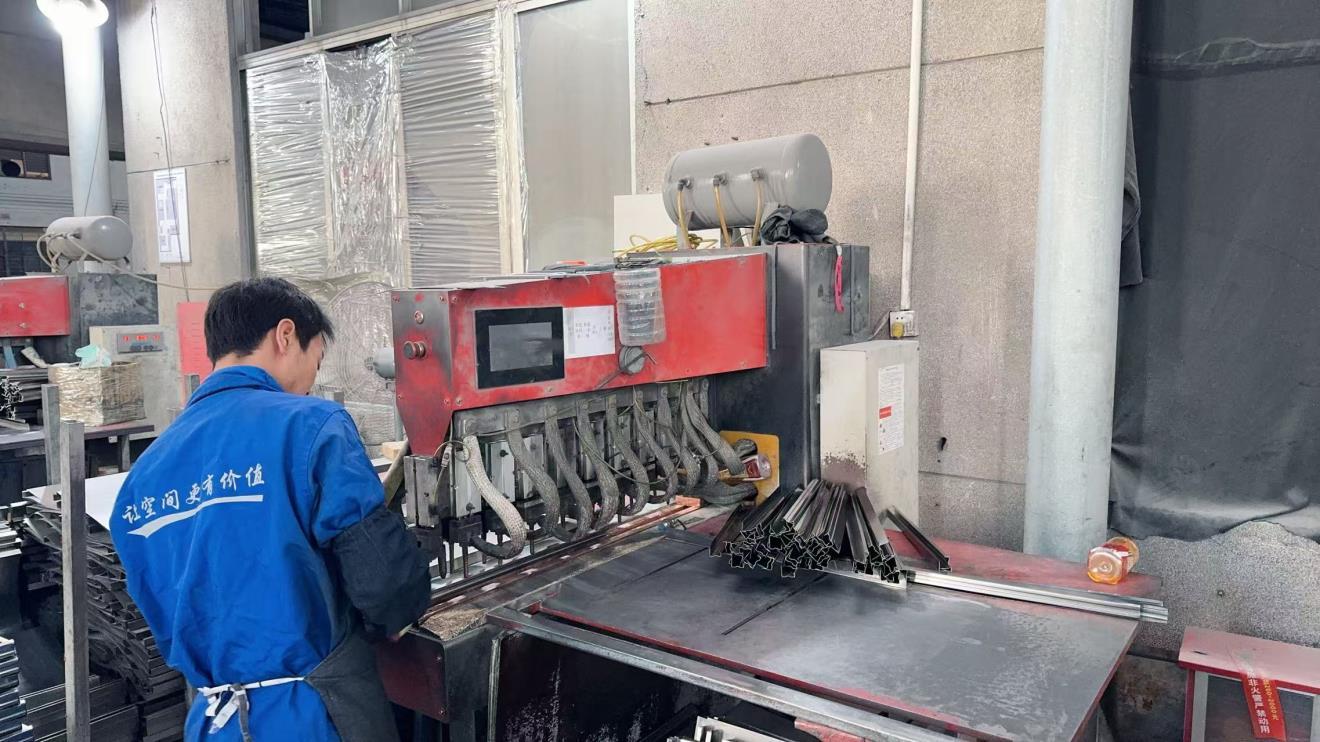
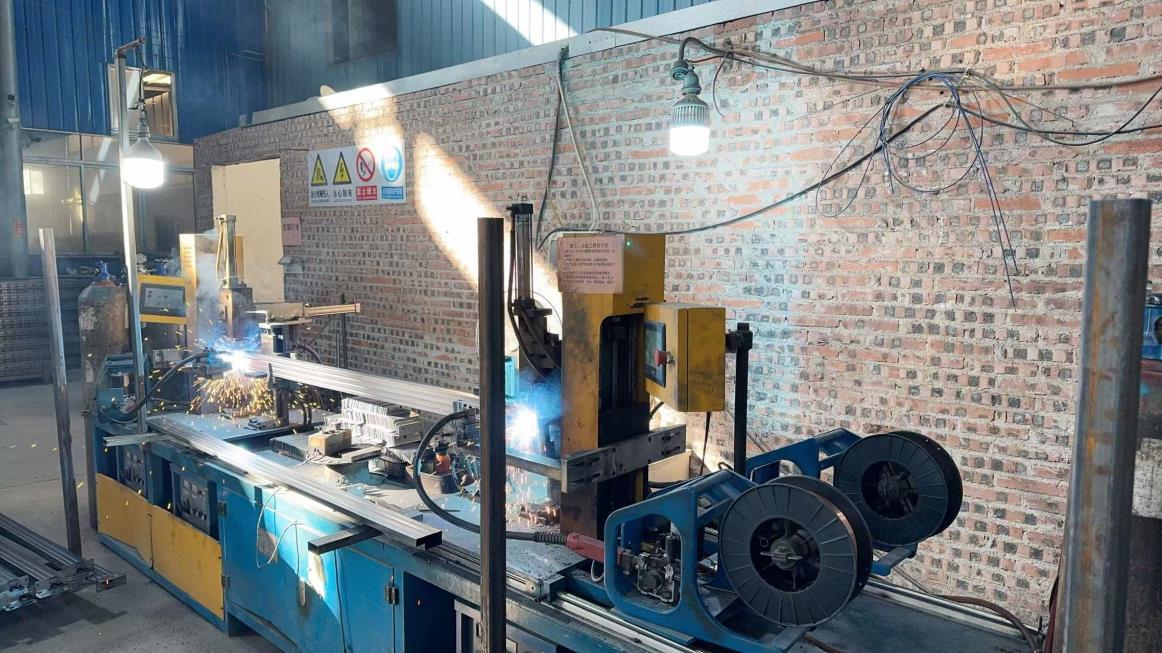
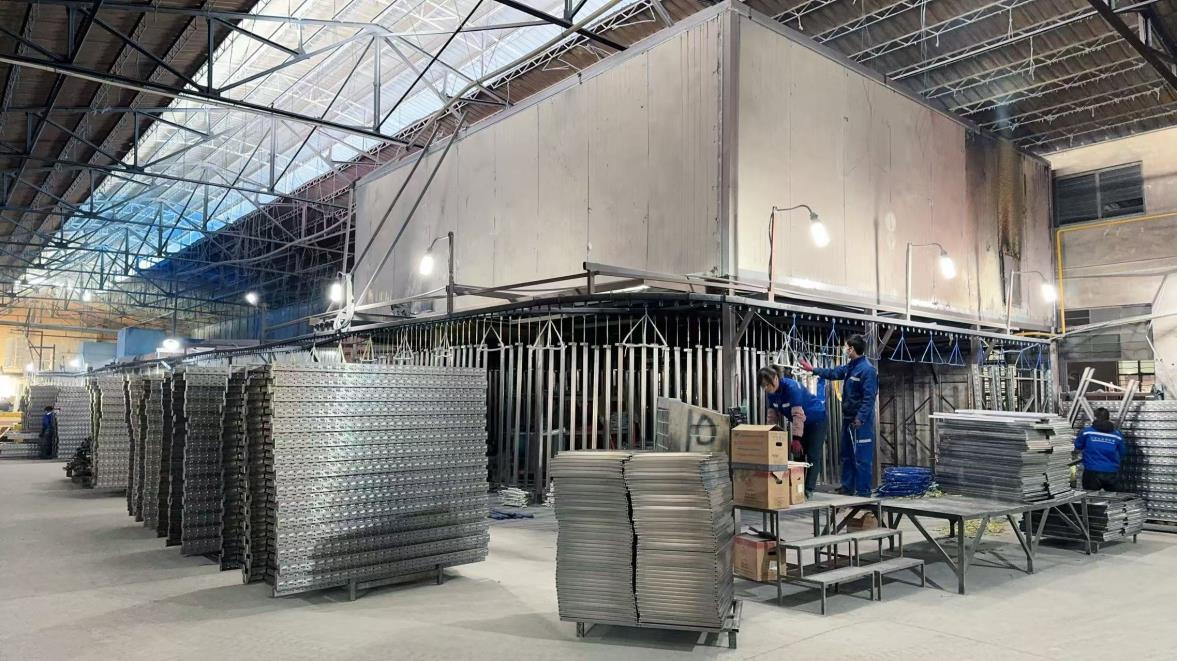
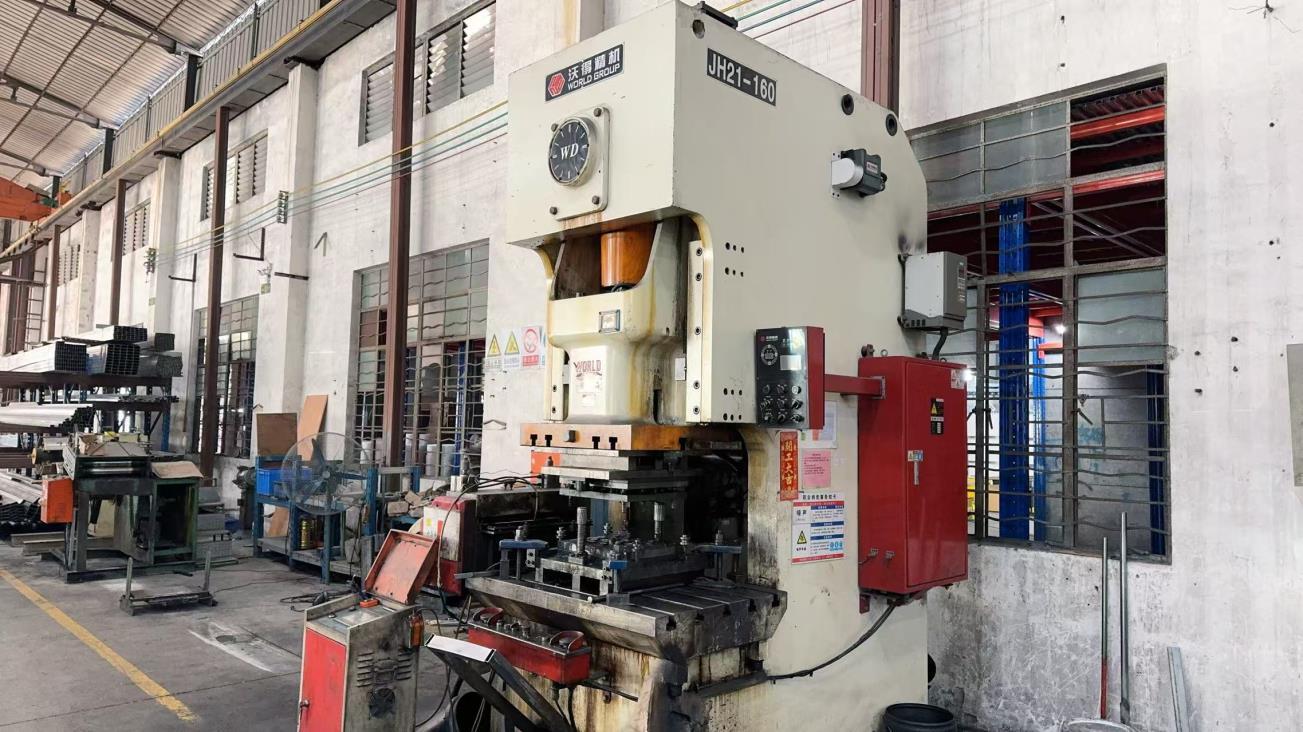
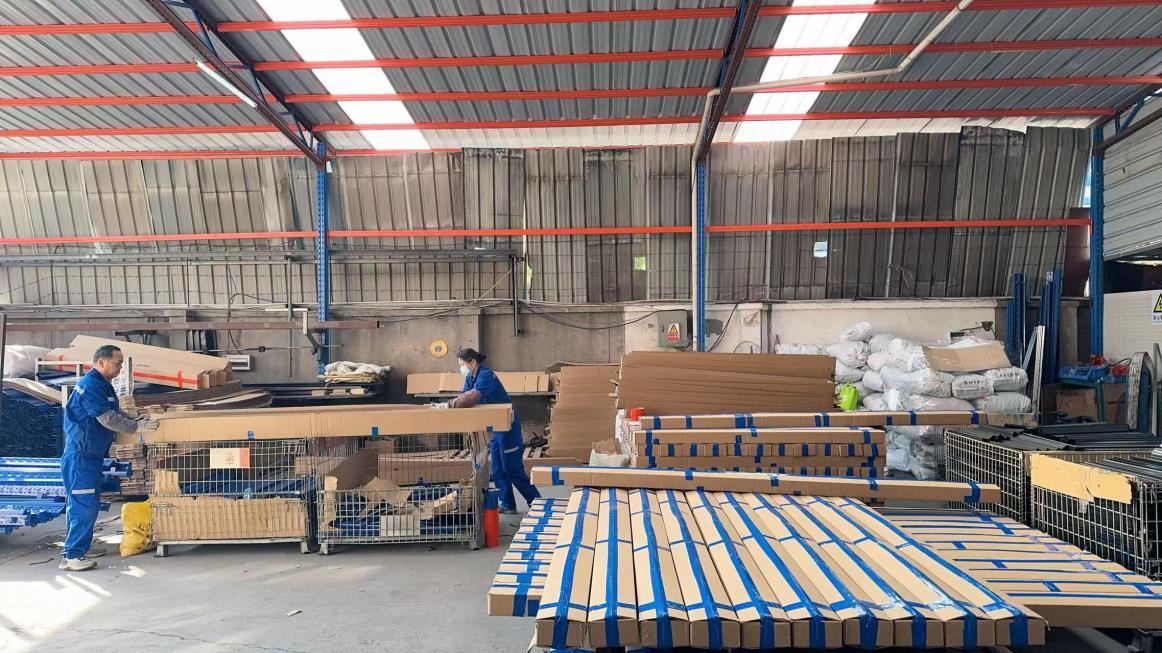
From raw structural steel to fully tested and powder-coated storage rack units, our in-house manufacturing process ensures exceptional durability and dimensional accuracy.
The evolution of high-density storage technology is shifting from semi-automated configurations to fully integrated cyber-physical networks. Our engineering division continuously updates our system designs, ensuring our infrastructure remains compatible with upcoming automation platforms. This forward-looking approach supports flexible operations, allowing businesses to adapt to shifting supply chain demands.
Modern radio shuttles utilize variable frequency drives and photoelectric rangefinders to adjust travel speeds dynamically based on load weights and lane conditions. Additionally, sensor networks detect path obstructions, preventing collisions and protecting cargo.
By connecting shuttle systems with Autonomous Mobile Robots (AMRs) and automated vertical lifts, warehouses can establish fully automated storage and retrieval systems (AS/RS). The shuttle handles internal lane transport, while robots manage floor movements and stackers coordinate vertical transfers, eliminating manual forklift operations.
Traditional lithium-ion systems face performance degradation in cold temperatures. Transitioning to advanced supercapacitor power systems allows shuttles to charge rapidly within seconds and operate reliably in cold chain storage units down to -30°C without battery loss.
Next-generation shuttle software interfaces directly with cloud-based Warehouse Management Systems (WMS). Real-time telemetry data enables tracking of shuttle battery health, motor performance, and component wear, facilitating predictive maintenance schedules before operational downtime occurs.
Tailoring racking geometries and dynamic configurations to resolve key challenges in diverse industrial environments.
Operating in environments as low as -30°C, cold storage facilities face high energy demands. Maximizing volumetric storage density within a compact footprint reduces refrigeration energy waste. Our cold-room racking uses specialized structural steels and low-temperature powder coatings to prevent embrittlement, combined with shuttles designed for sub-zero operation.
E-commerce hubs process large volumes of high-SKU inventory with rapid dispatch timelines. Setting up multi-depth shuttle racking allows for high-density storage of bulk goods, while integrated software modules support dynamic FIFO (First-In, First-Out) operations for inventory replenishment.
Industrial manufacturing plants require reliable storage for heavy raw materials and production parts. Our heavy-duty racking configurations support load limits exceeding 1,500 kg per pallet, keeping materials organized and readily accessible to feed assembly lines.
Answers to critical engineering and logistical questions regarding the deployment, structural integrity, and return-on-investment of Radio Shuttle Racking.
Radio Shuttle racking systems support both First-In, First-Out (FIFO) and Last-In, First-Out (LIFO) configurations, depending on facility layout and operational needs:
FIFO (First-In, First-Out): Requires access aisles at both the entry and exit ends of the racking structure. Shuttles load pallets at one end and retrieve them from the opposite end. This setup is ideal for date-sensitive inventory, perishables, and high-rotation consumer goods.
LIFO (Last-In, First-Out): Utilizes a single access aisle for both loading and unloading, with the shuttle storing pallets from back to front. This configuration maximizes space efficiency by eliminating one aisle and is best suited for non-perishable materials and bulk goods with long shelf lives.
We use advanced finite element analysis (FEA) software to model structural behavior under seismic conditions, customizing racking geometries to comply with regional building standards. We use high-tensile steel grades, such as Q235B and Q345B, combined with heavy-duty base plates and anchor bolts. Column designs feature custom profiles to resist bending, and diagonal steel bracing provides structural stability to withstand lateral forces during seismic activity.
Yes, we design custom systems specifically for cold storage facilities operating at temperatures down to -30°C. Structural steel sections receive specialized treatments to prevent low-temperature steel embrittlement, and we use powder coatings formulated to resist condensation and cracking. The shuttles are outfitted with low-viscosity lubricants, heated internal electronics compartments, and low-temperature batteries or supercapacitors to ensure reliable, high-performance operation.
Most facilities achieve return on investment within 18 to 24 months, driven by several factors:
We recommend a standard preventative maintenance schedule to ensure long-term system reliability:
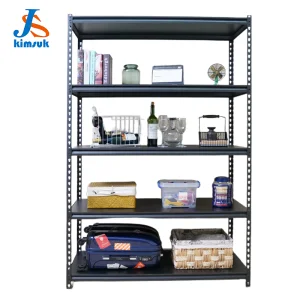
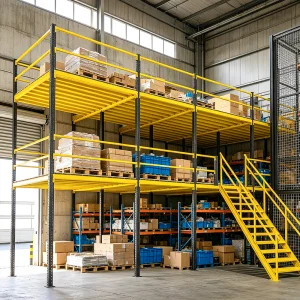
Browse our complete range of light to heavy-duty storage configurations, built to international engineering standards.
 Kimsuk Steel