Explore our premium selection of structural, cold-room, mezzanine, and custom industrial steel racking designed for high-density warehouse environments.
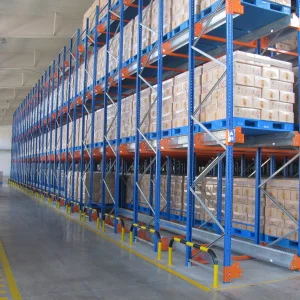
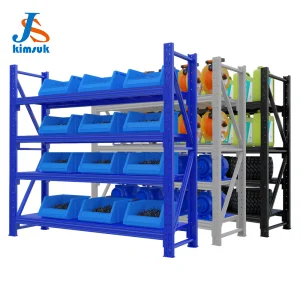
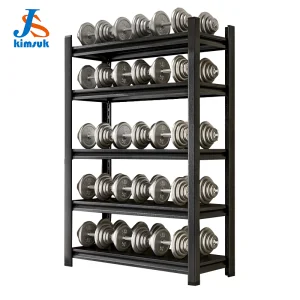
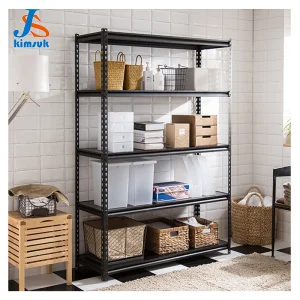
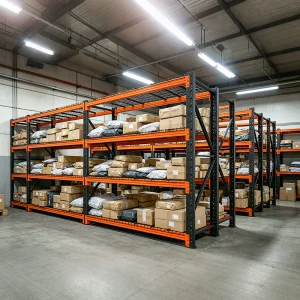
Modern industrial supply chains demand more than simple steel shelving; they require highly engineered structural systems capable of dynamically managing multi-ton static and dynamic loads under extreme operational stresses. As global warehouses consolidate footprints to maximize cube utilization, Heavy-Lift Racking systems must transition to smarter, safer, and structurally optimized load-bearing frames.
Whether navigating high-seismic configurations in North America or severe cold storage thermal gradients in Europe, engineering teams must prioritize structural deflection coefficients, raw steel yield strengths, and seismic bracing geometries. Substandard engineering can lead to minor deflection errors that compound over tall configurations, culminating in devastating rack collapses.
Our heavy-lift configurations utilize finite element analysis (FEA) to simulate load distribution across vertical uprights, horizontal beams, and base plates. By accounting for variables such as impact loading from forklifts, floor settling, and steel fatigue, we construct custom solutions that guarantee structural integrity over decades of continuous operation.
Founded on precision, quality engineering, and deep industry integration, we are a premium partner for industrial space optimization.
Our dedicated team of 35 QA/QC inspectors runs automated non-destructive testing, raw material tensile testing, structural stress evaluations, and precision thickness measurements to guarantee every weld and bend holds up under load.
An in-house R&D engineering crew of 18 senior structural specialists executes complete customizable system design. Last year alone, we deployed 120 new product models and modular optimizations tailored to complex warehousing requirements.
From large-scale 3PL logistic centers to complex automated distribution hubs, we scale output to meet exact delivery schedules. Our global client portfolio trusts us for consistent lead times, robust export packaging, and reliable performance.
International procurement directors evaluate multiple parameters beyond base pricing. To guarantee supply chain continuity, we align with enterprise standards across three strategic tiers:
Procuring industrial racking systems involves assessing total cost of ownership (TCO). Procurement managers must weigh initial unit costs against operational safety, installation speed, and structural lifetime. When developing storage space, enterprise-grade engineering reduces liability and ensures compliance with occupational safety legislation.
By operating from China's primary manufacturing hub, Dongguan Kimsuk Shelves Co., Ltd. integrates raw material sourcing, automated roll-forming, robotic welding, and export logistics. This localized industrial cluster ensures we remain immune to localized supply blockages, allowing us to guarantee stable delivery lead times and competitive pricing even during global supply chain fluctuations.
Additionally, our structural engineers interface directly with onsite contractors to verify load metrics, floor slab compatibility, and anchoring schemes, mitigating installation risks before materials arrive at the port.
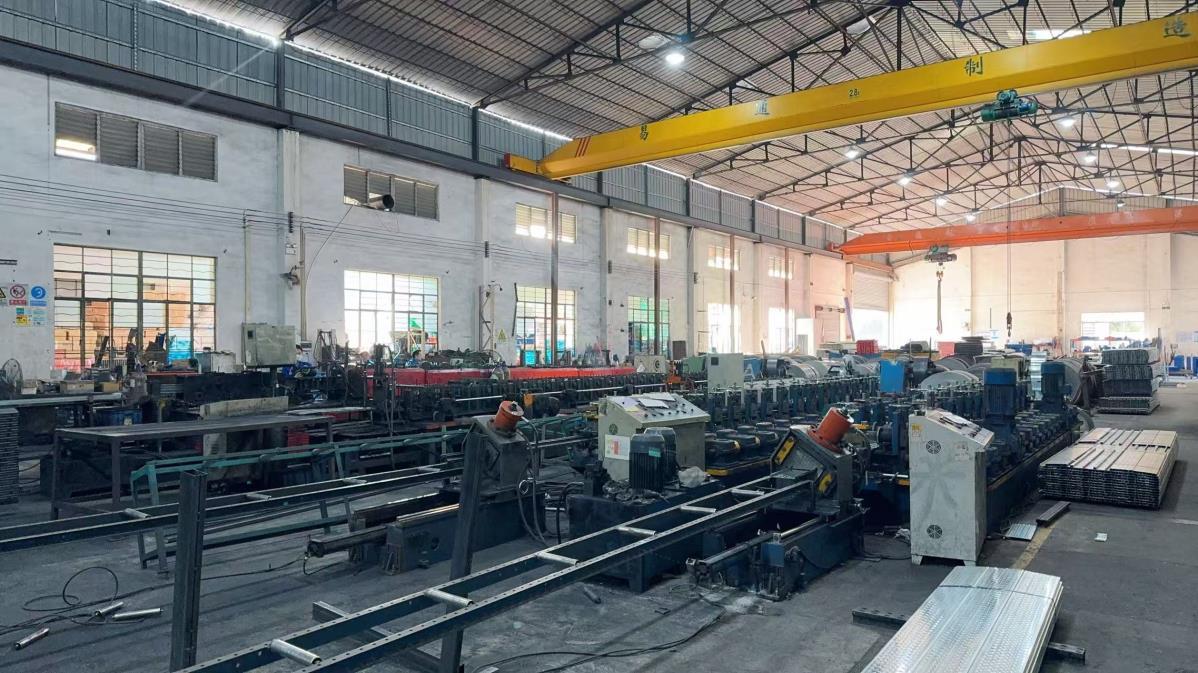
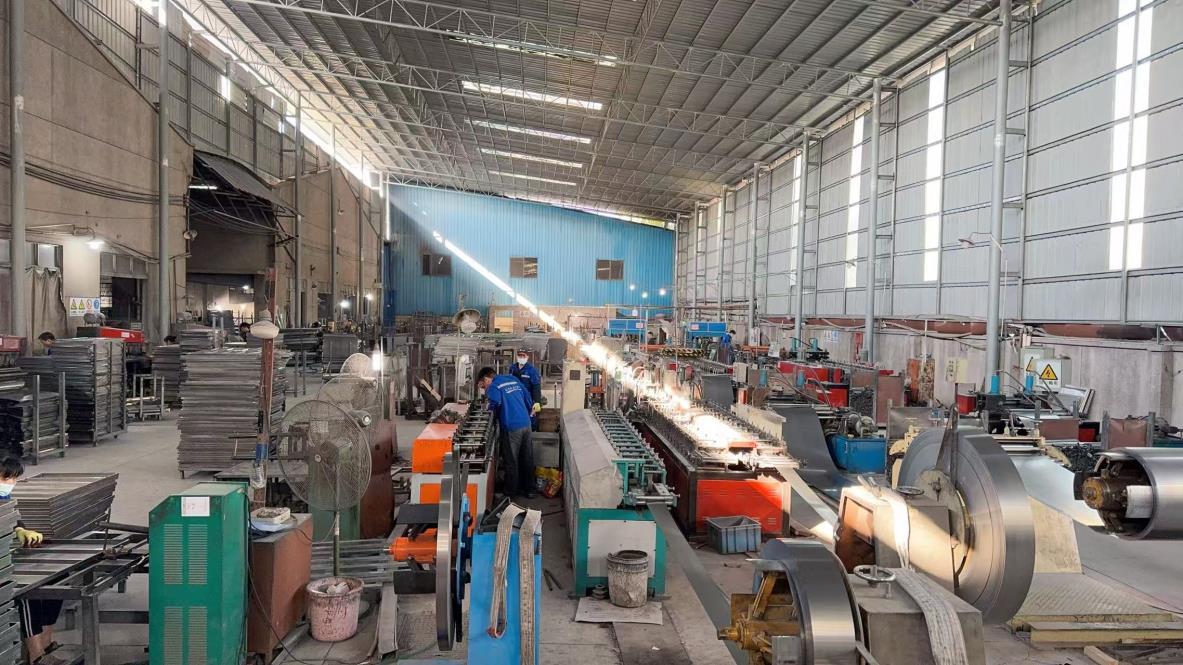
Step inside our 32,000 square meter facility and explore the machinery and inspection workflows behind our heavy-lift structural components.
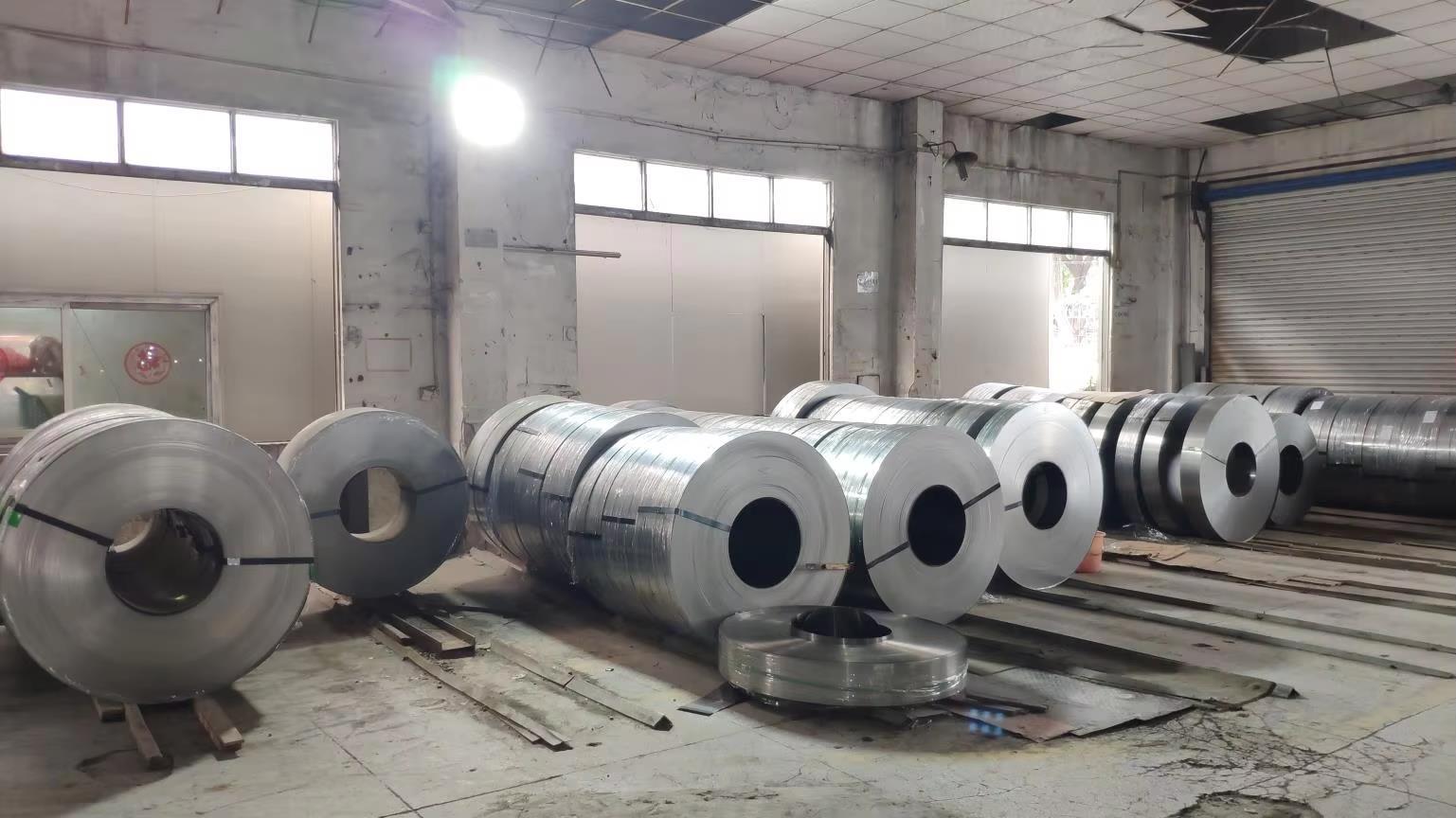
High-grade structural steel coils sourced from verified steel mills, subject to rigorous tensile and composition analysis.
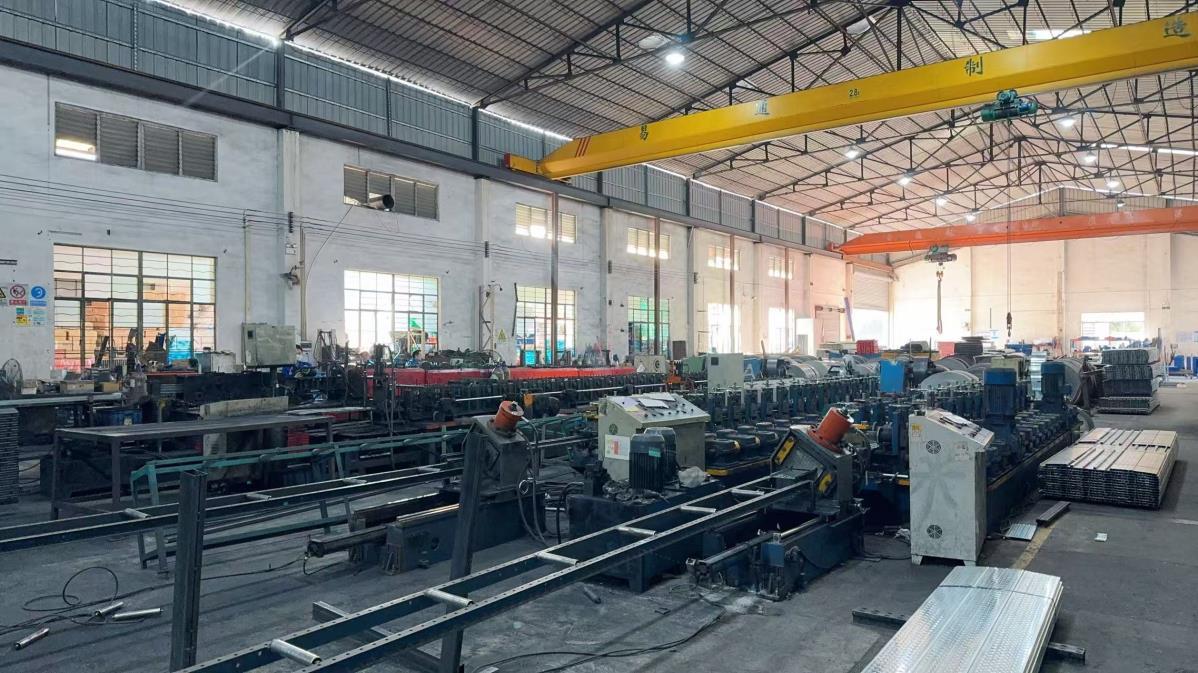
High-speed precision shear systems slice sheets according to tight CAD tolerances before forming begins.
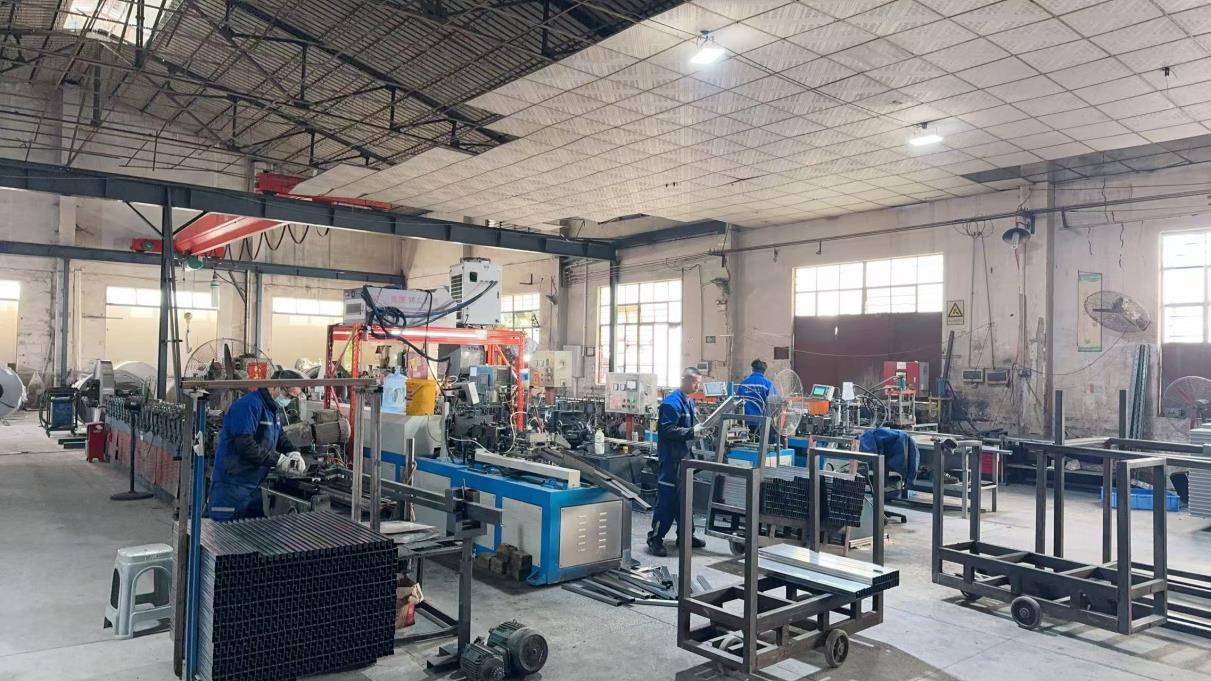
Automated tube and section saws prepare bracings, support bars, and accessories to exact design heights.
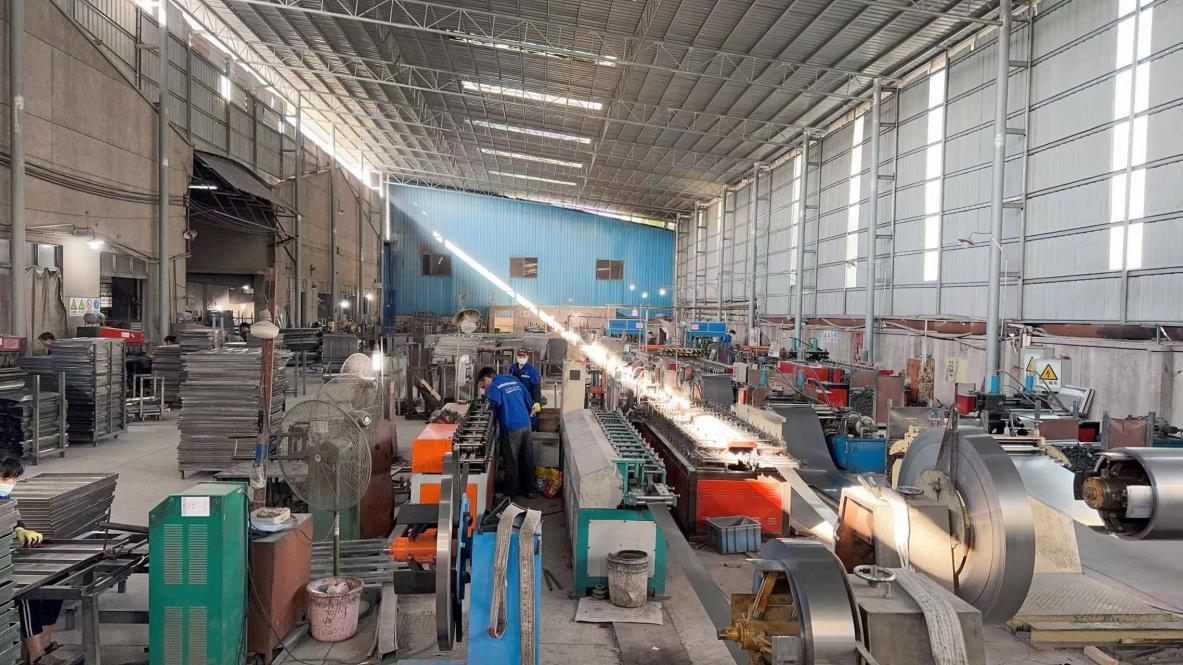
Progressive die presses stamp out structural upright configurations and connectors with high repeatability.
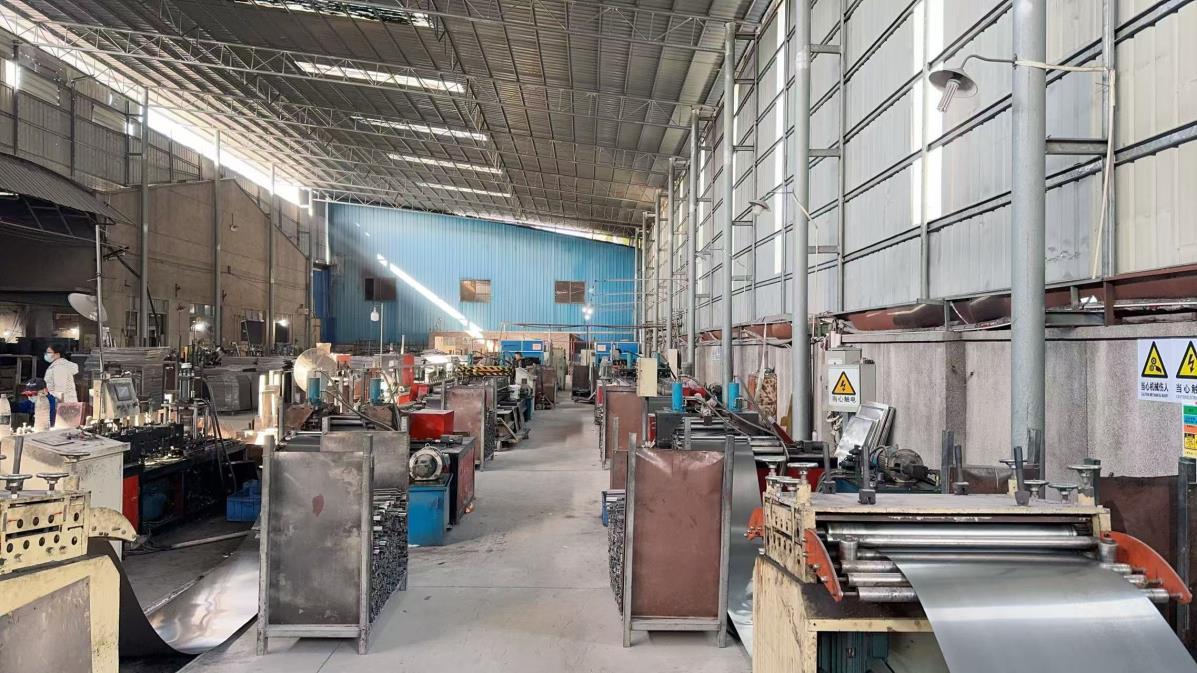
Continuous roll-forming lines shape structural steel into solid omega profiles designed for high load retention.
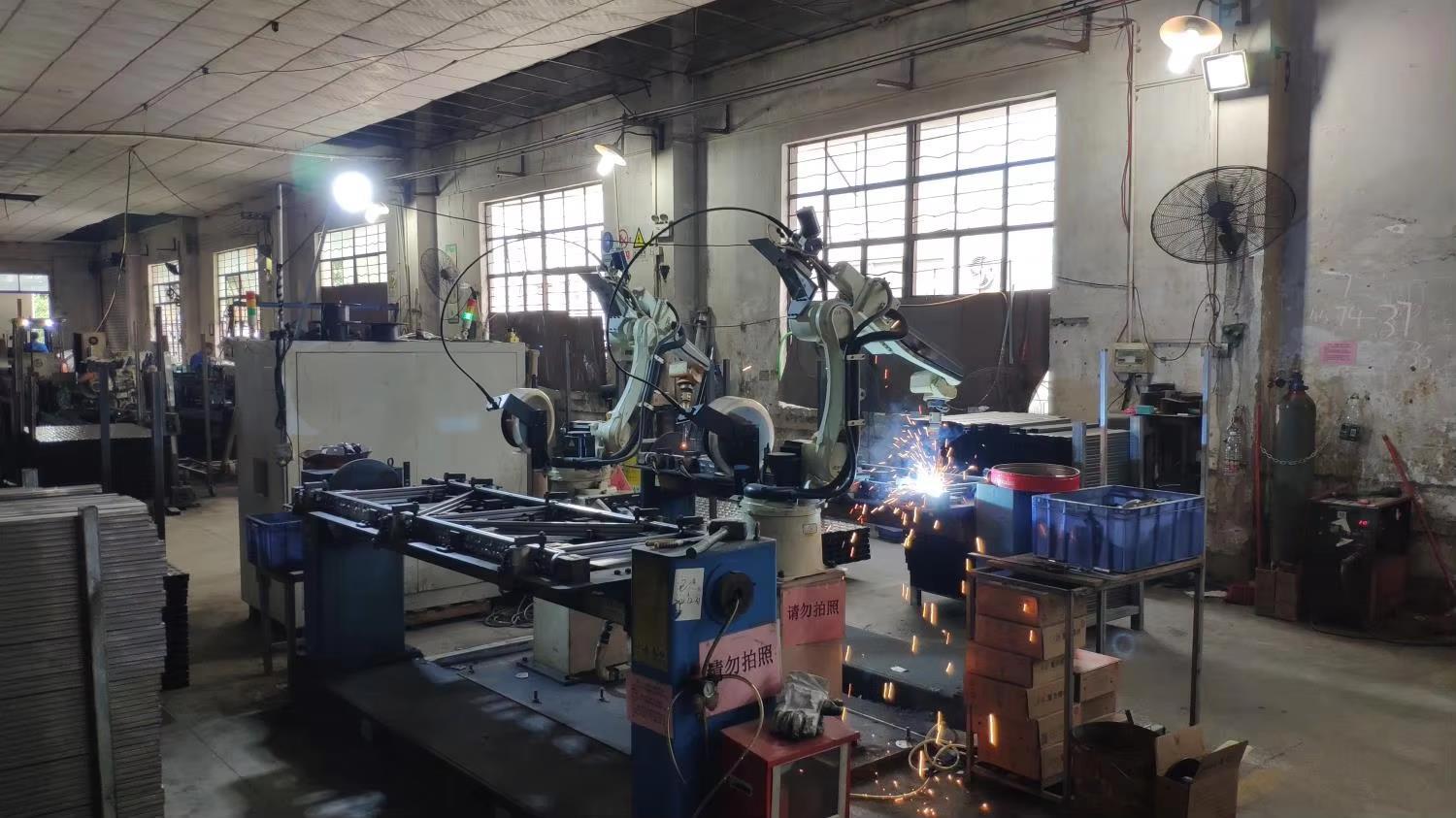
Multi-axis robotic arms deliver consistent structural weld beads on baseplates and beam connectors.
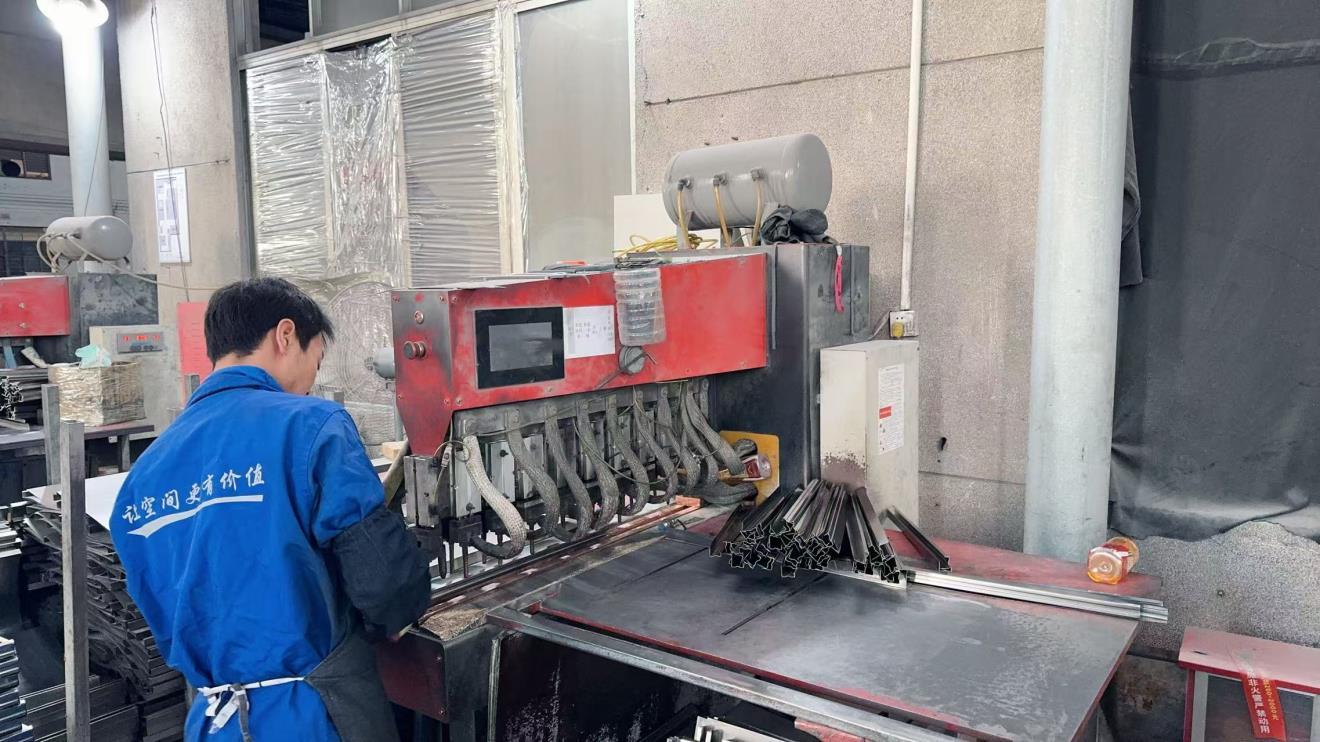
Certified human technicians oversee complex joints, ensuring complete weld penetration on unique configurations.
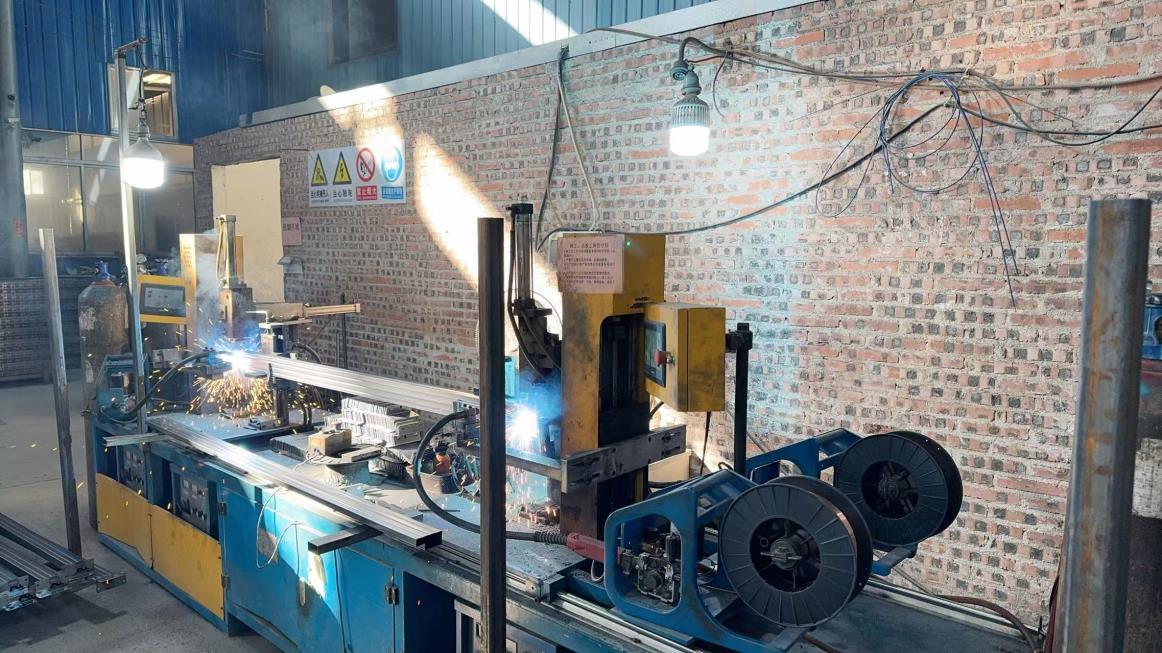
Rigid frame tests confirm alignment and perpendicular geometry to guarantee easy on-site field assembly.
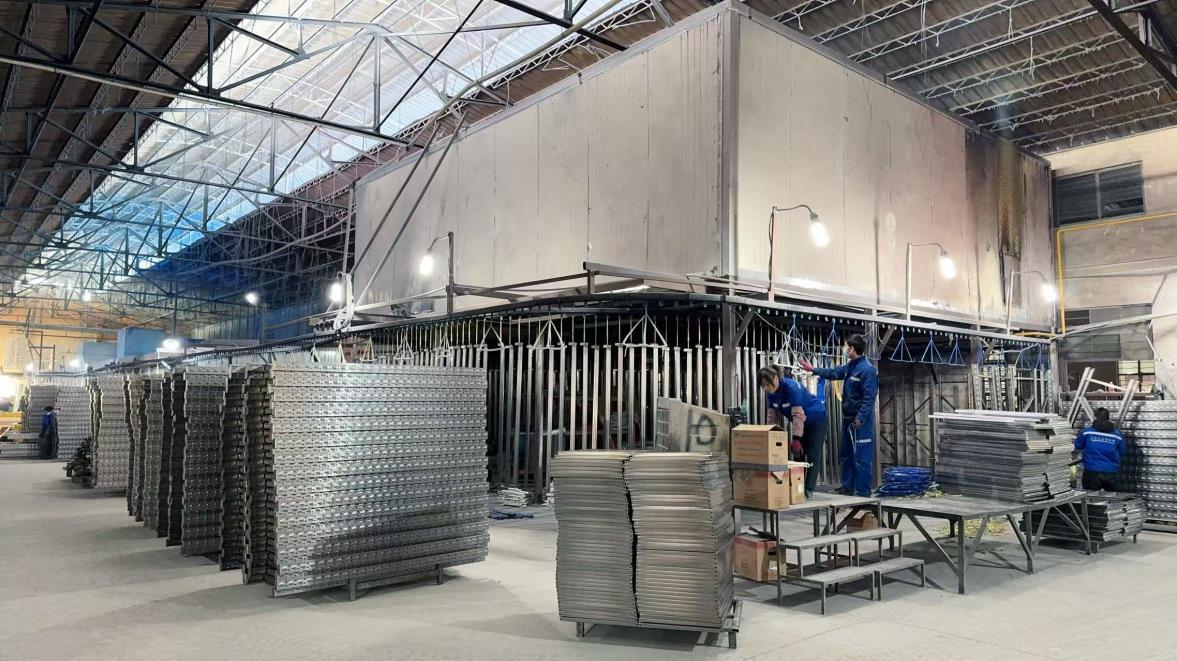
Multi-stage wash followed by automated electrostatic powder deposition and high-temperature curing.
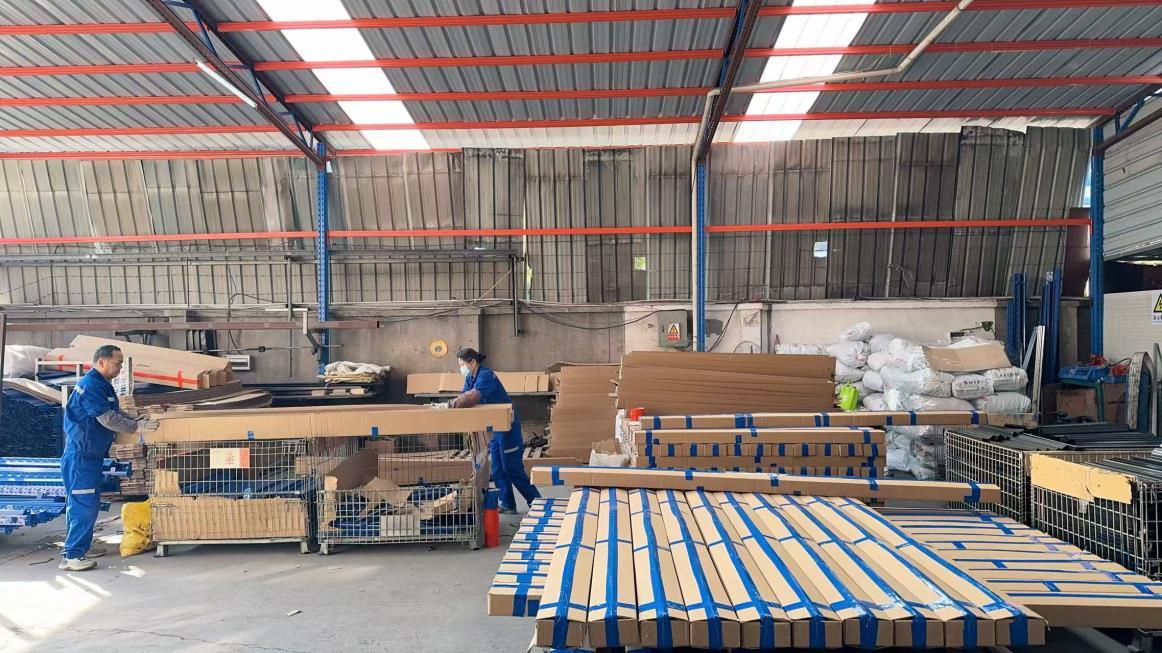
Wrapped in protective films and secured on structural strapping plates to withstand ocean freight shipping.
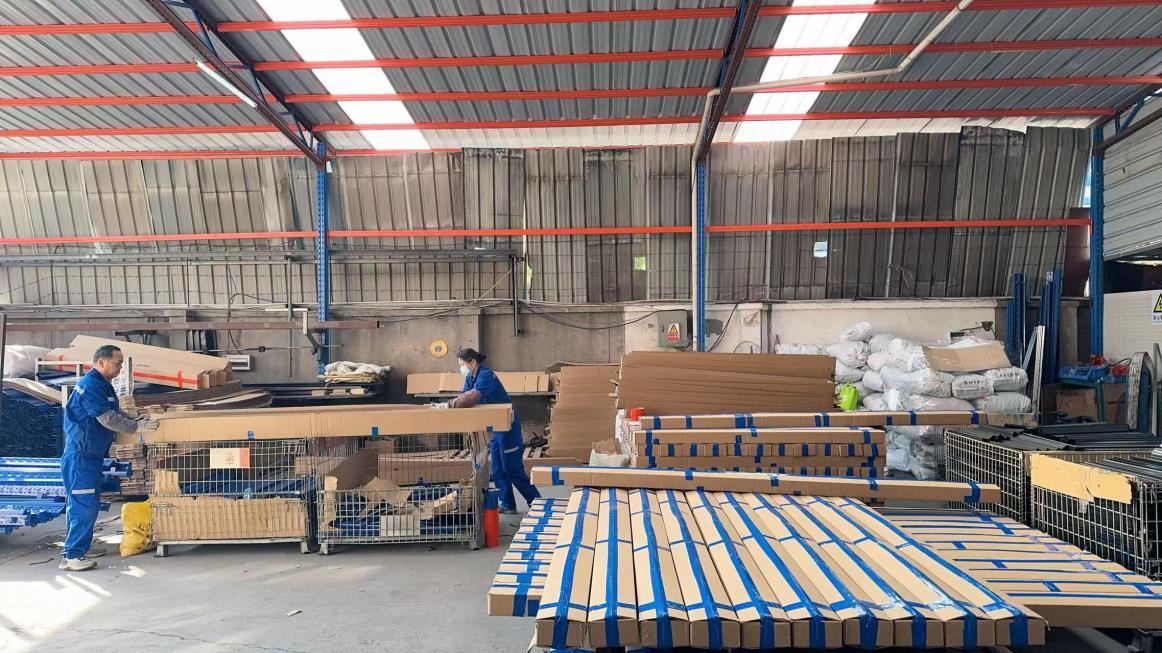
Batch testing via stress rigs to confirm steel behavior matches theoretical calculations.
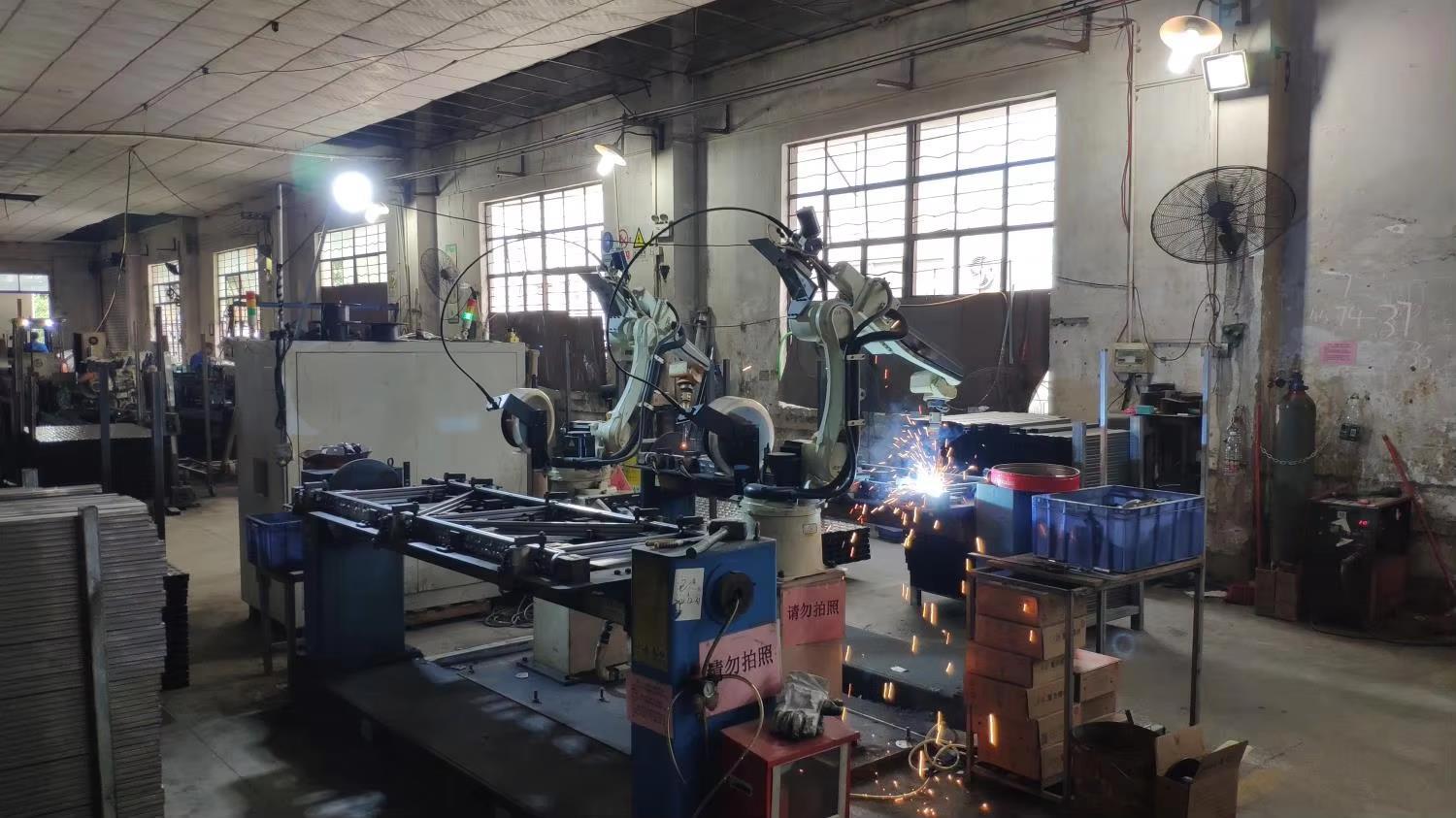
Advanced welding arms maintain consistent join quality across heavy-duty components.
Our facility utilizes specialized machinery to process raw material into heavy-lift structural assemblies.
Heavy-duty coil shears slice raw metal sheets down to size.
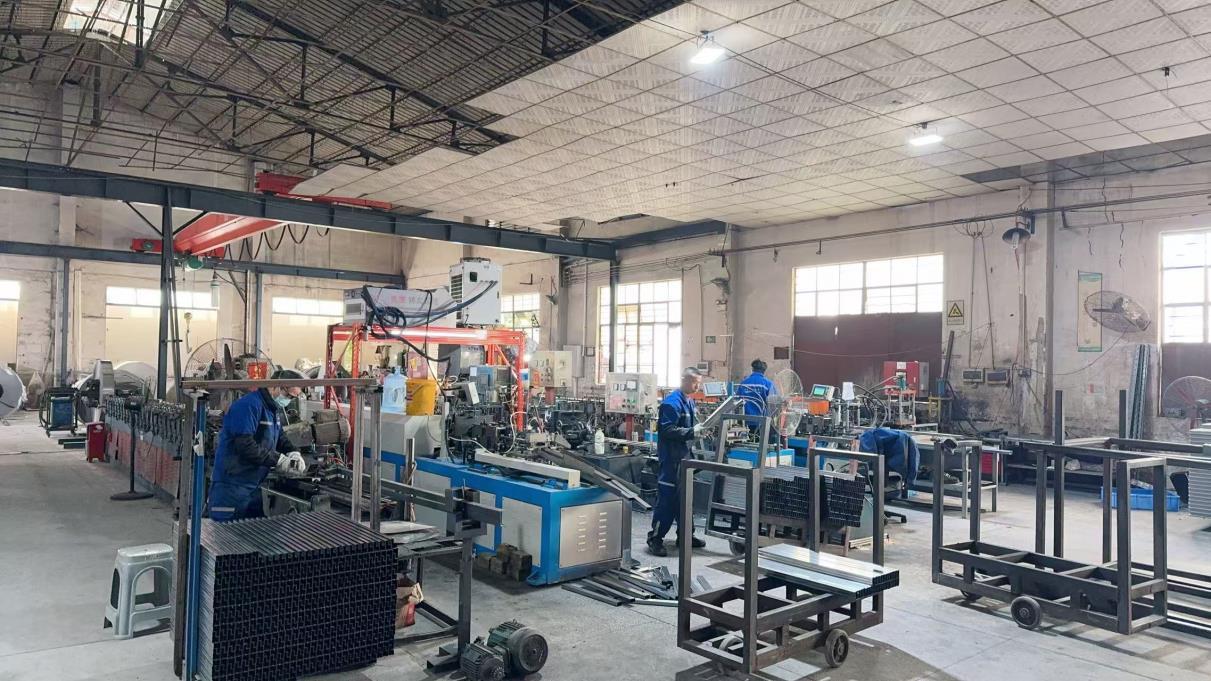
Automated tube saws cut bracing elements with precise length tolerances.
CNC plate cutters slice custom connectors and dynamic components.
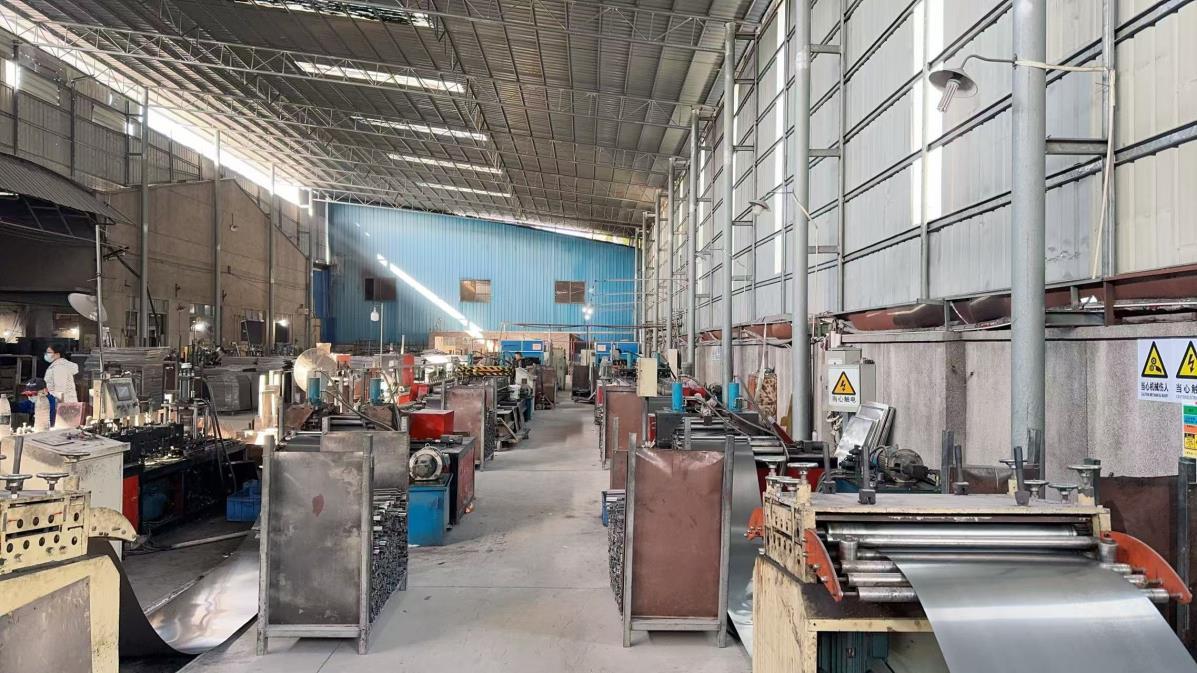
Multi-stage roll-forming machines turn flat steel into upright profiles.
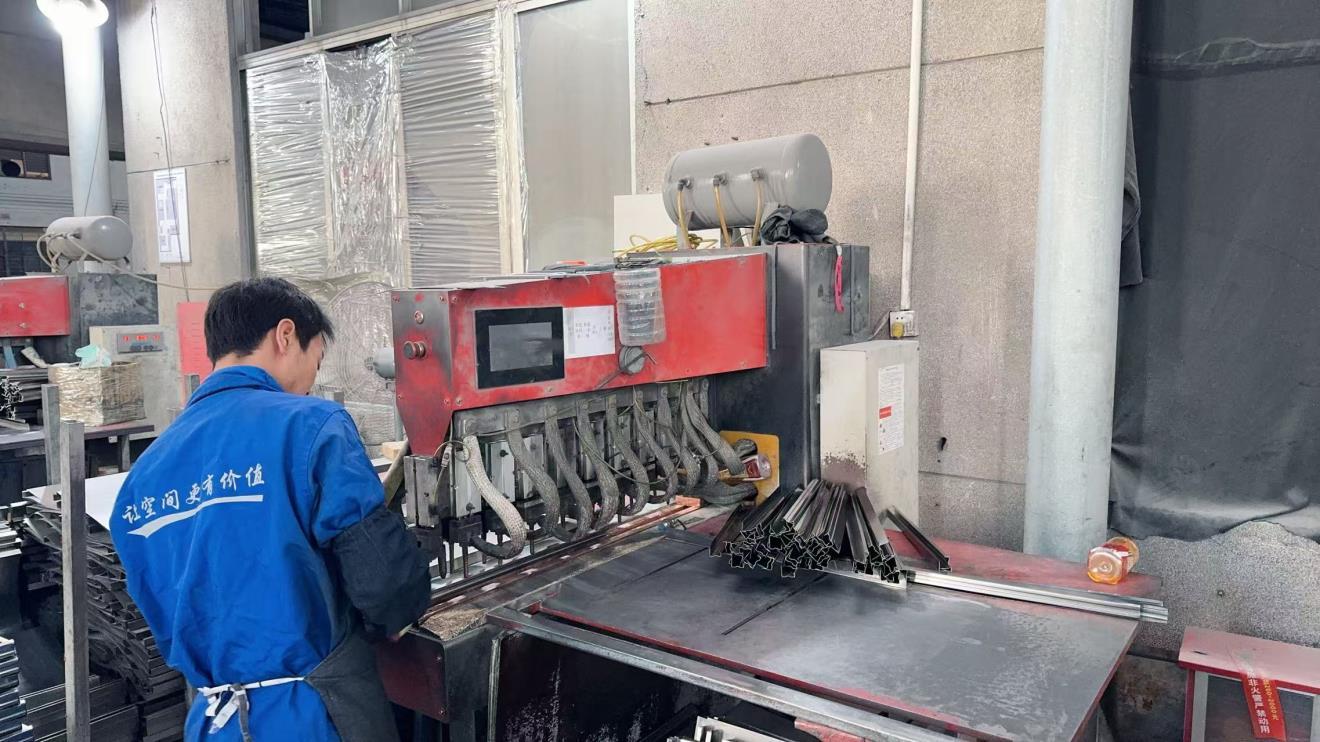
Delivers high-current localized heat welds for structural sub-assemblies.
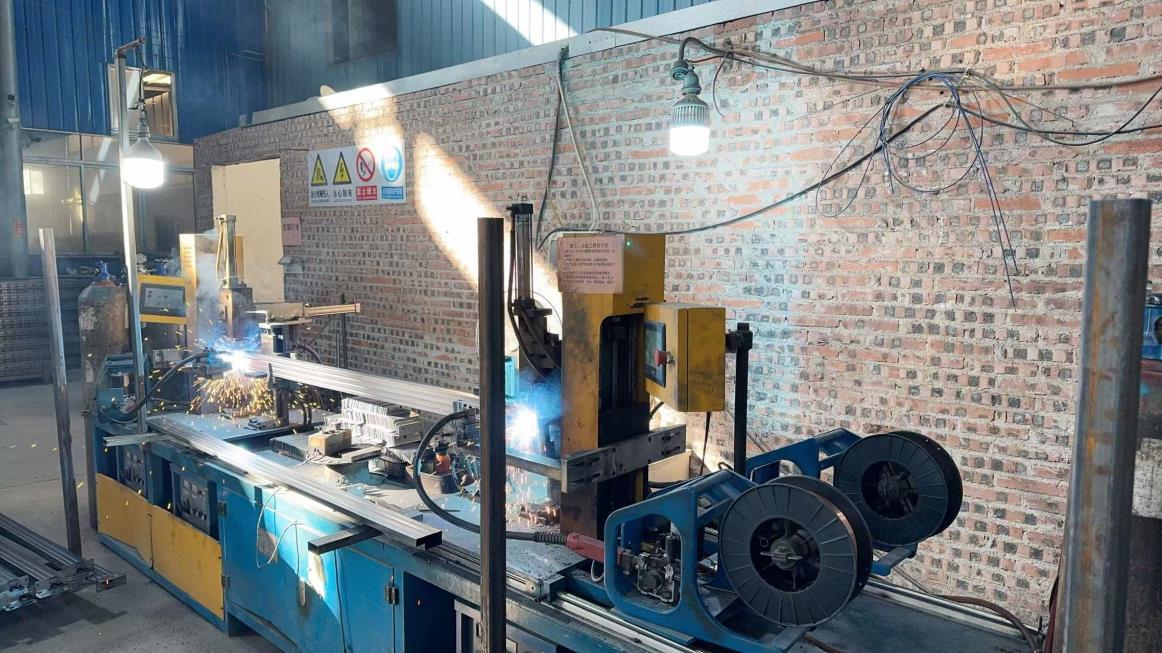
Continuous automated welding systems ensure clean, structural weld lines.
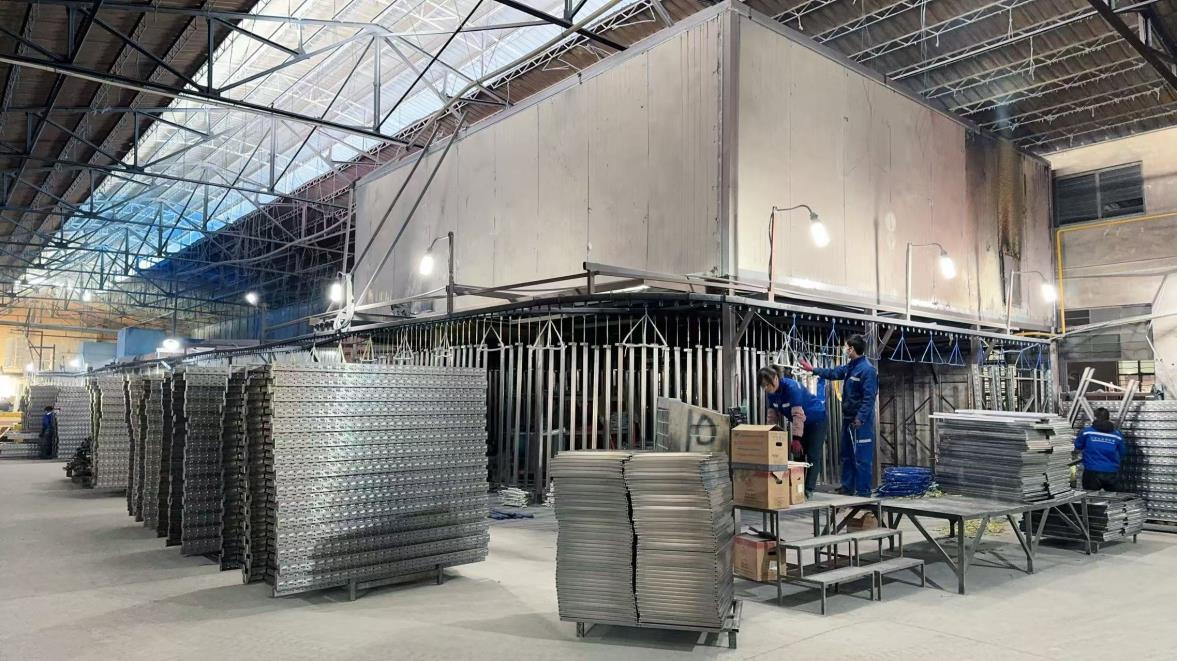
An enclosed, continuous powder coating line ensures uniform coverage.
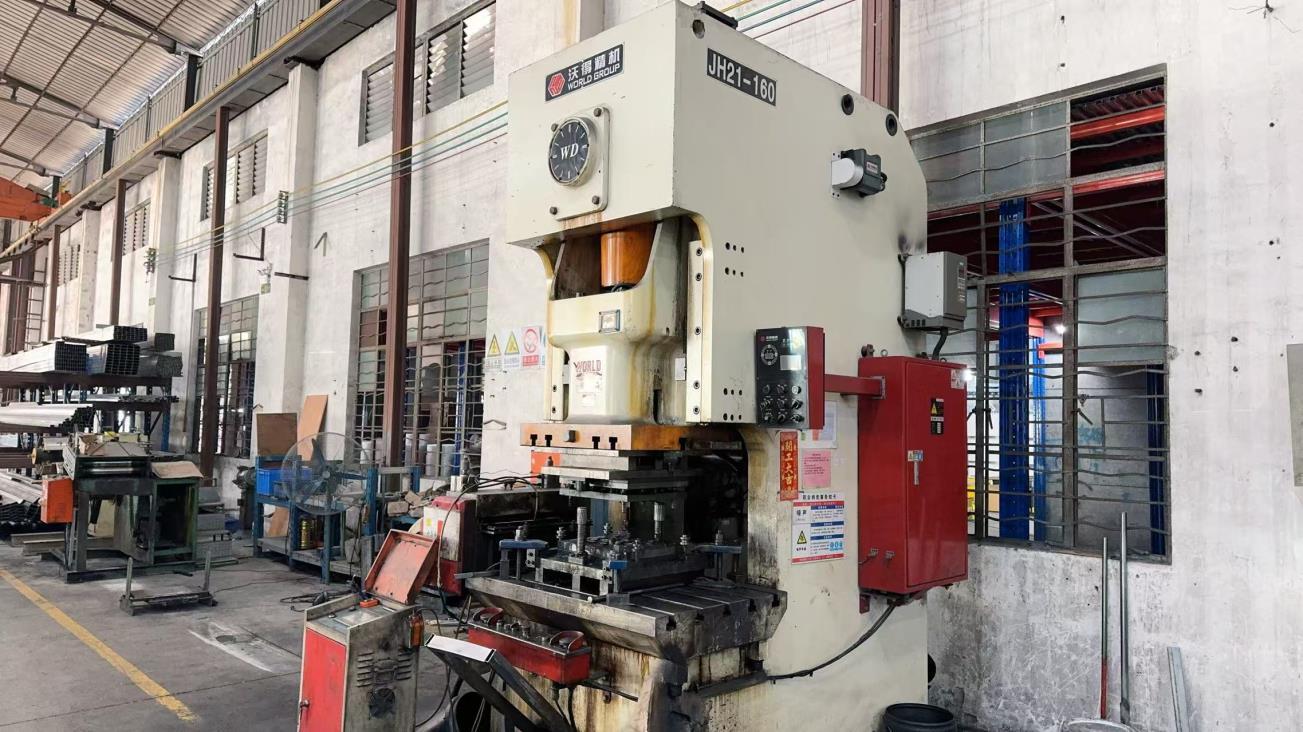
High-capacity stamp presses perforate upright beams at precise intervals.
Navigating different regional building codes can be complex. Heavy-duty racking systems must comply with specific local regulations to pass safety inspections and ensure structural stability. We engineer our export racking systems to conform to key regional safety standards, including:
Conforms to ANSI MH16.1 specifications for cold-formed steel racking design.
Compliance with European structural codes for adjustable pallet racking.
Engineered to meet Australian structural testing and safety requirements.
Compliance with guidelines for warehouse steel storage safety and design.
Our global support network assists logistics operators during integration. We work with engineering consultancies in North America, Western Europe, and APAC to offer local structural sign-offs, helping configurations satisfy local building codes and seismic calculations.
Whether you require custom load labels, localized seismic bracing designs for earthquake-prone zones, or detailed installation plans, our team works to keep your warehouse fully compliant. This localized approach minimizes regulatory risks, preventing project delays and post-installation issues.
Different industries require unique structural designs. See how our heavy-lift racking systems perform across diverse applications.
Our Drive-in and Selective racking configurations are optimized to withstand sub-zero temperatures down to -30°C. Standard options include galvanized uprights and thermal-embrittlement-resistant steel to maintain structural integrity in temperature-controlled spaces.
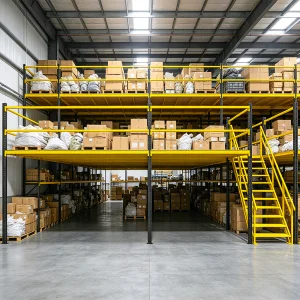
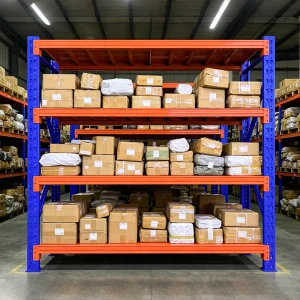
Multi-level pick modules, integrated mezzanine structures, and fast-access carton flow systems designed to maximize picking efficiency. These systems support dense, high-throughput configurations with integrated safety netting, handrails, and kickplates.
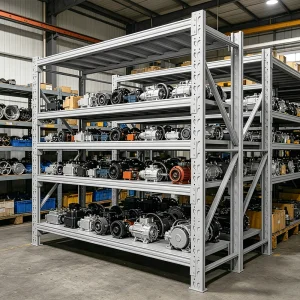
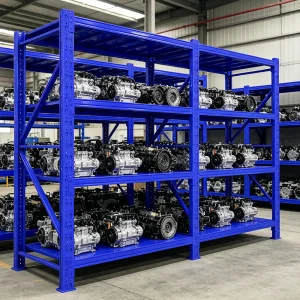
Engineered for heavy tooling, die storage, sheet metals, and raw machinery parts. Structural steel profiles handle concentrated, heavy loads. Standard configurations include impact protections and custom shelf dimensions to support non-standard pallet geometries.
The industrial storage landscape is changing due to warehouse automation, rising land costs, and evolving sustainability requirements. These developments influence how modern heavy-lift racking is specified, manufactured, and deployed:
"Our goal at Kimsuk is to support space optimization. Over the last decade, we have helped businesses transform storage areas into high-density assets. By combining precise manufacturing with local compliance support, we ensure our global partners receive reliable, cost-effective structural systems."
Find answers to technical questions about custom heavy-lift racking design, engineering standards, and shipping.
Our standard heavy-duty pallet racking systems are designed to support load capacities ranging from 1,000 kg to over 4,000 kg per beam level, depending on the structural profiles, upright gauge, and configuration. For specialized applications, our R&D engineering team can custom design systems to handle higher capacity requirements.
We maintain a team of 35 QA/QC inspectors who monitor the production process from raw material arrival to final packaging. Every batch of high-yield steel coils is tracked back to its original mill certificate. We conduct regular tensile tests, weld inspections, and powder coating thickness checks to ensure compliance with our structural standards.
For sub-zero and cold room applications, we offer heavy-duty drive-in and selective racking systems constructed with steel grades designed to resist thermal embrittlement. Standard finishes include hot-dip galvanized and specialized cold-room powder coatings to protect the structures from moisture, frost, and corrosion.
Yes, our 18 senior structural and engineering specialists use finite element analysis (FEA) to design systems that accommodate local seismic zone requirements. We calculate the necessary upright dimensions, baseplate sizes, and bracing patterns to comply with regional codes such as RMI in the US and EN 15512 in Europe.
Typical production lead times range from 20 to 30 days after drawing approval and deposit receipt. This timeframe may vary depending on project scale and custom tooling needs. We leverage our network of over 850 supply chain partners to source materials efficiently and maintain production schedules.
While we do not provide direct on-site installation crews, we supply detailed assembly drawings, component labeling, and installation manuals. We also offer remote technical support during setup and can interface with your local installers to help resolve configuration questions.
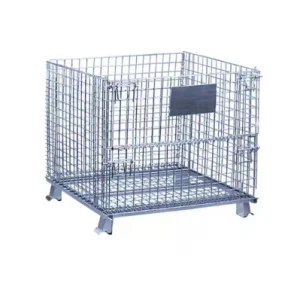
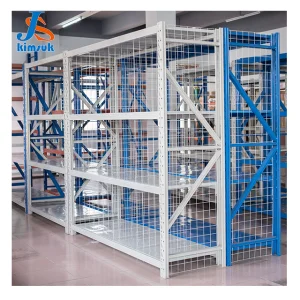
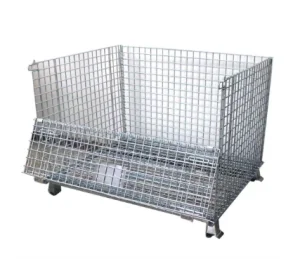
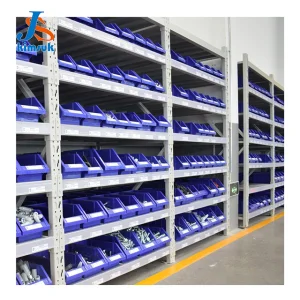
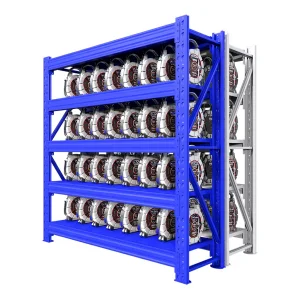
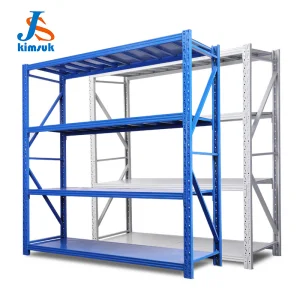
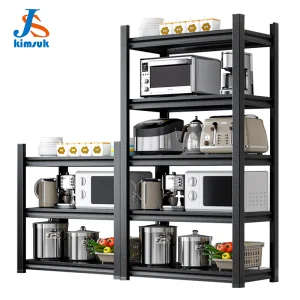
Browse our range of medium-duty shelves, stainless steel storage racks, wire mesh pallet cages, and versatile angle steel shelving.
 Kimsuk Steel