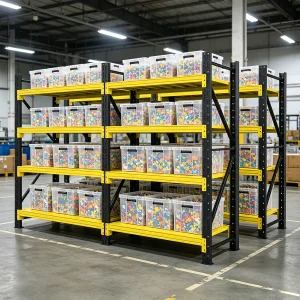
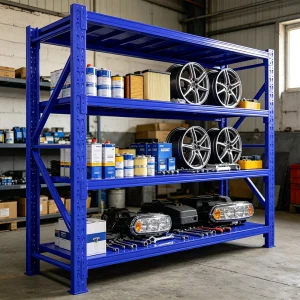
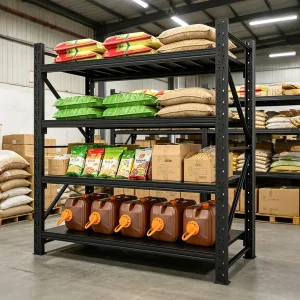
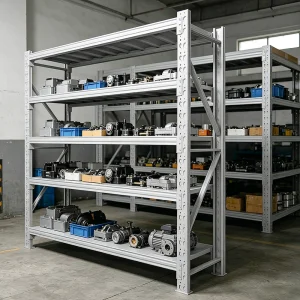
Explore our hot-selling, structural steel-engineered storage systems, optimized for high load-bearing capacity and seamless installation.
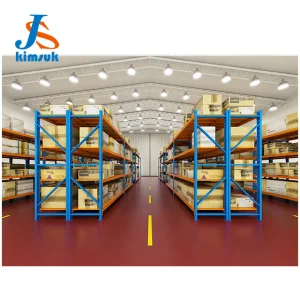
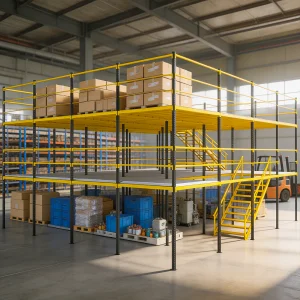
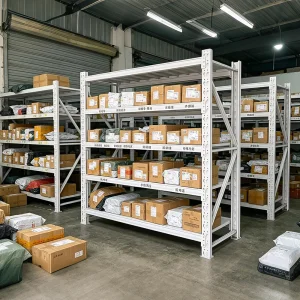
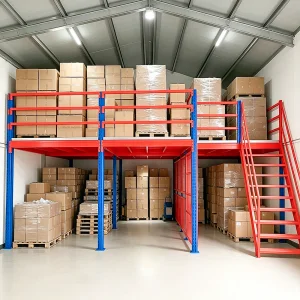
Analyzing how modular cubic architectures are redefining modern warehouse spatial efficiency and logistics workflows.
In the contemporary landscape of global logistics, third-party logistics (3PL) providers, and advanced manufacturing setups, spatial footprint optimization is directly linked to operational margin expansion. The term "Storage Cubes" has evolved beyond simple household bins. In heavy-duty commercial and industrial terms, storage cubes and cubic rack modules refer to modular, scalable, multi-tier steel units and compartment shelves designed to stack systematically to harness vertical ceiling clearances.
As urban real estate valuations climb, conventional warehouses are forced to transition into high-density fulfillment hubs. Standard wide-aisle storage layout configurations are being replaced by custom-tailored industrial racking platforms, modular shelf assemblies, and boltless structural mezzanines. By utilizing structured storage cubes and modular grids, organizations can enhance their storage densities by up to 60-80%, minimizing horizontal traffic corridors and accelerating automated or manual order-picking cycles.
Maximizes vertical cube utilization (VCU) rather than square-foot footprint, turning dormant ceiling airspace into heavy-load operational platforms.
Engineered to meet international safety protocols with standardized load-bearing stress evaluations, seismic profiles, and deflection controls.
Interlocking structural profiles enable swift reconfiguration, dynamic level adjustments, and compatibility with automated storage retrieval systems (AS/RS).
Delivering high-integrity warehouse racking designs based on international mechanical tolerances and materials science.
Designing professional-grade industrial storage racking systems requires strict adherence to physical limits and metallurgical tolerances. As a leading manufacturer, Dongguan Kimsuk Shelves Co., Ltd. utilizes high-grade structural carbon steels such as Q235B and Q345B. The raw materials undergo cold-forming and precision slitting to produce uprights and beams with balanced tensile-to-yield strength ratios.
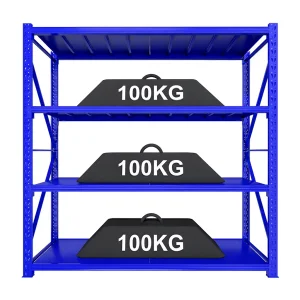
To prevent local buckling under extreme weight profiles, structural designs utilize finite element analysis (FEA). Computational modeling tests static and dynamic loads under specific failure scenarios. The load-bearing capacity of our shelves ranges from 100kg up to 500kg per level for light-to-medium systems, and scales significantly higher for heavy-duty structural steel platforms. The table below outlines key technical considerations when selecting warehouse racking systems:
| Racking/Storage Type | Material Class | Load Capacity (per level) | Standard Surface Finish | Best Application Scenario |
|---|---|---|---|---|
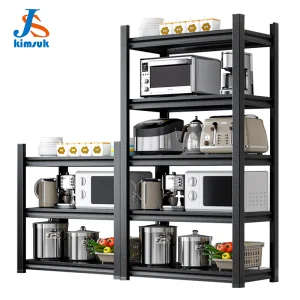
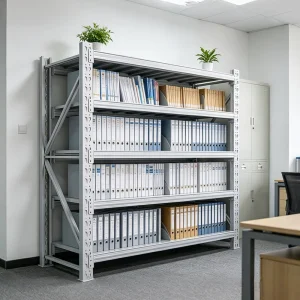
| Light-Duty Storage Racking | Aluminum / Q235B Steel | 100kg – 200kg | Electrostatic Powder Coating | Commercial storage, light-parts warehousing, retail backrooms |
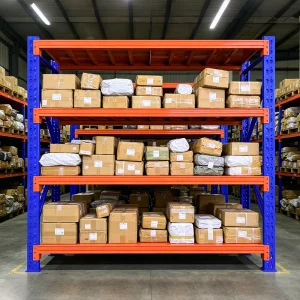
| Medium-Duty Selective Shelving | Cold-rolled Q235B Steel | 200kg – 500kg | CE & ISO Powder Coating | Automotive tire racks, heavy garment storage, industrial components |
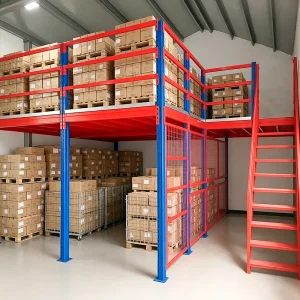
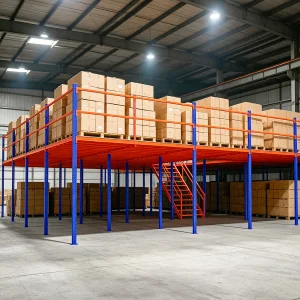
| Heavy-Duty Platform & Mezzanines | Structural Steel Loft Platforms | 500kg – 2000kg/㎡ | Anti-Corrosion Polyurethane Finish | 3PL distribution hubs, multi-tier loft workspaces, heavy machinery parts |
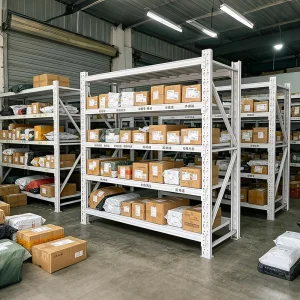
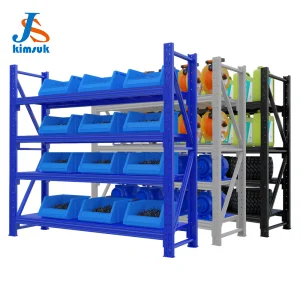
| Boltless Stacking Racks | Formed Steel Profiles | 150kg – 400kg | CE Galvanized/Powder Coated | E-commerce fulfillment centers requiring high flexibility |
Modern Production Facility
Dedicated QA/QC Specialists
In-House R&D Team
Annual Export Volume
How Dongguan Kimsuk Shelves Co., Ltd. integrates automation and quality controls to assure supply continuity.
Founded in 2015, Dongguan Kimsuk Shelves Co., Ltd. operates a 32,000-square-meter facility in China's manufacturing core. Drawing on 11 years of structural engineering expertise and 8 years of direct export operations, we provide reliable, scalable supply solutions to global partners. Our global distribution spans North America, Europe, Southeast Asia, and the Middle East, with annual export revenues of $18 million.
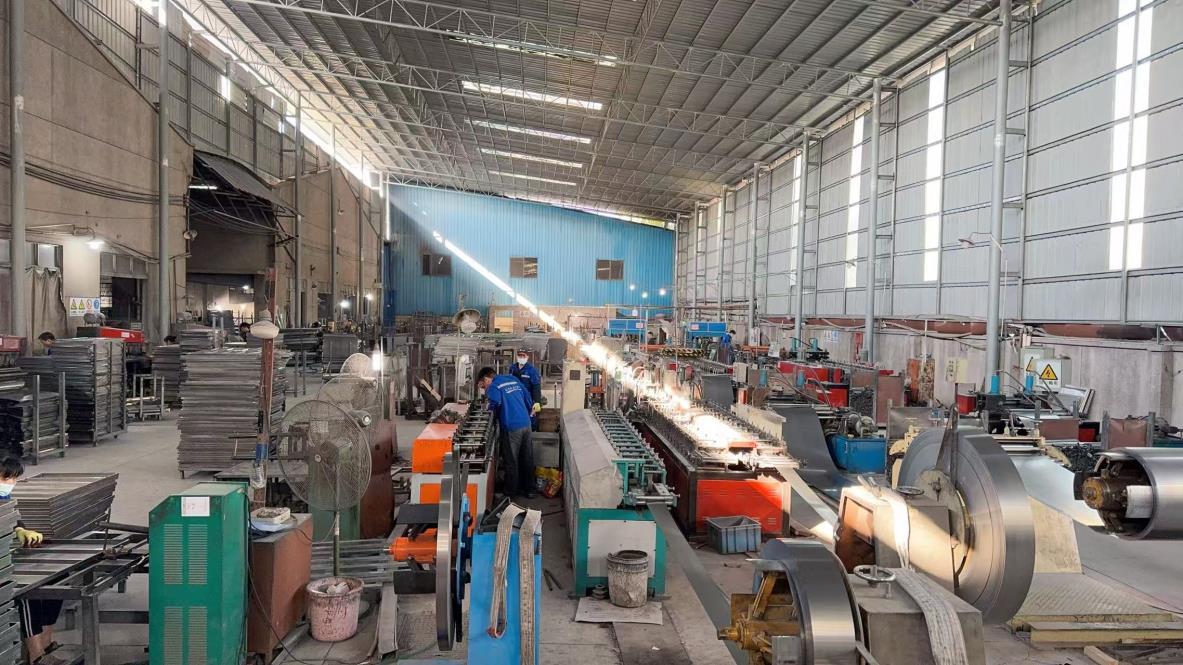
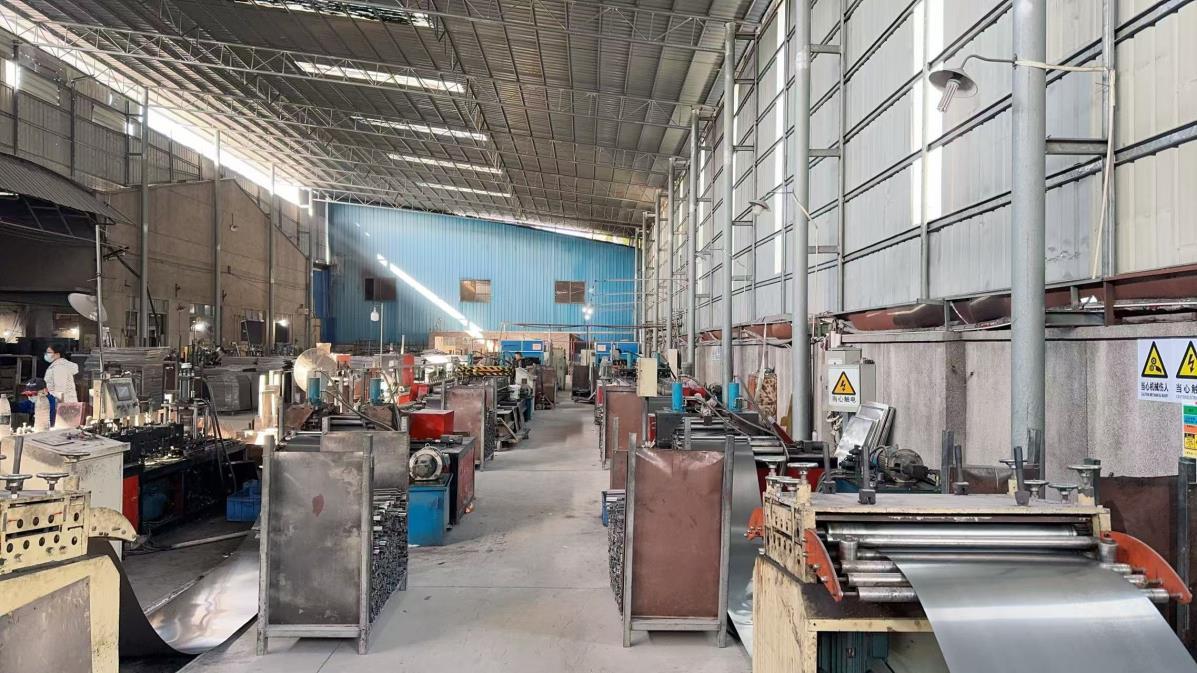
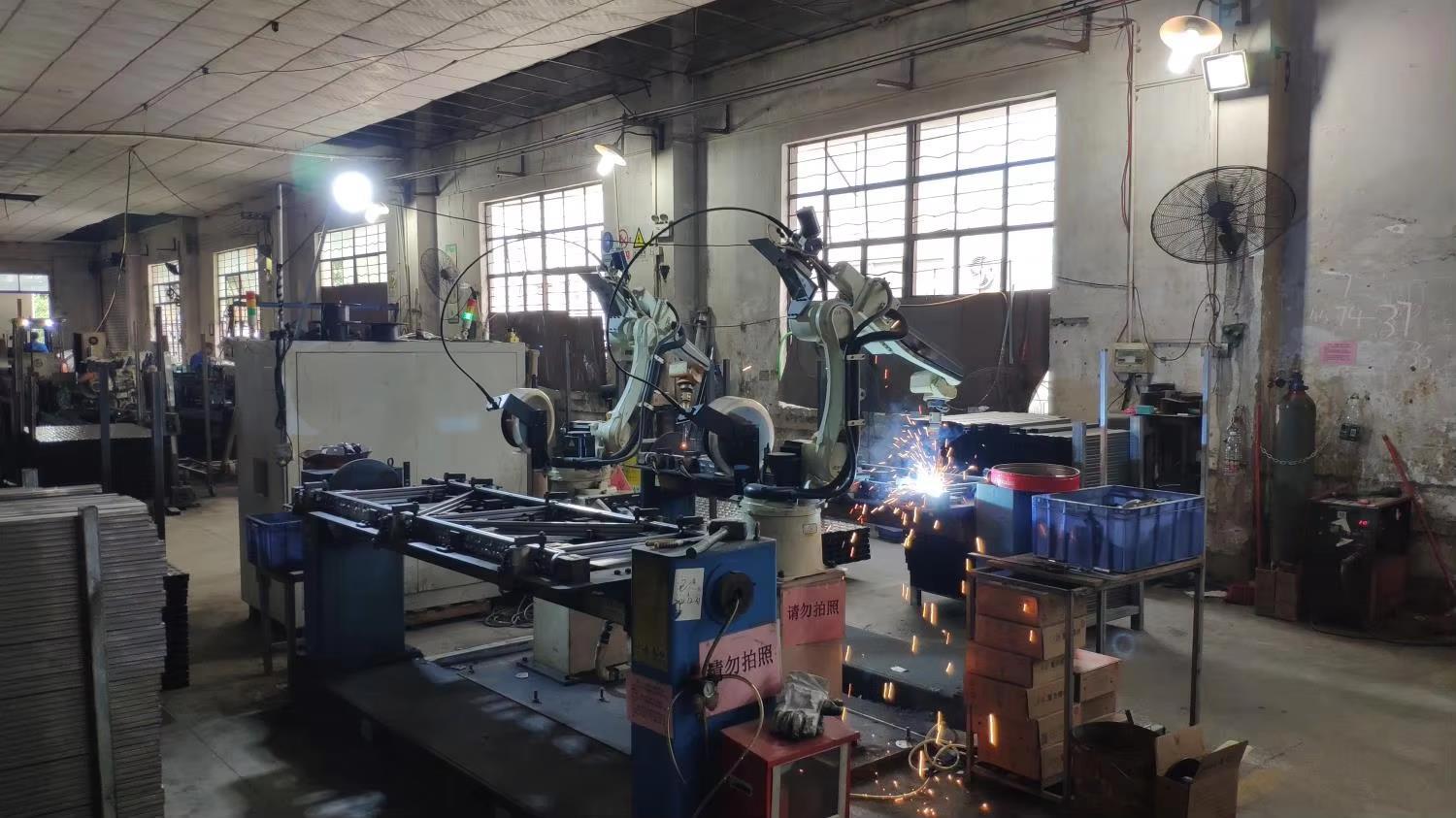
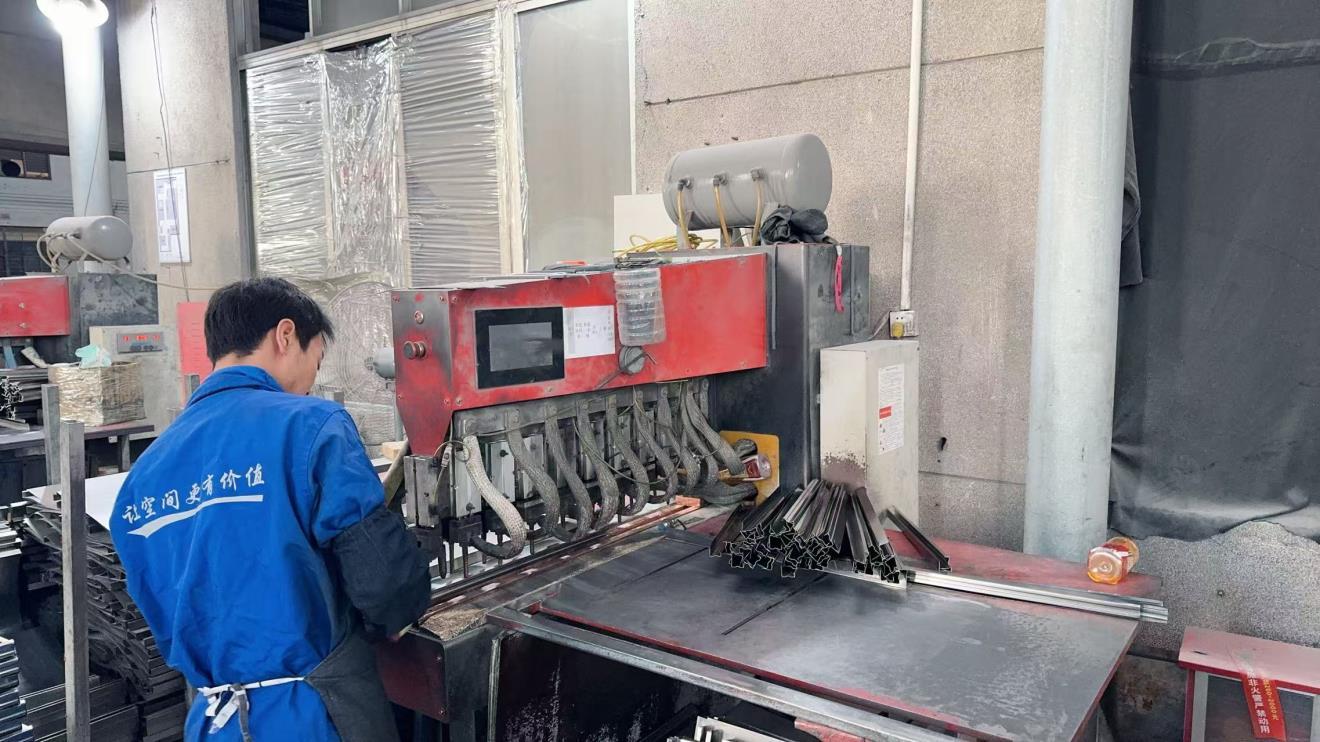
Our manufacturing ecosystem features advanced automated technologies. By integrating robotic welding cells, continuous roll-forming lines, mechanical stamping presses, and automated electrostatic powder coating lines, we maintain batch consistency while keeping material waste to a minimum.
We manage raw materials through strategic partnerships with a network of over 850 verified supply chain partners. This integration ensures a steady supply of structural steel, mitigating price volatility and reducing lead times. Our 35-inspector QA/QC team monitors production from raw steel receiving to final thickness testing. They conduct non-destructive weld tests, raw material tensile tests, and loading limit analyses on each batch, ensuring compliance with global warehouse safety regulations.
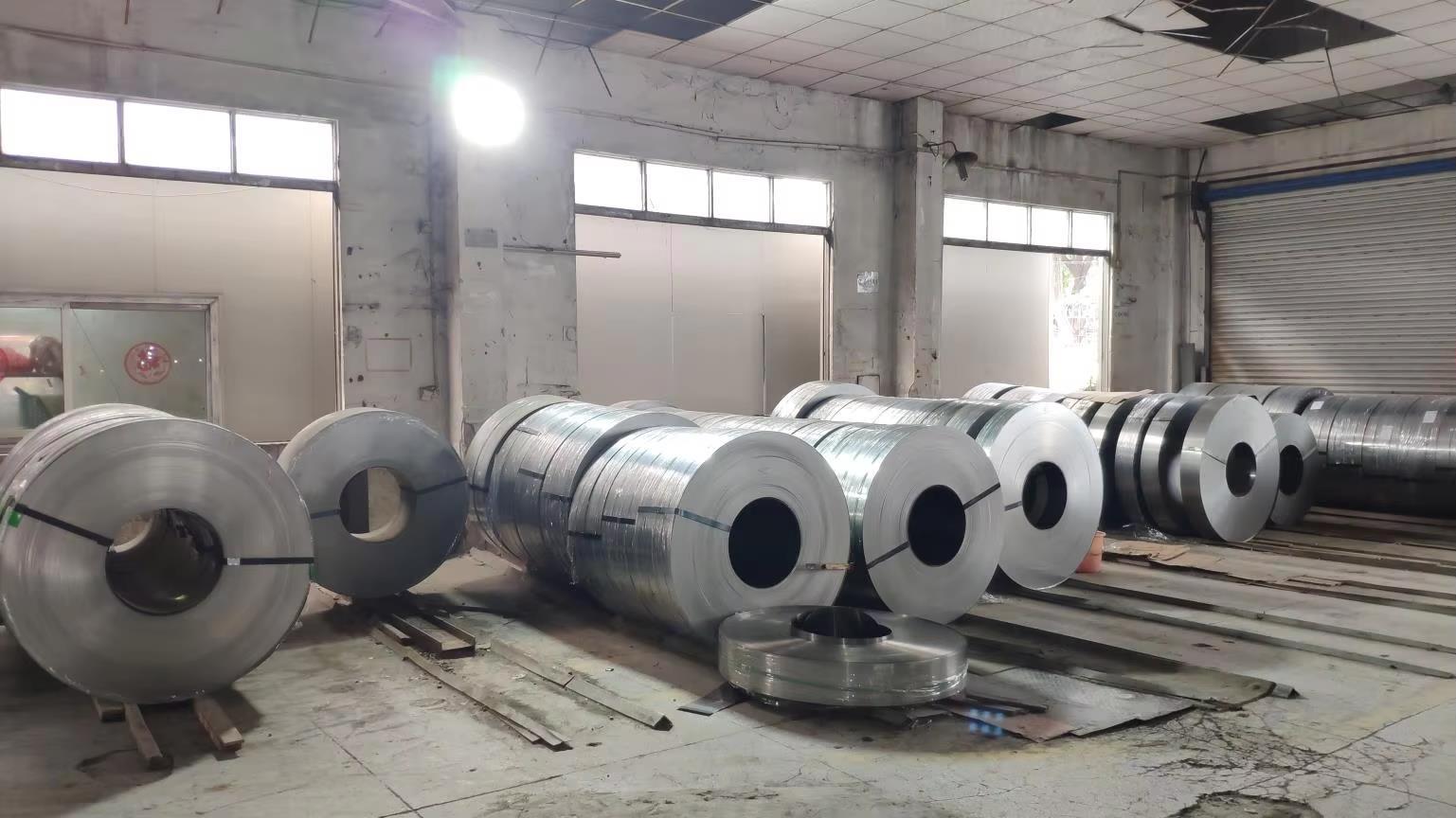
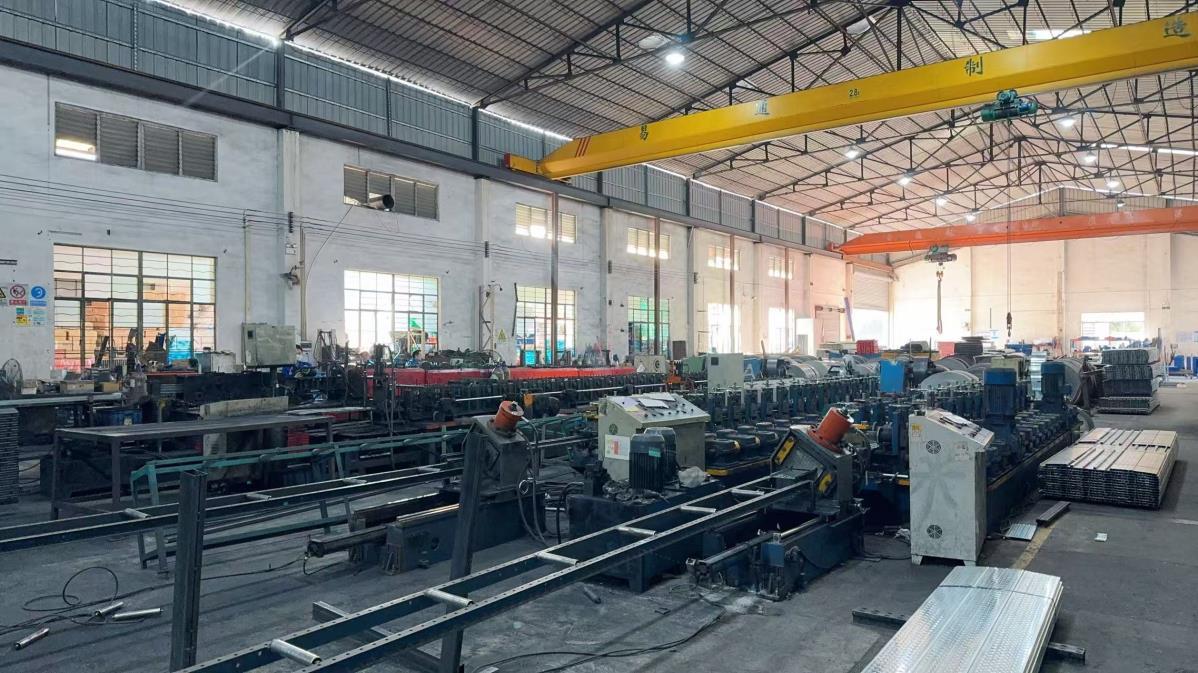
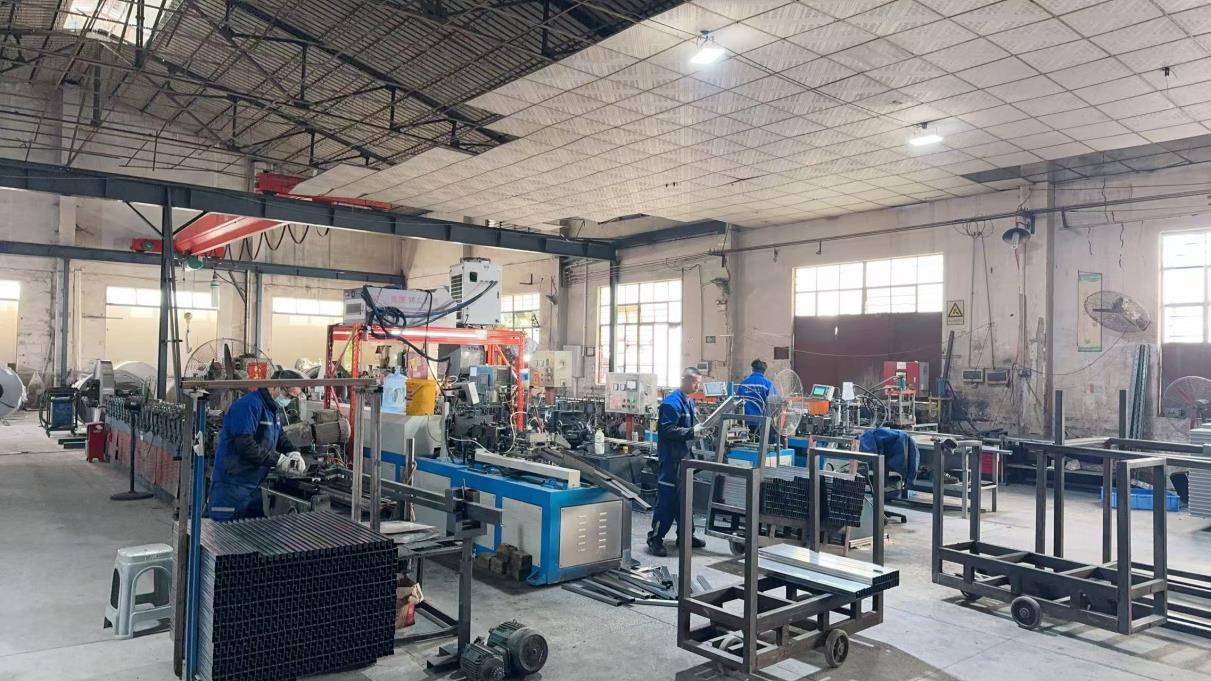
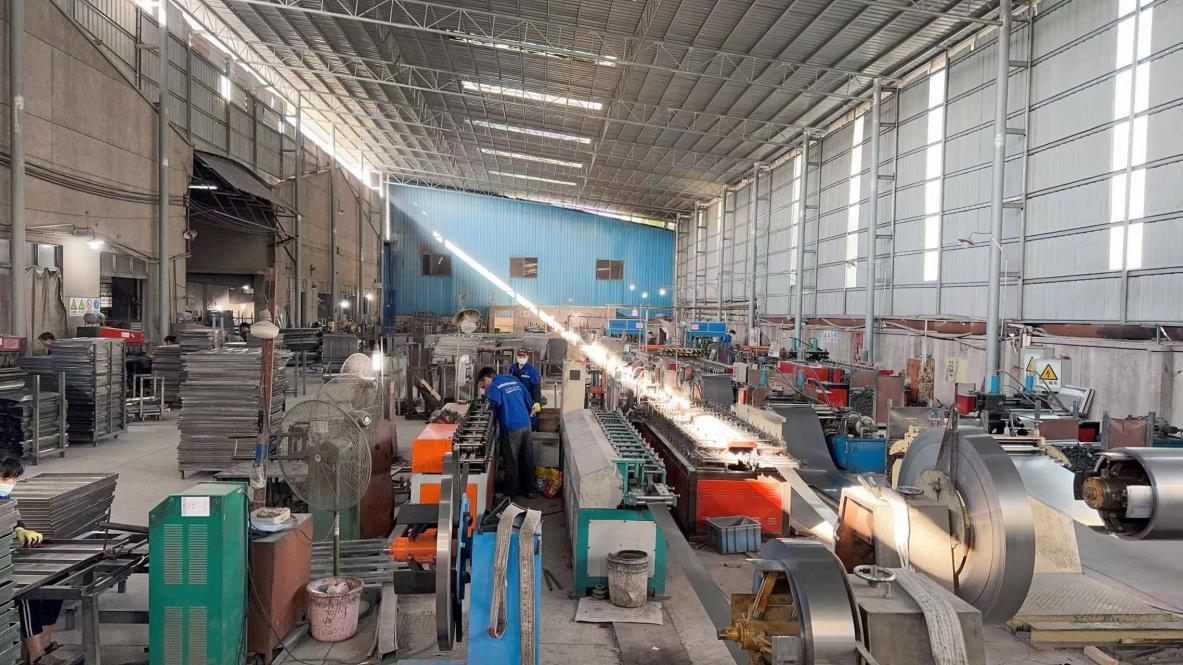
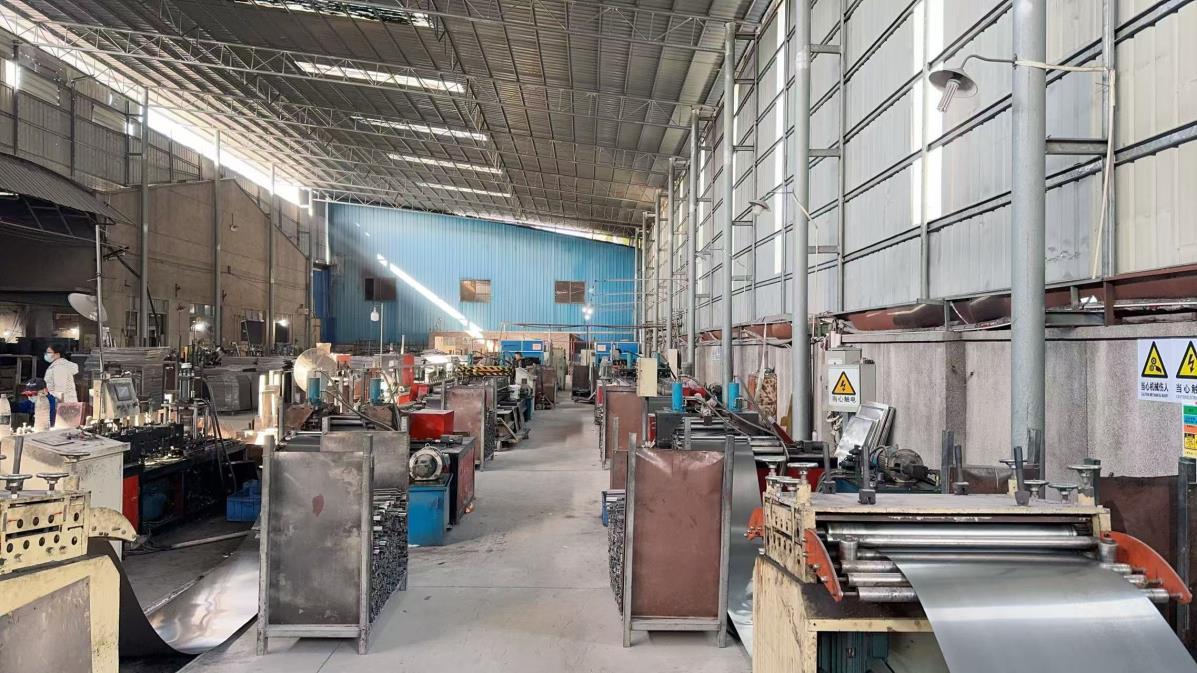
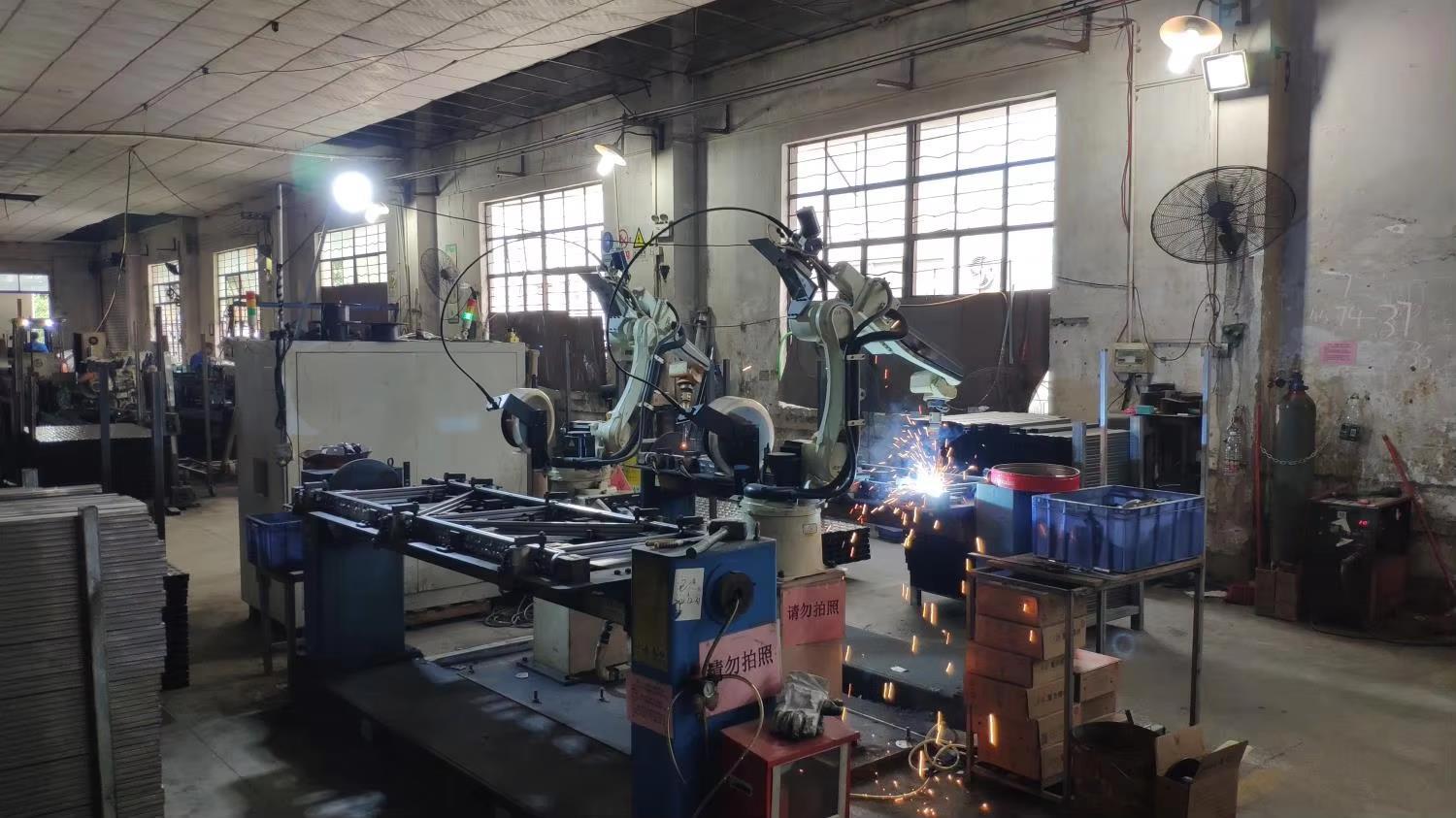
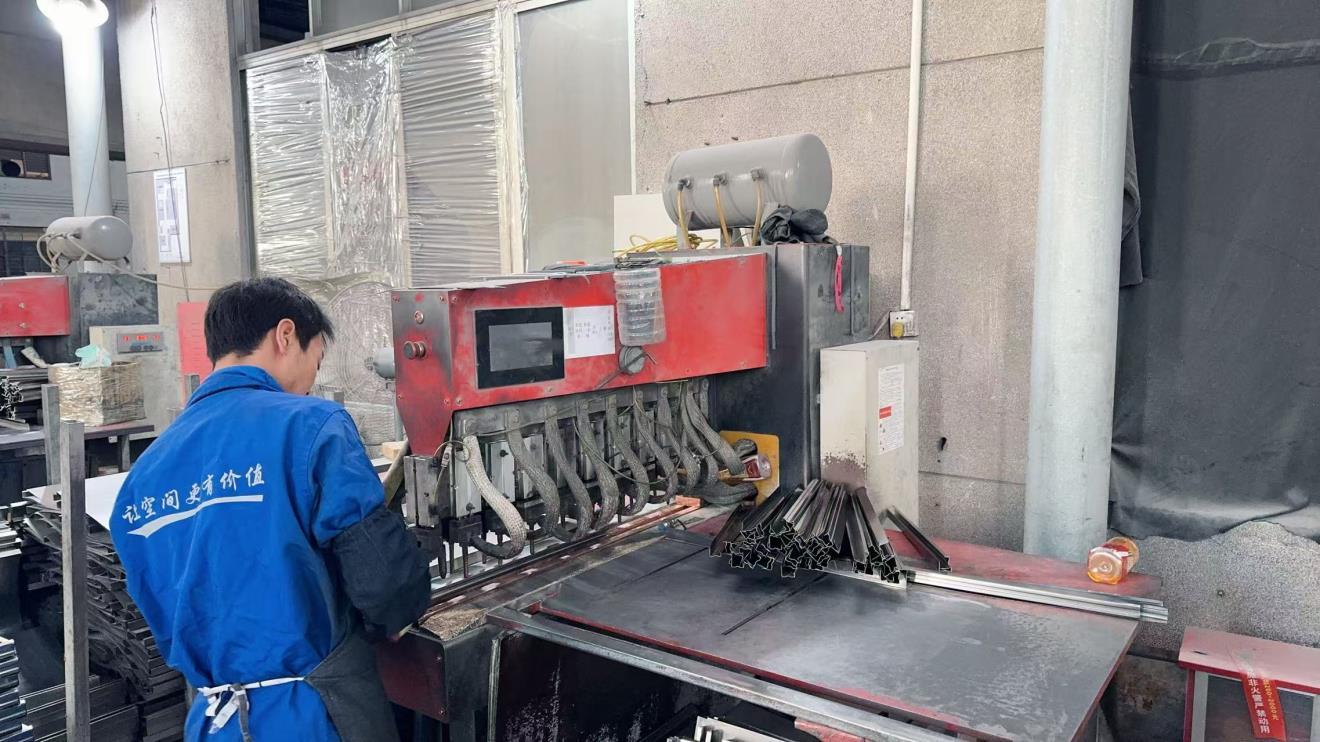
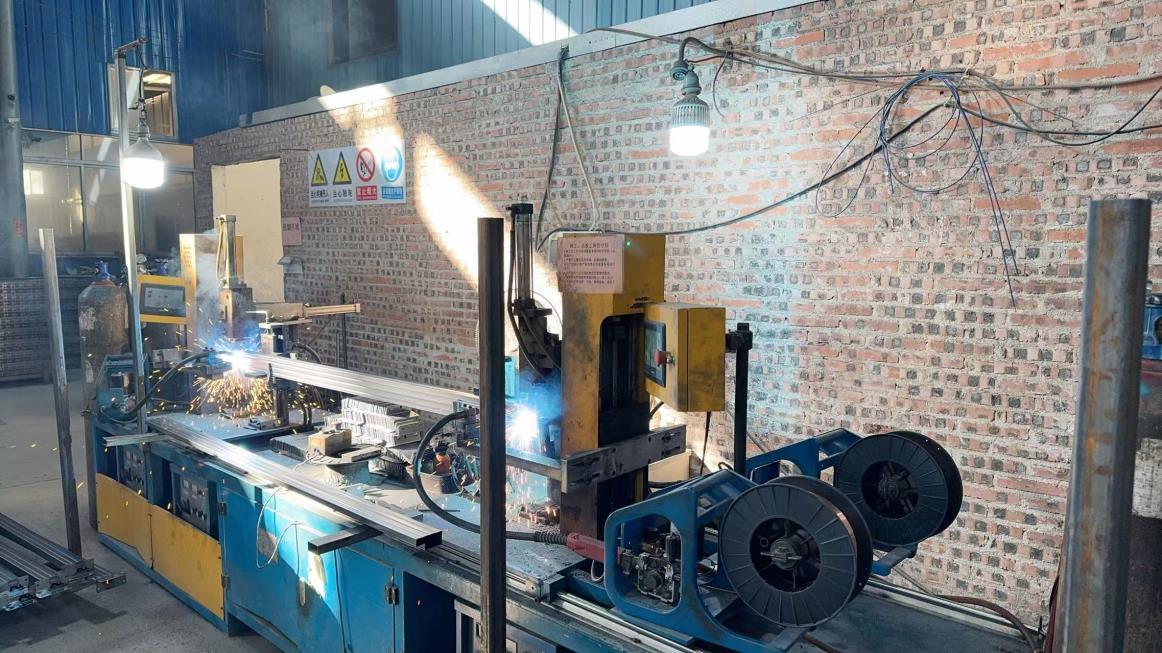
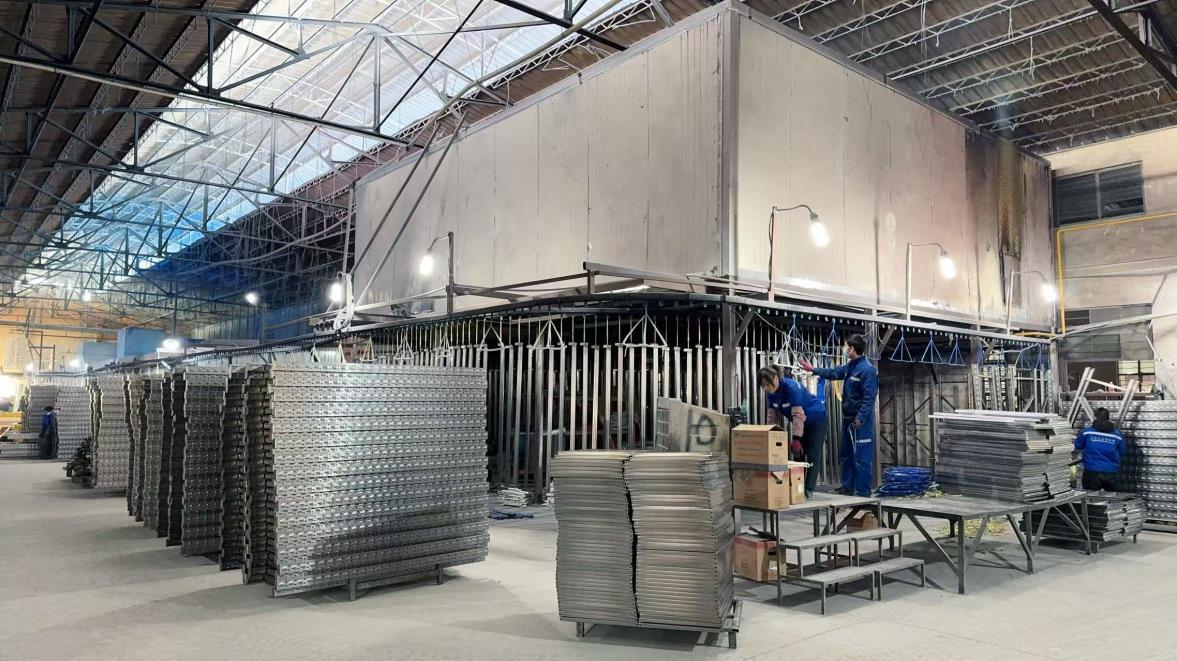
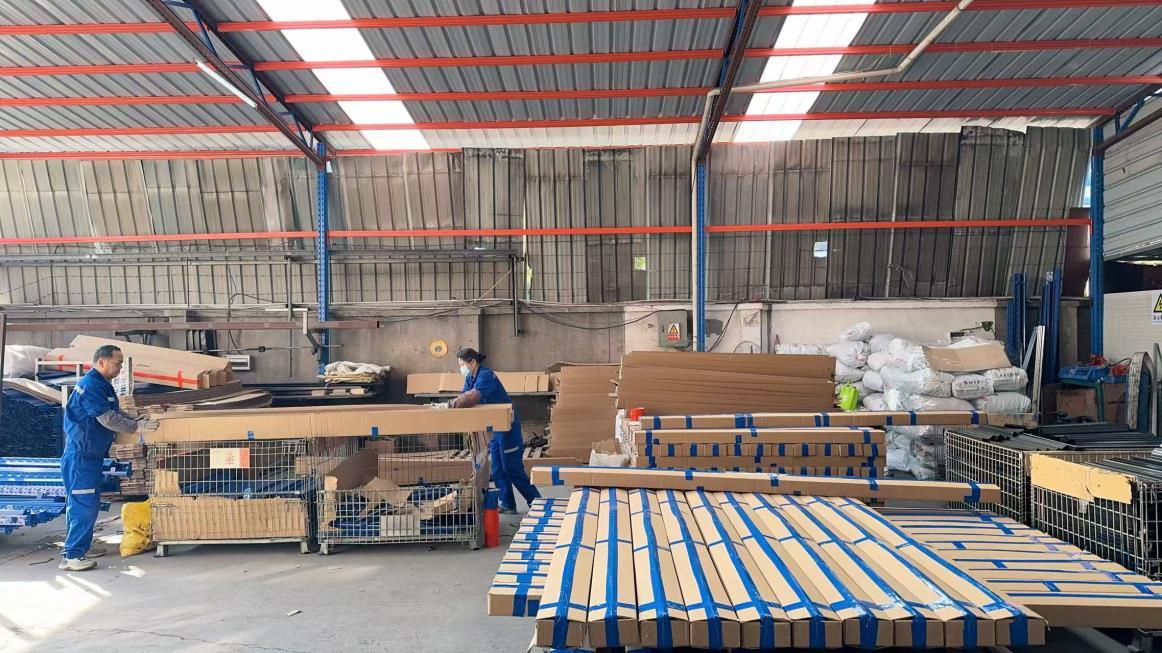
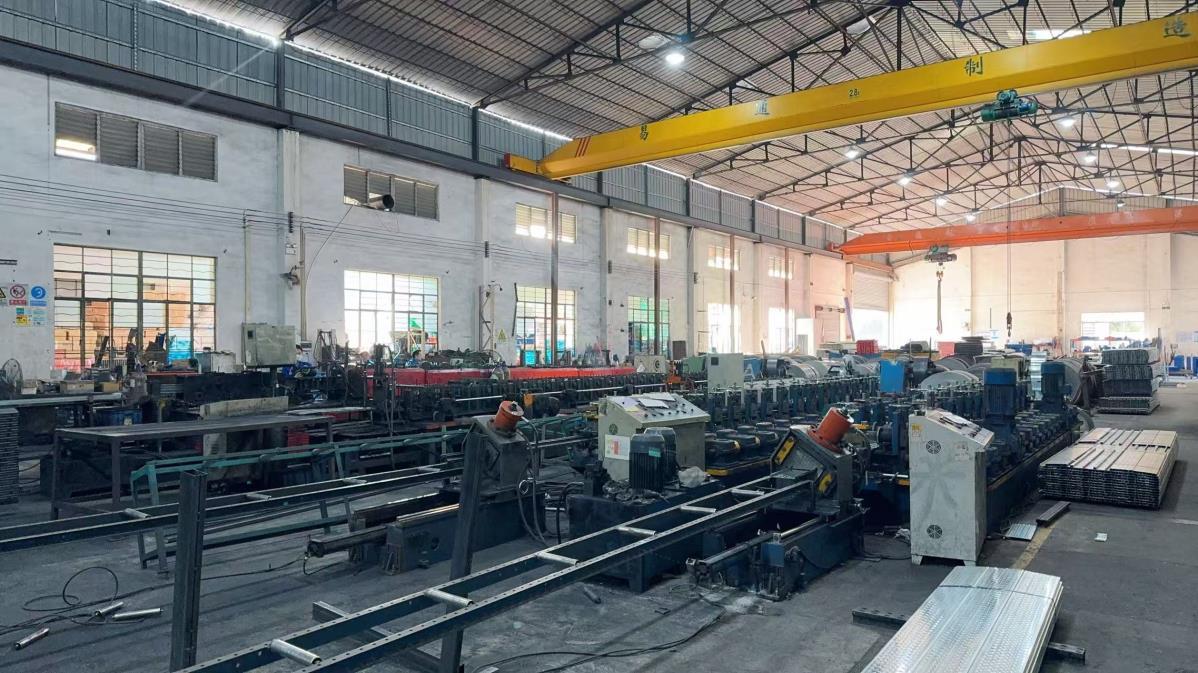
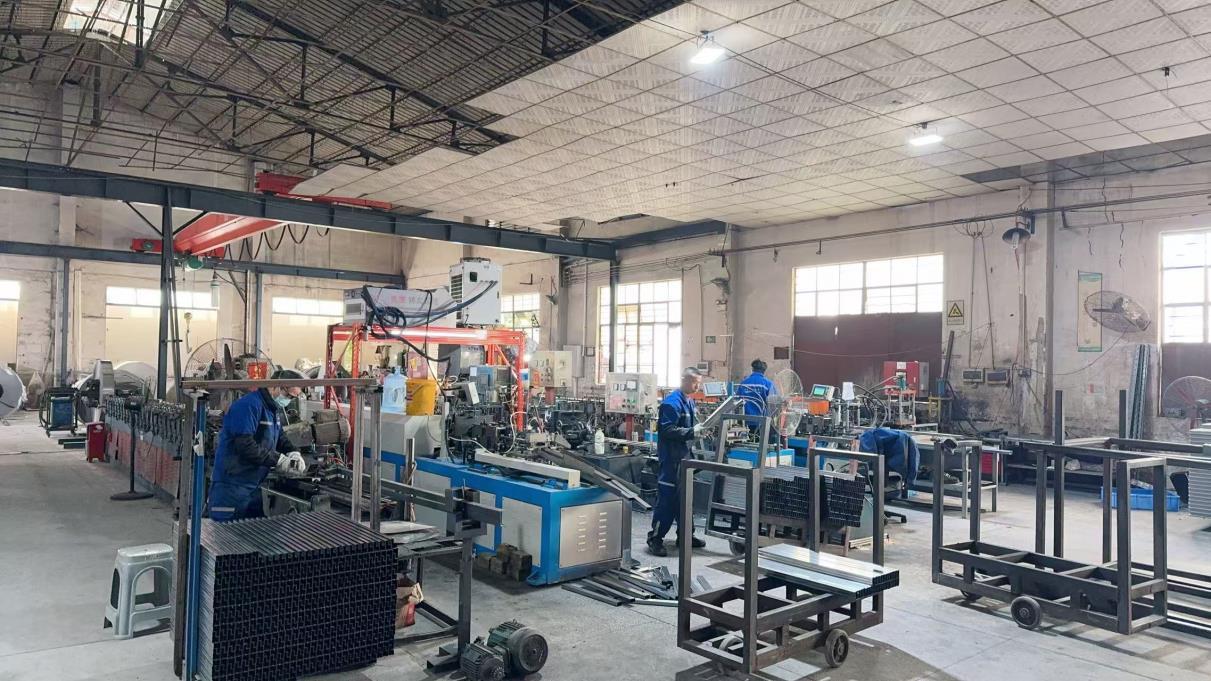
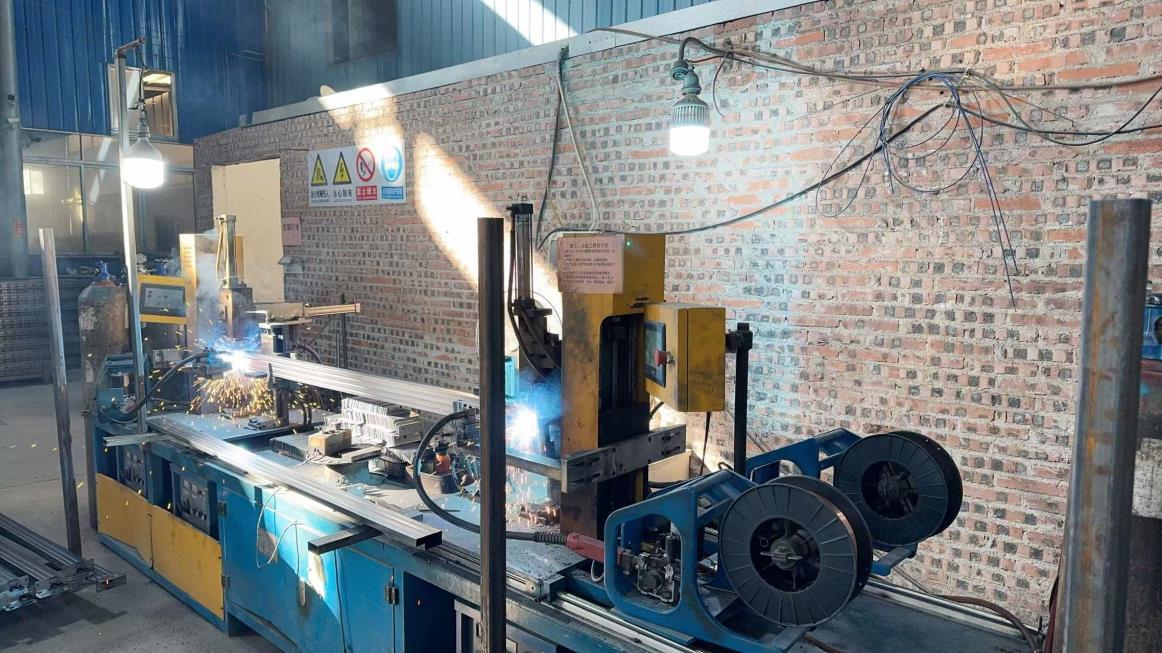
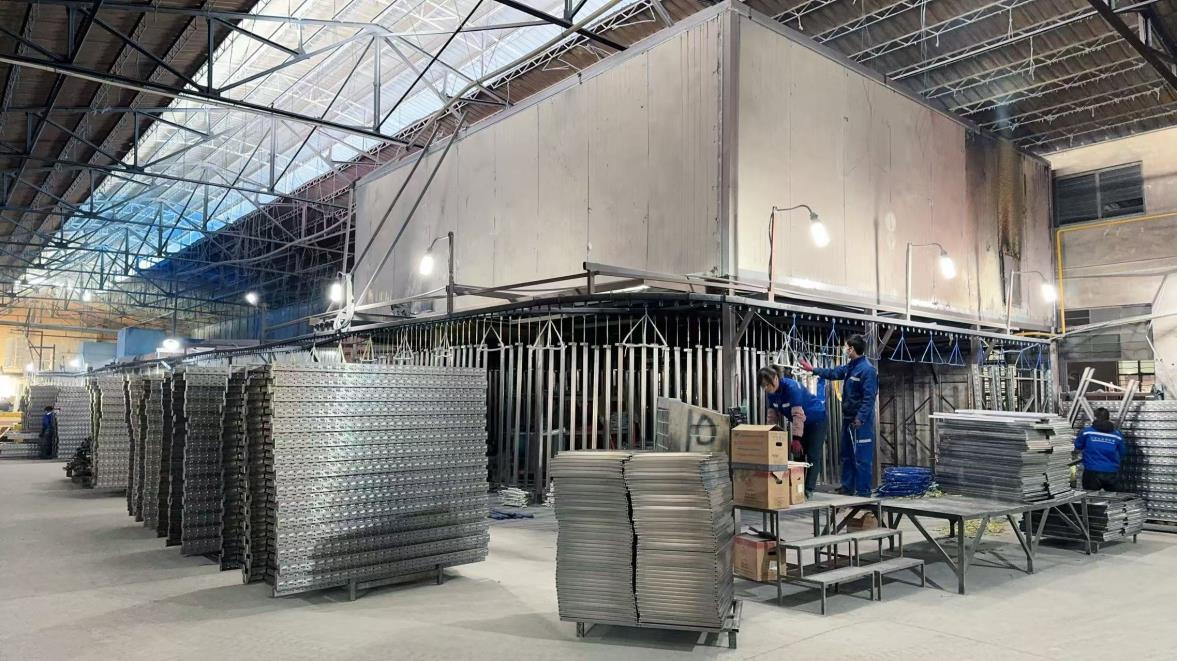
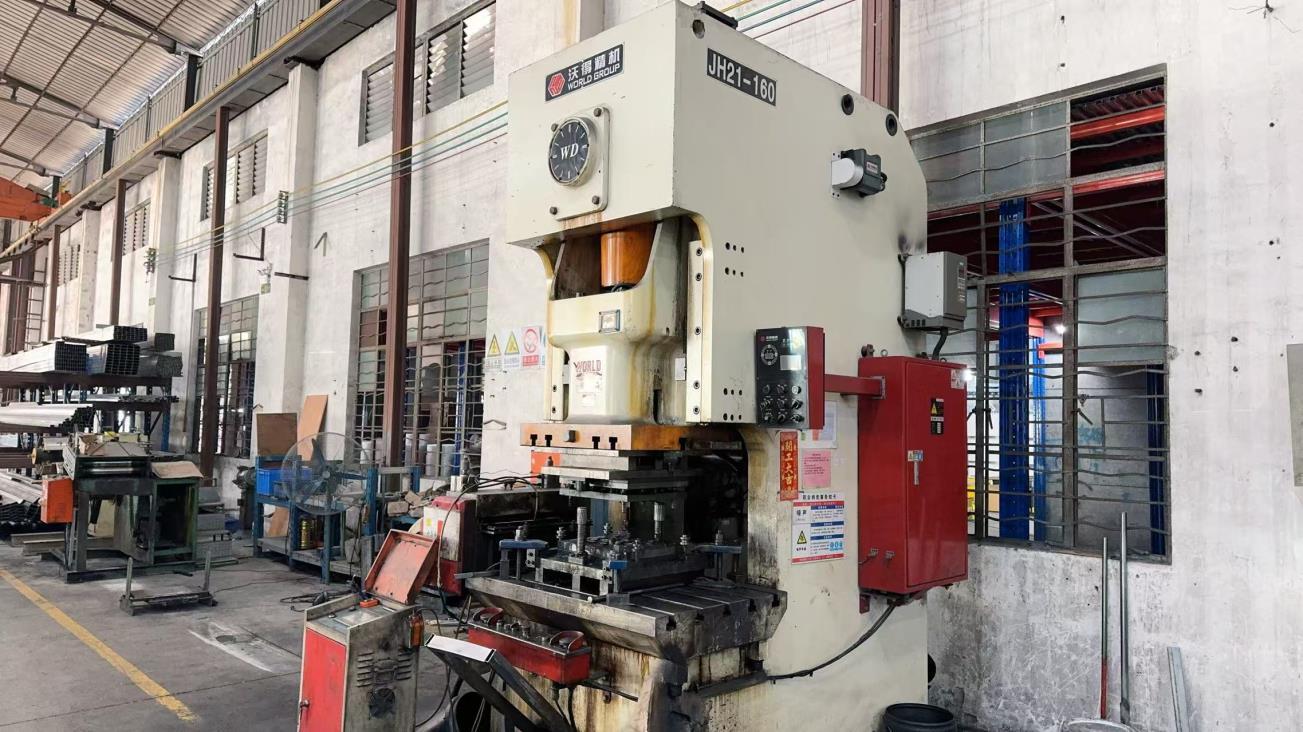
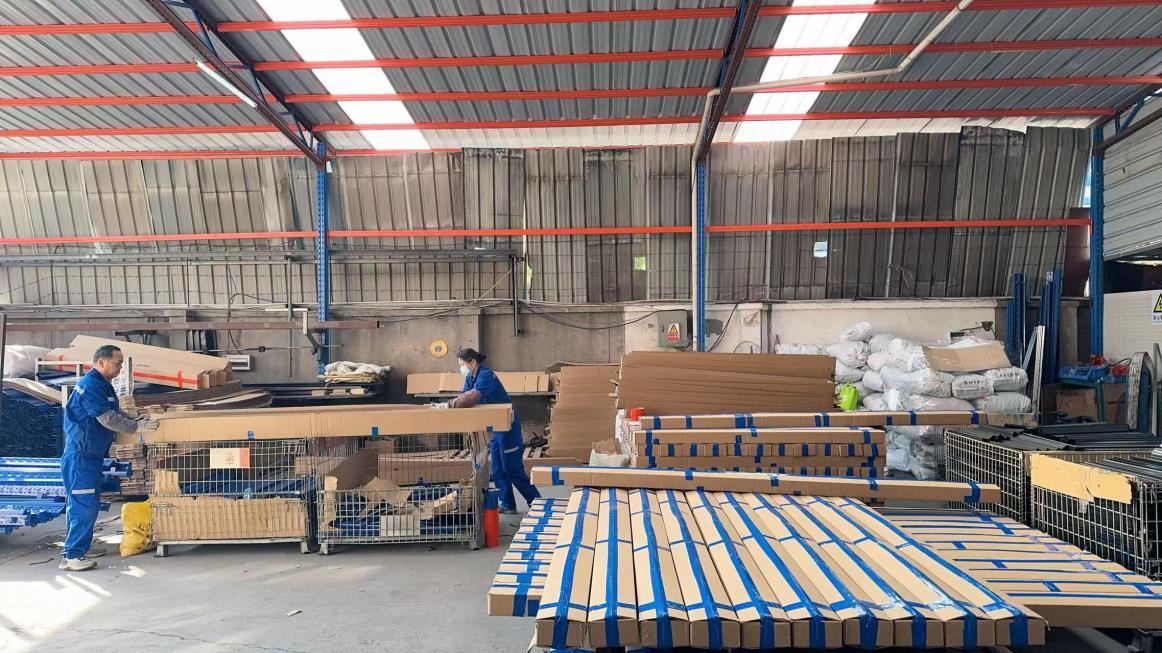
Real-world integration strategies showing how modular racking configurations adapt to regional demands.
Industrial spaces vary across markets. In North America and Europe, large distribution centers often rely on high-bay selective pallet racking systems integrated with narrow aisles to reduce operational footprints. Conversely, in Southeast Asia and the Middle East, manufacturing storage demands quick assembly and adjustable load capacities to accommodate changing inventories.
Here is how our modular storage cubes and structural mezzanines address regional industrial needs:
Our heavy-duty mezzanine platforms partition vast, double-height spaces into separate sorting, storage, and fulfillment decks, doubling floor capacity without building expansions.
Specialty adjustable racks configured for tires and mechanical components prevent deformation and optimize spatial distribution for SKU layouts.
Rapidly scalable boltless shelving configurations allow dynamic height adaptations. This flexibility is suited for handling varied stock-keeping units (SKUs) during peak seasonal demand.
Predicting the shift toward automated logistics systems and low-carbon, smart structural racking.
The material handling and storage industry is transitioning from passive holding systems to active, smart structures. Our R&D division, consisting of 18 senior structural and engineering specialists, is targeting two primary technological paths:
Designing racking profiles that integrate with Automated Guided Vehicles (AGVs) and stacker cranes. Tight tolerances (+/- 0.5mm) ensure safety during automated handling operations.
Developing advanced surface coatings to resist humidity and chemical exposure, suitable for cold storage warehouses and marine environment logistics hubs.
Adopting eco-friendly steel processing and energy-efficient powder curing techniques to align with global environmental goals and supply chain transparency standards.
Adhering to international safety regulations to ensure compliance across regional B2B markets.
Ensuring worker safety and structural stability requires strict compliance with regional building and safety codes. Our warehouse structures, steel platforms, and selective shelves are designed in accordance with standards like ISO 9001 and CE. For projects in North America, our designs align with the Rack Manufacturers Institute (RMI) standards. For European markets, they meet the EN 15512 codes.
We provide B2B clients with comprehensive structural documentation, including load capacity ratings and seismic calculations. From initial site analysis and CAD modeling to customs documentation and delivery logistics, our team coordinates the process to ensure a compliant and reliable supply chain.
Expert answers addressing load distribution, raw material specifications, certifications, and international project execution.
We primarily use cold-rolled Q235B and Q345B carbon steel, selected for their balanced yield point and elongation. These materials provide load stability and resistance to deformation under load-limit conditions.
Every design undergoes computer modeling via Finite Element Analysis (FEA) to calculate stress distribution and deflection limits. We follow the L/200 deflection limit standard, meaning deflection under maximum load will not exceed 1/200th of the span distance.
Yes. Our automated spray line applies powder coatings in various standard RAL colors. Color-coding racks can help distinguish safety zones, forklift lanes, and load capacities in busy facilities.
For standard configurations, the production turnaround is 15-20 days. Custom configurations requiring dedicated engineering approval typically require 25-30 days to complete manufacturing and quality control testing.
For installations taller than 4 meters, or any configuration carrying dynamic loads, we recommend anchoring the upright bases into the concrete slab using heavy expansion anchors to prevent tipping or shifting.
For cold-storage and high-humidity applications, we supply hot-dip galvanized profiles or use epoxy-polyester coatings. These materials are tested to withstand sub-zero temperatures and condensation cycles without corroding.
Explore our range of heavy-duty, boltless, and adjustable shelving solutions designed for warehouses, garages, and commercial facilities.
 Kimsuk Steel