Explore our high-capacity warehouse racks, adjustable boltless systems, and structural platforms manufactured to global regulatory standards.
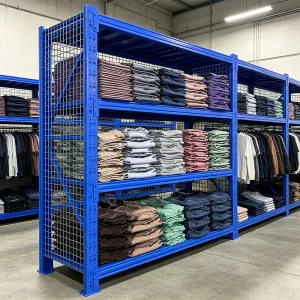
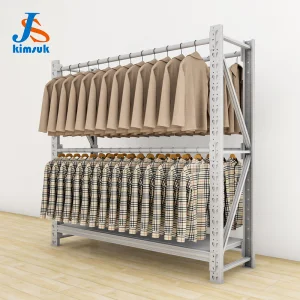
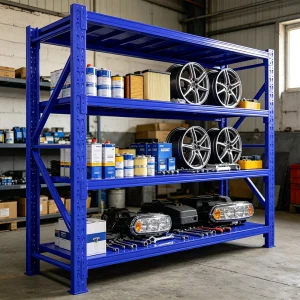
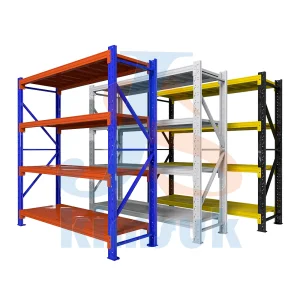
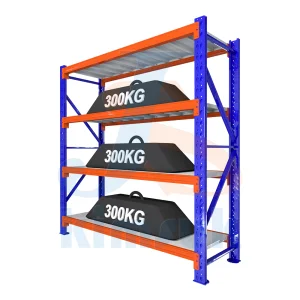
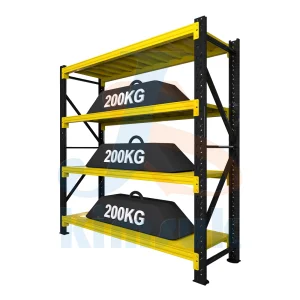
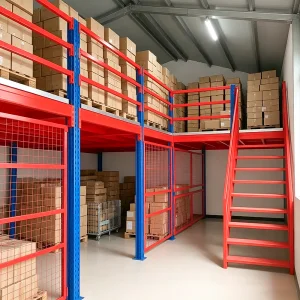
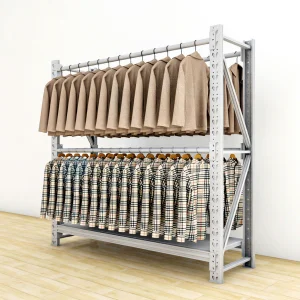
Learn how Dongguan Kimsuk Shelves Co., Ltd. combines heavy engineering capability with meticulous QA/QC standards to serve multinational distribution networks.
Established in 2015, Dongguan Kimsuk Shelves Co., Ltd. is a leading manufacturer specializing in the design, engineering, and production of heavy-duty industrial shelving and warehouse storage systems. Operating from a modern production facility spanning 32,000 square meters, we have grown into a trusted global supply chain partner with 11 years of industry expertise and 8 years of direct international export experience. Driven by robust manufacturing capability, our annual export revenue reaches $18 million, serving clients across key international markets, including North America, Europe, Southeast Asia, and the Middle East.
Quality and precise engineering are at the core of our operations. We maintain a strict Quality Assurance protocol supported by a dedicated team of 35 QA/QC inspectors. Our comprehensive product inspection methods combine automated non-destructive testing, raw material tensile testing, load-bearing stress evaluations, and precision powder-coating thickness measurements. Supported by an extensive network of over 850 verified supply chain partners, we consistently deliver reliable, high-integrity racking systems to a diverse client portfolio, ranging from large-scale logistics hubs and third-party logistics (3PL) providers to industrial manufacturing facilities and commercial retail distributors.
Innovation drives our growth. Our in-house R&D team consists of 18 senior structural and engineering specialists capable of delivering full OEM/ODM custom solutions. From tailored rack dimensions and heavy load capacities to specialized seismic-resistant structures and anti-corrosion surface finishes, we turn complex warehousing requirements into optimal designs. Demonstrating our continuous drive for innovation, we successfully developed and launched 120 new product models and modular storage enhancements last year alone. At Dongguan Kimsuk Shelves Co., Ltd., we remain committed to maximizing warehouse space efficiency and delivering long-term value to our global partners.
An in-depth analysis of structural integrity, automated integration, and next-generation storage optimization methodologies.
The warehouse storage landscape is undergoing a monumental paradigm shift. As urban land prices escalate, conventional single-deep selective racking systems are giving way to high-density, multi-tier configurations. The industry's technical roadmap points directly toward autonomous compatibility. Modern stacking systems are no longer passive steel structures; they are active modules designed to support Automatic Guided Vehicles (AGVs), Autonomous Mobile Robots (AMRs), and radio pallet shuttle systems.
By developing racking systems with precise mechanical tolerances (within +/- 1.0mm per bay deviation), manufacturers ensure that shuttle carts can traverse rail channels smoothly at speeds up to 1.5 m/s. These dynamic loading parameters necessitate advanced finite element analysis (FEA) to simulate cyclic stress, horizontal shear forces, and structural buckling behaviors.
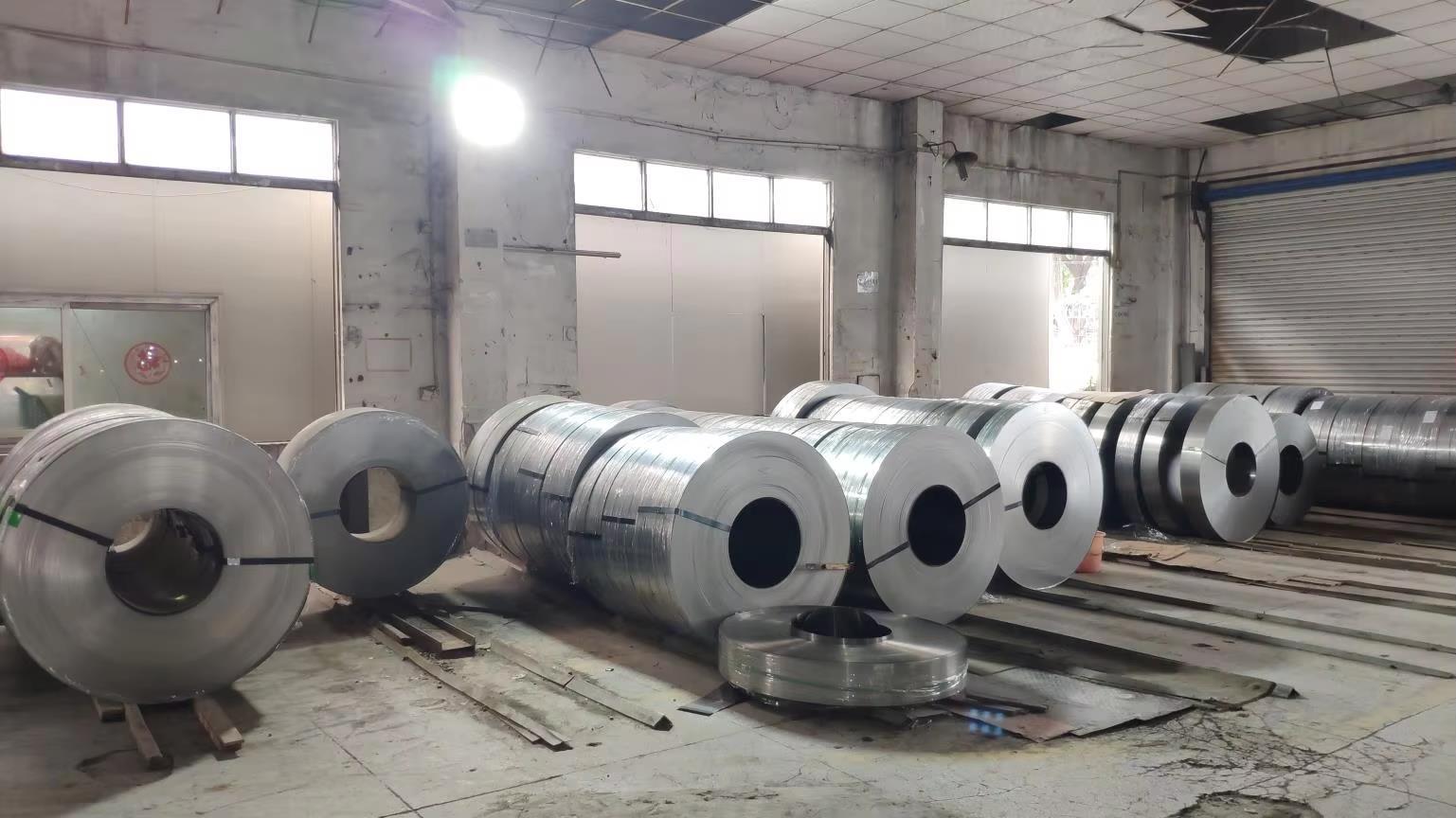
Reliability begins with raw material selection. Utilizing high-yield carbon structural steel (primarily grades equivalent to Q235B and Q345B), structural members are cold-rolled to optimize strength-to-weight ratios. The integration of advanced interlocking mechanisms, such as safety-locking pins and butterfly-hole upright connections, ensures robust rigidity under both static load and dynamic impact forces.
Surface engineering plays a critical role in determining structural longevity. Advanced electrostatic powder coating lines apply a uniform polyurethane layer of 60 to 80 microns. This coating undergoes intense curing cycles to guarantee scratch resistance, UV stability, and cross-cut adhesion. For harsh environments—such as sub-zero cold-storage facilities (-30°C) or coastal locations with high salinity—hot-dip galvanization (conforming to EN ISO 1461) is deployed to prevent galvanic corrosion and prolong service life up to 25 years.
Standardized component design allows rapid customization of shelf configurations, column heights, and rack depths to accommodate evolving logistics demands.
In-house CAD/CAE engineers conduct rigorous structural simulations to predict buckling points and establish a safety factor of 1.5 to 2.0 under ultimate limit state conditions.
Integration of strain gauges and optical sensors along high-load crossbeams to monitor deflection limits in real-time, preventing catastrophic structural collapse.
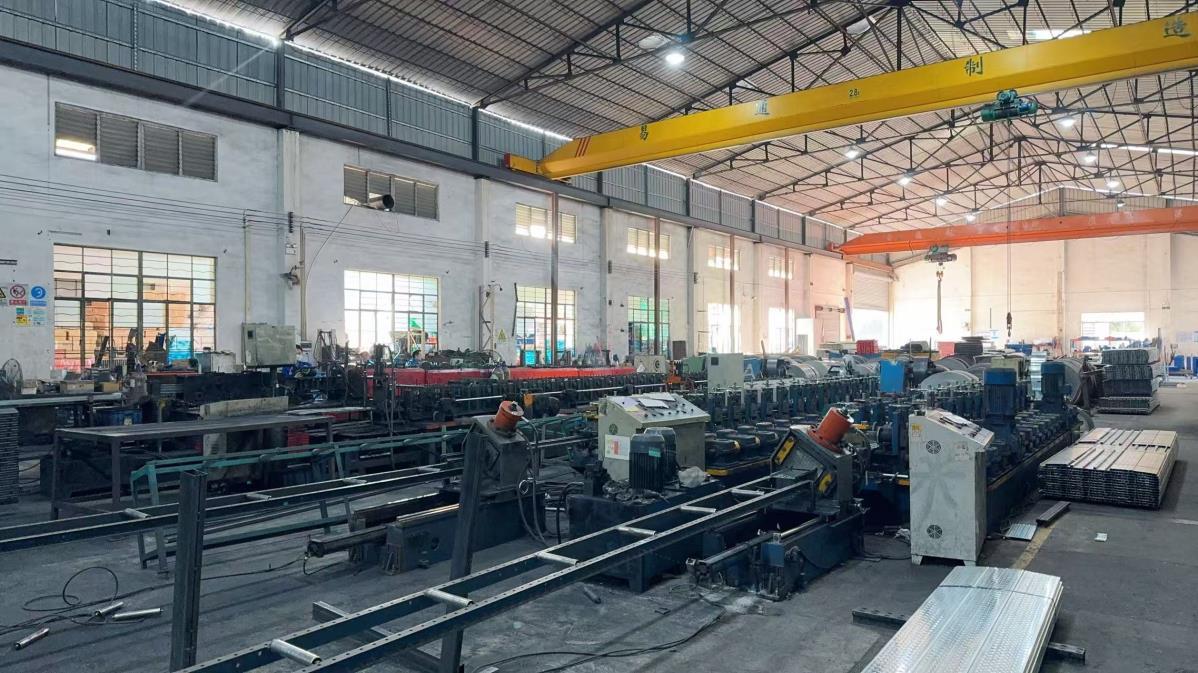
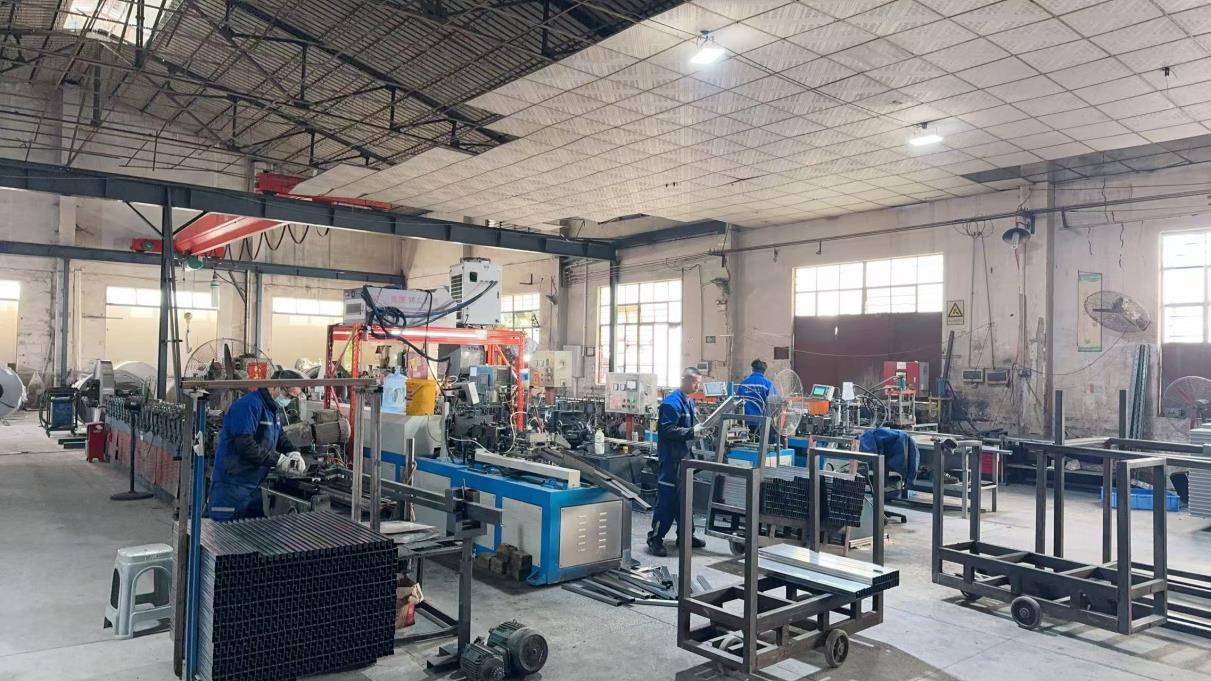
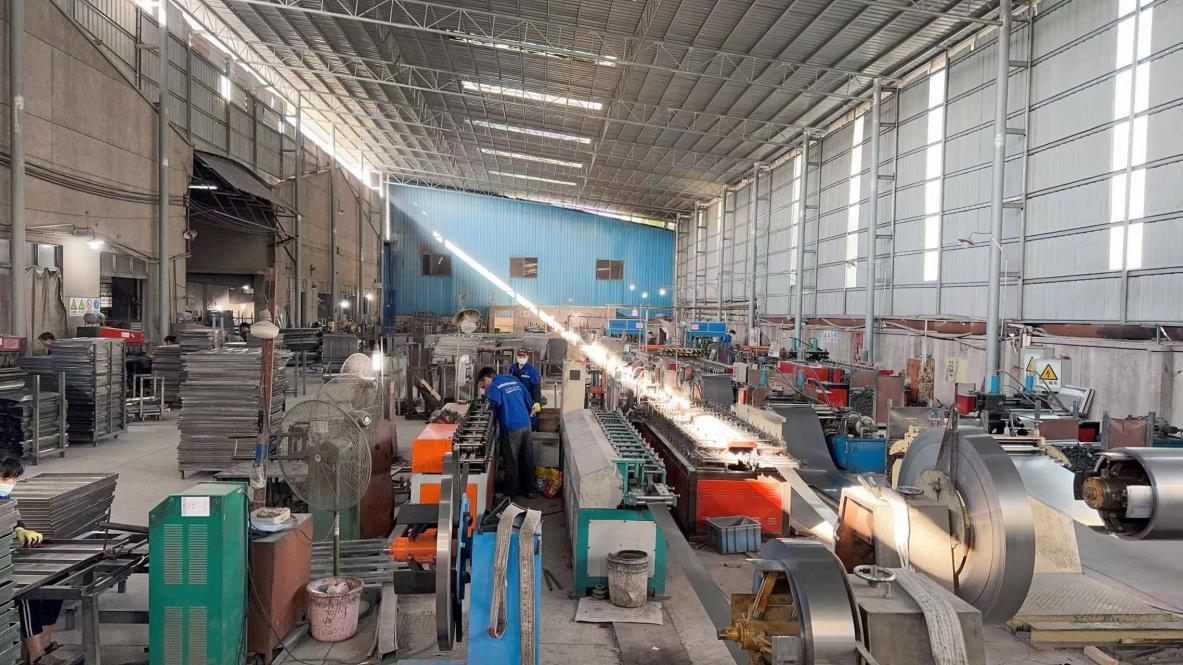
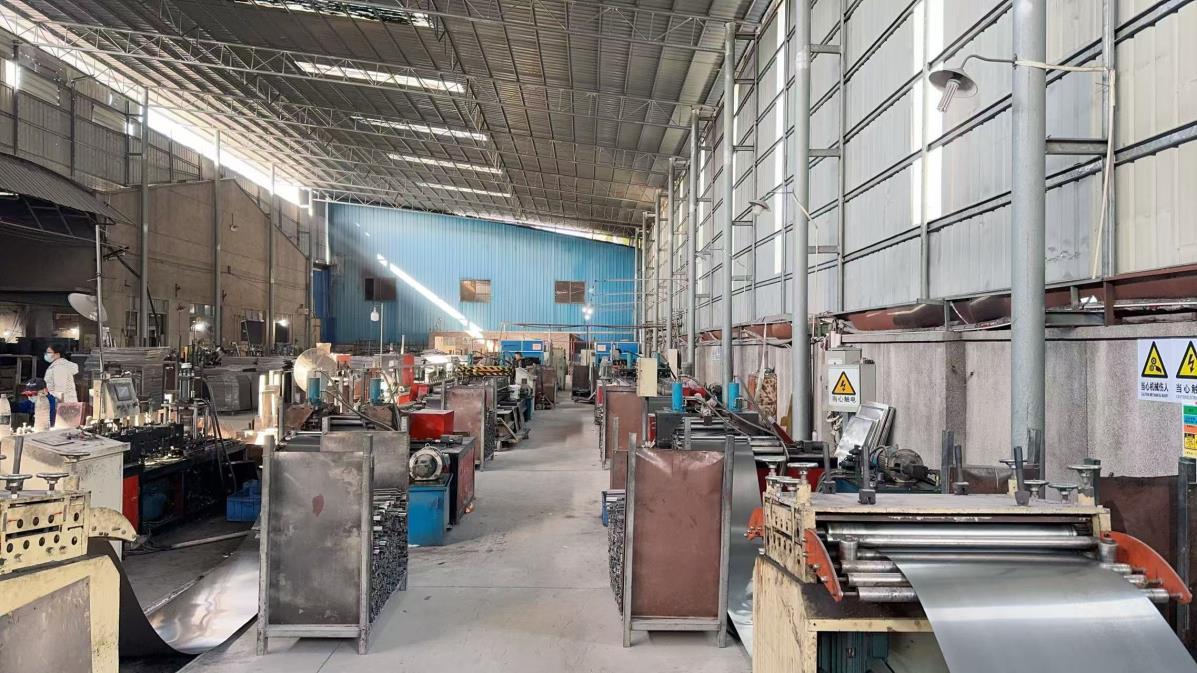
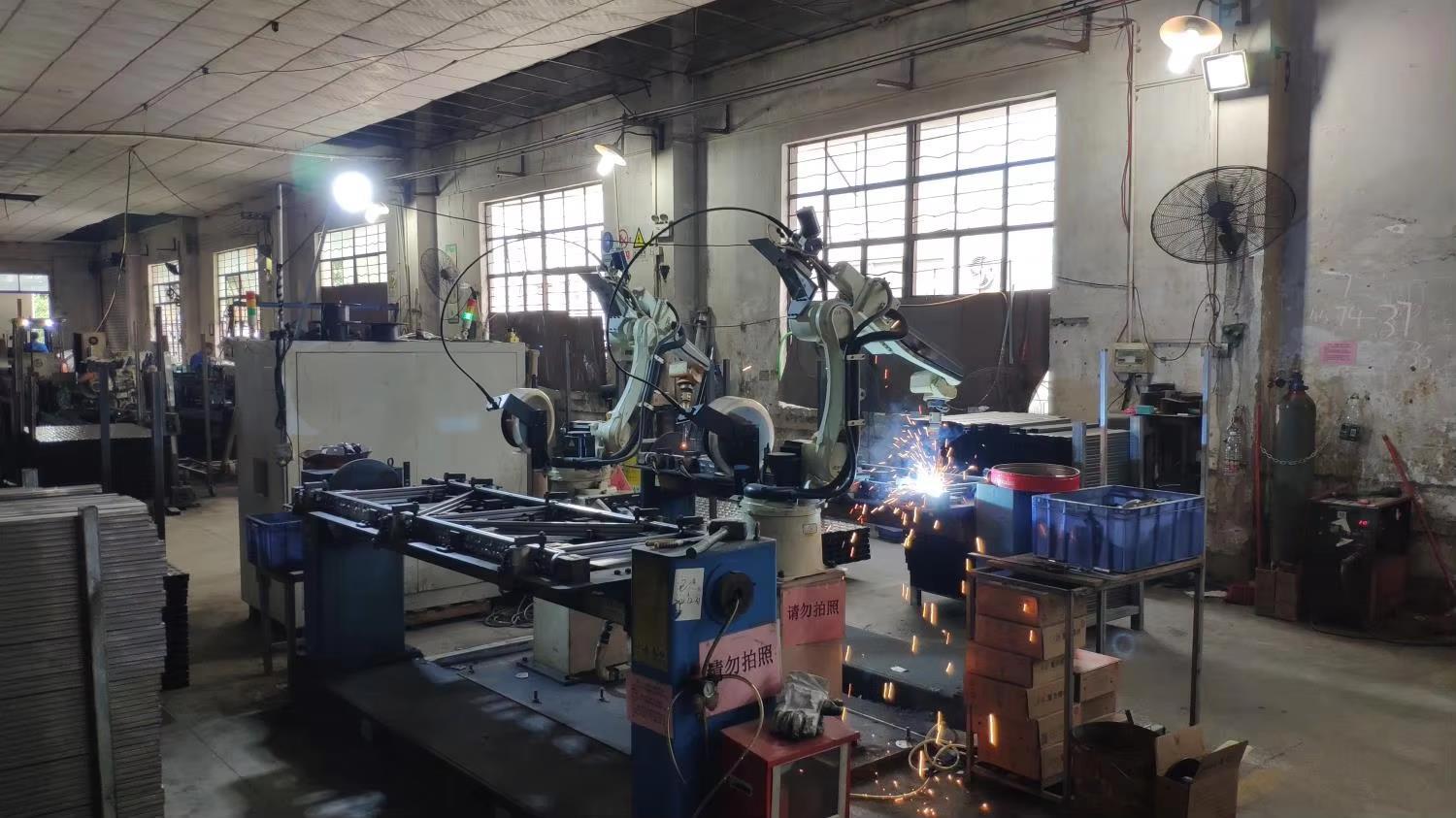
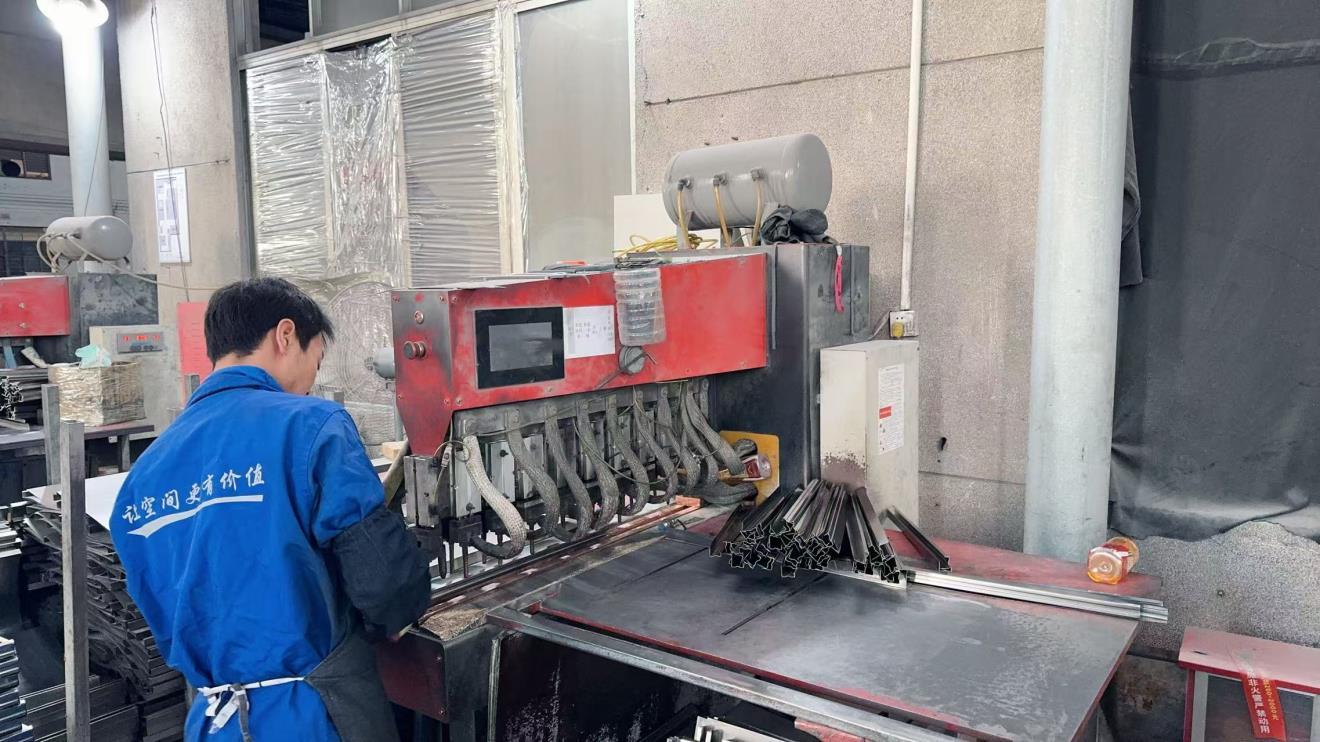
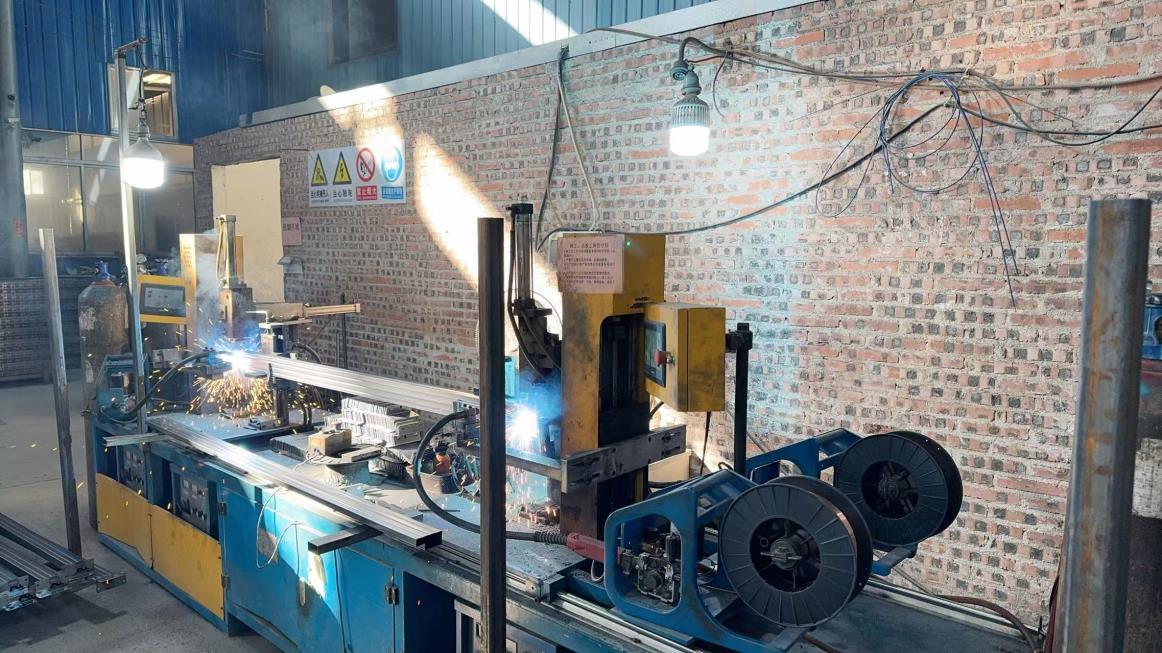
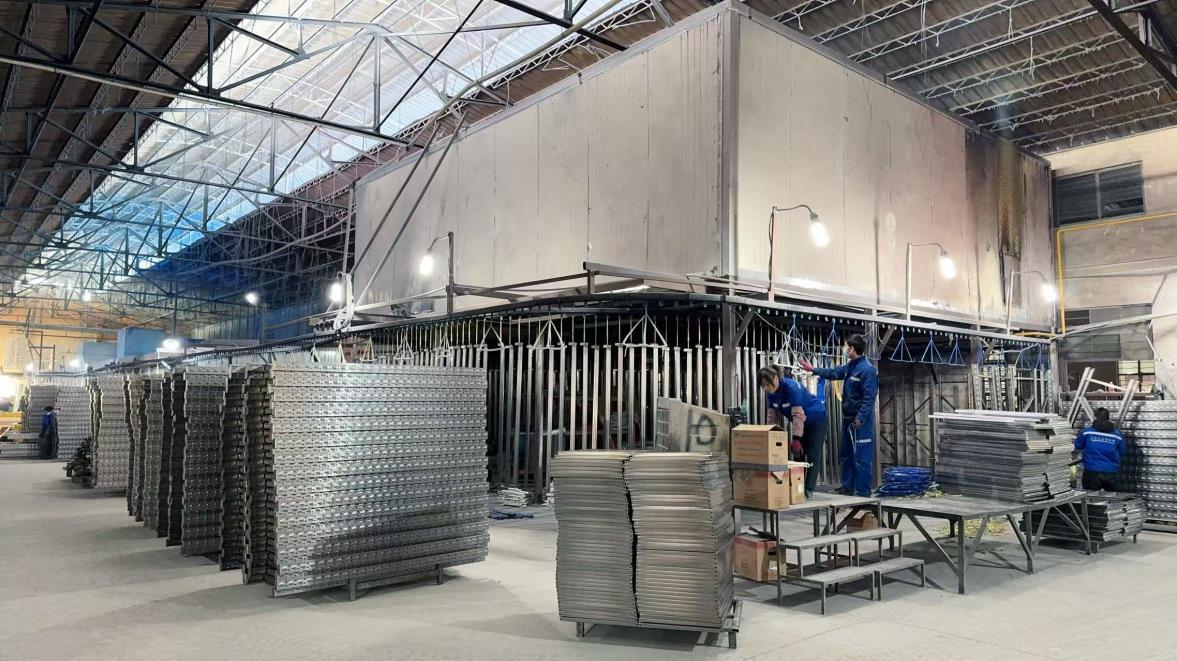
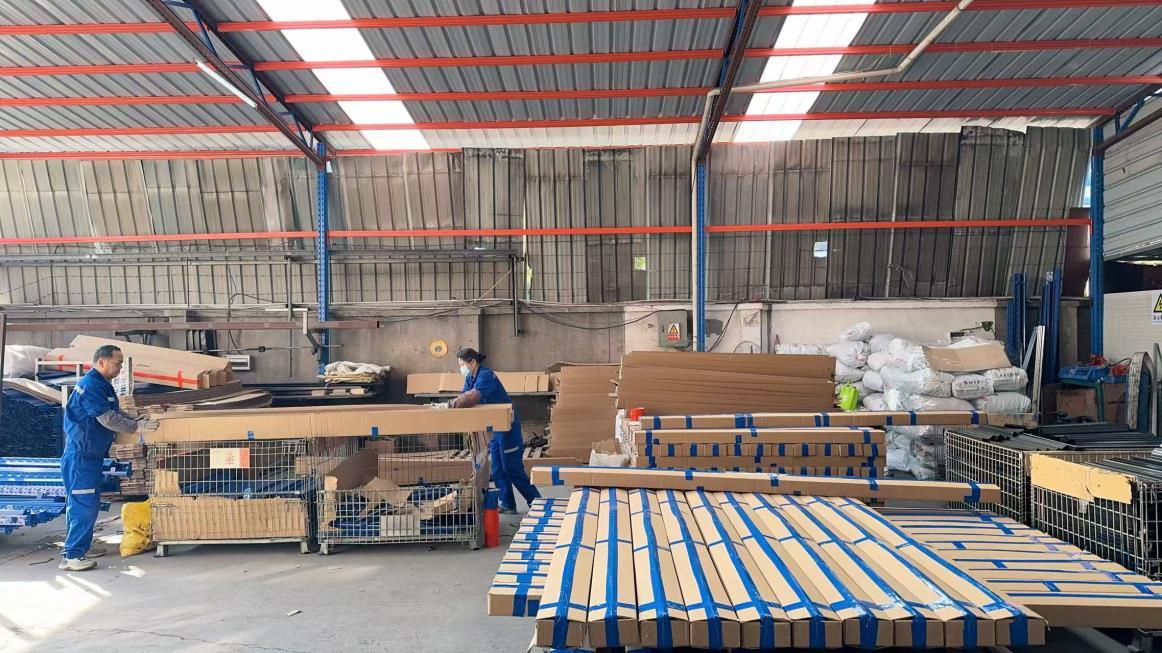
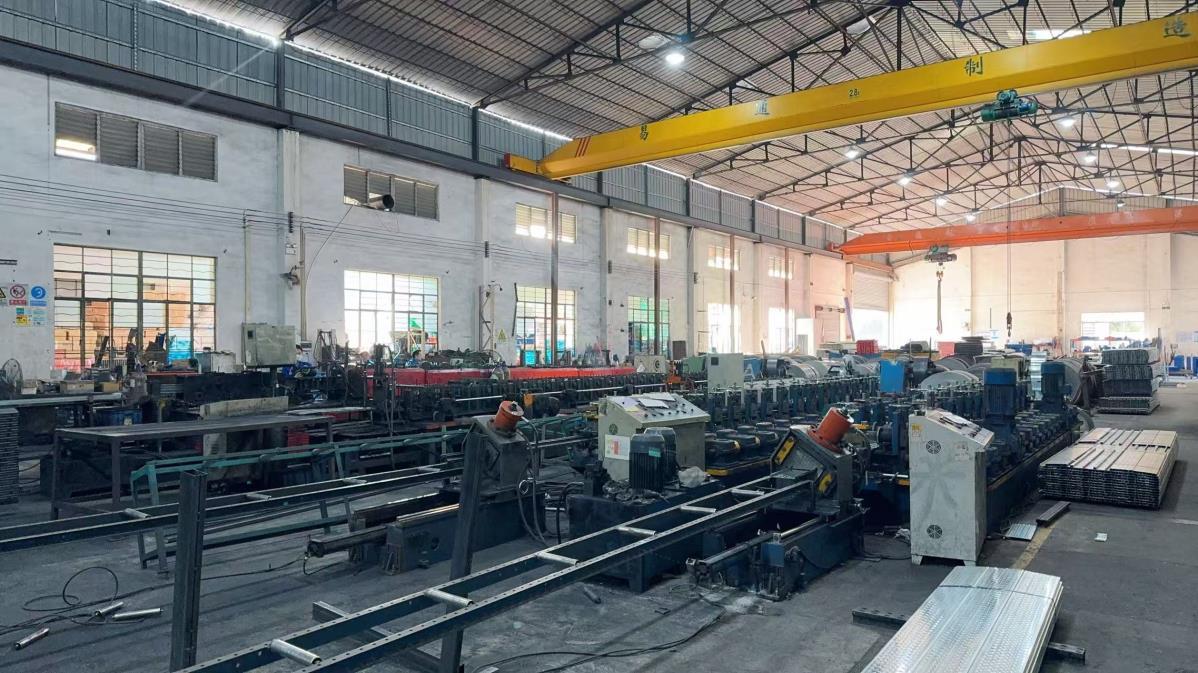
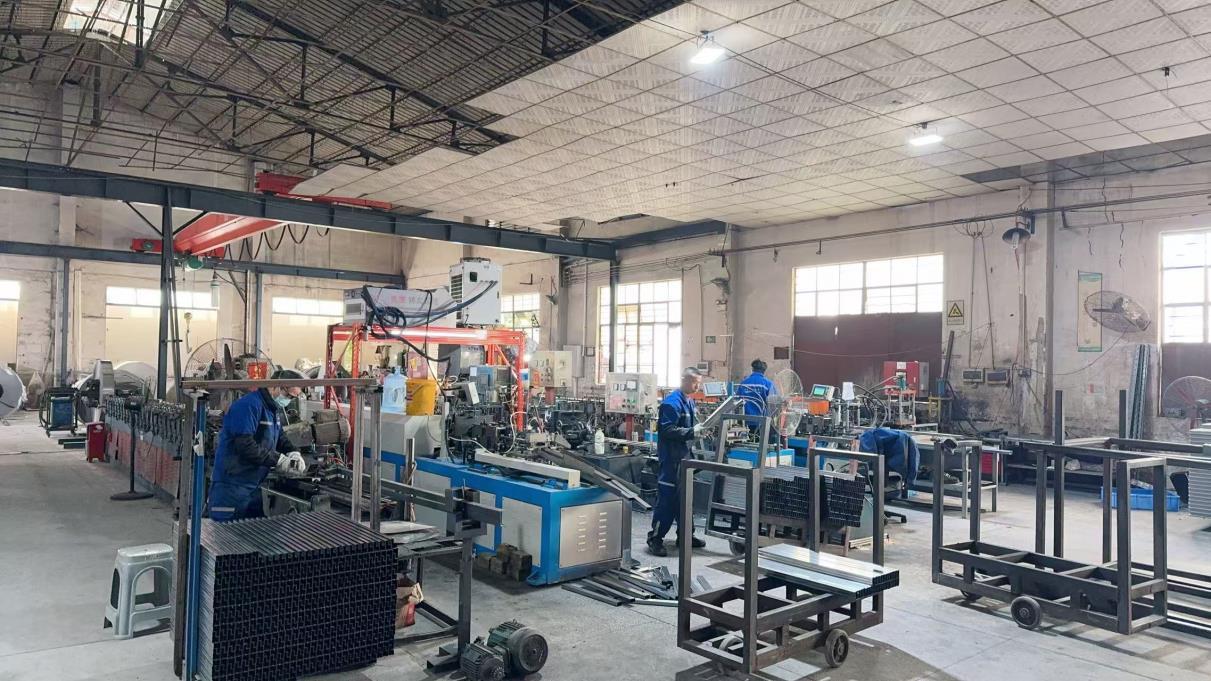
Meticulous manufacturing processes executed with robotized precision across our 32,000 square meter facility.
Leveraging China's advanced industrial ecosystem, Dongguan Kimsuk Shelves Co., Ltd. has established a streamlined Factory 4.0 production cycle. Our facility combines specialized raw material selection, advanced forming technology, precision robotic welding, and automated powder spray lines to produce racking components that meet tight structural tolerances. Because of our established, verified supply network of 850+ upstream raw material and component suppliers, we are insulated from sudden material cost fluctuations, ensuring stable pricing and predictable production lead times.
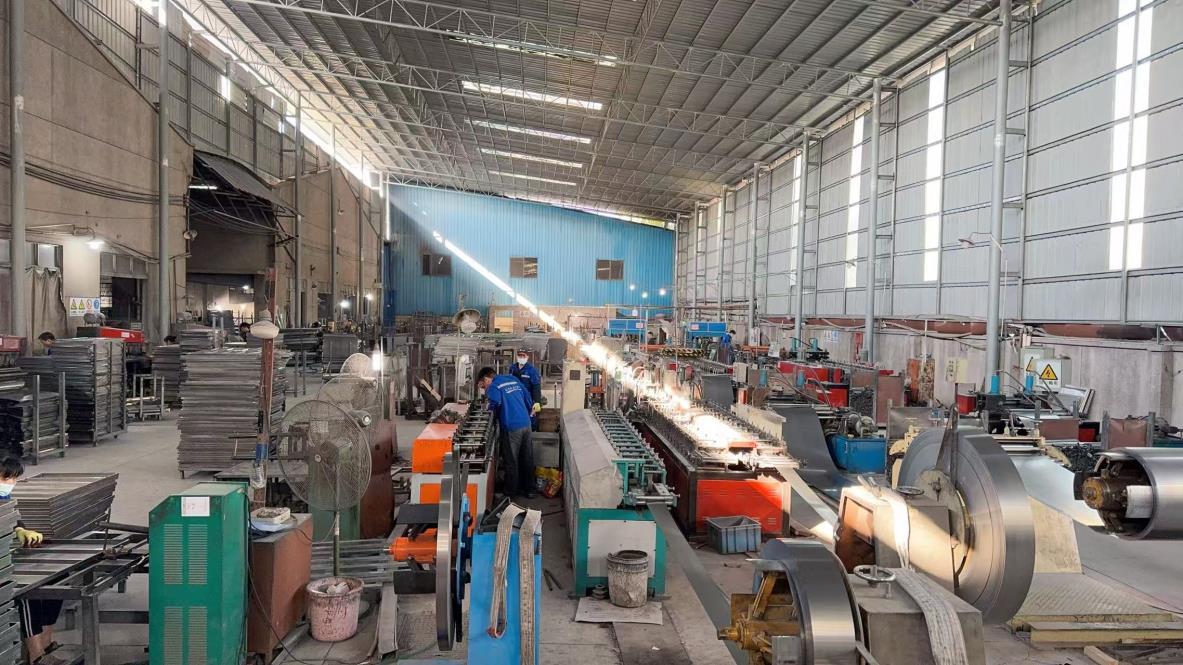
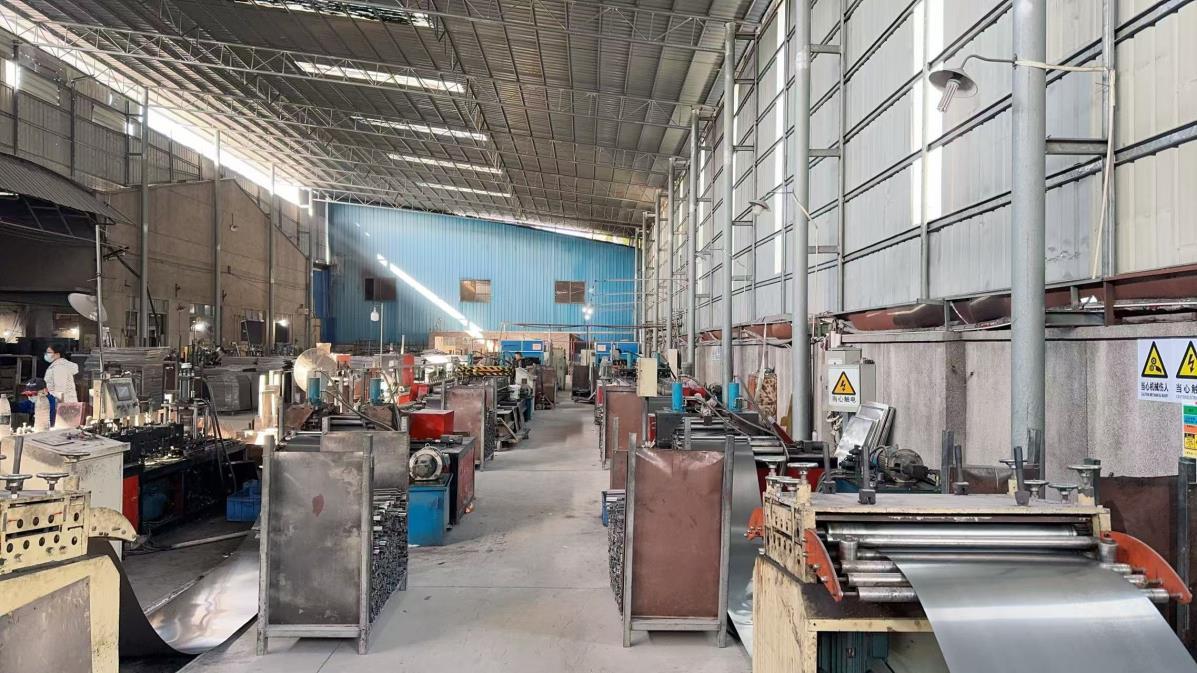
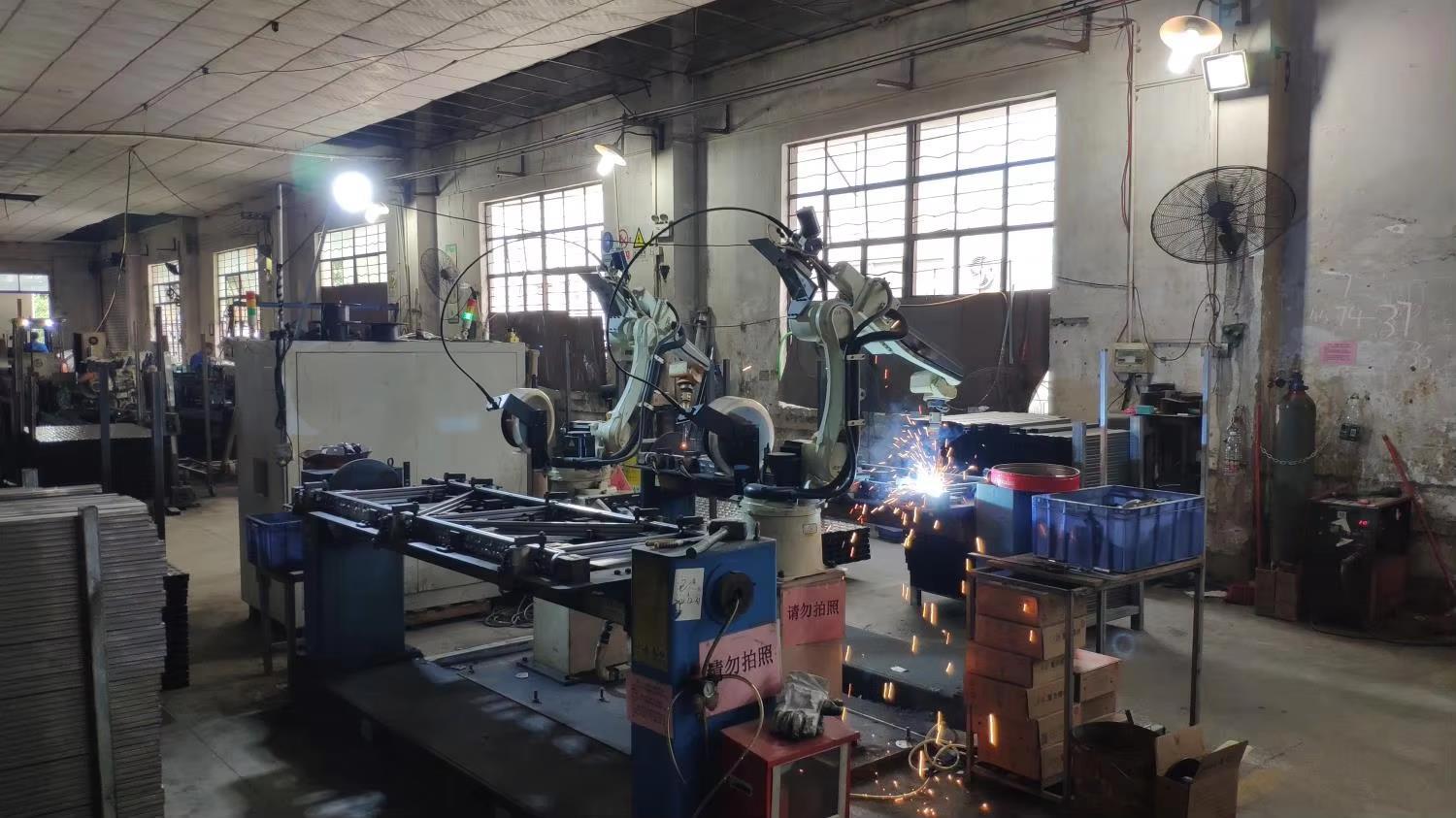
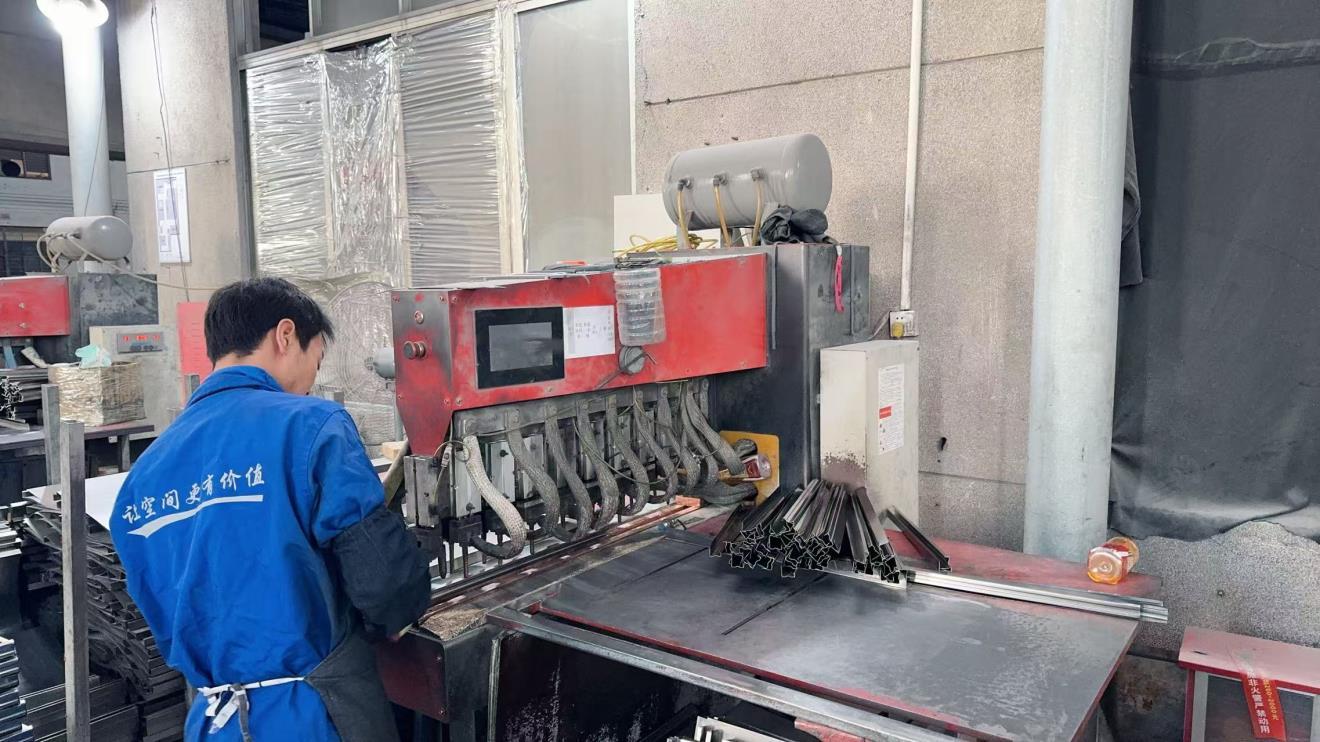
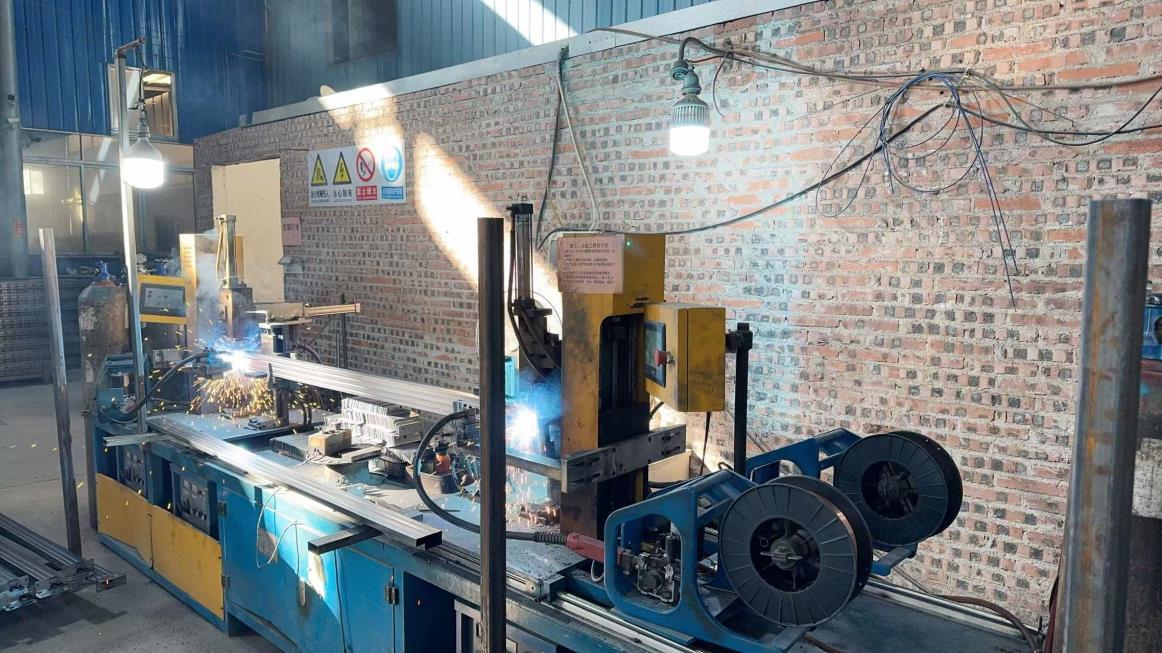
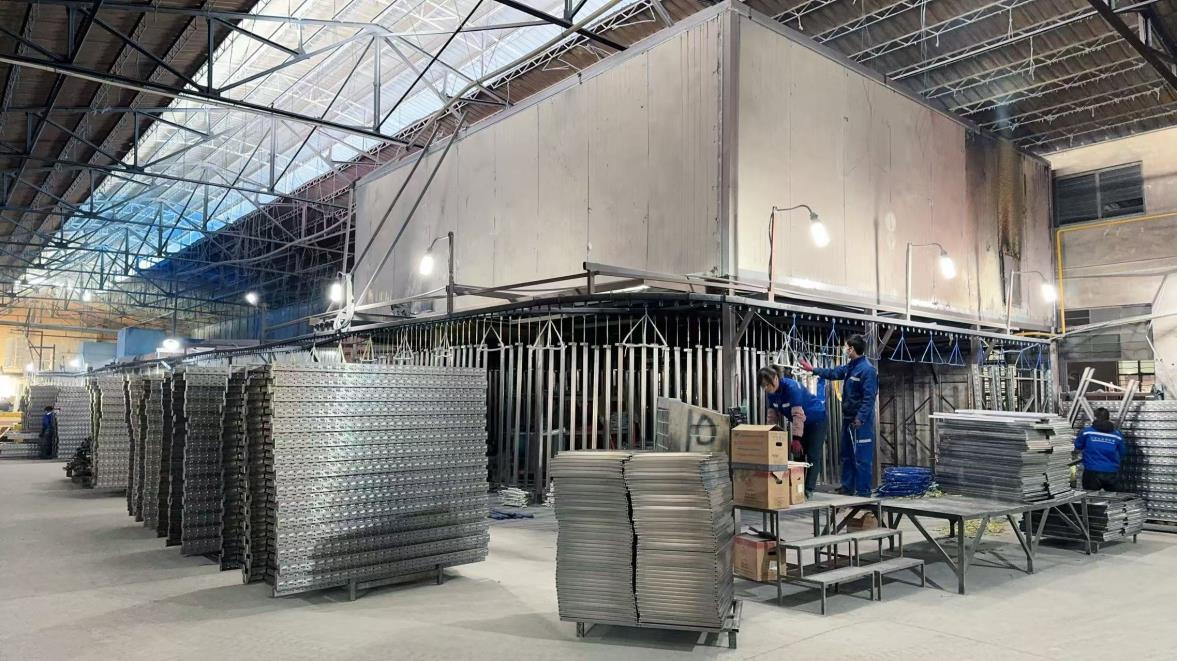
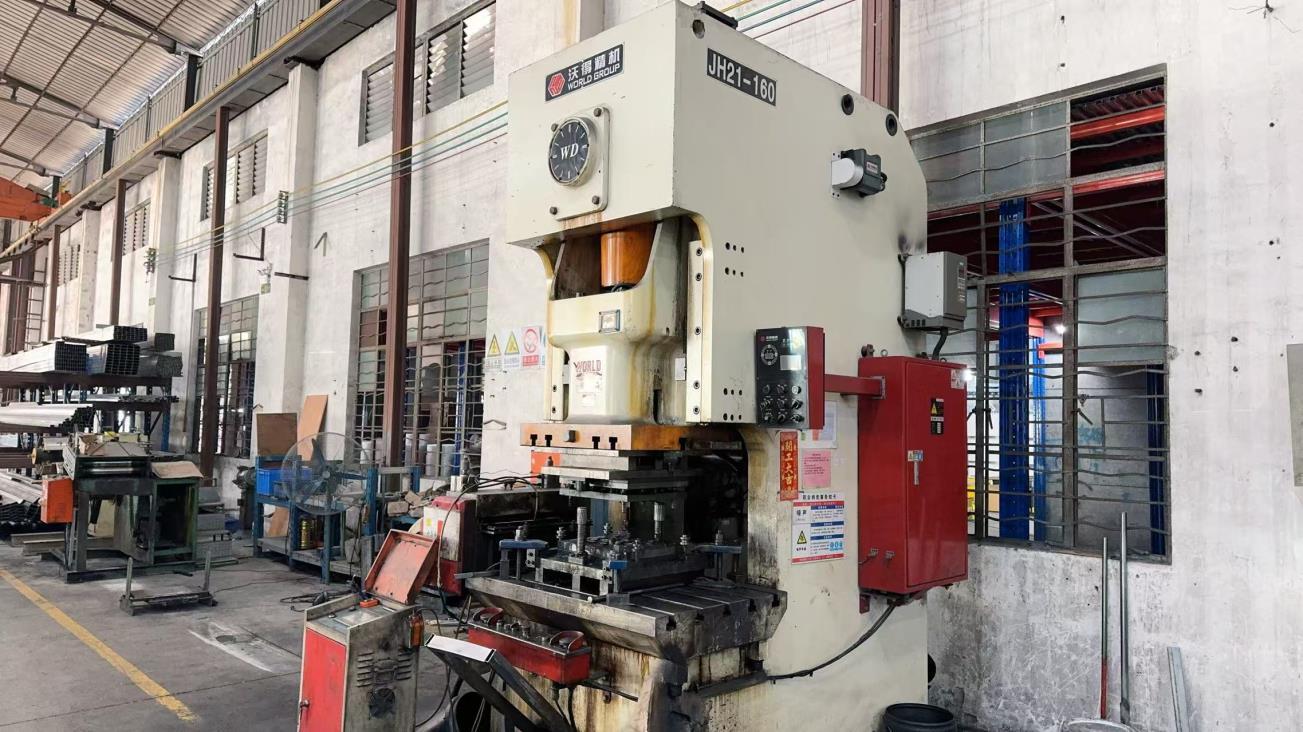
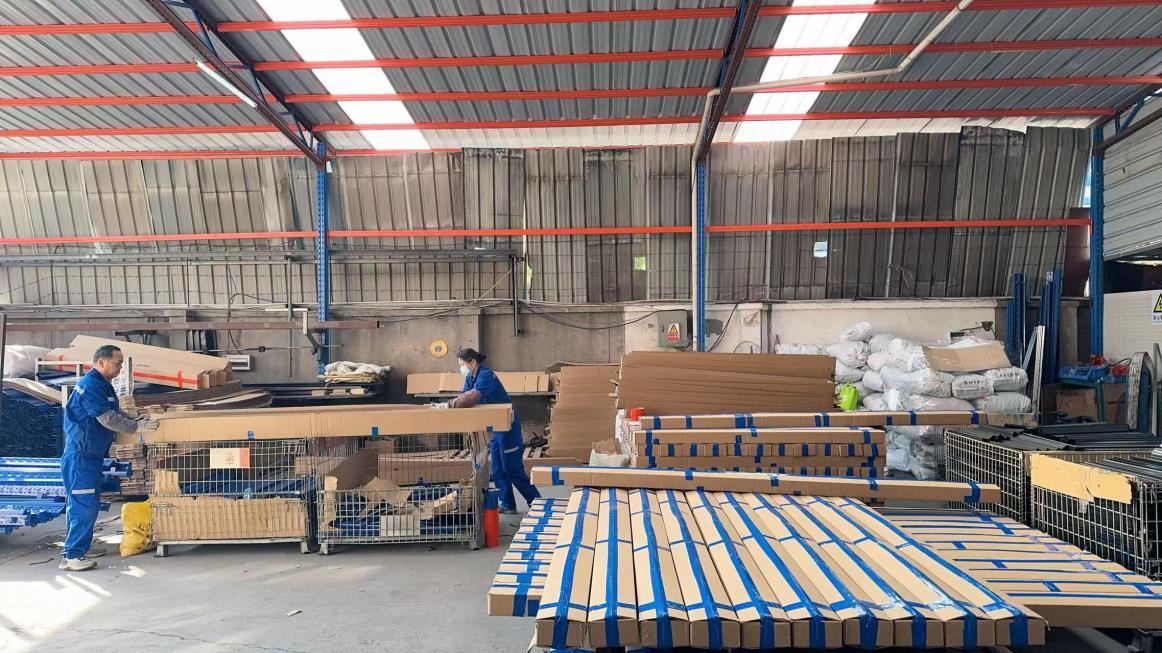
Optimizing vertical cubic space across complex international logistical sectors.
Utilizing thermal-stress relieved steel alloys designed to resist brittle fractures in ambient temperatures down to -30°C. Complemented by high-density drive-in and shuttle configurations.
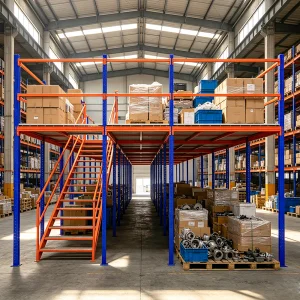
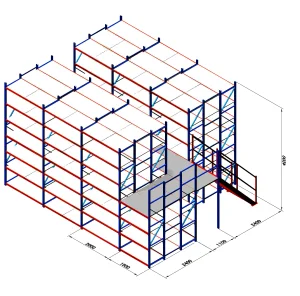
Dynamic, multi-tier mezzanine floors and selective racking with fast-adjusting beam increments (butterfly hole spacing) to manage fluctuating SKUs and high turnover rates.
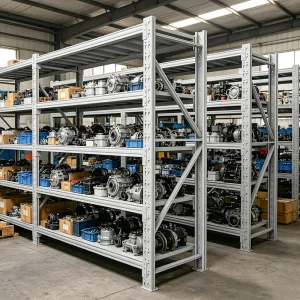
Heavy-duty cantilever and industrial long-span configurations to accommodate non-standard, heavy profiles, motor parts, and raw steel tubes with safety margins exceeding 2.0.
Ensuring localized safety configurations across North American, European, and Asia-Pacific regulatory regimes.
For industrial procurement specialists, structural compliance is paramount. Heavy-duty racking systems must satisfy precise local codes to guarantee worker safety and pass building inspector structural sign-offs. Our engineering team designs products according to international racking codes:
In North America, we align designs with the Rack Manufacturers Institute (RMI) specification MH16.1. For European distribution centers, our racking systems comply with FEM 10.2.02 (European Federation of Materials Handling) design guidelines, ensuring deflection ratios and structural clearances satisfy strict work-safety directives. In the Australia-Pacific market, products are tested and validated in accordance with the latest AS4084-2012 steel storage racking standards.
When specifying installations in seismic zones, conventional calculations are insufficient. Dongguan Kimsuk Shelves Co., Ltd.'s senior engineers evaluate baseplate sizing, structural bracing angles, and anchor-bolt shear capacities to withstand peak ground acceleration (PGA).
Before shipment, our team of 35 QA/QC inspectors executes a multi-layered testing regimen:
Key checkpoints for international supply chain managers and logistics directors sourcing from China.
Verify structural calculations. Always ask for dynamic wind and seismic simulation data tailored to your facility's local zip code coordinates.
Define dry-film thickness (DFT) metrics explicitly in the purchase agreement. Ensure coatings measure at least 65µm for standard warehouses.
Racking systems are highly dense. Optimize upright and beam nesting within 40ft High Cube containers to prevent ocean freight cost inefficiencies.
Detailed technical answers to common queries raised by warehouse directors and structural engineers.
We primarily use high-grade hot-rolled carbon steel coils, specifically Q235B and Q345B grades (comparable to ASTM A36 and ASTM A572 Grade 50). These materials offer excellent ductility, tensile strength, and weldability, which are critical for cold-formed steel racking profiles under heavy loads.
Our engineering team uses advanced computer-aided finite element analysis (FEA) software. We calculate structural capacity based on static loads (dead load of system + stored goods) and dynamic factors (impacts from forklifts, seismic accelerations, and pedestrian movement). We specify safety factors ranging from 1.5 to 2.0 depending on localized safety regulations and seismic classifications.
Yes, our R&D department offers comprehensive OEM and ODM support. We can replicate upright profiles, teardrop punchings, butterfly-hole alignments, and finish paint colors to seamlessly integrate into your current selective, drive-in, or push-back racking setups.
Under the supervision of our 35 QA/QC inspectors, we verify raw material tensile strengths, check welding penetration using ultrasonic testers, monitor electrostatic dry-film paint thickness, and perform load deflection testing. Full inspection certificates and test reports are compiled before loading containers.
For standard modular systems, production cycles take between 20 to 30 days. Custom structures requiring engineering design approval and tooling preparation typically ship within 35 to 45 days. Transit times from Shenzhen port range from 15 to 30 days depending on the destination port.
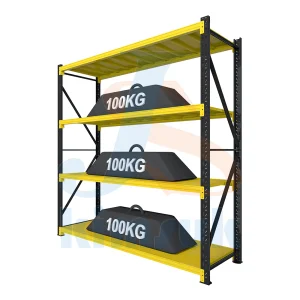
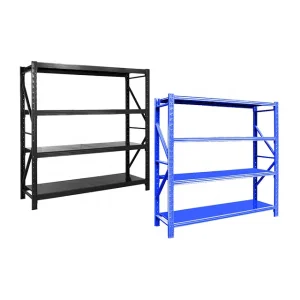
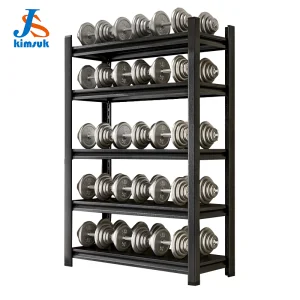
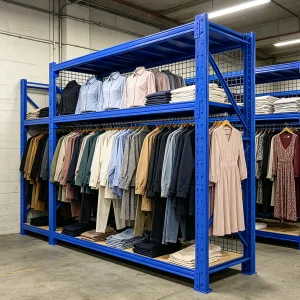
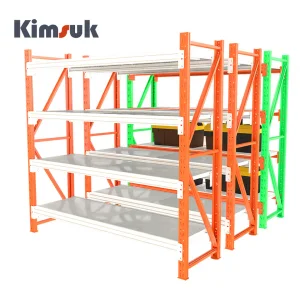
Complete your facility planning with our range of light-duty shelves, adjustable garage units, and specialized structural lofts.
 Kimsuk Steel