Explore our engineering catalog of heavy-duty, customizable, and high-safety storage units engineered for logistics hubs, manufacturing facilities, and automated warehouses.
In modern industrial logistics, floor space is one of the most expensive operational overheads. CE Certified Mobile Storage Units represent a major leap in spatial optimization, allowing facilities to increase density by up to 100% by eliminating fixed access aisles. Dynamic racking systems, mounted on heavy-duty motorized bogies that glide along precision-laid floor guide rails, compress multiple static aisles into a single operational passageway.
However, mobilizing structural steel racking loaded with multi-ton payloads introduces critical safety, structural, and mechanical requirements. Under Google’s E-E-A-T guideline for industrial manufacturing, verifying CE Certification is not simply a regulatory checkbox—it is a guarantee of comprehensive structural engineering integrity and fail-safe machine design.
Ensures safety, structural load factors, and electrical controls meet power-operated mobile racking system requirements, featuring automated motor shutoffs and continuous diagnostic loops.
Integrates dual-channel safety PLC systems with optical laser scanners, light curtains, and floor-level pressure sensors to immediately halt carriage movement upon detecting obstacles.
Constructed using high-tensile structural steel (Q235B and Q355B), subjected to FEA (Finite Element Analysis) testing to maintain load capacity safety factors up to 1.5x nominal limit.
"Under the Machinery Directive 2006/42/EC, mobile storage units are classified as industrial machinery. This requires manufacturers to meet rigorous standards for emergency stopping mechanisms, mechanical shear hazard prevention, structural deformation limits, and high-efficiency motor controllers."
The global logistics and supply chain sector faces unprecedented real estate constraints. In metropolitan regions of North America, Western Europe, and East Asia, industrial land costs have skyrocketed. Consequently, companies must optimize volumetric space efficiency. Static racking systems typically utilize only 40% to 50% of warehouse floor areas for storage, allocating the remainder to access aisles.
CE Certified Mobile Storage Units change this paradigm by achieving up to 85% physical footprint utilization. Modern third-party logistics (3PL) providers, cold chain storage operations, pharmaceutical distributors, and automotive parts manufacturers are replacing traditional static racking with smart, motorized mobile systems. By consolidating storage footprints, developers can build smaller, highly insulated facilities, cutting heating and cooling energy use by up to 40%.
Industrial warehousing environments vary widely depending on geography, climate, and local regulations. A mobile storage unit designed for a temperate logistics warehouse in the midwestern United States requires different specifications than one installed in a high-humidity manufacturing plant in Southeast Asia or a sub-zero cold room in Northern Europe.
In European cold storage facilities operating between -25°C and -40°C, ordinary components fail. Standard lubricants freeze, causing motors to stall, and steel is subject to low-temperature embrittlement. To address this, Kimsuk engineers custom configurations using specific cold-resistant structural steels with verified impact energy ratings at sub-zero temperatures. Motor drive carriages use synthetic low-temperature lubricants, and electronic control enclosures are fitted with internal heating elements to prevent condensation. This ensures reliable operation and prevents component failure during temperature transitions.
For installations along the West Coast of North America or in seismic zones across the Middle East, structural designs must accommodate lateral forces generated during seismic events. Our systems utilize custom base plates, heavy-duty floor anchoring bolts, and structural steel bracing calculations optimized for regional building codes. Overhead anti-tip steel frames, combined with dynamic rail lock-ins, prevent carriages from derailing during tremors, protecting inventory and personnel.
In high-humidity, high-saline industrial zones across Southeast Asia, rust is a primary cause of structural failure. Standard powder coatings can degrade over time, leading to base metal oxidation. For these environments, Kimsuk offers hot-dip galvanized steel components (fully compliant with ISO 1461 standards) and marine-grade epoxy powder coatings. This multi-layered corrosion protection prevents premature wear, maintaining structural integrity and smooth carriage movement for decades.
A trusted global supply chain partner specializing in premium engineering, manufacturing, and QA/QC testing of heavy-duty industrial storage platforms.
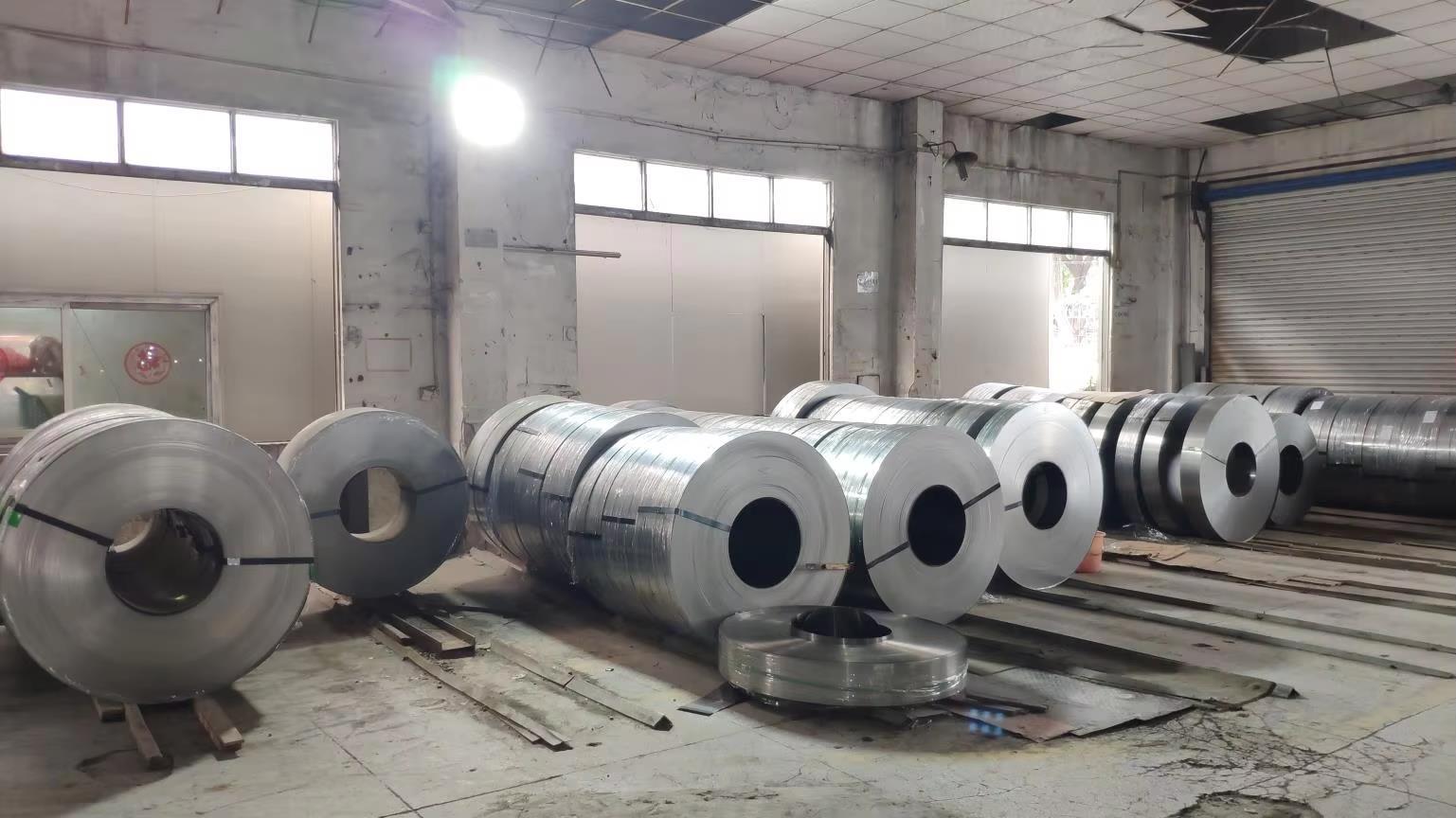
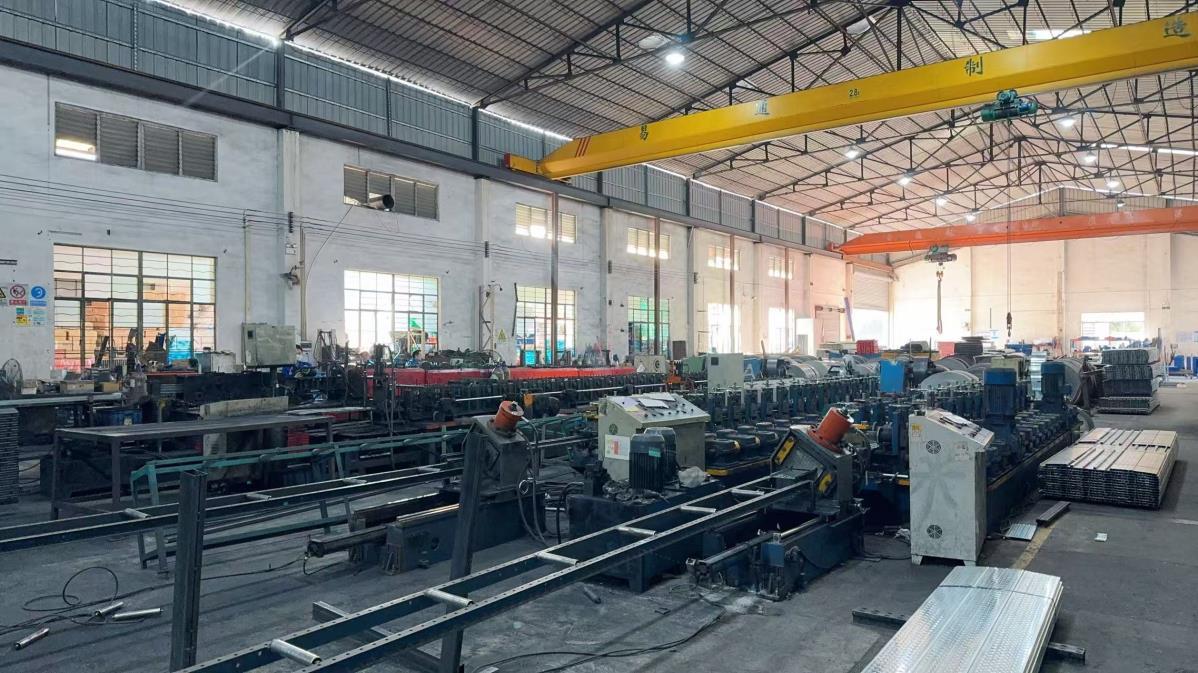
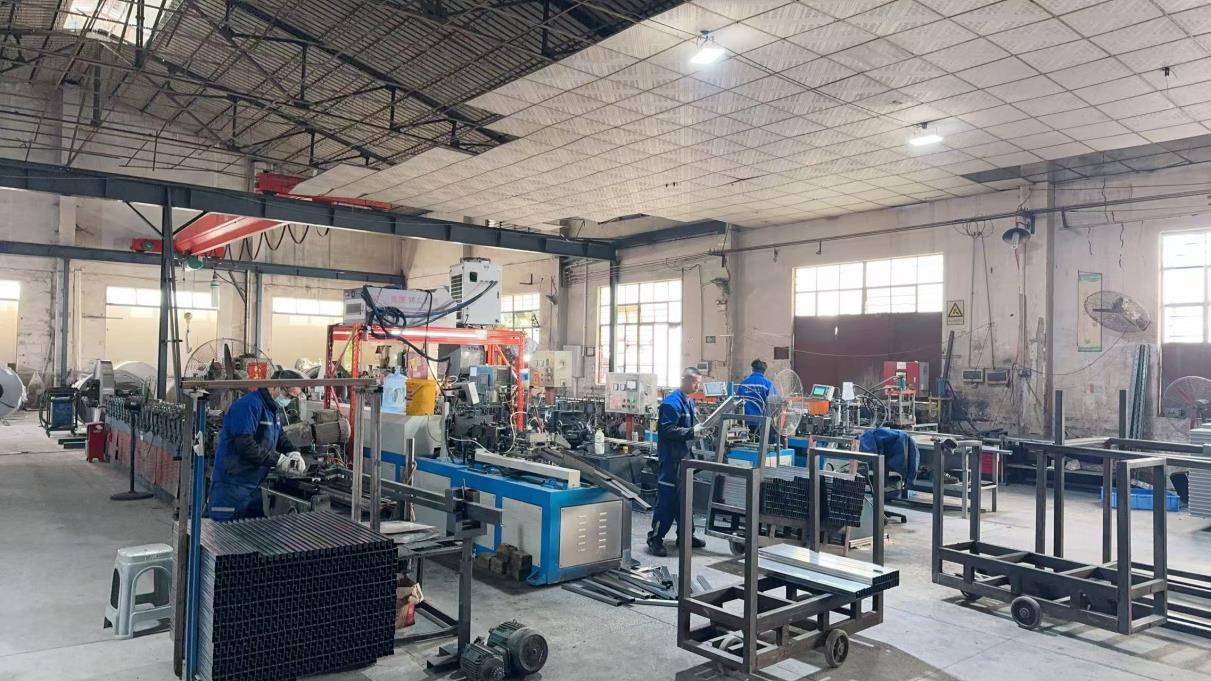
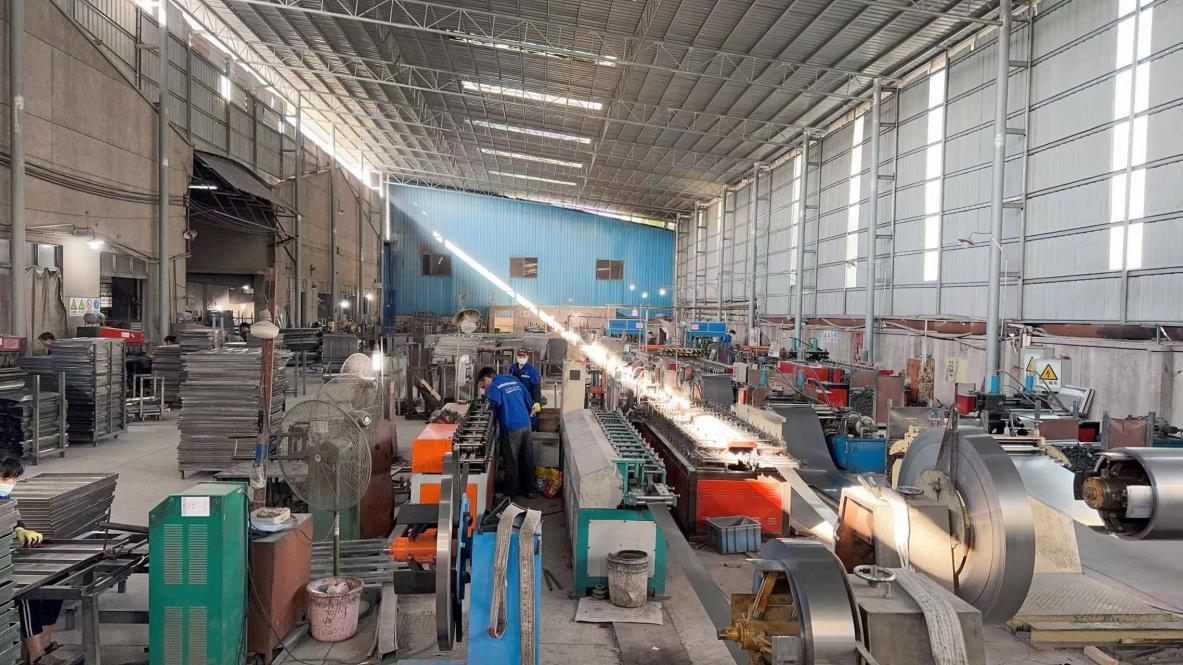
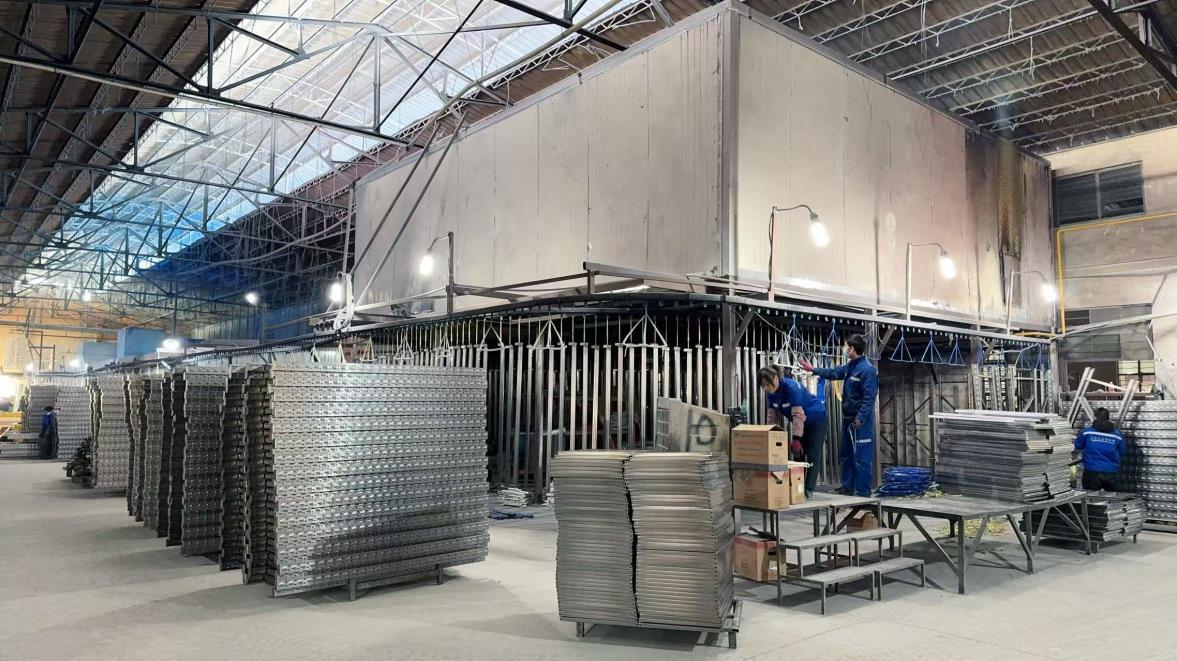
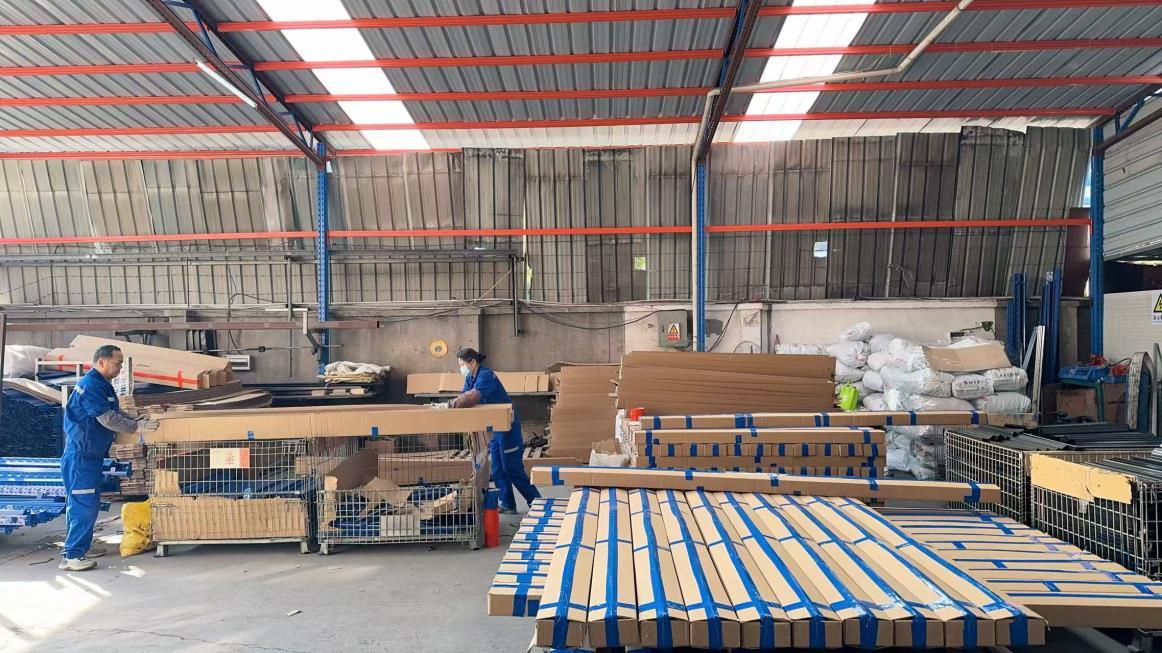
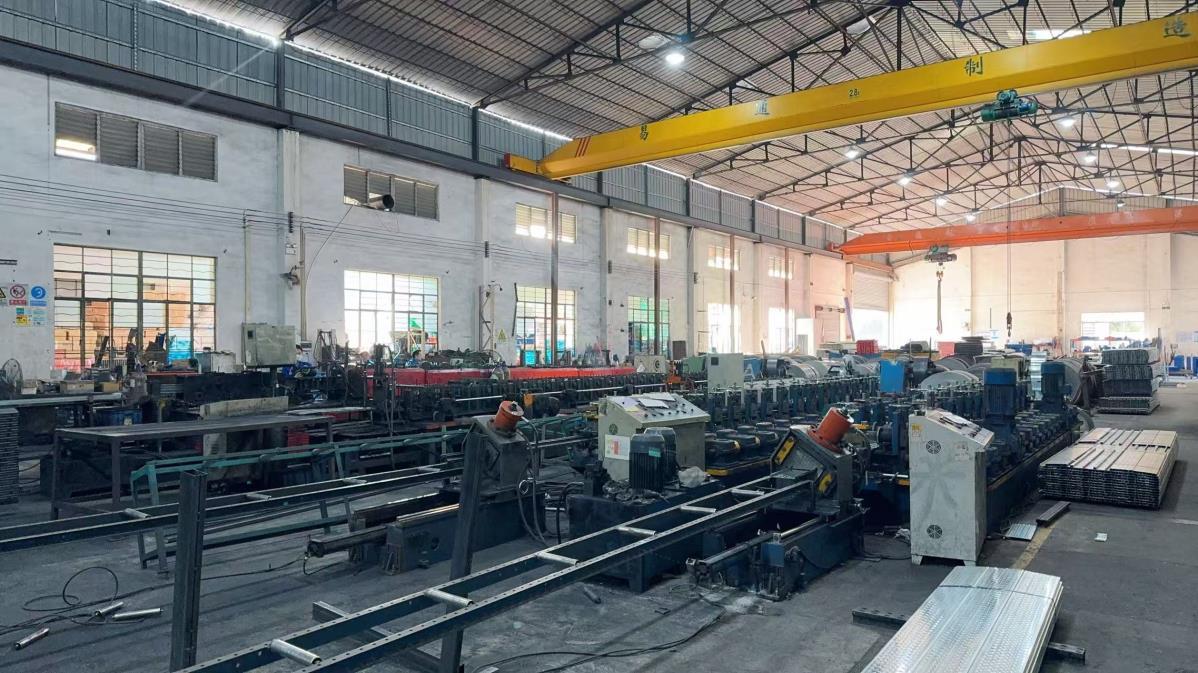
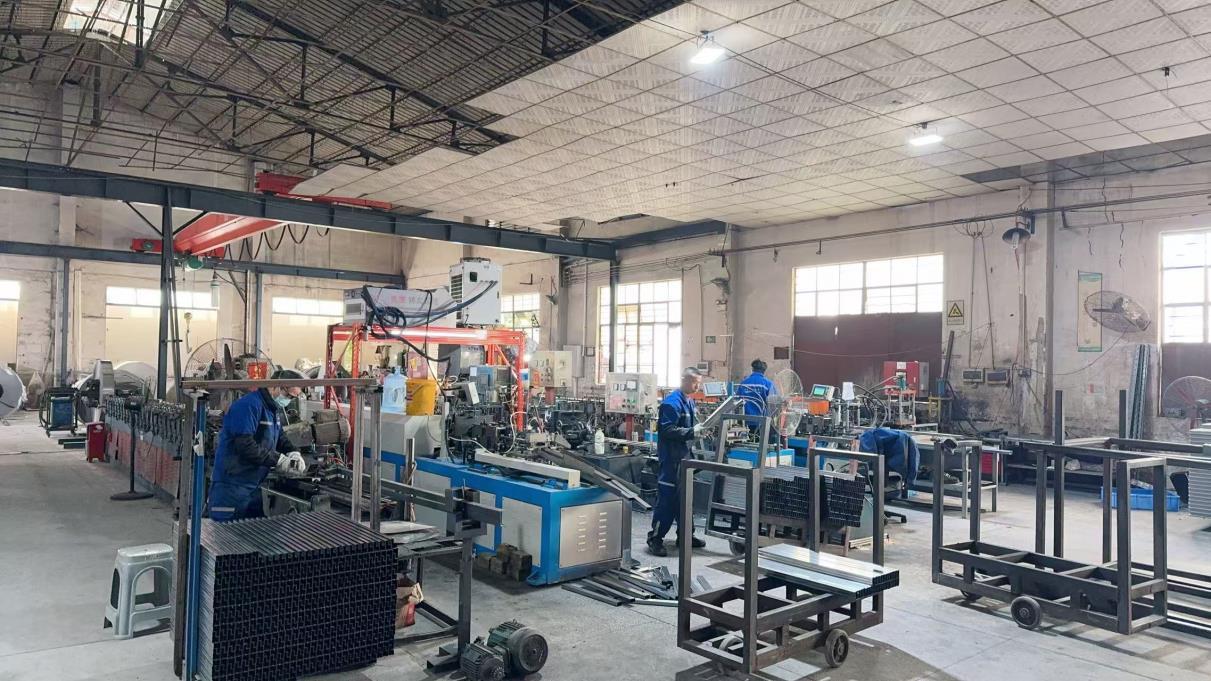
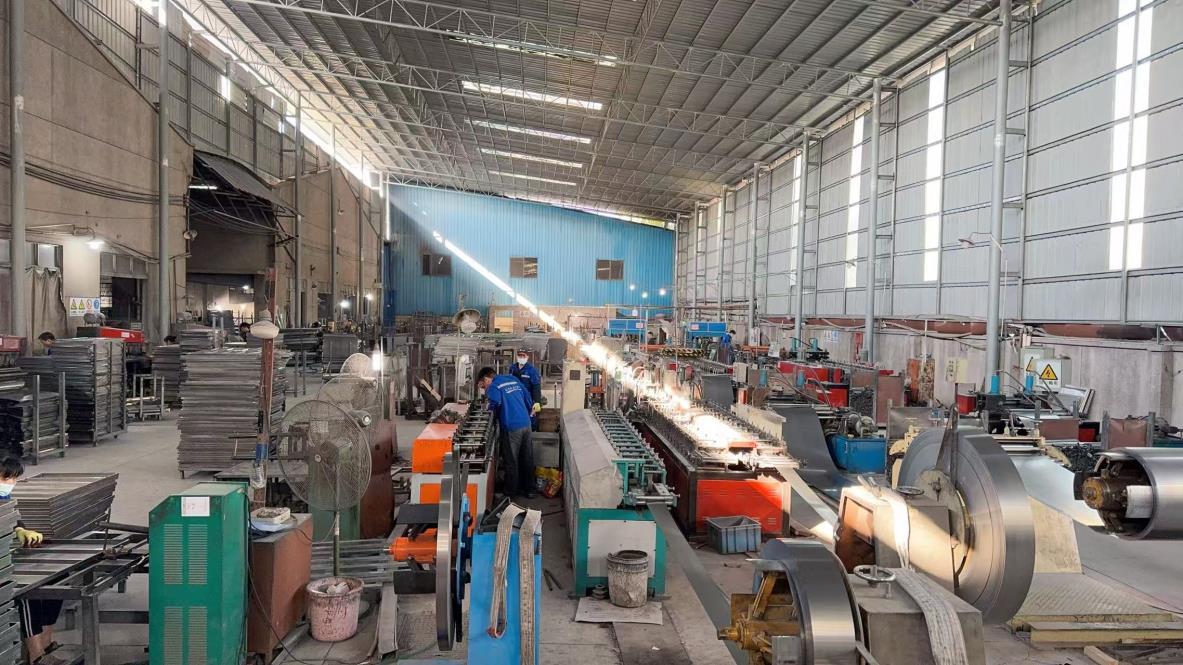
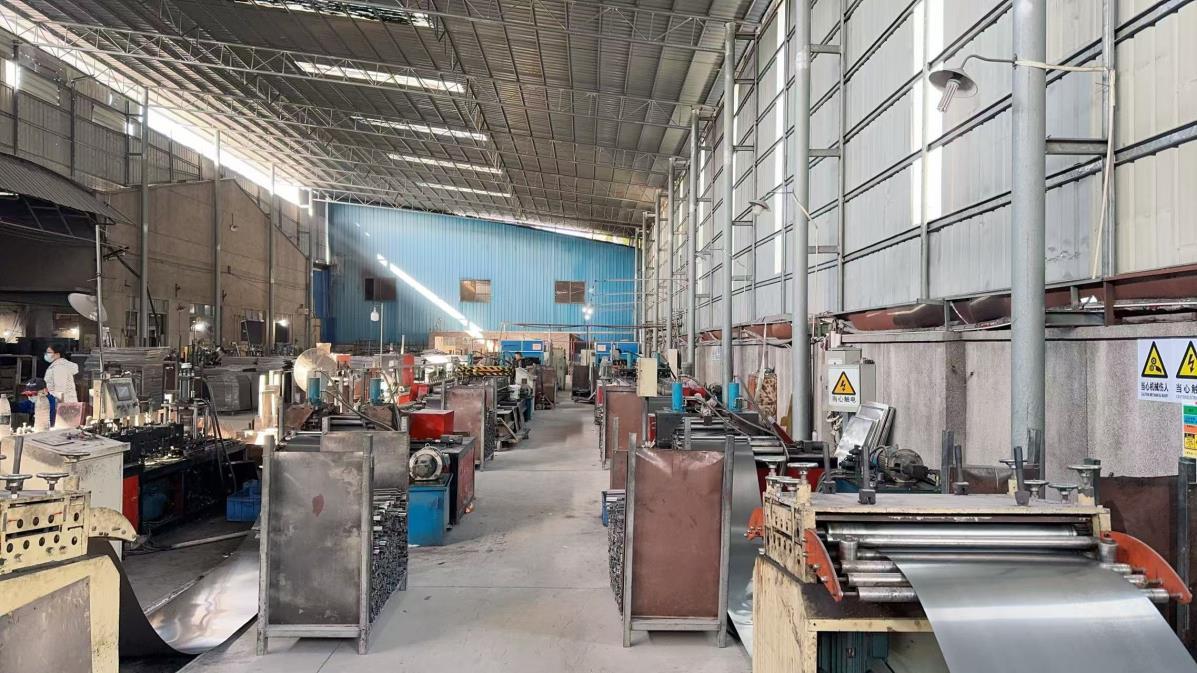
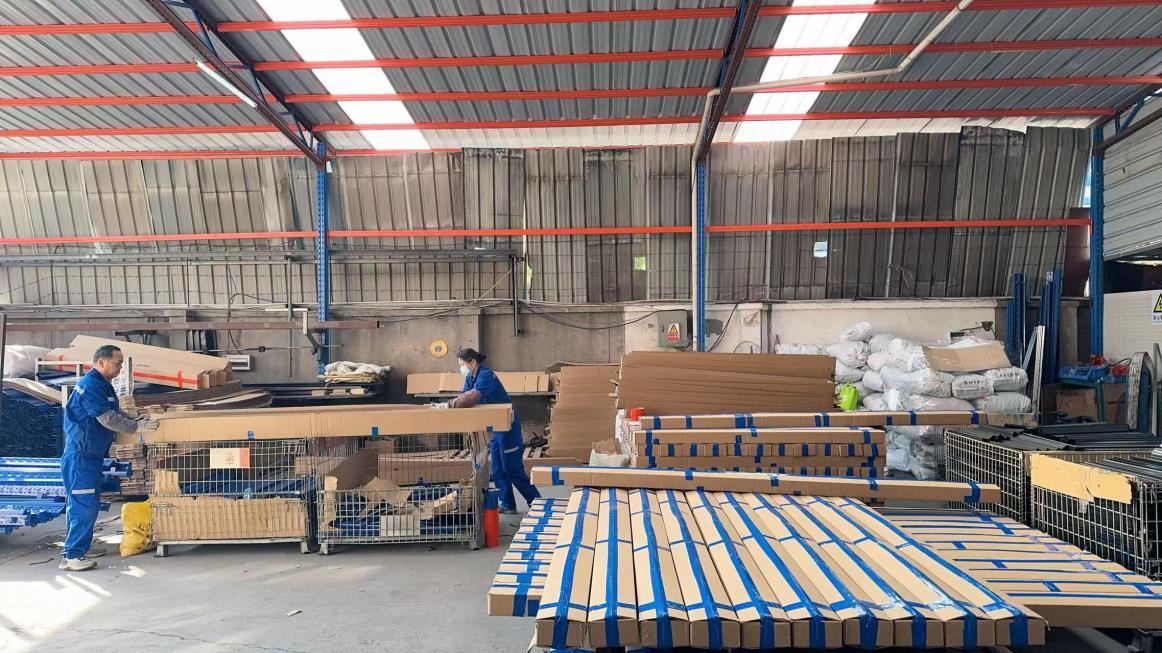
Established in 2015, Dongguan Kimsuk Shelves Co., Ltd. is a leading manufacturer specializing in the design, engineering, and production of heavy-duty industrial shelving and warehouse storage systems. Operating from a modern production facility spanning 32,000 square meters, we have grown into a trusted global supply chain partner with 11 years of industry expertise and 8 years of direct international export experience. Driven by robust manufacturing capability, our annual export revenue reaches $18 million, serving clients across key international markets, including North America, Europe, Southeast Asia, and the Middle East.
Quality and precise engineering are at the core of our operations. We maintain a strict Quality Assurance protocol supported by a dedicated team of 35 QA/QC inspectors. Our comprehensive product inspection methods combine automated non-destructive testing, raw material tensile testing, load-bearing stress evaluations, and precision powder-coating thickness measurements. Supported by an extensive network of over 850 verified supply chain partners, we consistently deliver reliable, high-integrity racking systems to a diverse client portfolio, ranging from large-scale logistics hubs and third-party logistics (3PL) providers to industrial manufacturing facilities and commercial retail distributors.
Innovation drives our growth. Our in-house R&D team consists of 18 senior structural and engineering specialists capable of delivering full OEM/ODM custom solutions. From tailored rack dimensions and heavy load capacities to specialized seismic-resistant structures and anti-corrosion surface finishes, we turn complex warehousing requirements into optimal designs. Demonstrating our continuous drive for innovation, we successfully developed and launched 120 new product models and modular storage enhancements last year alone. At Dongguan Kimsuk Shelves Co., Ltd., we remain committed to maximizing warehouse space efficiency and delivering long-term value to our global partners.
The field of warehouse logistics is shifting from mechanization toward automation and digital systems. Our technical roadmap focuses on integrating mobile storage units with broader warehouse control architectures to support smart logistics hubs.
We are currently integrating mobile racking platforms with Automated Guided Vehicles (AGVs) and Autonomous Mobile Robots (AMRs). By linking the mechanical drive controllers of mobile carriages directly to the warehouse management system (WMS) API, the system automatically opens target aisles as soon as an AGV is dispatched to retrieve a pallet. This eliminates waiting times, increases picking speeds, and reduces vehicle energy consumption.
Additionally, we are incorporating multi-sensor arrays to monitor stress, load distribution, and mechanical wear. Load-sensing cells placed under the rail bogies detect overloaded bays or uneven weight distribution, sending real-time alerts to operations teams before structural damage or derailment can occur. Predictive maintenance algorithms also monitor motor current draw and vibration profiles, allowing teams to schedule maintenance during off-peak hours and reduce unplanned downtime.
Sustainability is another key focus of our development roadmap. By utilizing smart variable-frequency drives (VFDs) and regenerative braking systems, the energy required to mobilize heavy carriages is reduced by up to 25%. This engineering approach aligns with modern requirements for green warehousing certifications, including LEED and BREEAM.
China's industrial manufacturing ecosystem provides significant advantages in terms of cost, scale, and supply chain resilience. Dongguan Kimsuk Shelves Co., Ltd. leverages these local advantages to provide high-quality, cost-efficient storage solutions to global markets.
Our facility in Dongguan enjoys direct access to premium Chinese steel producers, ensuring a steady supply of high-grade structural steel (Q235B and Q355B). Over 850 verified supply chain partners provide reliable access to specialized components, such as high-torque motors, safety sensors, electrical control panels, and custom-molded fasteners. This integrated local network minimizes supply disruption risks, even during global shipping challenges.
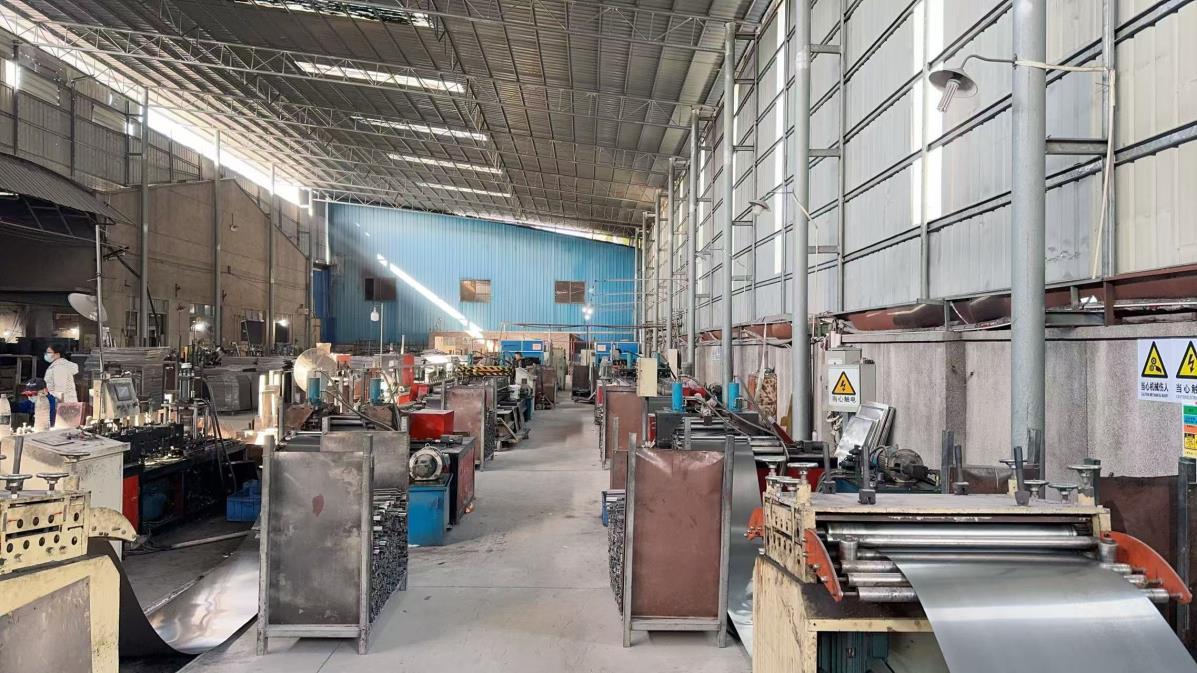
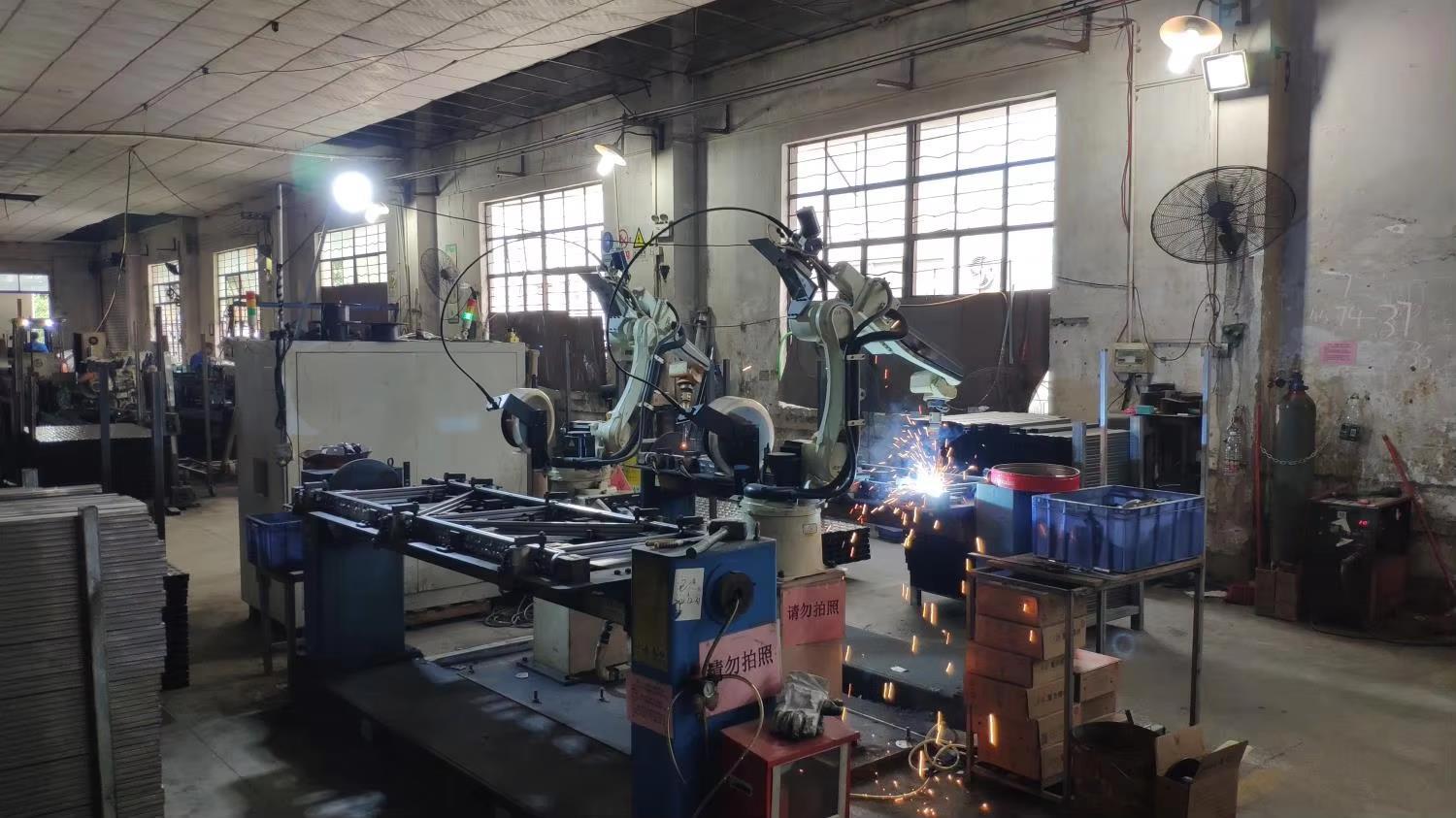
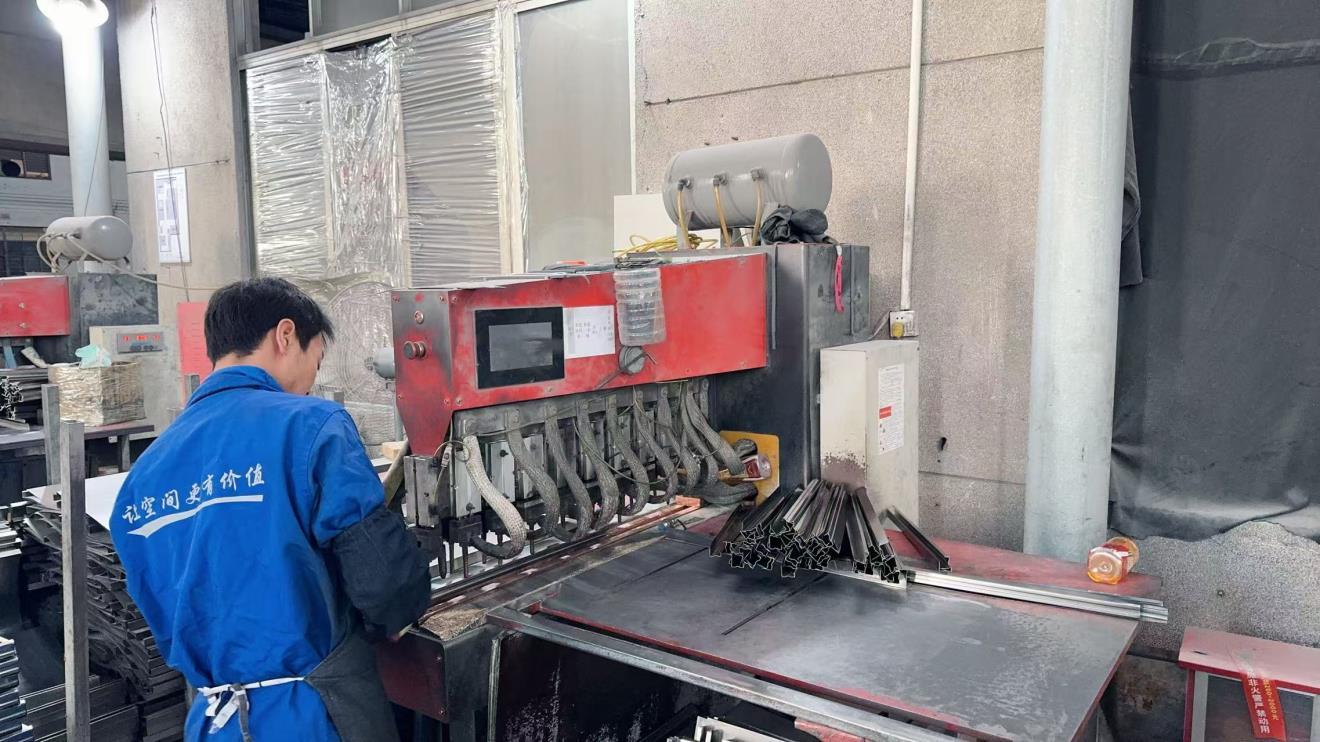
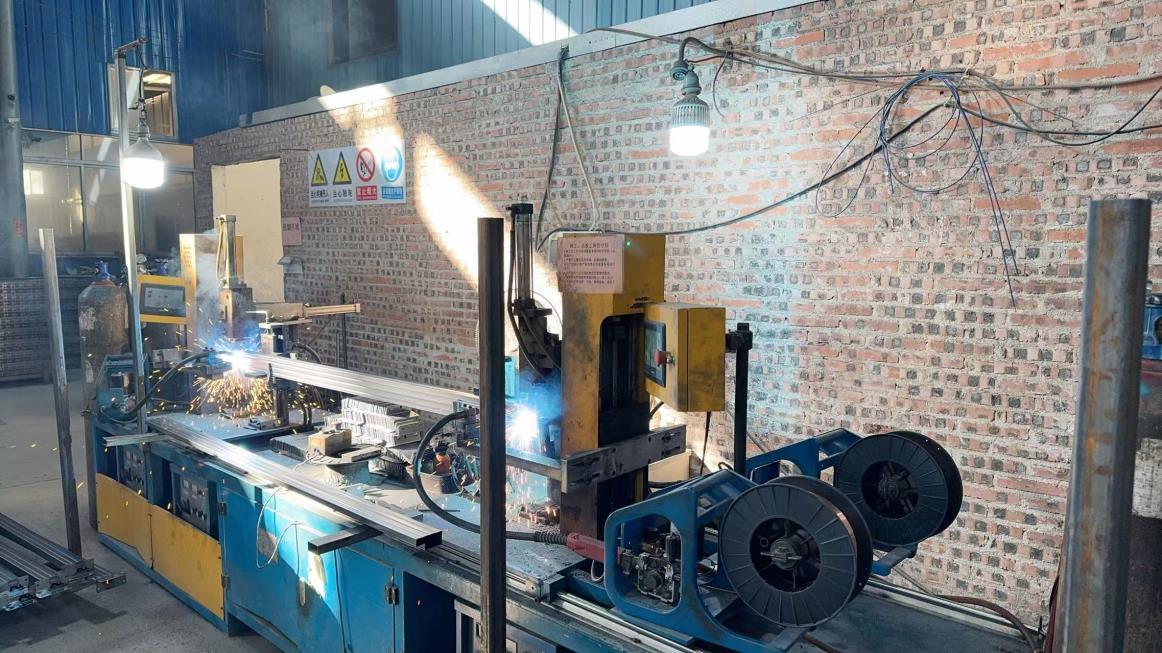
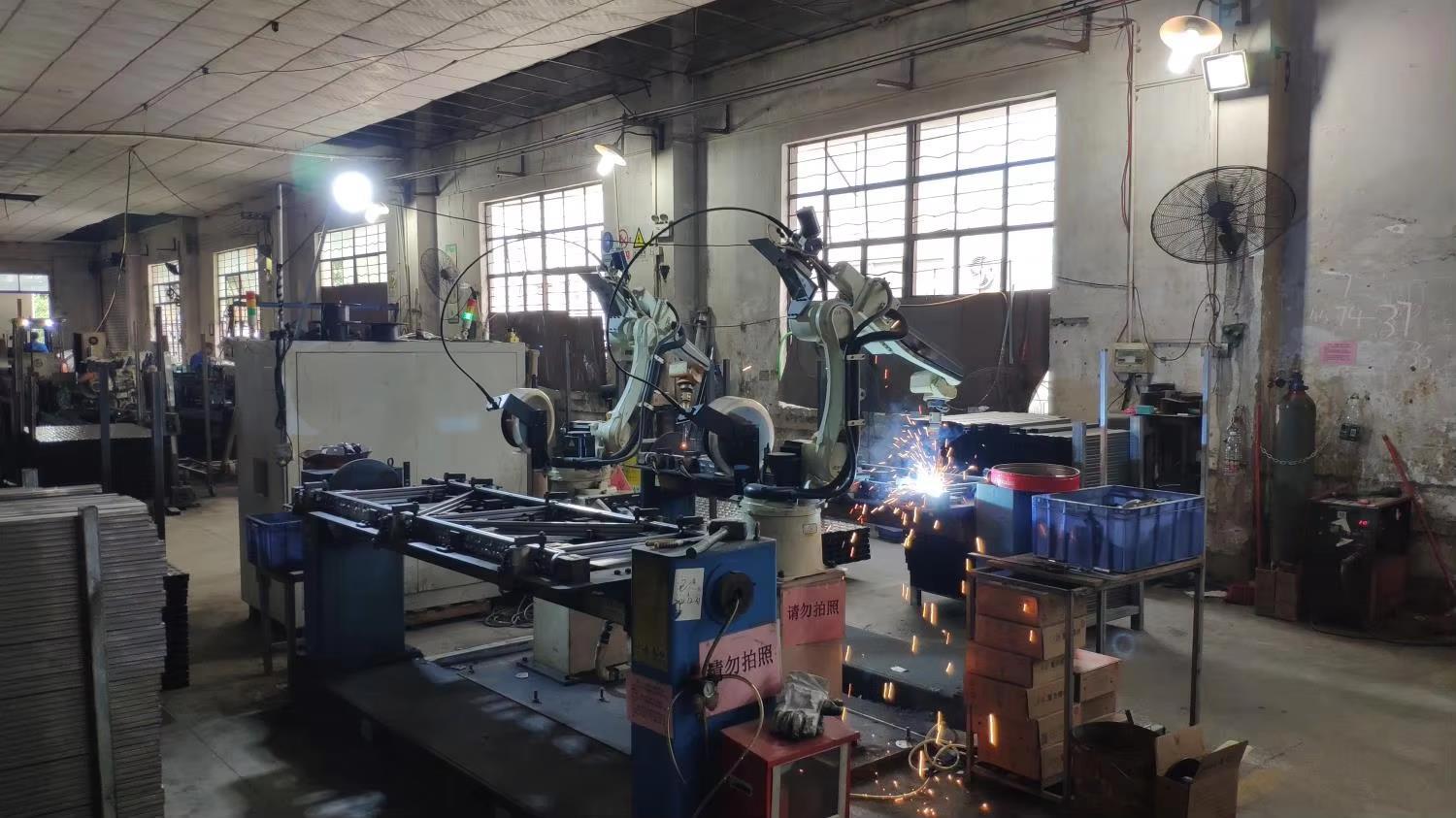
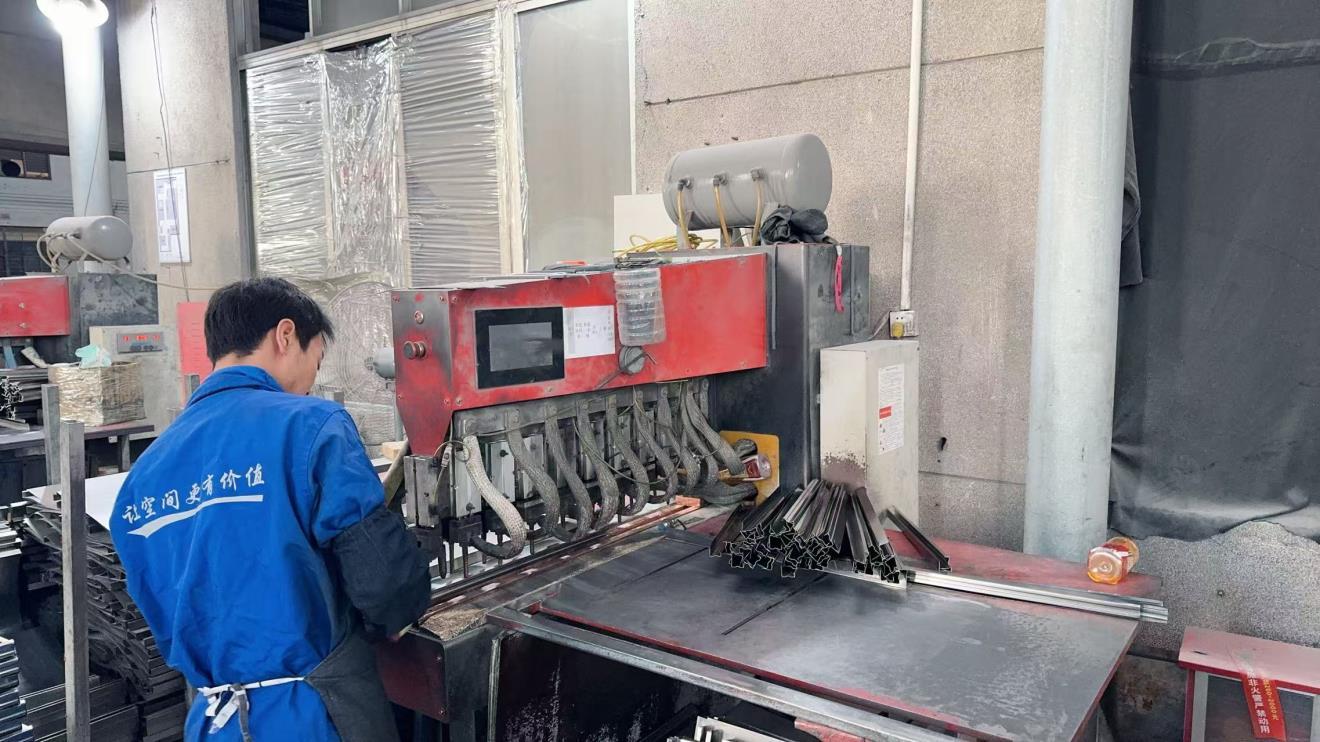
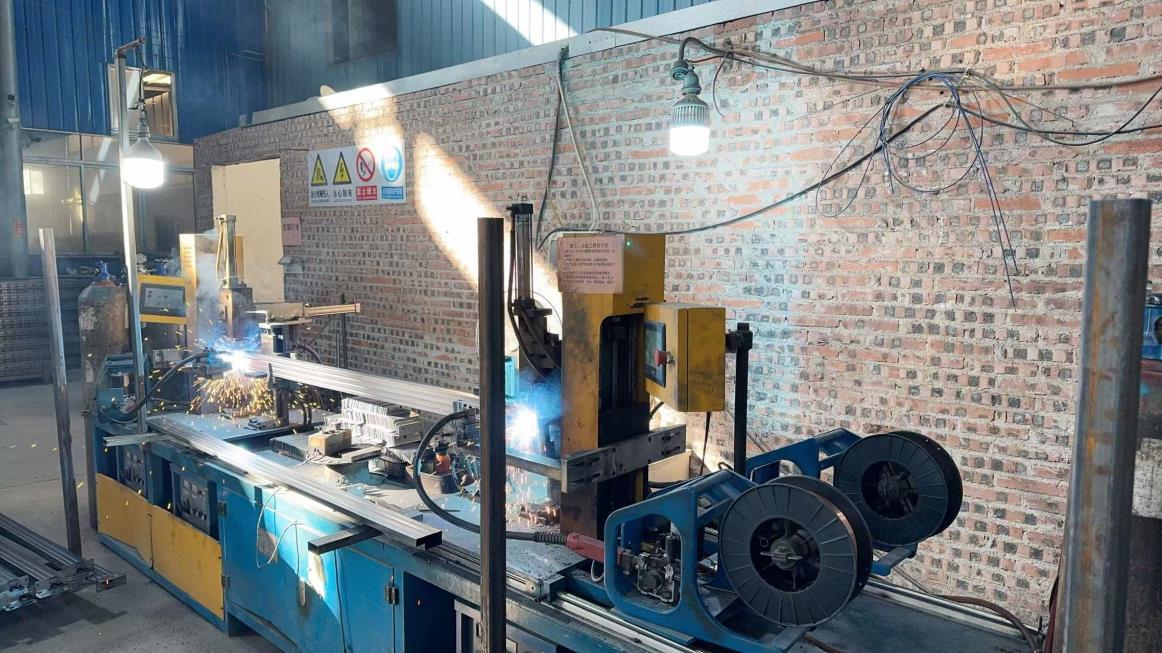
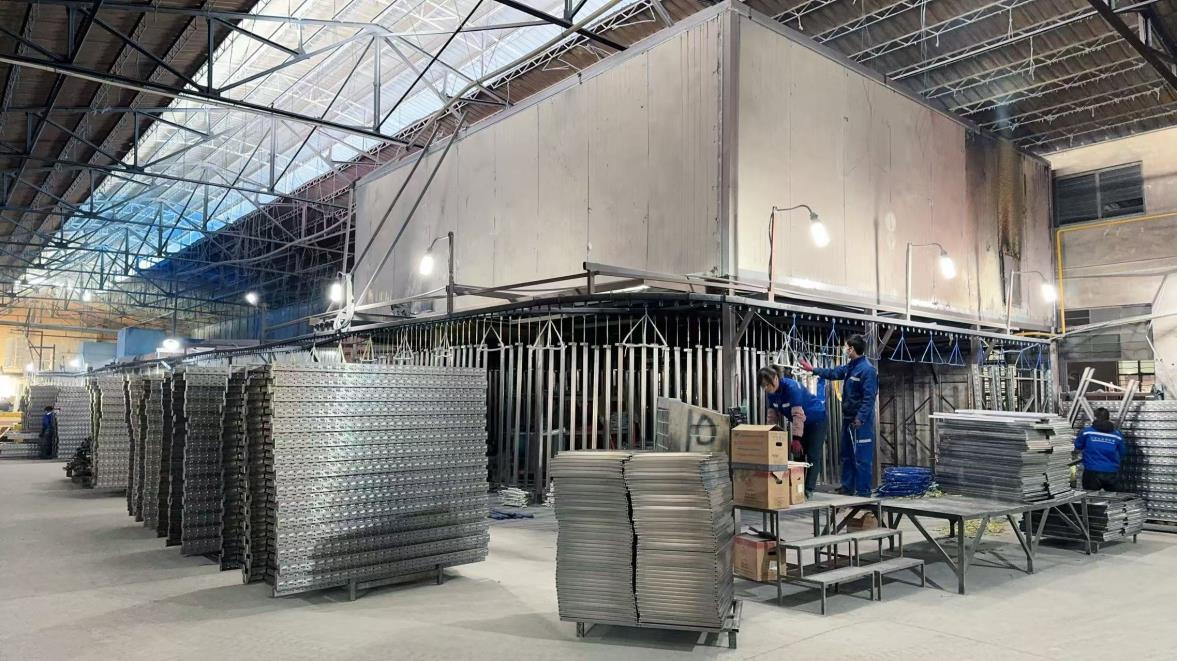
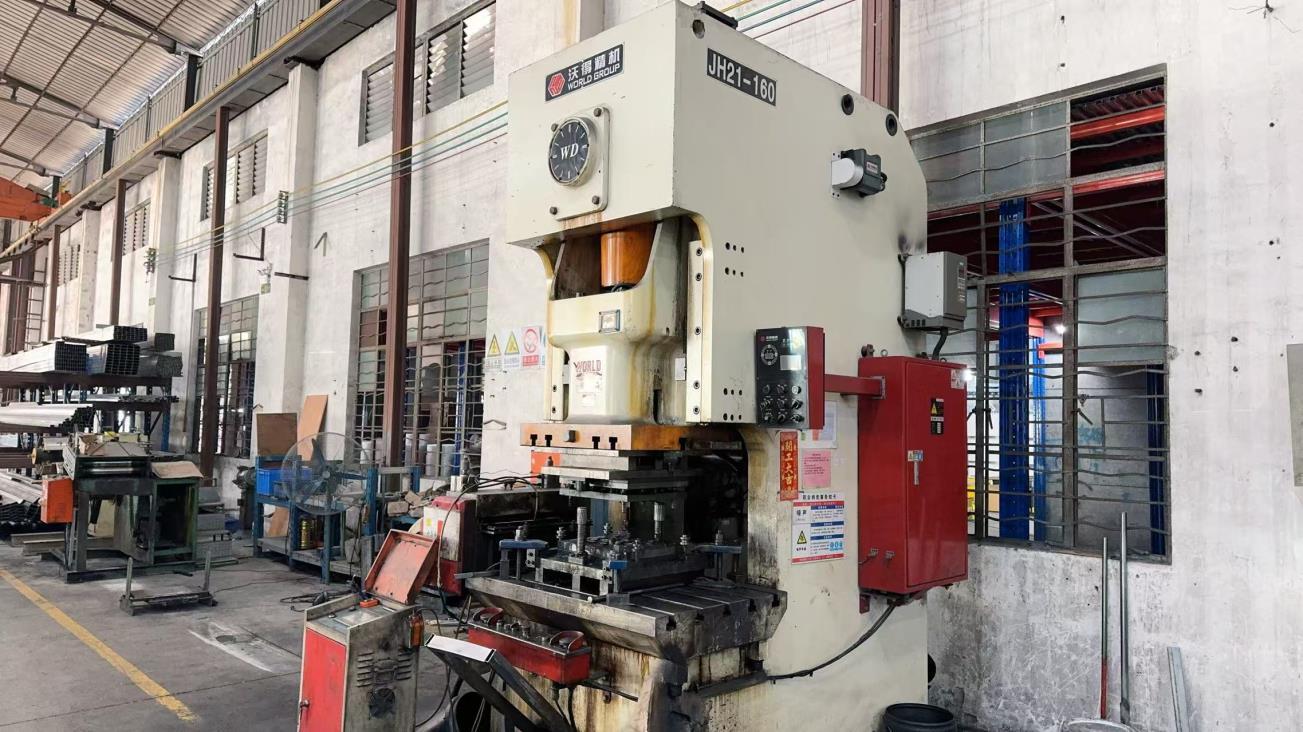
Advanced manufacturing technologies also drive our production efficiency. Our 32,000-square-meter facility features automated robotic welding arms, high-speed roll forming lines, and automated electrostatic powder coating booths. Automation minimizes human error, improves weld quality, and increases production speeds. This enables us to offer competitive pricing and maintain consistent lead times for large-scale international projects.
Our vertically integrated engineering model allows us to manage projects from initial concept through delivery. Last year, our 18 structural design specialists developed and introduced 120 new custom product models, illustrating our ability to quickly scale custom OEM and ODM solutions to meet unique project specifications.
Find answers to common technical, regulatory, and engineering questions about CE certified mobile storage units.
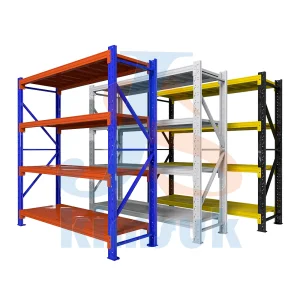
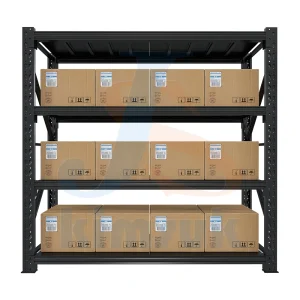
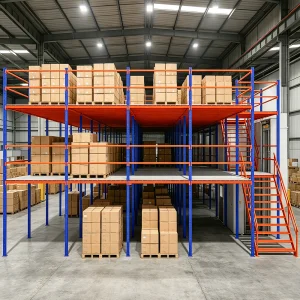
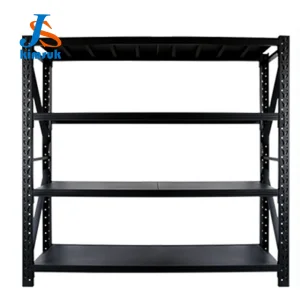
Explore our additional industrial storage options, designed to improve logistics efficiency, durability, and safety across various applications.
 Kimsuk Steel