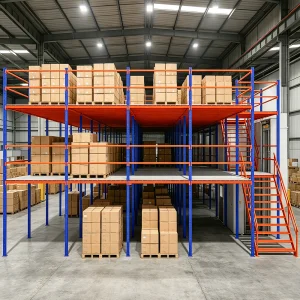
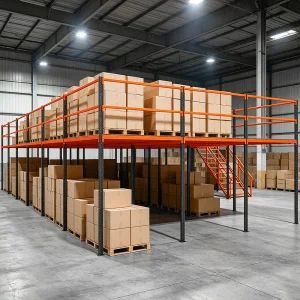
Lesotho's industrial landscape is undergoing a structured transition. Driven primarily by the textile, apparel, and light manufacturing sectors concentrated around key economic hubs like Thetsane Industrial Area in Maseru and the Maputsoe Industrial Zone, local businesses face a common logistical hurdle: maximizing limited footprint areas without accumulating prohibitive land acquisition or construction costs. The Kingdom's landlocked nature means that import-export dynamics are bound to Southern African customs networks (SACU) and regional transit ports like Durban. Efficient operations require robust, vertically integrated storage setups that can minimize footprint footprints and facilitate rapid materials flow.
Strategic Insight for Procurement: Space constraints in Lesotho's industrial zones demand a departure from conventional lateral expansions. Integrating heavy-duty structural steel platforms allows facilities to double or triple their operational floor space inside the existing envelope. This directly addresses the high costs of industrial land development in Maseru and shortens the operational readiness cycle for new investments.
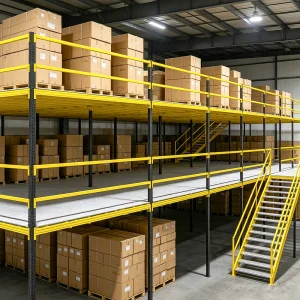
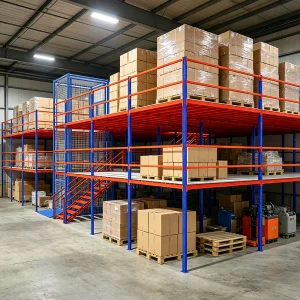
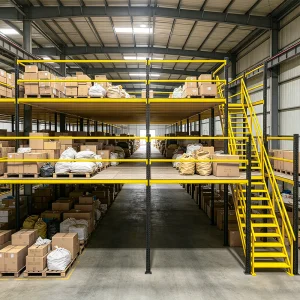
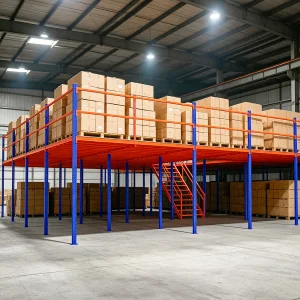
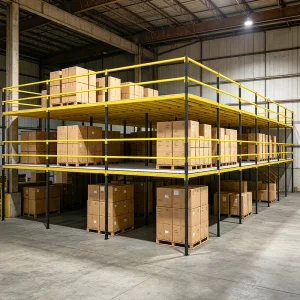
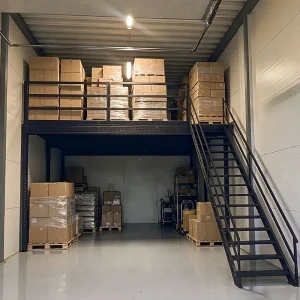
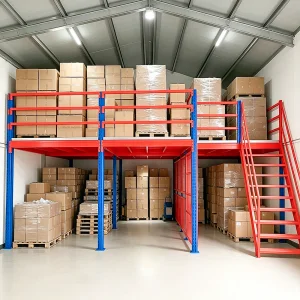
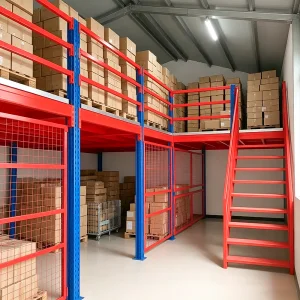
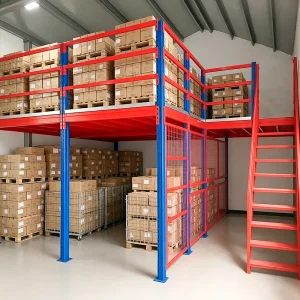
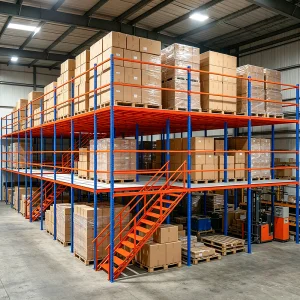
The manufacturing sectors in Lesotho, particularly the textile plants supplying global markets under AGOA, generate high-volume, low-density inventories. Fast throughput is critical. Traditional warehousing configurations leave vast overhead spaces completely unutilized. Implementing industrial structural steel mezzanines allows factories to segregate operations: ground-level spaces remain dedicated to assembly, fabric cutting, and heavy machinery, while upper platforms are configured for safe fabric rolls storage, packaging lines, or administrative workspaces. This layout keeps assembly flows unobstructed and prevents inventory pile-ups on production floors.
Procuring industrial storage infrastructure requires strict adherence to international safety profiles. Steel mezzanines and heavy-duty platforms must withstand dynamic load distributions, point loads from material-handling equipment, and local seismic parameters. As a professional manufacturer, Dongguan Kimsuk Shelves Co., Ltd. implements strict EN, FEM, and ANSI standards to ensure structural integrity across our global exports.
| System Type | Standard Load Range | Recommended Application | Safety Certification Reference |
|---|---|---|---|
| Heavy-Duty Structural Steel Mezzanine | 500 - 1500 kg/m² | Heavy machinery, raw material staging, pallet loads | CE / FEM 10.2.02 / AS4084 |
| Rack-Supported Storage Platform | 300 - 800 kg/m² | High-density carton, garment & light product storage | EN 15512 / ISO 9001 |
| Boltless Modular Loft System | 200 - 500 kg/m² | Manual-access retail distribution, dynamic staging | ANSI/RMI MH16.1 |
Established in 2015, Dongguan Kimsuk Shelves Co., Ltd. is a leading manufacturer specializing in the design, engineering, and production of heavy-duty industrial shelving and warehouse storage systems. Operating from a modern production facility spanning 32,000 square meters, we have grown into a trusted global supply chain partner with 11 years of industry expertise and 8 years of direct international export experience. Driven by robust manufacturing capability, our annual export revenue reaches $18 million, serving clients across key international markets, including North America, Europe, Southeast Asia, and the Middle East, with specialized logistics pipelines feeding industrial buyers in Southern Africa, including Lesotho.
Quality and precise engineering are at the core of our operations. We maintain a strict Quality Assurance protocol supported by a dedicated team of 35 QA/QC inspectors. Our comprehensive product inspection methods combine automated non-destructive testing, raw material tensile testing, load-bearing stress evaluations, and precision powder-coating thickness measurements. Supported by an extensive network of over 850 verified supply chain partners, we consistently deliver reliable, high-integrity racking systems to large-scale logistics hubs, third-party logistics (3PL) providers, industrial manufacturing facilities, and commercial retail distributors.
Take a look inside our 32,000 square meter factory floor, housing advanced sheet metal fabrication tools, welding automation, and automated coating lines.
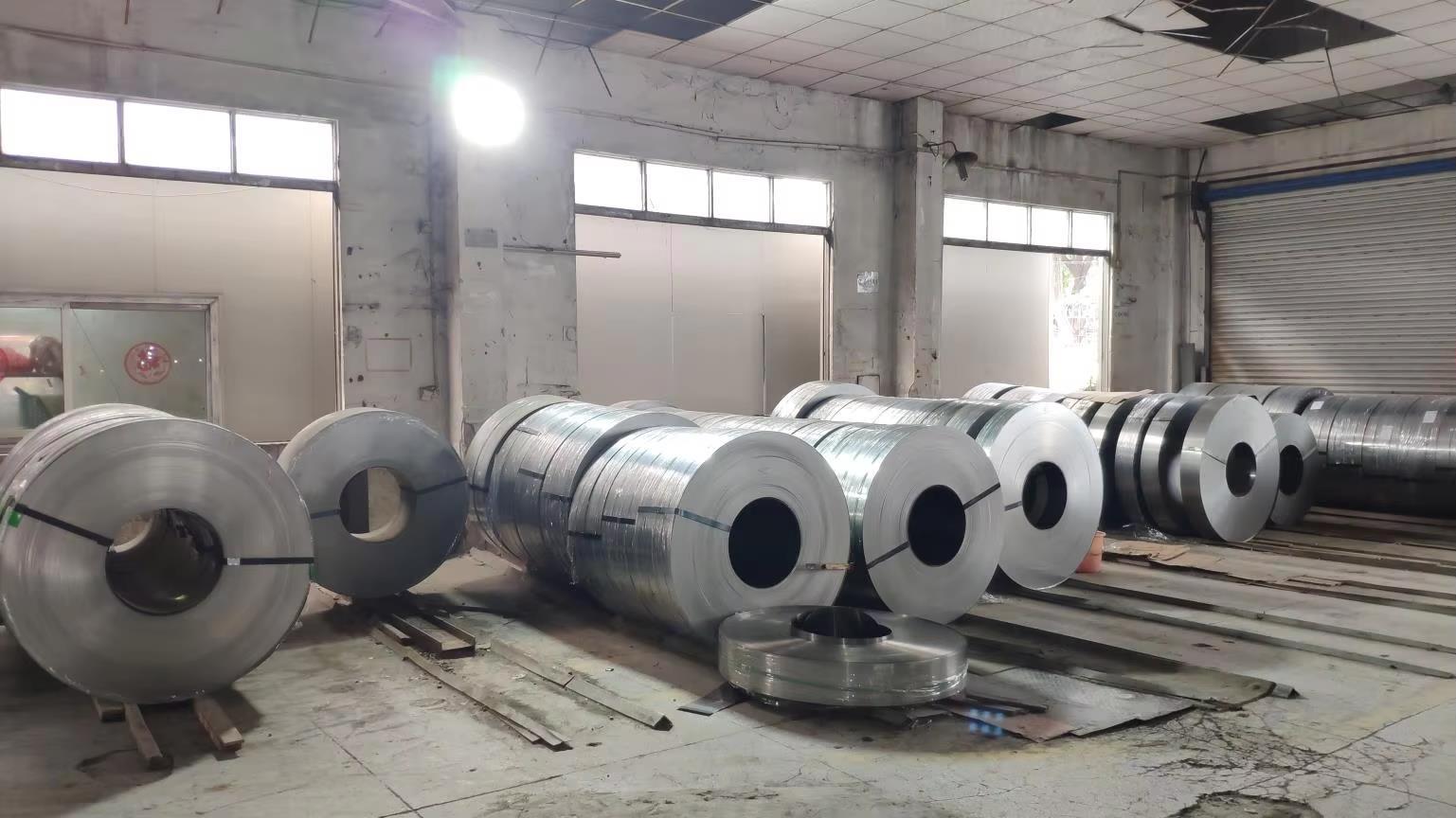
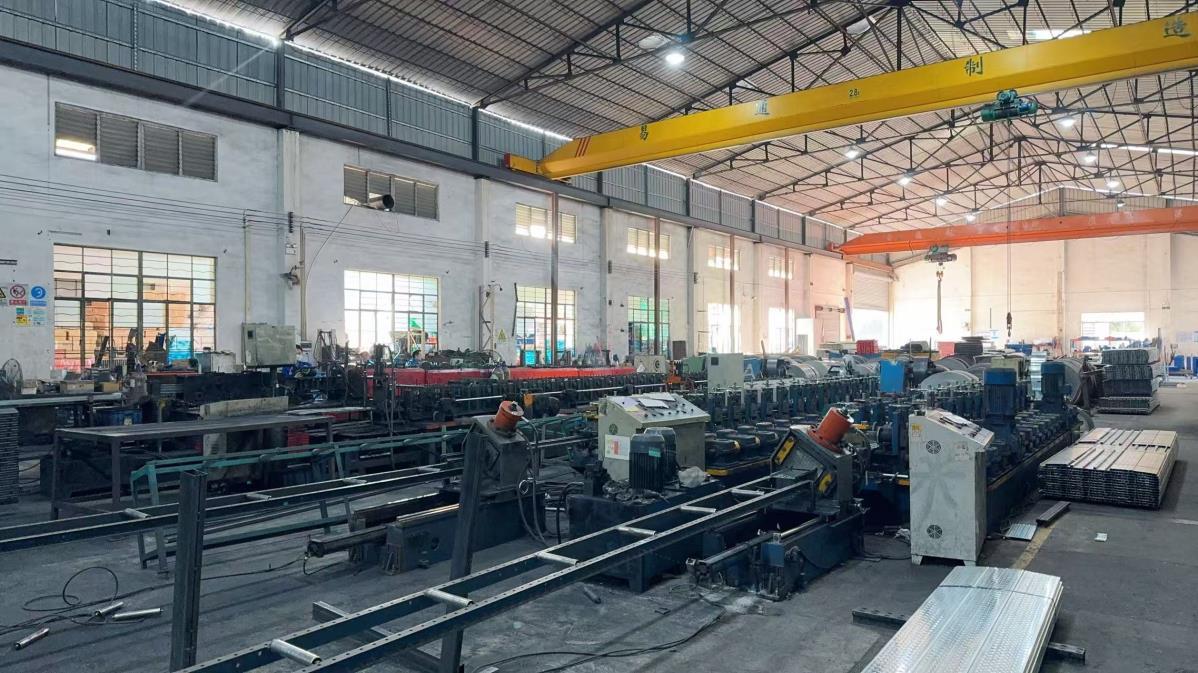
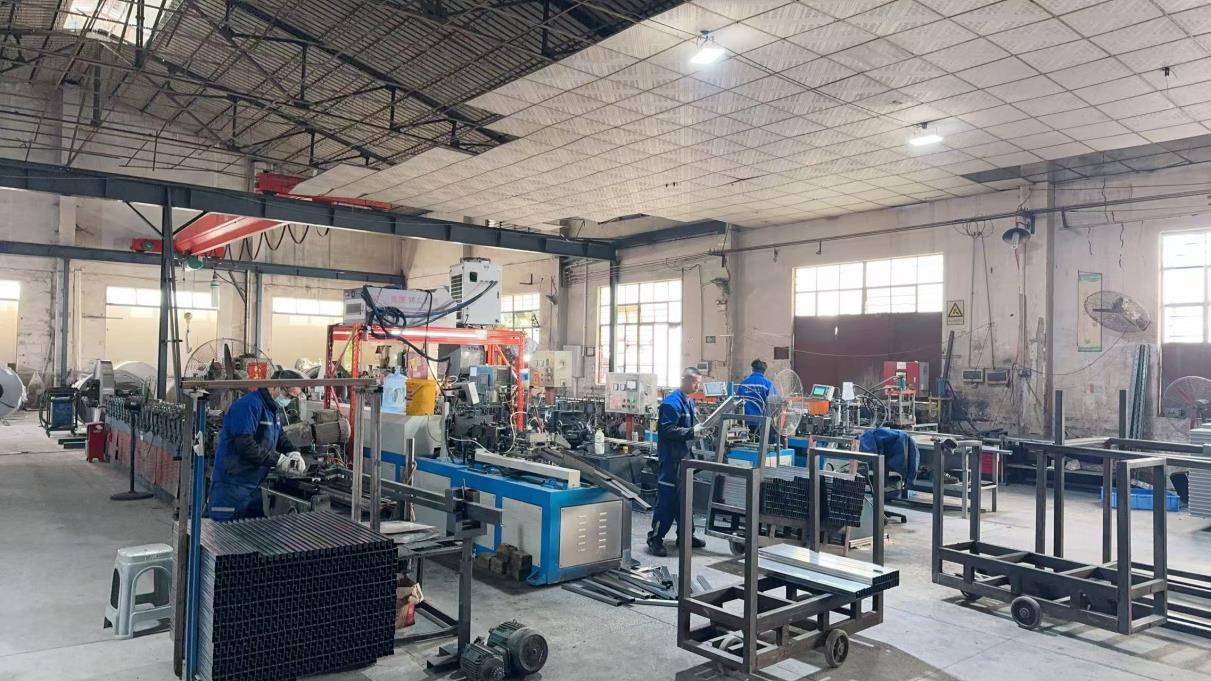
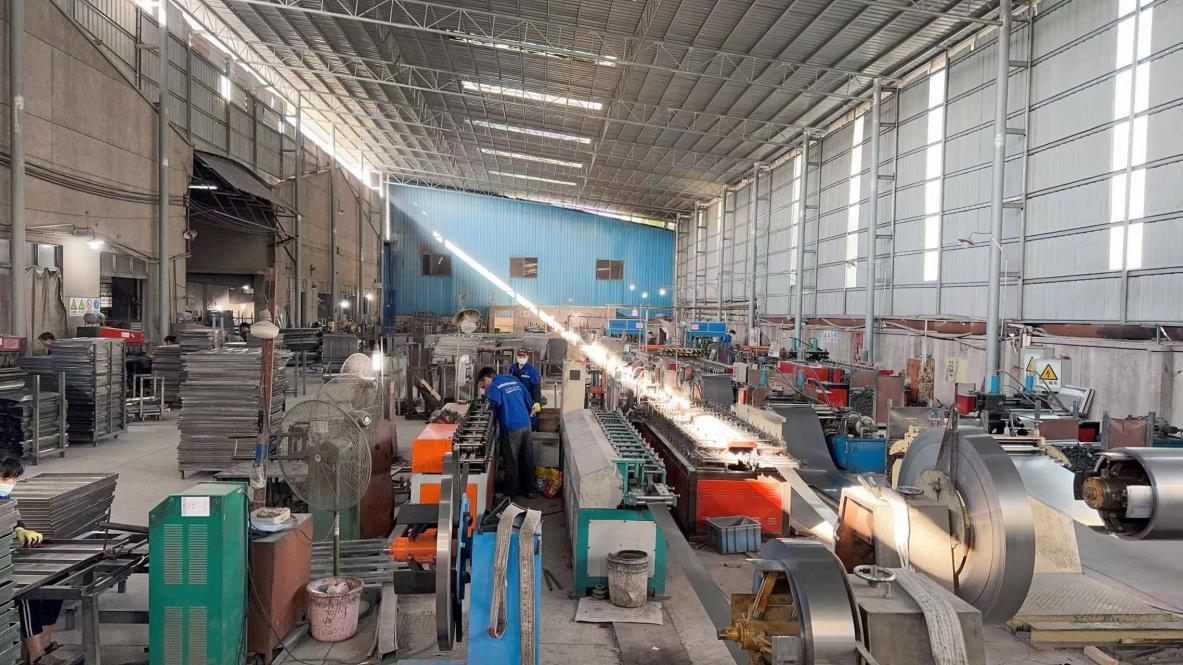
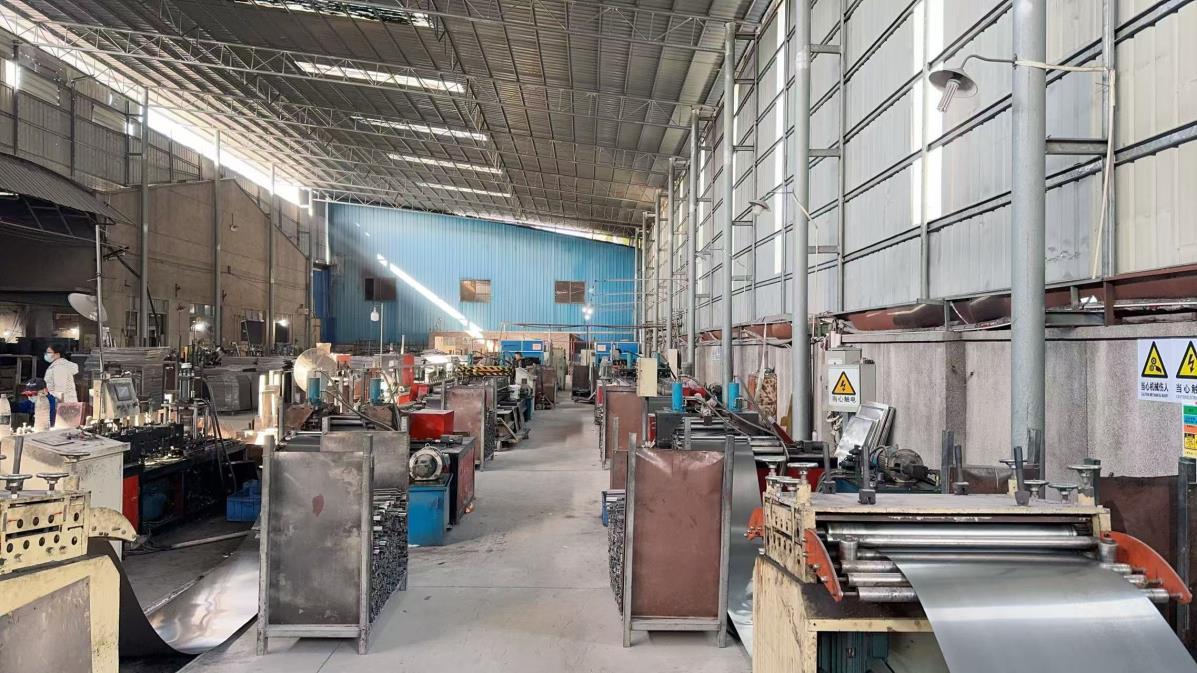
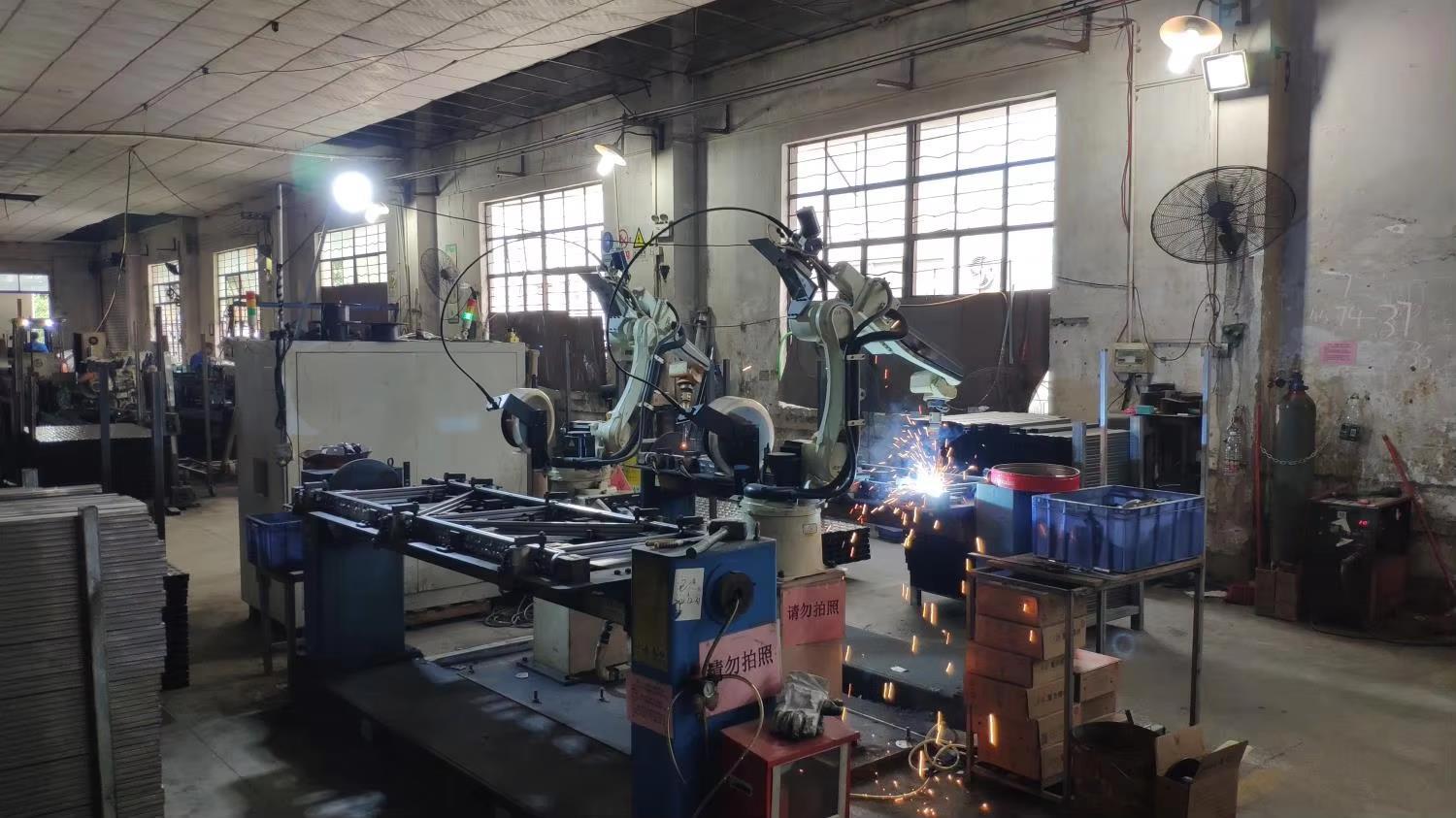
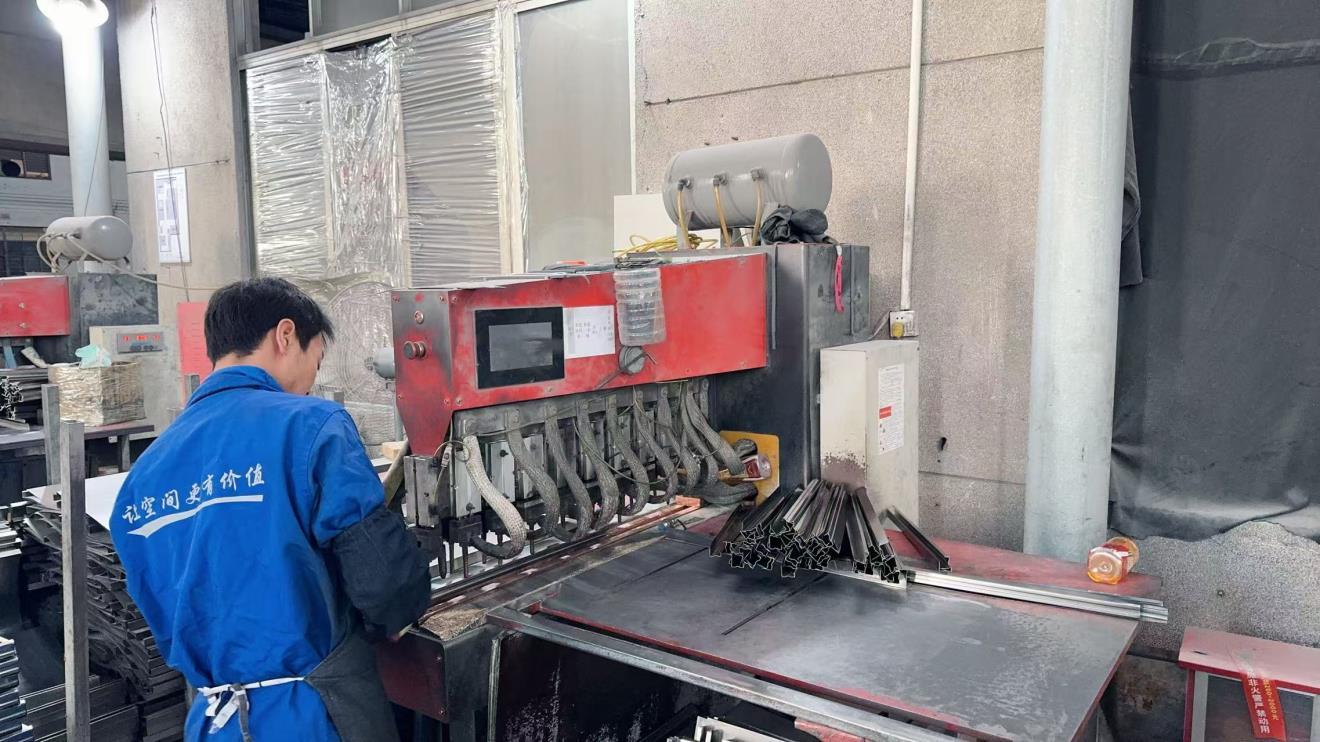
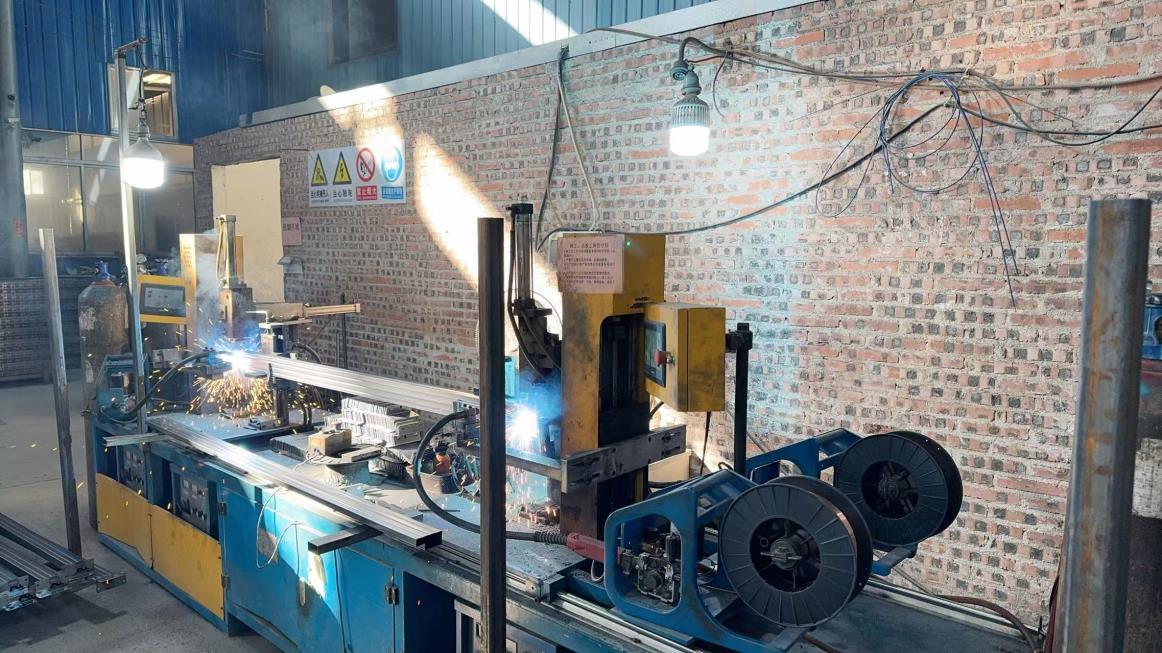
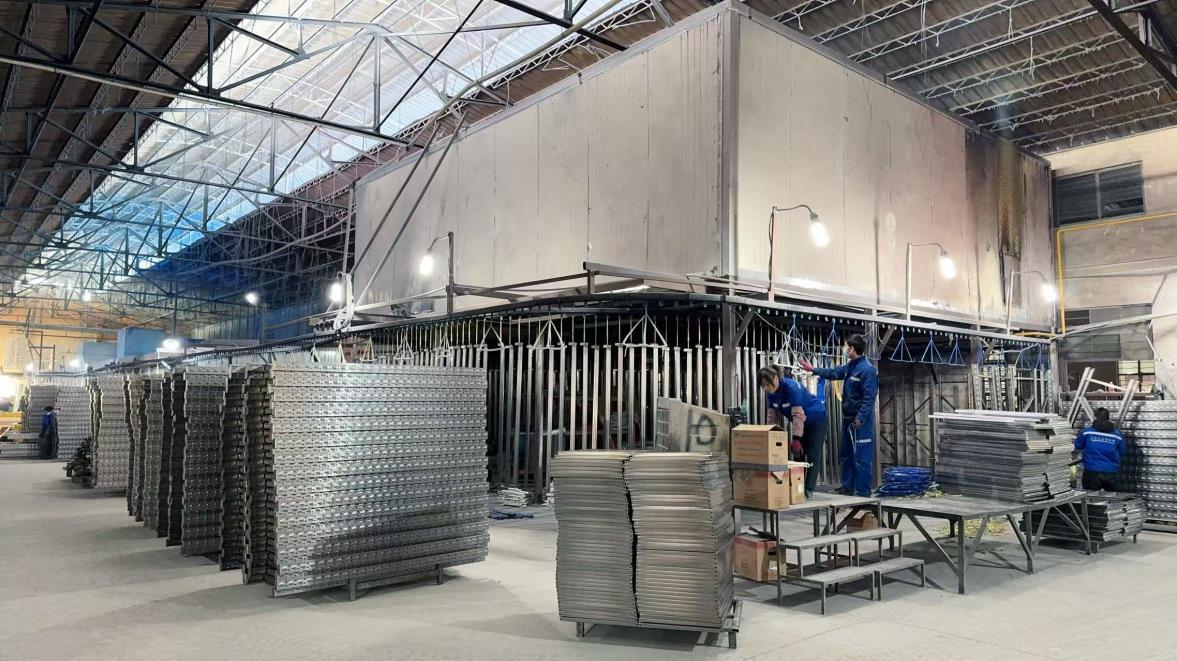
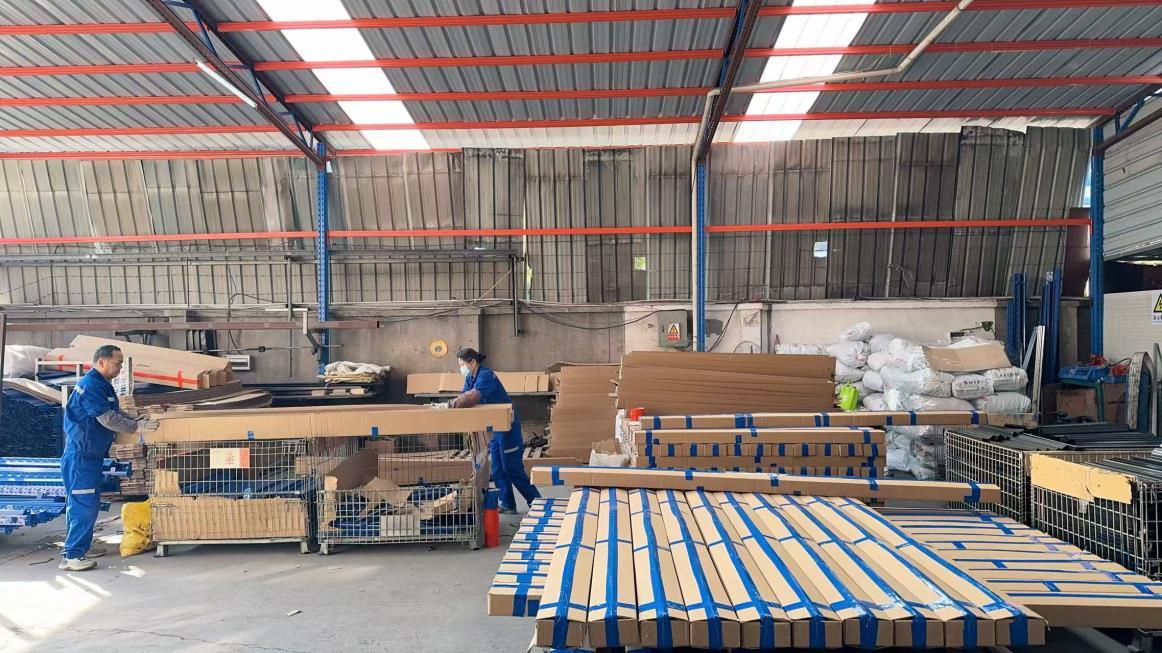
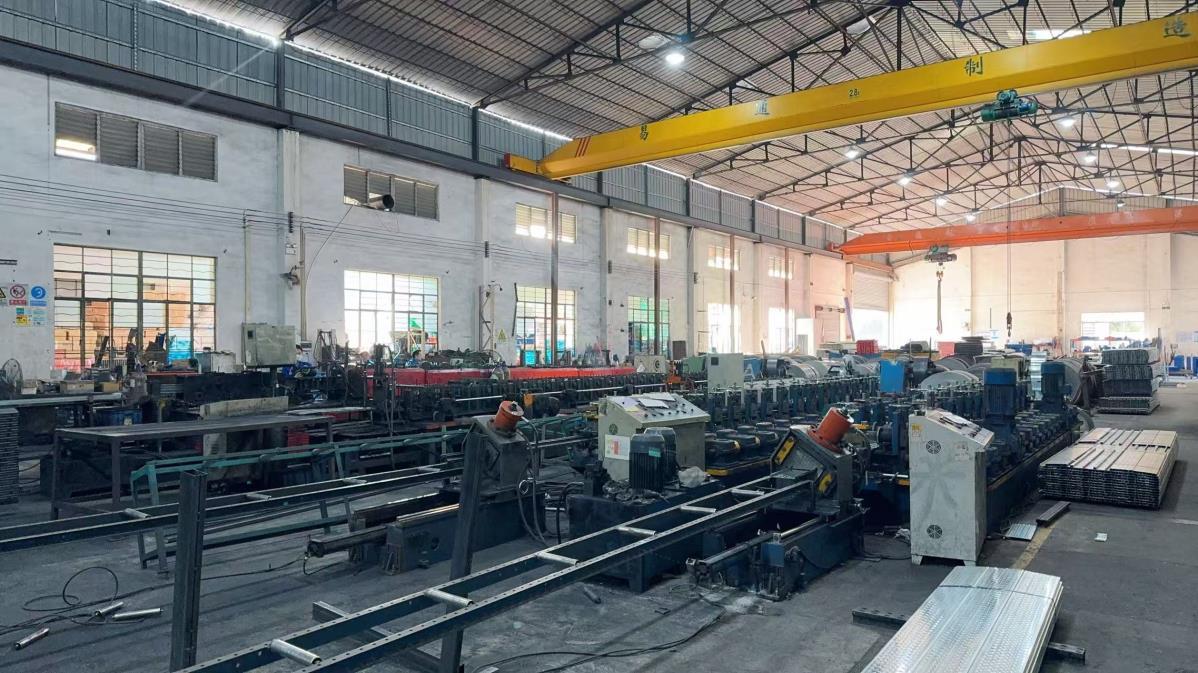
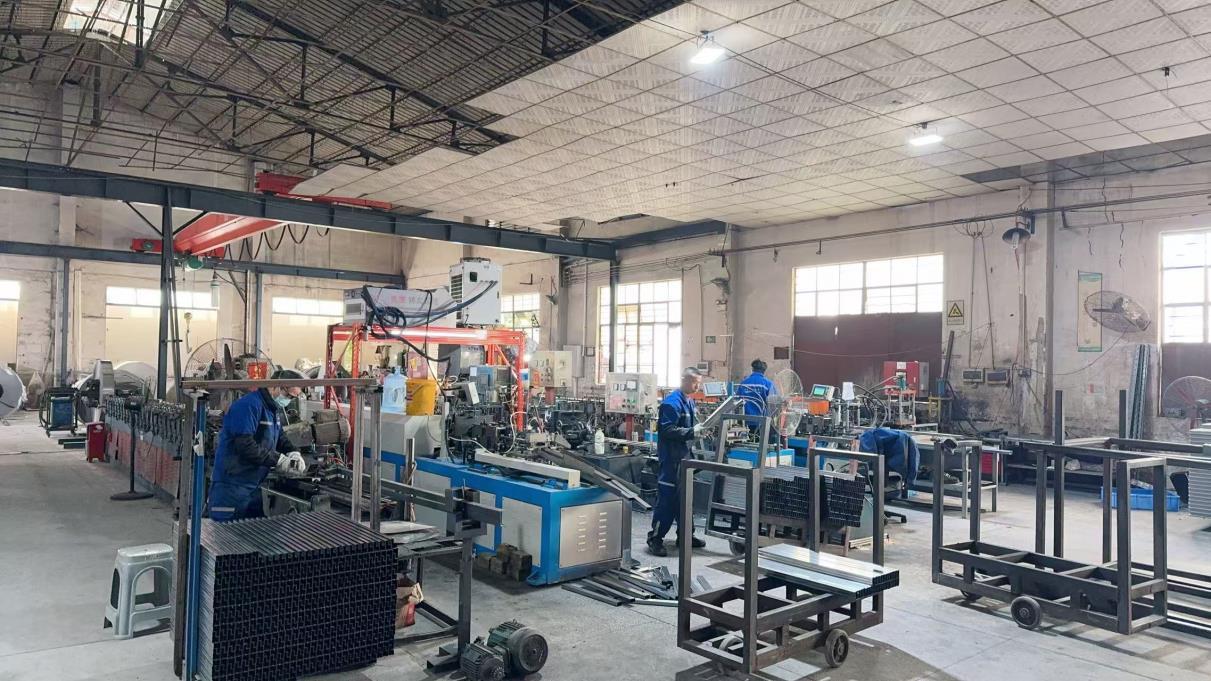
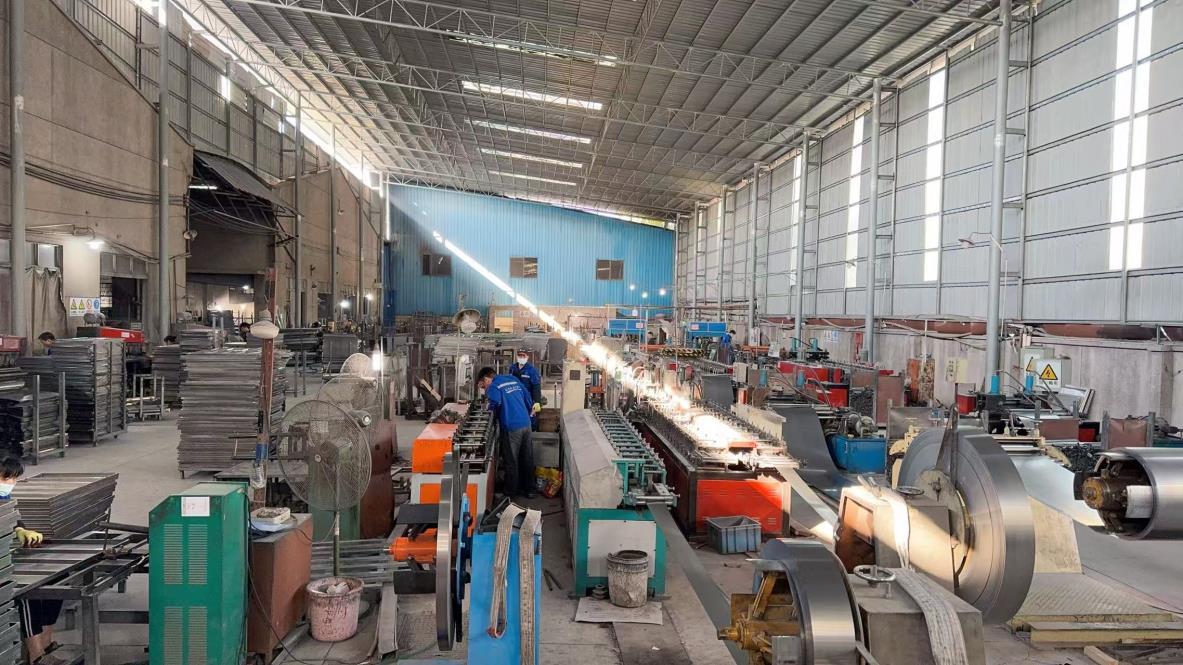
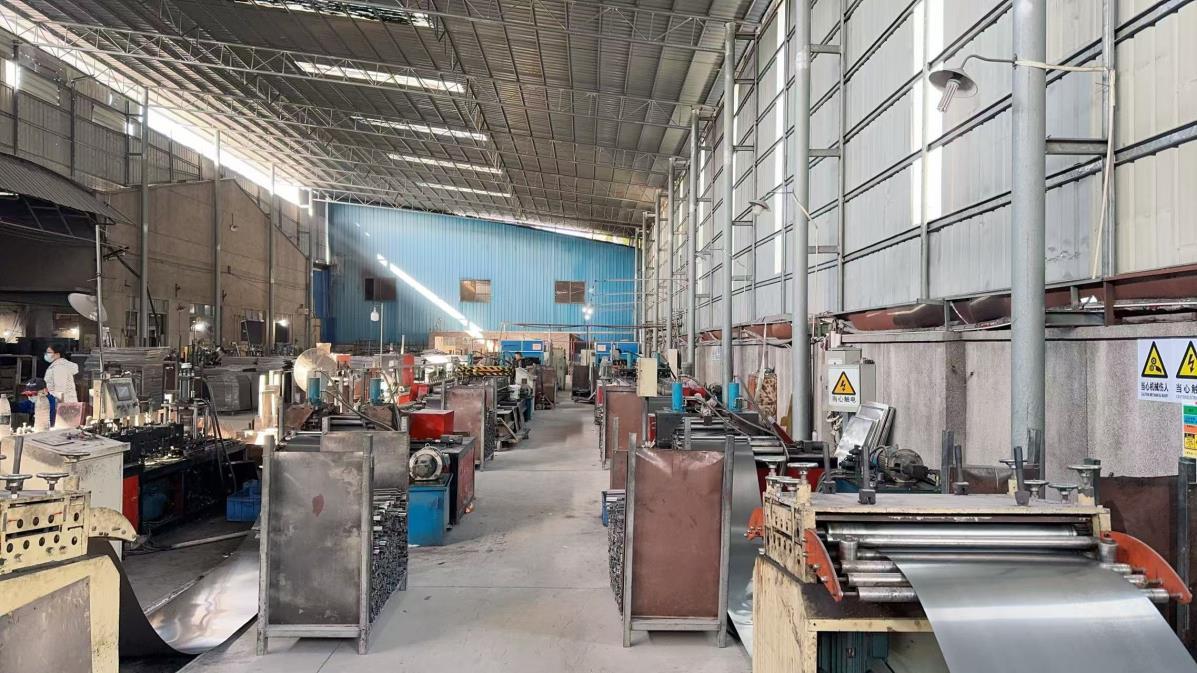
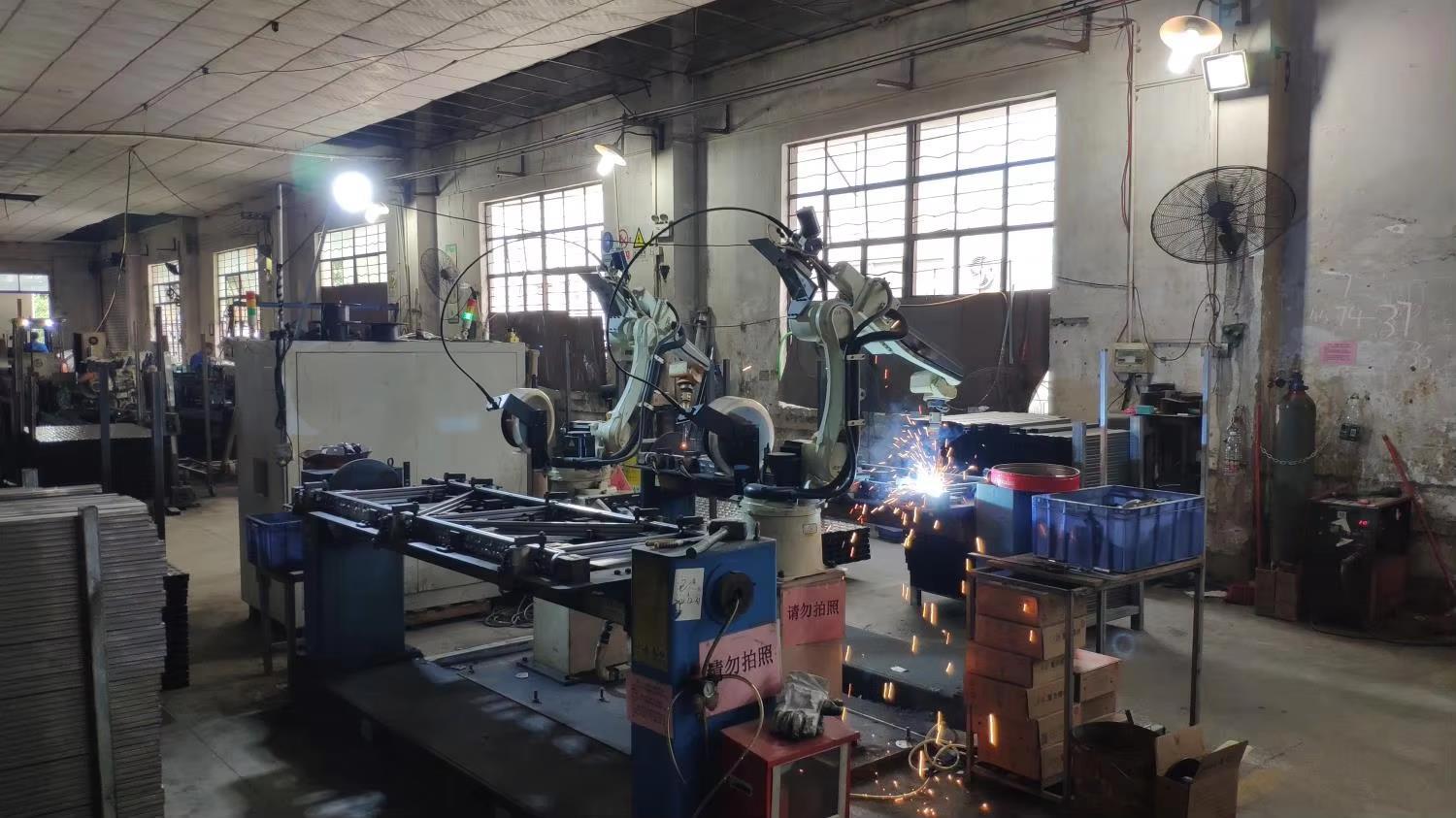
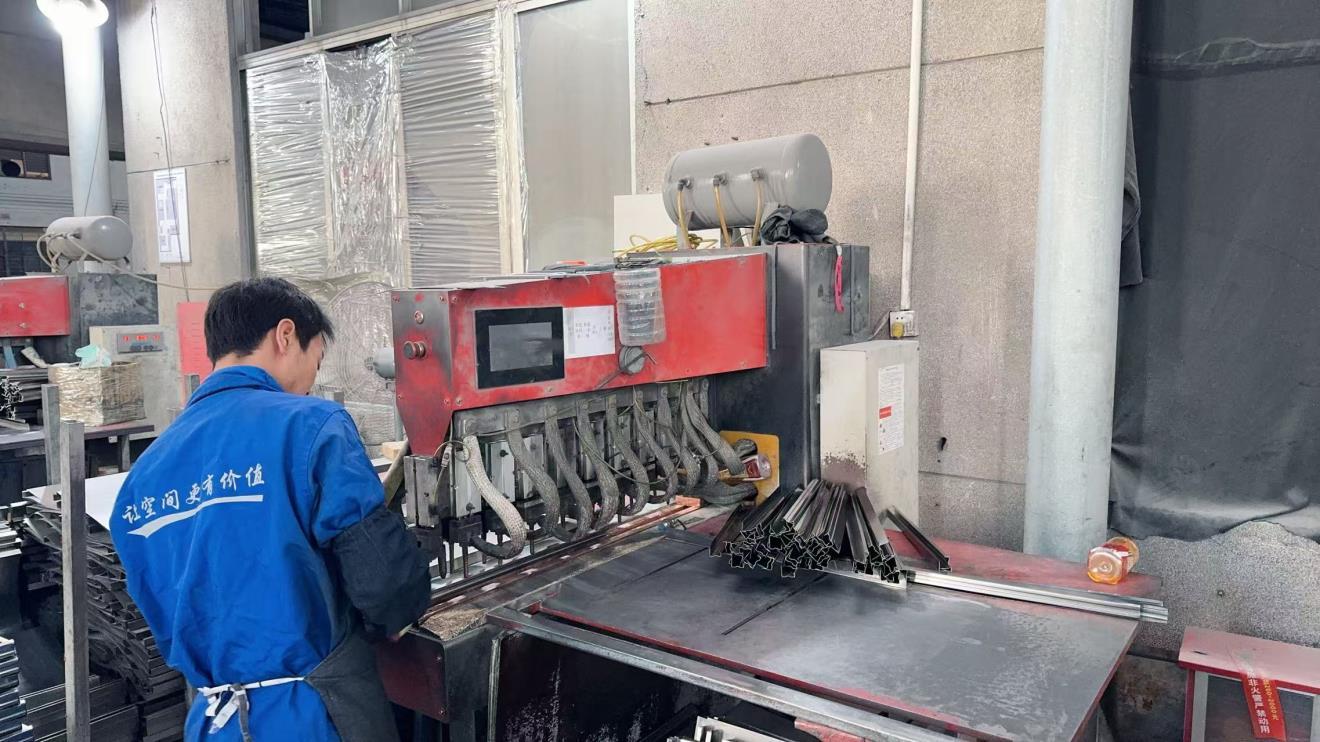
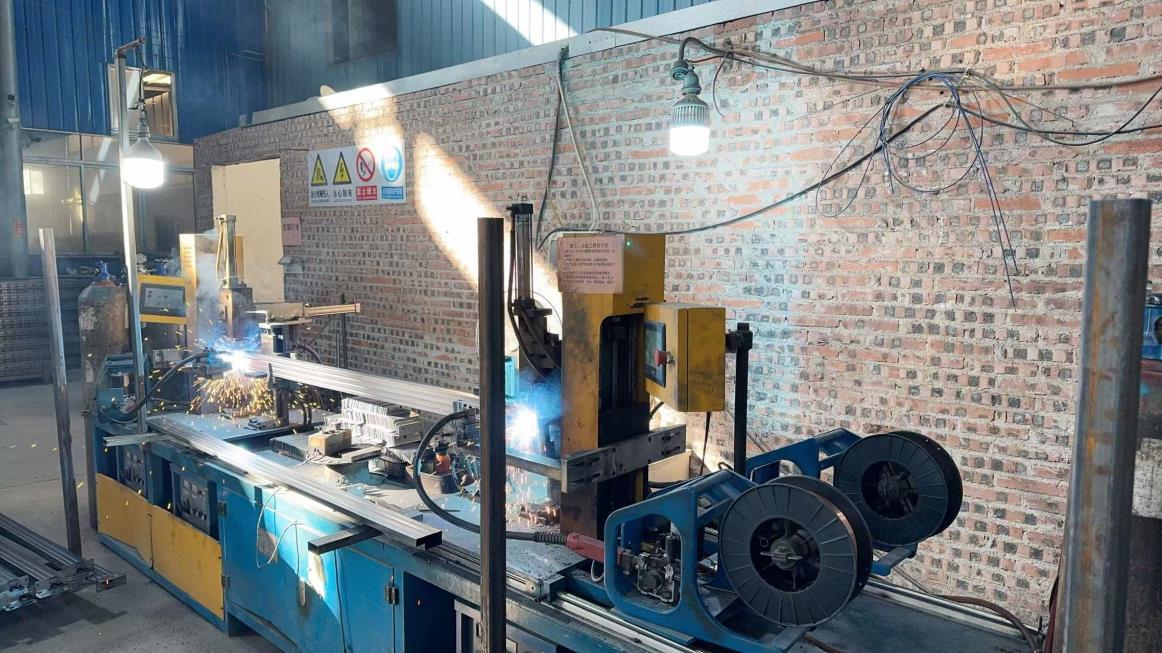
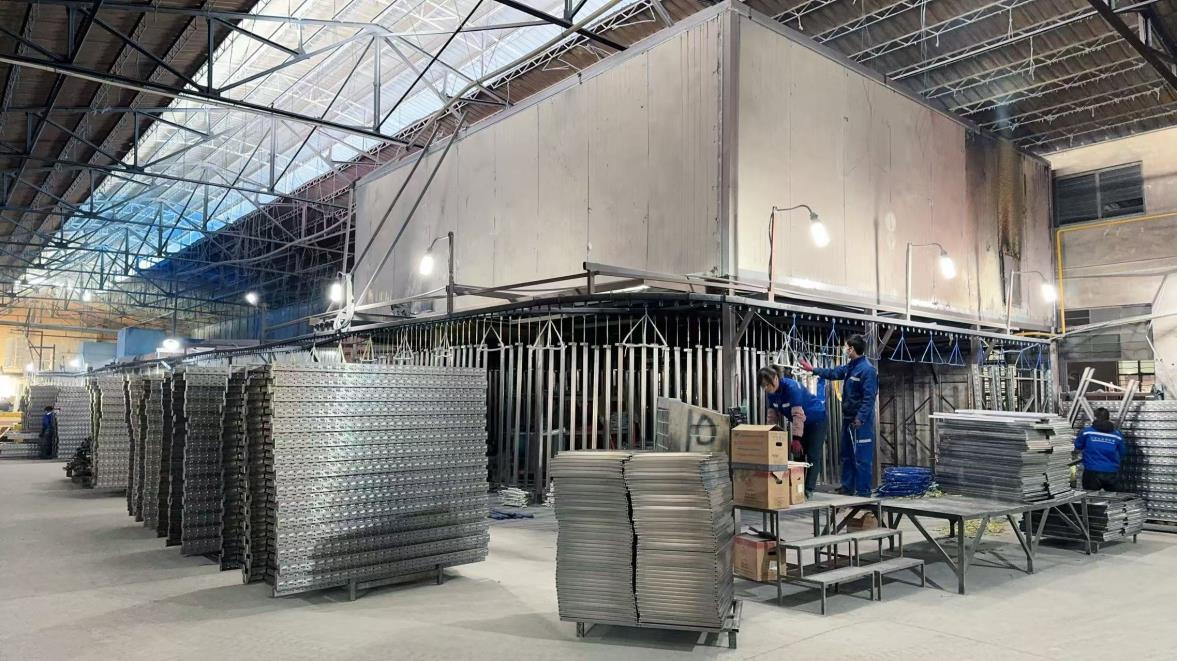
Every structural beam is batch-tested for structural integrity, load compliance, and powder coating thickness before shipping to Lesotho ports.
Contact QC DepartmentNo two warehouse facilities in Maseru or Maputsoe are identical. Structural differences in floor loading capabilities, building clearances, columns spacing, and fire suppression layouts call for a highly tailored customization process. Our specialized engineering group consists of 18 senior structural and engineering specialists ready to deliver custom OEM/ODM configurations.
From custom rack dimensions and extreme weight tolerances to seismic-resistant components and corrosion-resistant finishes, we translate complex warehousing configurations into optimized mechanical drawings. In the past year alone, we engineered and launched 120 new product models and modular storage enhancements, ensuring that our clients receive advanced structural designs that optimize space and protect local workforces.
The layout and commissioning of a multi-tier steel platform involve several crucial milestones:
Importing large-scale industrial structural components into Lesotho requires navigating specific cross-border customs regulations. As experienced exporters with 8 years of direct international trade operations, we ensure seamless shipping flows by preparing accurate paperwork, satisfying regional standards, and structuring our packages to avoid port delays.
All structural steel shipments are bundled and marked with explicit component packing lists to ease border inspection processes at Maseru Bridge. Because Lesotho is a member of the Southern African Customs Union (SACU), we provide complete customs documentation, certificates of origin, and certified material test reports (MTR) demonstrating conformance to international engineering requirements. This ensures quick entry and minimizes demurrage charges at the port of entry.
Durable Powder-Coatings for High Altitude Areas: Lesotho’s high elevation means components are exposed to elevated UV levels and distinct seasonal temperature swings. Our industrial electrostatic powder spray lines utilize specialized UV-stabilized exterior powders, protecting the steel racks from micro-cracking and rust over long operational lifetimes.
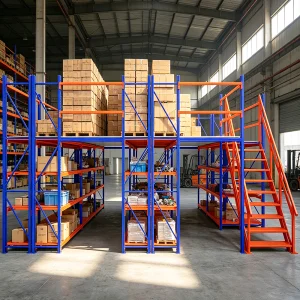
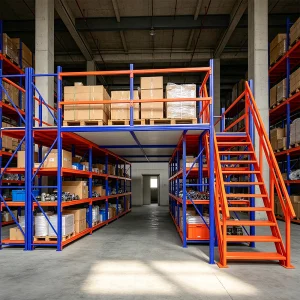
Select from our specialized configurations, from manual-access lofts to high-security platforms and automated mezzanine layouts.
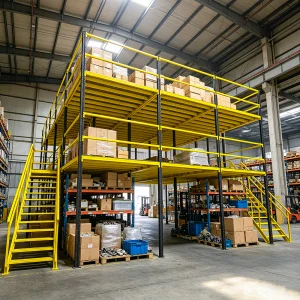
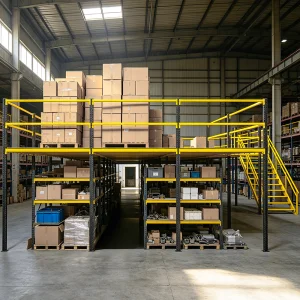
Modern distribution facilities are moving beyond static racks. The integration of warehouse management software (WMS), automated material handling systems (AMR/AGV), and smart sensors is redefining structural requirements. Future-oriented operations in Lesotho are beginning to upgrade storage structures to allow for automated movements.
Automated guided vehicles require highly consistent flat surfaces with minimal structural deflection. Our modern steel platform solutions are engineered with high flatness tolerances and specific floor plating materials, such as textured steel panels or specialized fiber cement sub-floors, which allow AMRs to navigate without slippage or tracking errors.
Traditional mezzanines required extensive field welding, which increases installation timelines and limits future layout reconfigurations. Our boltless structural systems utilize precision-punched heavy connectors, reducing installation times by up to 40% and allowing structures to be modified, expanded, or relocated as business requirements shift.
Smart sensors can now monitor structural loading levels, triggering alerts if dynamic loads exceed engineered limits. This safety layer protects materials and personnel in areas with variable operational workloads.
Essential answers regarding structural specs, engineering processes, and logistical arrangements for Lesotho.
 Kimsuk Steel