Maximize your overhead clearance and eliminate premium leasing bottlenecks with our top engineered mezzanine systems.
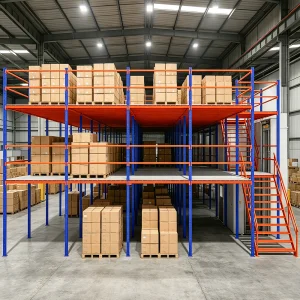
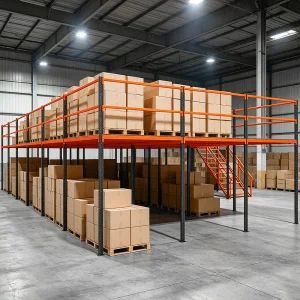
As one of North America’s preeminent freight transport and logistics crossroads, the Greater Chicago Area—encompassing critical submarkets such as Cook County, O'Hare, Will County, and the Interstate 80/88 logistics corridors—continues to experience tight industrial real estate conditions. Driven by the relentless expansion of e-commerce fulfillment, third-party logistics (3PL) distribution centers, and advanced manufacturing sectors, warehouse space has become premium real estate.
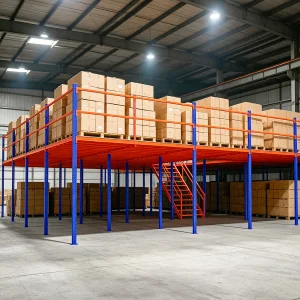
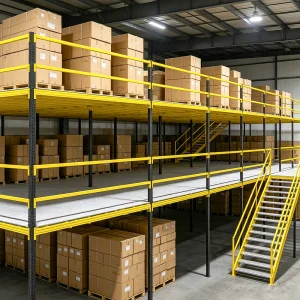
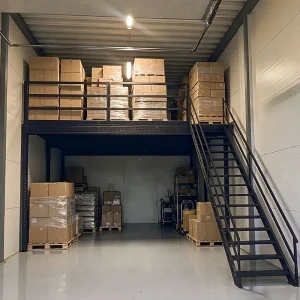
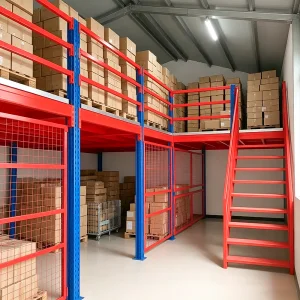
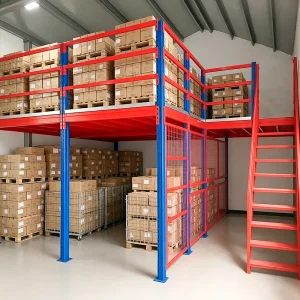
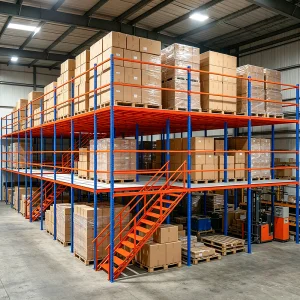
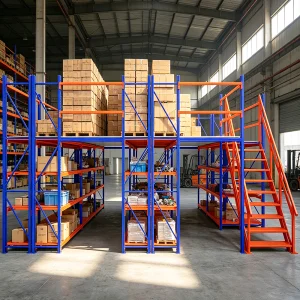
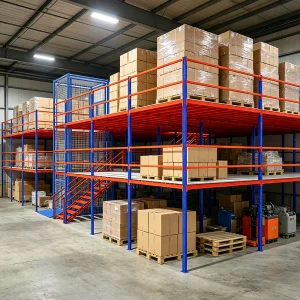
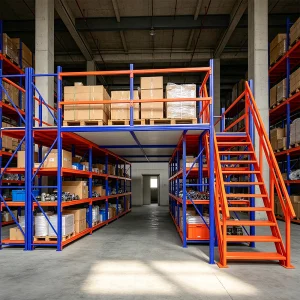
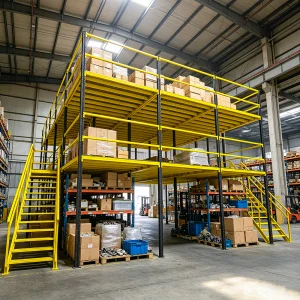
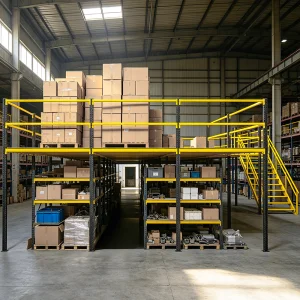
Horizontal facility expansion in Chicago is often cost-prohibitive or structurally unfeasible due to zoning restrictions, municipal code approvals, and a lack of greenfield sites. To offset rising operational costs and lease rates, supply chain managers, warehouse directors, and industrial operations planners are turning to vertical spatial optimization. Installing structural steel mezzanines and multi-tiered platform configurations allows companies to effectively double or triple their usable square footage within their existing building footprint.
Industrial Insight: By converting unused vertical overhead clearance into load-bearing, elevated work decks or product storage zones, companies can circumvent expensive relocation fees, lease premium costs, and municipal disruption, preserving critical capital reserves for core operational scale.
Furthermore, Chicago’s municipal structures demand strict compliance with regional building codes (IBC), local fire containment specifications, and structural load calculations. Selecting an experienced fabrication partner that designs system layouts aligned with heavy structural guidelines becomes a non-negotiable prerequisite for plant safety and seamless municipal permit approval.
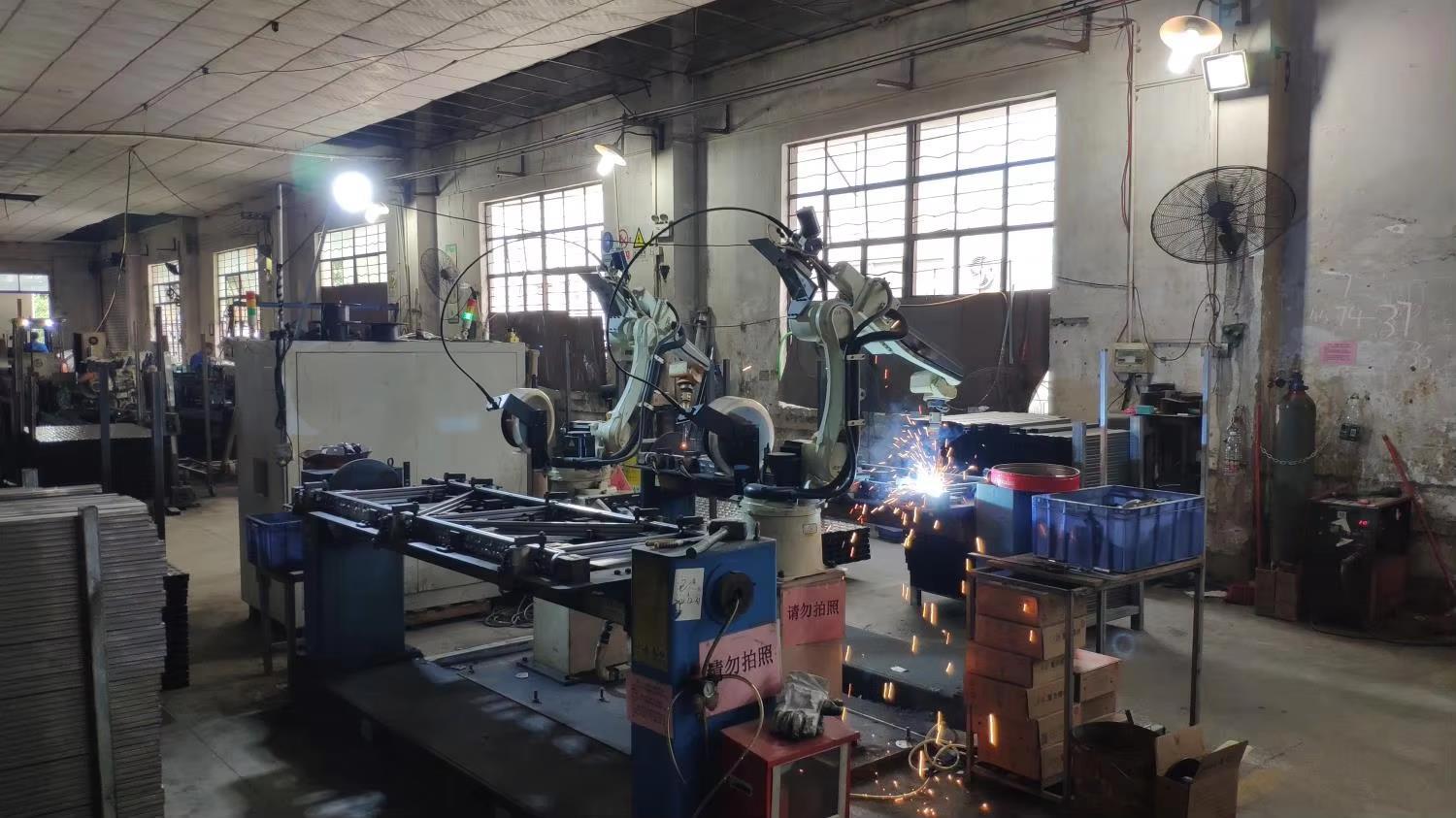
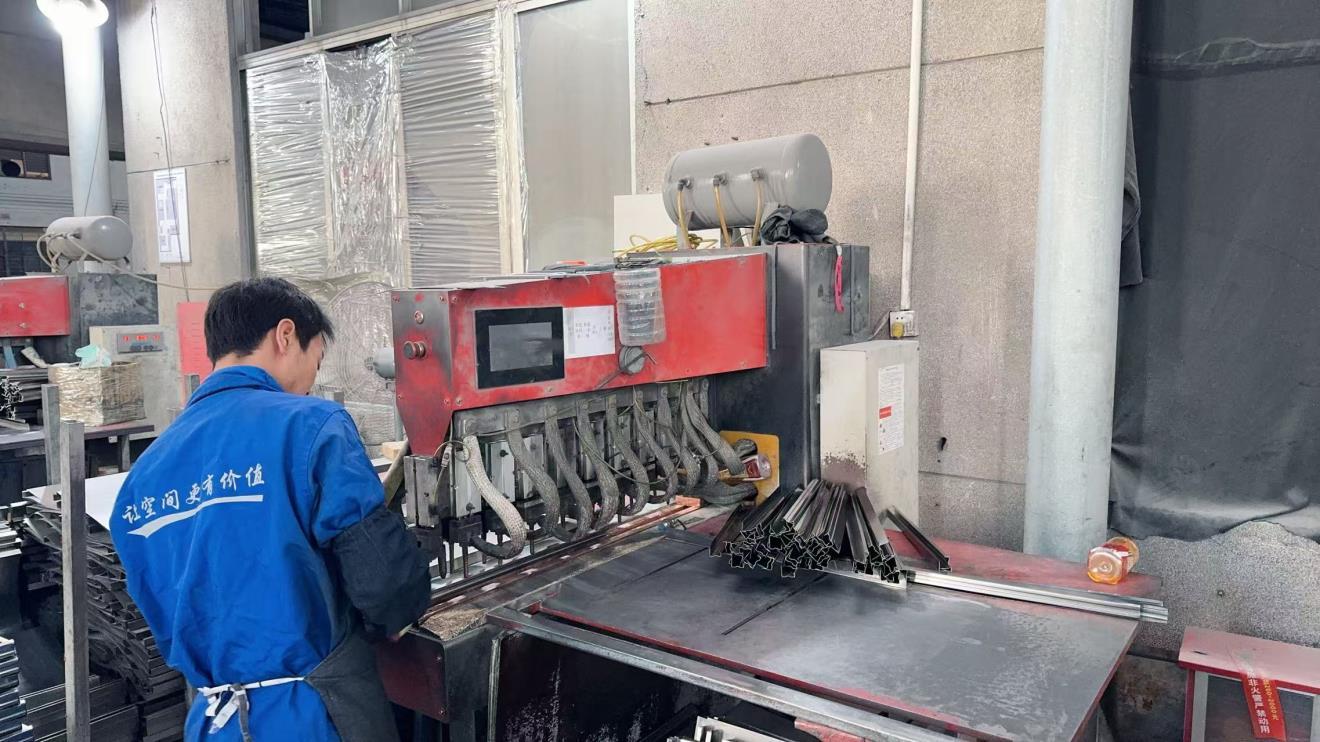
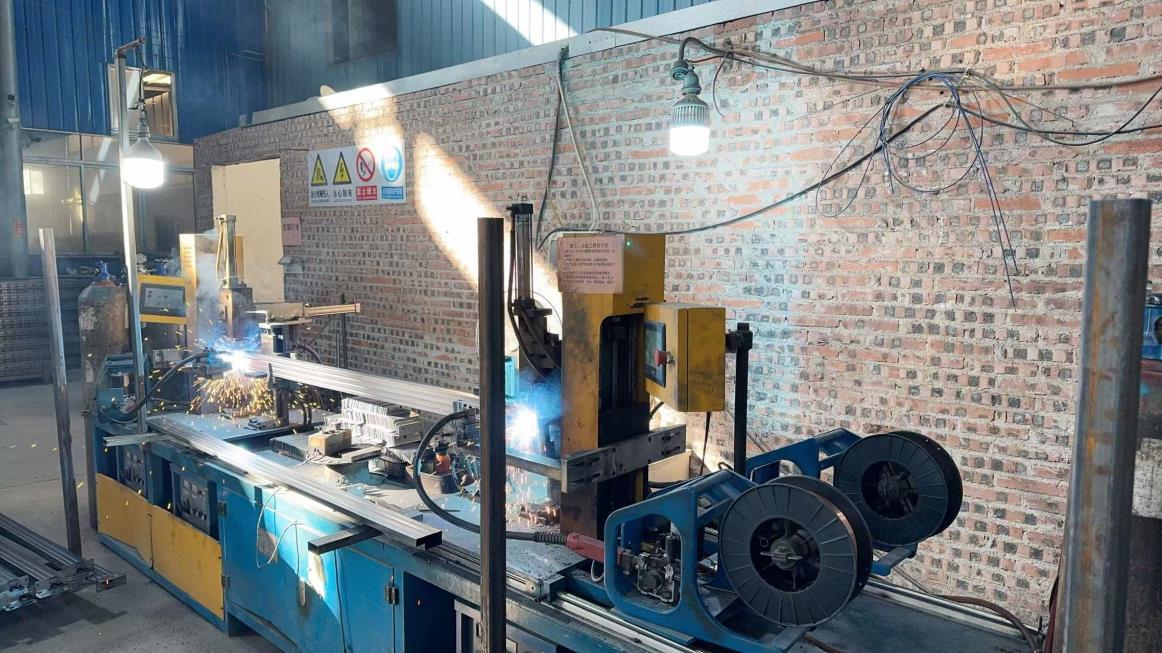
Sourcing structural mezzanine flooring and warehouse steel structures from top manufacturers in China presents an optimal balance of cost-efficiency, manufacturing scale, and high-precision engineering. Advanced fabrication hubs in China leverage vertical integration and automated machinery to provide high-quality structural steel products at scale.
By partnering with a verified manufacturer like Dongguan Kimsuk Shelves Co., Ltd., global enterprises can leverage these manufacturing efficiencies while relying on seasoned export support teams. Kimsuk ensures logistics workflows run smoothly, handling container loading, documentation clearance, and coordinating local transport to delivery sites across the Chicago region.
The convergence of automation, robotics, and structural design in modern steel platforms.
Modern industrial mezzanines have evolved from simple static storage decks into high-tech platforms designed for automated material handling. The rise of Autonomous Mobile Robots (AMRs) and Automated Guided Vehicles (AGVs) requires high-tolerance flat-deck mezzanine flooring, specialized structural deflection limits, and robust safety barriers.
Additionally, seismic engineering (conforming to RMI and AISC guidelines) is now a core requirement for warehouse storage designs in active commercial zones. Dynamic calculations for seismic acceleration, floor deck load distributions, and column baseplate anchoring are simulated in finite element analysis (FEA) software before production. The result is a highly modular, boltless-assembly structure that can be easily expanded, reconfigured, or relocated as business demand shifts.
To maximize efficiency in different environments, steel platforms must be tailored to their specific operational context. Below are the primary application scenarios for industrial mezzanine systems in the Chicago metropolitan area:
Maximizing dense storage capacity inside temperature-controlled zones where cooling costs are high. Anti-corrosion powder coating or hot-dip galvanized finishes protect the structural components from moisture damage in humid or cold environments.
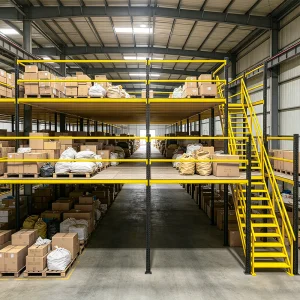
Multi-tiered mezzanine structures optimized for manual item picking, sorting conveyors, and parcel slide chutes. They organize processing floors into distinct, efficient zones to handle high order volumes.
Heavy structural steel platforms designed to support heavy manufacturing machinery, tool rooms, overhead crane rails, and production offices, maximizing work space on the warehouse floor below.
Procuring heavy-duty warehouse equipment from international manufacturers requires a rigorous screening process. Supply chain directors should evaluate candidate suppliers against this quality control framework:
Dongguan Kimsuk Shelves Co., Ltd. - Heavy Duty Storage System Production
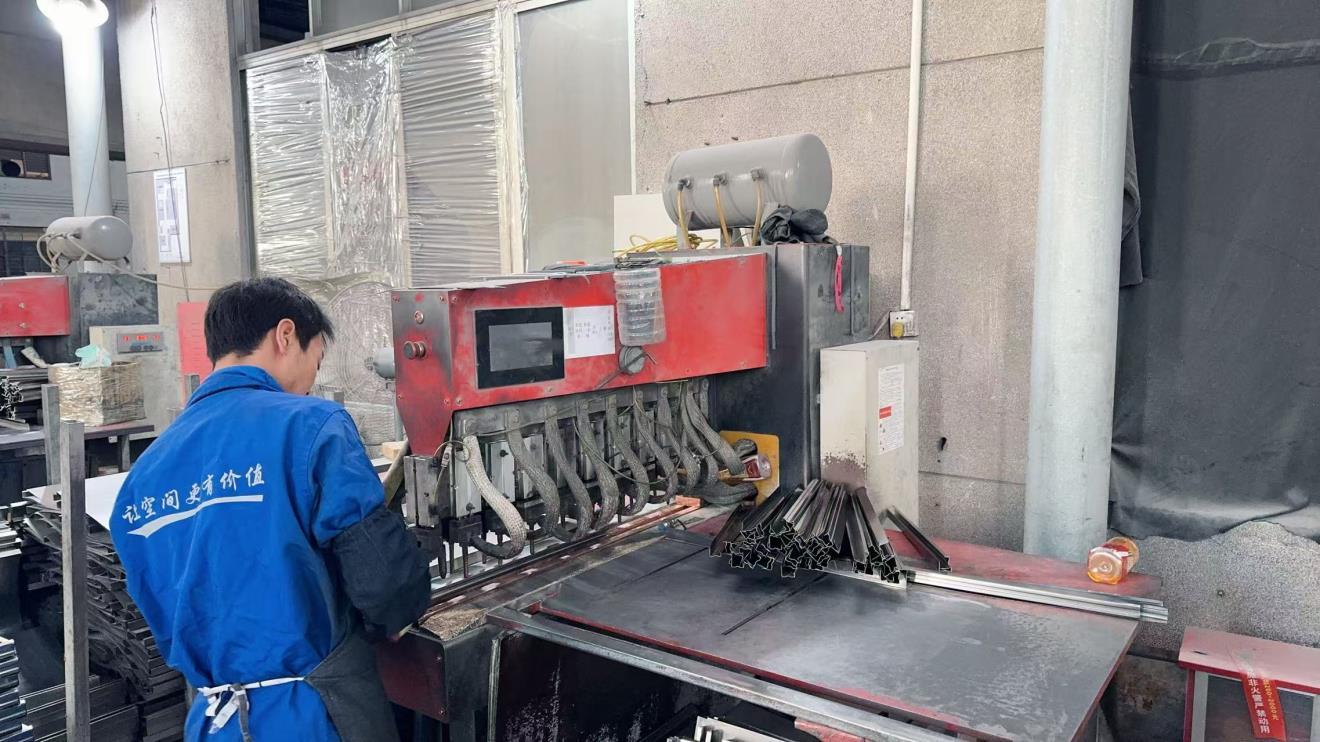
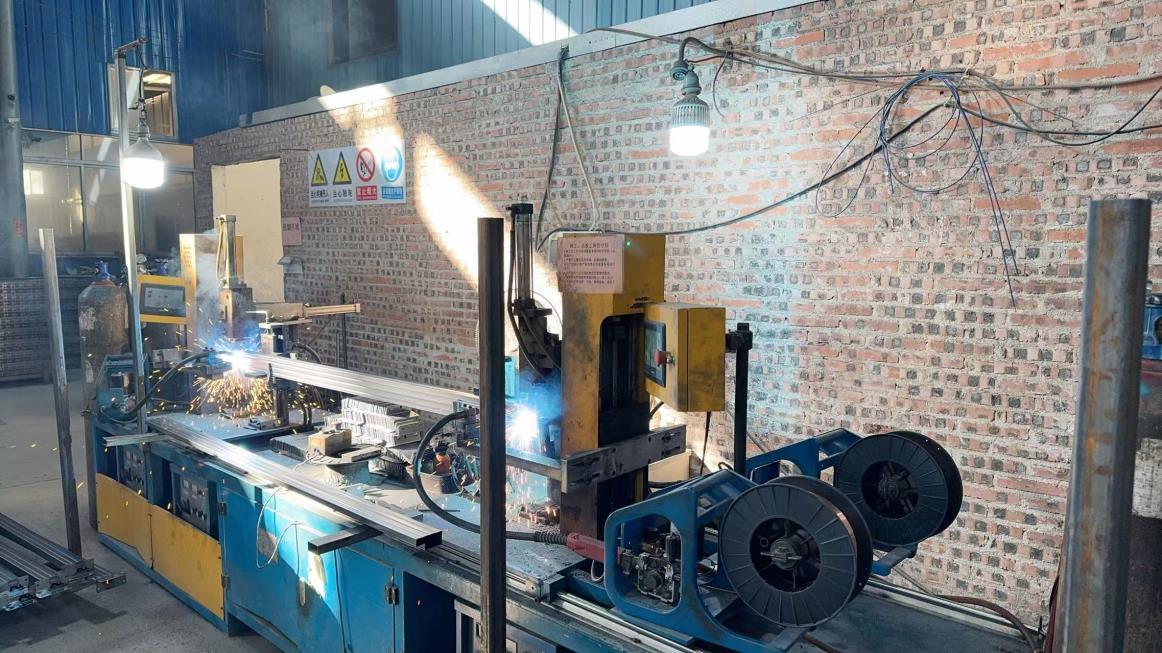
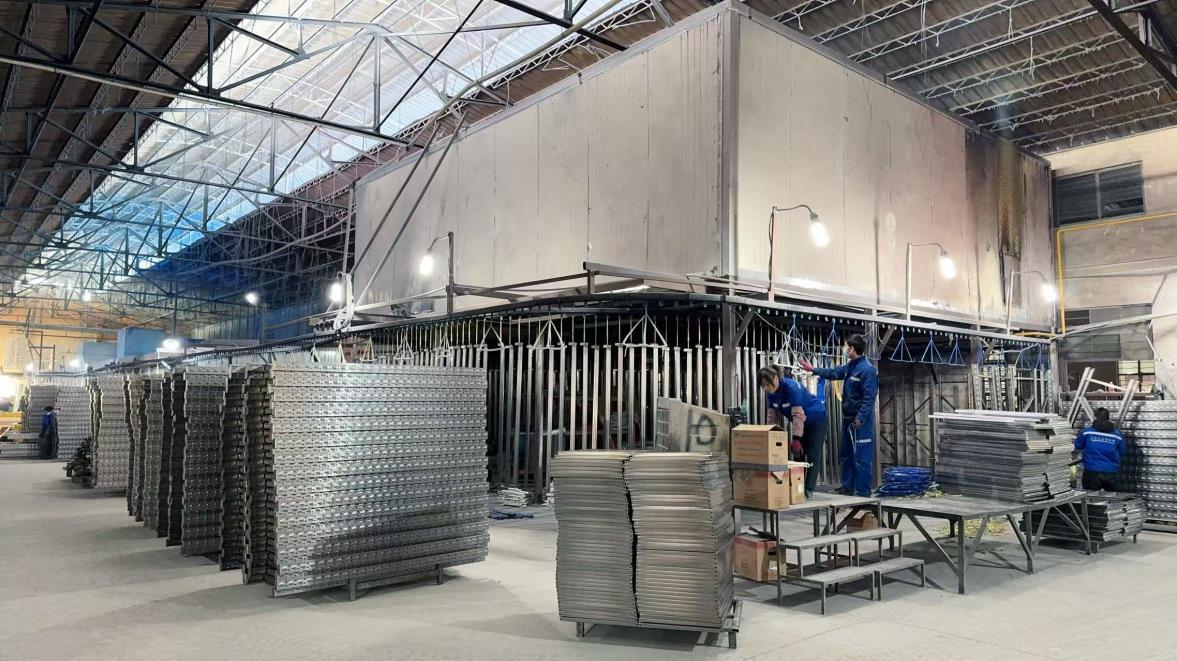
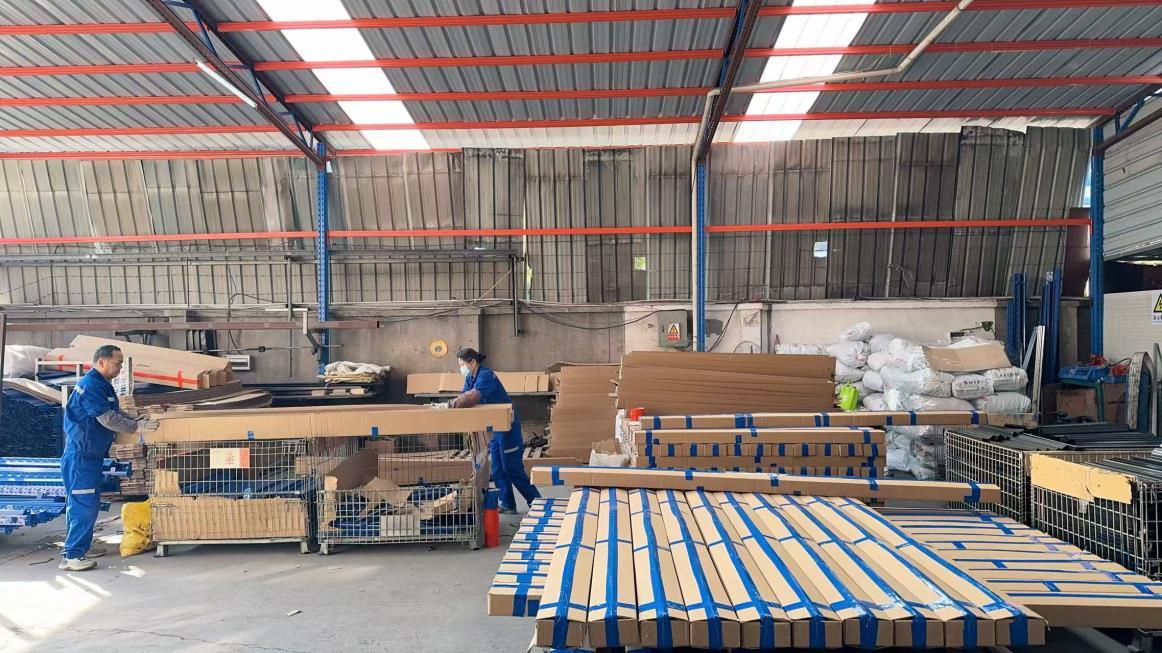
Established in 2015, Dongguan Kimsuk Shelves Co., Ltd. is a leading manufacturer specializing in the design, engineering, and production of heavy-duty industrial shelving and warehouse storage systems. Operating from a modern production facility spanning 32,000 square meters, we have grown into a trusted global supply chain partner with 11 years of industry expertise and 8 years of direct international export experience. Driven by robust manufacturing capability, our annual export revenue reaches $18 million, serving clients across key international markets, including North America, Europe, Southeast Asia, and the Middle East.
Quality and precise engineering are at the core of our operations. We maintain a strict Quality Assurance protocol supported by a dedicated team of 35 QA/QC inspectors. Our comprehensive product inspection methods combine automated non-destructive testing, raw material tensile testing, load-bearing stress evaluations, and precision powder-coating thickness measurements. Supported by an extensive network of over 850 verified supply chain partners, we consistently deliver reliable, high-integrity racking systems to a diverse client portfolio, ranging from large-scale logistics hubs and third-party logistics (3PL) providers to industrial manufacturing facilities and commercial retail distributors.
Innovation drives our growth. Our in-house R&D team consists of 18 senior structural and engineering specialists capable of delivering full OEM/ODM custom solutions. From tailored rack dimensions and heavy load capacities to specialized seismic-resistant structures and anti-corrosion surface finishes, we turn complex warehousing requirements into optimal designs. Demonstrating our continuous drive for innovation, we successfully developed and launched 120 new product models and modular storage enhancements last year alone. At Dongguan Kimsuk Shelves Co., Ltd., we remain committed to maximizing warehouse space efficiency and delivering long-term value to our global partners.
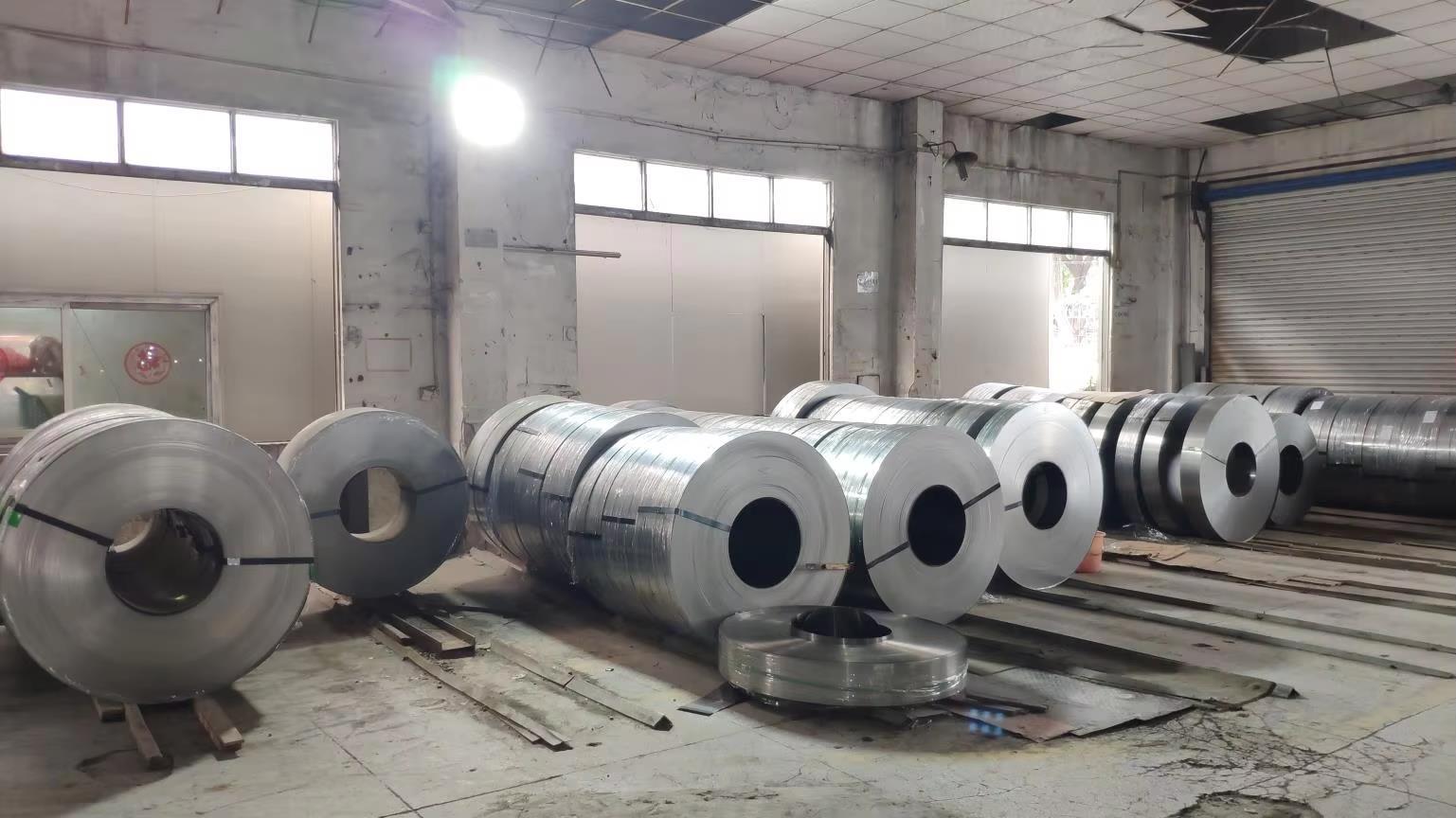
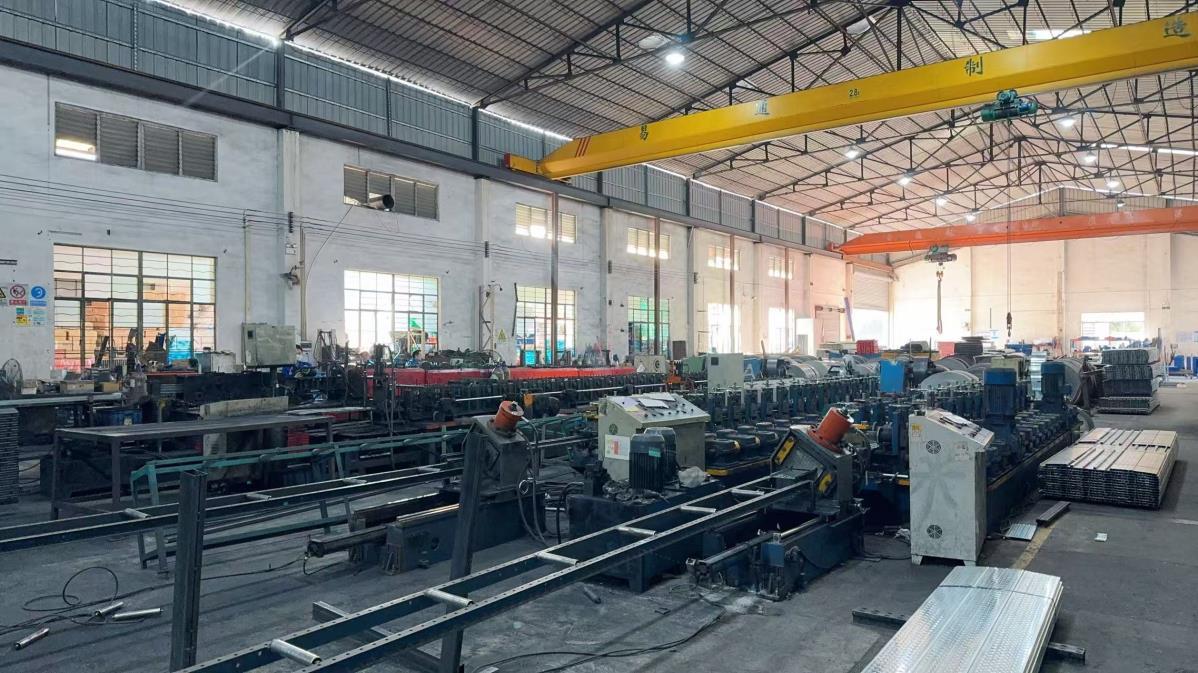
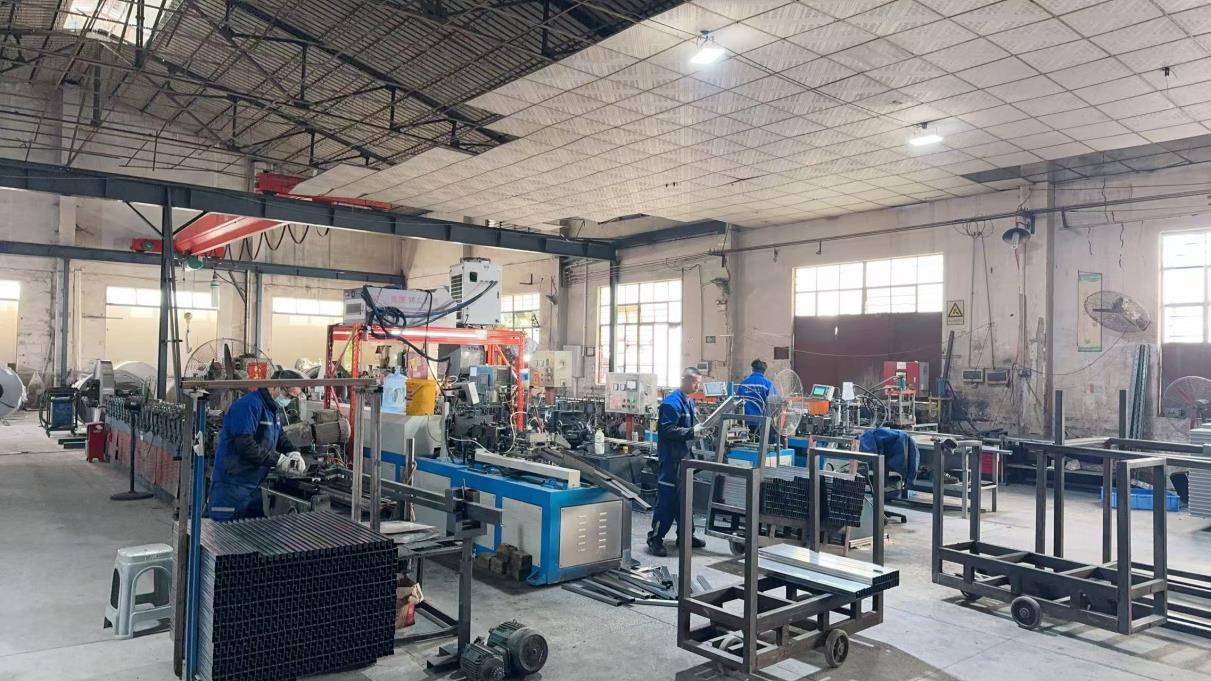
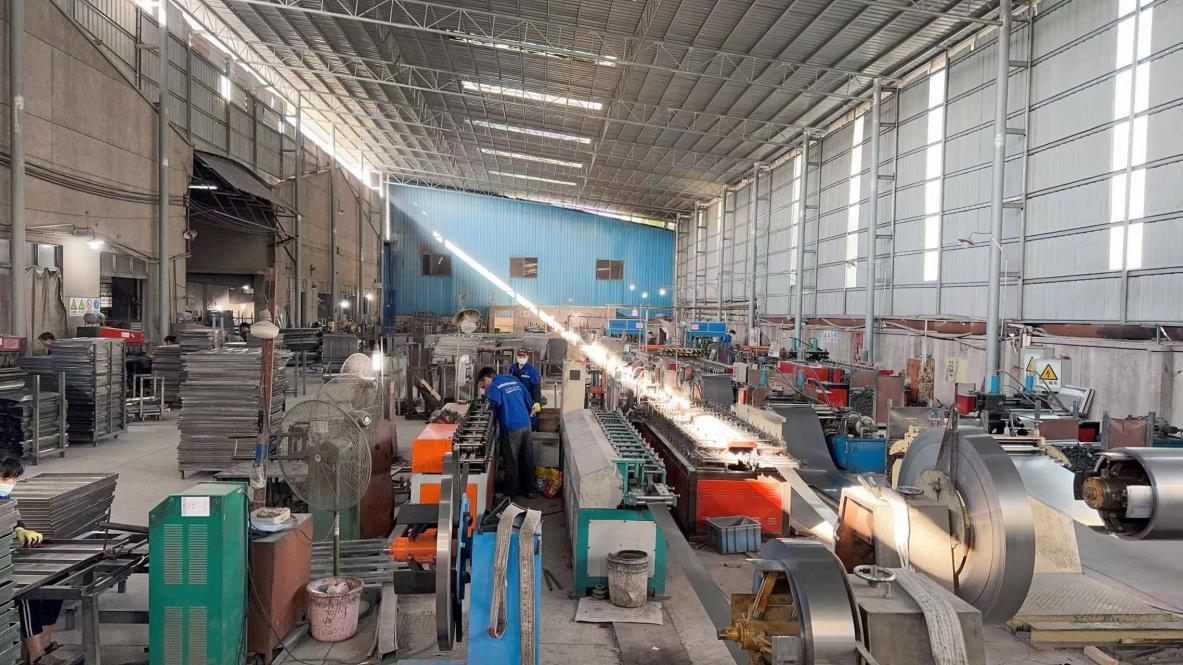
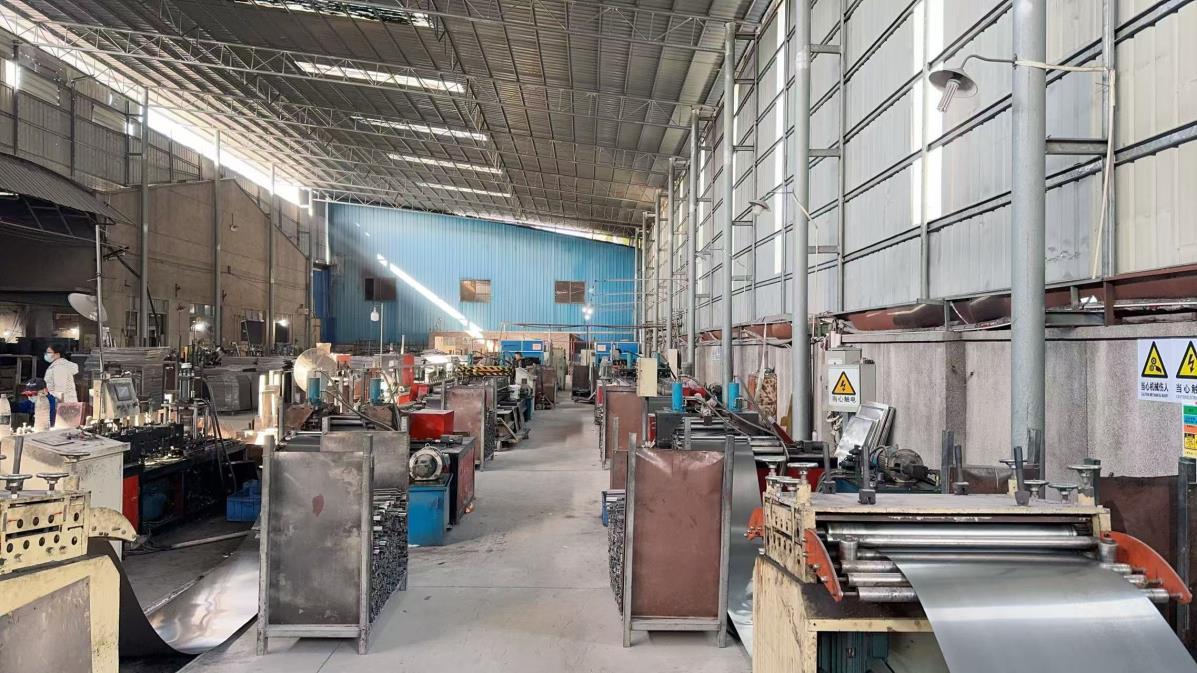
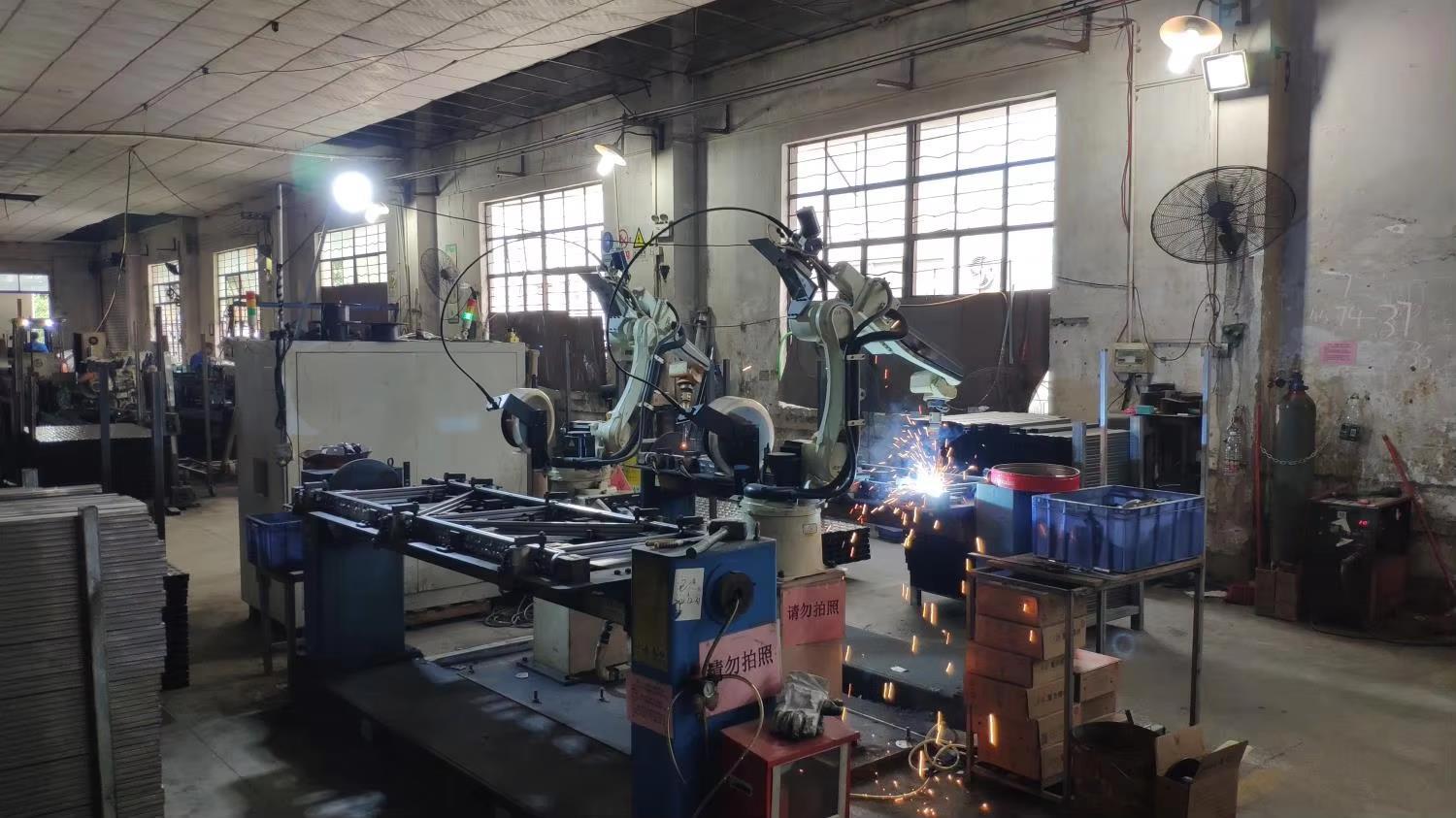
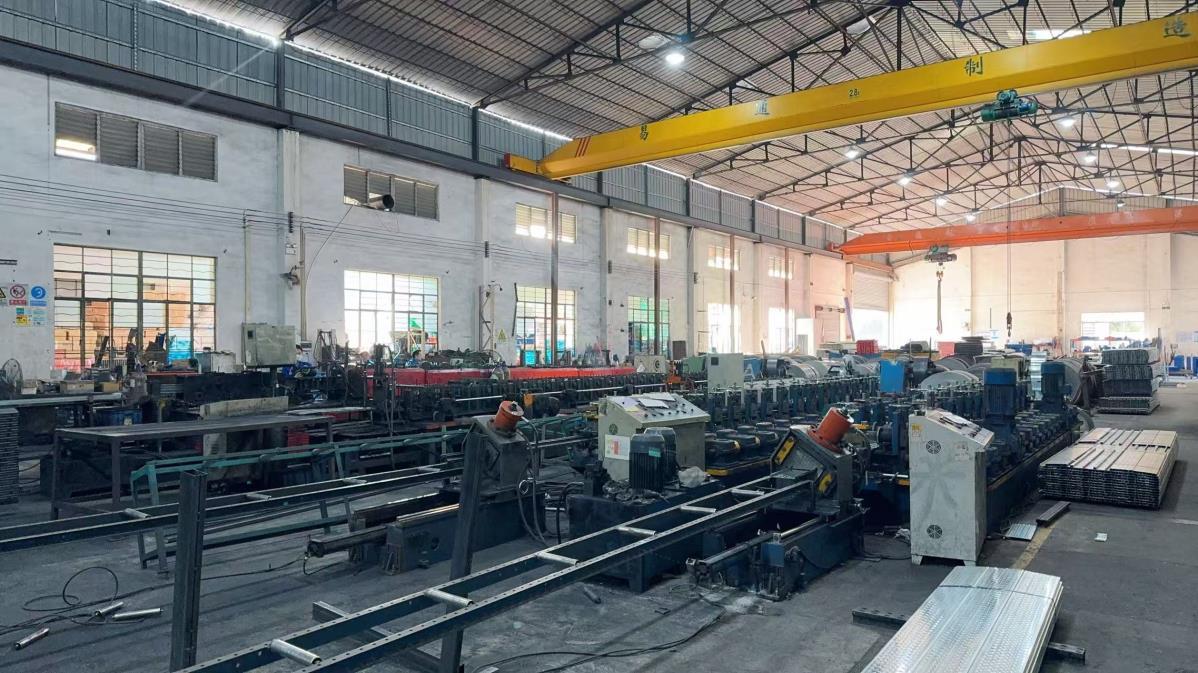
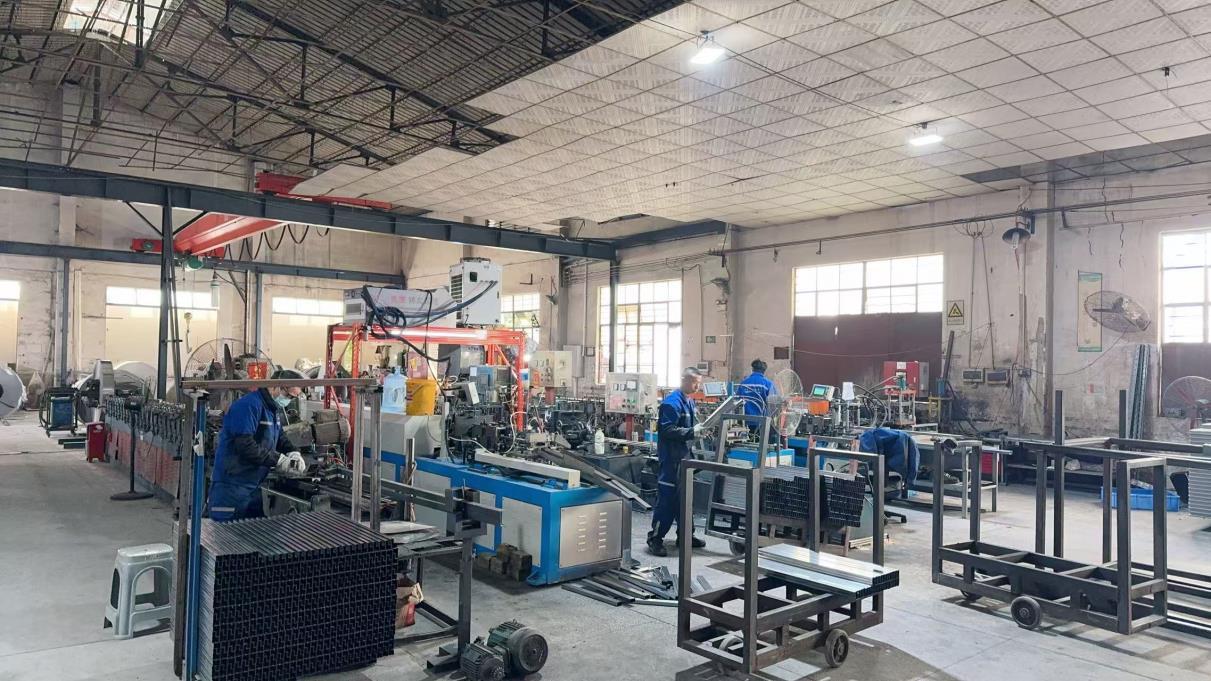
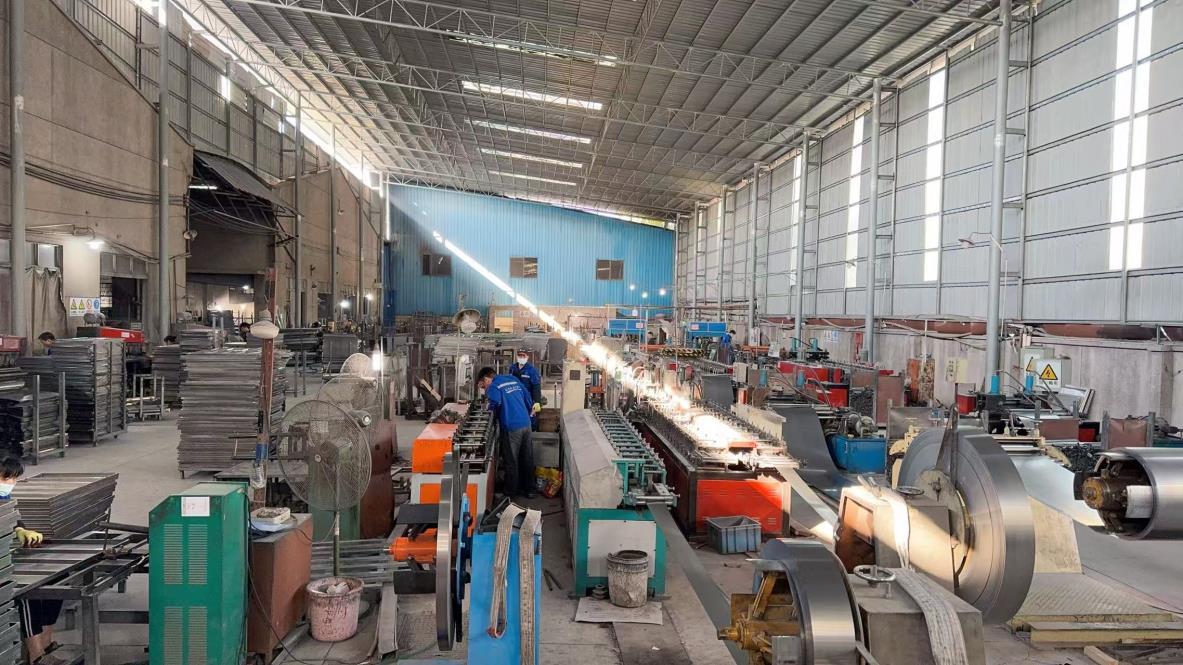
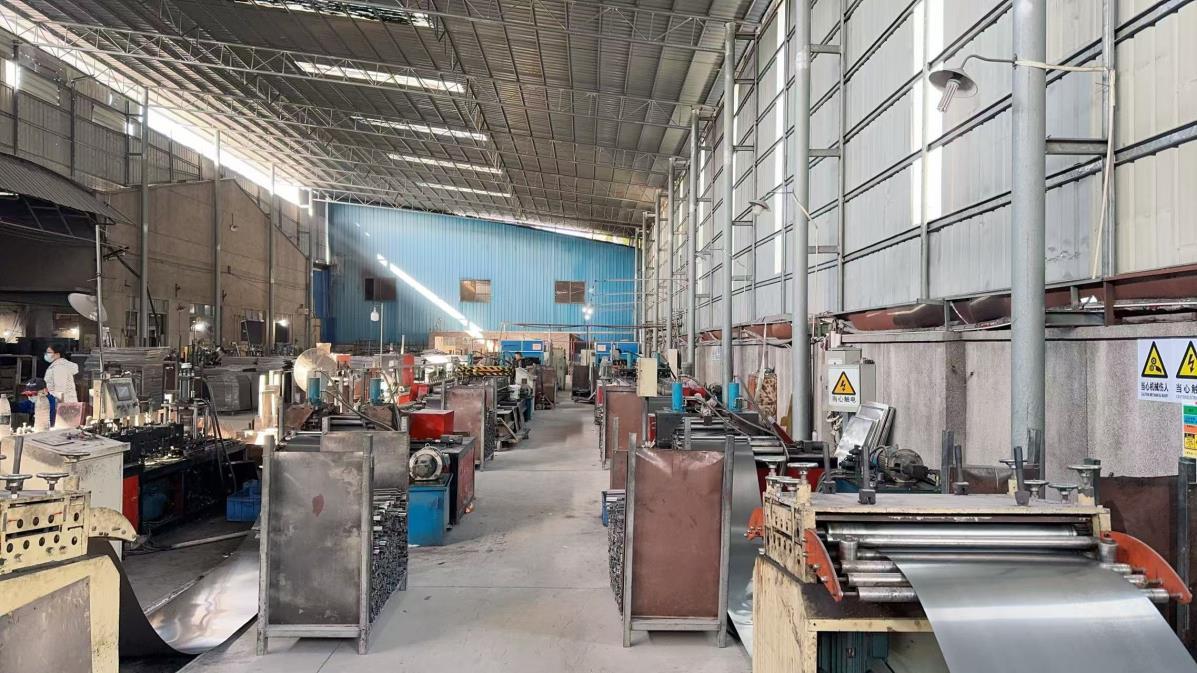
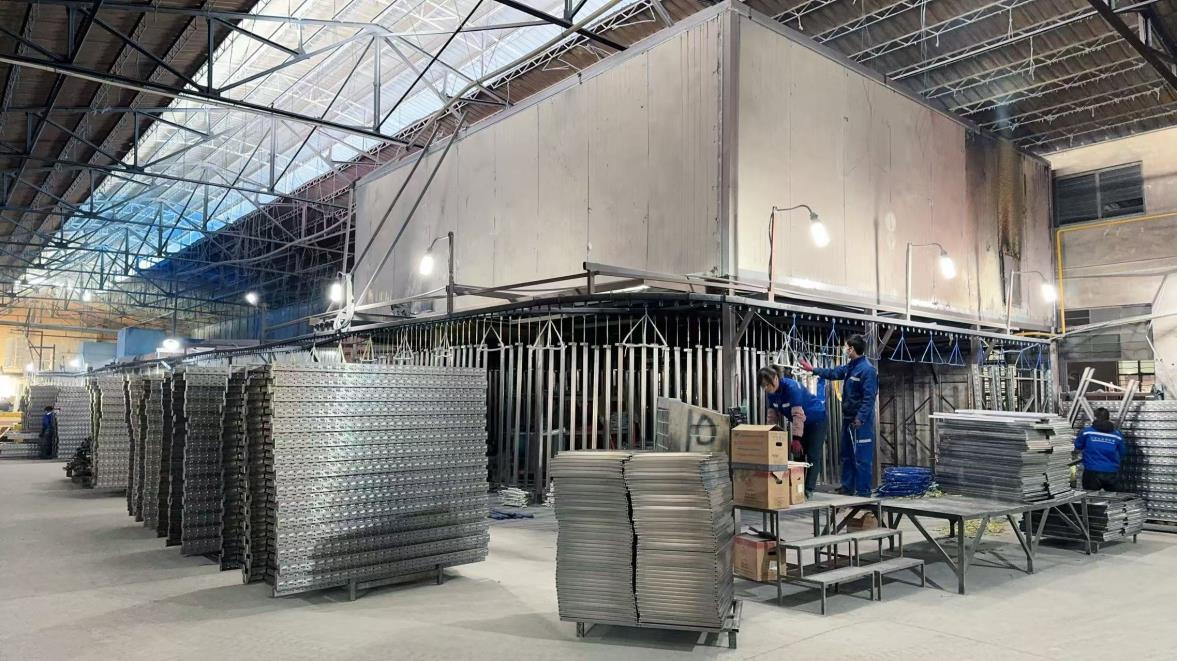
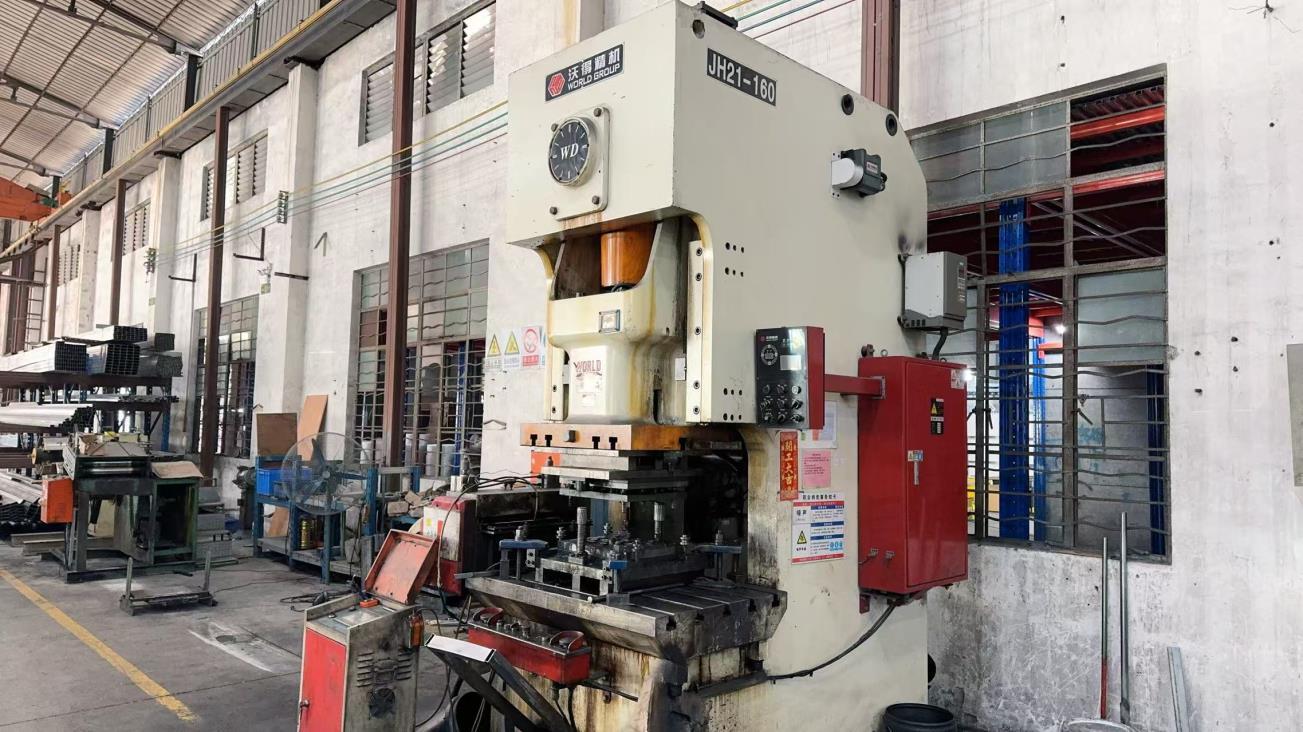
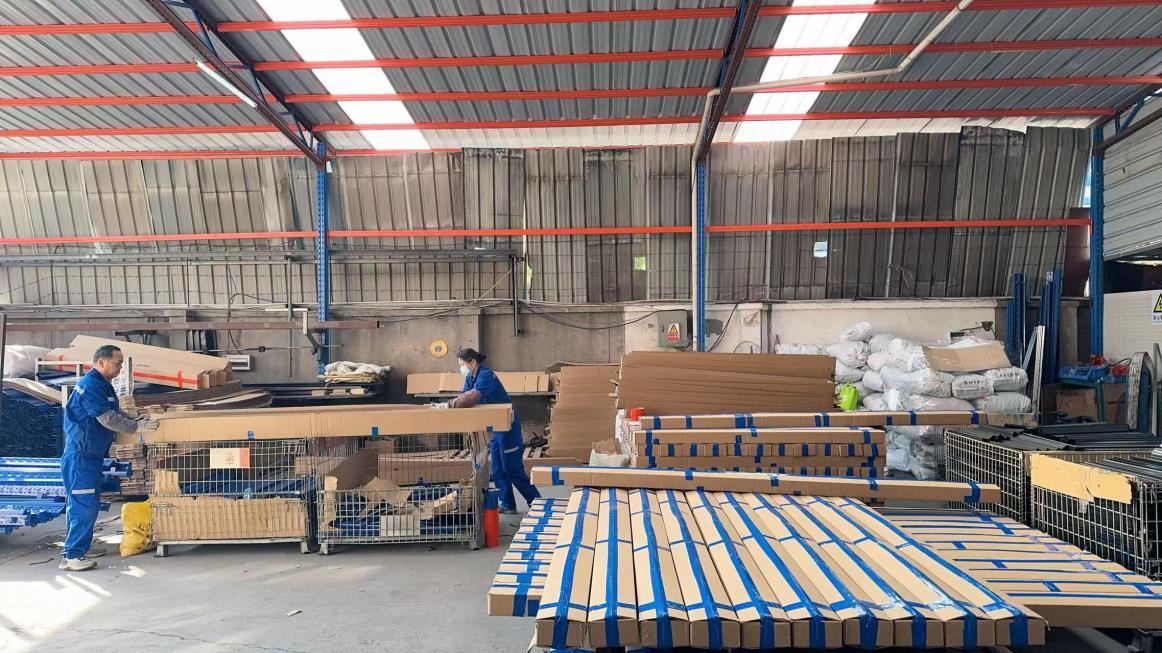
High-durability configurations suited for complex manufacturing layouts and high-capacity storage applications.
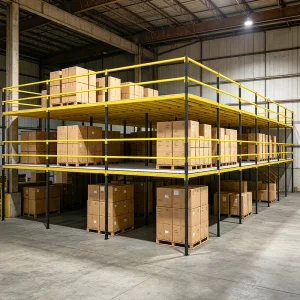
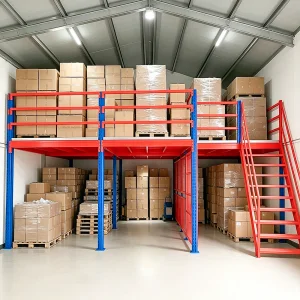
Answers to common structural engineering, building permit, and shipping questions.
 Kimsuk Steel