Premium quality heavy-duty racking systems engineered for cold rooms, warehouses, and logistics hubs.
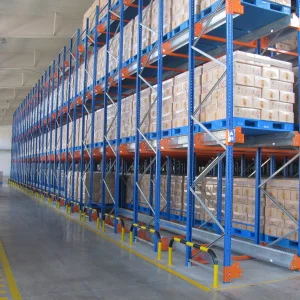
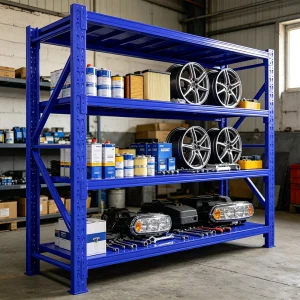
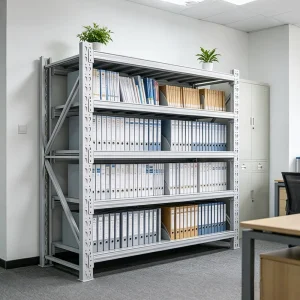
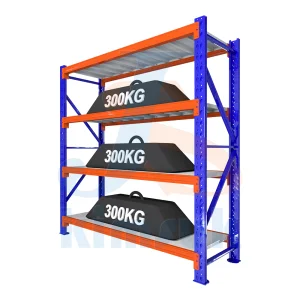
The New Zealand industrial property sector is currently undergoing a structural transformation. With industrial land prices escalating rapidly in key golden triangle nodes—Auckland (Wiri, East Tamaki, Airport Oaks), Hamilton, and Tauranga—logistics operators, third-party logistics providers (3PLs), and industrial manufacturers are facing unprecedented pressure to optimize cubic space efficiency. Maximizing footprint storage density has shifted from a best practice to an operational survival mechanism.
Additionally, the rapid expansion of New Zealand’s food export sectors (predominantly dairy, horticulture, and seafood) has driven exponential demand for cold storage and temperature-controlled distribution centers. Because temperature-controlled space is incredibly expensive to construct, power, and maintain, maximizing storage volume density is of paramount importance. In this context, Drive-In Racking Systems have emerged as the most efficient and robust solution for bulk palletized storage, offering a compact footprint that cuts down thermal zone waste and lowers structural overheads.
Unlike standard selective pallet racking which requires wide, dedicated forklift aisles for every row, Drive-In Racking allows forklifts to drive directly into the storage bays to deposit or retrieve pallets. By utilizing a common entry/exit aisle under a LIFO (Last-In, First-Out) inventory strategy, the space dedicated to aisles is reduced by up to 60%, expanding overall storage capacity within the same footprint by up to 75% to 85%.
For New Zealand enterprises handling consistent SKU profiles, bulk seasonal storage, or cold-stored dairy and meat products, this engineering configuration delivers unmatched cost-per-pallet optimization. By eliminating structural dead zones, operators can achieve faster ROI on warehouse facilities, lower cooling bills in chilled zones, and ensure efficient, consolidated operations.
Understanding AS/NZS 4084 and the structural safety criteria required for New Zealand warehouses.
In New Zealand, structural warehouse steel racking is legally classified as a building structure. Thus, design and manufacturing must comply strictly with the updated joint Australian/New Zealand standard AS/NZS 4084:2023 (Steel Storage Racking) and the New Zealand Building Code (NZBC). Due to the high risk of seismic activity across the regions—particularly in Wellington (Zone 4) and Christchurch (Zone 3)—racking designs must undergo rigorous seismic engineering validation.
Non-compliant racking installations pose a catastrophic risk to life safety, business continuity, and insurance coverage. It is vital to design racking systems that can dynamically absorb structural forces during a seismic event without experiencing frame collapse. This requires engineered upright profiles, reinforced baseplates, heavy-duty anchors, and high-tensile diagonal bracing systems calculated to withstand local horizontal and vertical peak ground accelerations (PGA).
Every racking system we design for the New Zealand market starts with custom structural finite element analysis (FEA). We analyze parameters such as subsoil class (A to E, under NZS 1170.5), hazard factor (Z), and structural ductility (μ). This ensures the steel grades used (Q235B or Q355B high-strength structural carbon steel) are configured correctly to handle local seismic coefficient values.
A leading global manufacturer of high-precision heavy-duty storage and racking systems since 2015.
Established in 2015, Dongguan Kimsuk Shelves Co., Ltd. is a leading manufacturer specializing in the design, engineering, and production of heavy-duty industrial shelving and warehouse storage systems.
Operating from a modern production facility spanning 32,000 square meters, we have grown into a trusted global supply chain partner with 11 years of industry expertise and 8 years of direct international export experience. Driven by robust manufacturing capability, our annual export revenue reaches $18 million, serving clients across key international markets, including North America, Europe, Southeast Asia, and the Middle East, and now extensively supporting New Zealand's commercial supply chain.
Quality and precise engineering are at the core of our operations. We maintain a strict Quality Assurance protocol supported by a dedicated team of 35 QA/QC inspectors. Our comprehensive product inspection methods combine automated non-destructive testing, raw material tensile testing, load-bearing stress evaluations, and precision powder-coating thickness measurements.
Supported by an extensive network of over 850 verified supply chain partners, we consistently deliver reliable, high-integrity racking systems to a diverse client portfolio, ranging from large-scale logistics hubs and third-party logistics (3PL) providers to industrial manufacturing facilities and commercial retail distributors.
Our in-house R&D team consists of 18 senior structural and engineering specialists capable of delivering full OEM/ODM custom solutions. From tailored rack dimensions and heavy load capacities to specialized seismic-resistant structures and anti-corrosion surface finishes, we turn complex warehousing requirements into optimal designs. Last year alone, we successfully launched 120 new product models and modular storage enhancements.
Connect with our Engineering Team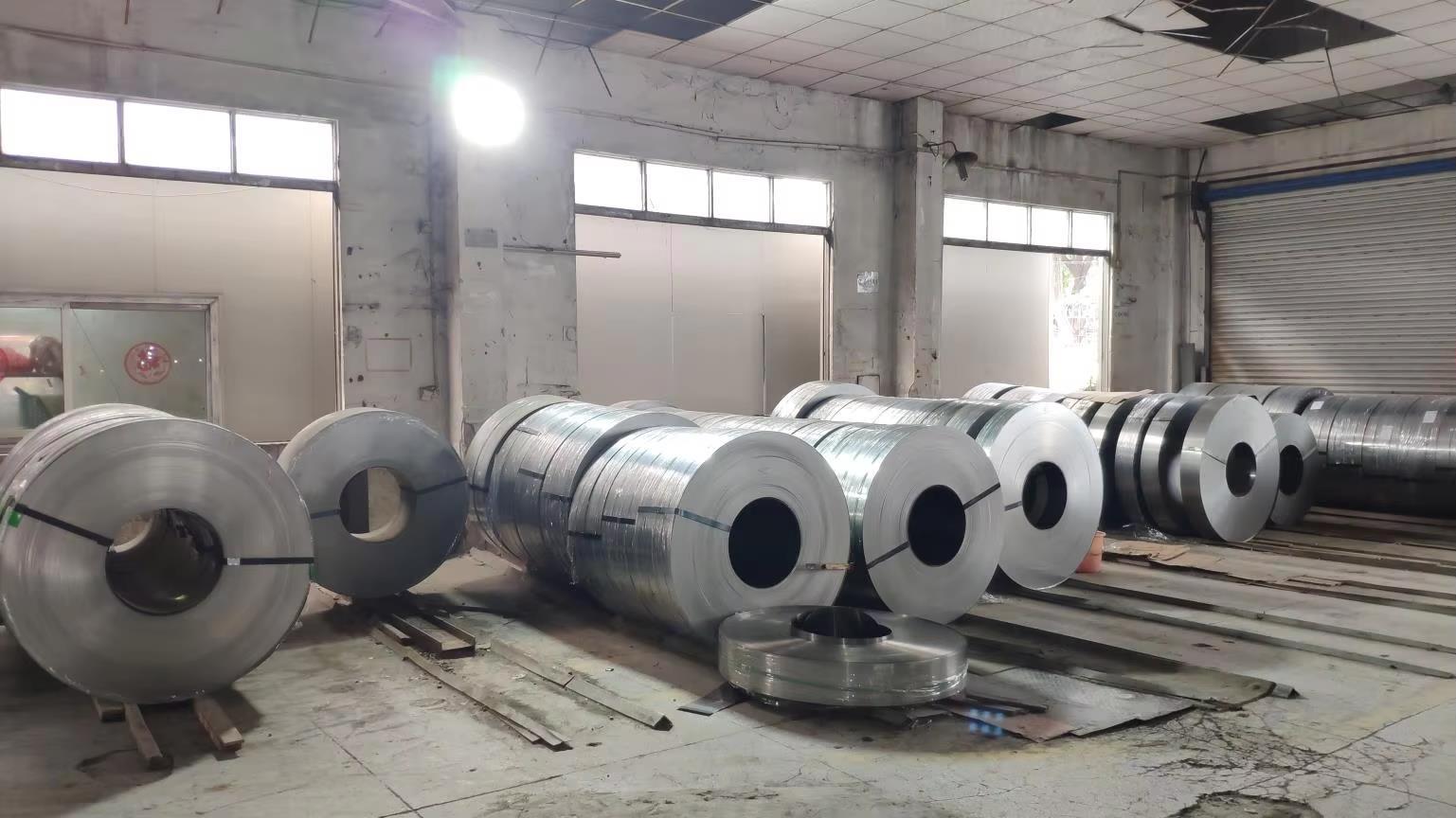
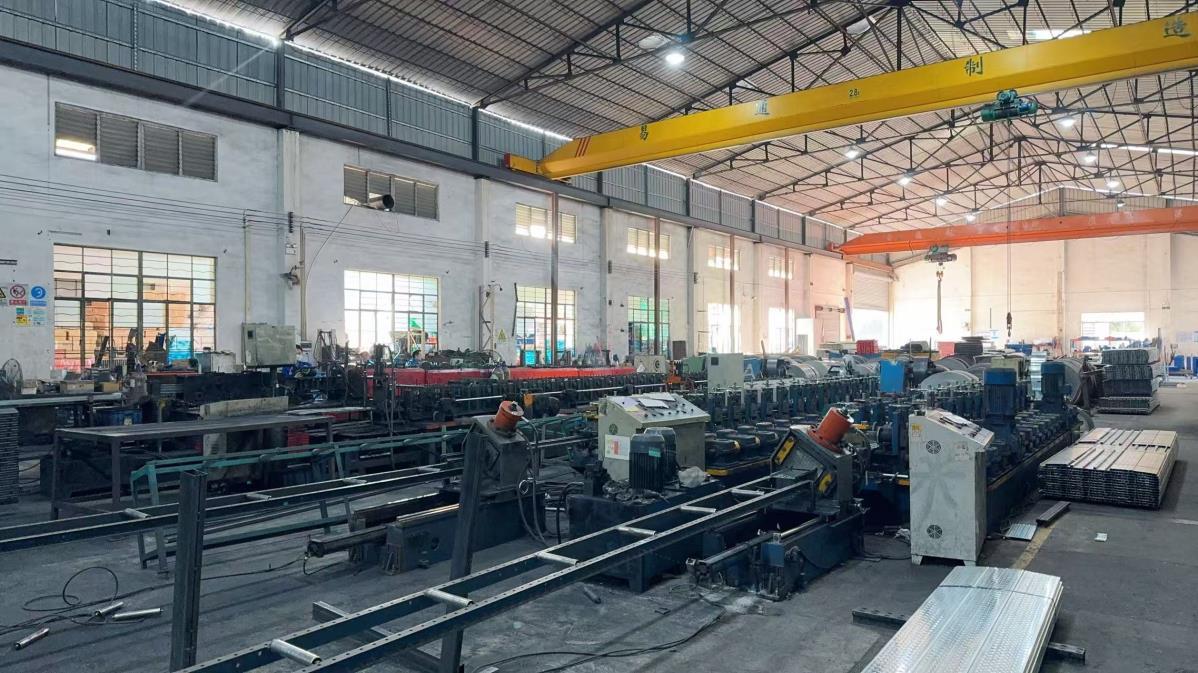
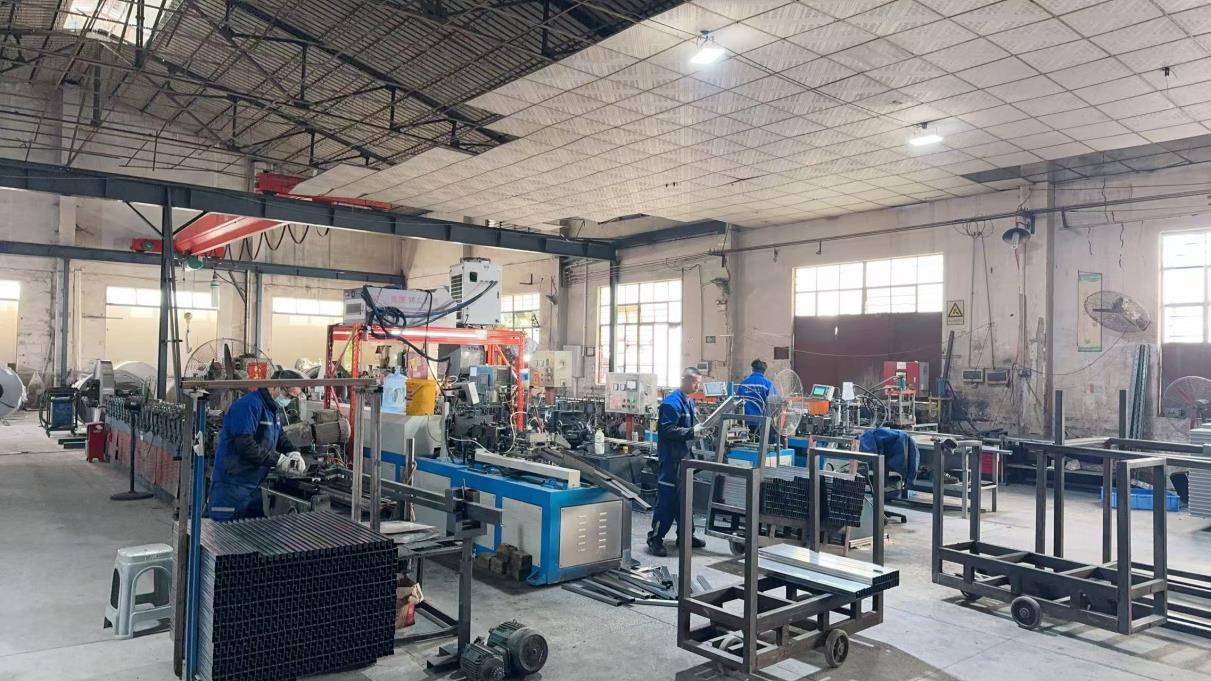
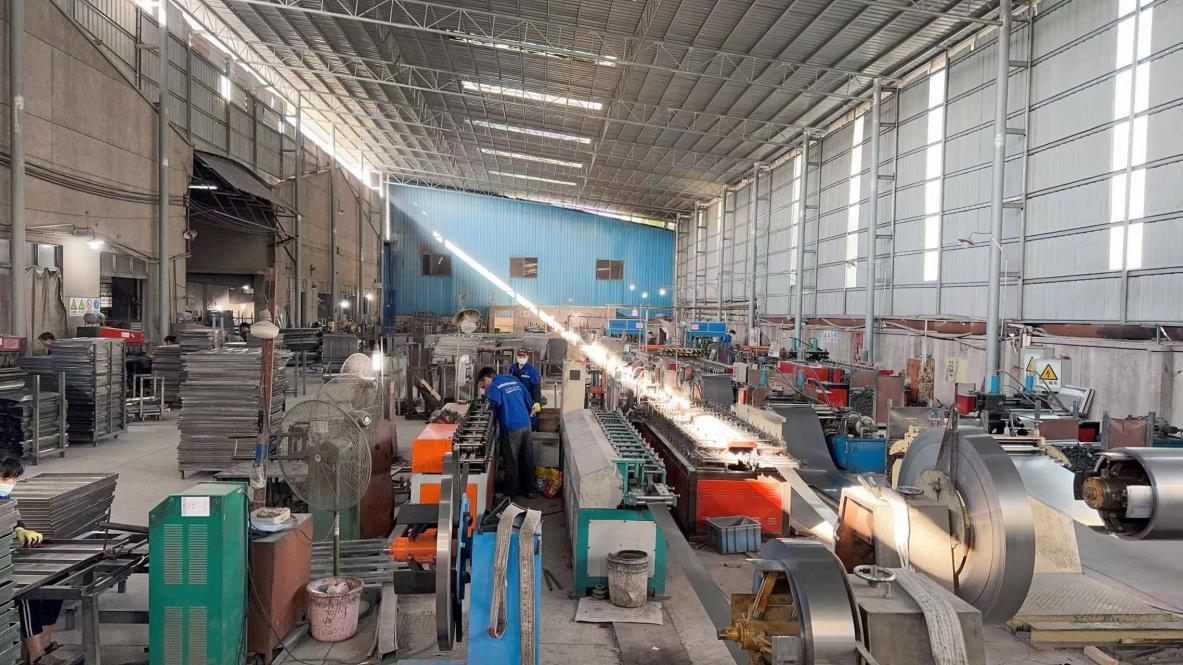
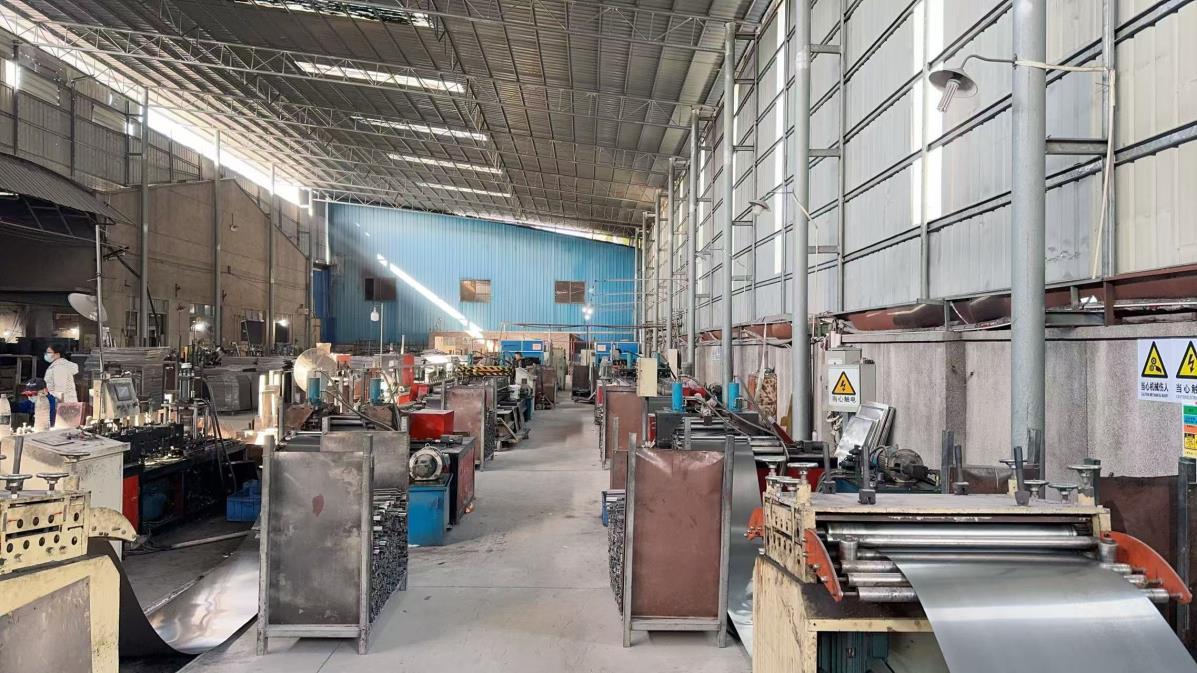
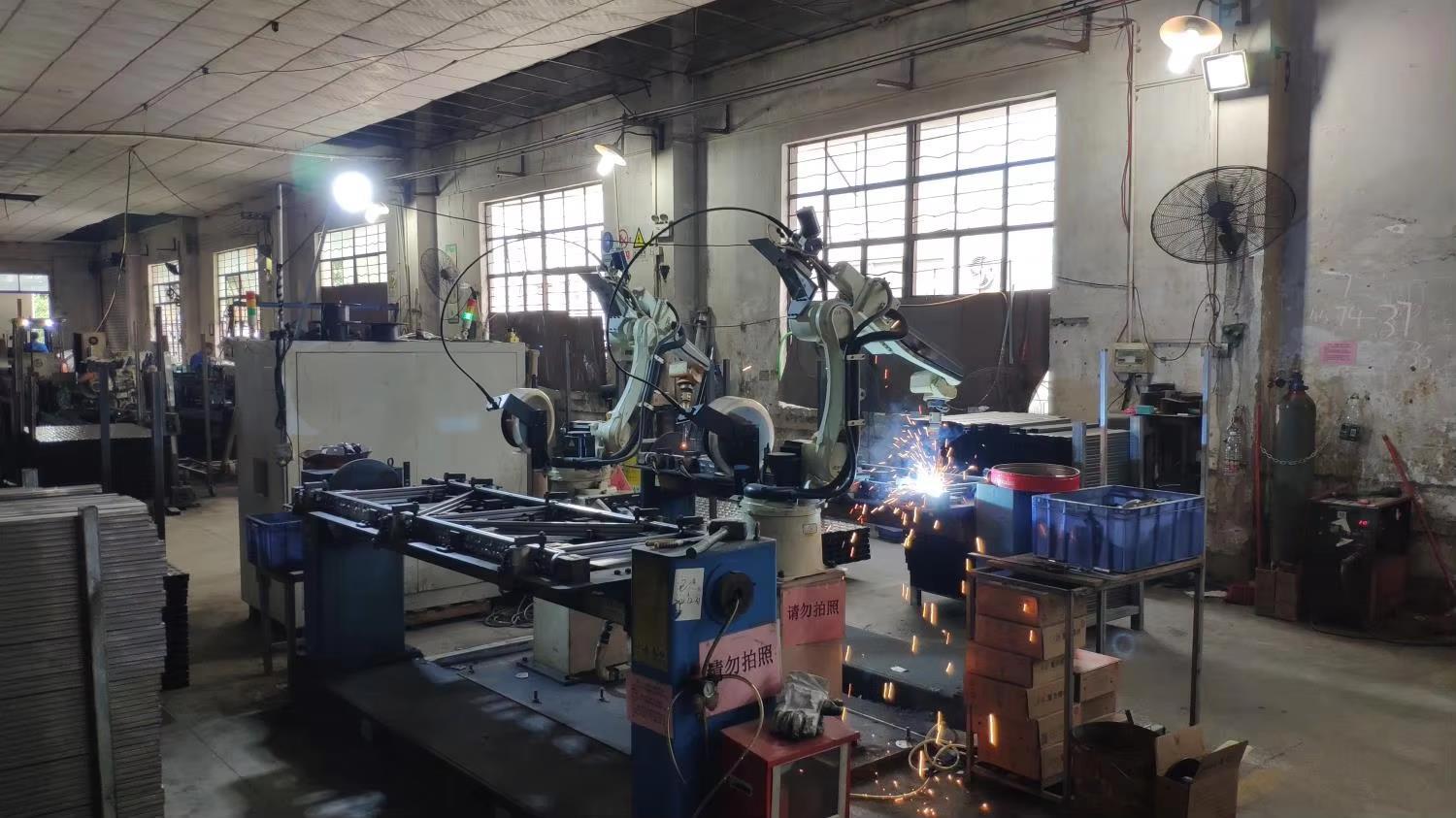
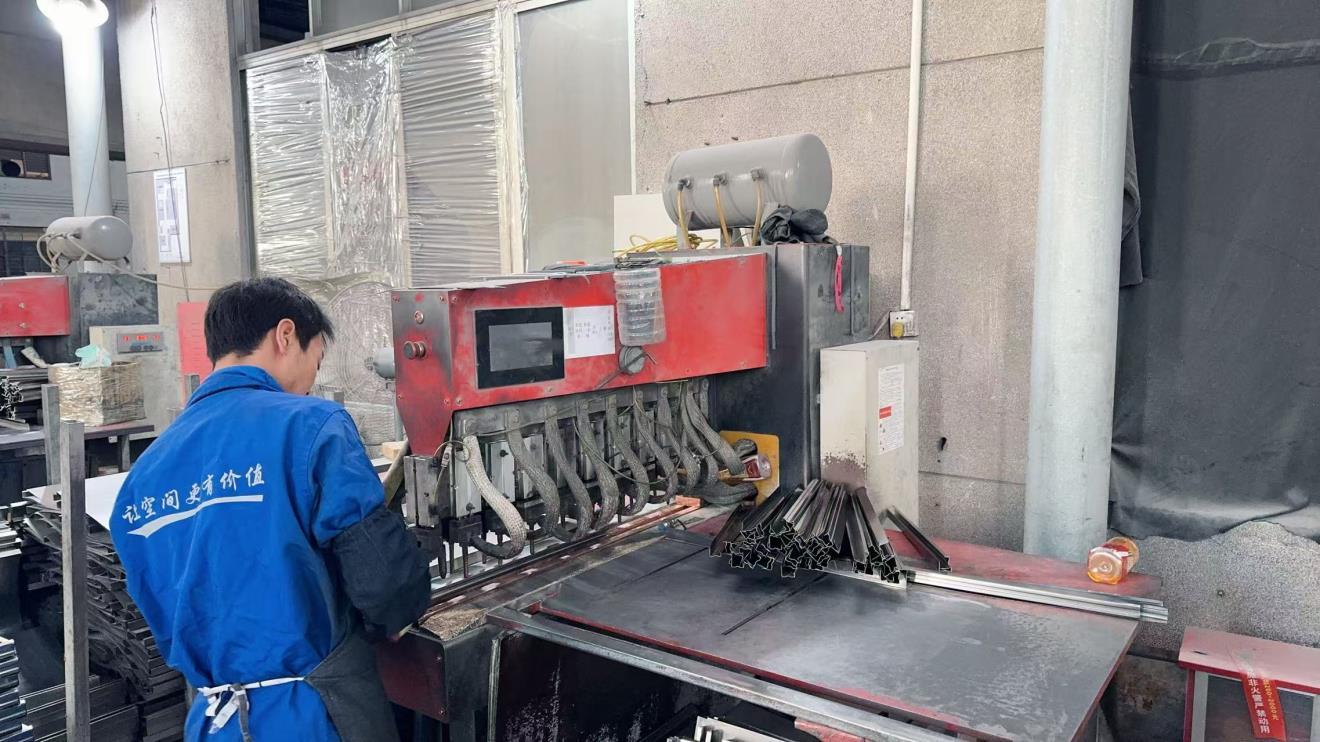
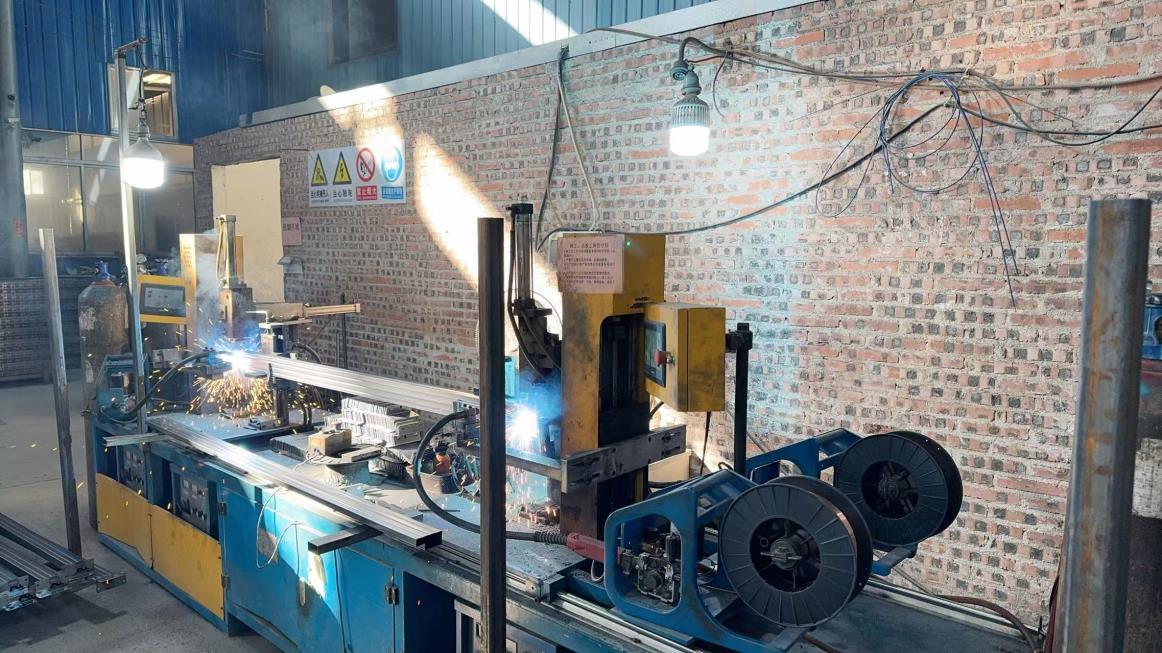
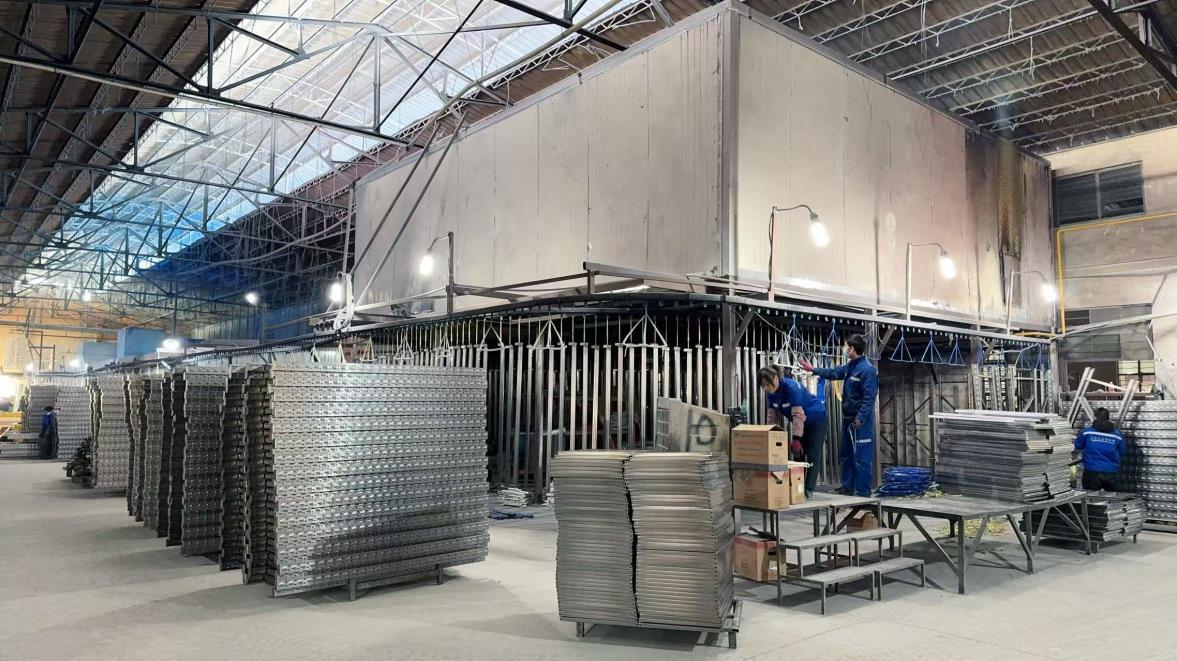
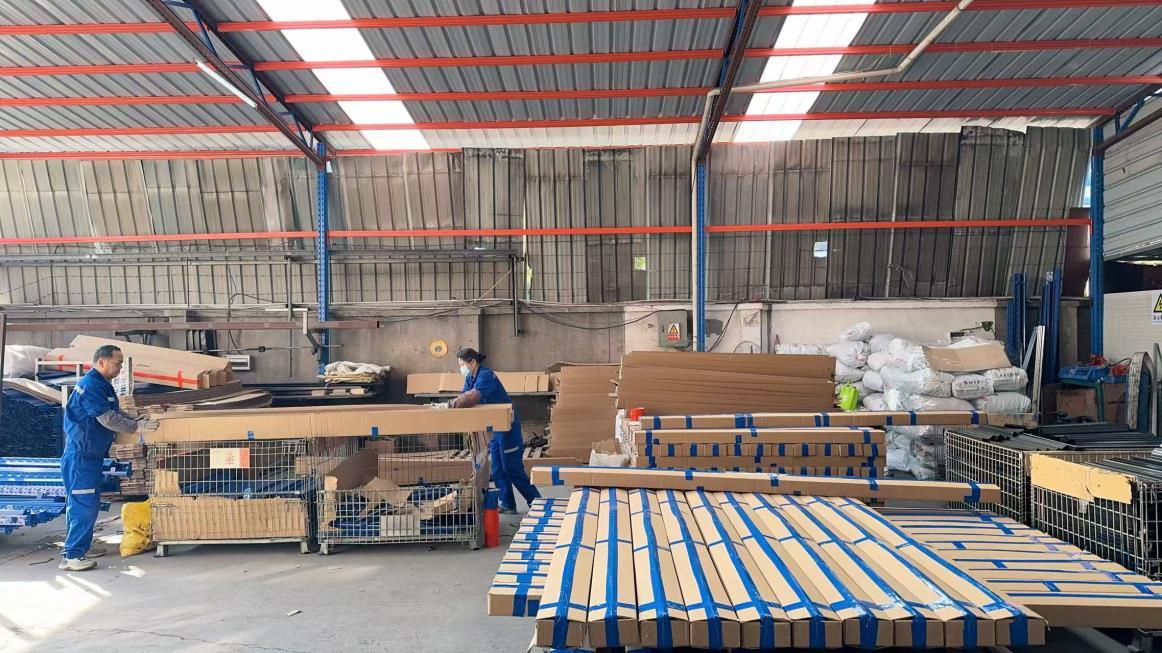
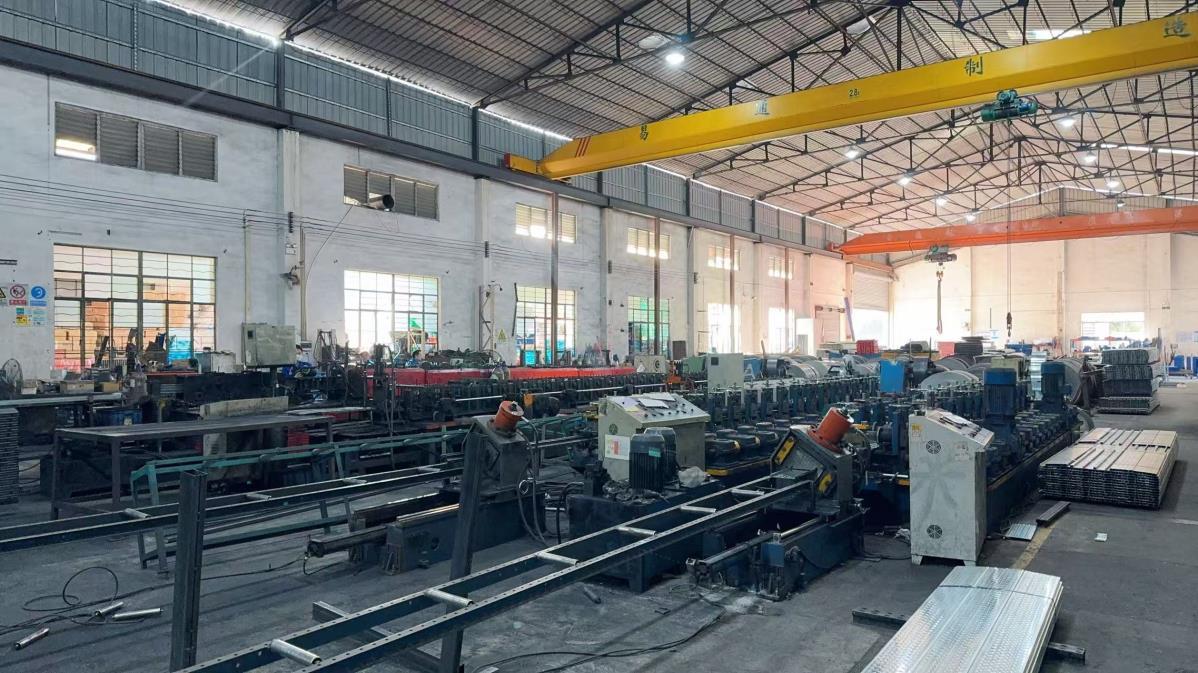
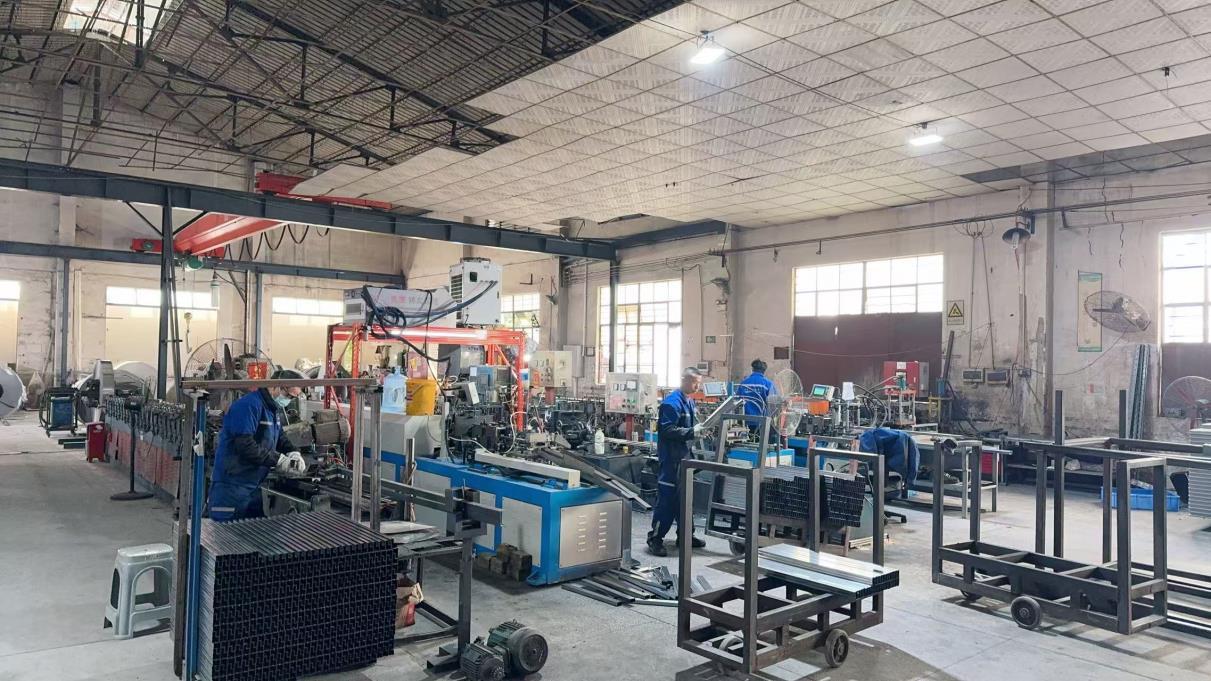
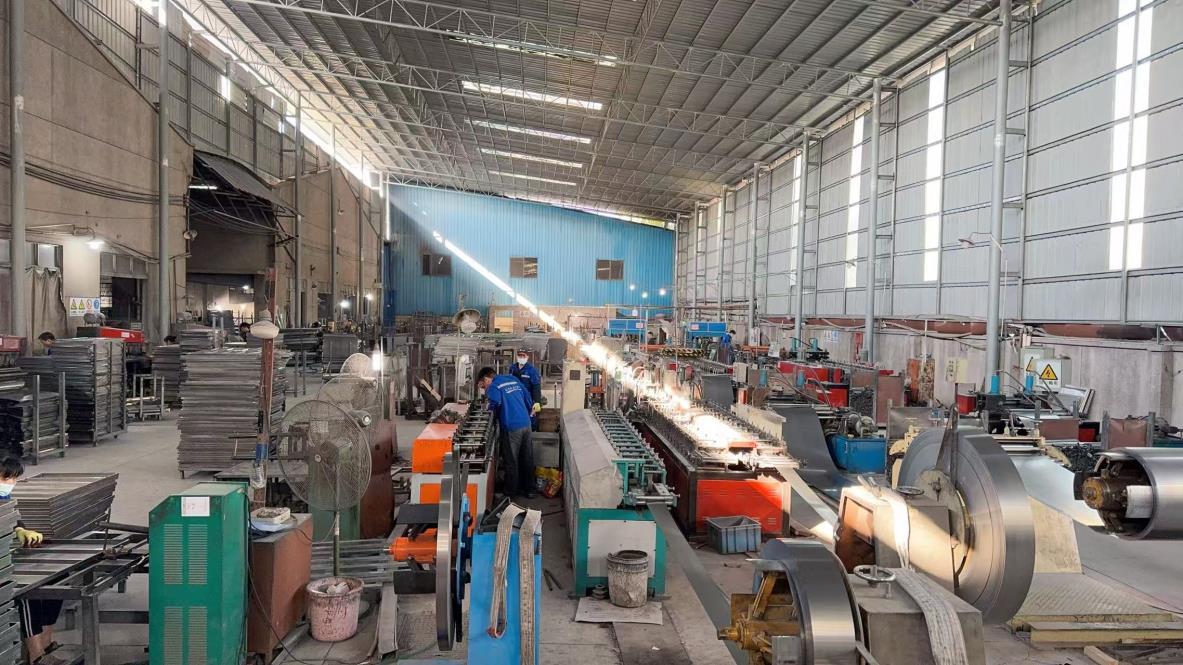
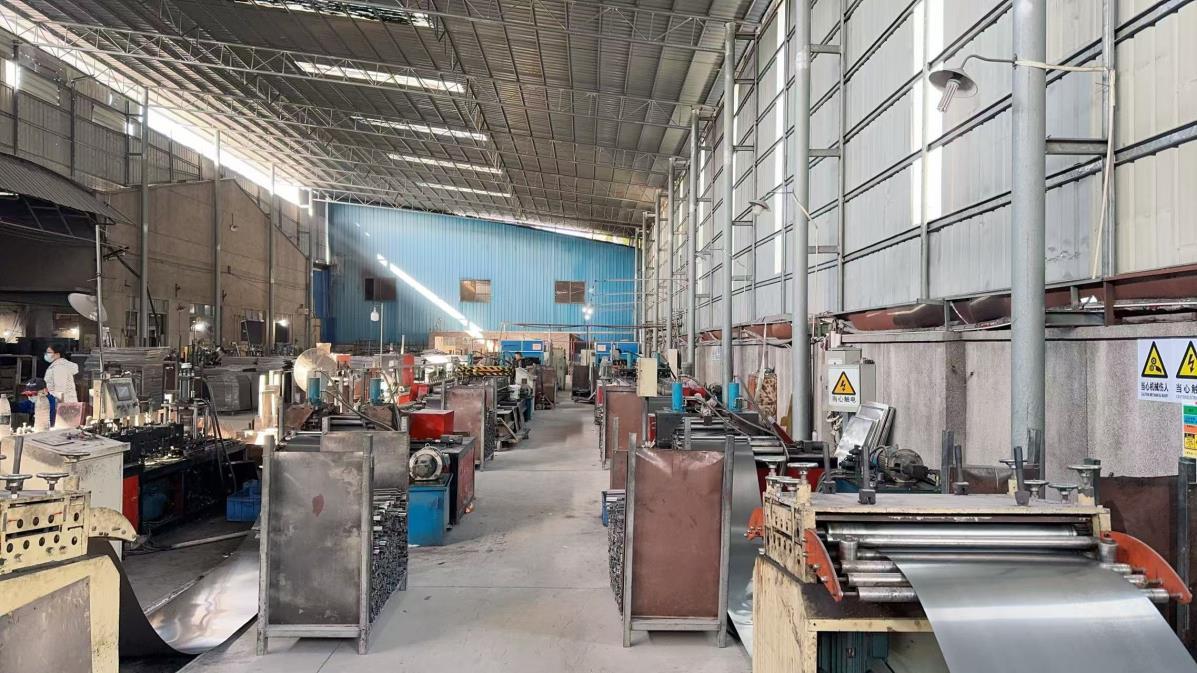
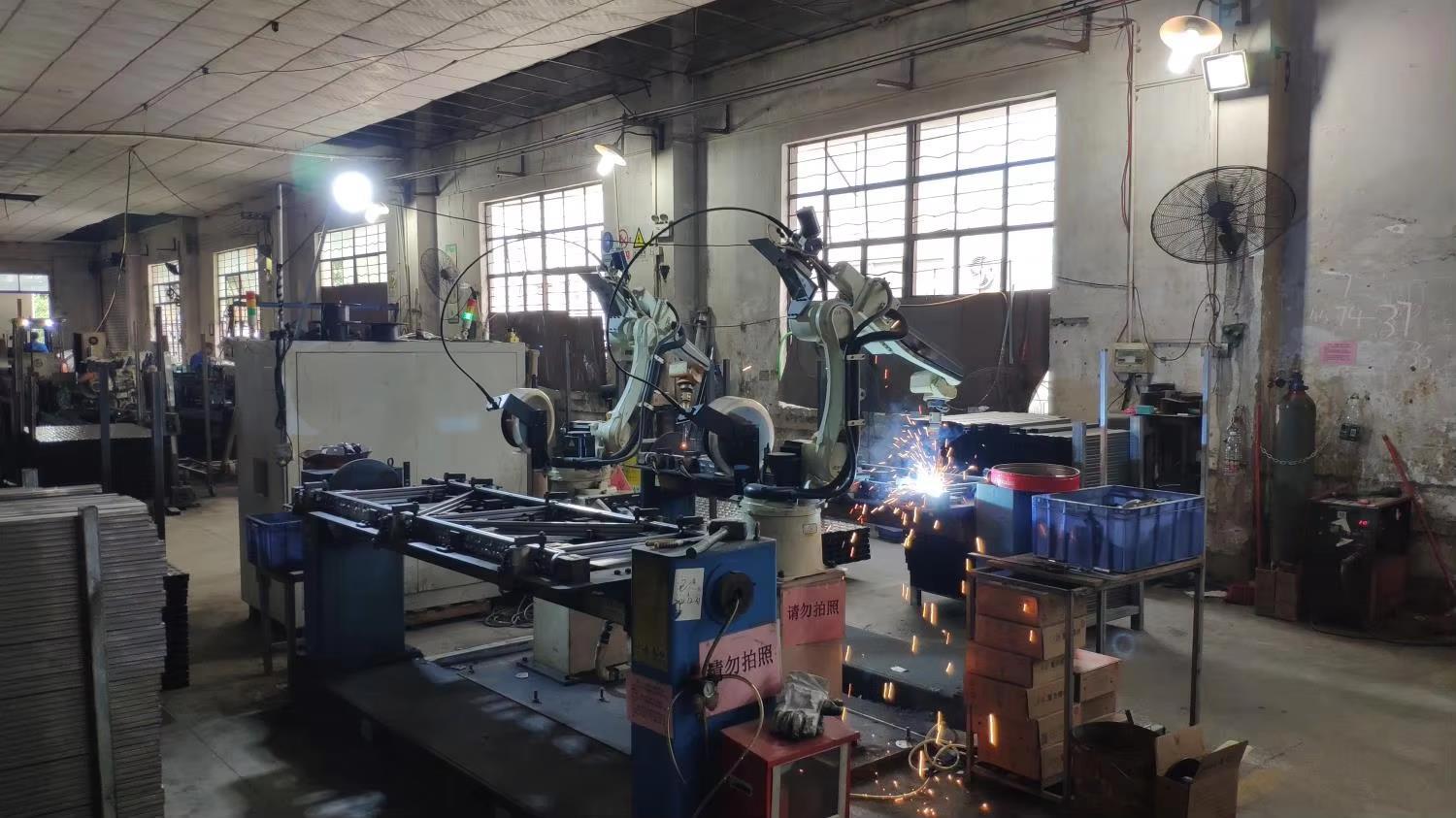
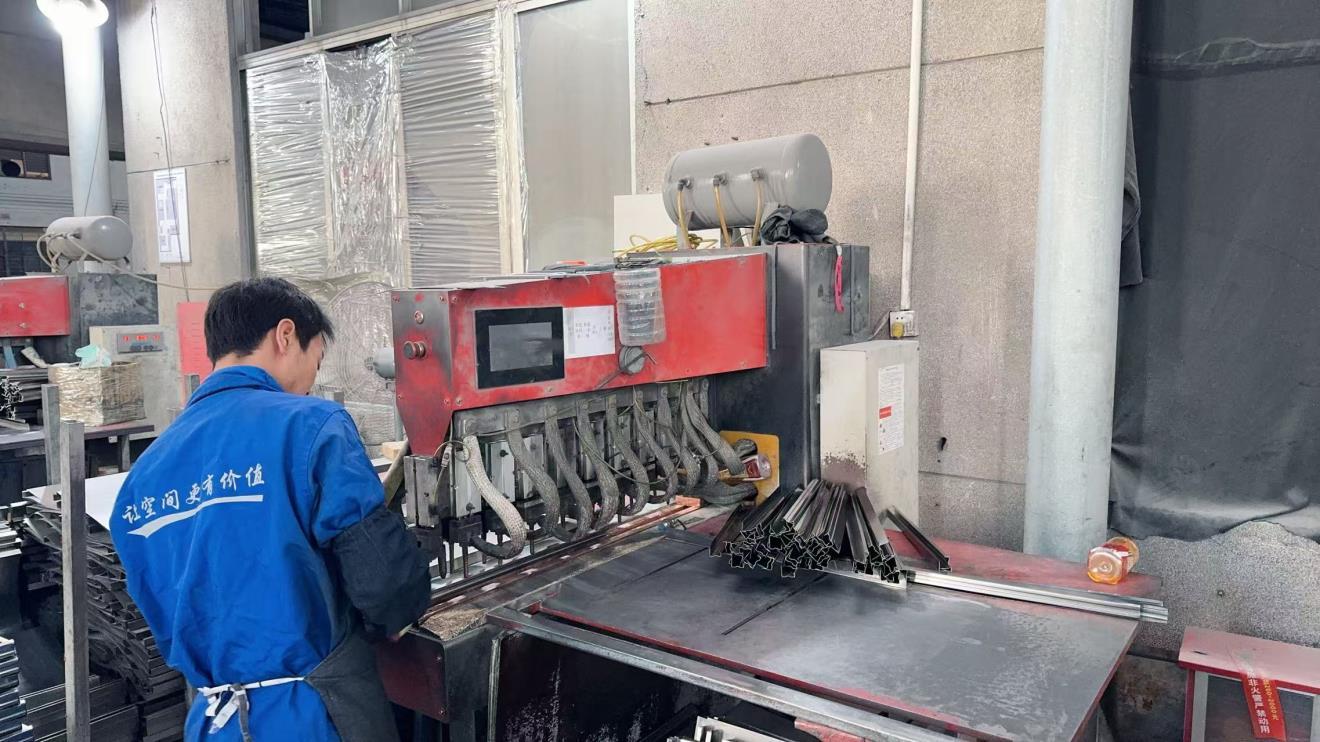
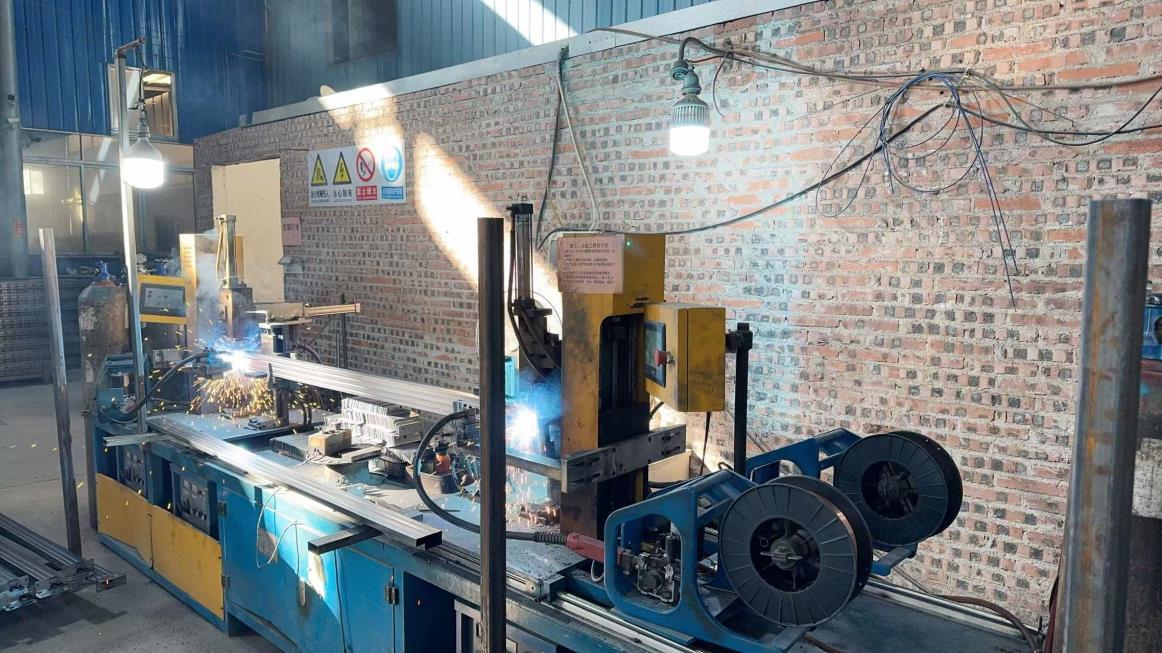
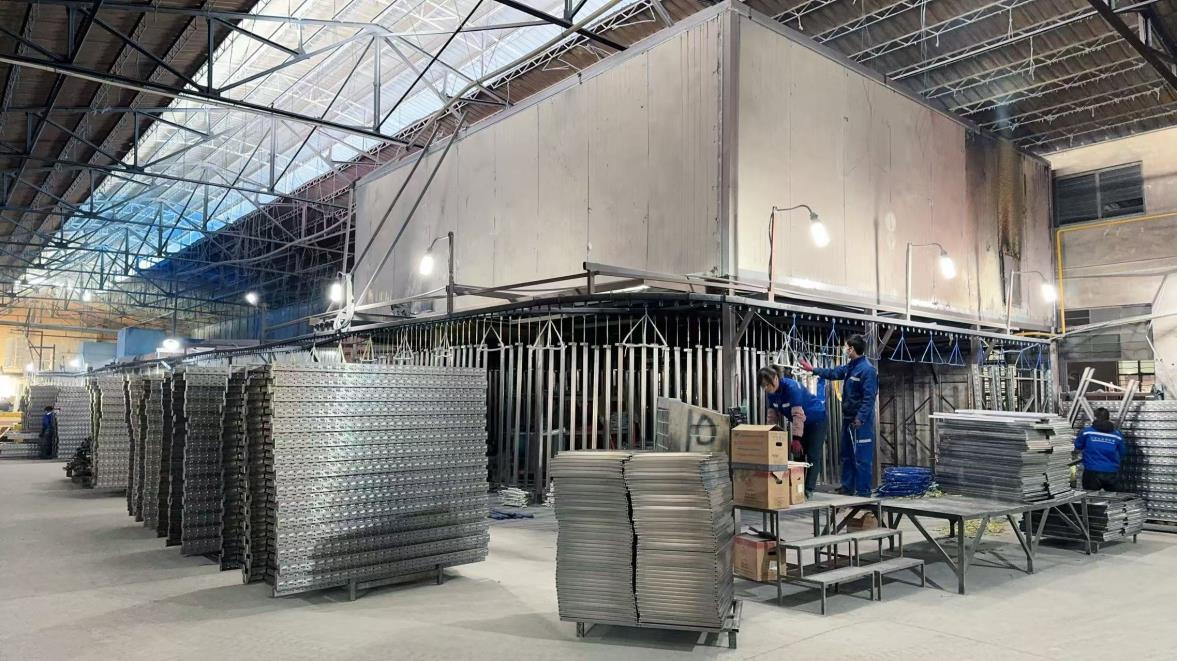
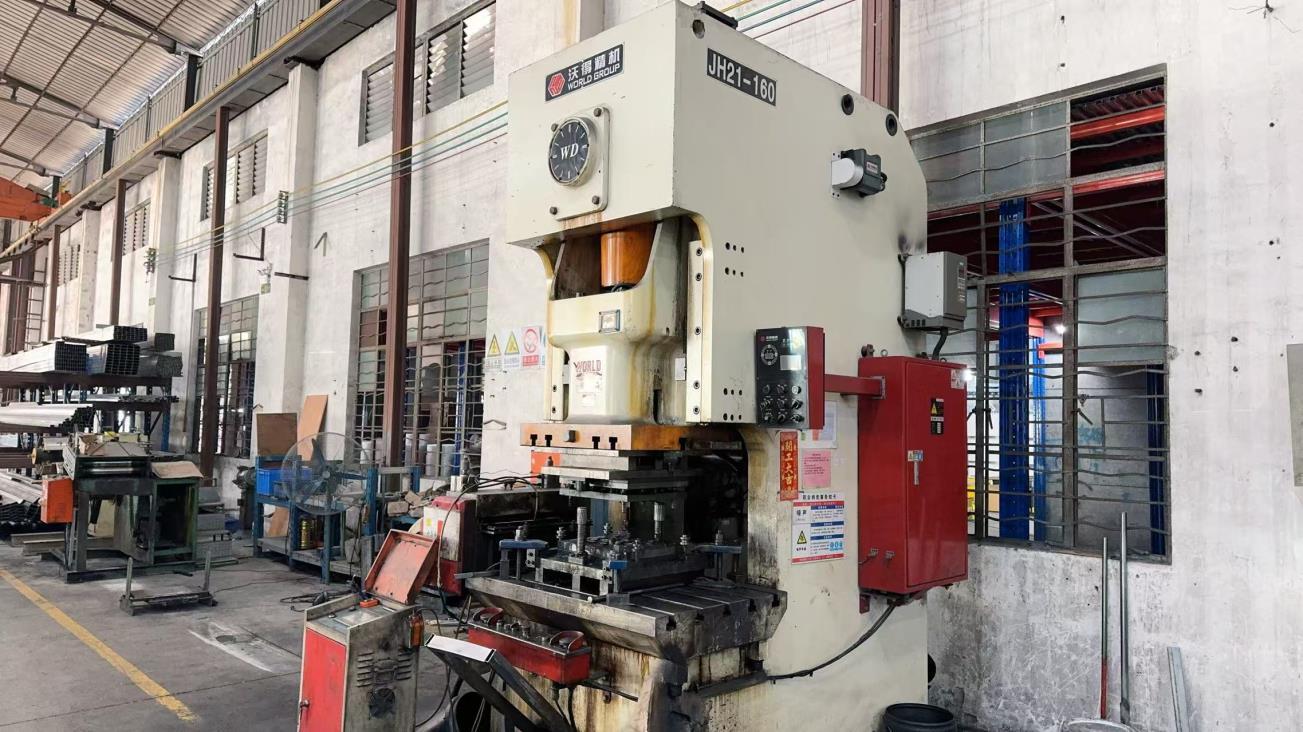
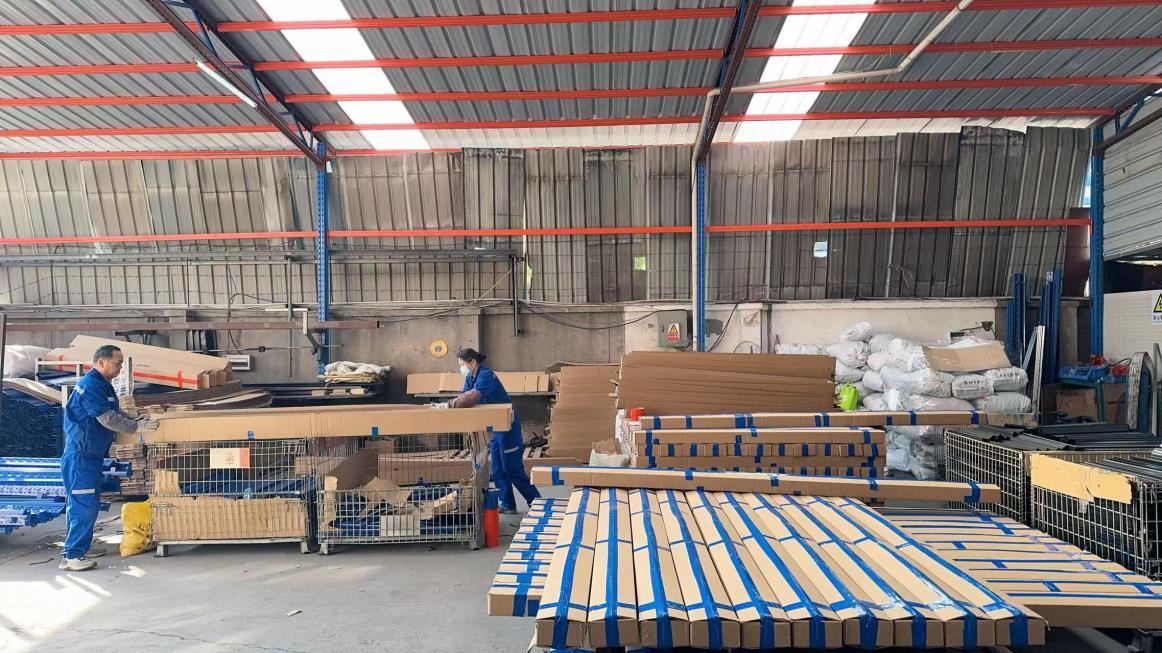
Sourcing directly from our state-of-the-art facility in Dongguan, China offers distinct commercial and technical advantages to New Zealand distributors and developers. By eliminating middle-tier brokers, you gain access to direct-from-manufacturer pricing structures, significantly reducing your CAPEX on large-scale warehouse development plans. With our 32,000 square meter factory floor, we easily scale up manufacturing to deliver hundreds of bays of drive-in racking under strict deadlines.
Additionally, we utilize advanced automated roll-forming machines and robot welding cells. This machinery consistently achieves tolerances under 0.5mm, a level of precision that local fabrication shops struggle to match at scale. Every batch is supplied with material certificate codes ensuring chemical and mechanical compliance with the highest standards of steel fabrication.
Dongguan’s close proximity to Shenzhen and Guangzhou ports ensures rapid, weekly shipping lanes to major New Zealand sea-freight hubs, including the Port of Auckland, Port of Tauranga, Lyttelton Port (Christchurch), and Port Otago (Dunedin). We bundle all materials with heavy industrial plastic wrapping and steel strapping to withstand international maritime transport, avoiding shipping damages.
Where Kimsuk Drive-In racking system designs deliver the maximum storage efficiency gains.
New Zealand’s dairy sector relies on massive, batch-produced inventory. Drive-In racking systems are perfectly suited to high-density dairy cold stores, housing bulk milk powders, butter, and cheese blocks in a temperature-controlled dynamic workspace prior to global export shipping.
Cold storage facilities operate under high energy footprints. Drive-in systems increase storage capacity within chilled zones, minimizing spatial volume that needs to be cooled and significantly lowering daily power consumption costs.
Fast-Moving Consumer Goods (FMCG) logistics require high turnover capacity. By grouping high-demand product lines within single lanes, distribution hubs in Auckland and Wellington expedite transit operations and reduce forklift driving times.
Standard design parameters for Drive-in and High-Density Pallet Racking systems.
| Structural Parameter | Standard Technical Specs | Seismic Adaptation Design |
|---|---|---|
| Upright Profiles | 80mm / 90mm / 100mm / 120mm Width, thickness from 1.8mm to 3.0mm | Reinforced configurations tailored to seismic zones with up to 3.0mm thickness |
| Load Rails | High strength 50x50x4mm or customized cold-formed guide rail steel section | Dynamic horizontal support brackets resisting pallet sway and displacement |
| Material Grade | Q235B / Q355B high-tensile carbon steel (traceable mill certificate) | Q355B (Minimum Yield strength of 355 MPa) for seismic applications |
| Standard Conformity | AS/NZS 4084:2023, FEM 10.2.07, EN 15512 | AS/NZS 4084:2023 structural certificate and load signboards |
| Finish Type | Electrostatic powder coating (thickness > 60 microns) or Hot-dip galvanized | Rust-proof epoxy coating with optional protective primer for cold stores |
| Weight Capacities | Up to 1500kg per Pallet position | Tailored structural bracing for dynamic loads up to 1200kg under seismic forces |
Global logistics enterprises are shifting toward localized, standard-compliant warehouse infrastructure procurement. Modern sourcing teams prioritize suppliers who can offer complete engineering traceability: from certified steel mill runs to structural calculations verified by localized design standards. This shift reduces corporate risk and ensures fast structural sign-off on new builds.
Additionally, forward-looking developers are designing layouts to accommodate future transitions into automated storage solutions. Drive-In racking represents a highly functional path to semi-automated storage, as the lanes can be adapted for Pallet Shuttle integration. This allows warehouses to shift from LIFO to FIFO operations with minimal structural modification.
In response to global sustainability mandates, steel fabrication processes are shifting toward eco-conscious practices. Electrostatic powder-coating systems that emit zero Volatile Organic Compounds (VOCs) are now a baseline requirement for high-end warehouse builds, particularly in food and beverage distribution networks. Racking components must also offer high recycling capability to align with corporate net-zero targets.
On the structural front, the integration of real-time load cell monitoring and smart sensor arrays is emerging. These systems monitor structural strain, detecting micro-deflections caused by accidental forklift impacts or seismic events. This allows warehouse managers to proactively address safety issues, safeguarding staff and protecting inventory from sudden structural failure.
Critical engineering and logistics questions answered by our technical specialists.
Our engineering team performs localized calculations using structural design software to simulate seismic loads based on NZS 1170.5 (Structural design actions - Earthquake actions). We calculate frame capacity based on the subsoil class (Class A-E), site hazard factor (Z), and dynamic structural ductility. All steel profiles comply with the AS/NZS 4084:2023 testing protocols, and we provide technical documentation for local building consent sign-offs.
We build our upright frames, beams, and structural channels using certified Q235B and Q355B high-tensile carbon steel (equivalent to Grade 250 and Grade 350 under international structural steel standards). Mill test certificates (MTC) detailing chemical composition and mechanical tensile characteristics are issued for every production batch to ensure absolute traceability and quality.
Yes. Because the structural frame layout of a Drive-in racking system shares key design features with Pallet Shuttle racking, upgrading is simple. By retrofitting specialized guide rails and end-stops, you can introduce semi-automated pallet shuttles, shifting from a LIFO warehouse strategy to a highly efficient FIFO or LIFO automated system.
Our typical manufacturing lead time for standard project sizes is 20 to 30 days. Transit times from Shenzhen or Guangzhou ports to the Port of Auckland or Port of Tauranga range from 15 to 21 days. In total, expect delivery to your site within 6 to 8 weeks from final design approval, which is often faster than localized structural steel fabrication lead times.
Forklift impact is a common risk in high-density drive-in setups. To prevent structural damage, we supply complete protection kits. These include floor-mounted guide rails to guide forklifts safely down the lanes, heavy-duty upright column guards filled with shock-absorbing inserts, and pallet guide-ins at the entry points to reduce frame wear and tear.
Yes. Our team of 18 senior structural engineers provides complete layout consulting services free of charge. Send us your building architectural CAD file, forklift specifications, pallet dimensions, and weight requirements, and we will design a compliant, high-density layout optimized for capacity and throughput.
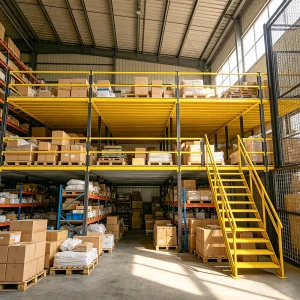
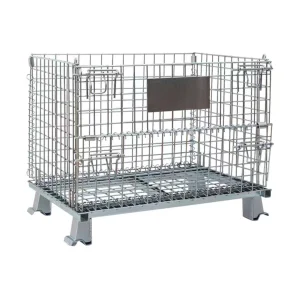
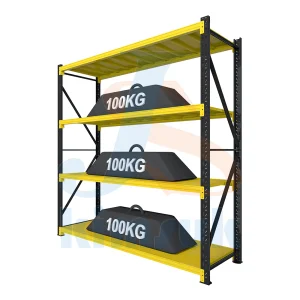
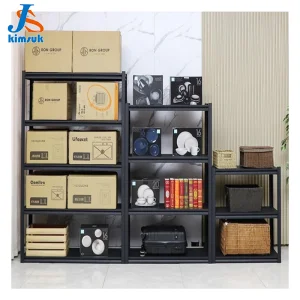
Premium warehouse shelving, platforms, and storage cages built to global quality standards.
Partner with Kimsuk Shelves today. Get expert CAD layout engineering, custom seismic compliance planning, and direct factory pricing on drive-in pallet racking systems.
Send Inquiry Now Kimsuk Steel