 Kimsuk Steel
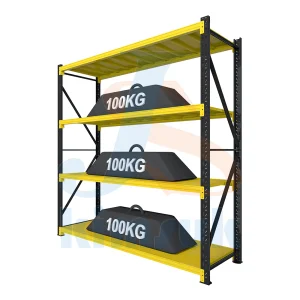
Engineered for structural stability, corrosion resistance, and optimized volumetric footprint.
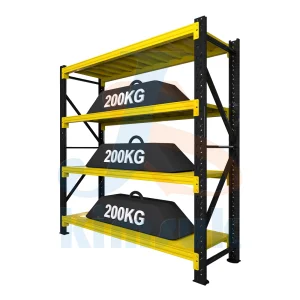
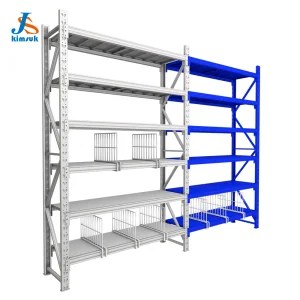
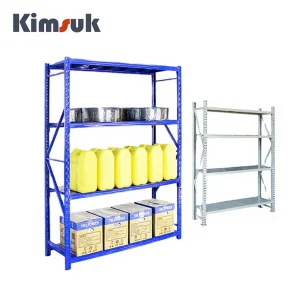
The logistics framework of the Central African Republic (CAR) presents distinct, demanding requirements. As a landlocked nation relying heavily on the transport routes connecting the Port of Douala in Cameroon to the capital city of Bangui, CAR’s supply chains are subject to extended transit times and harsh environmental variables. For domestic warehousing operations, maximizing vertical storage efficiency is not just a layout preference—it is a critical economic buffer. Implementing modular racking systems that safely withstand 500KG load ratings per shelf layer forms the structural backbone for storage operators in mining, agriculture, fast-moving consumer goods (FMCG), and humanitarian aid warehousing.
Furthermore, structural designs must withstand the humid equatorial climate. High-humidity environments speed up the corrosion of standard steel racking. This makes strict surface treatment standards essential. Our structural solutions are designed with high-grade hot-rolled Q235B steel. They feature a specialized electro-statically applied, thermo-cured epoxy powder coating (thickness ≥ 80 microns) to prevent oxidation, ensuring long-term structural integrity and structural reliability.
Manufacturing Base
Industry Expertise
Annual Export Value
QA/QC Inspectors
Industrial storage requires tailored load-bearing designs. Understanding standard material behaviors is critical for custom engineering. The following technology options describe our standard profiles for heavy-duty storage installations in Sub-Saharan Africa:
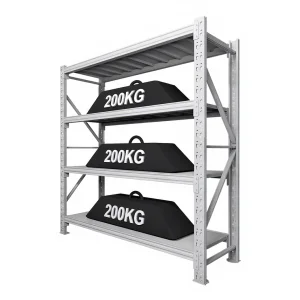
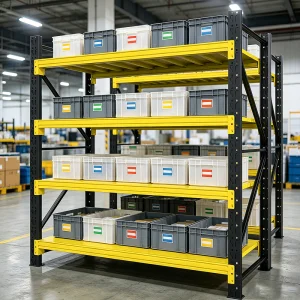
Perfect for agricultural storage and import distribution depots. Features adjustable beam connectors with 75mm increments, allowing flexibility as loading demands change.
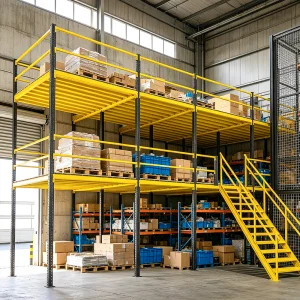
Doubles available storage area in urban Bangui warehouses without requiring costly structural expansion. Uses cold-formed steel sections with high structural load-to-weight ratios.
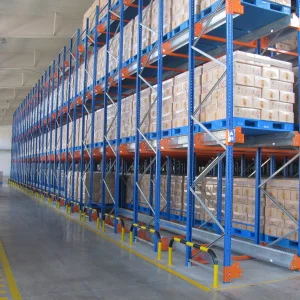
Designed for cold-storage facilities and mineral logistics. Reduces forklift travel, optimizes storage density, and minimizes mechanical damage to storage uprights.
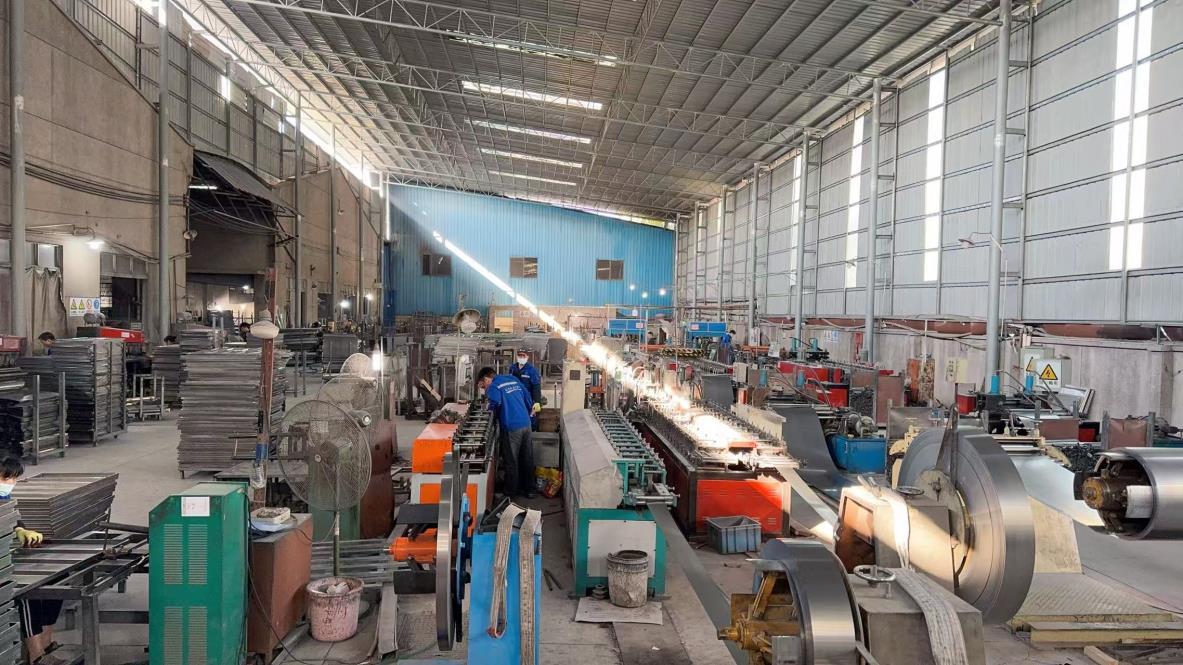
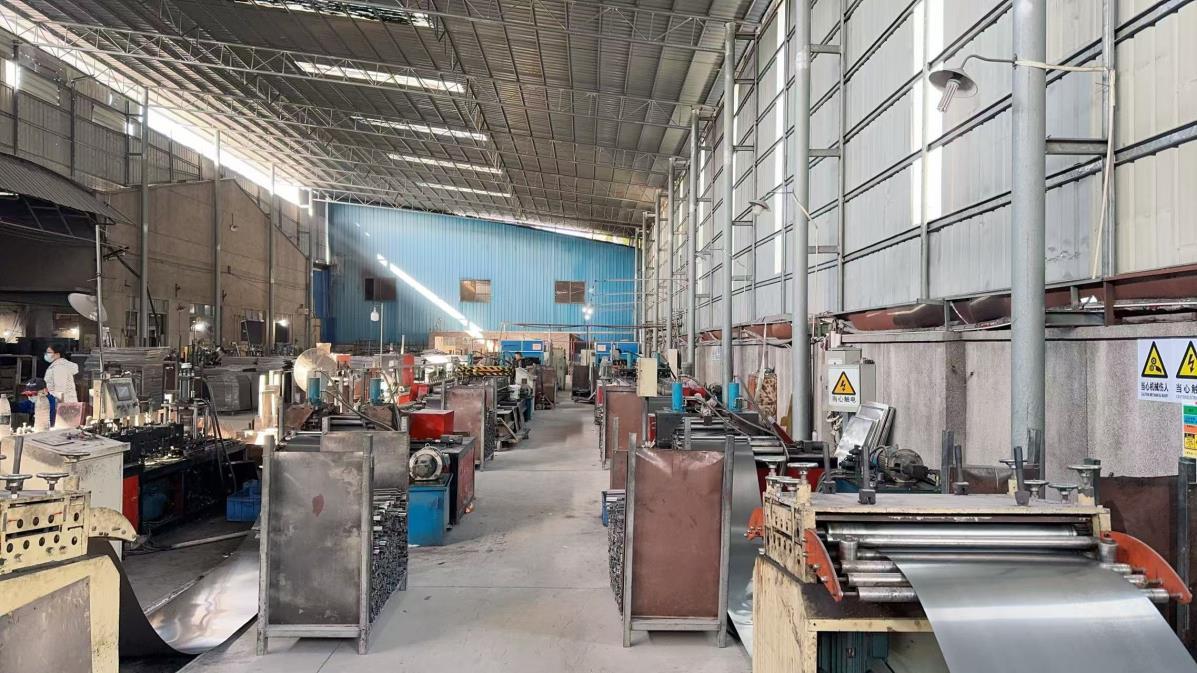
As a leading storage systems manufacturer operating a 32,000 square meter state-of-the-art facility, Dongguan Kimsuk Shelves Co., Ltd. leverages high-precision manufacturing, automated robotics, and a secure supply chain of over 850 verified material partners. Our Factory 4.0 production framework ensures that every upright frame, box beam, and steel shelf level meets international structural standards (such as FEM 10.2.02 and EN 15512).
Our Quality Assurance process begins at the raw material phase and extends through every stage of high-precision metal forming and surface finishing. Below is our key production workflow:
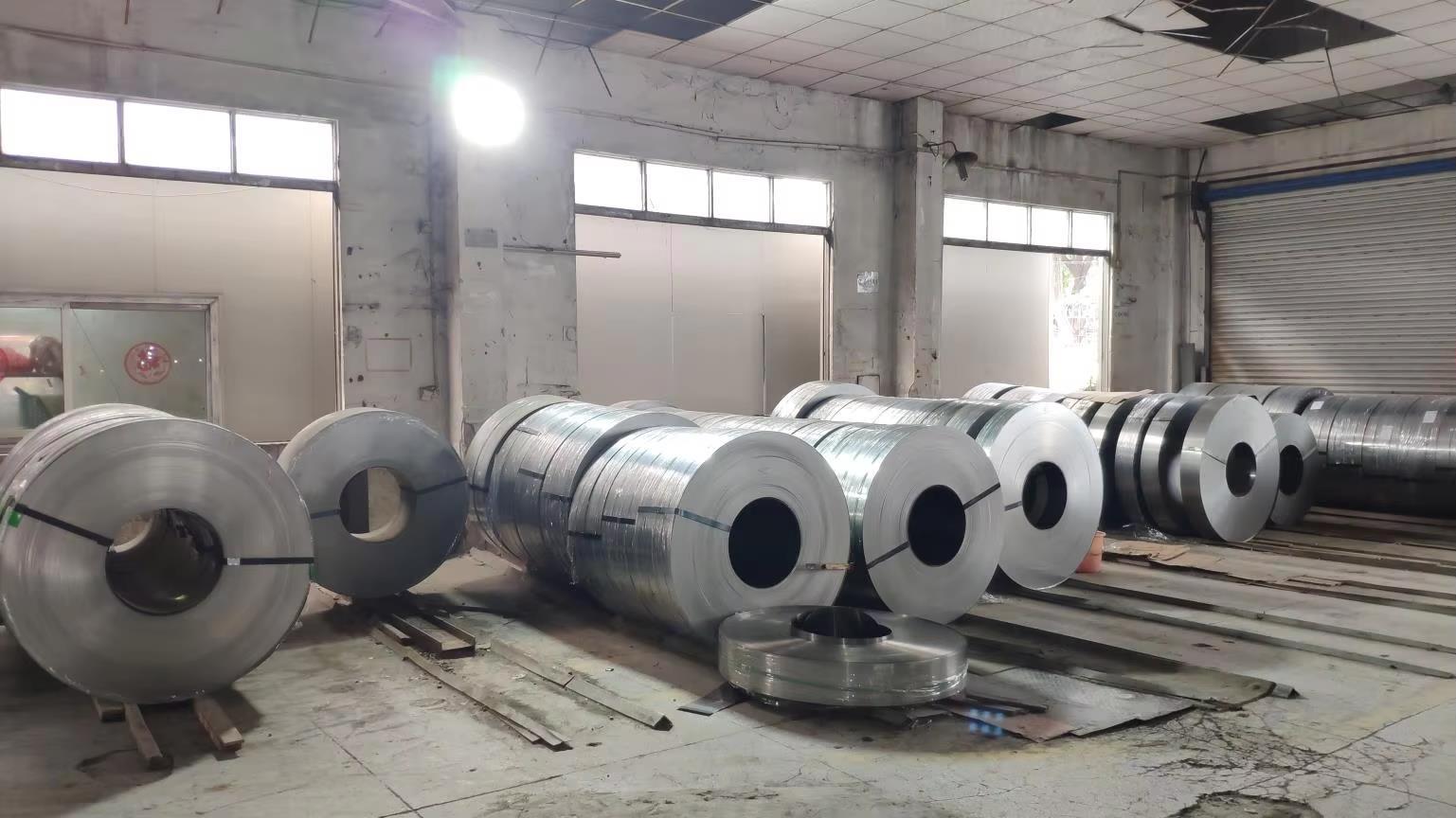
1. Raw Material
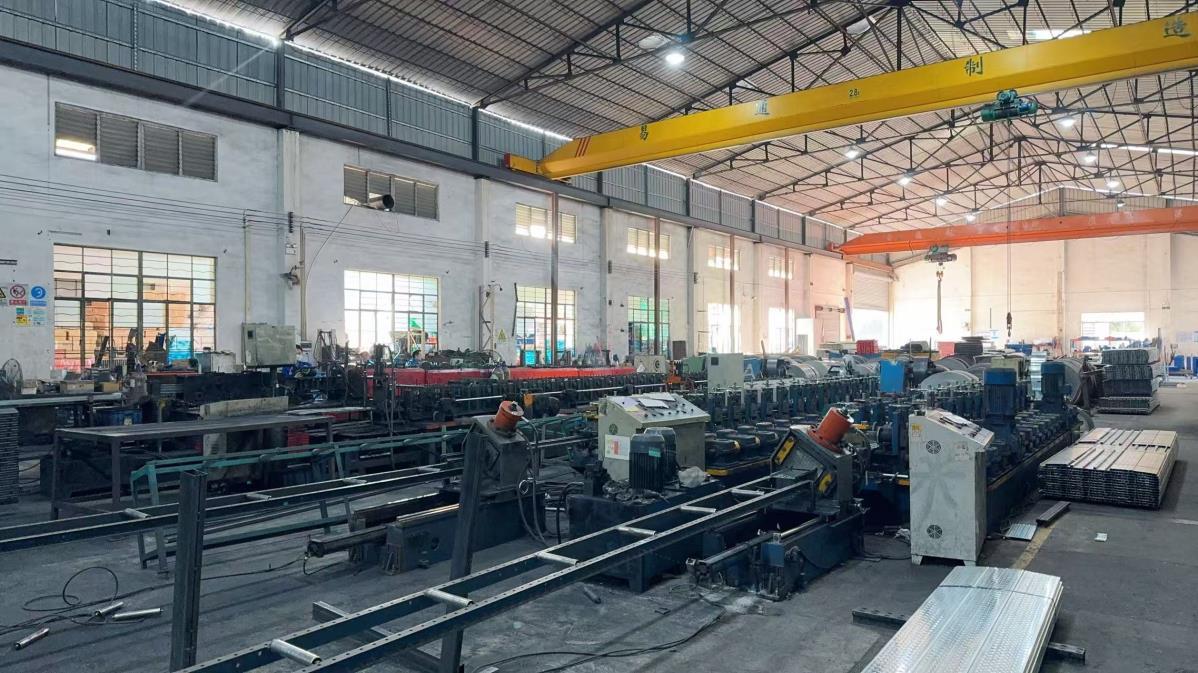
2. Metal Sheet Cutting
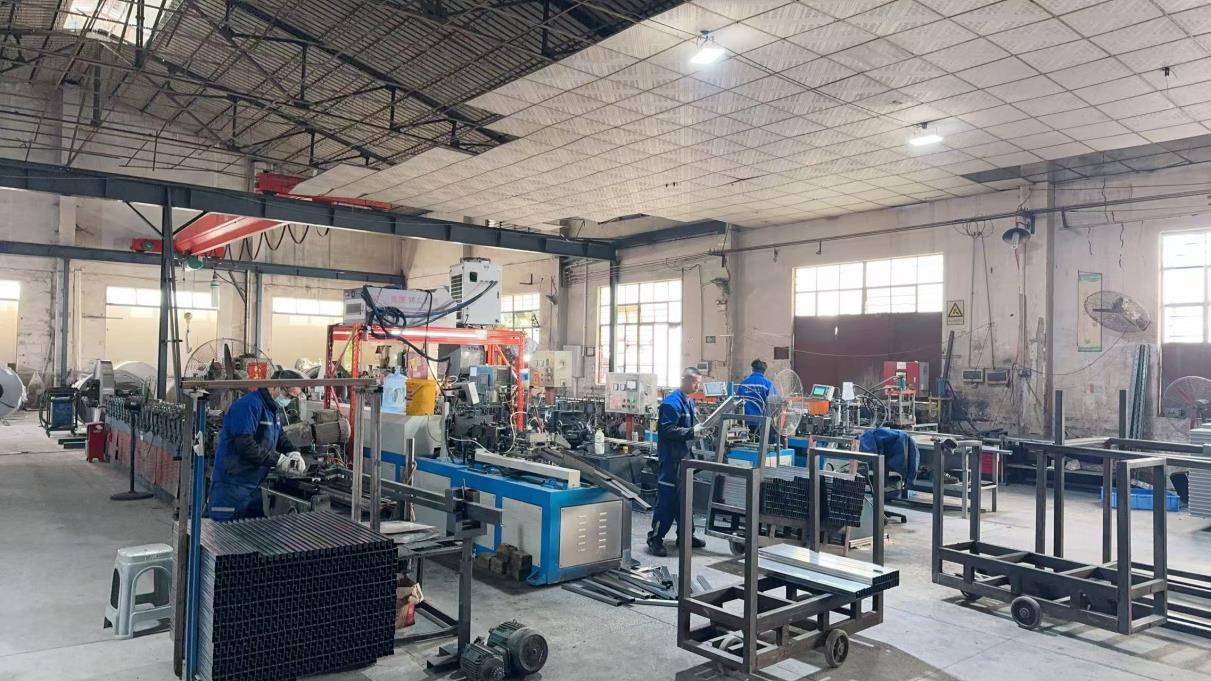
3. Pipe Cutting
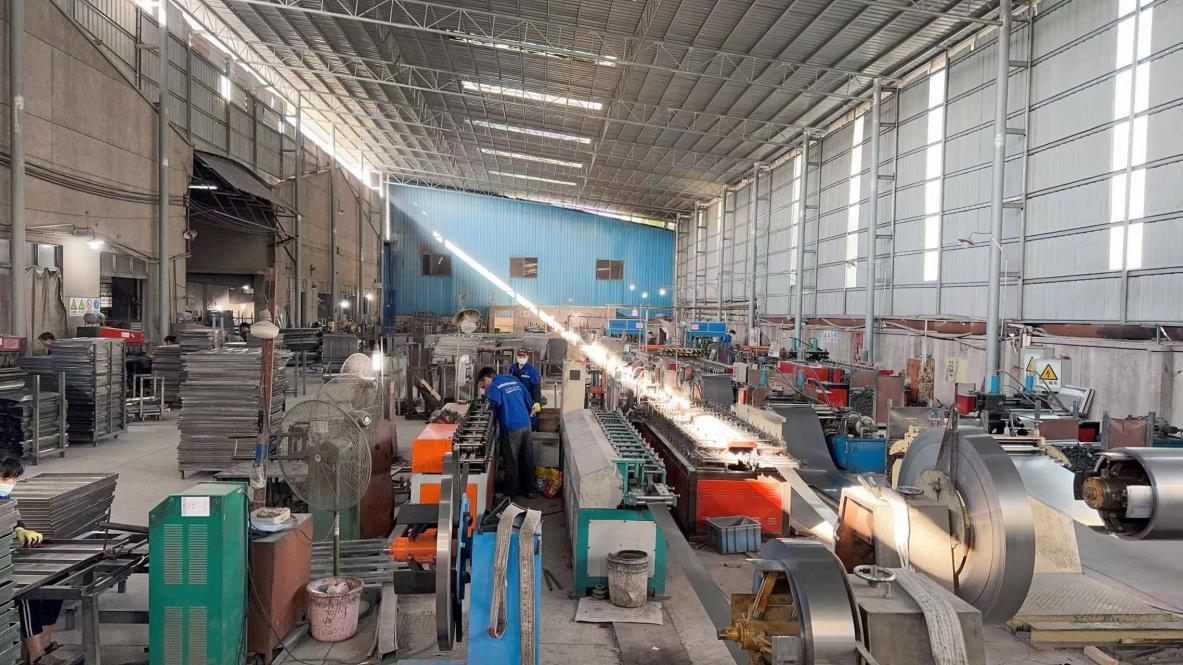
4. Stamping
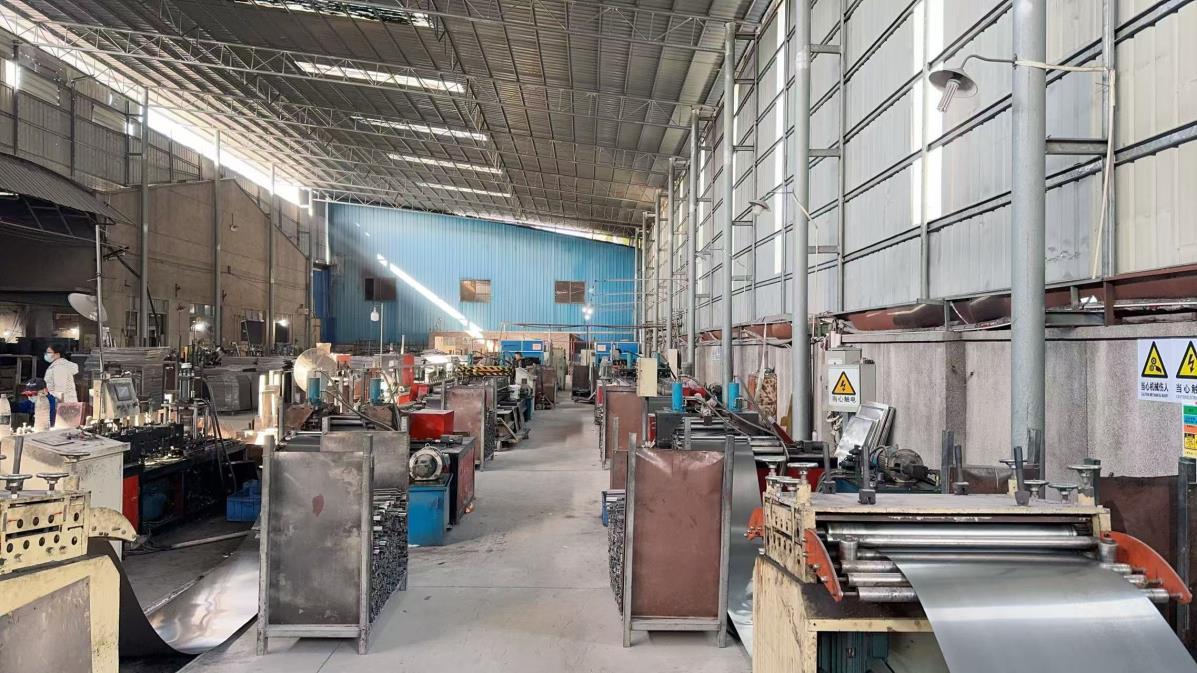
5. Forming
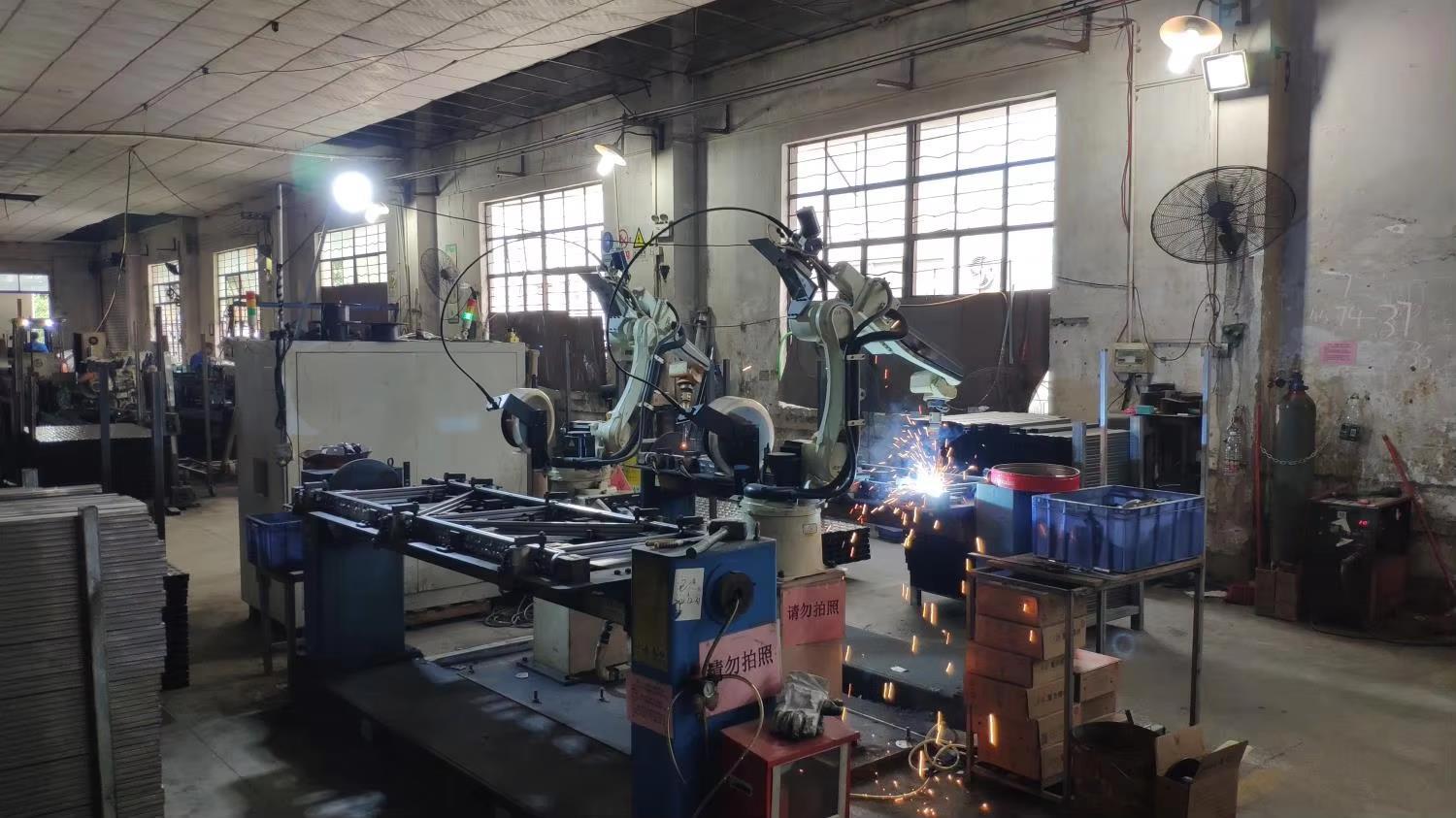
6. Robot Welding
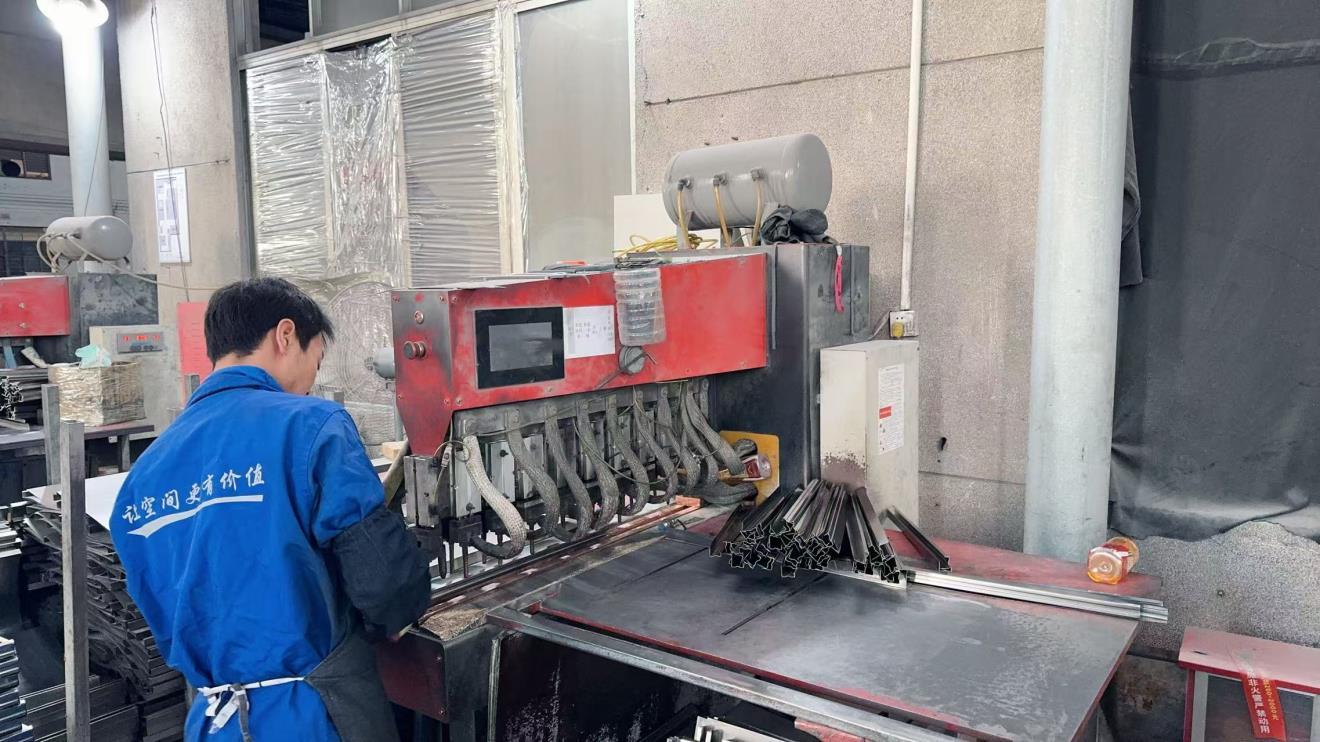
7. Welding 1
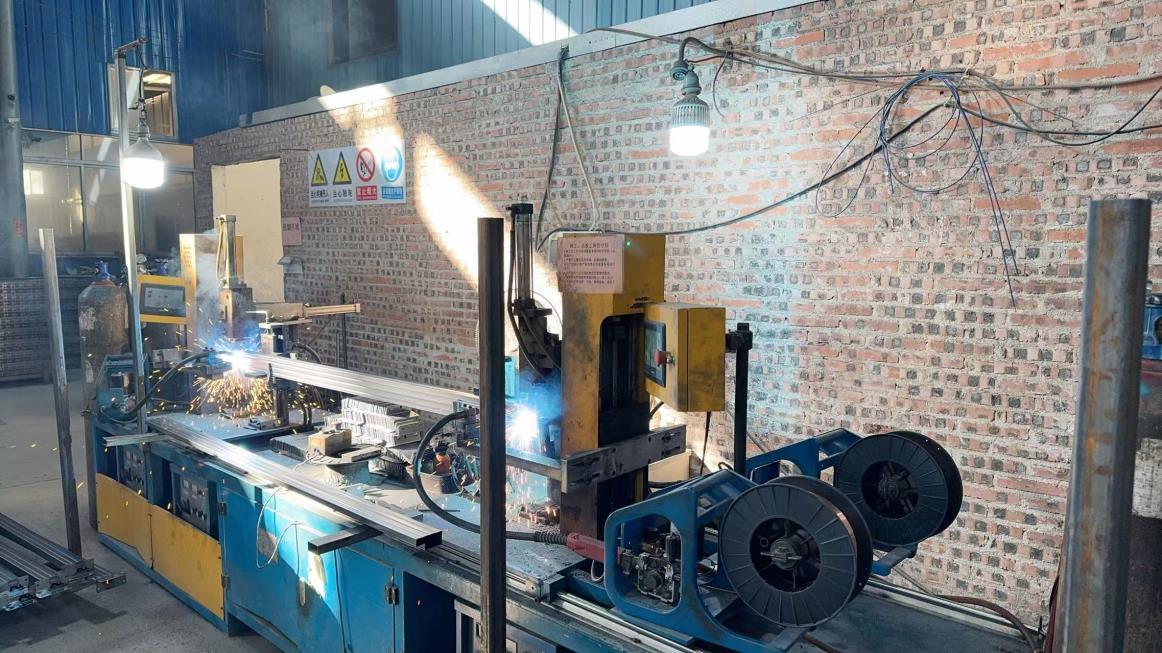
8. Welding 2
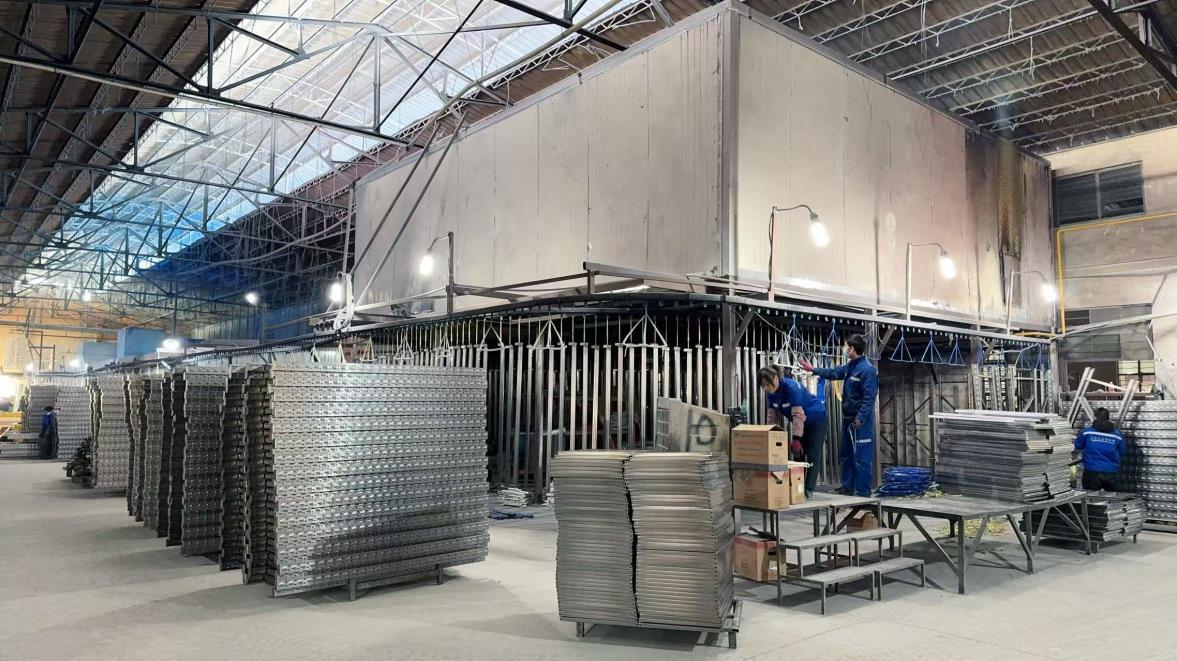
9. Spray Coating
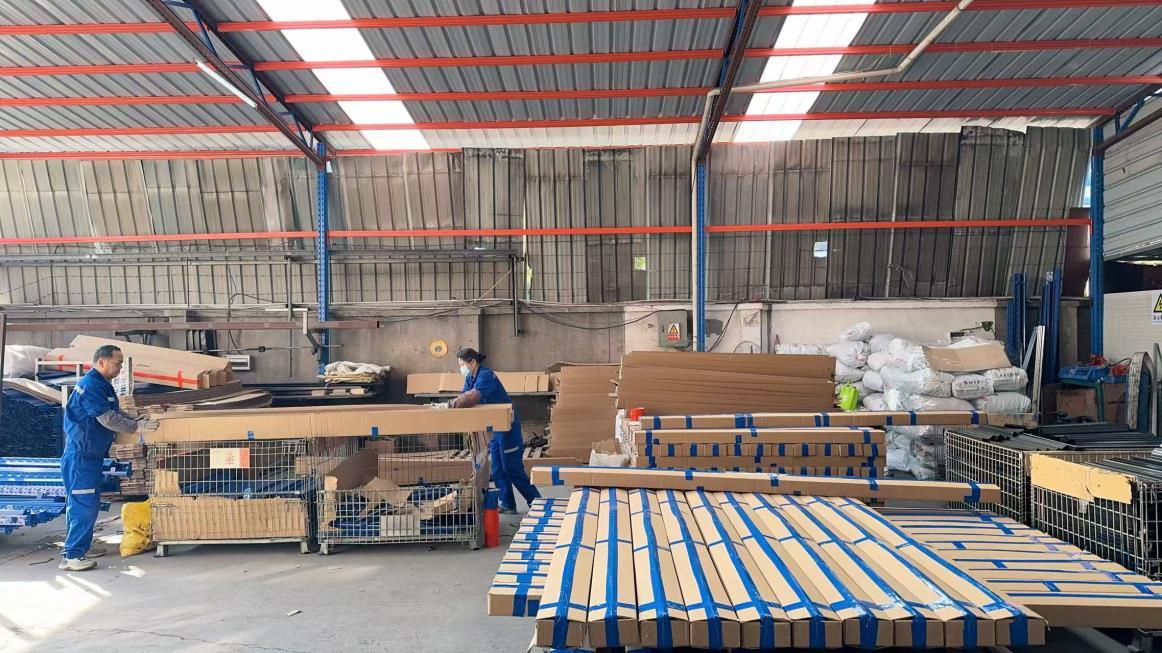
10. Heavy Packaging
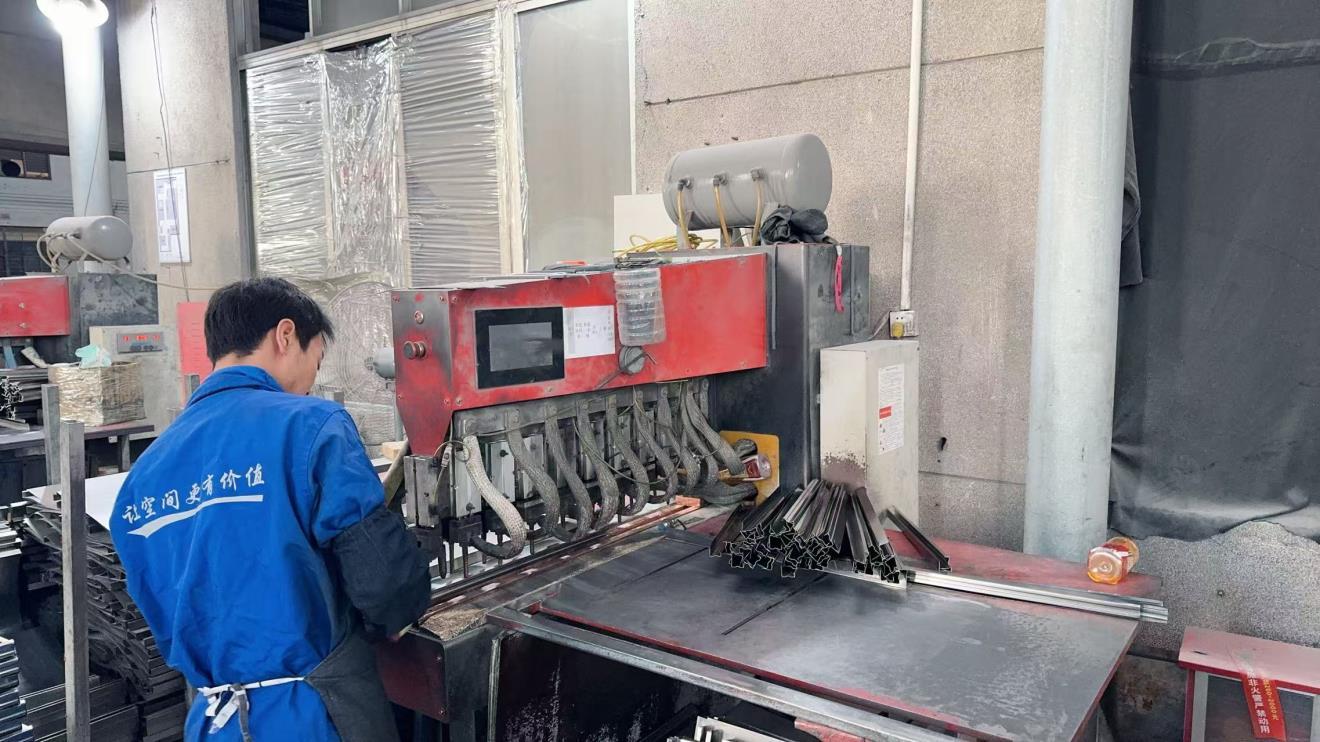
Our facility runs high-efficiency equipment to guarantee flat, burr-free roll forming and precise component dimensions. Below are some of the key systems powering our manufacturing lines:
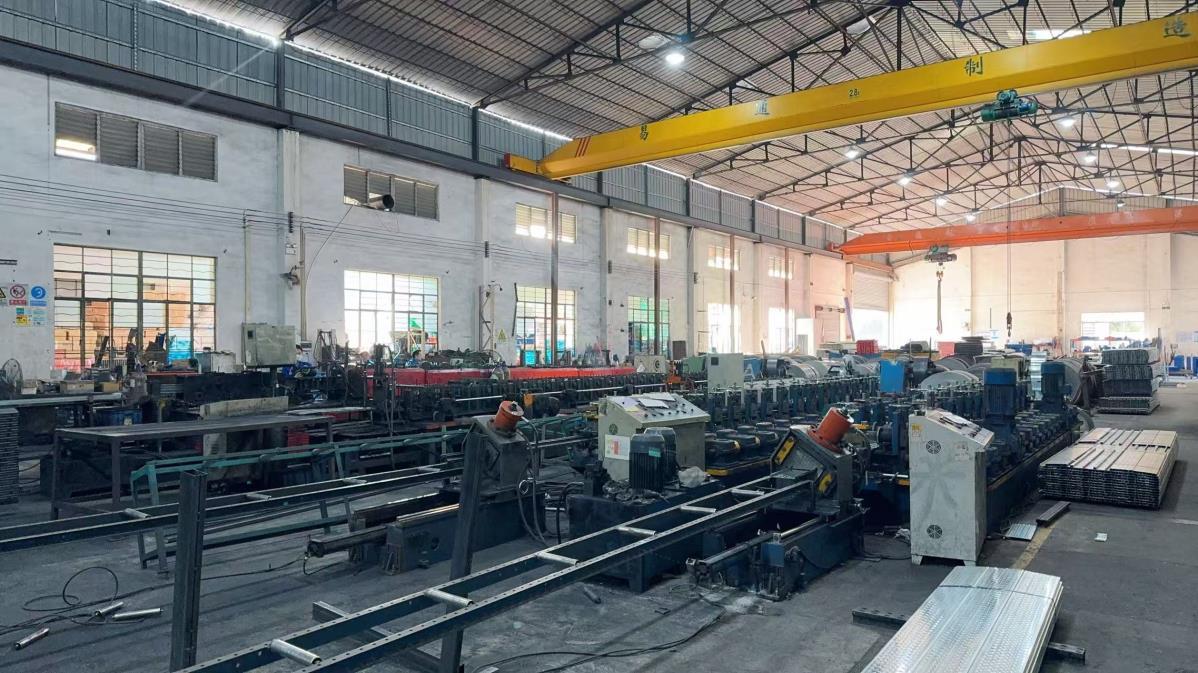
Raw Material Cutting
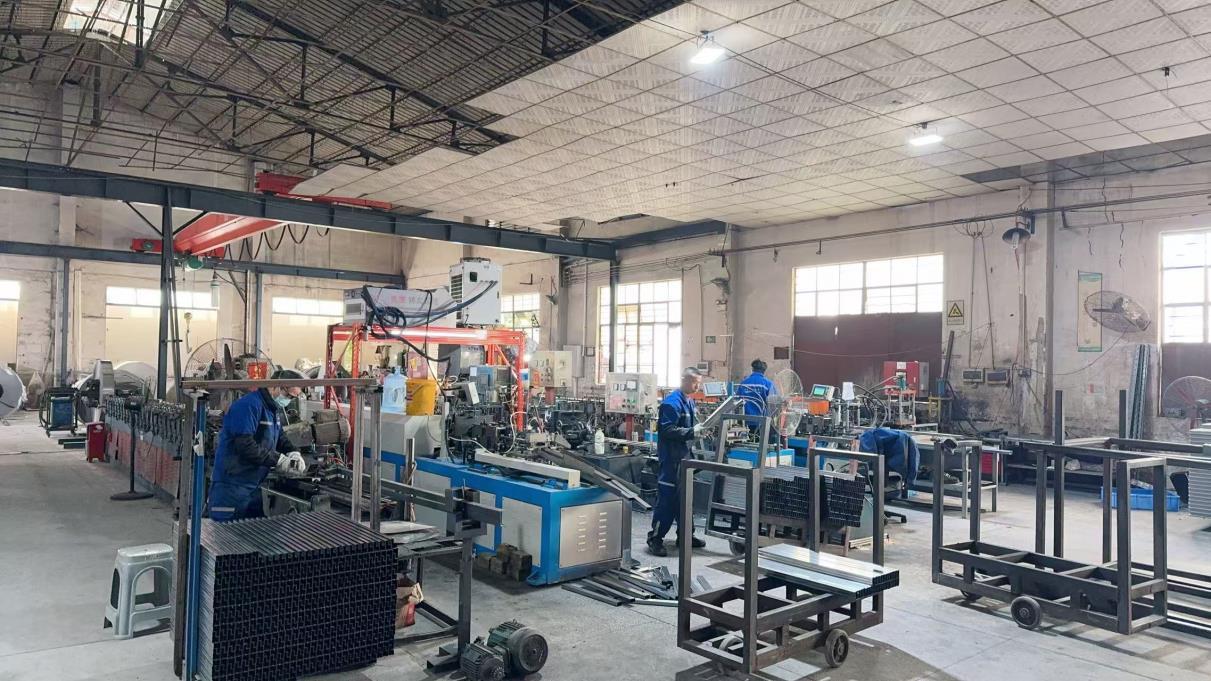
Pipe Cutting Machine
Precision Cutting
Beam Forming
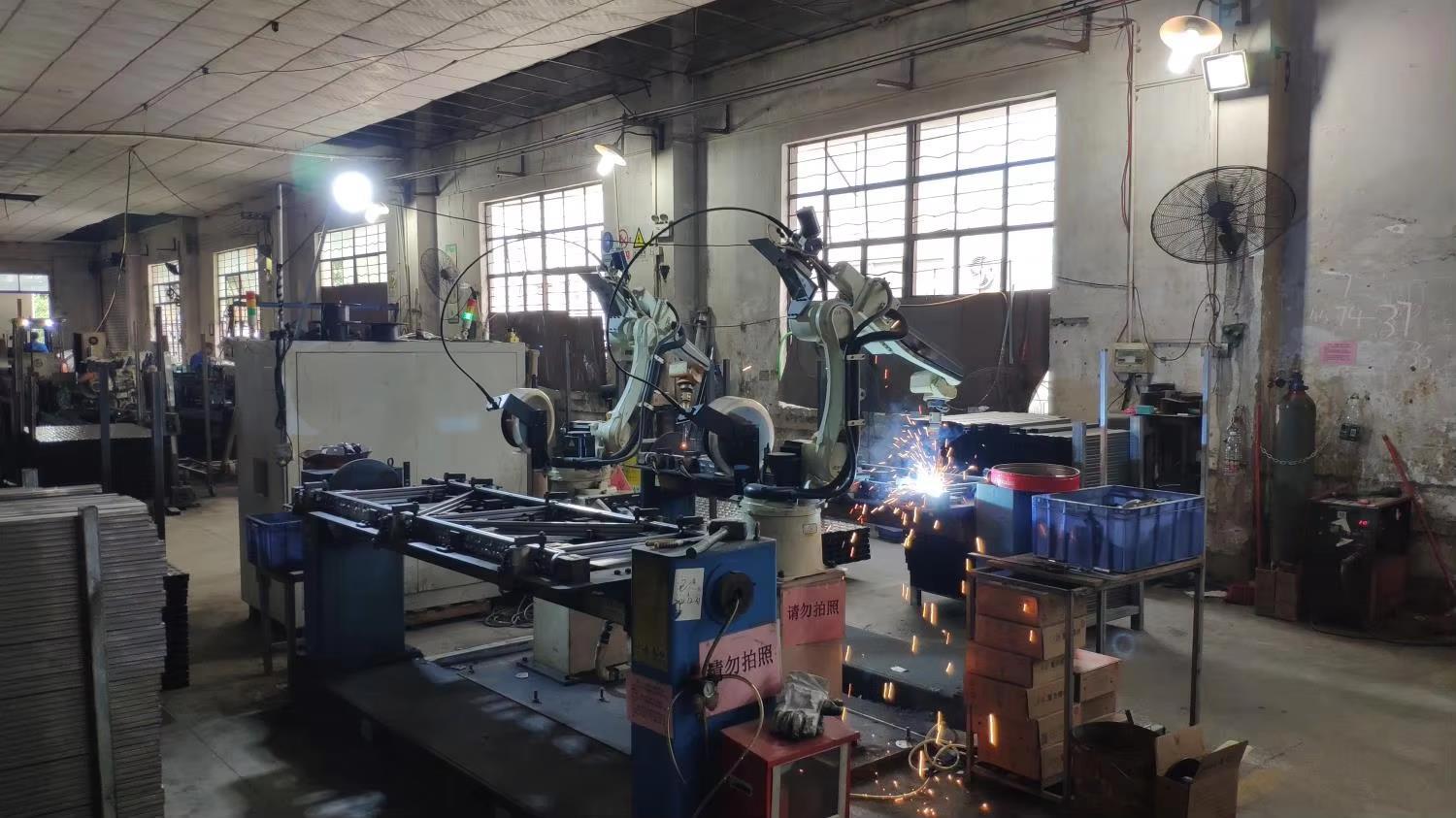
Robot Welding Arm
Spot Welder
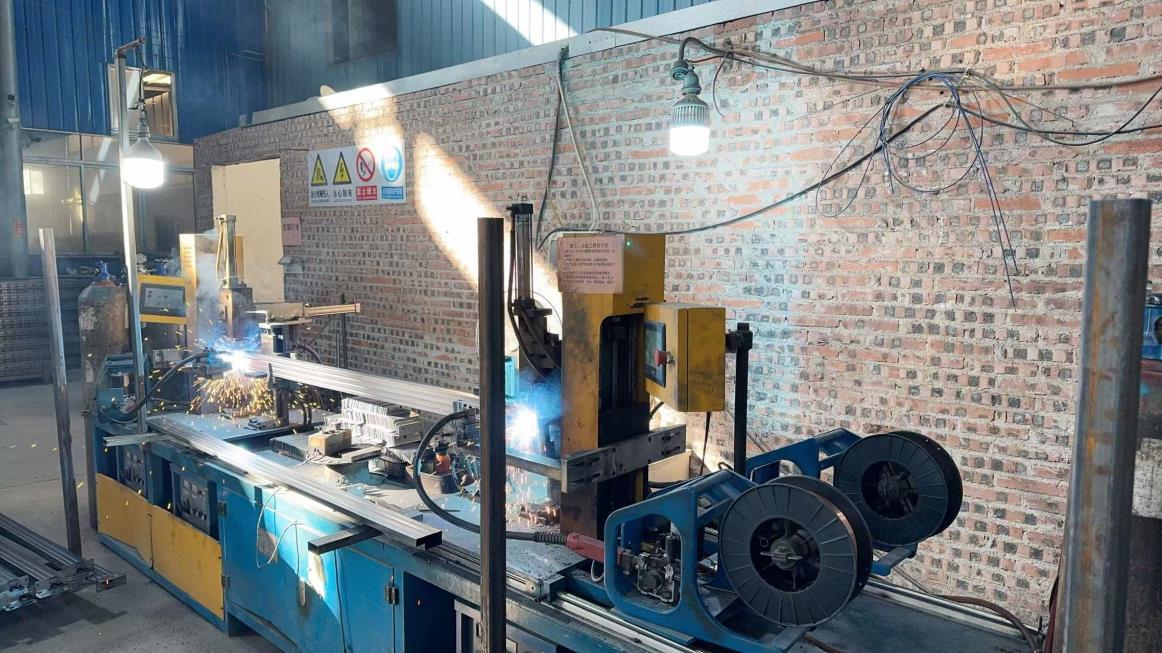
Auto-Welding System
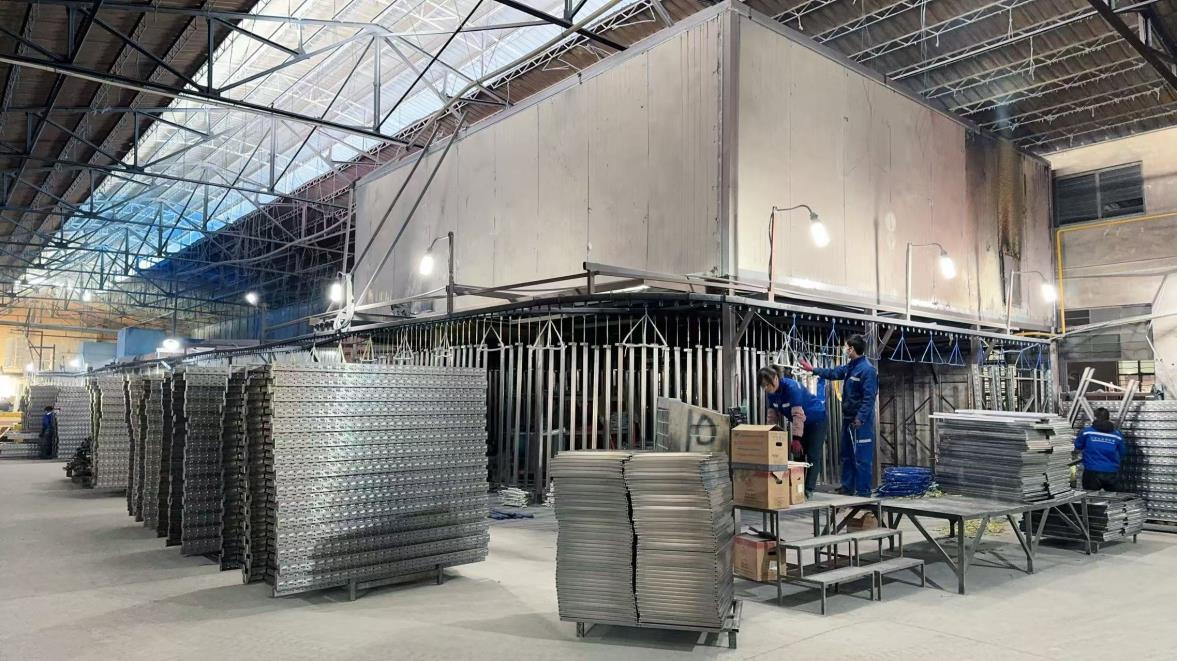
Powder Spray Line
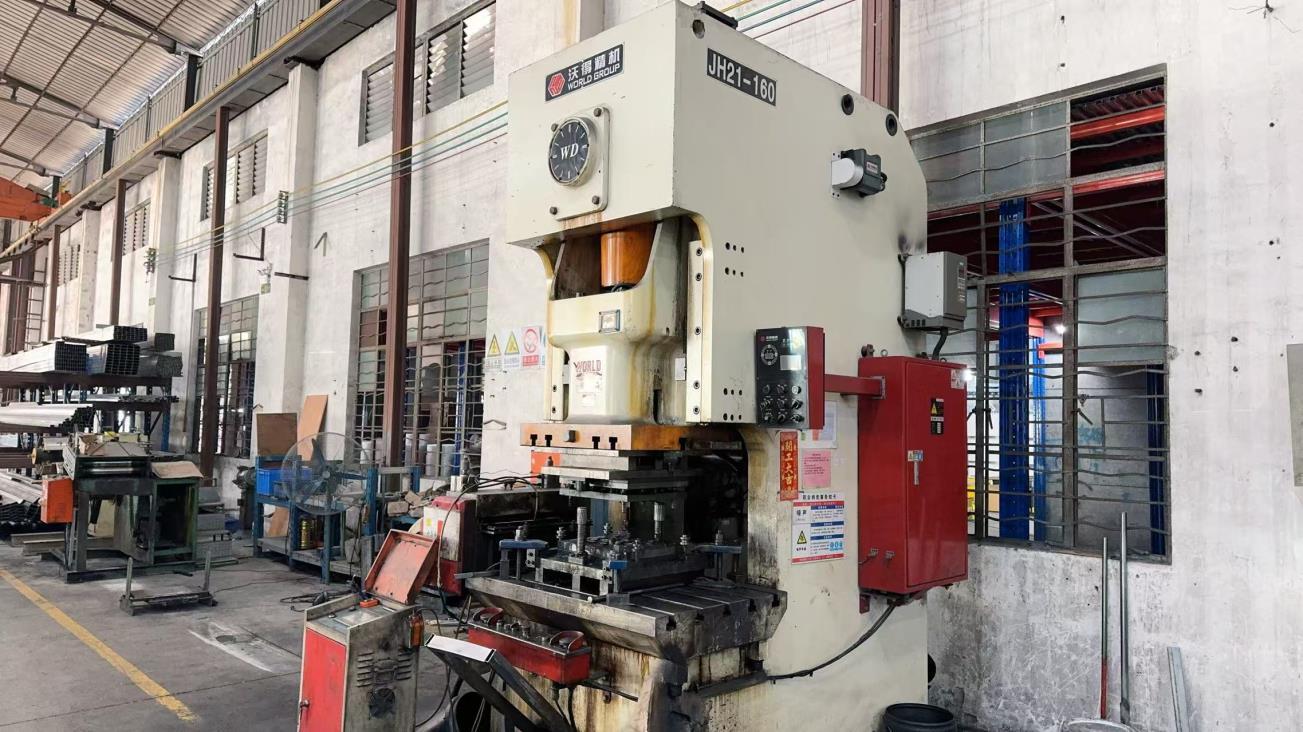
High-Speed Punching
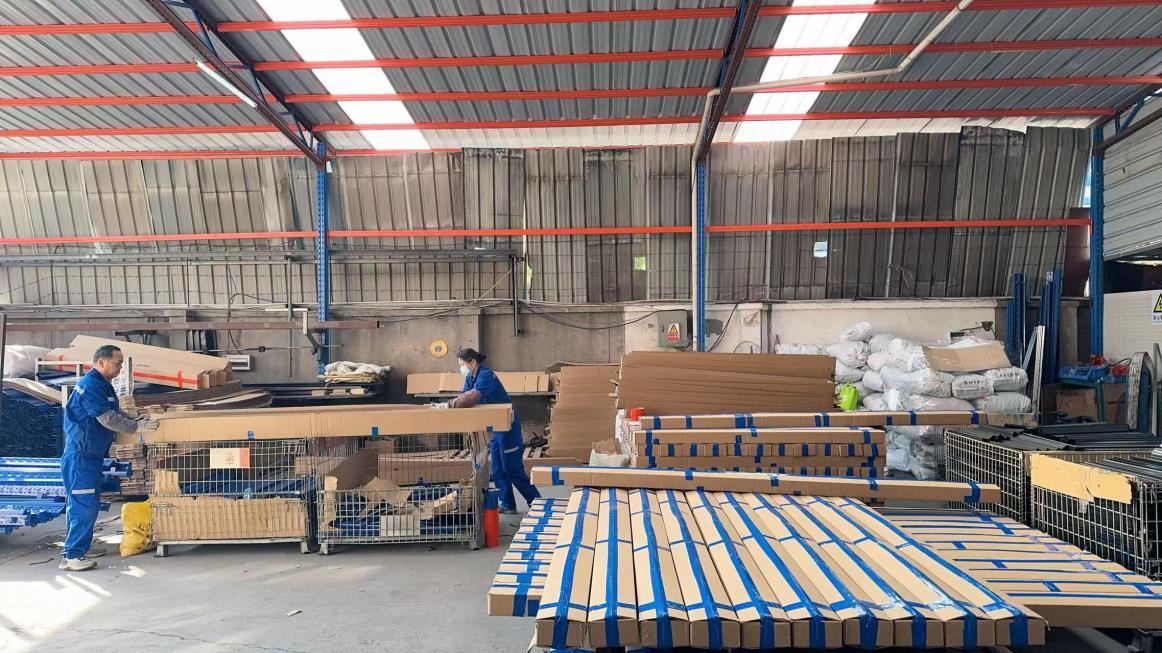
Rigorous QA/QC Testing
A dedicated team of 35 QA/QC inspectors oversees our quality control. They conduct non-destructive testing, raw material tensile testing, structural load-bearing stress evaluations, and precision powder-coating thickness measurements. This level of quality management allows our international business to generate over $18 million in export revenue, serving high-volume logistics networks throughout North America, Europe, Southeast Asia, and Sub-Saharan Africa.
As logistics corridors improve across the Economic Community of Central African States (ECCAS), supply chains in the Central African Republic are changing. The focus is shifting from simple, ground-level storage to optimized vertical setups. Future-focused warehouses in the region are prioritizing scalable, modular storage designs that can adapt to changing distribution flows.
Over the next five years, key industrial upgrades in CAR will focus on:
Providing high-durability racking configurations optimized for diverse cargo profiles and heavy material handling.
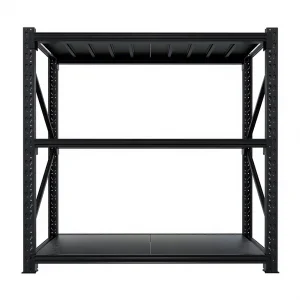
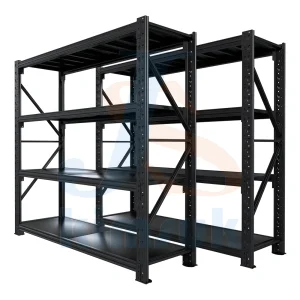
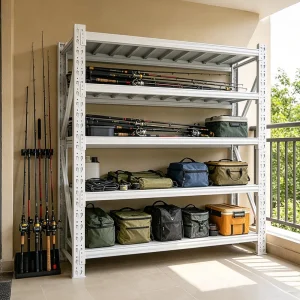
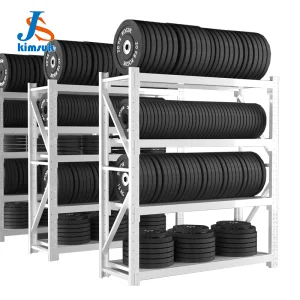
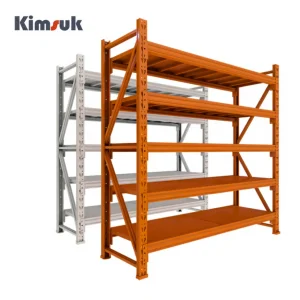
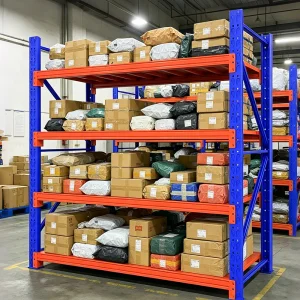
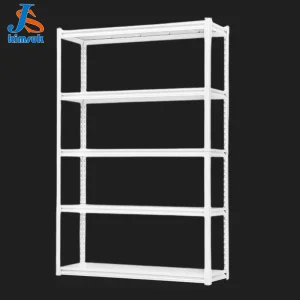
Shipping industrial steel racking structures to landlocked destinations like the Central African Republic requires experienced logistics management. Typically, shipments go by ocean freight from Shenzhen or Guangzhou ports to the Port of Douala, Cameroon. From Douala, goods are transported by road via the main trade corridor directly to Bangui.
To support a smooth import process, we provide comprehensive documentation tailored for customs clearance in Cameroon (for transit cargo) and CAR, including:
Because structural integrity relies heavily on proper on-site assembly, we provide detailed technical manuals, 3D installation videos, and structural load calculations with every shipment. For complex installations like high-density drive-in systems or multi-level mezzanines, our structural engineering team is available to coordinate remote layout planning and assembly oversight.
Expert answers to common engineering, logistical, and purchasing questions regarding industrial racking.
Our heavy-duty racking systems are manufactured using premium high-tensile Q235B steel. This steel grade is selected for its balanced yield strength and ductility, ensuring the structure can carry heavy loads while resisting accidental impacts from forklifts or loading machinery.
We use a specialized cleaning and powder-coating process. Every structural component goes through an acid pickling wash to remove impurities, followed by a phosphate treatment. Next, a high-durability epoxy-polyester powder coating (80 to 120 microns thick) is applied electrostatically and baked at 200°C to create a tough, humidity-resistant barrier.
The manufacturing process takes approximately 15 to 20 days. Maritime shipping from Guangzhou/Shenzhen to the Port of Douala takes about 35 to 45 days. The final overland truck transit along the Douala-Bangui corridor typically takes 10 to 15 days, depending on seasonal road conditions.
Yes. Our in-house R&D department features 18 senior structural and engineering specialists who design systems to match specific load capacities, room heights, seismic ratings, and forklift specifications. We design custom upright profiles and beam lengths to fit your exact warehouse space.
Work with our engineering team to design, manufacture, and safely ship heavy-duty industrial racking solutions tailored for your business needs.