Explore our engineering portfolio featuring high-capacity pallet racks, modular steel shelves, and automated storage accessories designed for high-density applications.
A comprehensive technical deep-dive into First-In, First-Out (FIFO) dynamic storage solutions, gravity-driven operations, and systemic inventory control.
In modern industrial logistics, storage density and product rotation speed are key metrics for warehouse performance. First-In, First-Out (FIFO) racking systems, also known as gravity flow racking, represent a passive dynamic storage technology designed to enforce strict inventory rotation. By utilizing a slightly inclined wheel or roller track bed, pallets are loaded from the entry side and travel naturally down towards the opposite discharge aisle via controlled gravitational pull. When the first pallet is retrieved from the picking face, the next pallet automatically advances forward, ensuring immediate access to the oldest stock.
By eliminating multiple service aisles, FIFO gravity flow racking reduces floor space requirements by up to 60% compared to standard selective pallet racking. This setup maximizes floor space utilization for high-volume SKUs.
Essential for perishable inventory, food and beverage processing, pharmaceuticals, and chemicals. The physical mechanics prevent products from sitting too long, reducing spoilage and waste.
Forklift operators work in dedicated aisles: loaders stay in the loading aisle, pickers in the picking aisle. This reduces internal traffic, minimizes forklift travel distances, and increases safety.
A reliable gravity flow racking system requires precise calculation of dynamic forces. Standard static racking simply carries structural loads, whereas FIFO systems must control motion, friction, and kinetic energy. Critical design factors include:
Global Engineering Compliance Note: A high-performing FIFO layout must balance structural steel capacity with hydraulic and dynamic braking systems. Dongguan Kimsuk Shelves Co., Ltd. designs and manufactures systems in strict compliance with international structural standards including FEM 10.2.02 (European Federation of Materials Handling) and RMI (Rack Manufacturers Institute) standards.
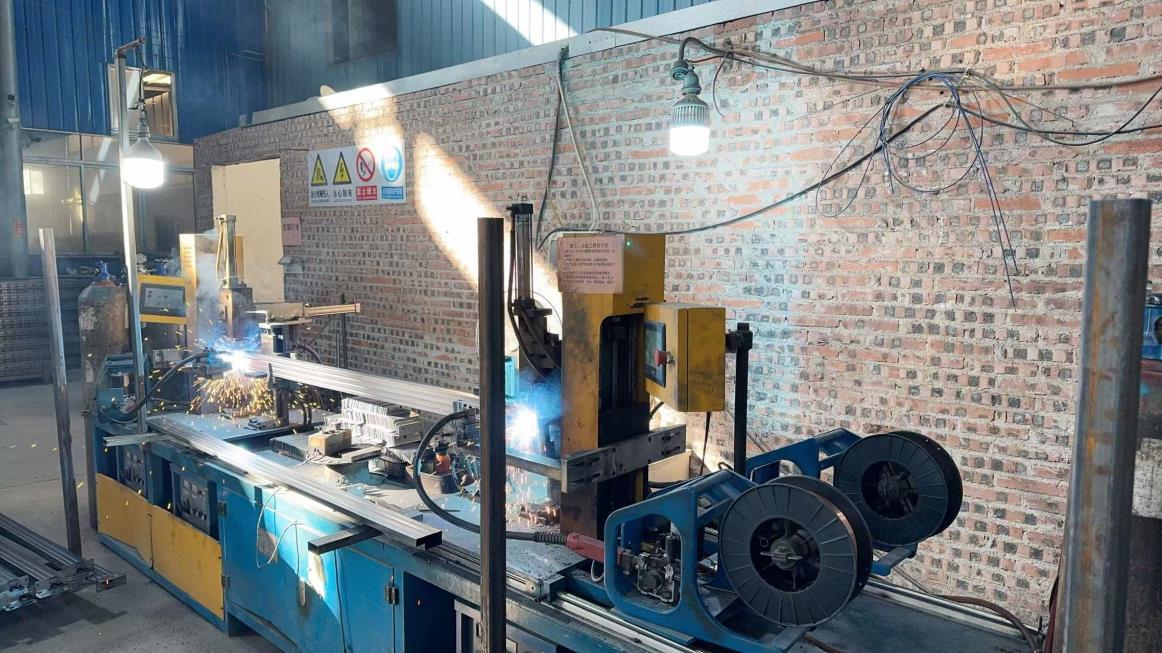
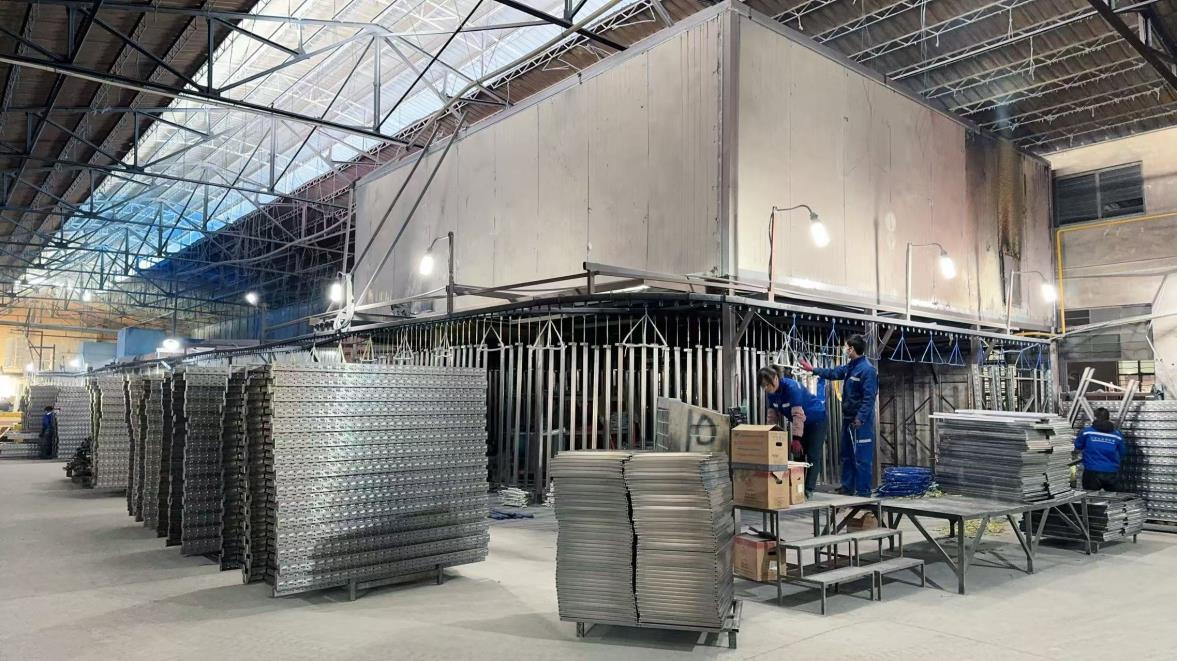
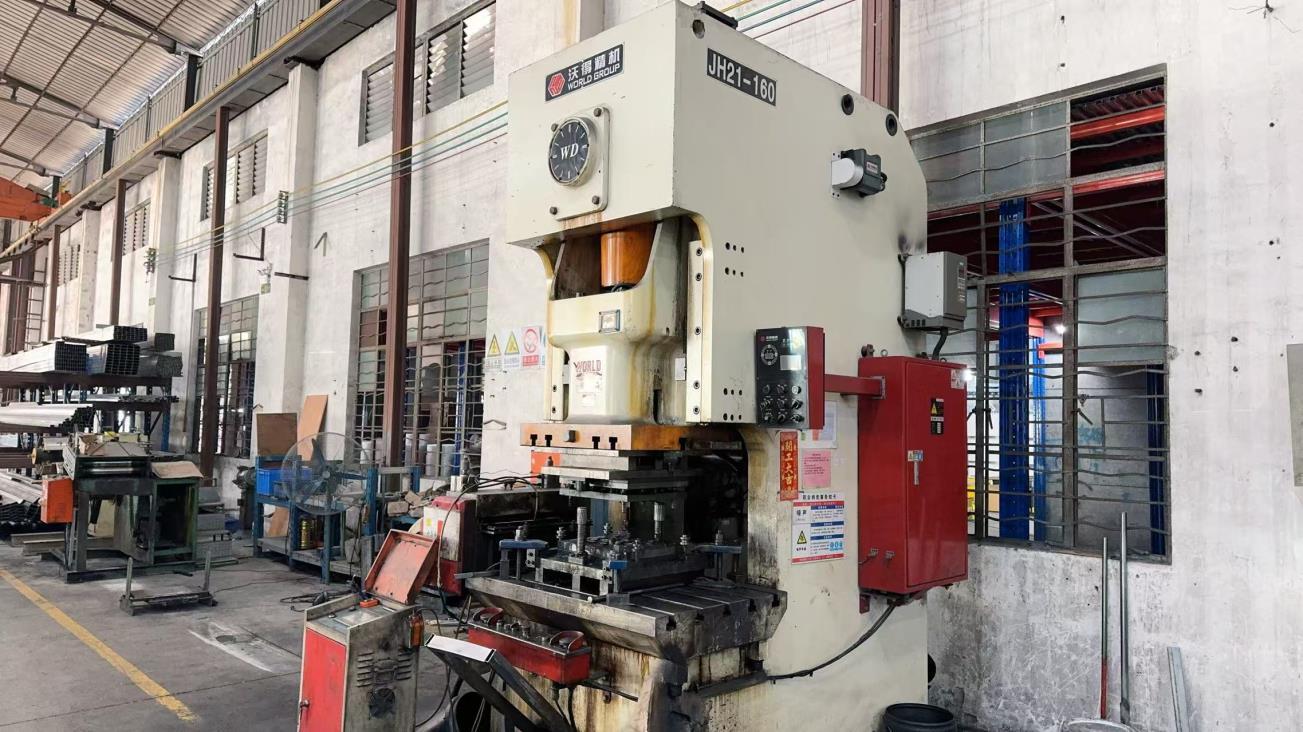
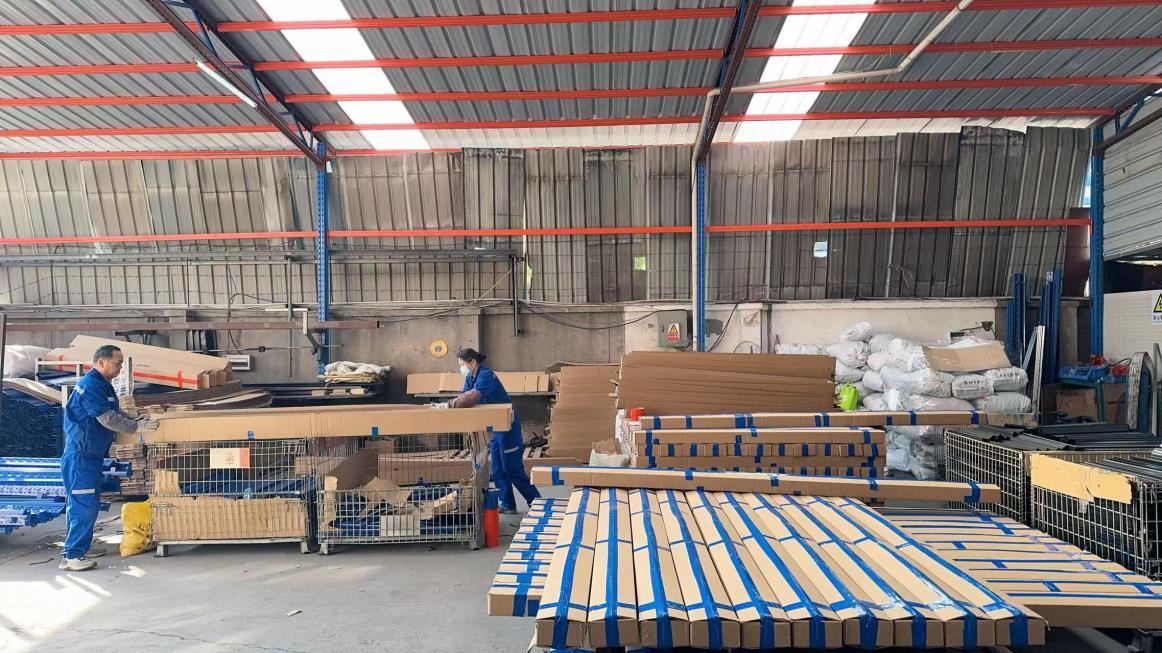
Established in 2015, Dongguan Kimsuk Shelves Co., Ltd. operates a 32,000-square-meter modern manufacturing facility. Take an inside look at our advanced manufacturing steps and precision QC testing.
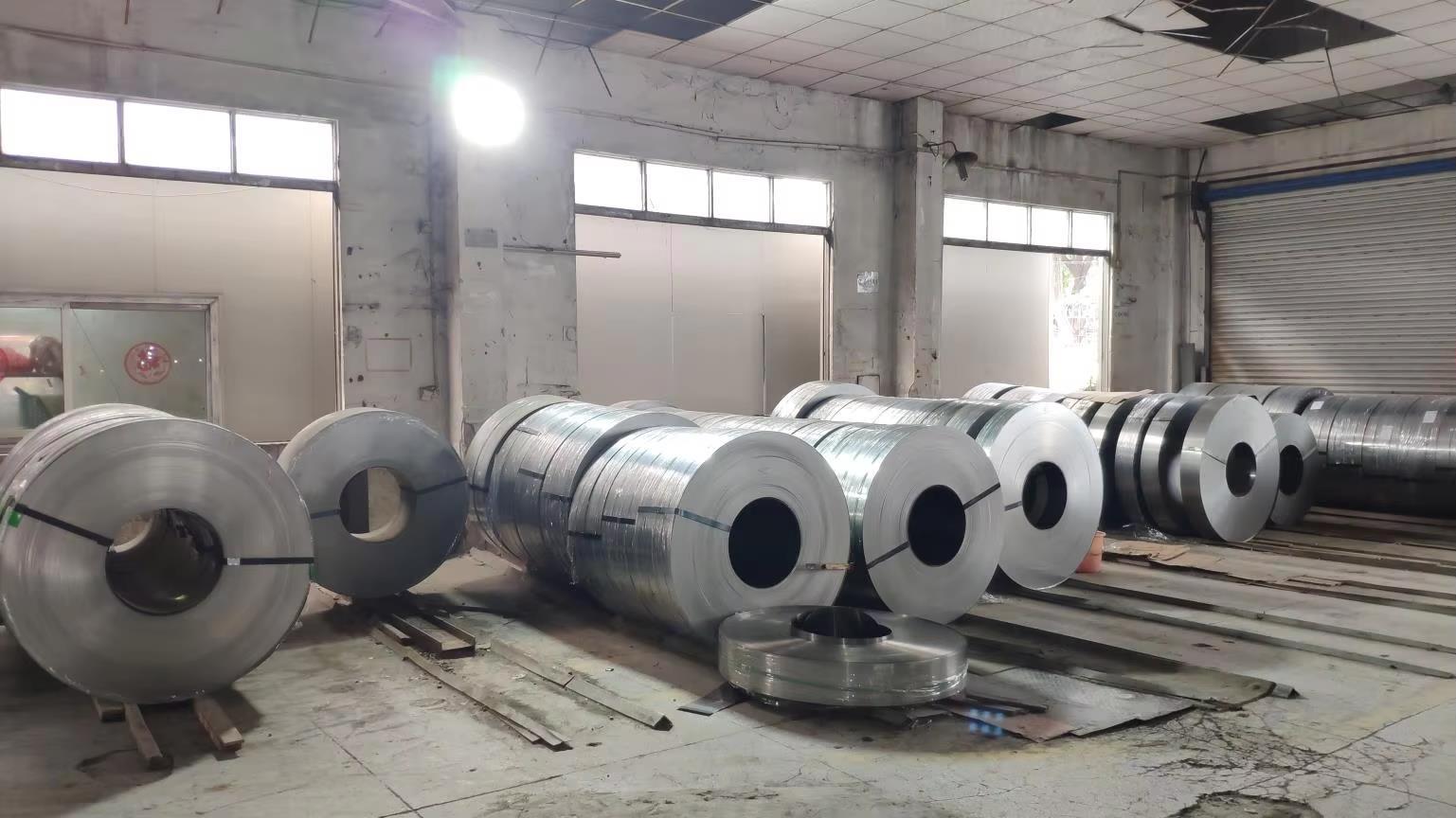
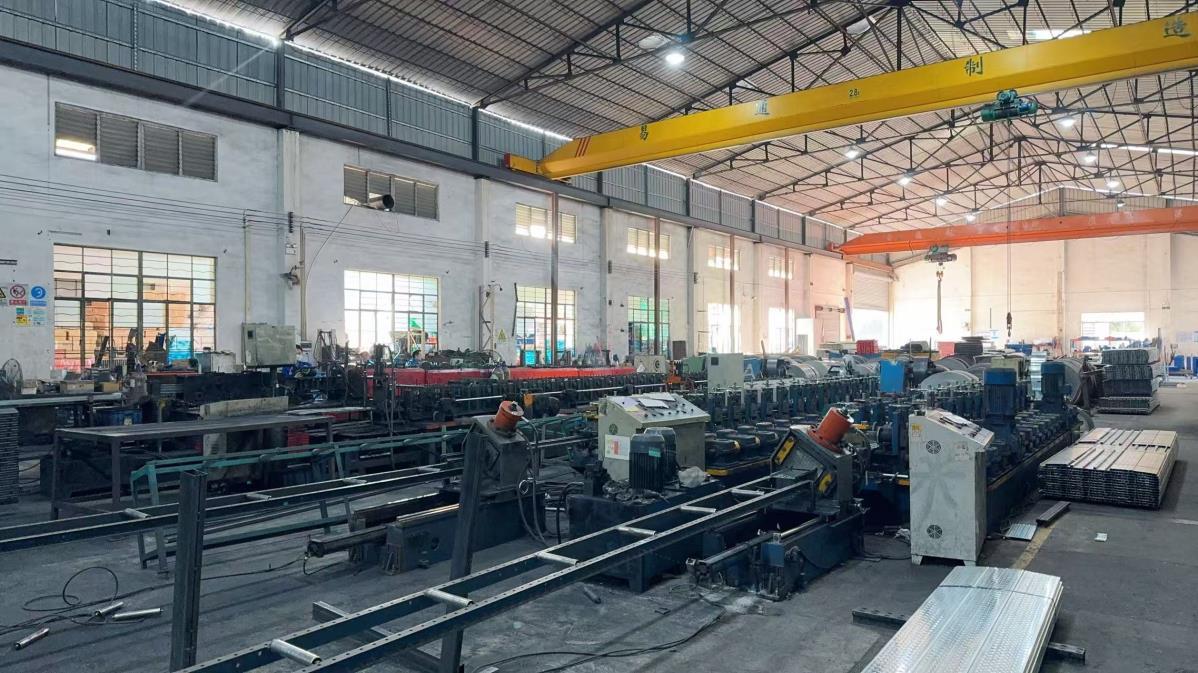
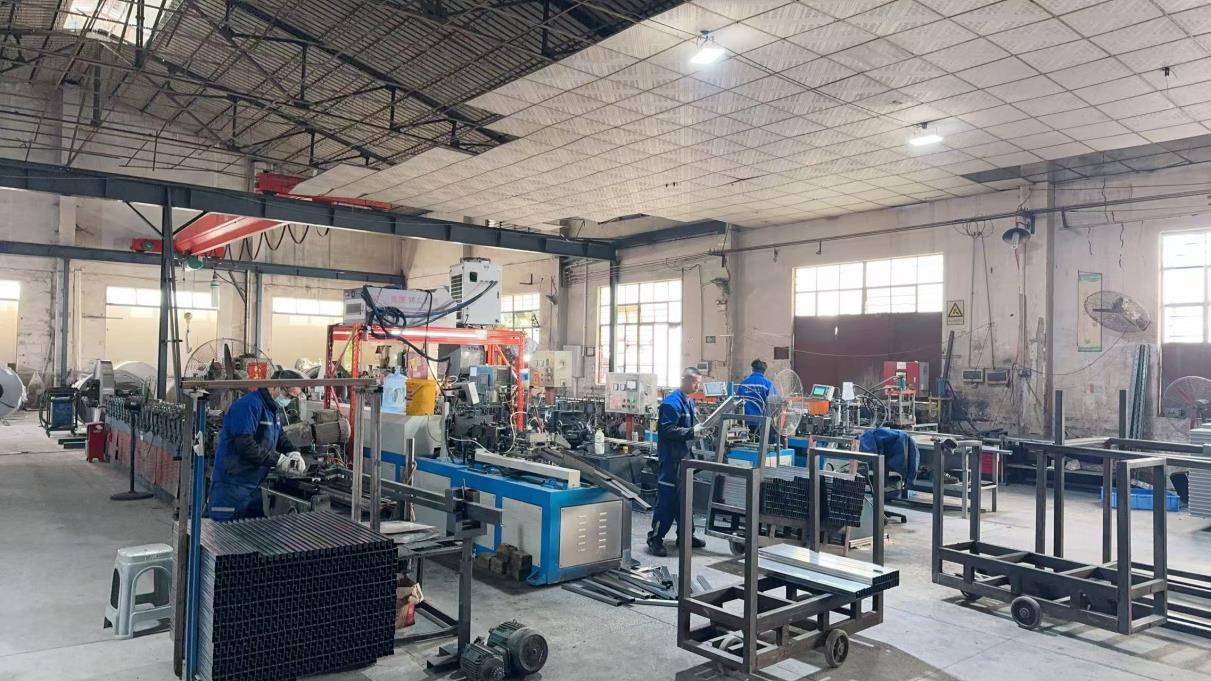
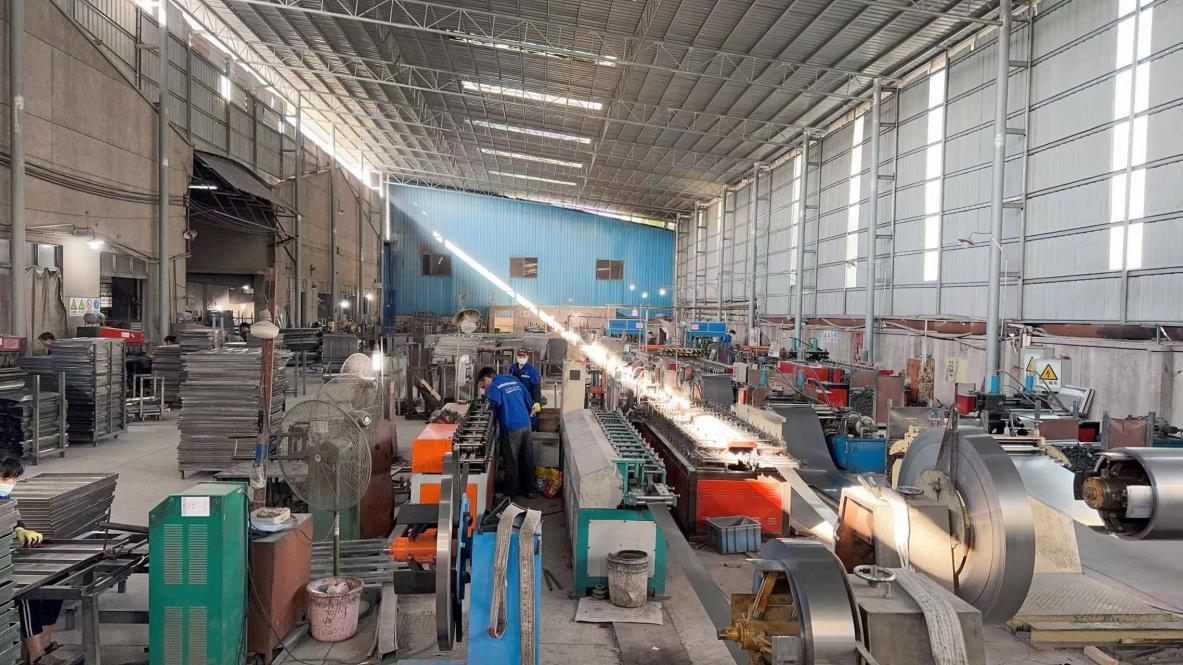
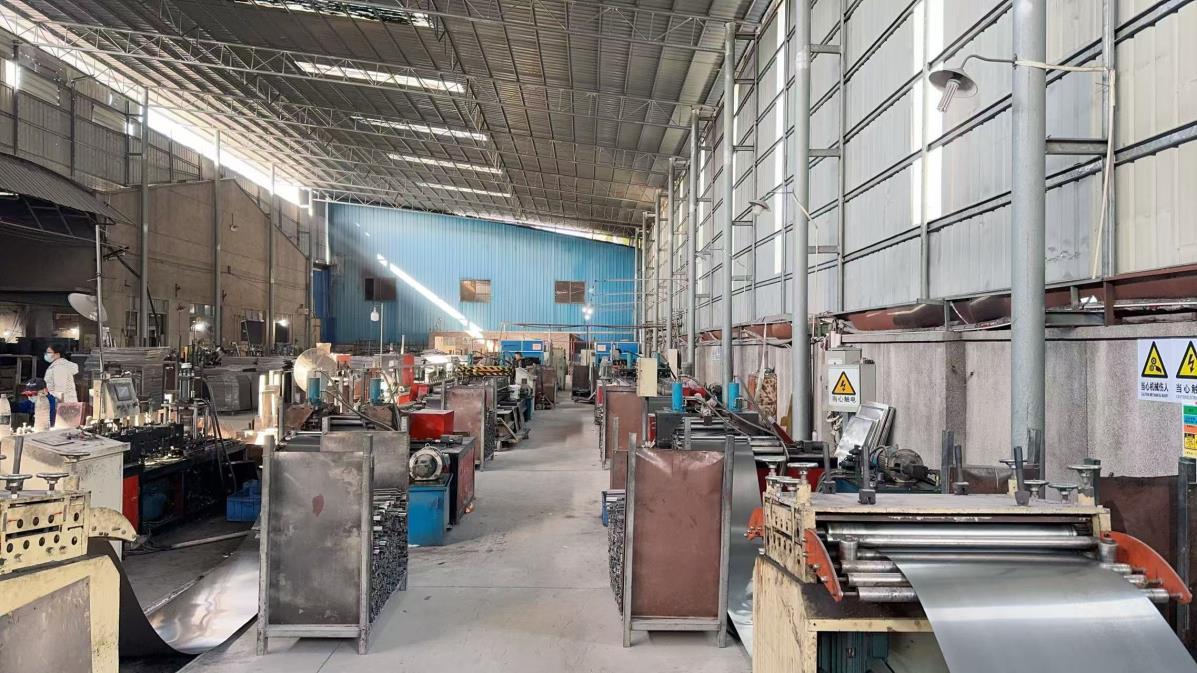
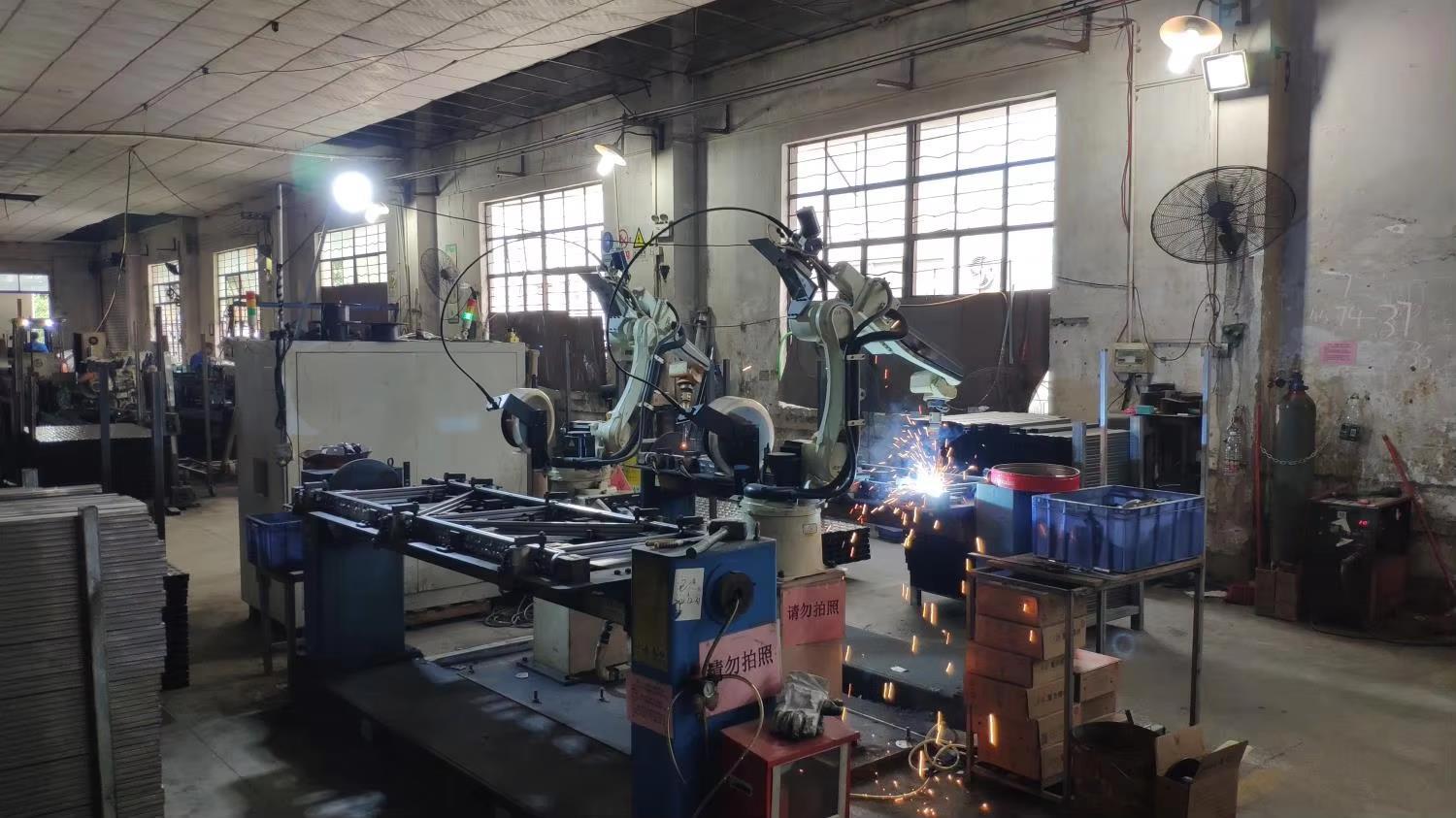
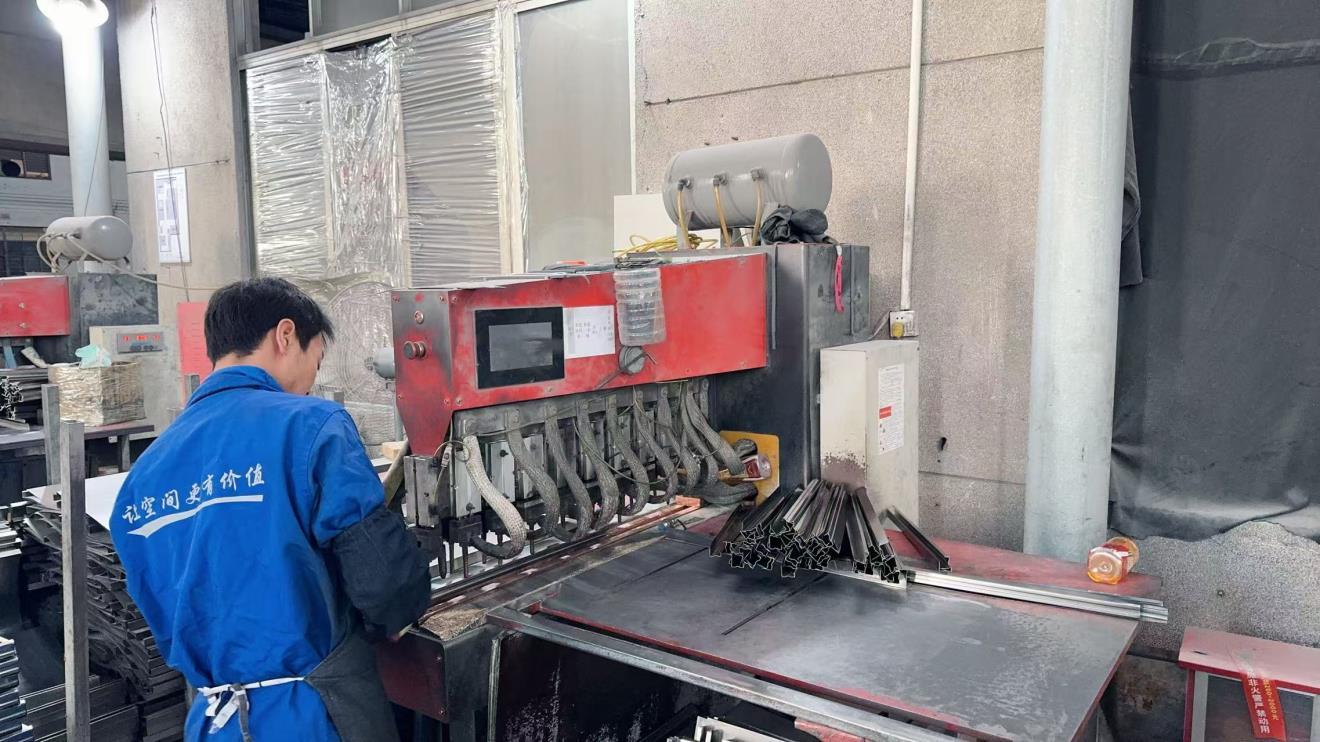
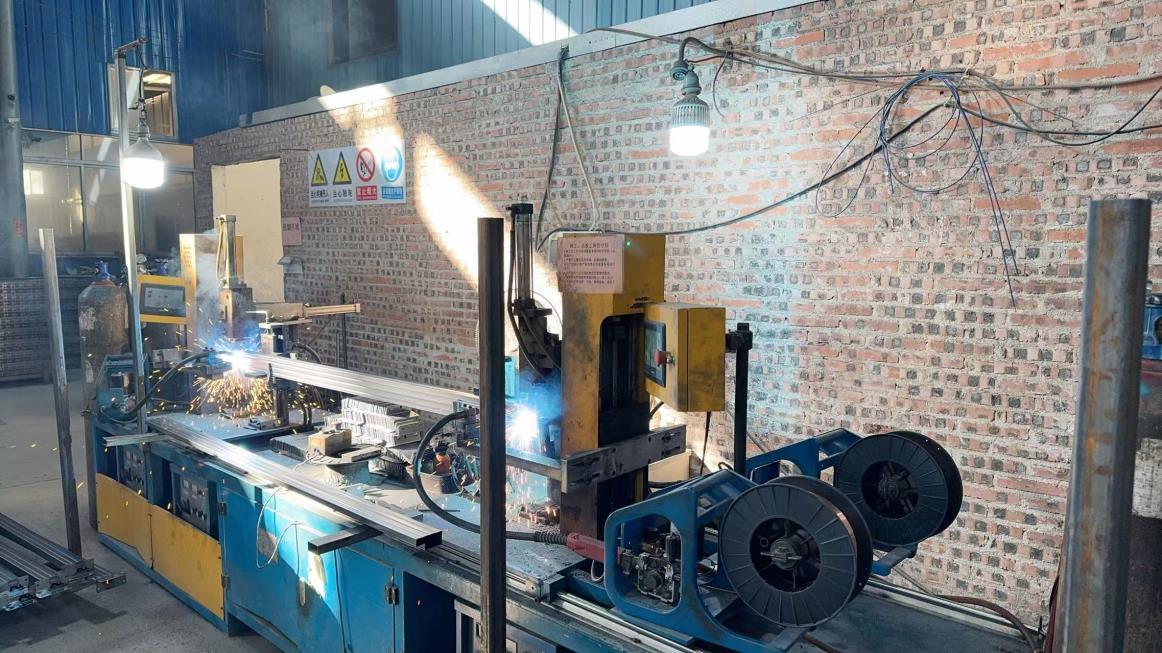
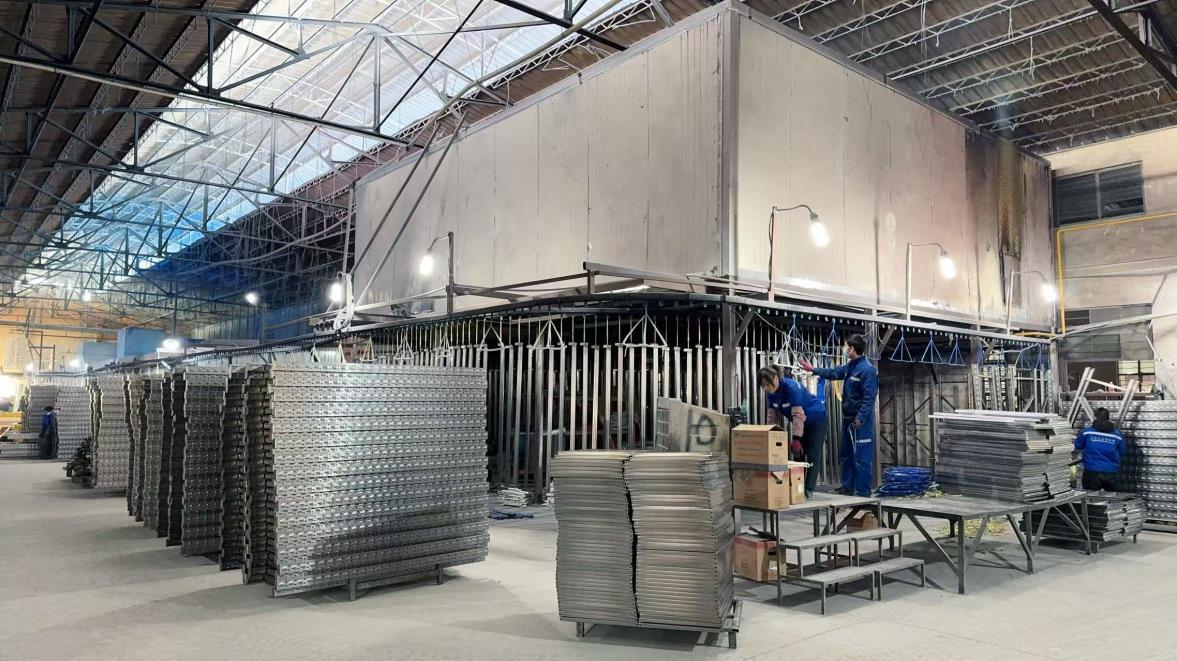
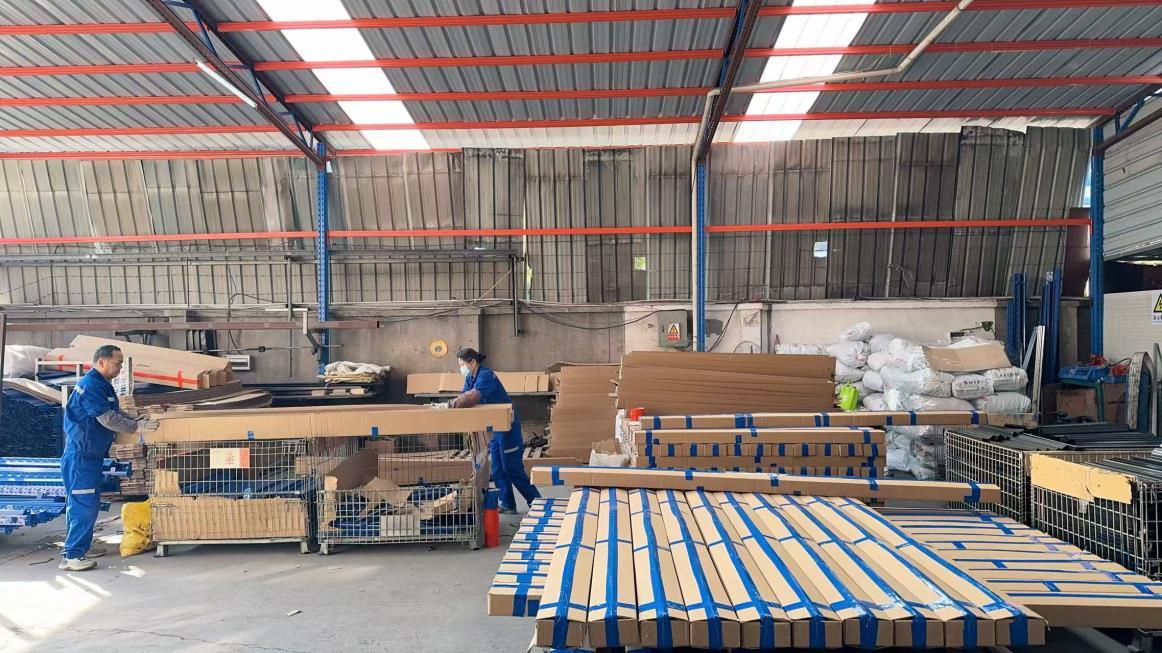
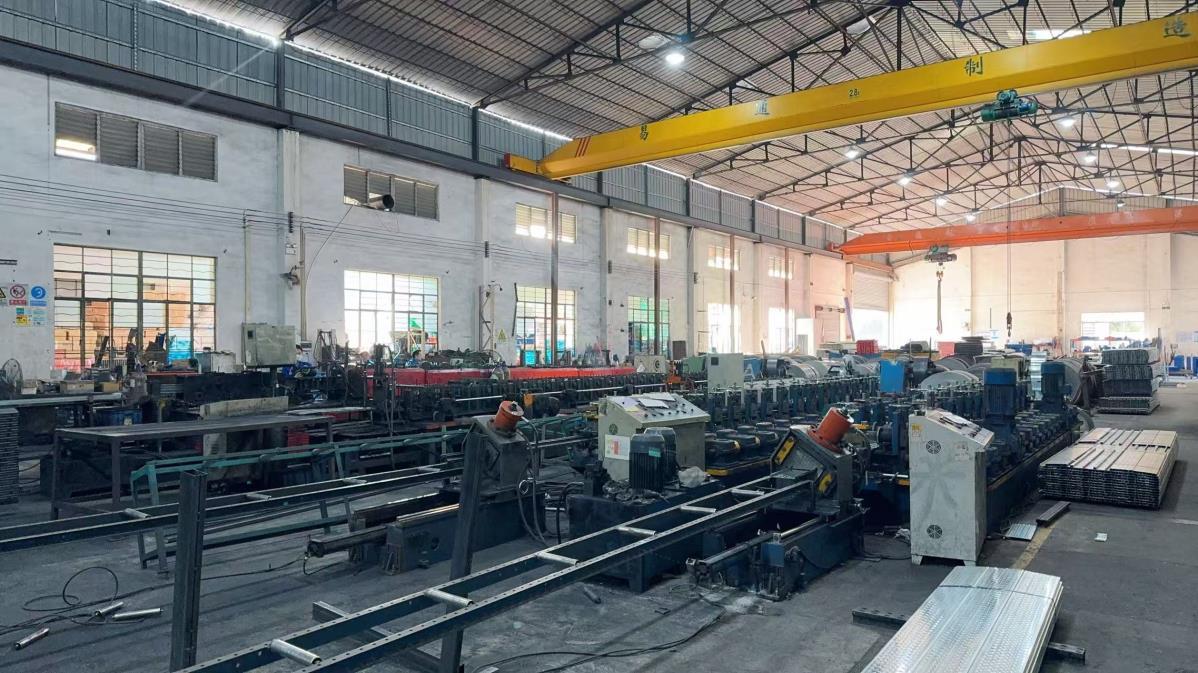
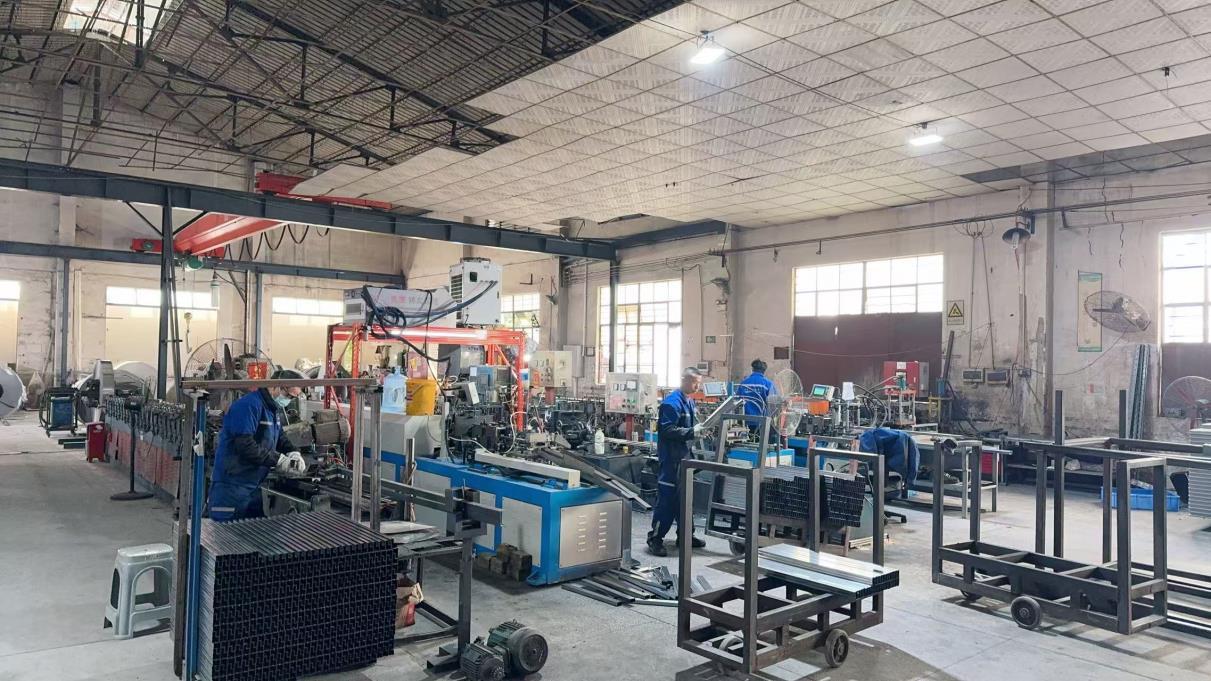
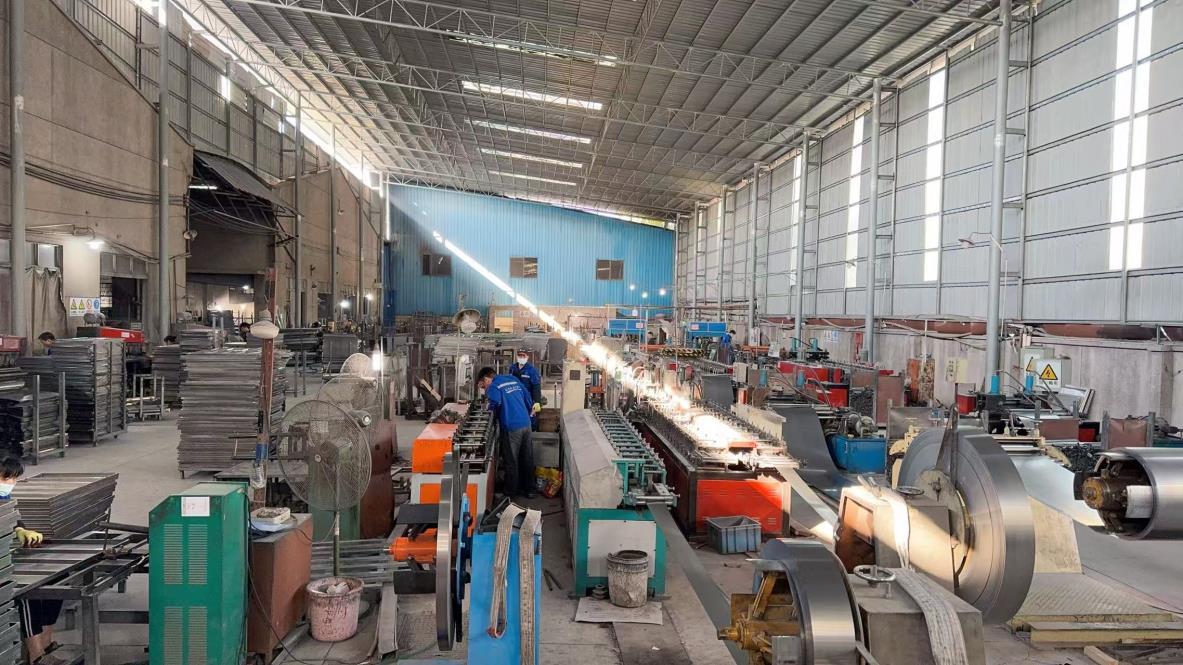
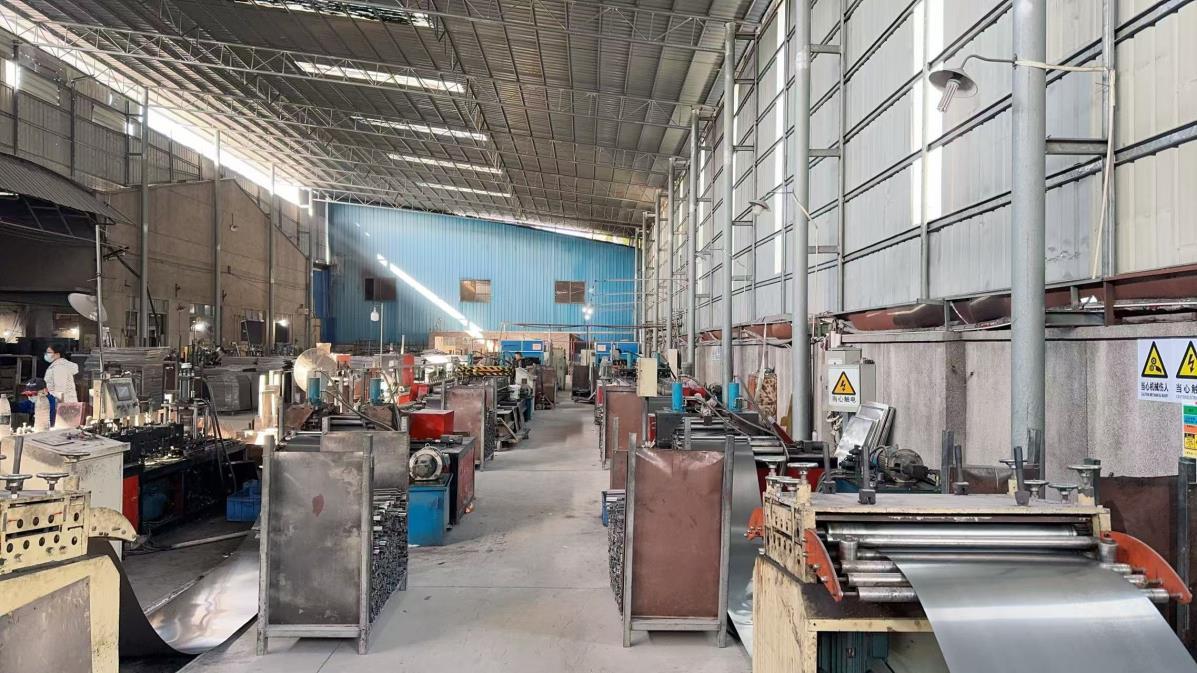
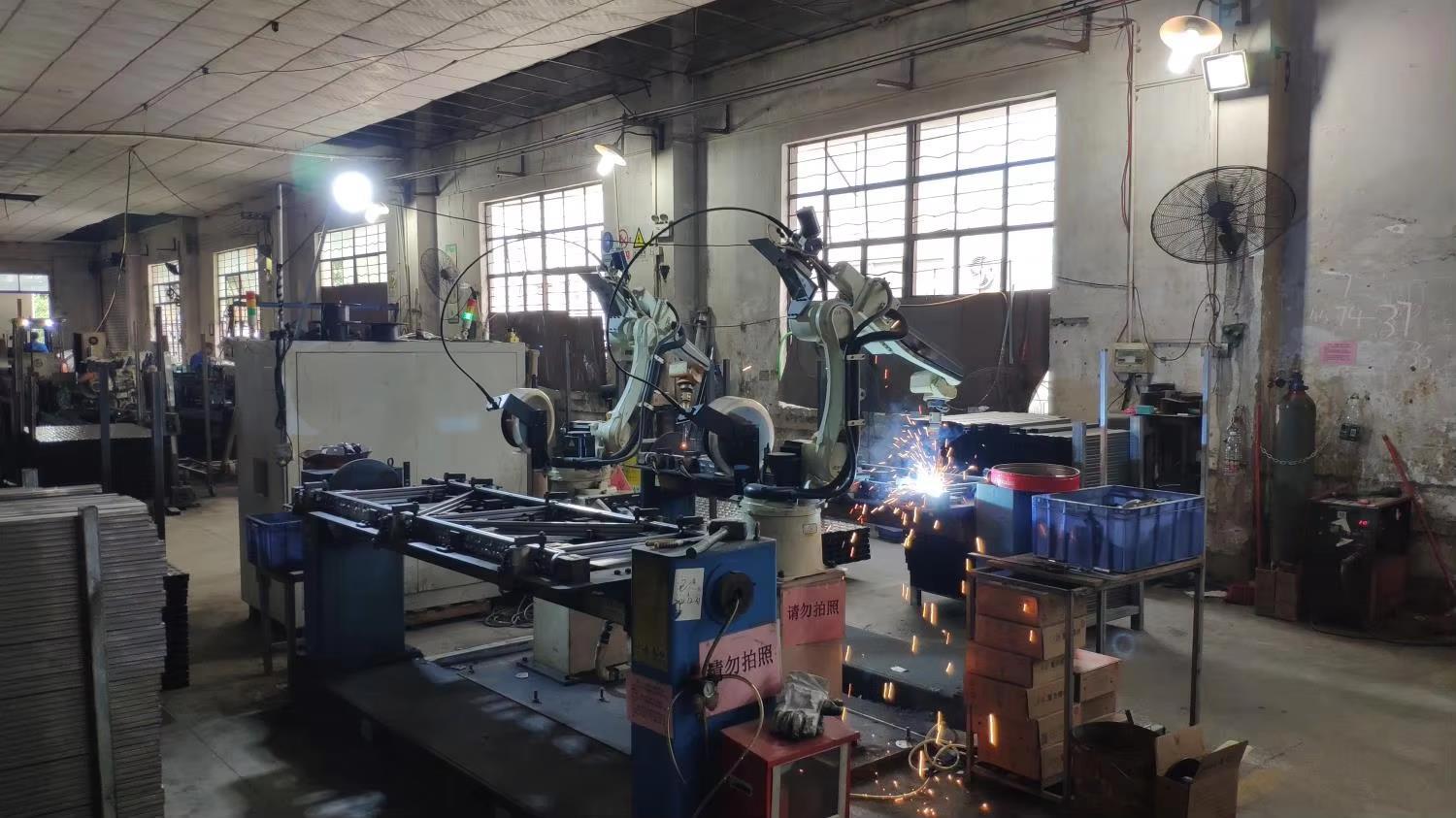
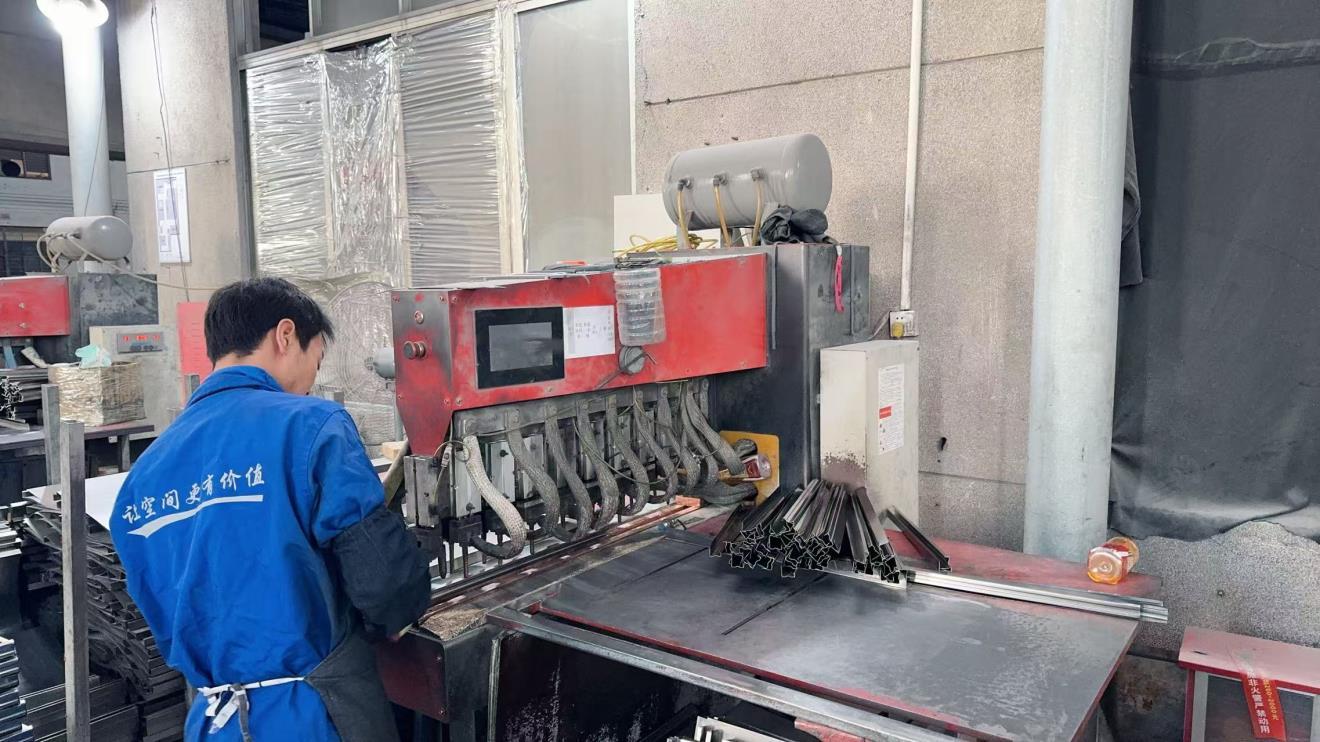
Why international procurement managers choose China-based production hubs like Kimsuk for large-scale warehouse rollouts.
The global industrial racking market has consolidated around key manufacturing clusters. China, particularly the Pearl River Delta industrial region in Guangdong, has become the global benchmark for steel storage fabrication. Choosing a Chinese factory like Dongguan Kimsuk Shelves Co., Ltd. offers critical supply chain advantages:
Our proximity to major domestic steel mills allows direct sourcing of certified high-grade structural carbon steel, primarily Q235B and Q355B. This steel features high yield strength and ductility, which is essential for heavy-duty racking columns that carry loads over 2,000 kg per pallet position. By sourcing raw materials directly, we avoid the middleman markups that inflate prices in western markets.
Static storage systems are rarely off-the-shelf. Global supply chains require customized rack heights, specialized load capacities, dynamic roll beds, seismic base plates, and corrosion-resistant finishes. With our 18 senior in-house R&D structural engineers, we develop bespoke blueprints, conduct FEA (Finite Element Analysis) testing, and produce physical prototypes. Last year alone, we engineered 120 new product models and modular storage enhancements to meet our clients' specific needs.
Our quality assurance program is managed by a team of 35 dedicated QA/QC inspectors. This system monitors every stage of production—from checking the incoming raw steel's thickness to testing structural load capacities and verifying the thickness of the powder coat. By implementing automated robotic MIG welding alongside ultrasonic weld testing, we ensure every weld joint is reliable and strong, minimizing the risk of structural failure in heavy industrial use.
We work with a verified ecosystem of over 850 supply chain partners. This network allows Kimsuk to easily scale up production for massive, fast-track logistics hub projects. This scalability guarantees that large orders can be manufactured, packed, and loaded into containers on time, reducing project delays.
How FIFO gravity flow and high-density racking systems are integrated into global logistics infrastructures.
Industrial storage configurations must match the operational requirements of each sector. Different industries rely on FIFO racking to keep their operations moving:
Operating cold storage facilities is expensive. Maximizing spatial volume is critical to reducing energy consumption. FIFO racking systems provide high-density storage that minimizes empty space. The automated gravity flow design operates reliably in sub-zero temperatures (down to -30°C) without complex electronics or sensors that can fail in extreme cold.
Traceability and lot control are strictly regulated in the pharmaceutical sector. Racks must ensure that older batches are picked before newer shipments. Our FIFO racking designs physically enforce this stock rotation, protecting product integrity and helping facilities comply with global GMP (Good Manufacturing Practice) standards.
For high-turnover fulfillment centers, throughput speed is everything. Splitting pick and replenishment aisles keeps forklift traffic organized. Pickers can pull products from the picking face continuously without facing interruptions from loading crews, which helps keep daily operations running smoothly.
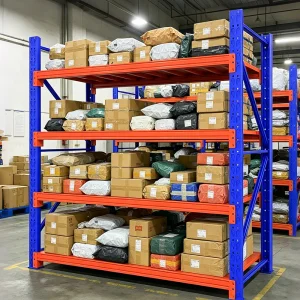
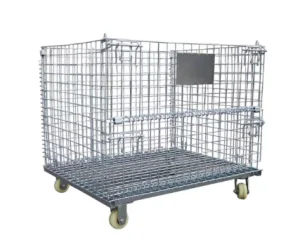
Automotive assembly lines require consistent delivery of parts. Our heavy-duty wire mesh pallets and steel rack structures are built to handle heavy engines, gearboxes, and metal stampings, protecting critical assembly components from damage.
Strategic movements shaping the future of supply chain storage, material handling, and automation.
The warehousing landscape is shifting from manual material handling to automated systems. Businesses must design their facilities with the future in mind:
Get answers to common technical, structural, and logistical questions about FIFO racking systems.
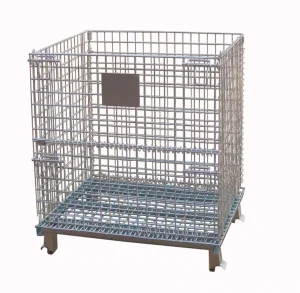
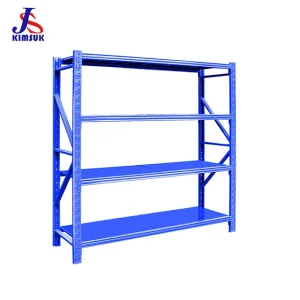
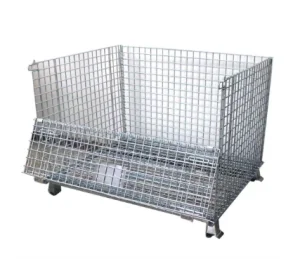
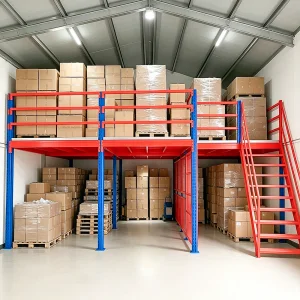
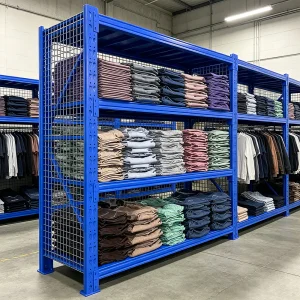
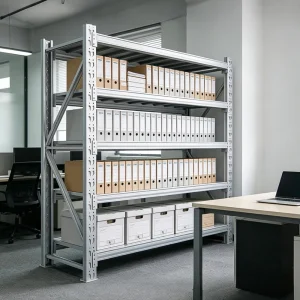
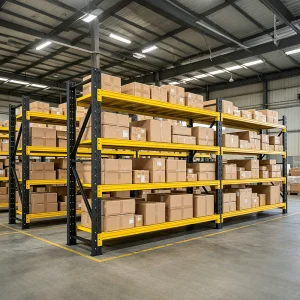
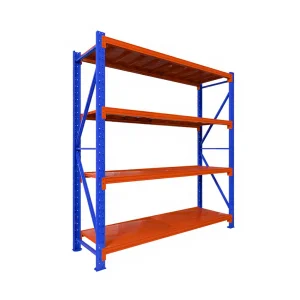
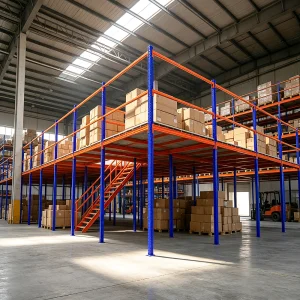
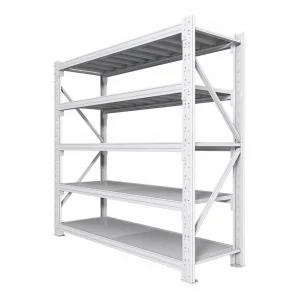
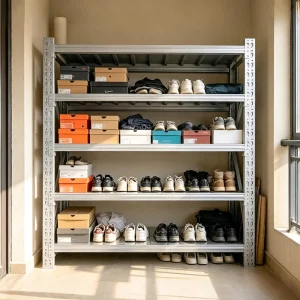
Complete your warehouse configuration with our full line of stackable wire cages, heavy-duty shelving units, and modular steel mezzanines.
 Kimsuk Steel