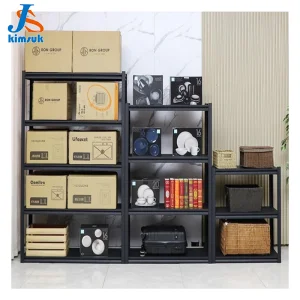
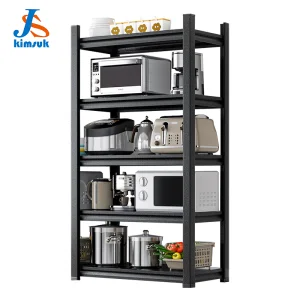
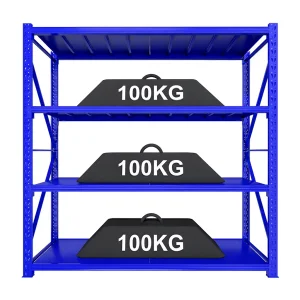
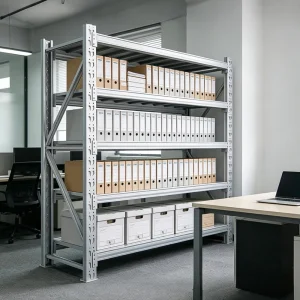
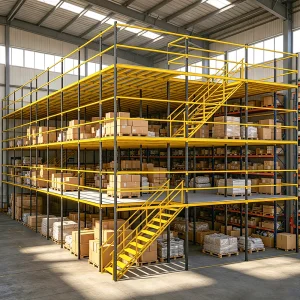
Explore our engineering-first industrial racking systems, configured for maximum load capacity, spatial optimization, and absolute site safety.
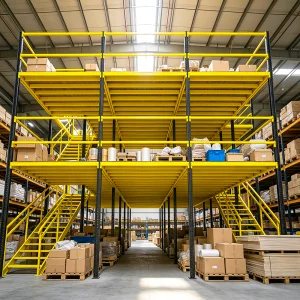
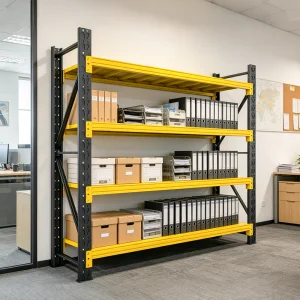
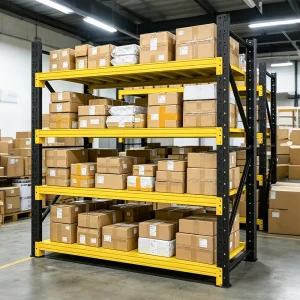
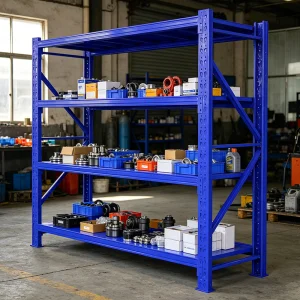
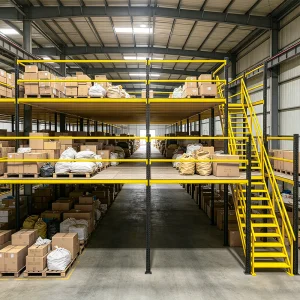
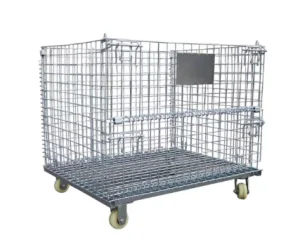
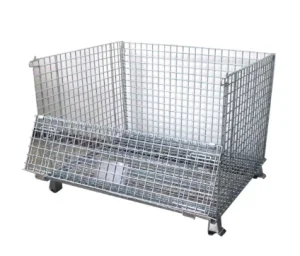
An engineering whitepaper on space efficiency, dynamic load calculations, and global supply chain integration.
Modern supply chain footprints demand multi-dimensional layout planning. As industrial real estate costs rise, traditional selective racking is no longer sufficient. Enterprise operations require systems that support both heavy pallet storage and high-frequency manual picking within the same vertical footprint.
Mixed-Use Racking Systems bridge this gap. By integrating heavy pallet storage at upper levels with selective manual picking flow systems, cantilever racks, or mezzanine lofts below, engineers can maximize spatial footprint utilization by up to 65%.
Our structures conform to international standards including RMI (ANSI MH16.1), EN 15512, and AS4084-2012. We utilize cold-rolled high-tensile steel (Q235B and Q355B) to ensure optimal load deflection ratios (under L/200) under maximum load capacity limits.
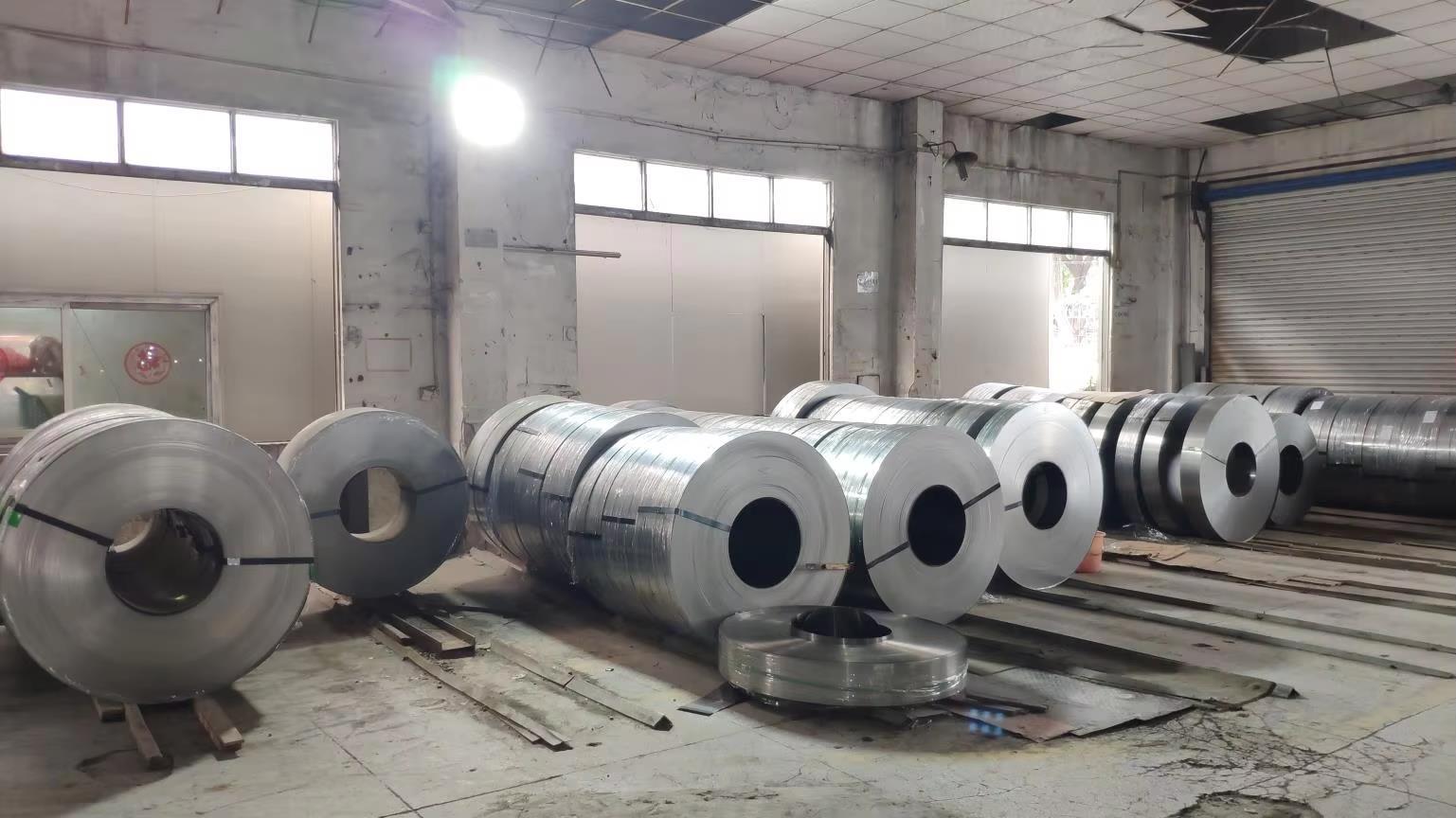
A global standard manufacturing powerhouse specializing in heavy-duty industrial racking and storage integration.
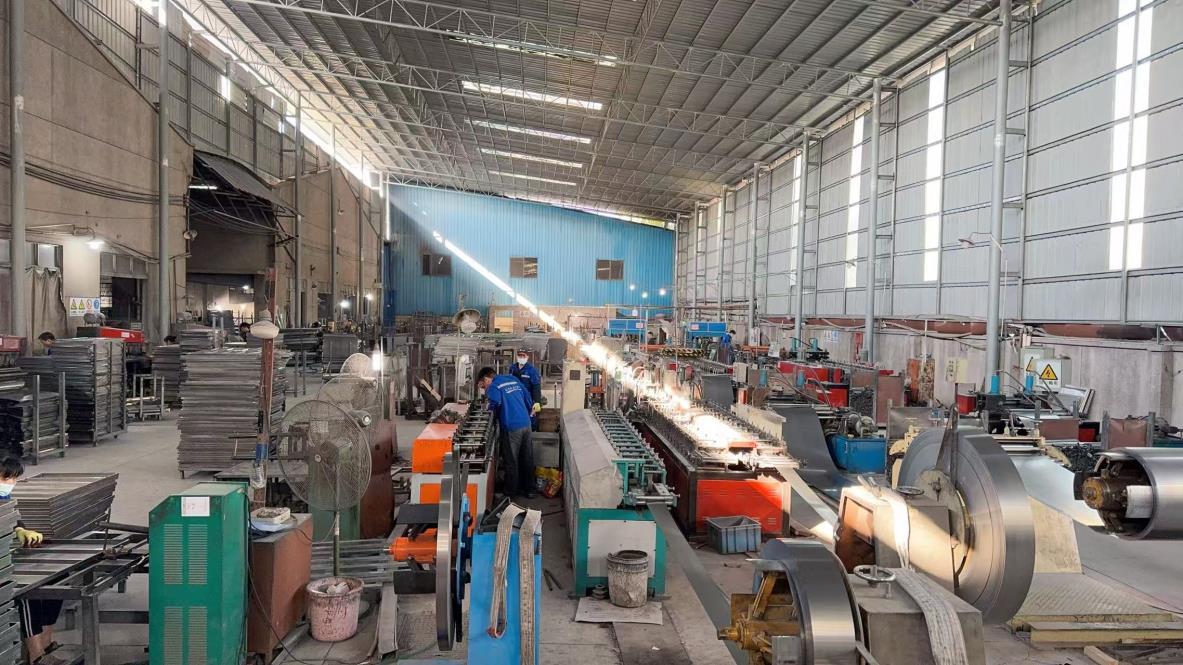
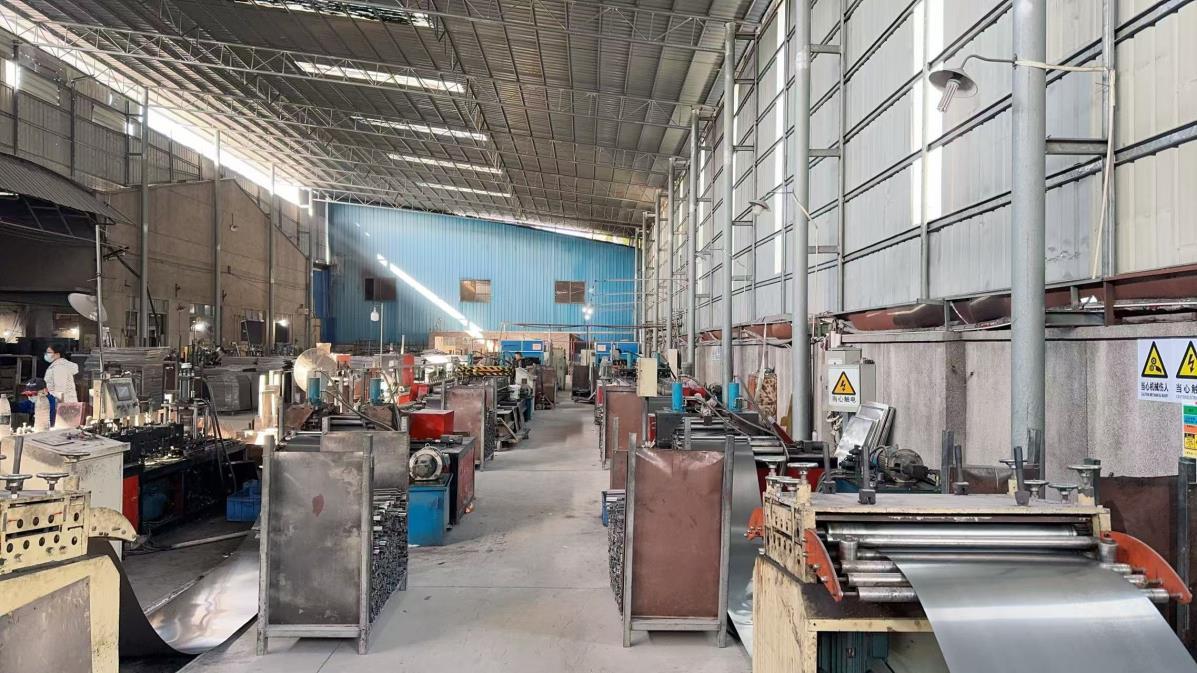
Established in 2015, Dongguan Kimsuk Shelves Co., Ltd. is a leading manufacturer specializing in the design, engineering, and production of heavy-duty industrial shelving and warehouse storage systems. Operating from a modern production facility spanning 32,000 square meters, we have grown into a trusted global supply chain partner with 11 years of industry expertise and 8 years of direct international export experience. Driven by robust manufacturing capability, our annual export revenue reaches $18 million, serving clients across key international markets, including North America, Europe, Southeast Asia, and the Middle East.
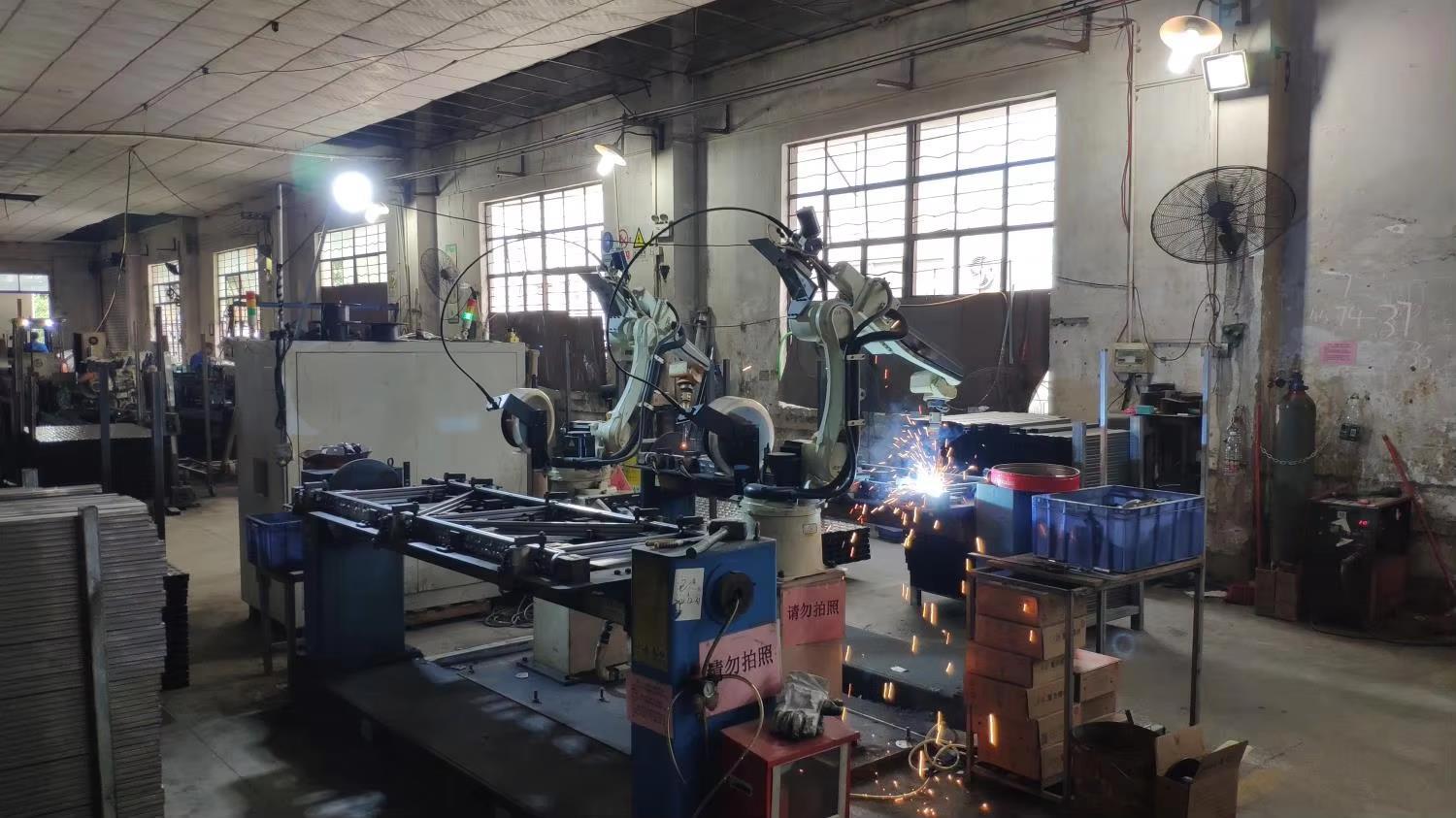
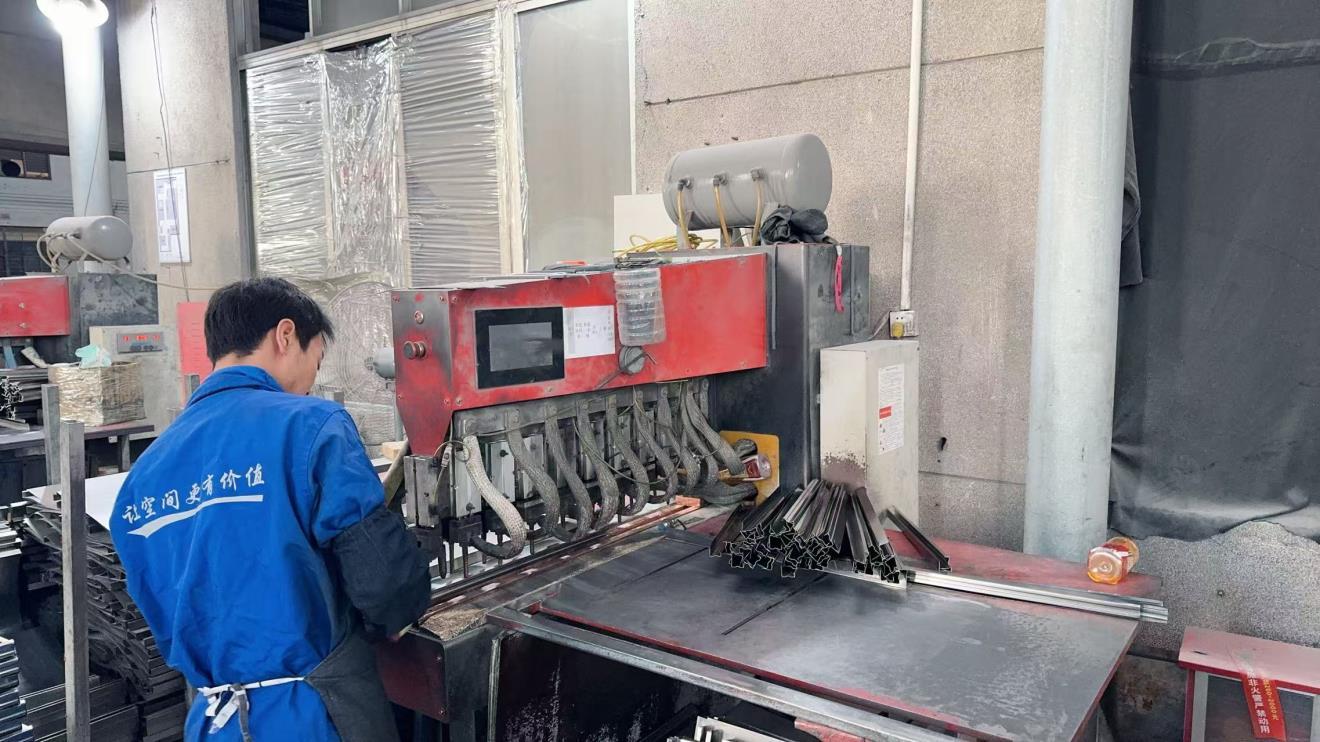
Quality and precise engineering are at the core of our operations. We maintain a strict Quality Assurance protocol supported by a dedicated team of 35 QA/QC inspectors. Our comprehensive product inspection methods combine automated non-destructive testing, raw material tensile testing, load-bearing stress evaluations, and precision powder-coating thickness measurements. Supported by an extensive network of over 850 verified supply chain partners, we consistently deliver reliable, high-integrity racking systems to a diverse client portfolio, ranging from large-scale logistics hubs and third-party logistics (3PL) providers to industrial manufacturing facilities and commercial retail distributors.
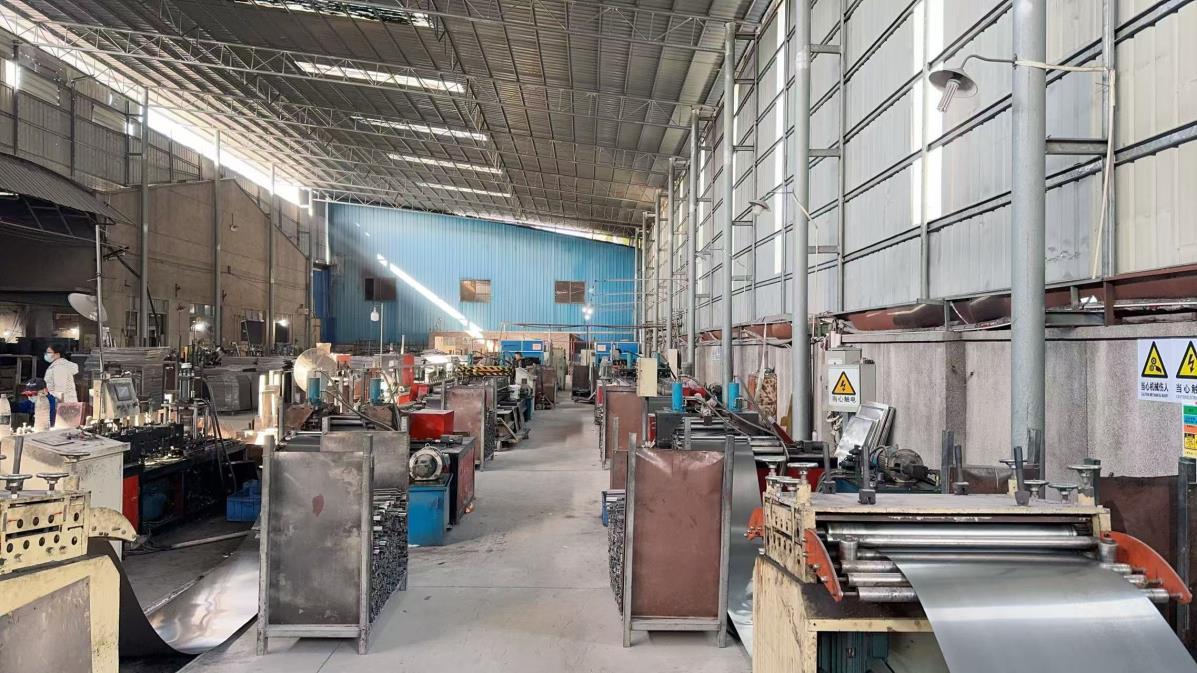
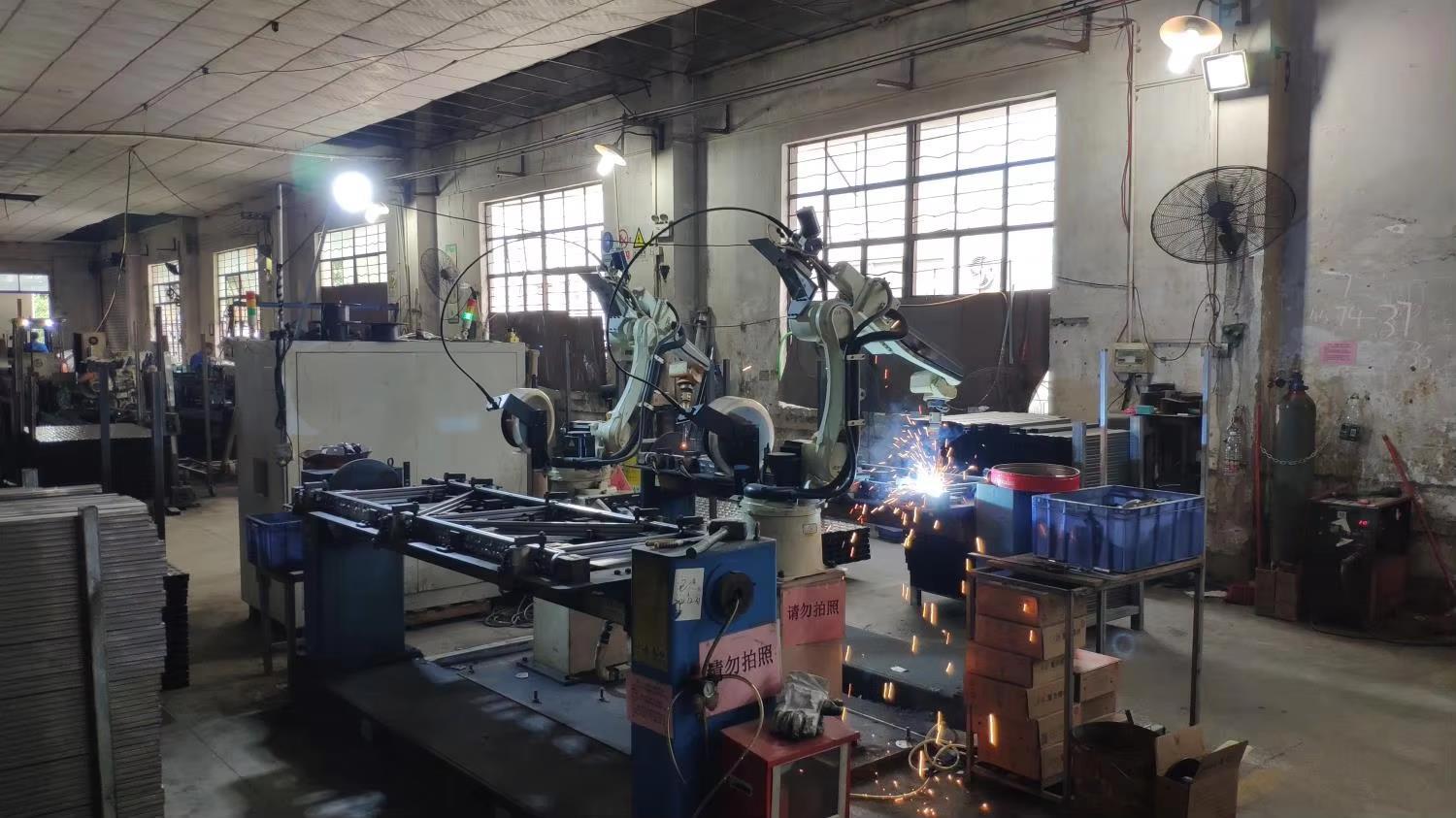
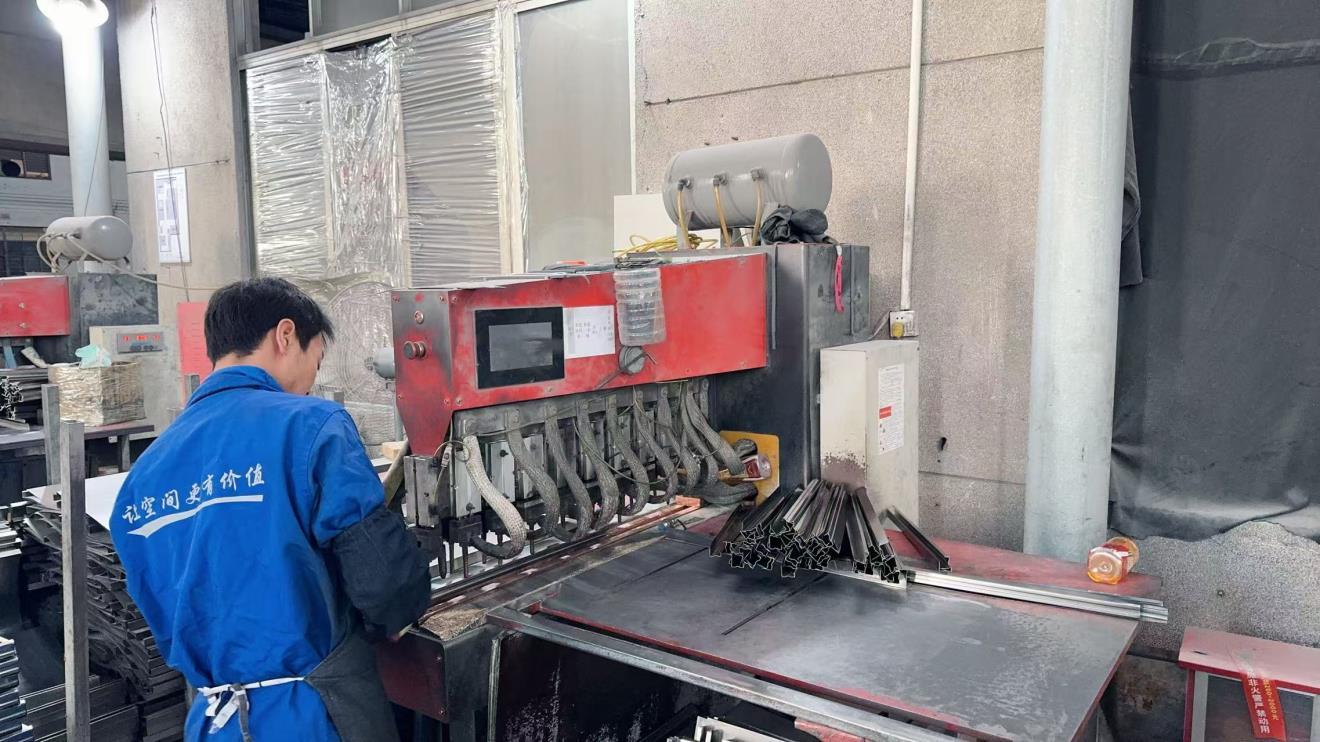
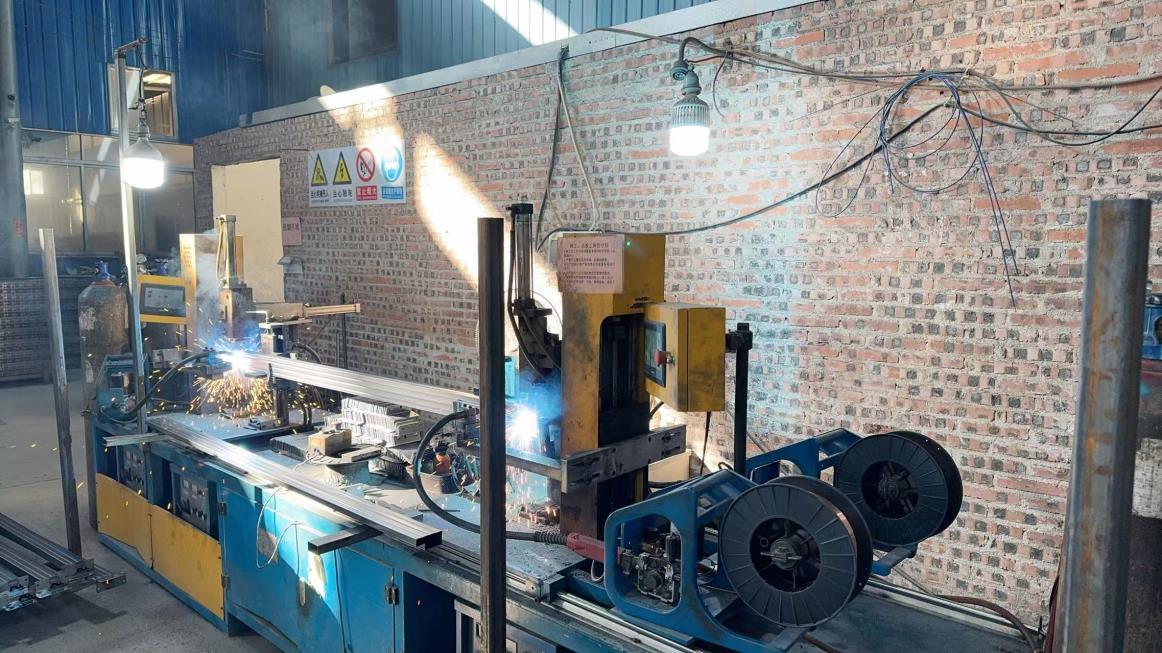
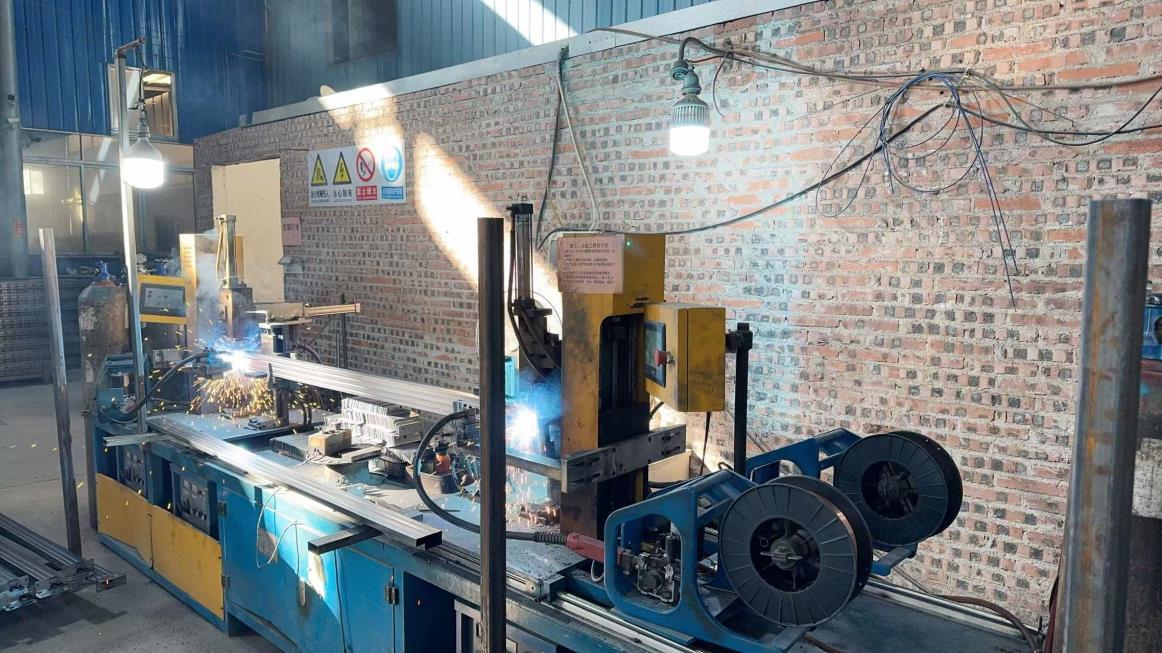
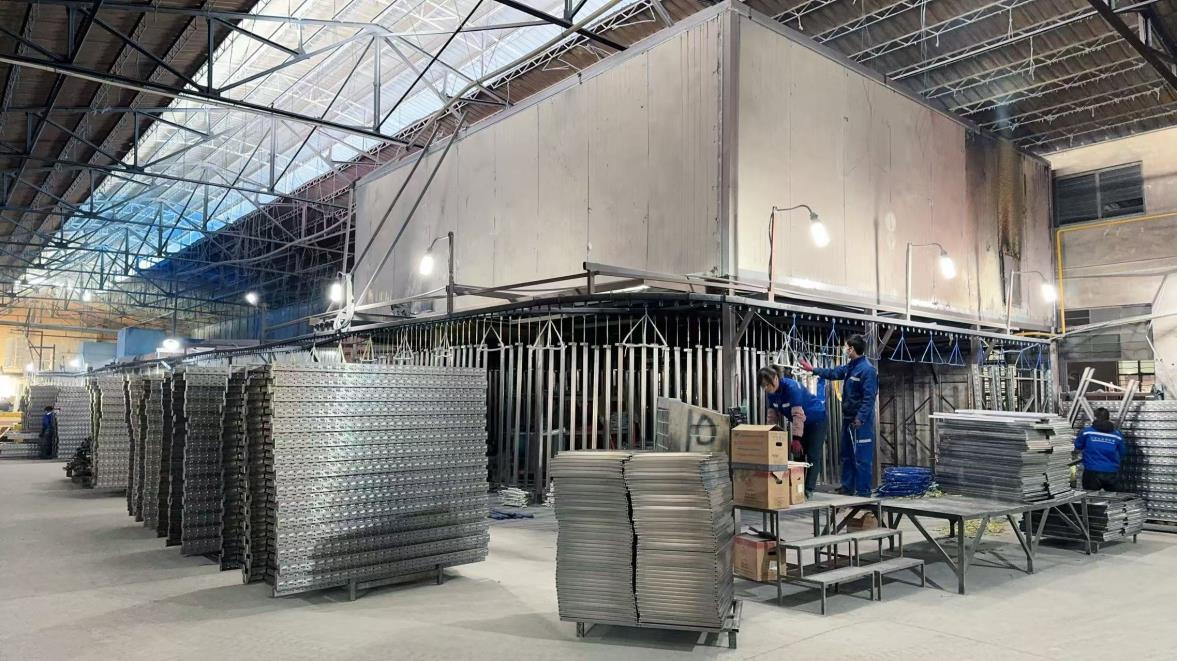
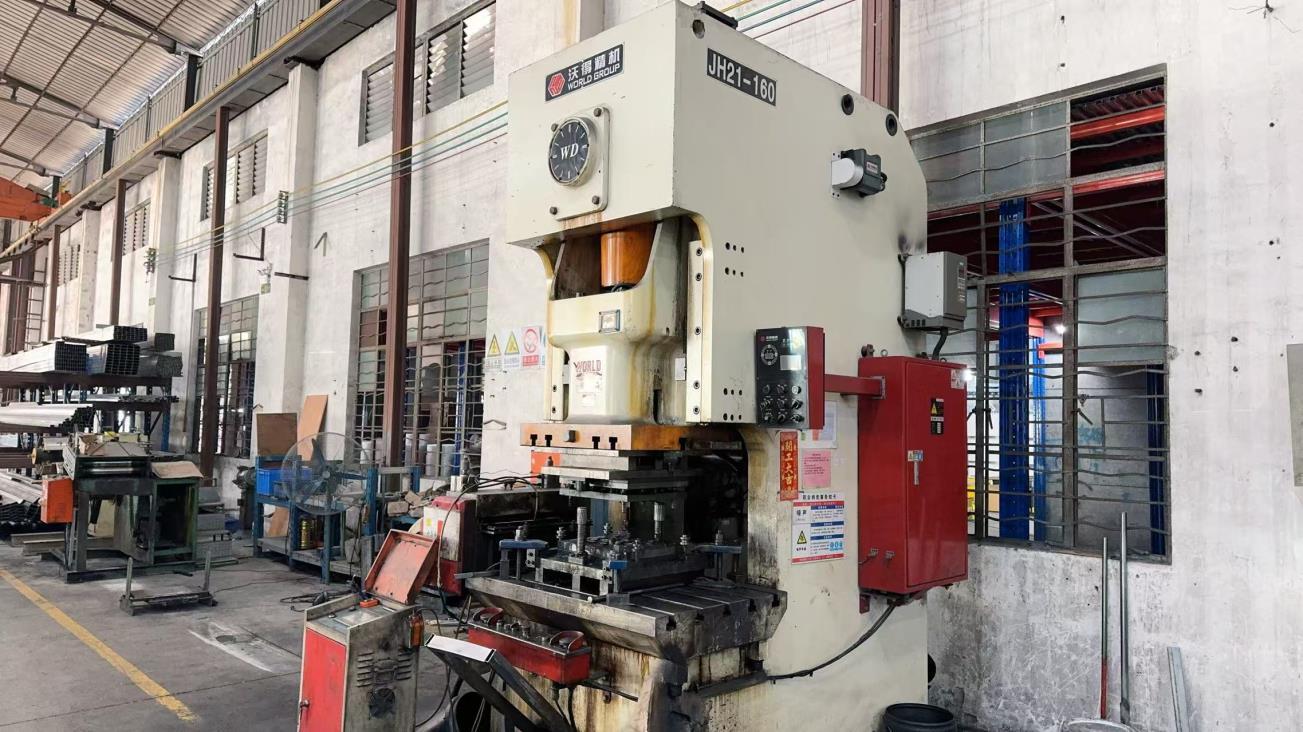
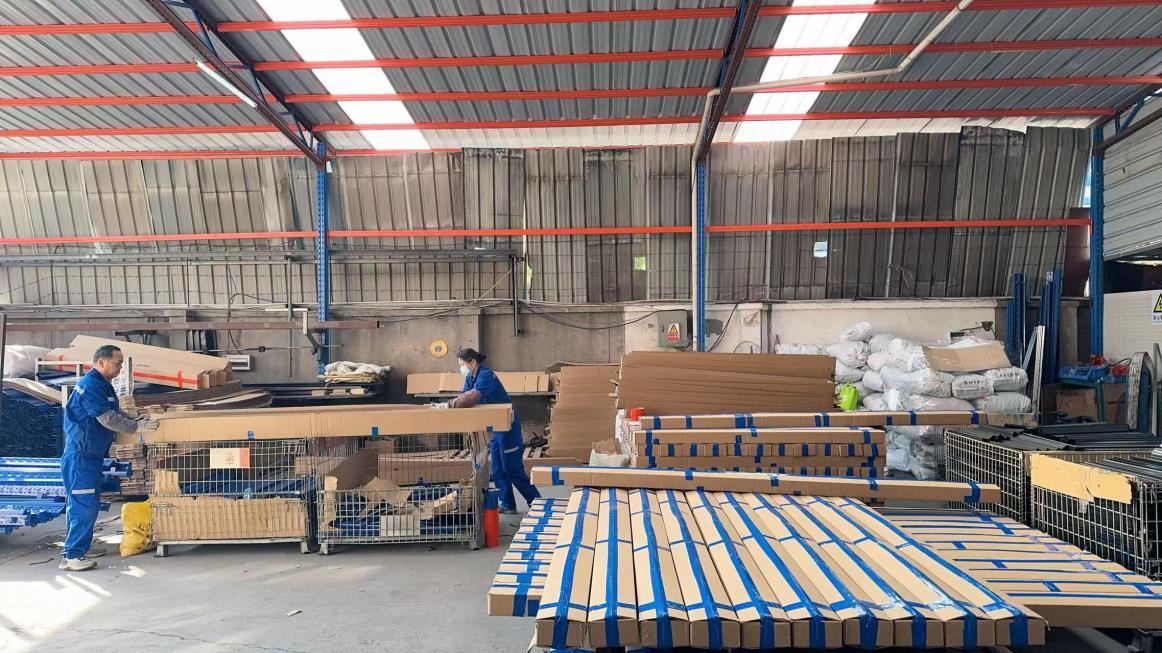
Step-by-step visual documentation of our automated production line, ensuring dimensional consistency and structural integrity across every structural member.
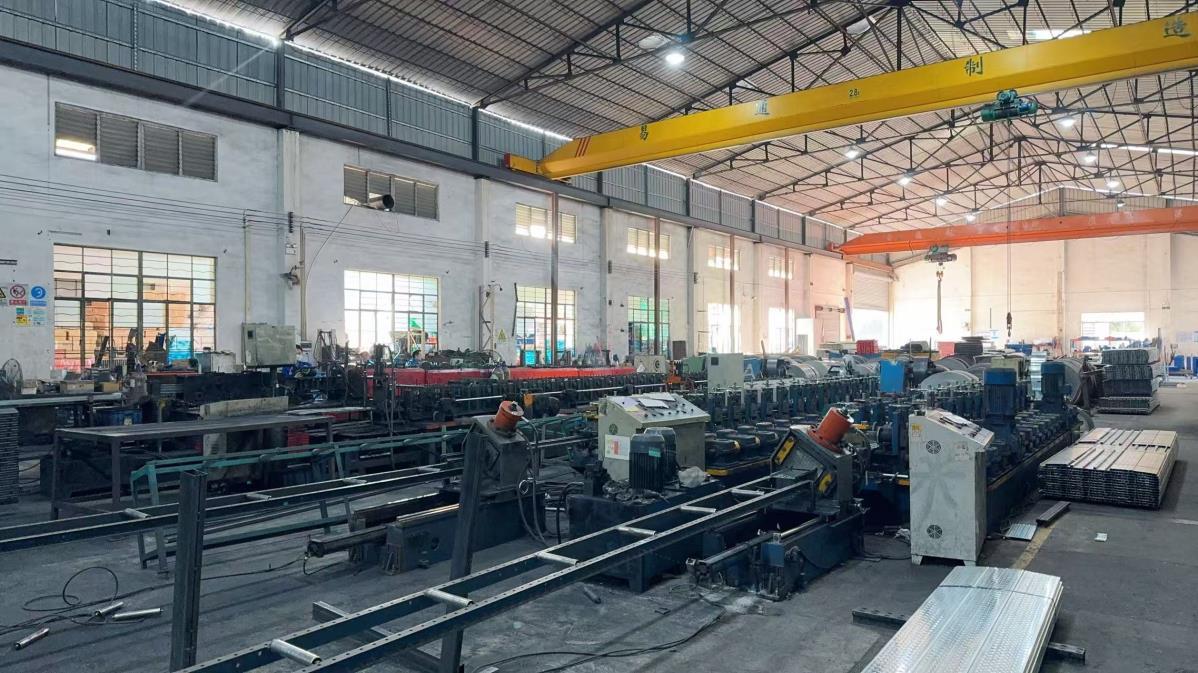
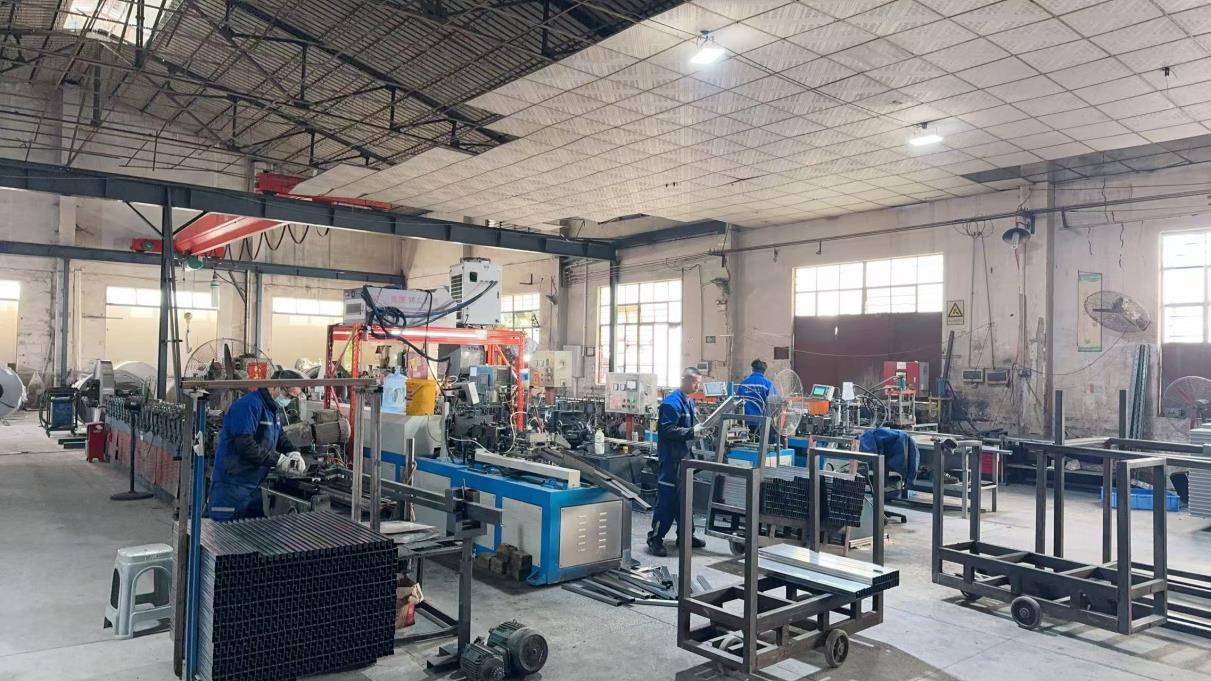
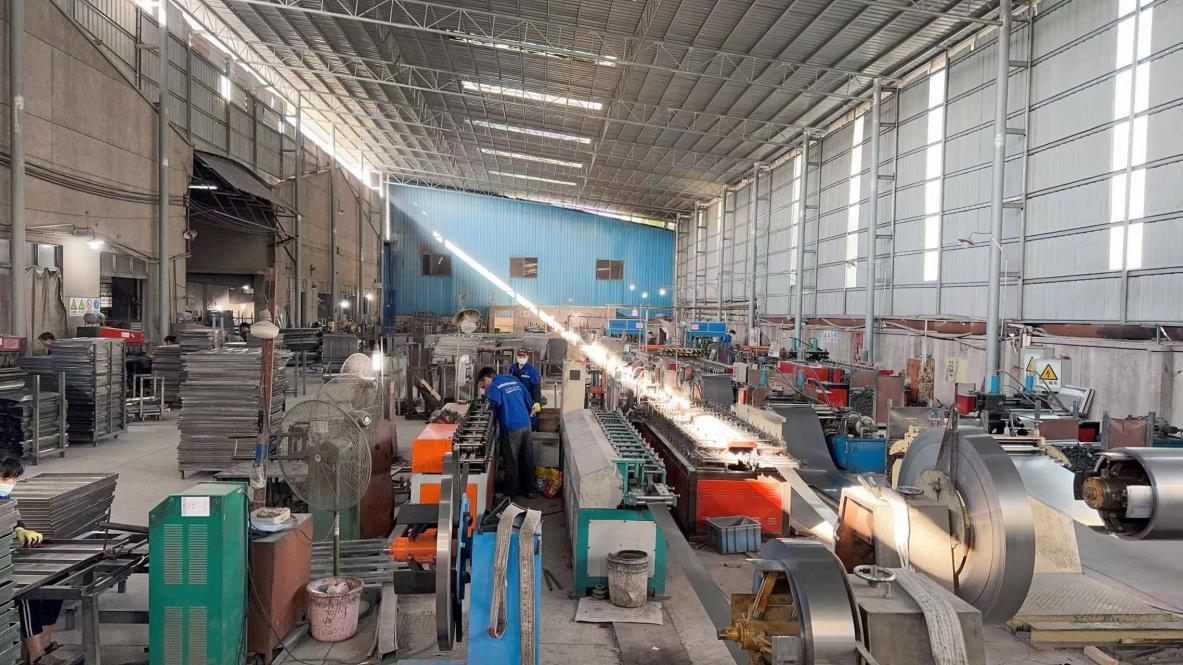
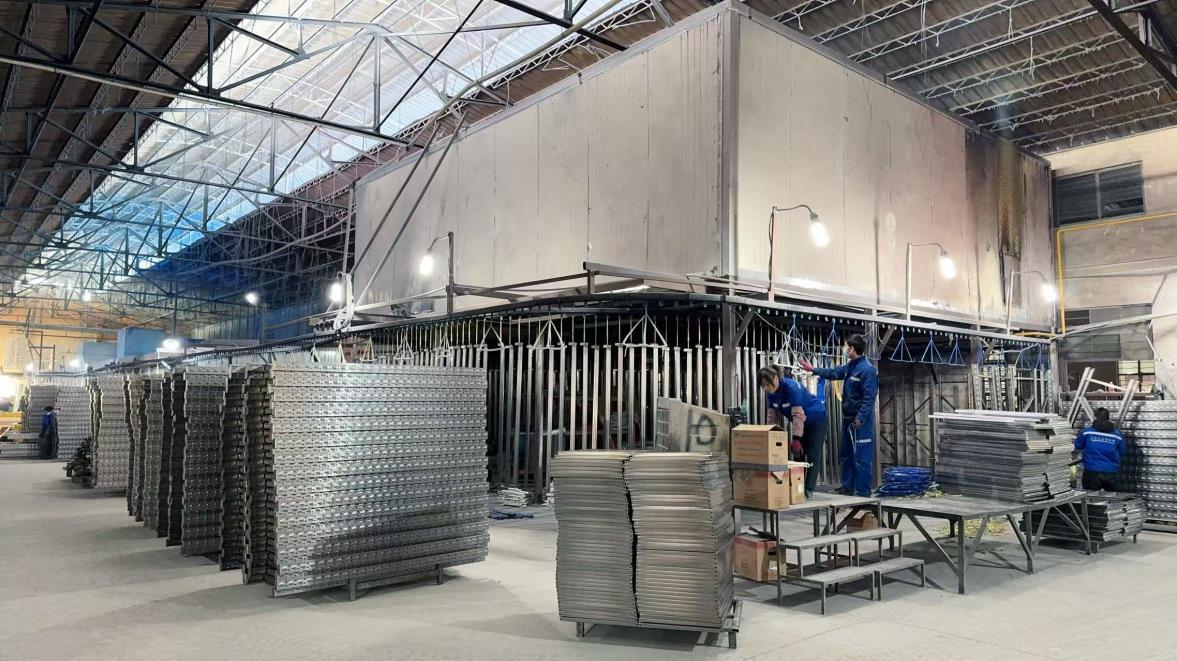
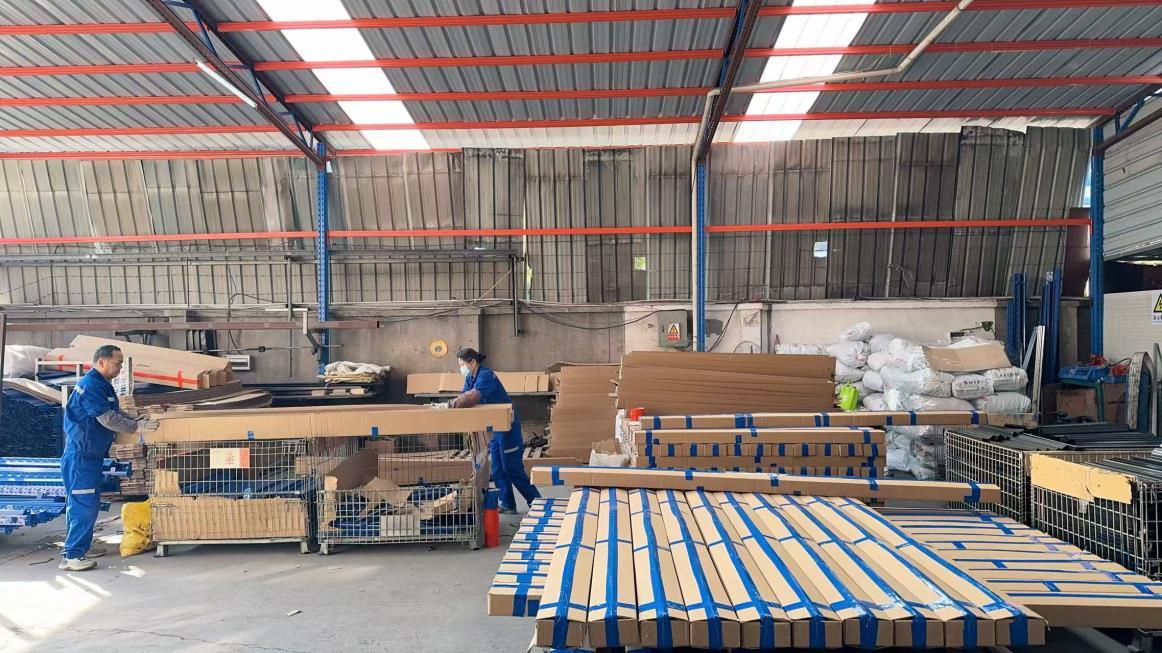
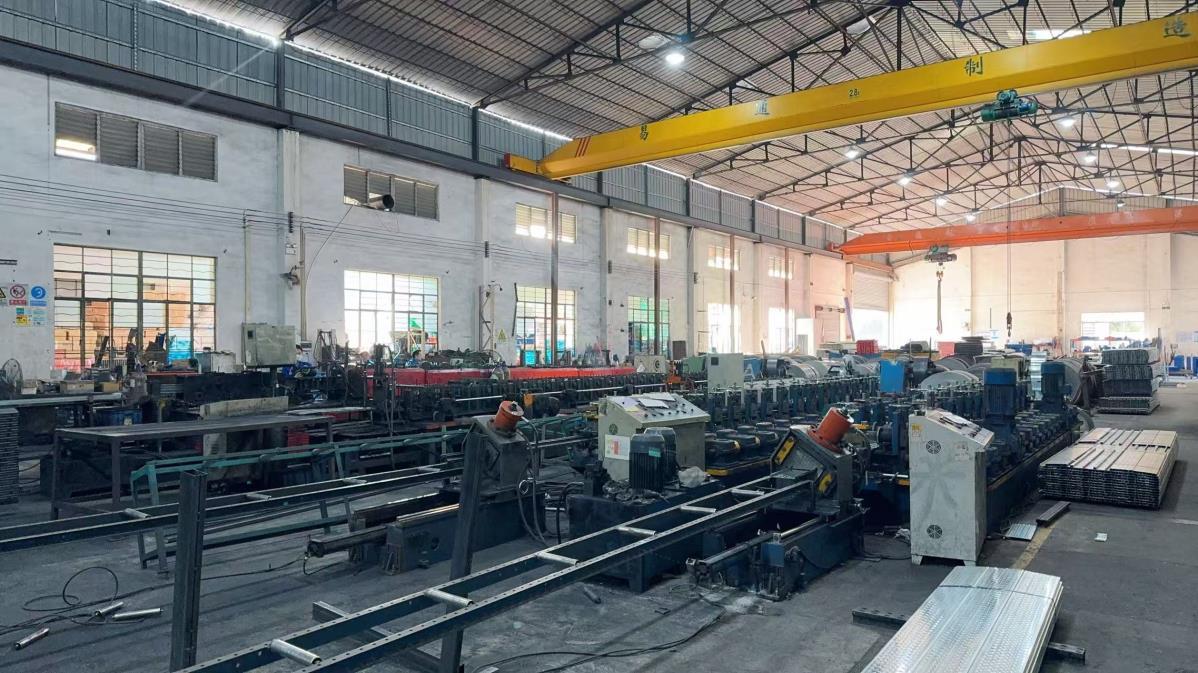
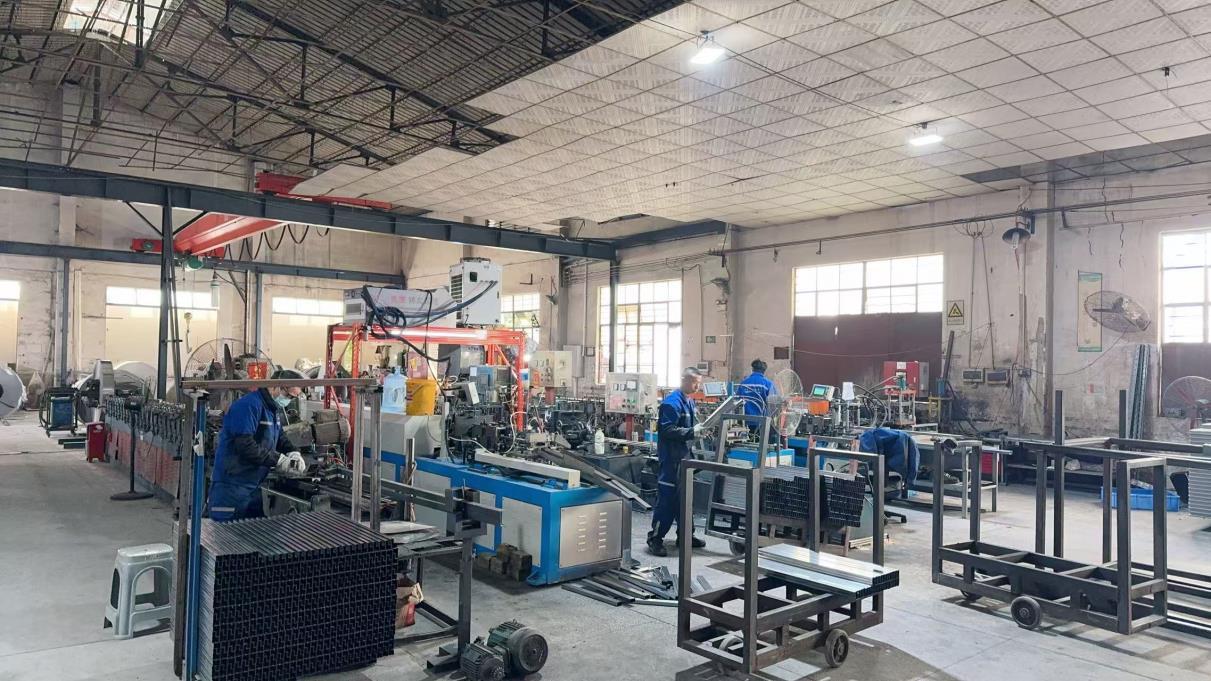
How Kimsuk designs custom loading solutions that meet specific regional structural guidelines and industrial applications.
Utilizing high-grade hot-dip galvanized finishes and structural steel alloys that prevent hydrogen embrittlement. Engineered to operate flawlessly in temperatures as low as -40°C.
Incorporating heavy-duty base plates, customized frame bracing configurations, and high-tensile floor anchors designed in accordance with seismic site classifications (SDF zones A through F).
Strict structural tolerance controls ensure seamless integration with automated guided vehicles (AGVs), stacker cranes, and high-density shuttle racking systems.
Innovation drives our development. Our R&D team of 18 specialists continuously refines structural components to align with next-generation distribution demands.
Our engineering roadmap focuses on embedding strain gauges and IoT sensors directly within major load-bearing structural uprights. This allows logistics operators to monitor real-time deflection, loading imbalances, and seismic impacts through localized control panels or integrated WMS interfaces, mitigating structural overload before a failure occurs.
We are transitioning our complete coating lineup to eco-friendly, zero-VOC electrostatic powder formulas. In addition, our manufacturing line updates aim to reduce energy consumption per metric ton of processed steel by 18% over the next two years, supporting global ESG directives for multi-national procurement groups.
How we ensure seamless, legal, and safe deployment across international borders.
All load tables, frame capacities, and beam calculations are backed by certified testing reports from independent testing laboratories. We align structural engineering parameters directly with localized regulations to ensure passing inspection results during local warehouse facility commissioning.
Uprights and beams are bundled using high-durability steel straps, plastic wraps, and custom structural block separation to prevent transit abrasion. This minimizes damage and rust risk during ocean transport, ensuring materials arrive ready for direct installation.
Every production batch includes full mill certificates (MTC) trace-linked to the sourcing steel mill. We guarantee chemical composition (Carbon, Manganese, Silicon content) and mechanical properties meet structural requirements, ensuring safety and durability under load.
Detailed technical answers addressing common procurement, structural engineering, and logistics planning inquiries.
Explore the remainder of our engineered product range, optimized for durability, versatility, and easy installation.
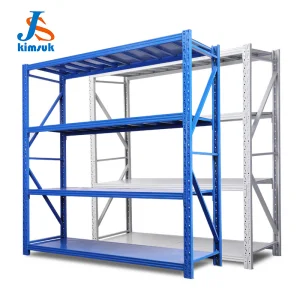
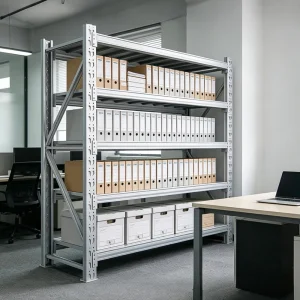
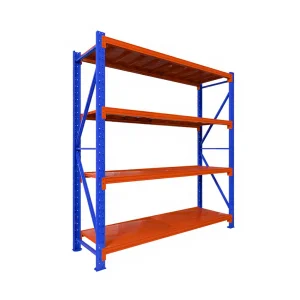
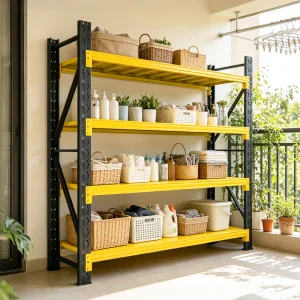
 Kimsuk Steel