Engineered structural platforms and high-load capacity systems optimized for logistics hubs and manufacturing facilities.
Analyzing Structural Performance, Dynamic Stress Vectors, and Warehouse Densification Strategies.
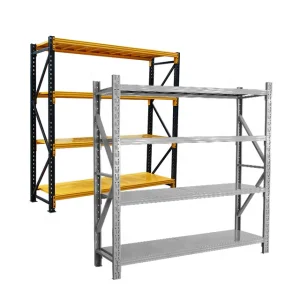
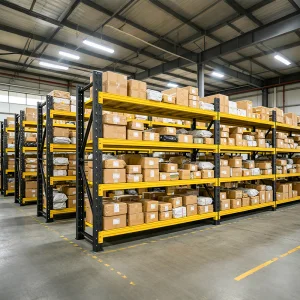
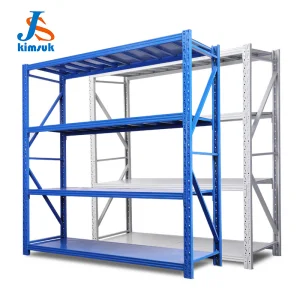
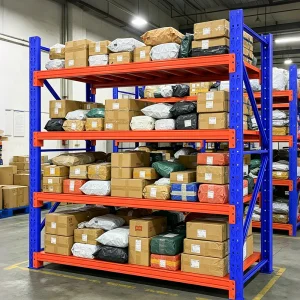
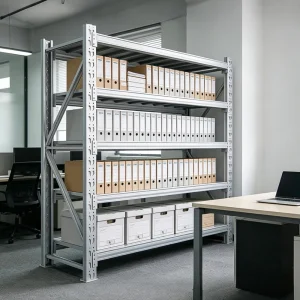
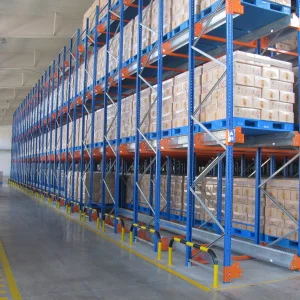
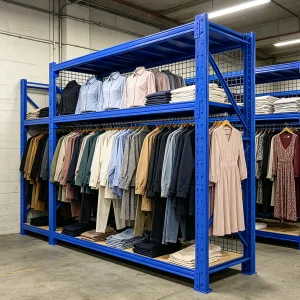
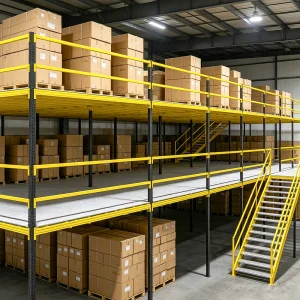
In modern supply chain management, warehousing is no longer classified as merely a storage function. Instead, it acts as a critical hub for high-velocity distribution, automated fulfillment, and strategic inventory buffers. As land prices continue to soar globally, the cost footprint of industrial real estate forces enterprise logisticians to seek maximum vertical capacity. The implementation of structural steel mezzanine platforms and heavy-duty adjustable shelving systems is the most reliable method for achieving this densification. High-performance racking systems optimize cubic floor space efficiency, boosting storage yield by 100% to 300% without altering the warehouse's physical footprint.
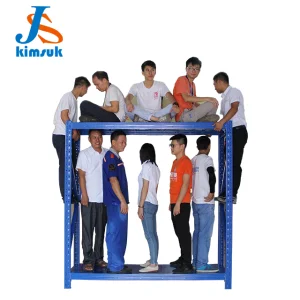
However, scaling upwards dramatically alters the static and dynamic stress requirements of physical infrastructure. Heavy-duty platforms must withstand not only high load capacities (often exceeding 1,000kg to 5,000kg per bay) but also dynamic loads from forklifts, automated guided vehicles (AGVs), and seismic activities. This necessitates rigorous mechanical engineering, precise cold-rolled steel profiling, and high-integrity robotic welding to prevent structural failures that could trigger supply chain disruptions.
Key Design Principle: The load-bearing integrity of a heavy-duty platform relies heavily on structural cold-rolled steel profiling, dynamic finite element analysis (FEA), and standardized locking mechanisms to guarantee worker safety and equipment resilience.
At the core of every high-load racking solution lies steel selection. High-grade Q235B and Q345B steel alloys are standard in China's top heavy-duty platform factories. The microstructural density of these alloys provides superior yield strength and elongation limits, ensuring the system can deform plastically without experiencing brittle fractures under accidental overloading. Automated punch-pressing forms columns with high-precision pitch patterns, enabling flexible modular configuration while preserving structural rigidity.
Furthermore, surface treatment processes like multi-stage chemical pretreatment, phosphating, and electrostatic powder coating are crucial. Industrial environments expose steel frames to moisture, corrosive chemical fumes, and abrasive friction from wooden and plastic pallets. Top-tier factories utilize epoxy-polyester thermosetting coatings cured at 200°C to achieve a durable shell that resists micro-fracturing and corrosion over decades of continuous operation.
Industrial Manufacture and Global Supply Chain Authority of Custom Heavy-Duty Racking Systems.
Established in 2015, Dongguan Kimsuk Shelves Co., Ltd. is a leading manufacturer specializing in the design, engineering, and production of heavy-duty industrial shelving and warehouse storage systems. Operating from a modern production facility spanning 32,000 square meters, we have grown into a trusted global supply chain partner with 11 years of industry expertise and 8 years of direct international export experience. Driven by robust manufacturing capability, our annual export revenue reaches $18 million, serving clients across key international markets, including North America, Europe, Southeast Asia, and the Middle East.
Quality and precise engineering are at the core of our operations. We maintain a strict Quality Assurance protocol supported by a dedicated team of 35 QA/QC inspectors. Our comprehensive product inspection methods combine automated non-destructive testing, raw material tensile testing, load-bearing stress evaluations, and precision powder-coating thickness measurements. Supported by an extensive network of over 850 verified supply chain partners, we consistently deliver reliable, high-integrity racking systems to a diverse client portfolio, ranging from large-scale logistics hubs and third-party logistics (3PL) providers to industrial manufacturing facilities and commercial retail distributors.
Innovation drives our growth. Our in-house R&D team consists of 18 senior structural and engineering specialists capable of delivering full OEM/ODM custom solutions. From tailored rack dimensions and heavy load capacities to specialized seismic-resistant structures and anti-corrosion surface finishes, we turn complex warehousing requirements into optimal designs. Demonstrating our continuous drive for innovation, we successfully developed and launched 120 new product models and modular storage enhancements last year alone. At Dongguan Kimsuk Shelves Co., Ltd., we remain committed to maximizing warehouse space efficiency and delivering long-term value to our global partners.
A visual walkthrough of our high-precision processing flow, featuring advanced robotic automation and robust QC protocols.
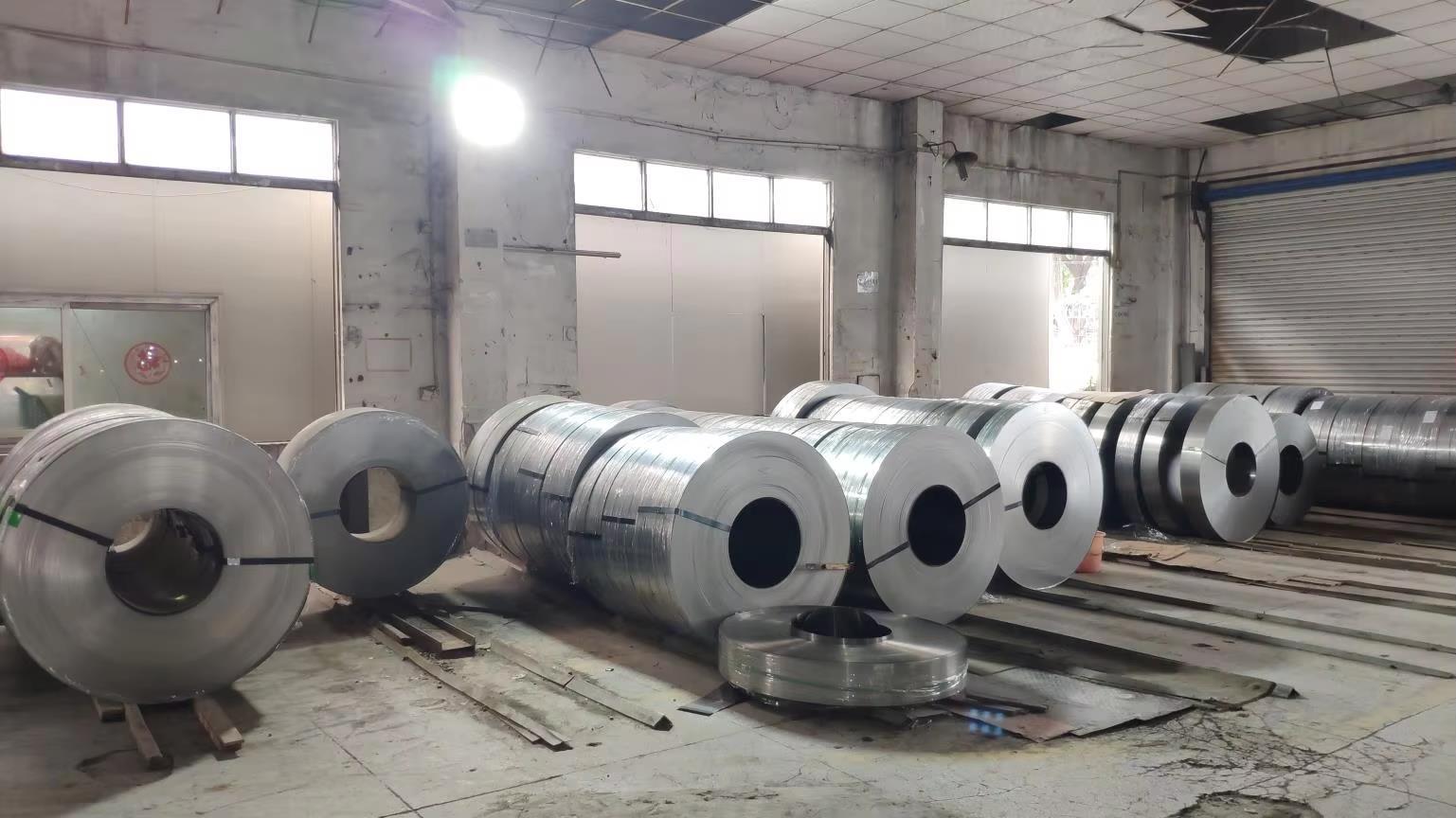
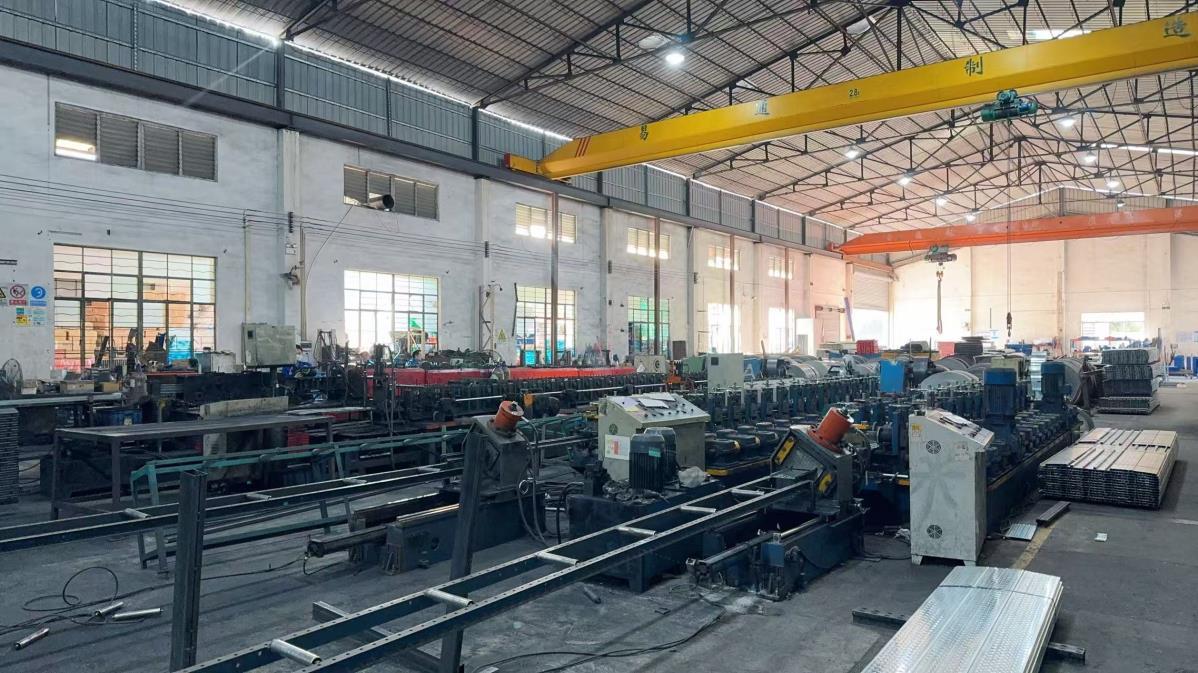
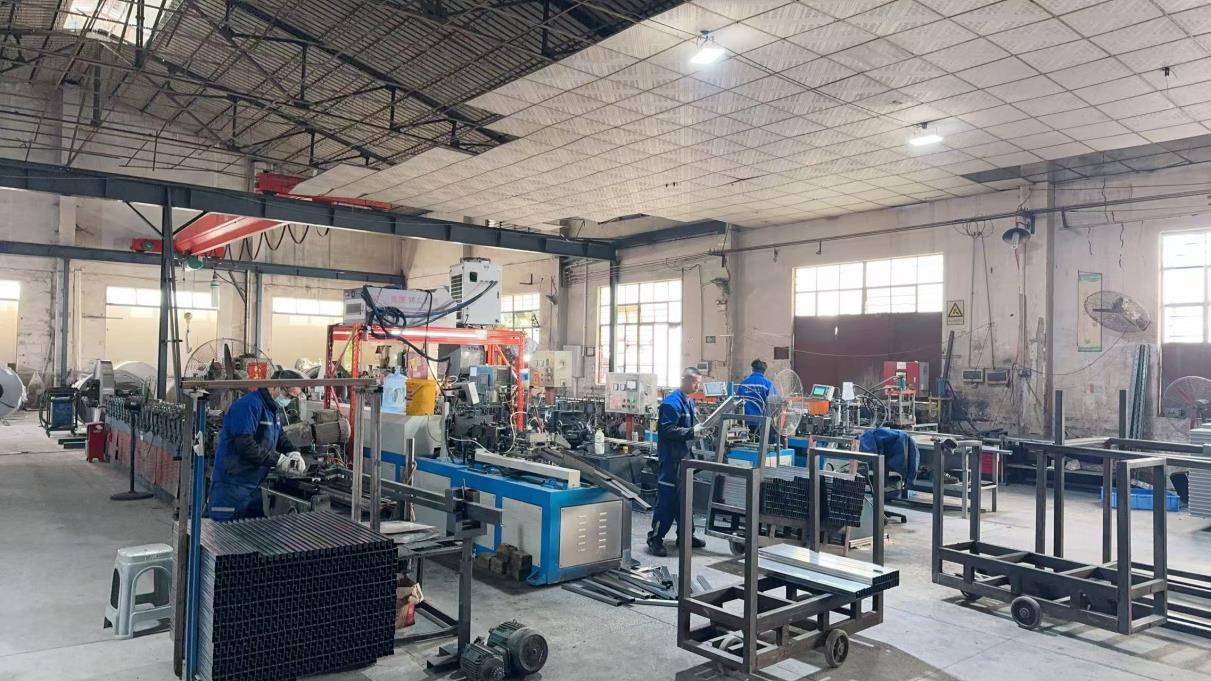
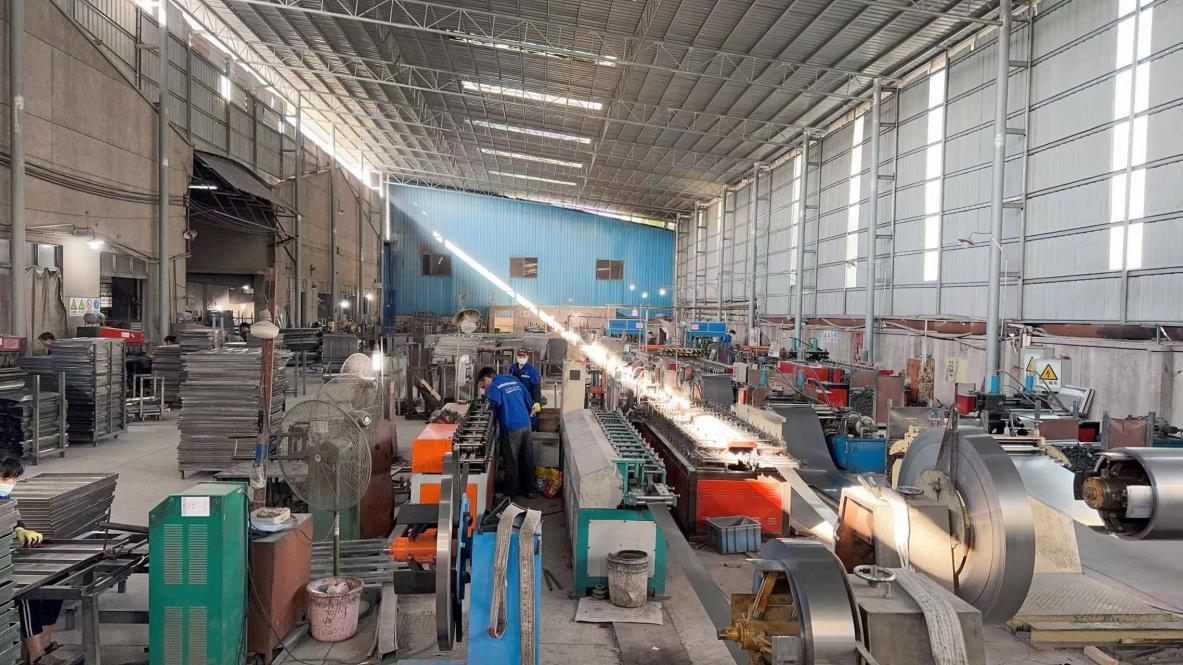
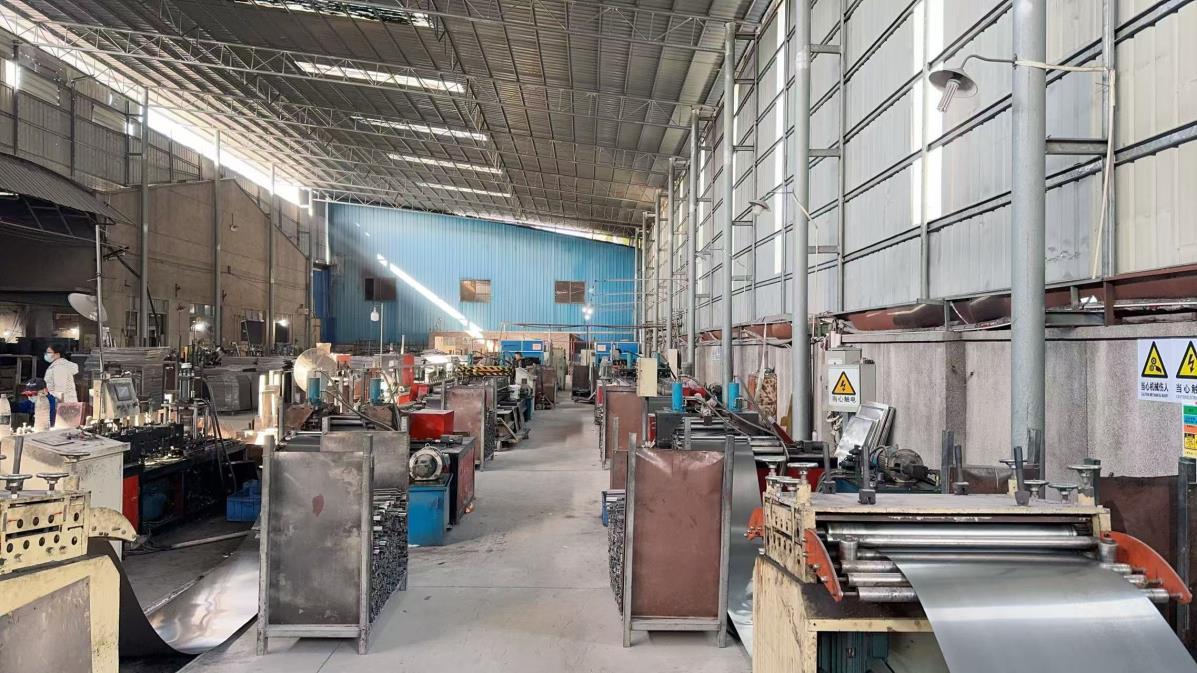
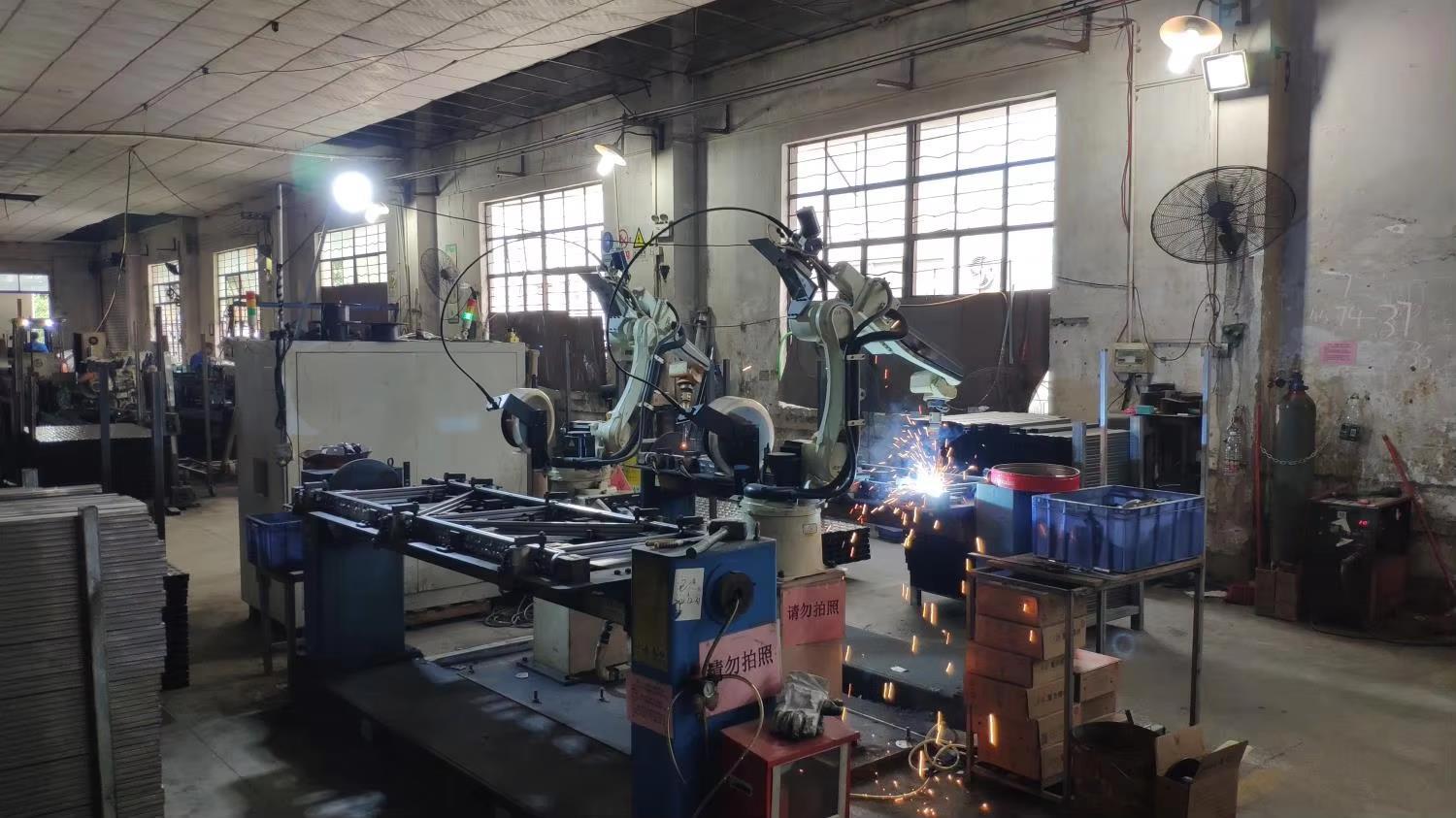
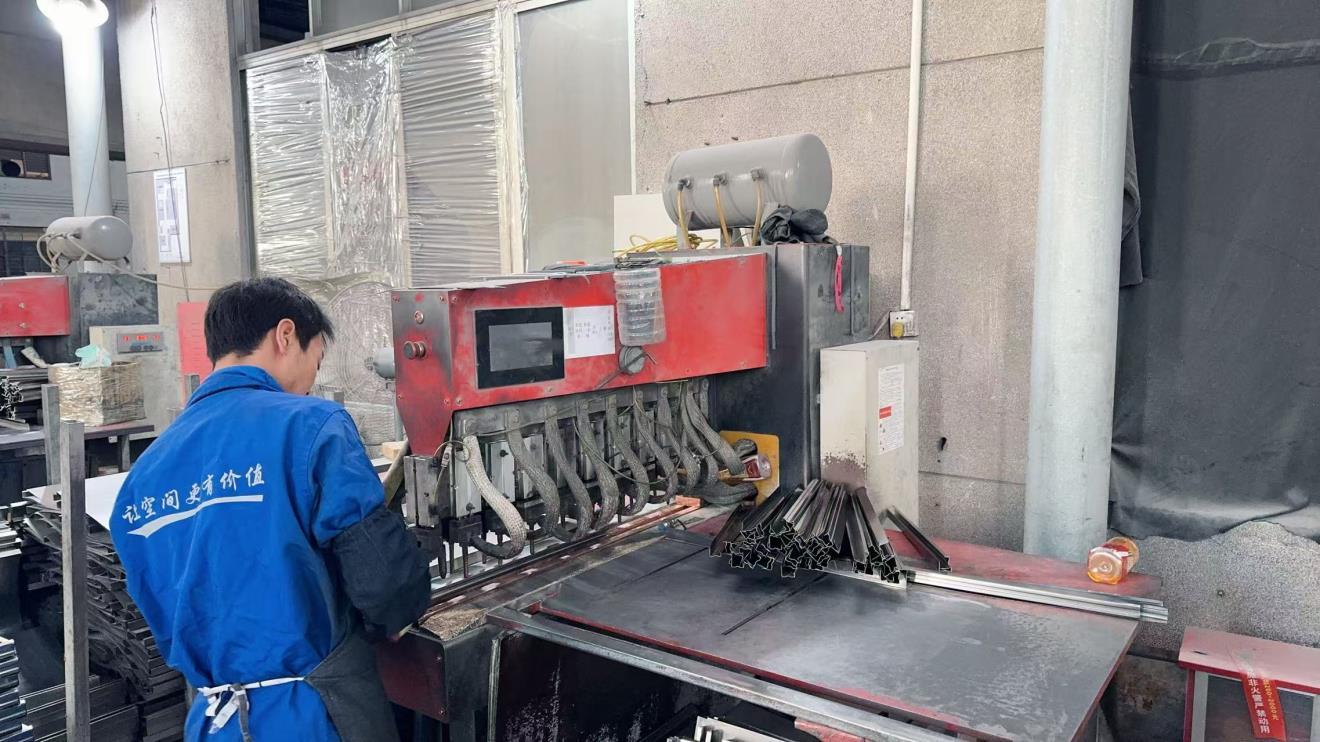
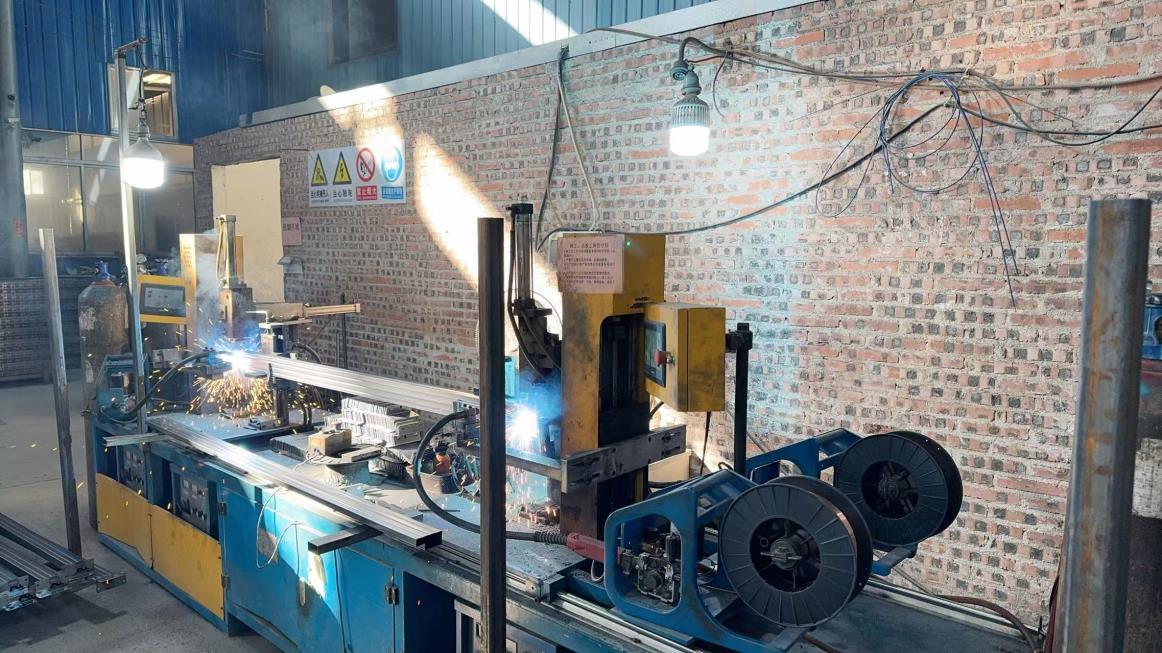
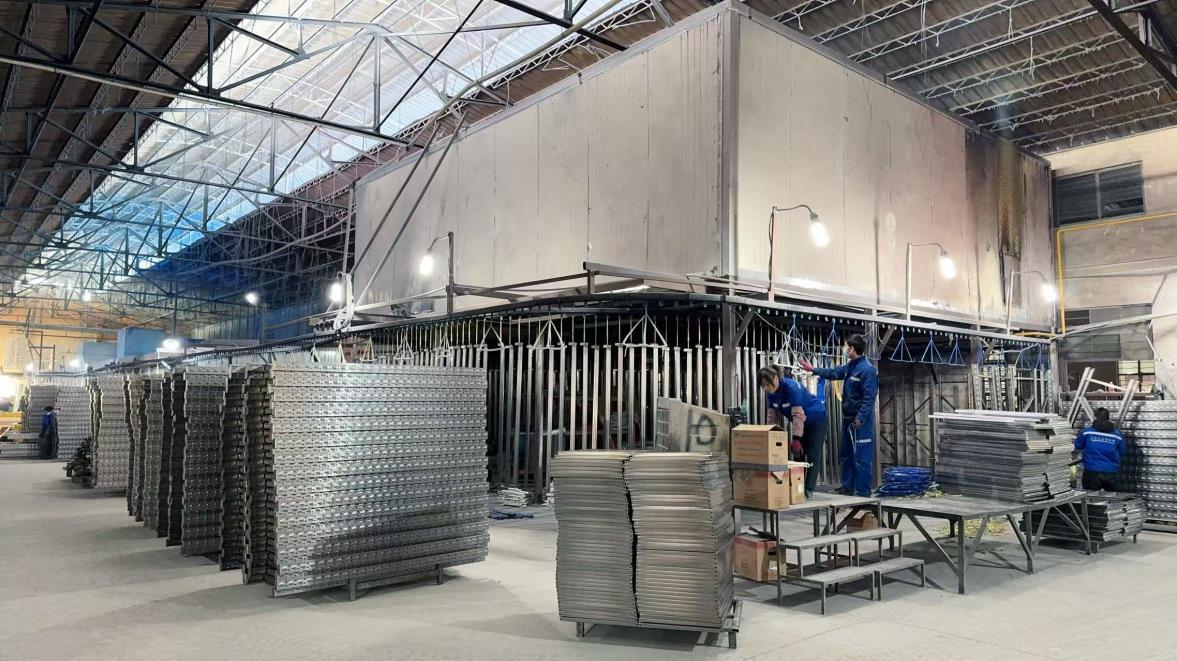
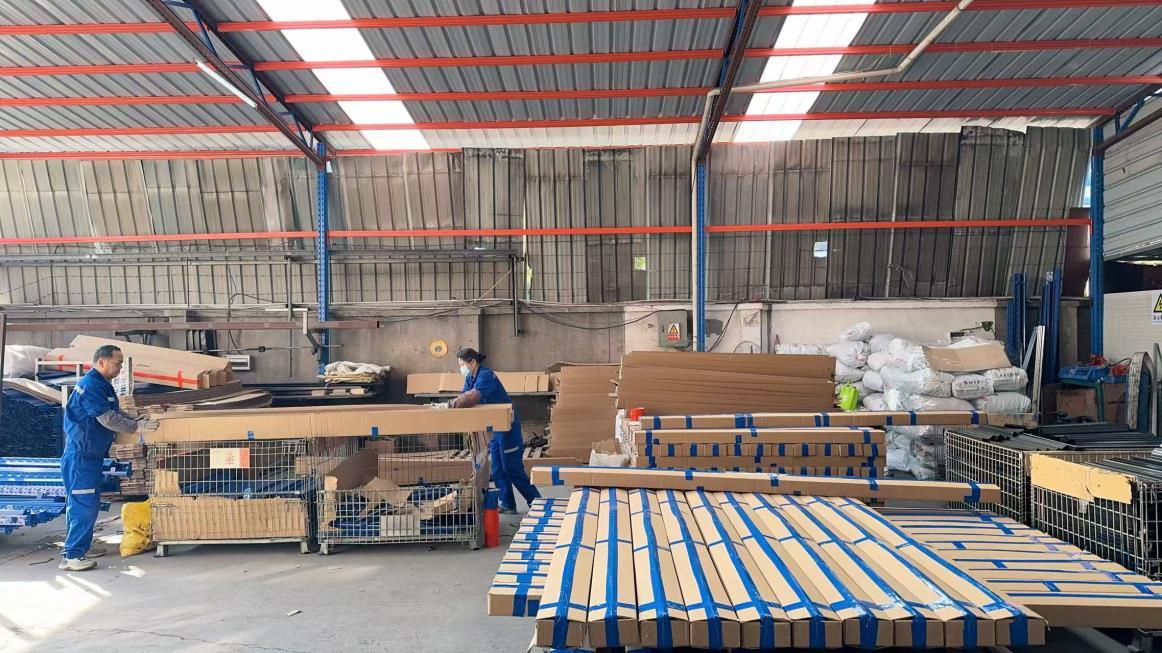
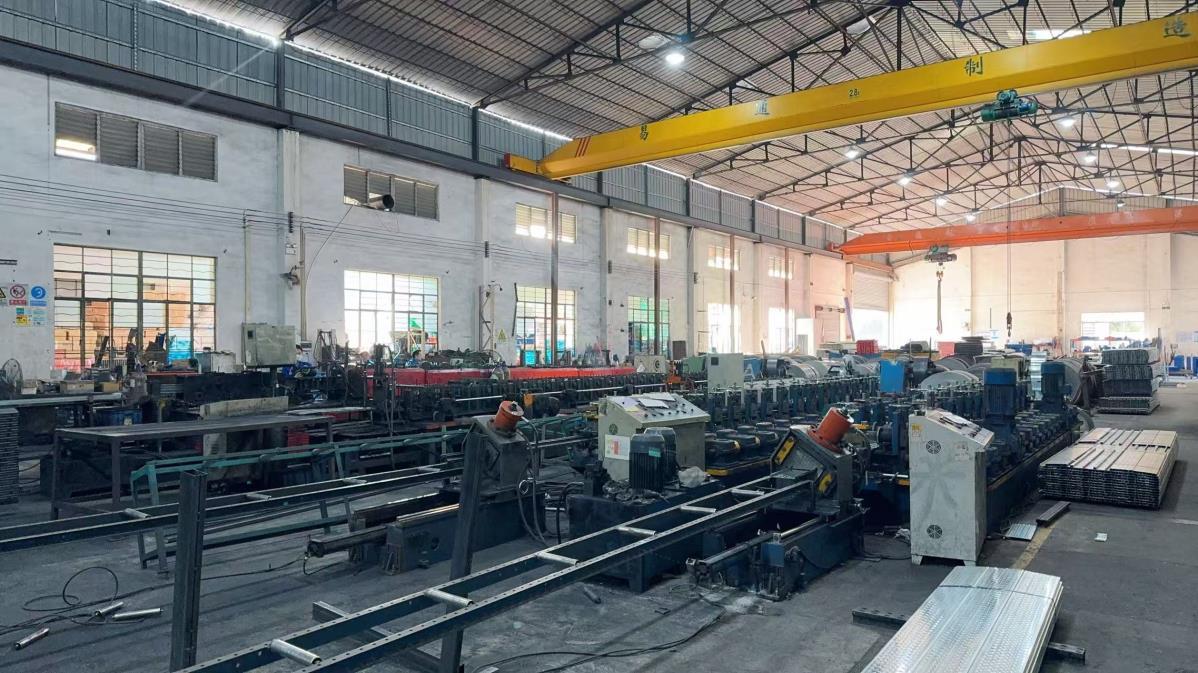
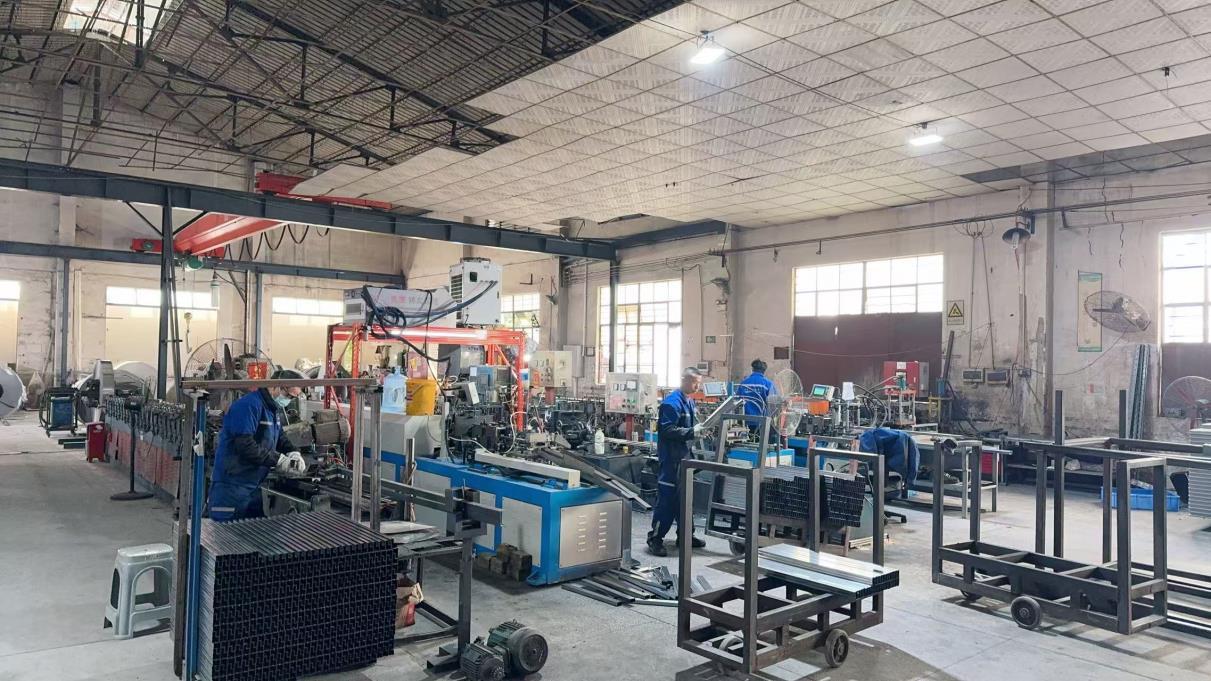
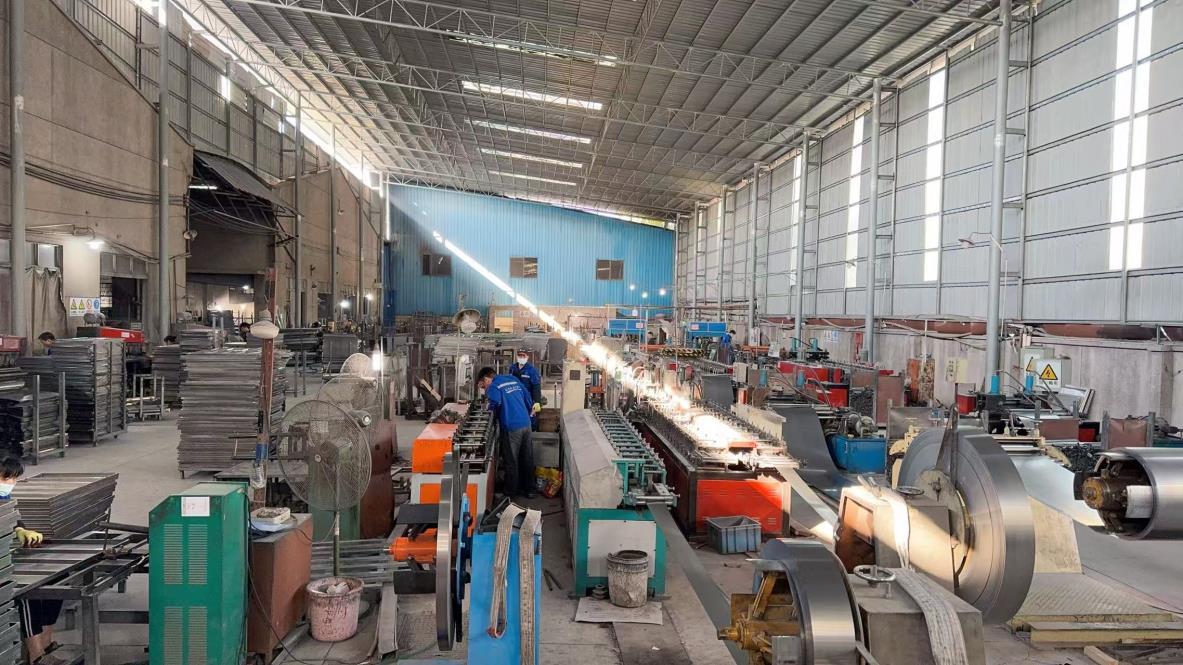
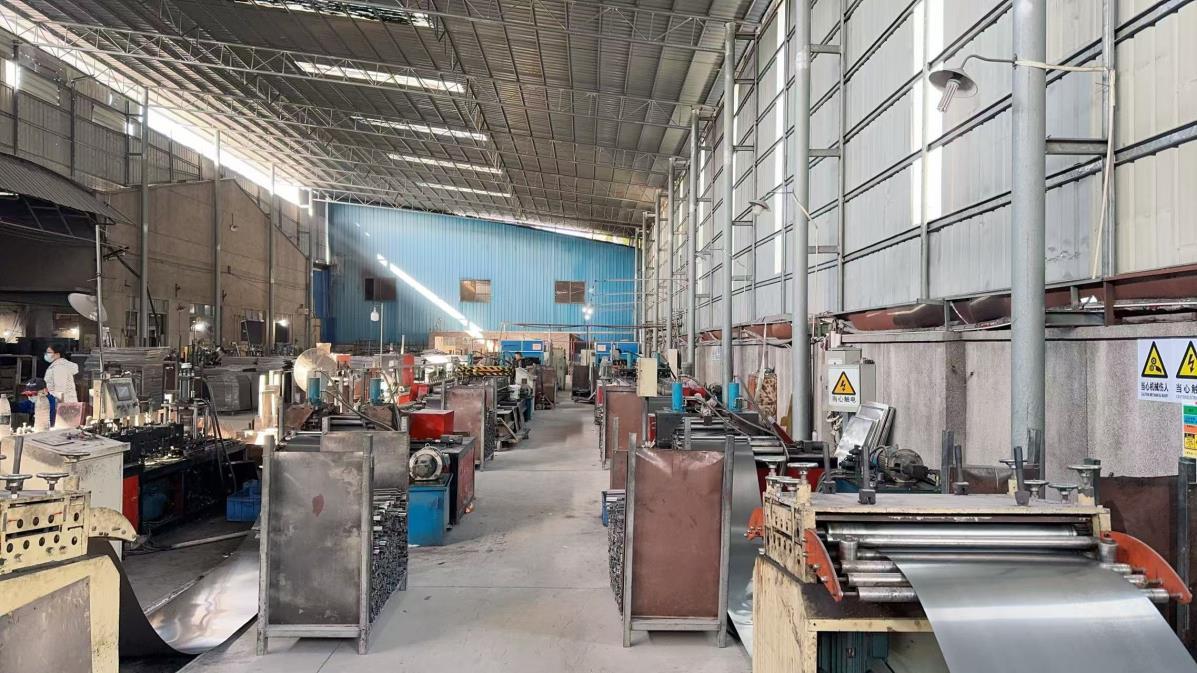
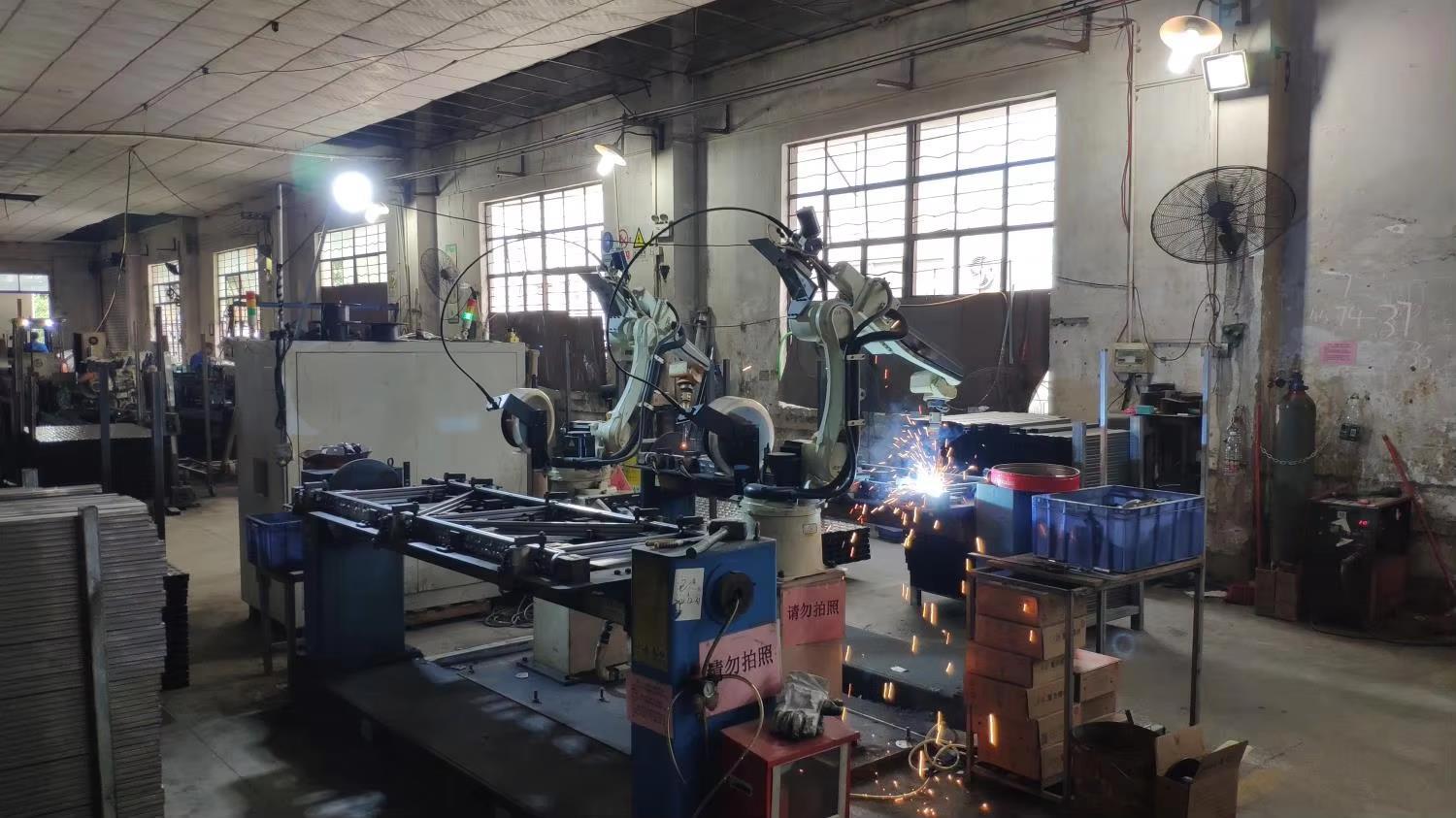
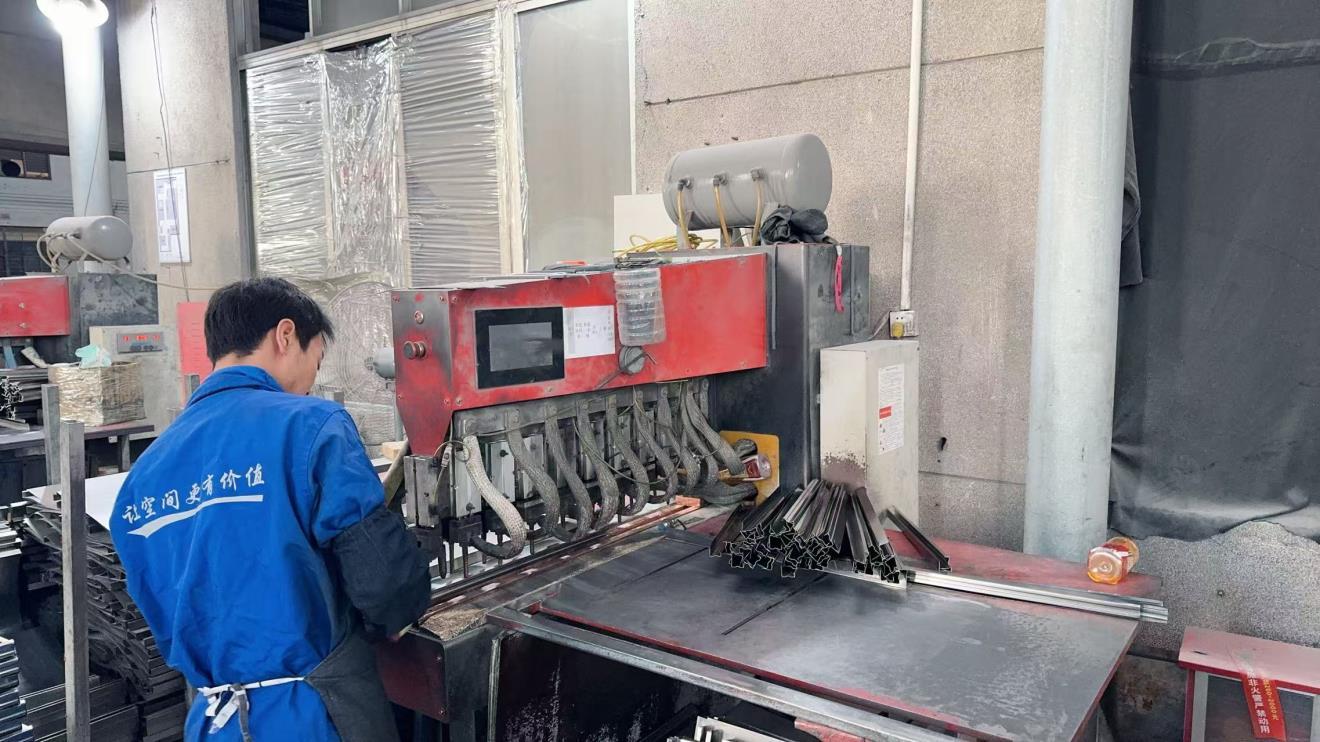
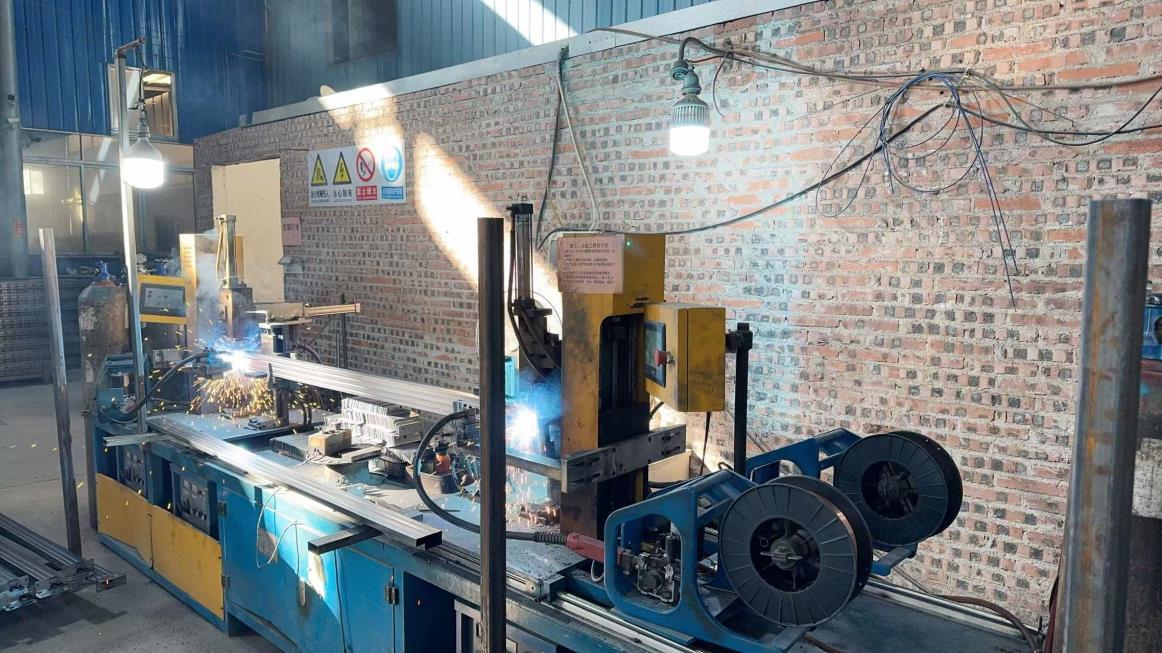
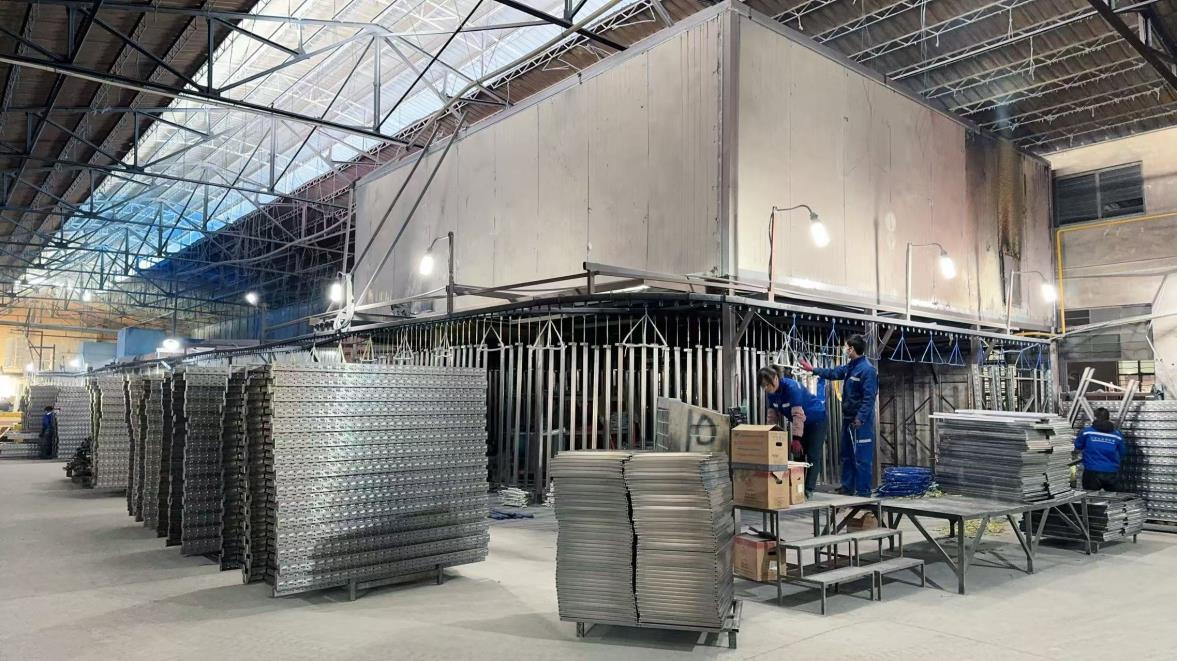
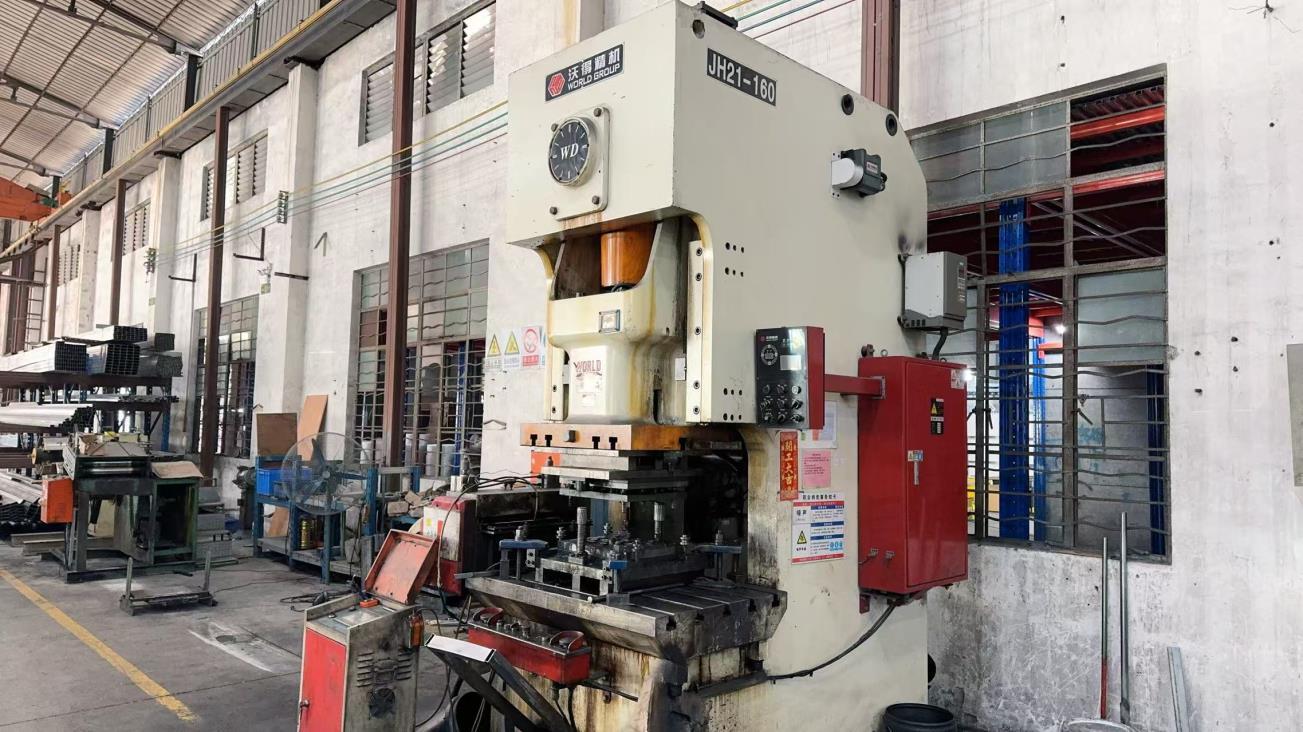
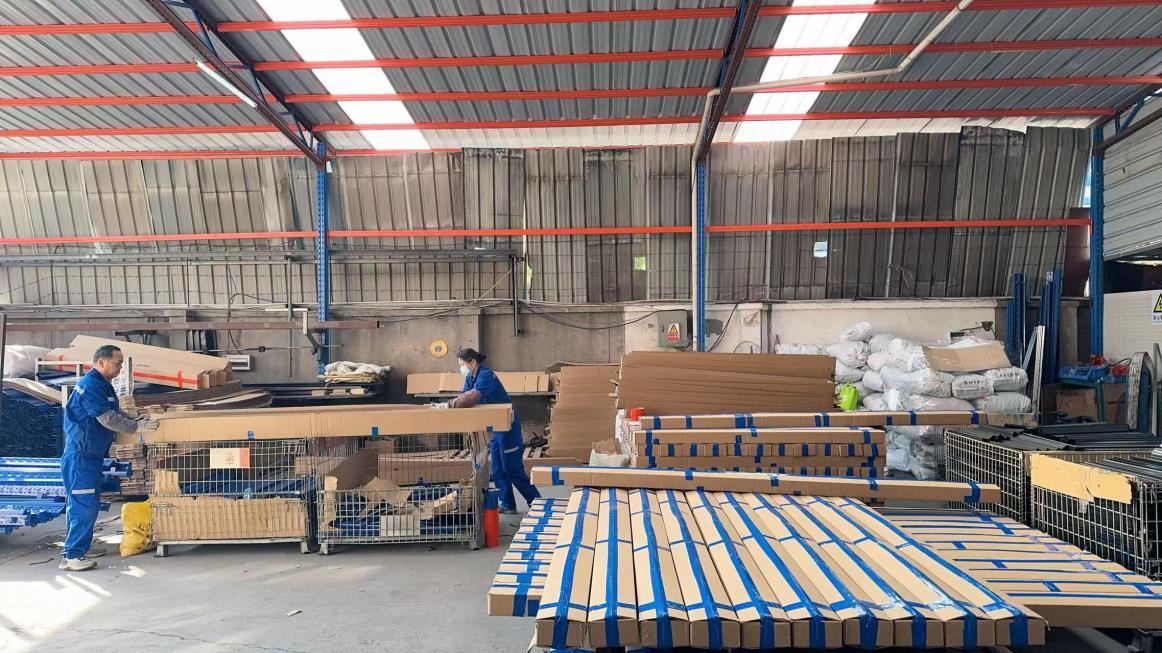
China's manufacturing prominence in the industrial platform sector is built on advanced cluster efficiency, a highly integrated supply chain, and rapid technology adoption. In industrial zones like Dongguan, factories benefit from a localized ecosystem of raw steel distribution, high-speed tooling workshops, and convenient logistics hubs. This concentration minimizes lead times and facilitates prompt raw-material testing. The deployment of Industry 4.0 paradigms—such as CNC steel shearing, continuous roll forming lines, and multi-axis robotic welding cells—replaces manual assembly lines. By reducing human error, these automation systems guarantee consistent structural integrity across thousands of tons of metal shelving panels and beams.
For global businesses, this manufacturing paradigm delivers significant cost efficiency without sacrificing quality. Furthermore, the capacity to rapidly adjust production volume enables Chinese factories to complete large-scale warehousing projects in 30 to 45 days, compared to the 90 to 120 days common with Western competitors.
Exporting heavy-duty platform solutions requires compliance with varied international building codes. Racking systems deployed in North America must comply with the Rack Manufacturers Institute (RMI) standards, while European structures must adhere to FEM (Fédération Européenne de la Manutention) 10.2.02 and EN standards. Leading Chinese factories achieve this compliance through stringent QA/QC protocols.
From receiving coils of cold-rolled steel sheet to loading ocean containers, quality controllers employ non-destructive ultrasonic weld test equipment, load cell stress testers, and coating thickness gauge meters. These tests verify that nominal load ratings include a safety factor (typically 1.5 to 2.0).
Important Industry Standard: Verification by third-party inspection firms (such as SGS, Bureau Veritas, or TÜV Rheinland) confirms raw-material chemistry, tensile limits, and environmental resilience, ensuring seamless customs clearance and structural approval in destination countries.
Technical guidance on load capacities, structural design options, compliance, and custom engineering.
Q235B is a standard carbon structural steel with a yield strength of 235 MPa, ideal for standard industrial environments and light-to-medium-duty storage. Q345B is a low-alloy, high-strength steel with a yield strength of 345 MPa. It is selected for high-bay racking systems, heavy-load mezzanines, and seismic zones where higher load capacities are required without increasing steel profiles.
Top-tier manufacturers utilize Finite Element Analysis (FEA) software to simulate weight distribution, load stress points, and seismic impacts on structural configurations. These digital models are validated by hydraulic testing rigs that apply structural loads beyond the target limits, verifying that the safety factors (typically 1.5 to 2.0) comply with RMI, FEM, and EN specifications.
Yes. Leading factories like Dongguan Kimsuk Shelves maintain in-house engineering and R&D divisions to develop custom layout plans. These configurations can include custom height tolerances, varied shelf spacing, columns, dynamic drive-in designs, cold-storage-friendly galvanization, and anti-corrosion properties.
Racking components are packed with protective bubble wrap, plastic banding, and moisture barriers to prevent shifting during ocean transport. In addition, high-adhesion electrostatic powder coatings protect the steel profiles from humidity and salinity inside shipping containers, ensuring they arrive free of rust and damage.
Explore our complete catalog of industrial-grade storage solutions, built for versatility and maximum capacity.
 Kimsuk Steel