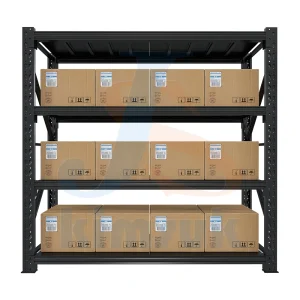
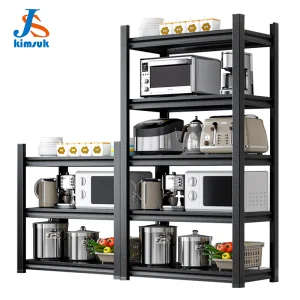
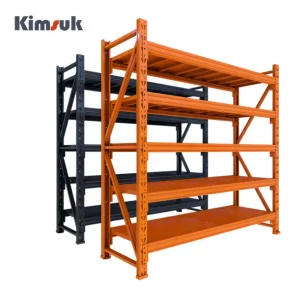
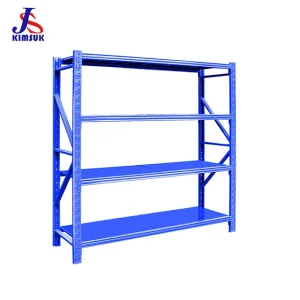
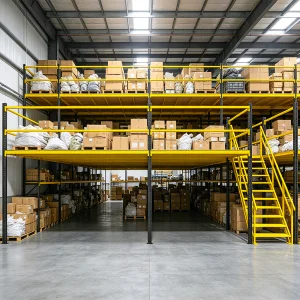
Precision-engineered high-density storage platforms and multi-level structural steel racks optimized for demanding warehouse configurations.
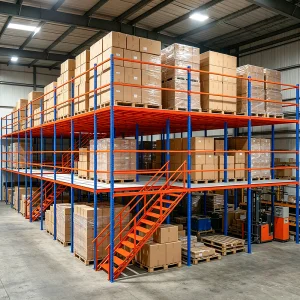
The global cold chain logistics market has entered a phase of unprecedented growth, catalyzed by shifting global consumer behavior, rapid e-commerce penetration, and strict regulatory standards governing pharmaceutical and perishable food distribution. In modern cold storage facilities, maintaining structural integrity at temperatures ranging from 0°C to as low as -30°C poses unique structural engineering challenges.
Unlike standard ambient temperature warehouses, cold storage facilities represent extremely high capital expenditure (CAPEX) per square meter due to structural insulation, refrigeration machinery, and continuous energy requirements. Consequently, maximizing volumetric space utilization is the ultimate commercial metric. High-density storage rack systems—such as Drive-in, Radio Shuttle, and Mobile Racking systems—are no longer merely storage hardware; they are critical system components designed to minimize the cooling air footprint and lower the continuous operational cost (OPEX).
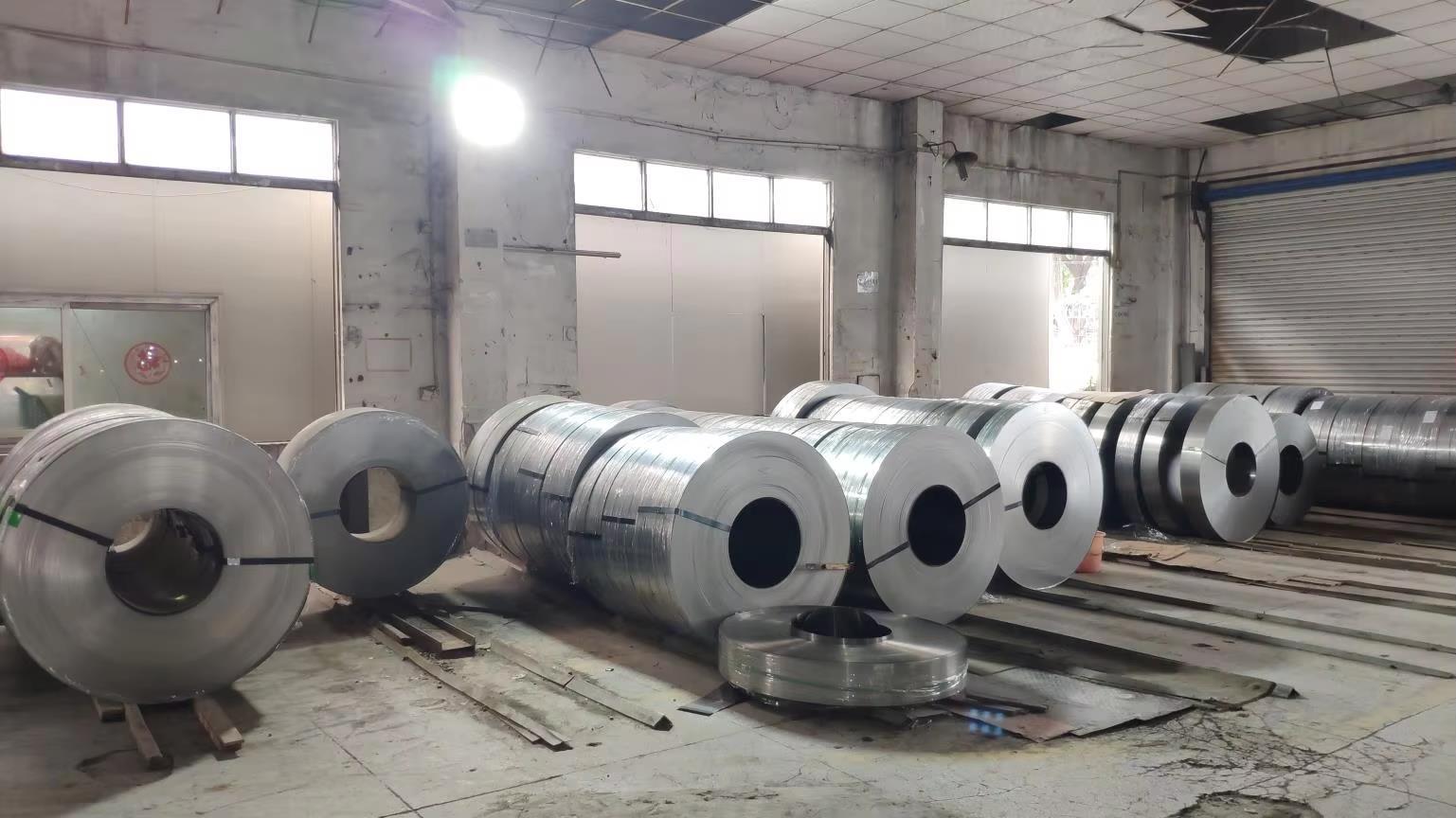
Continuous exposure to freezing temperatures alters the ductile-to-brittle transition temperature of steel alloys. Structural racks must be fabricated from high-grade carbon steel containing micro-alloys that mitigate the risk of brittle fracture under high load pressures.
By shrinking the volumetric space that needs to be actively refrigerated per pallet stored, high-density cold storage racking directly drives down carbon footprints and utility costs for third-party logistics (3PL) providers globally.
The industrial racking sector is undergoing a rapid evolution toward automation and advanced metallurgy. When analyzing cold room storage requirements, structural engineers focus heavily on materials science. Typical room-temperature structural steel exhibits significant strength drop-offs and structural brittleness at sub-zero temperatures.
Industry leaders are increasingly adopting Q355D and Q355E grade steel, which undergo strict impact testing at -20°C and -40°C respectively to guarantee long-term elastic performance. Surface finishing is another critical variable. Cold rooms are highly prone to condensation cycles during maintenance or loading, prompting a heavy shift toward hot-dip galvanized (HDG) treatments and specialized zinc-rich, anti-microbial powder coatings that resist corrosion without degrading under deep freeze conditions.
Storage environments call for highly customized layouts depending on the geographical region and local supply chain behaviors. These localized demands require flexible system engineering:
Characterized by high volume, low SKU count, and heavily reliant on standardized GMA pallets. Large-scale distribution hubs prioritize automated AS/RS storage structures integrated with heavy-duty drive-in or pallet flow racks designed to meet strict FEMA seismic designs.
Severe land restrictions and high energy costs push operators to deploy high-bay racking systems and clad-rack warehouses (where the racking serves as the actual structural frame of the building envelope), maximizing volumetric density.
High ambient relative humidity outside the cold storage gates creates aggressive condensation cycles. This demands specialized galvanized structural profiles and stainless-steel fasteners to guarantee long-term corrosion prevention.
Selecting the appropriate racking architecture requires balancing storage density against accessibility (throughput speed).
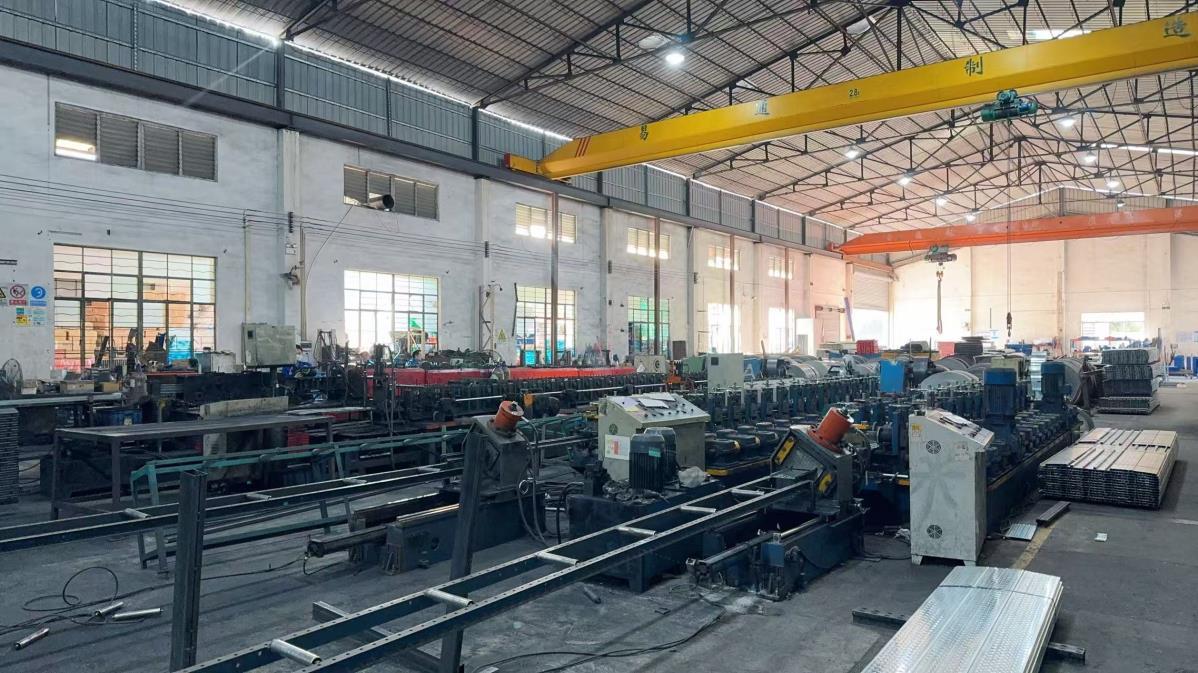
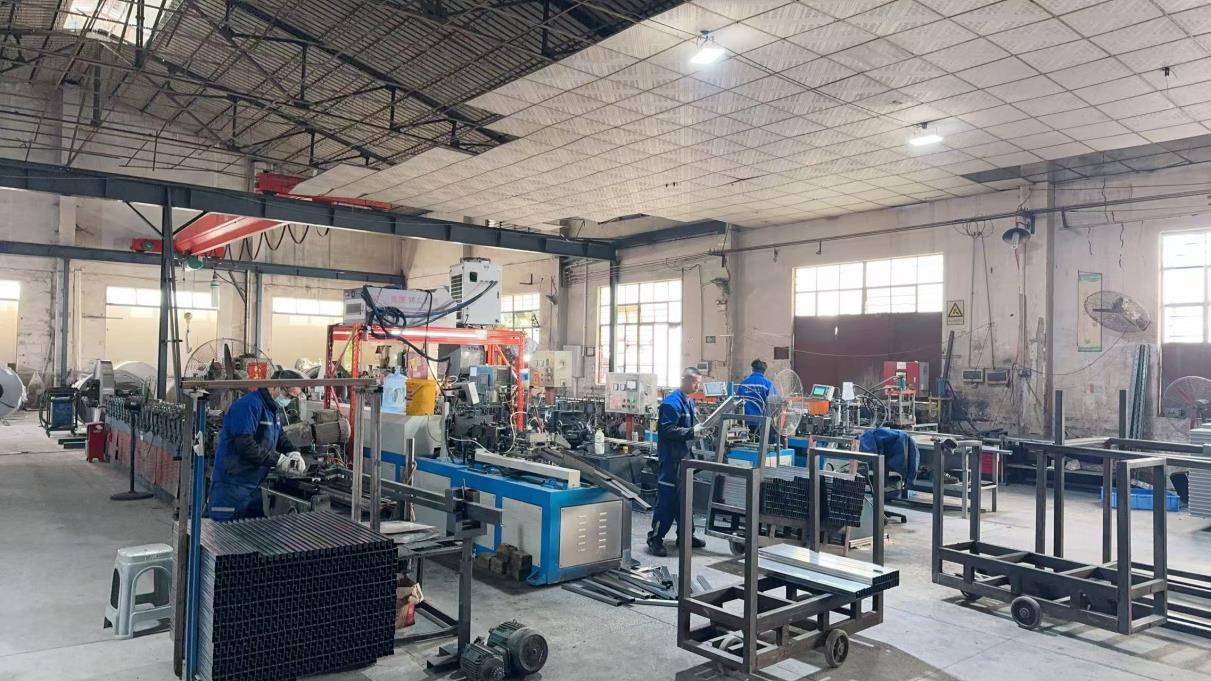
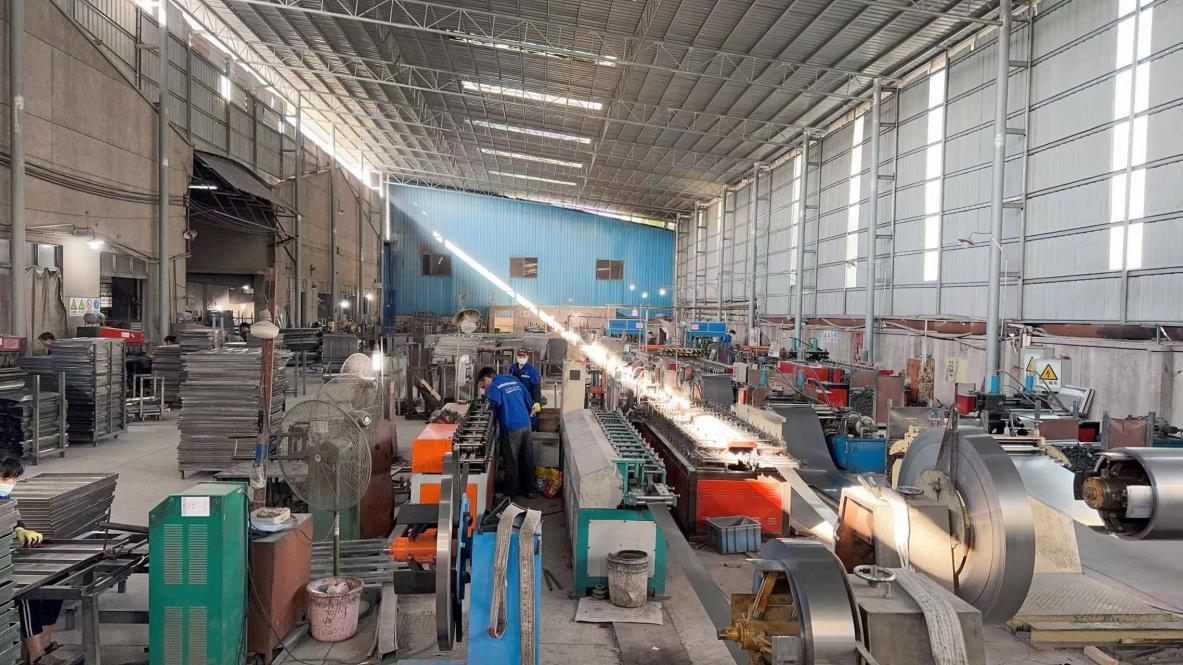
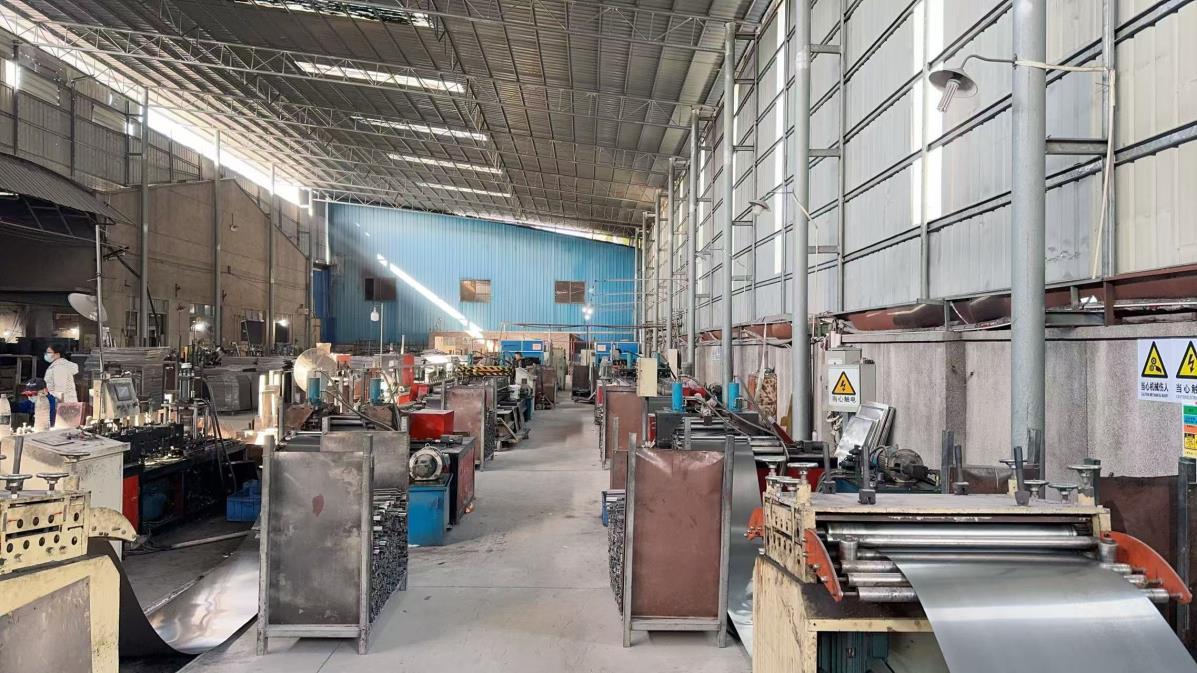
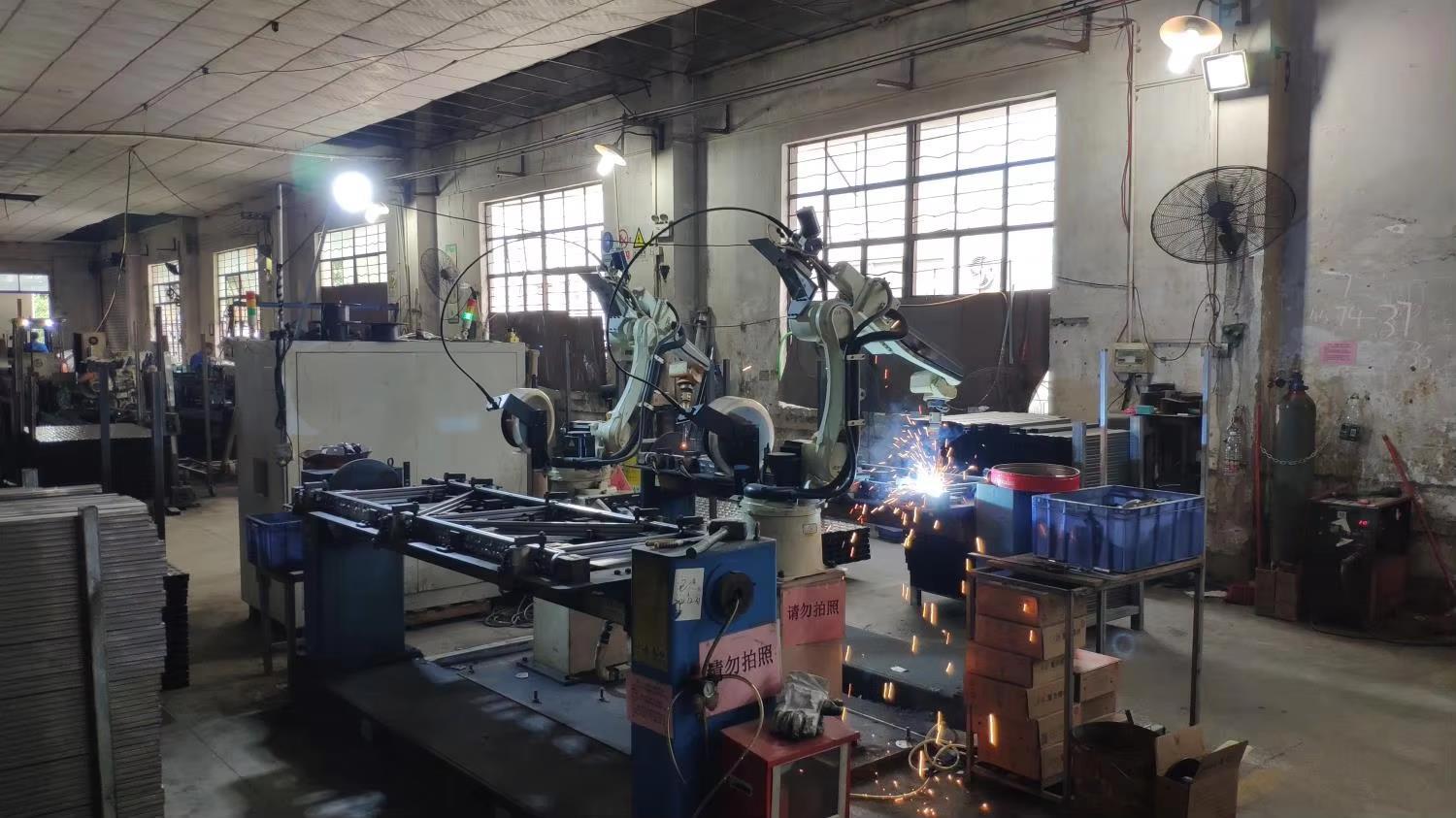
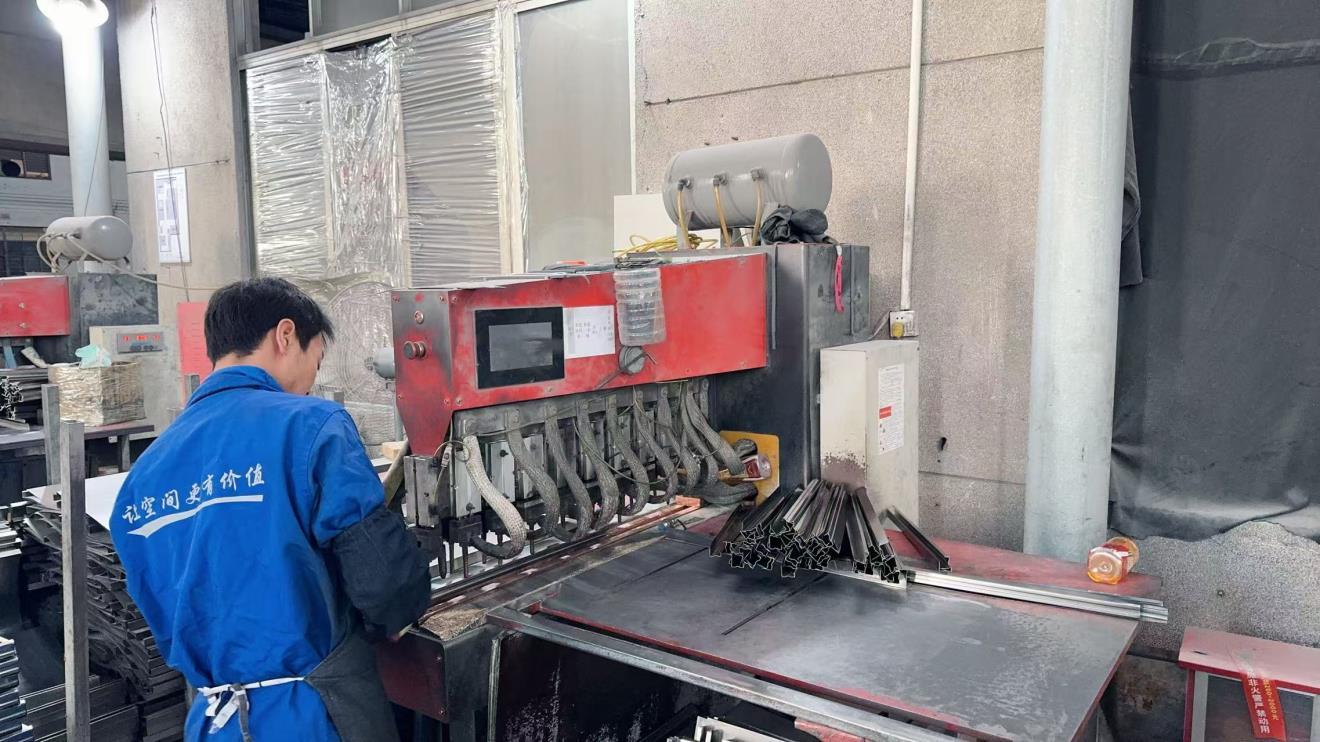
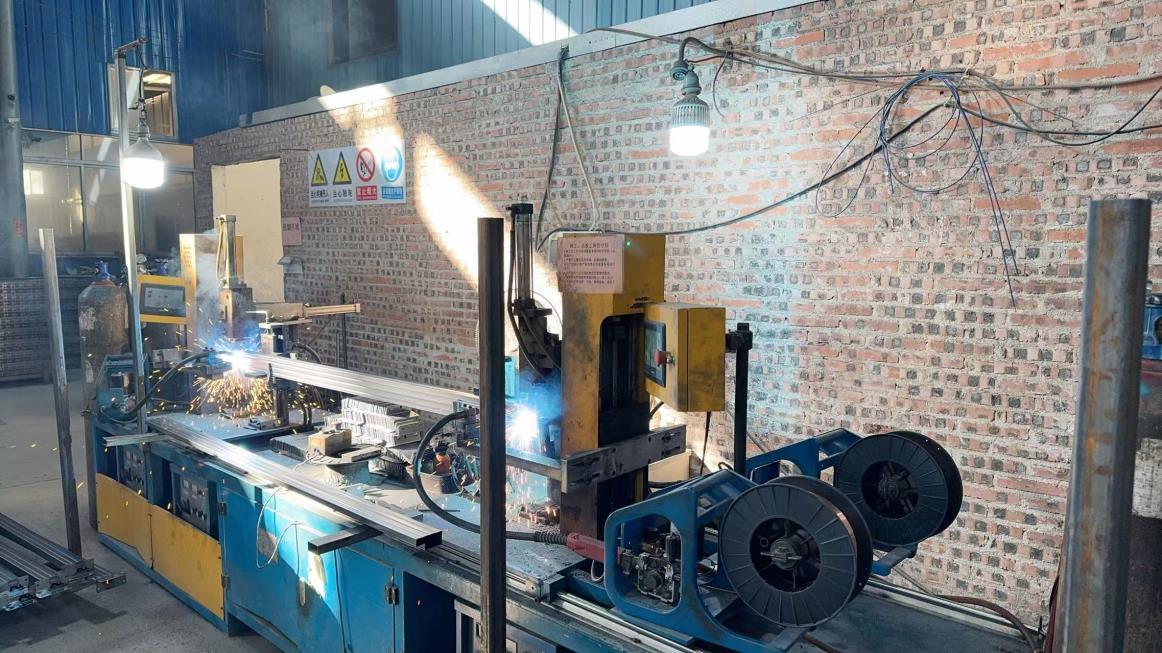
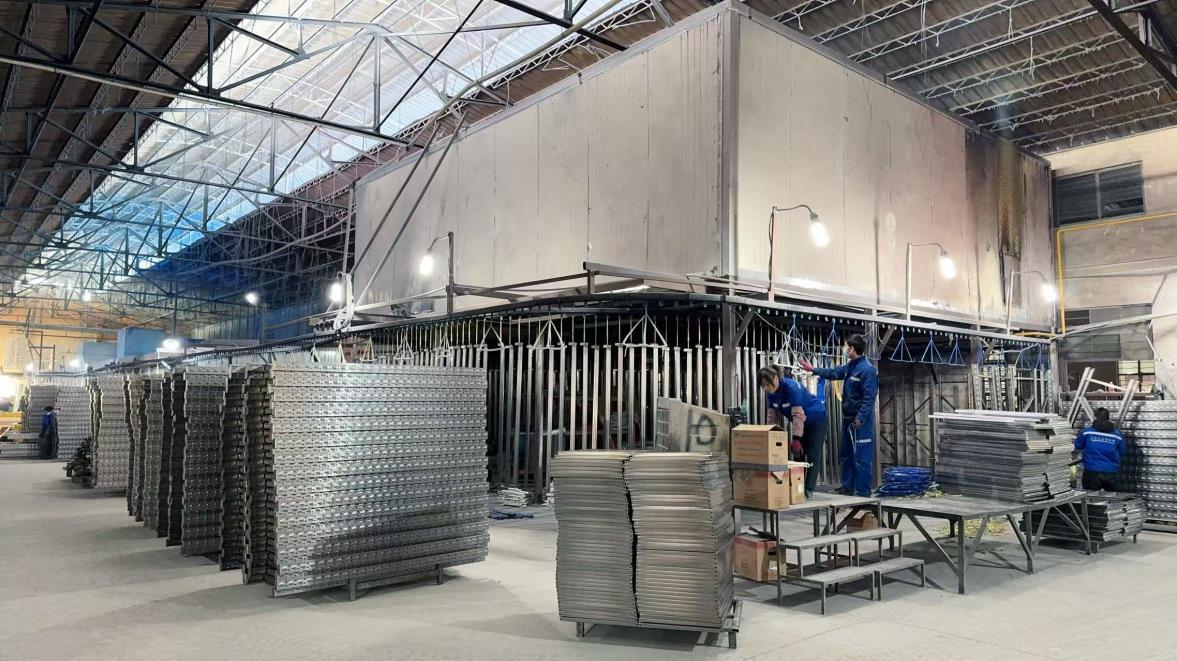
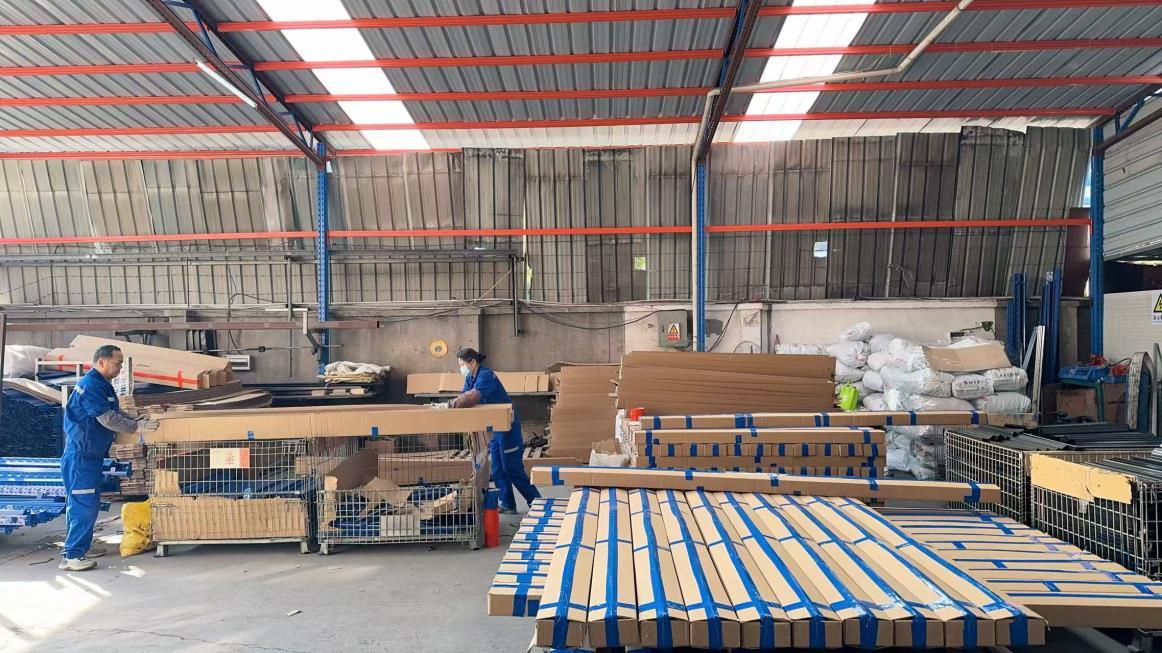
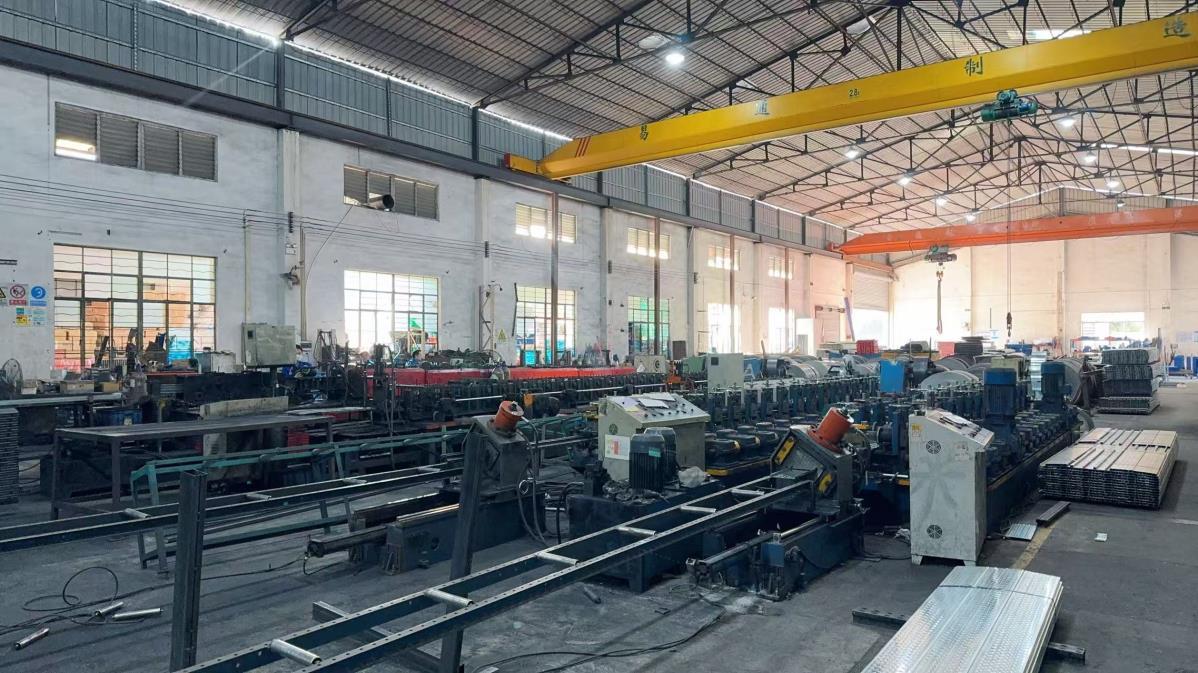
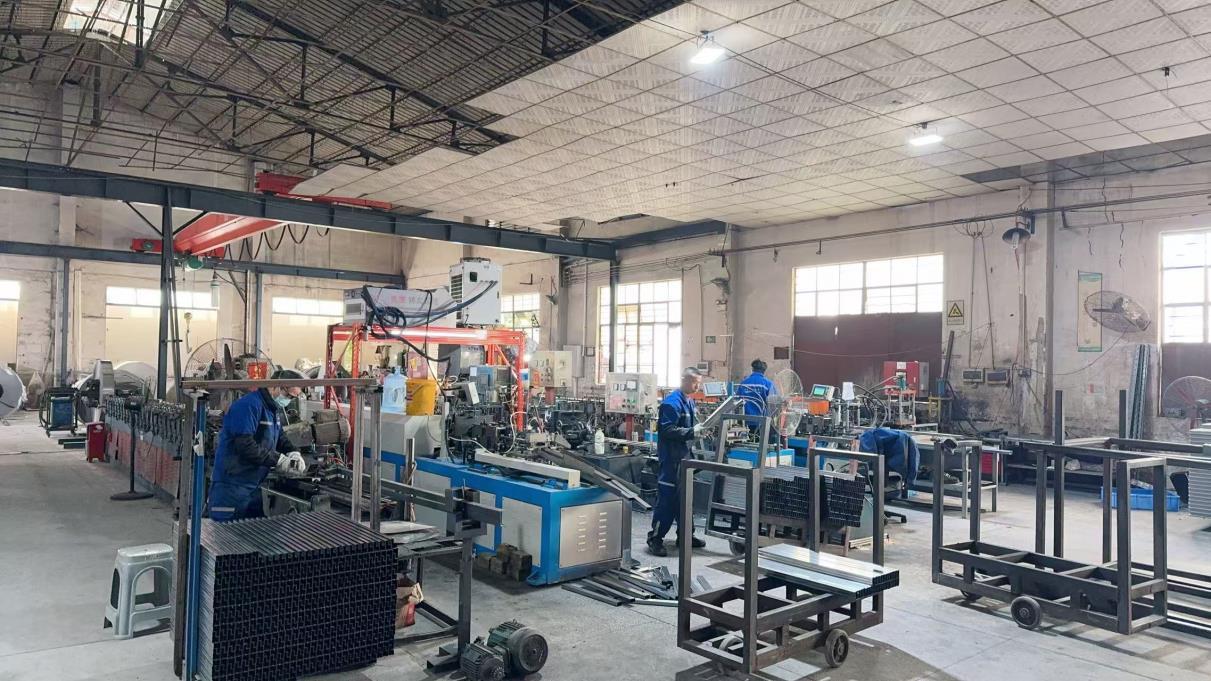
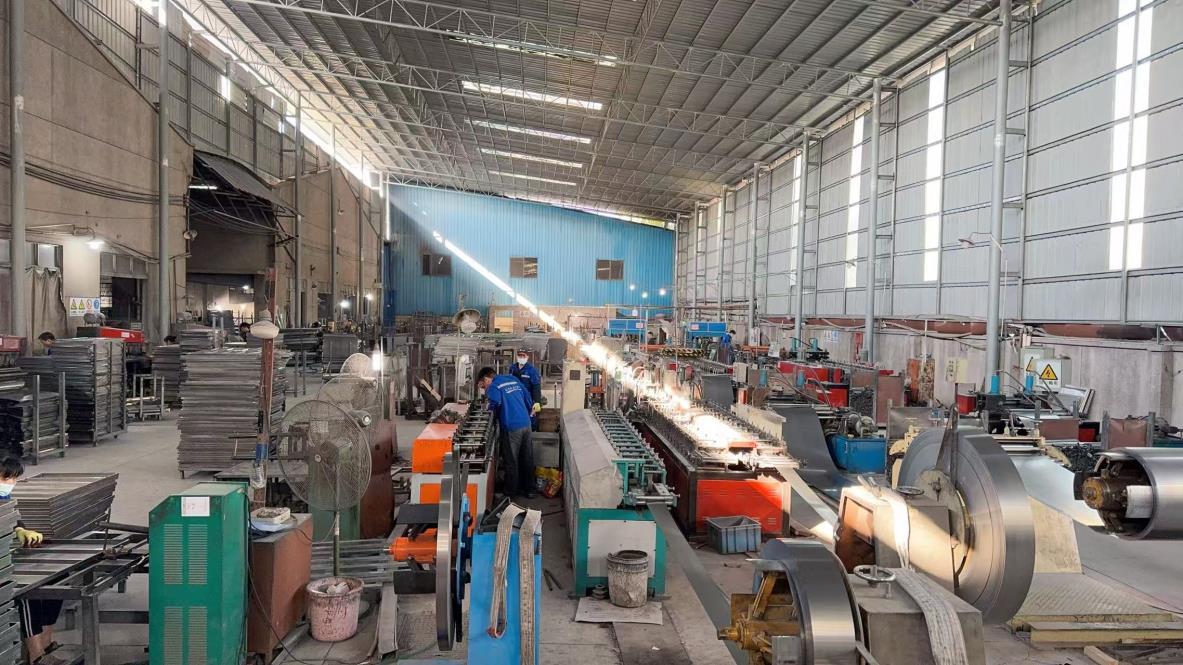
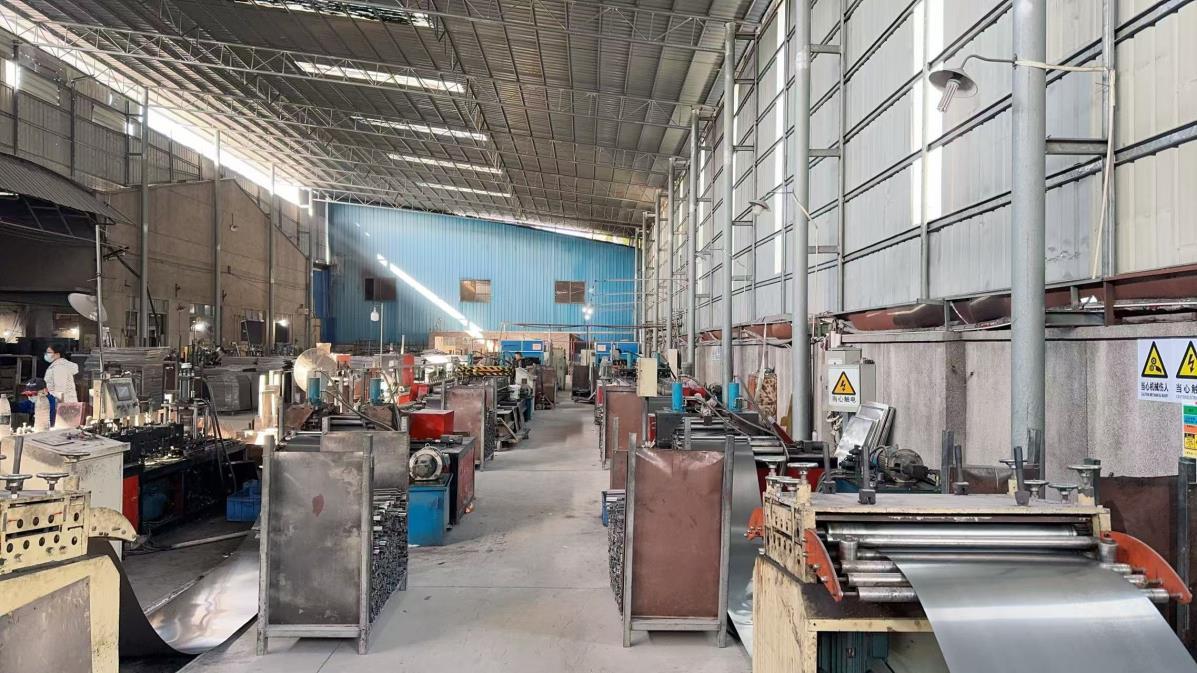
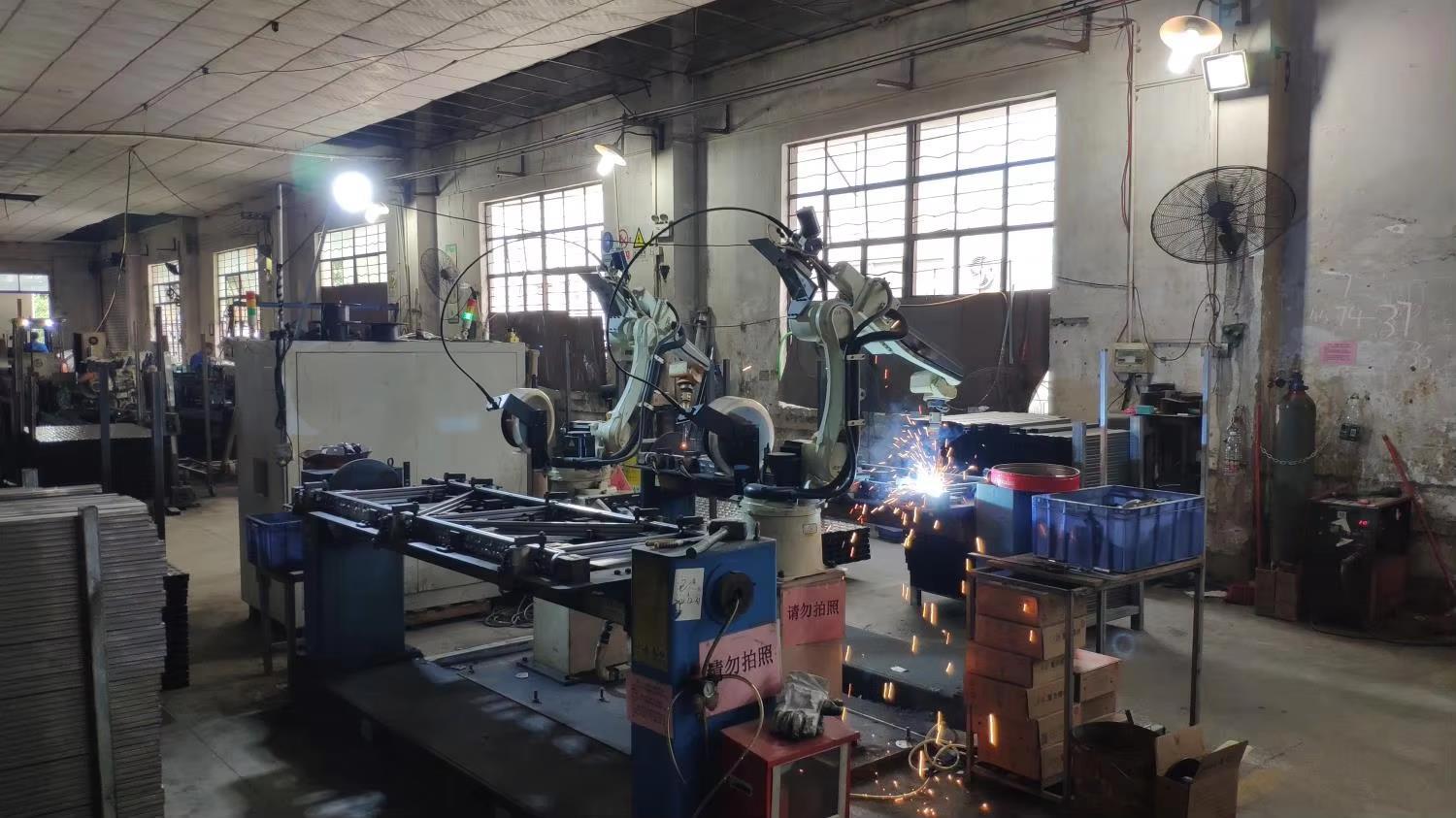
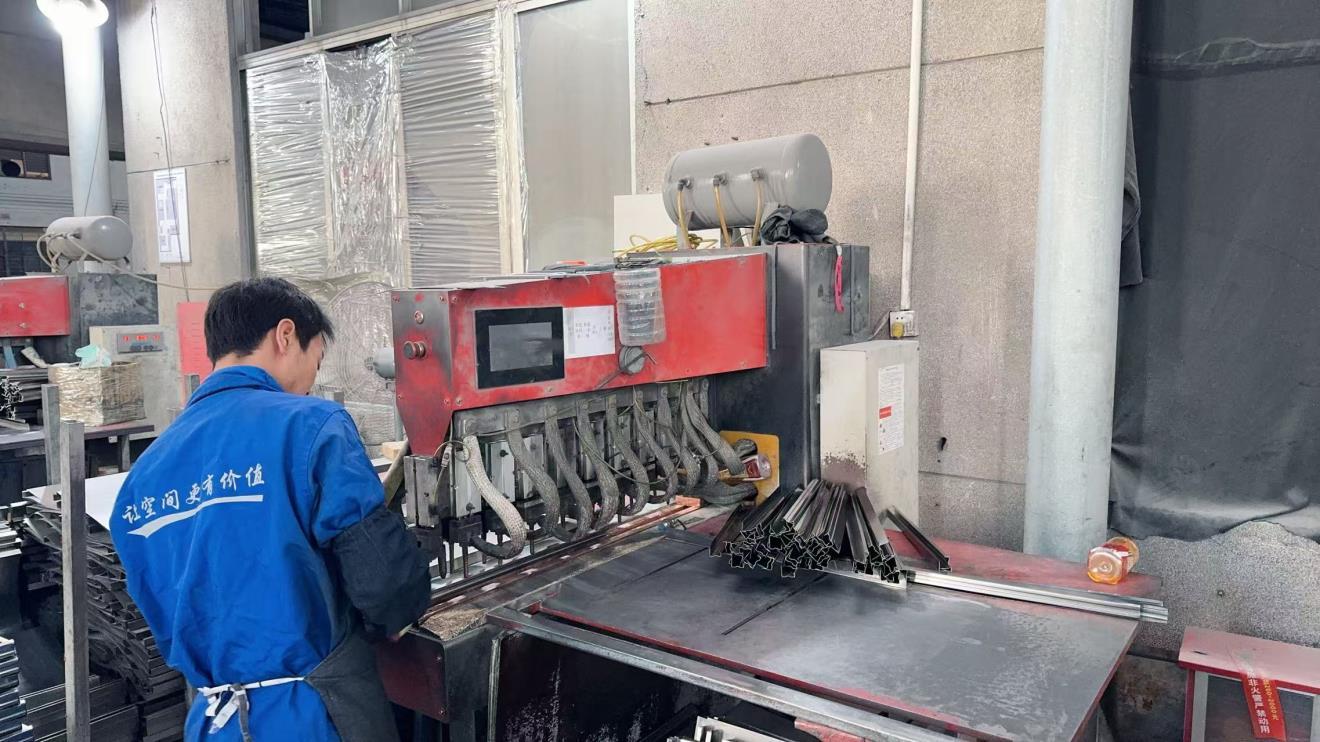
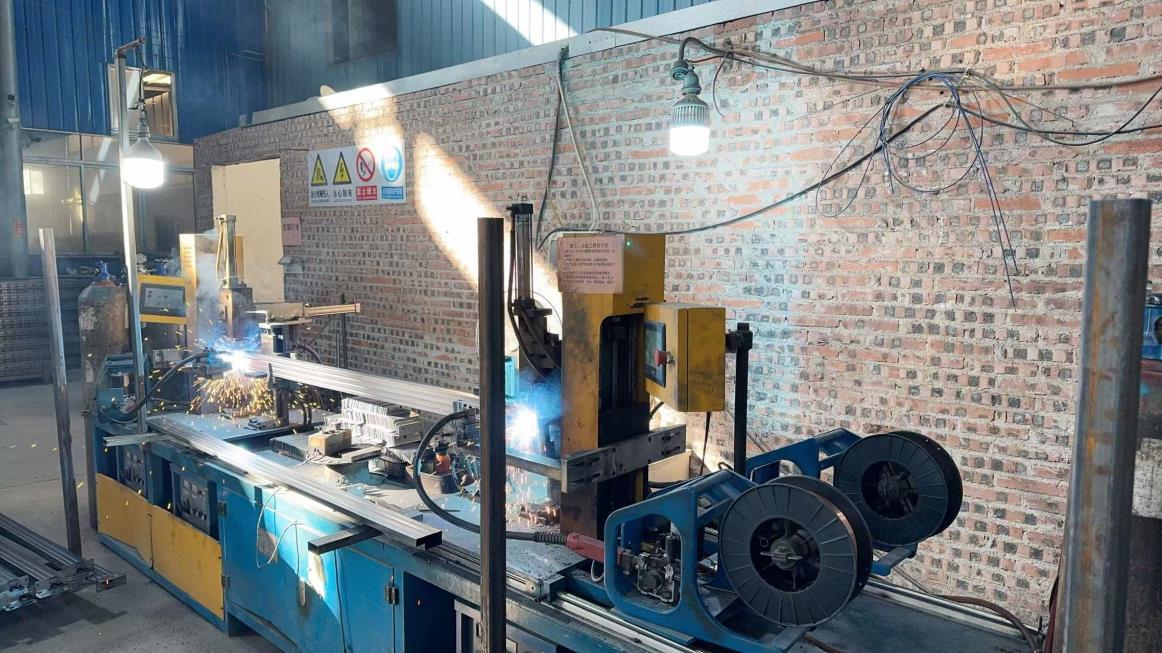
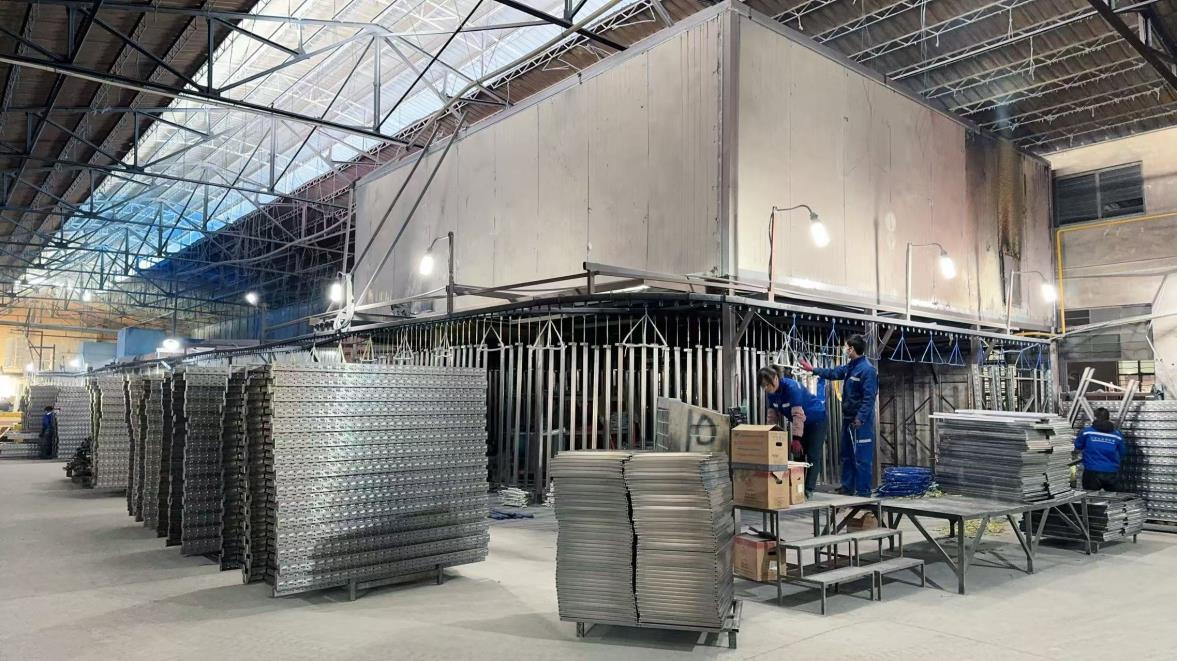
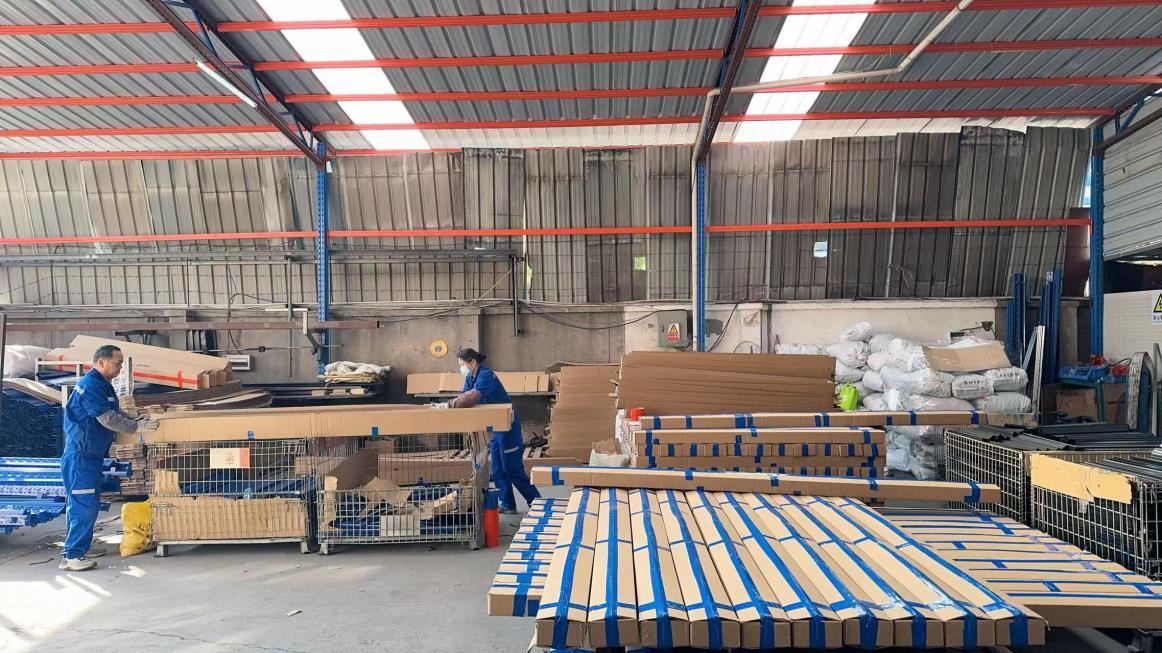
Established in 2015, Dongguan Kimsuk Shelves Co., Ltd. is a leading manufacturer specializing in the design, engineering, and production of heavy-duty industrial shelving and warehouse storage systems. Operating from a modern production facility spanning 32,000 square meters, we have grown into a trusted global supply chain partner with 11 years of industry expertise and 8 years of direct international export experience. Driven by robust manufacturing capability, our annual export revenue reaches $18 million, serving clients across key international markets, including North America, Europe, Southeast Asia, and the Middle East.
Quality and precise engineering are at the core of our operations. We maintain a strict Quality Assurance protocol supported by a dedicated team of 35 QA/QC inspectors. Our comprehensive product inspection methods combine automated non-destructive testing, raw material tensile testing, load-bearing stress evaluations, and precision powder-coating thickness measurements. Supported by an extensive network of over 850 verified supply chain partners, we consistently deliver reliable, high-integrity racking systems to a diverse client portfolio, ranging from large-scale logistics hubs and third-party logistics (3PL) providers to industrial manufacturing facilities and commercial retail distributors.
Innovation drives our growth. Our in-house R&D team consists of 18 senior structural and engineering specialists capable of delivering full OEM/ODM custom solutions. From tailored rack dimensions and heavy load capacities to specialized seismic-resistant structures and anti-corrosion surface finishes, we turn complex warehousing requirements into optimal designs. Demonstrating our continuous drive for innovation, we successfully developed and launched 120 new product models and modular storage enhancements last year alone. At Dongguan Kimsuk Shelves Co., Ltd., we remain committed to maximizing warehouse space efficiency and delivering long-term value to our global partners.
As the digital logistics model moves toward smart distribution channels, the cold storage sector is adopting deep integrations of IoT Structural Health Monitoring (SHM) systems. Sensors embedded within upright frame posts and primary load beams collect real-time data regarding load deflection, thermal contraction stresses, and localized seismic impacts.
In tandem with hardware advancements, the incorporation of fully automated crane-based AS/RS solutions with multi-shuttle arrays is paving the way for darker (unmanned) cold storage configurations. Reducing human exposure to sub-zero environments not only solves labor safety issues but also minimizes heat intrusion from open doors, optimizing overall warehouse thermodynamics.
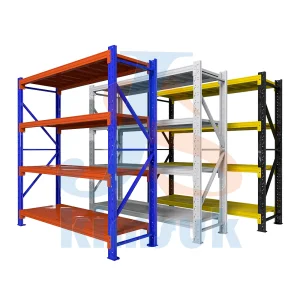
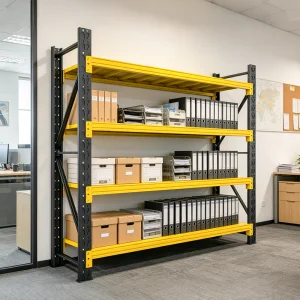
Premium corrosion-resistant steel racking, boltless industrial shelving, and specialized configurations for cold storage warehouses.
 Kimsuk Steel