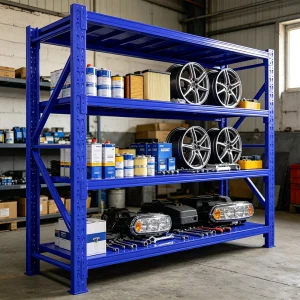
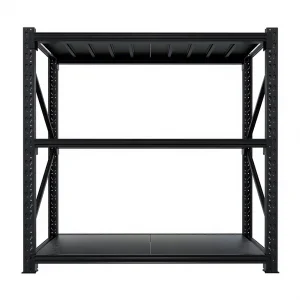
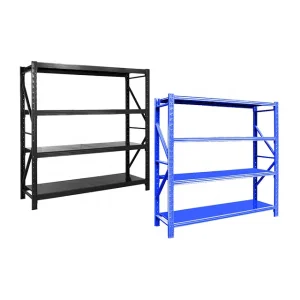
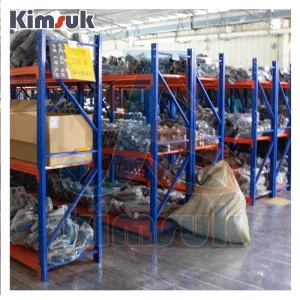
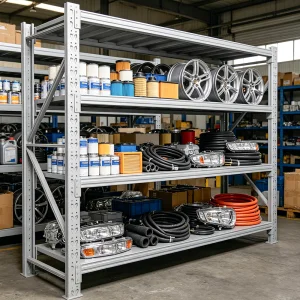
Explore our top-tier industrial racking and boltless storage components, manufactured for structural resilience and flexible modular setup.
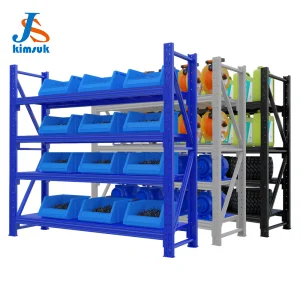
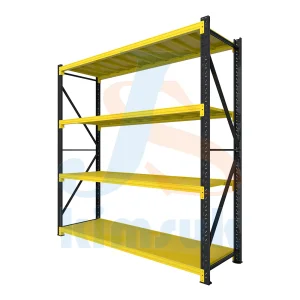
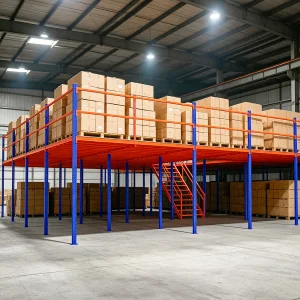
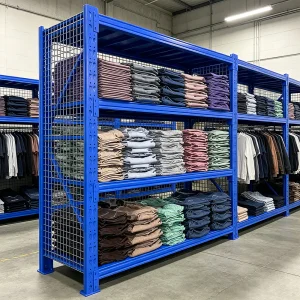
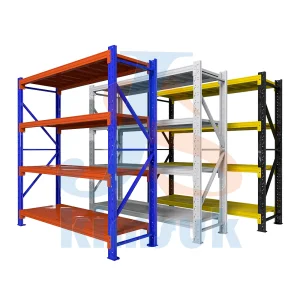
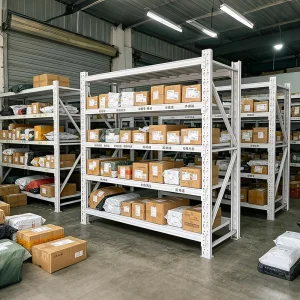
An executive study on safety, load optimization, and China-backed supply chain integration for global logistics ecosystems.
Modern logistics demands rapid adaptability without compromising load-bearing integrity. Boltless systems achieve structural stability via interference-fit connectors. By utilizing interlocking profiles such as keyhole, rivet, or butterfly slots, lateral and vertical forces are distributed evenly across the upright frame. This mechanical layout completely eliminates fastener fatigue, minimizing structural failure hazards and reducing installation timeframes by up to 70% compared to traditional nut-and-bolt structures.
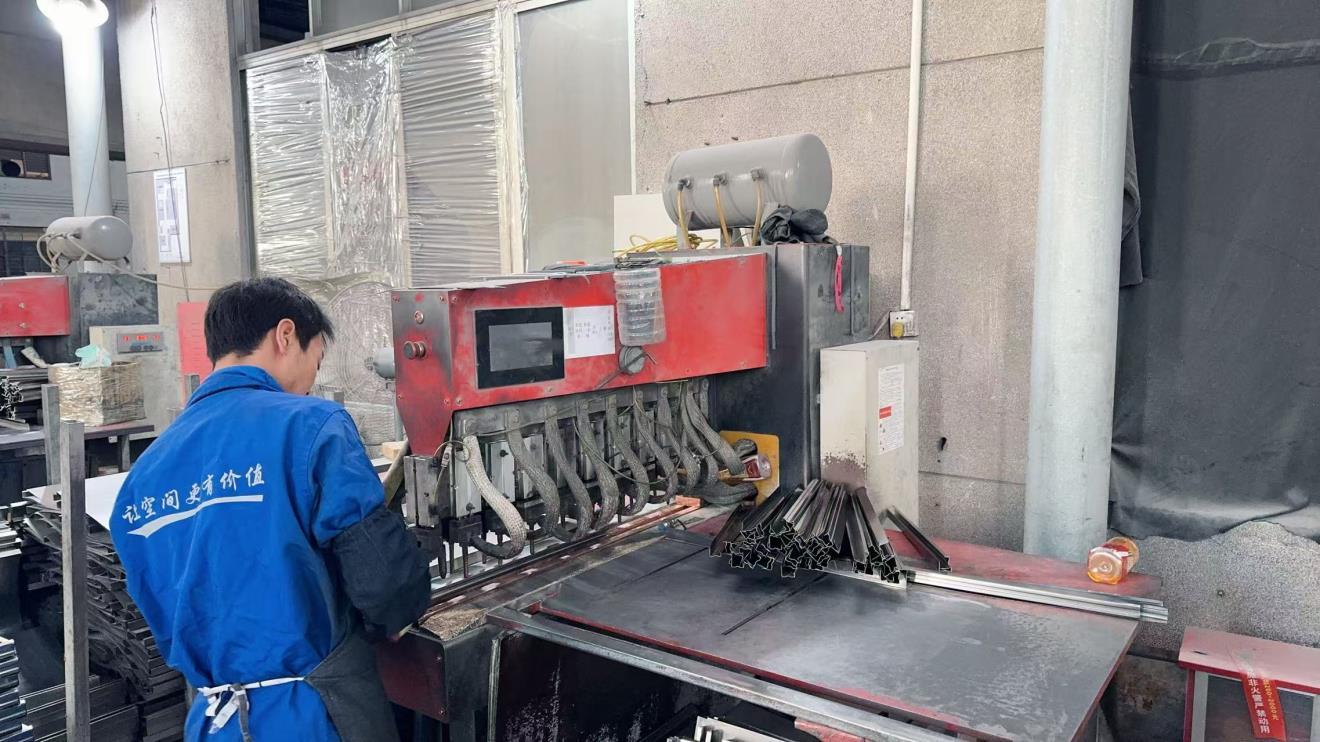
Long-term reliability starts at the molecular level. Leading boltless systems are constructed utilizing premium Q235B cold-rolled steel, recognized for its optimal balance of elasticity and tensile strength. Undergoing high-precision cold-forming processes, profiles are engineered to achieve high load capacities ranging from 100kg to over 500kg per layer. Additionally, raw material verification using spectral analysis prevents inclusion defects, ensuring the racking handles rated load capacities reliably.
Navigating global compliance protocols is vital for international warehouse setups. Export-grade racking must strictly align with international regulatory standards, including Europe's FEM 10.2.02 and EN 15512 codes, alongside America's RMI requirements. Compliance protocols guarantee structural performance under static loads, dynamic seismic stresses, and accidental forklift impacts, ensuring operations meet stringent occupational safety criteria globally.
When engineering large-scale distribution centers, selecting the right rack profile geometry and steel grade affects more than structural integrity; it dictates insurance liability and operational continuity. Advanced finite element analysis (FEA) allows us to design lighter steel profiles that deliver superior structural resilience, reducing shipping weights while meeting or exceeding local structural safety codes.
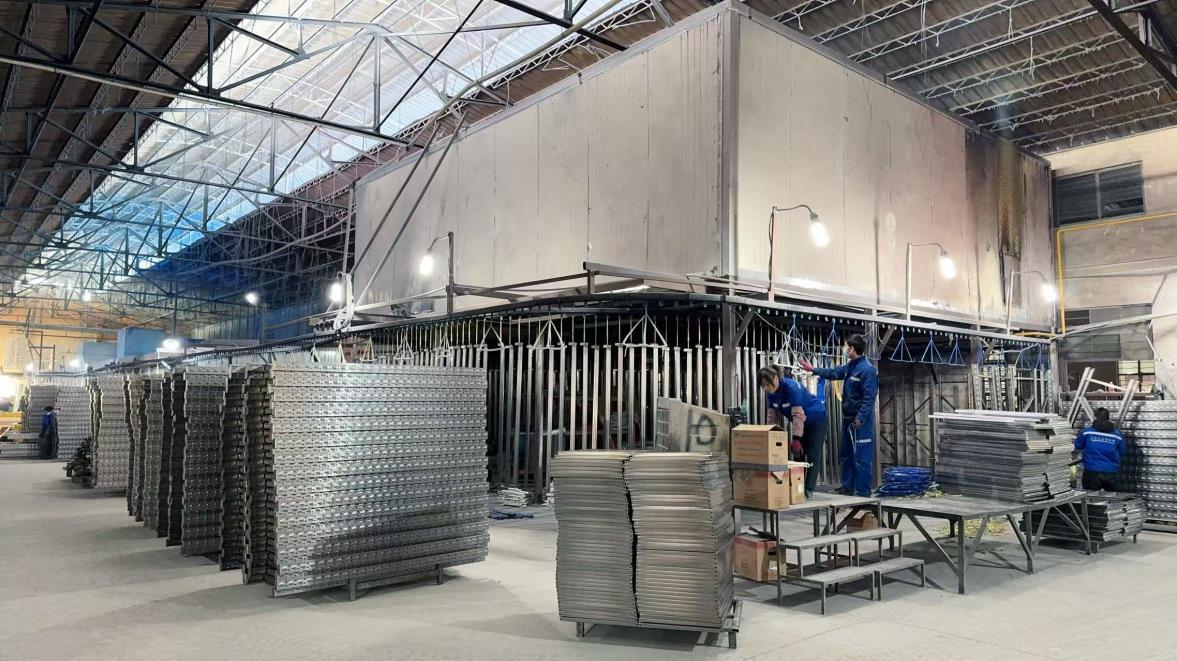
Established in 2015, operating a 32,000㎡ advanced production facility to guarantee high-volume supply and premium finishes.
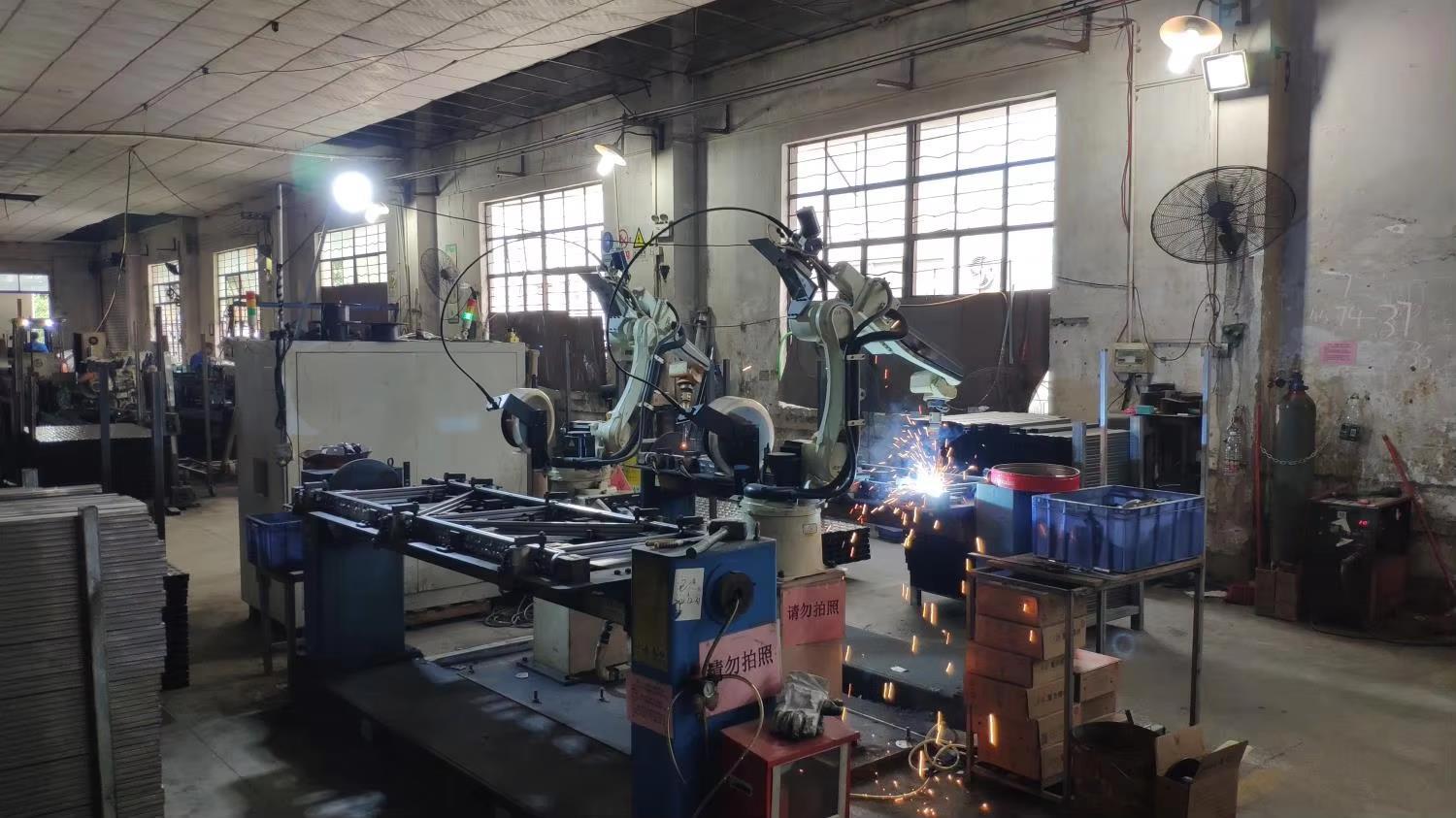
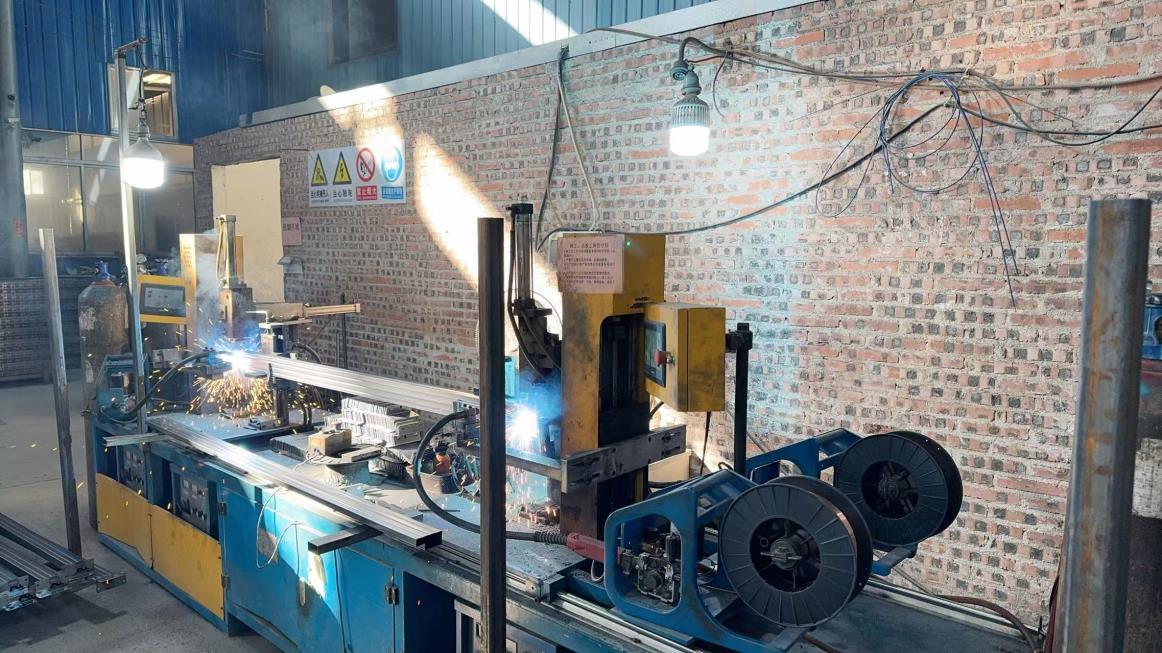
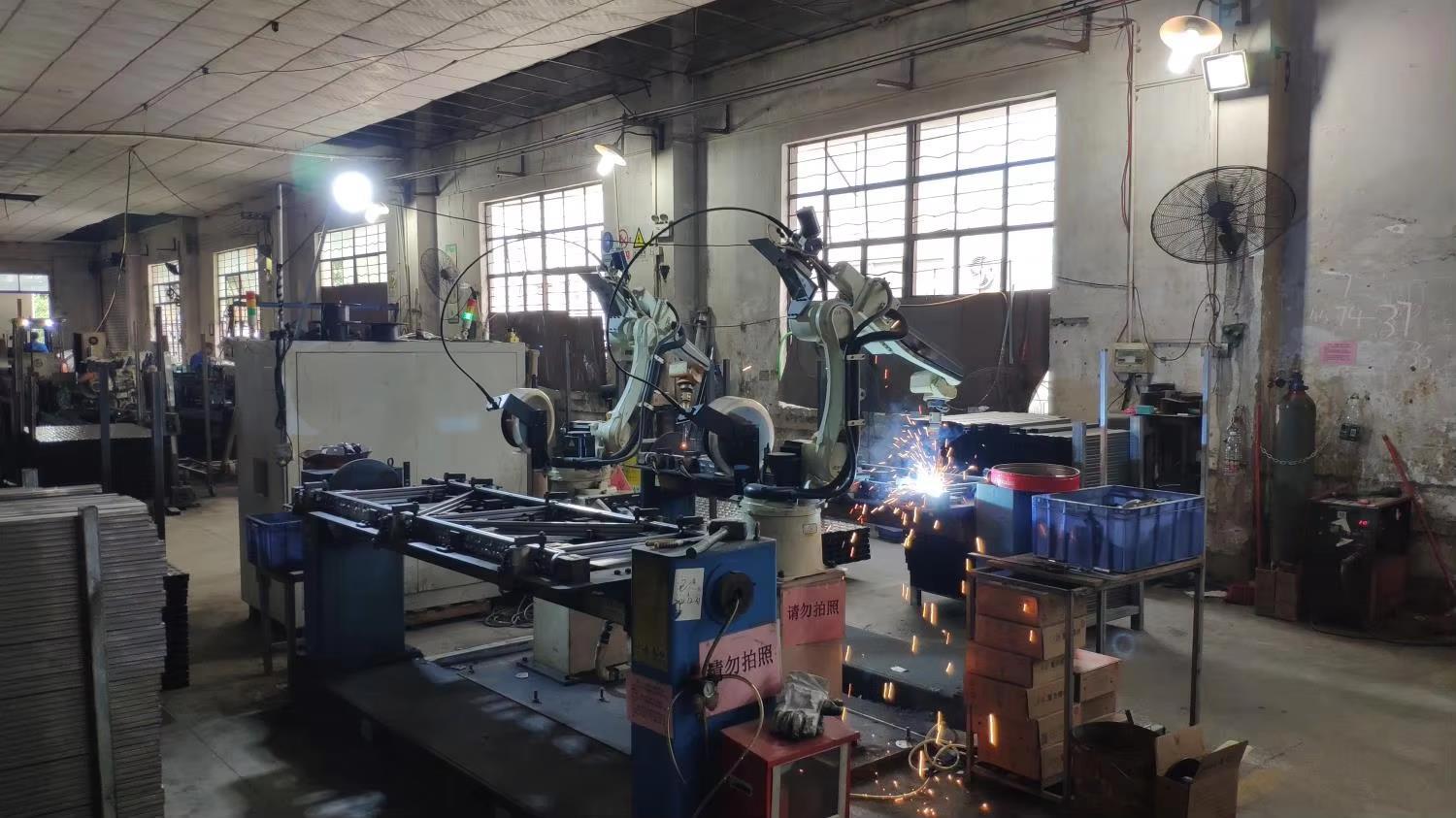
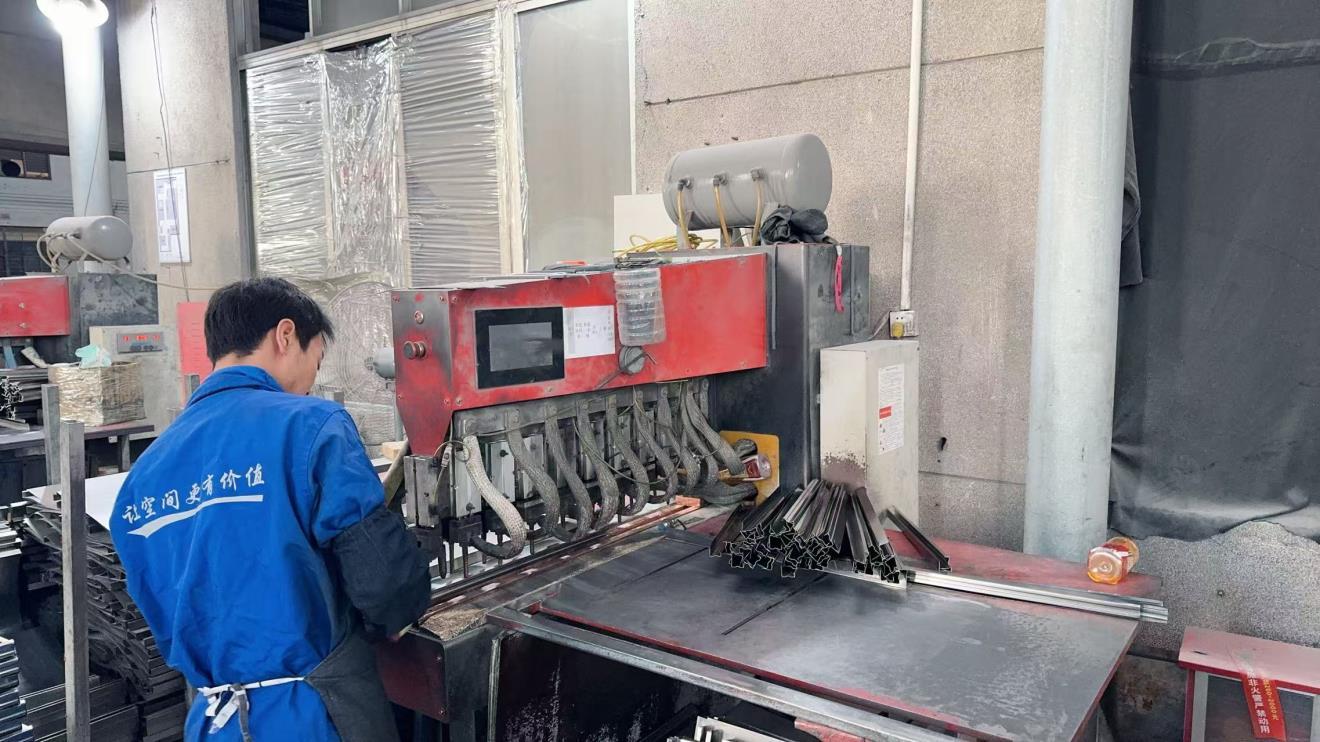
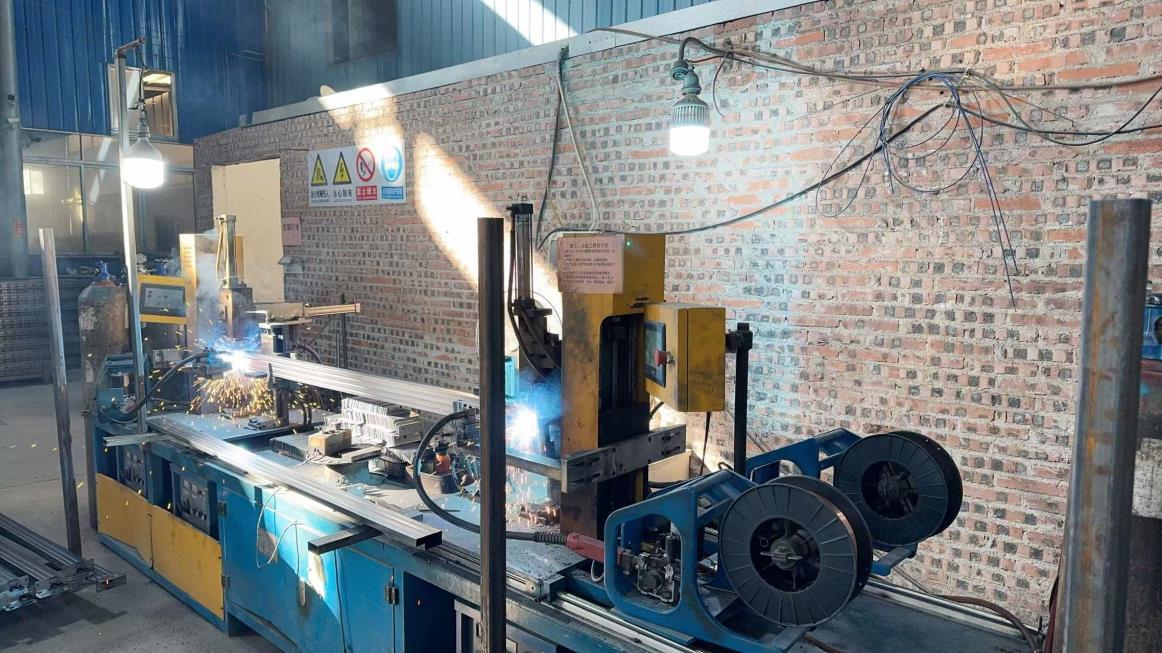
Our infrastructure combines advanced robotics, high-tonnage forming lines, and integrated surface finishing systems. Supported by 11 years of structural engineering expertise and 8 years of direct international export operations, Kimsuk Shelves exports over $18M annually. We service key industrial sectors across North America, Europe, Southeast Asia, and the Middle East, offering a versatile range of storage equipment designed for durability and efficiency.
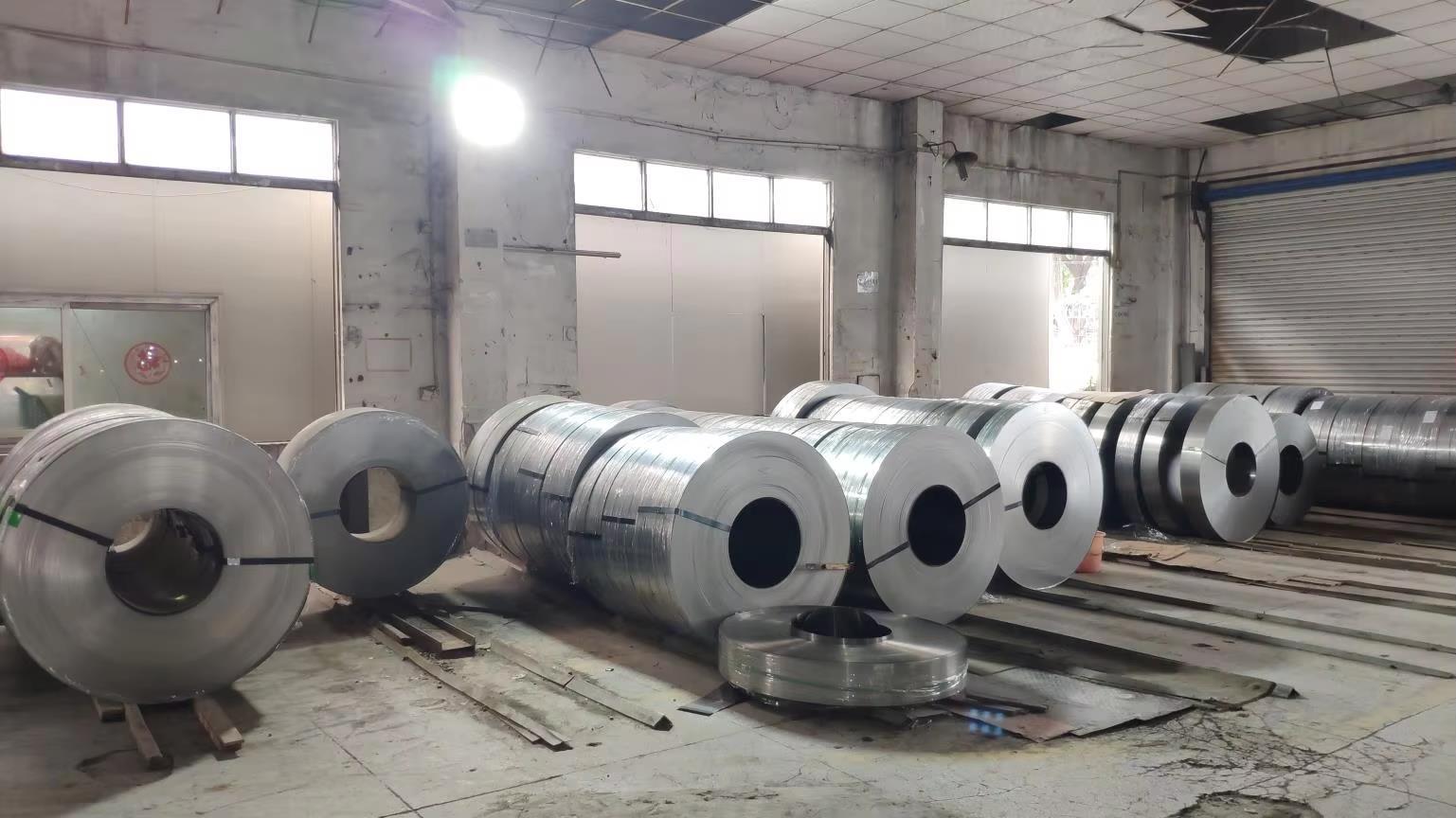
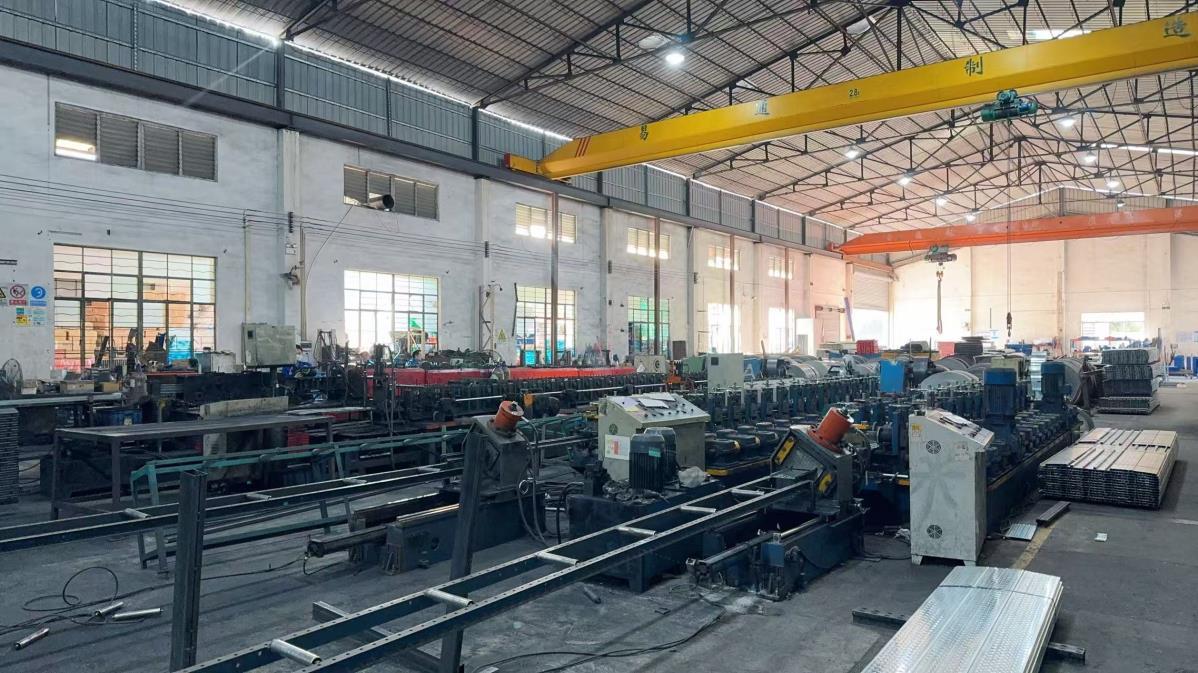
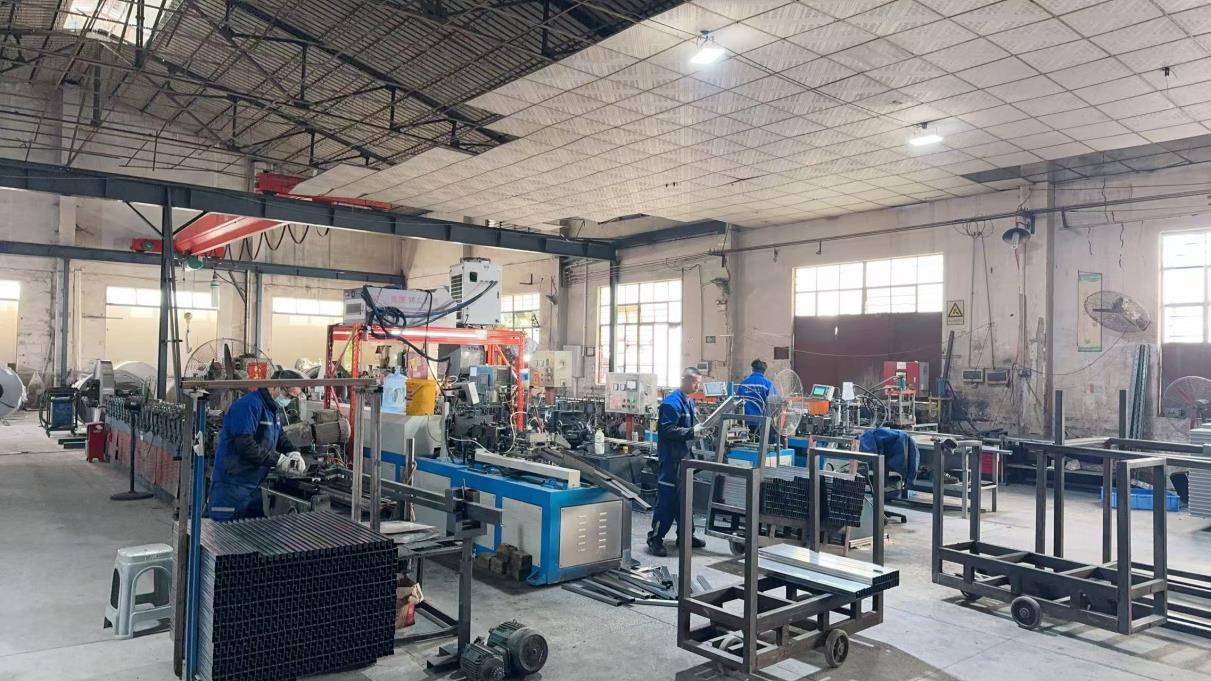
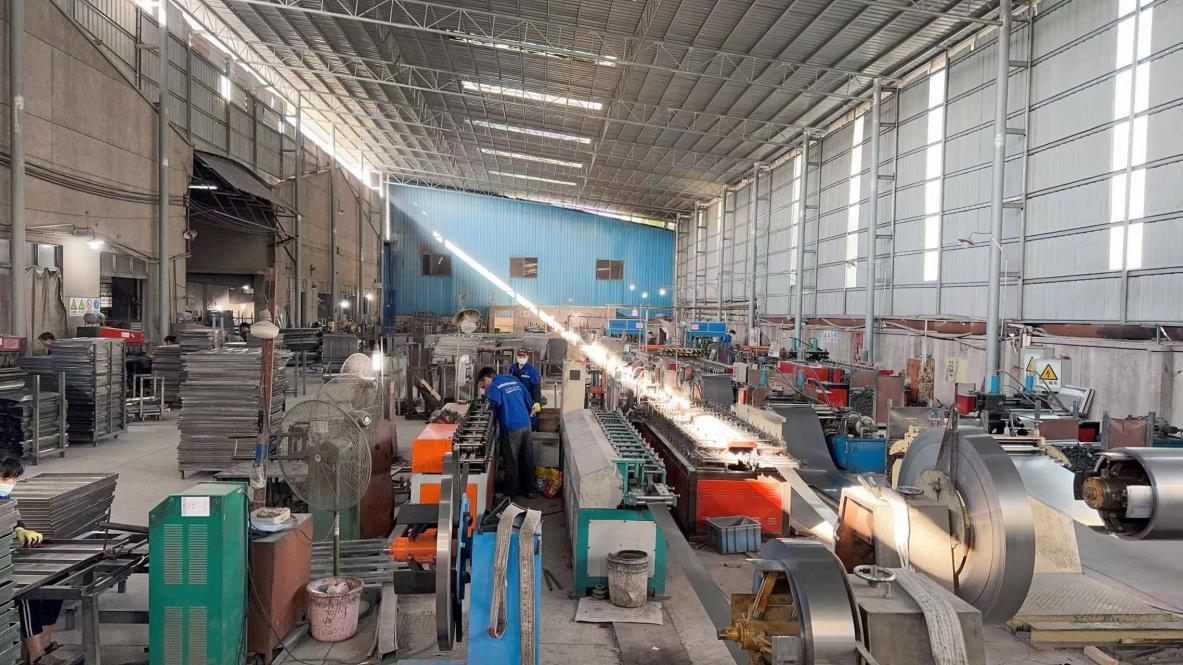
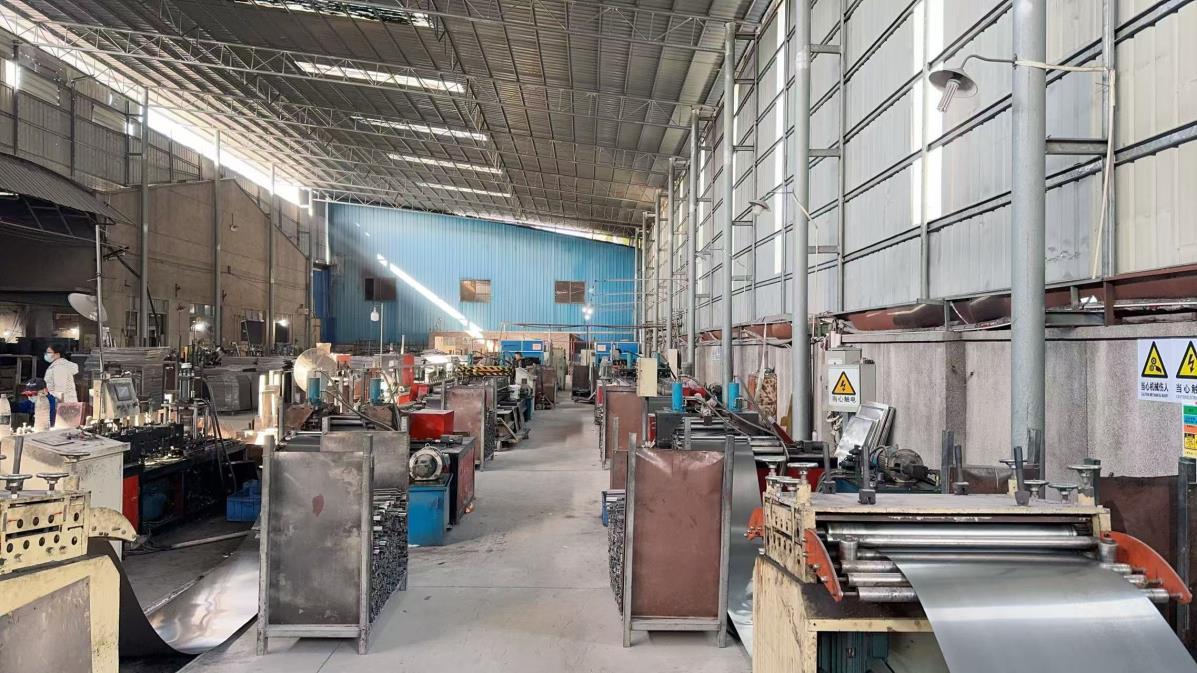
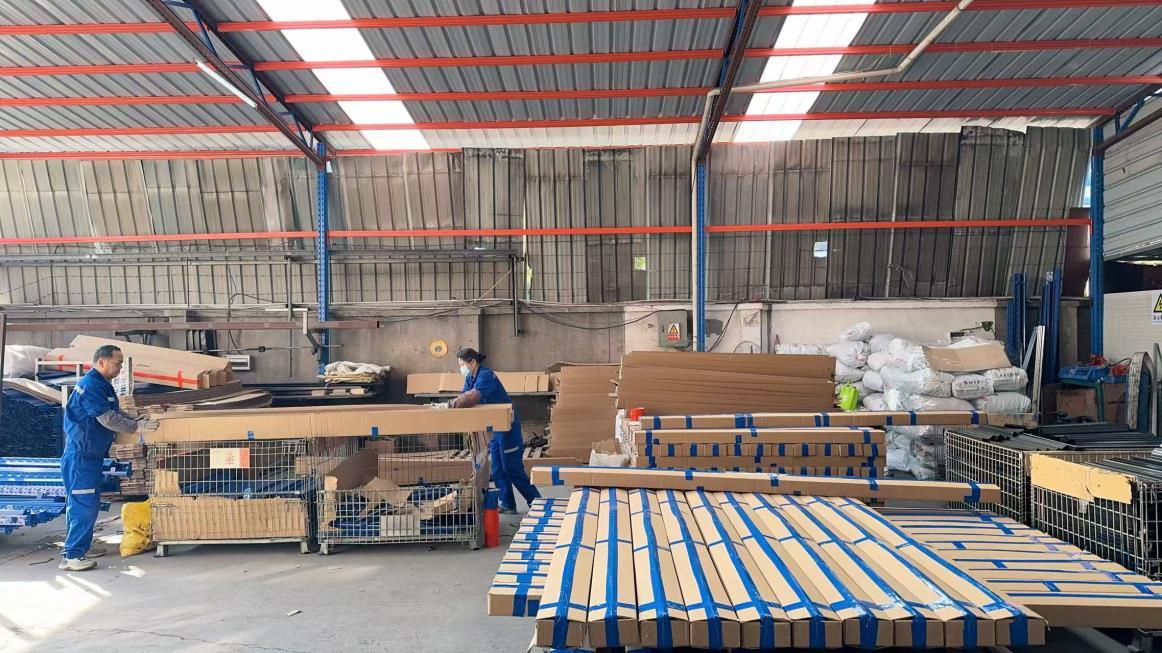
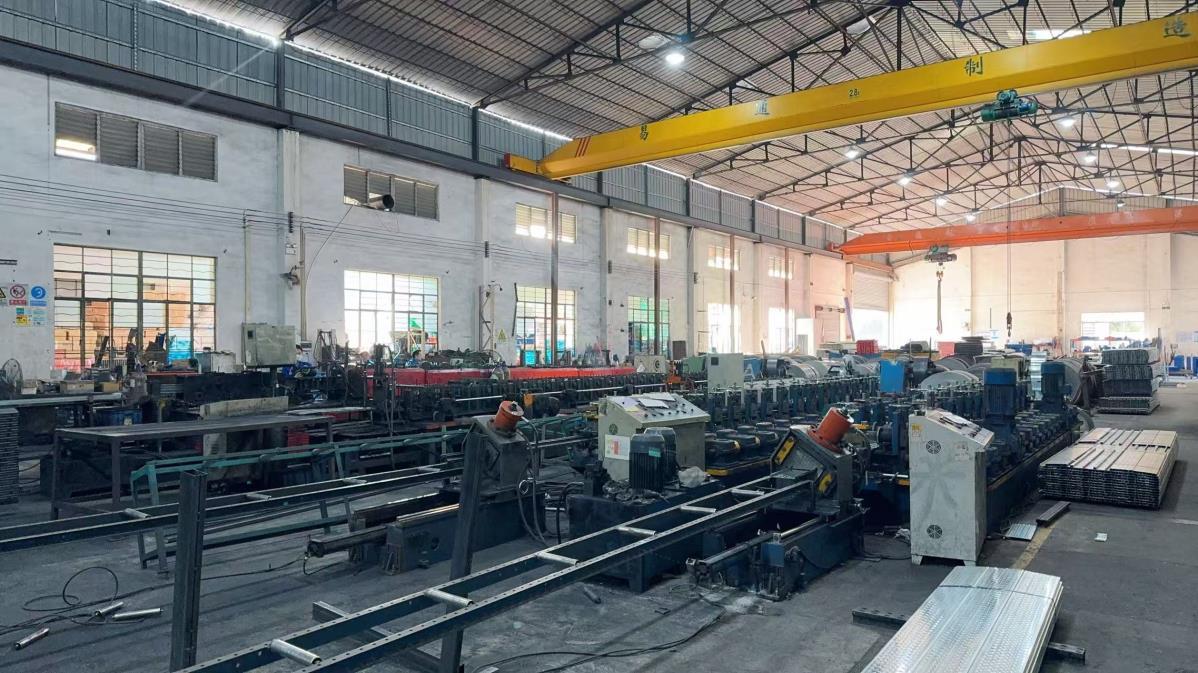
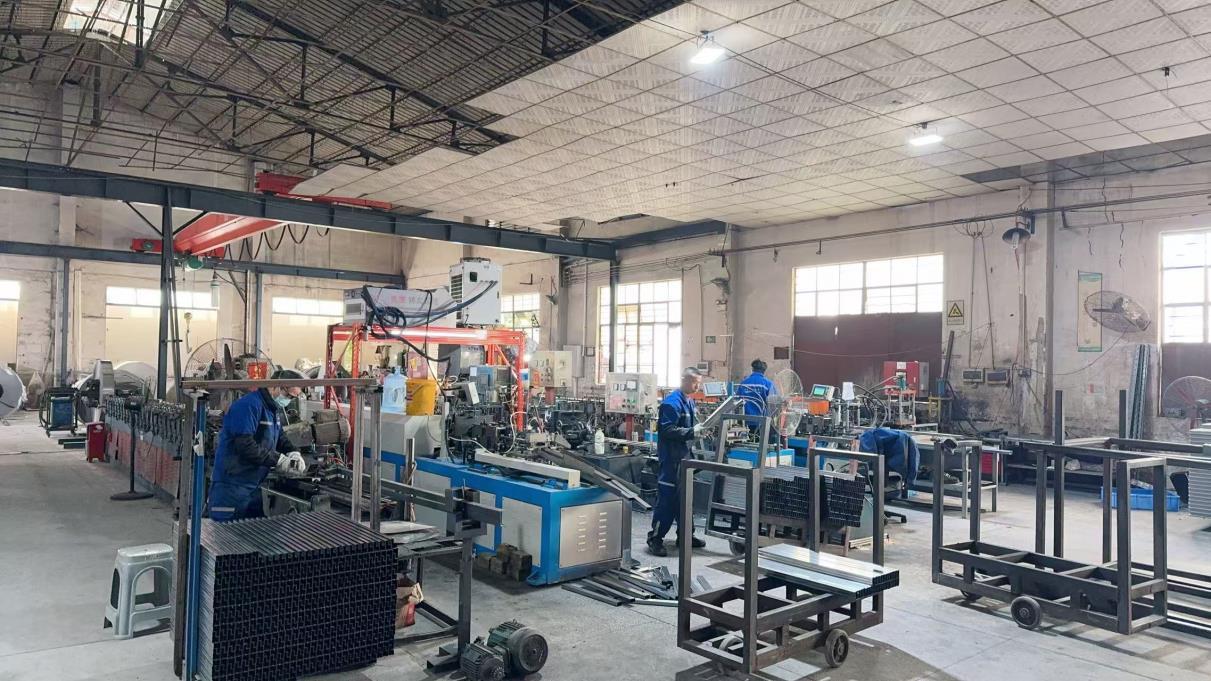
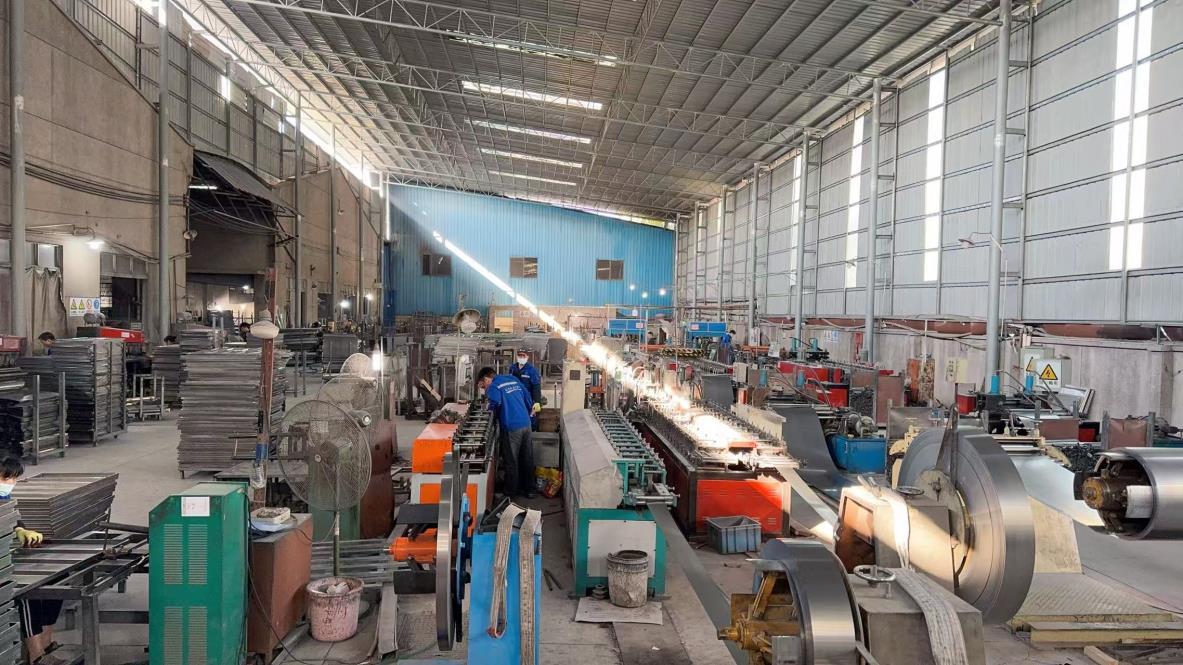
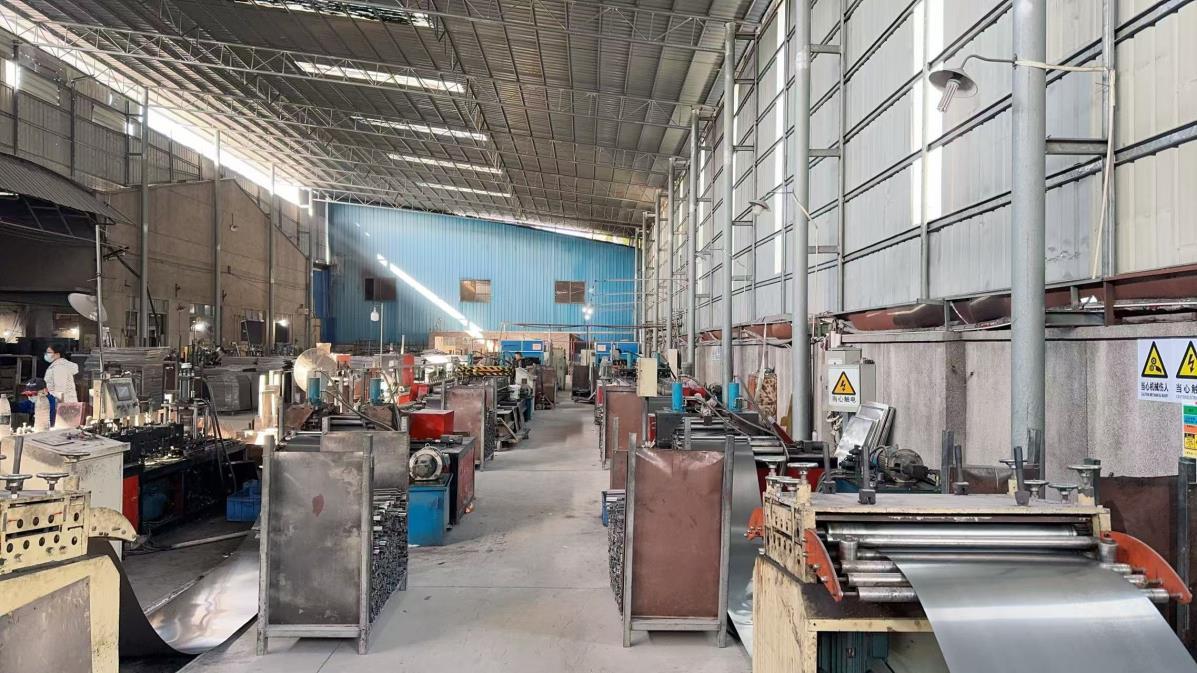
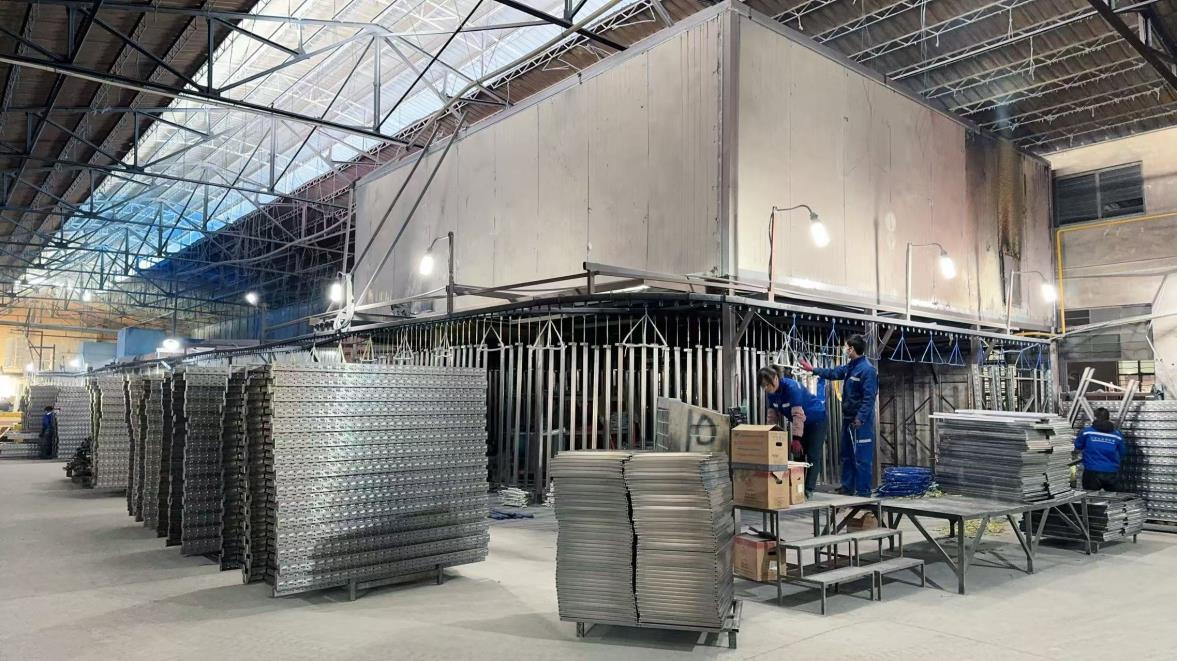
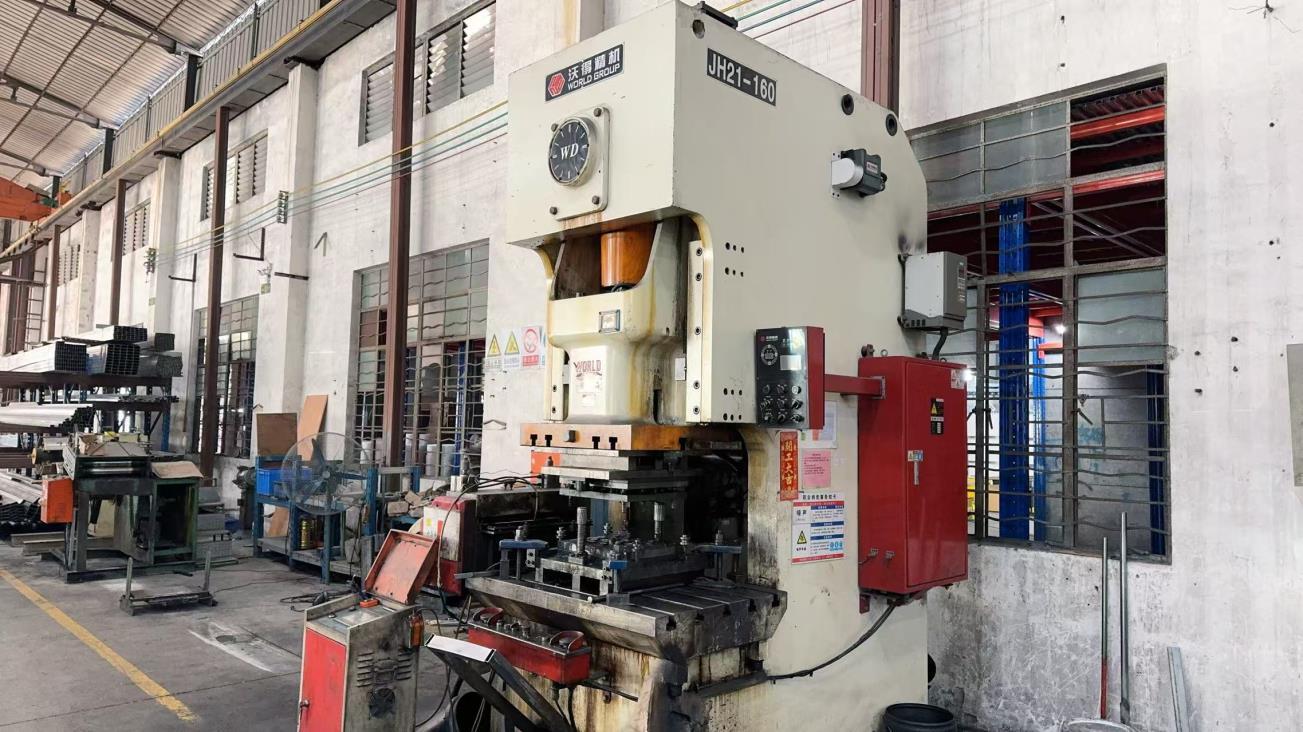
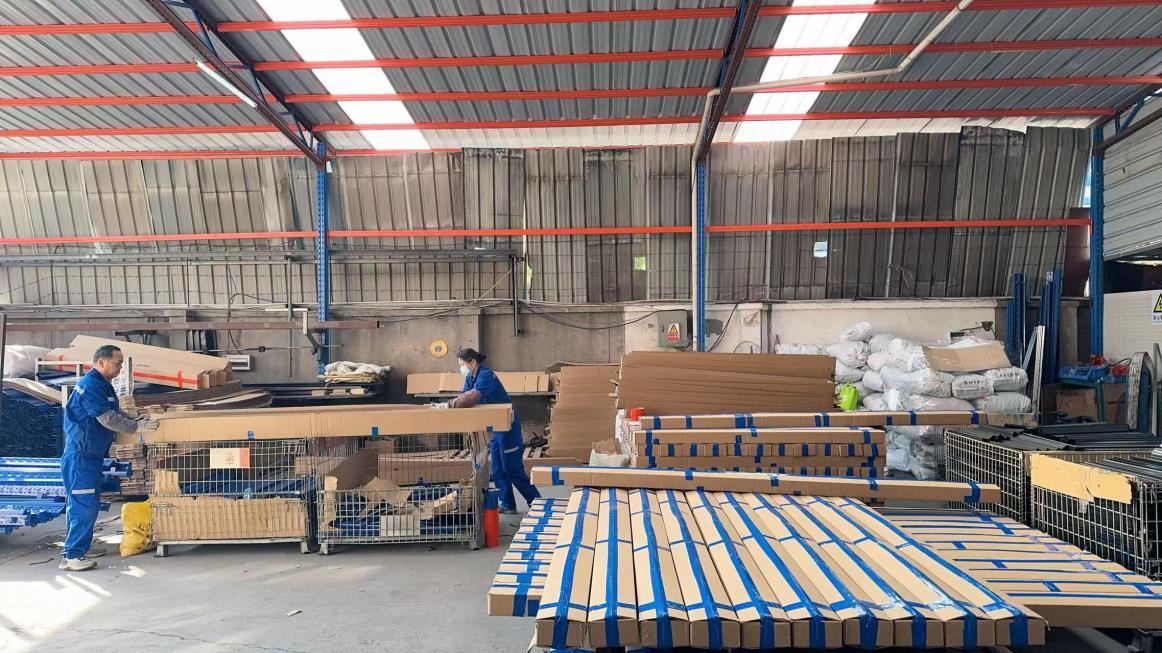
How procurement managers capitalize on specialized manufacturing ecosystems to achieve cost efficiency.
Dongguan functions as a global hub for metal fabrication. By utilizing localized access to steel mills, surface finish suppliers, and hardware manufacturers, we reduce component sourcing lead times. This regional integration enables Kimsuk to sustain production cycles even during peak global demand periods.
Through the integration of automated cold-forming lines and robotic welding technology, we keep labor overhead down. These savings are passed directly to buyers without sacrificing raw material standards or thickness tolerances, maintaining load reliability.
Positioned near major shipping ports in Shenzhen and Guangzhou, Kimsuk offers streamlined dispatch workflows. We offer complete container packing optimization, using engineered packaging methods to prevent transit scuffs and maximize container volume.
Our quality verification system is managed by 35 dedicated QA/QC inspectors. Production relies on strict verification steps including non-destructive testing, raw material tensile verification, load-stress evaluations, and powder-coating thickness checks. With a network of over 850 verified supply chain partners, we ensure Kimsuk racking assemblies deliver stable structural performance under load.
Tailoring modular storage racking configurations to meet diverse operational and regulatory requirements.
Industrial storage configurations must adapt to the operational profiles of distinct business sectors. Whether scaling an e-commerce fulfillment hub, a cold storage facility, or a heavy manufacturing plant, the racking architecture dictates overall efficiency. Kimsuk designs custom variations matching specific local applications:
Through our dedicated R&D division, featuring 18 senior structural and engineering specialists, we design tailored systems matching custom loading requirements. Last year, Kimsuk developed and introduced 120 new product models and modular additions, expanding options for warehouses globally.
Clear answers to common questions about engineering specifications, customization, and export logistics.
Discover our heavy-duty warehouse storage and automatic racking configurations designed for modern supply chains.
 Kimsuk Steel