Engineered structural racking, heavy-duty shelving configurations, and system-level space solutions.
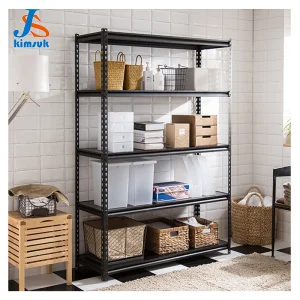
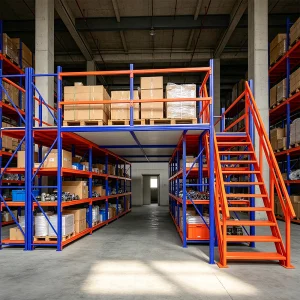
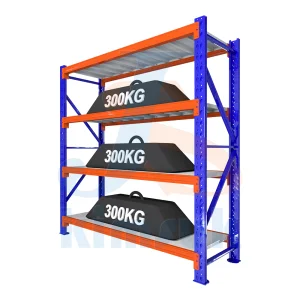
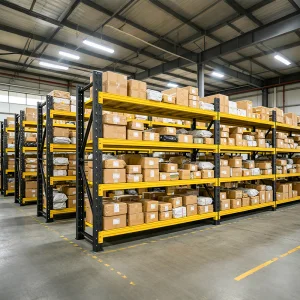
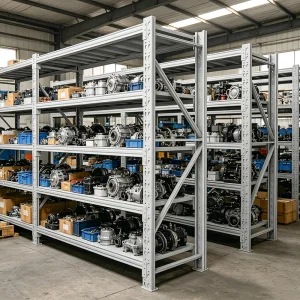
Inside Dongguan Kimsuk Shelves Co., Ltd.—A Global Heavyweight in Industrial Storage Solutions.
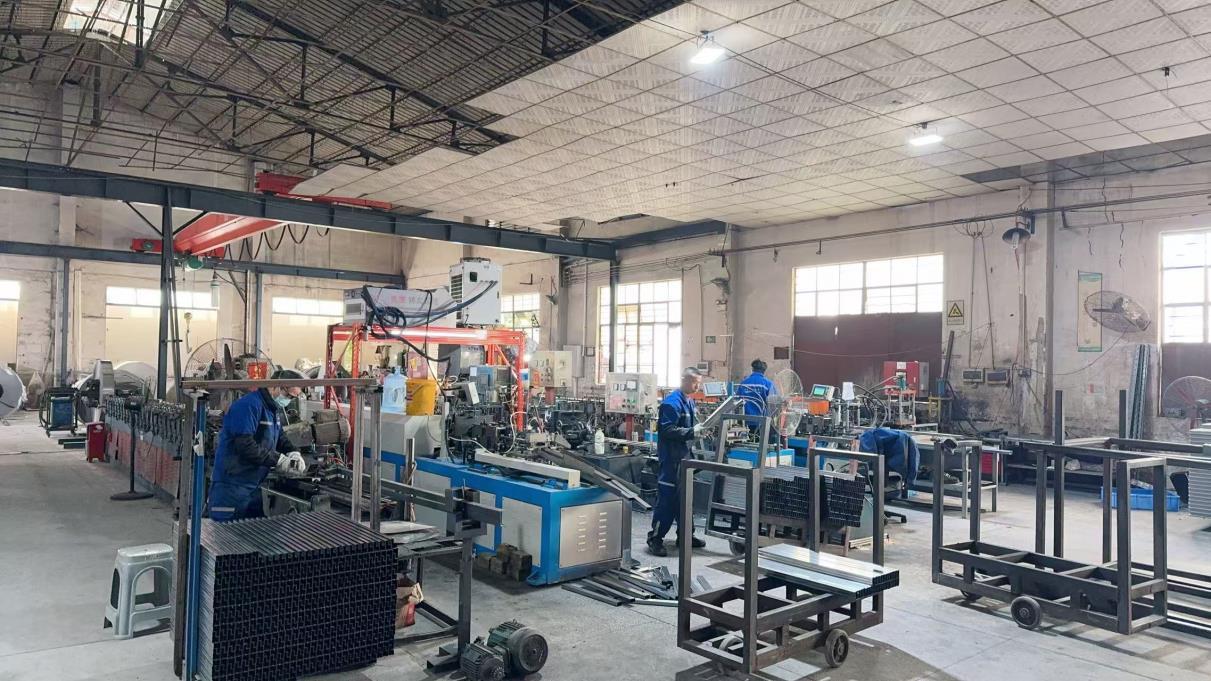
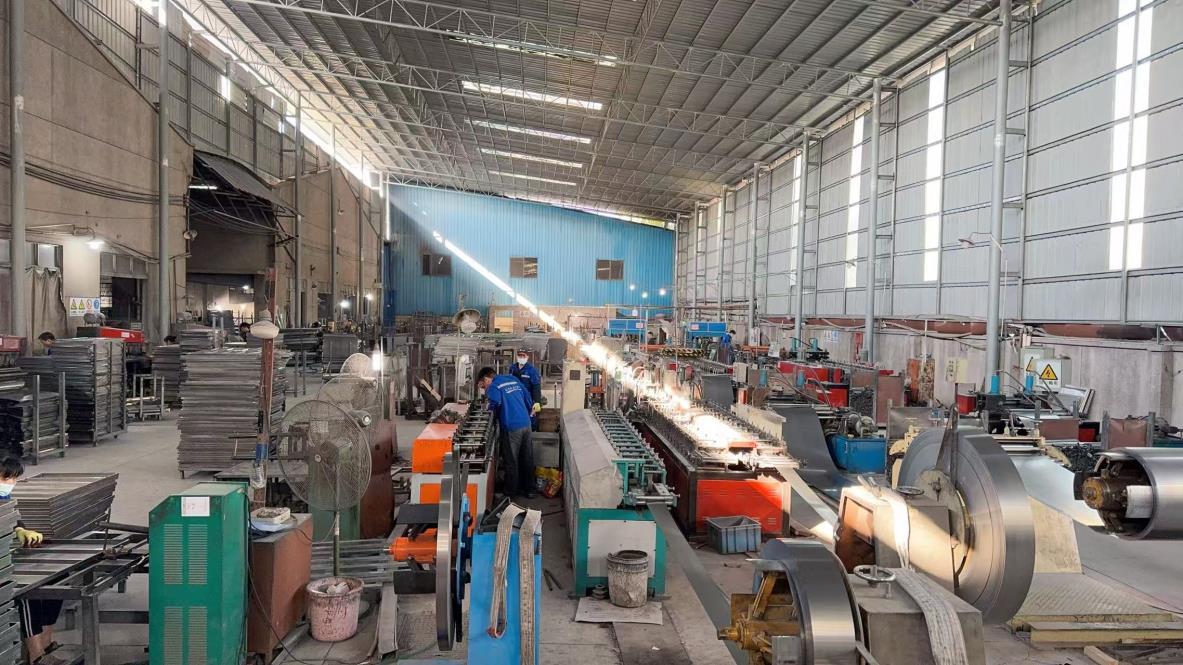
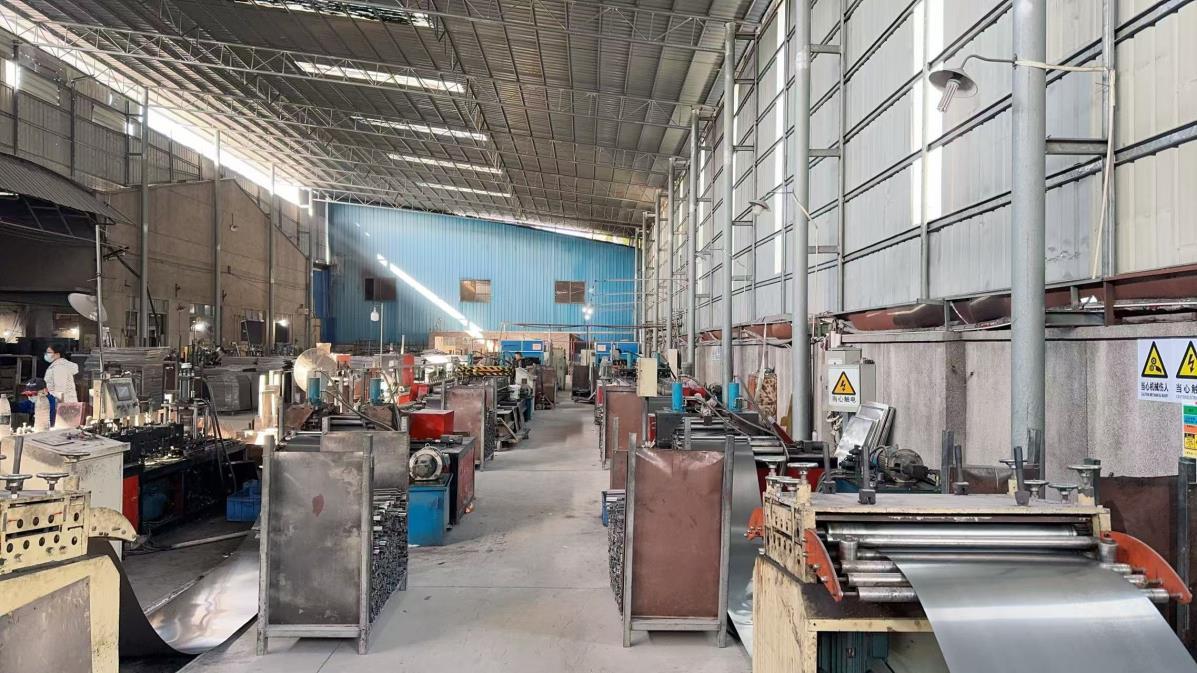
Established in 2015, Dongguan Kimsuk Shelves Co., Ltd. is a leading manufacturer specializing in the design, engineering, and production of heavy-duty industrial shelving and warehouse storage systems. Operating from our state-of-the-art facility, we have built a reputable global footprint as a verified, high-capacity partner. We combine raw structural power with sophisticated layout planning to deliver long-term storage efficiency.
Backed by 8 years of direct international export experience, we actively serve major supply chain hubs across North America, Europe, Southeast Asia, and the Middle East. By coordinating design, metallurgy, automation, and logistics under one roof, we eliminate intermediate supply chain friction, ensuring that large-scale infrastructure projects are completed on schedule, under budget, and compliant with structural codes.
Our commitment extends beyond metal fabrication. We provide comprehensive layout planning services, structural stress simulations under simulated seismic events, and custom load-bearing configuration charts to guarantee that every system we ship meets the performance tolerances demanded by modern warehousing logistics, such as high-velocity 3PL fulfillment centers and automated retrieval systems.
Quality and structural integrity are non-negotiable. Our QA framework is driven by 35 dedicated inspectors using advanced non-destructive testing (NDT), steel tensile evaluations, and precision powder-coating measurements. We purchase certified steel from top-tier domestic mills, verifying chemical compositions and yield strengths before manufacturing begins.
Supported by a robust network of over 850 verified supply chain partners, we procure raw inputs and specialized mechanical hardware with unmatched speed and competitive advantages. This supply stability enables us to process large orders without delays—keeping lead times short and predictable even during volatile global market cycles.
Our engineering innovation is led by our R&D department of 18 senior structural and mechanical specialists. Offering comprehensive OEM and ODM support, they turn spatial requirements into optimized CAD configurations. Last year alone, we engineered and launched 120 new product designs, providing modular storage solutions that resolve modern layout and space constraints.
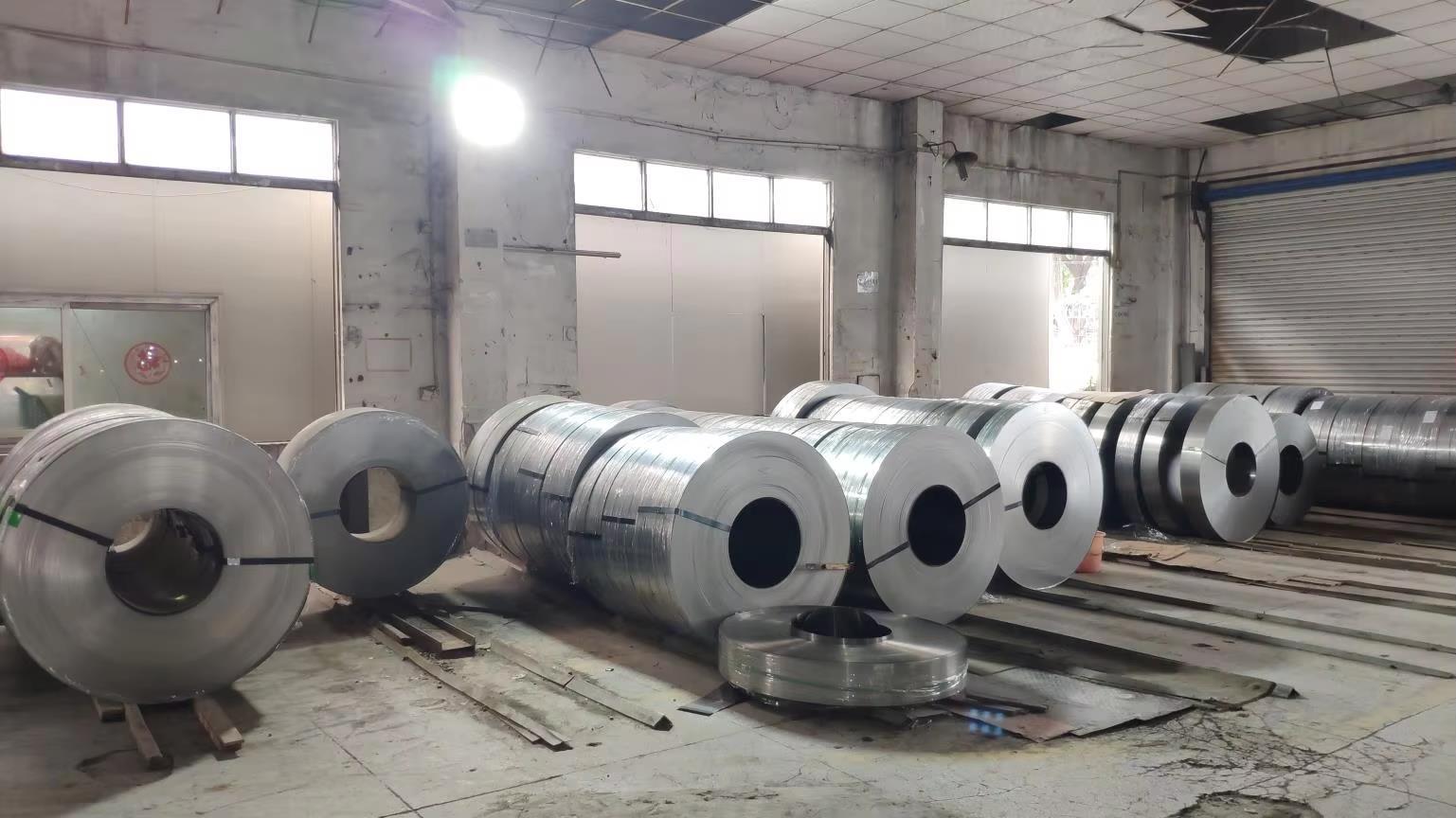
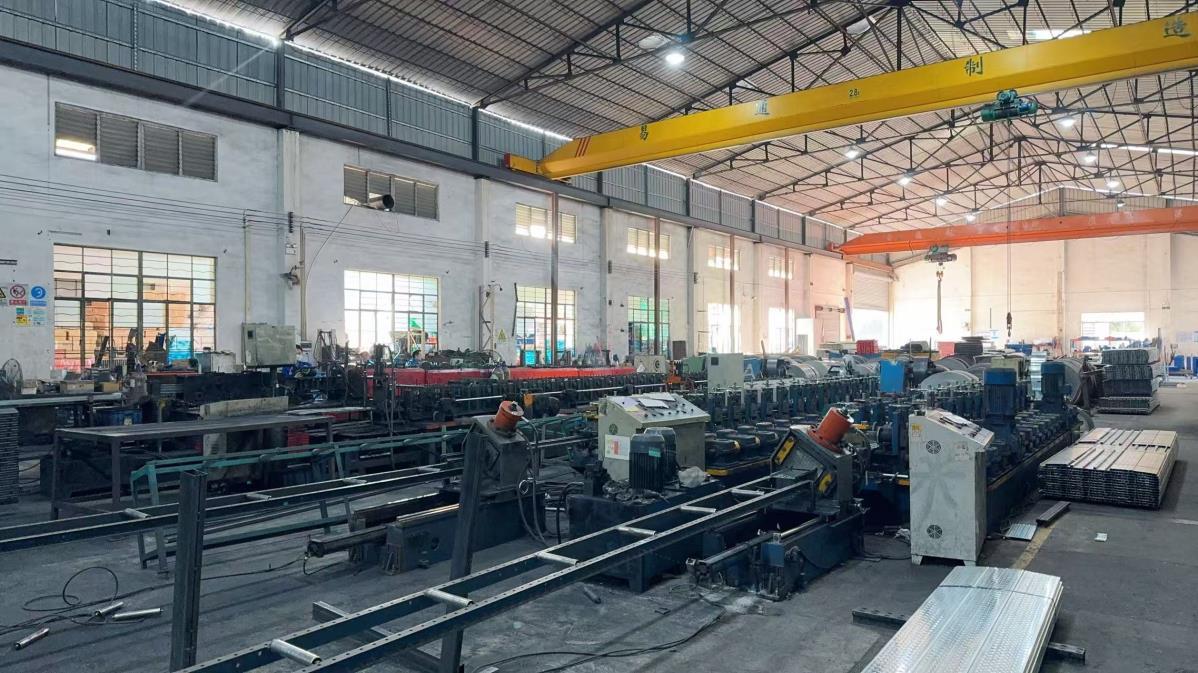
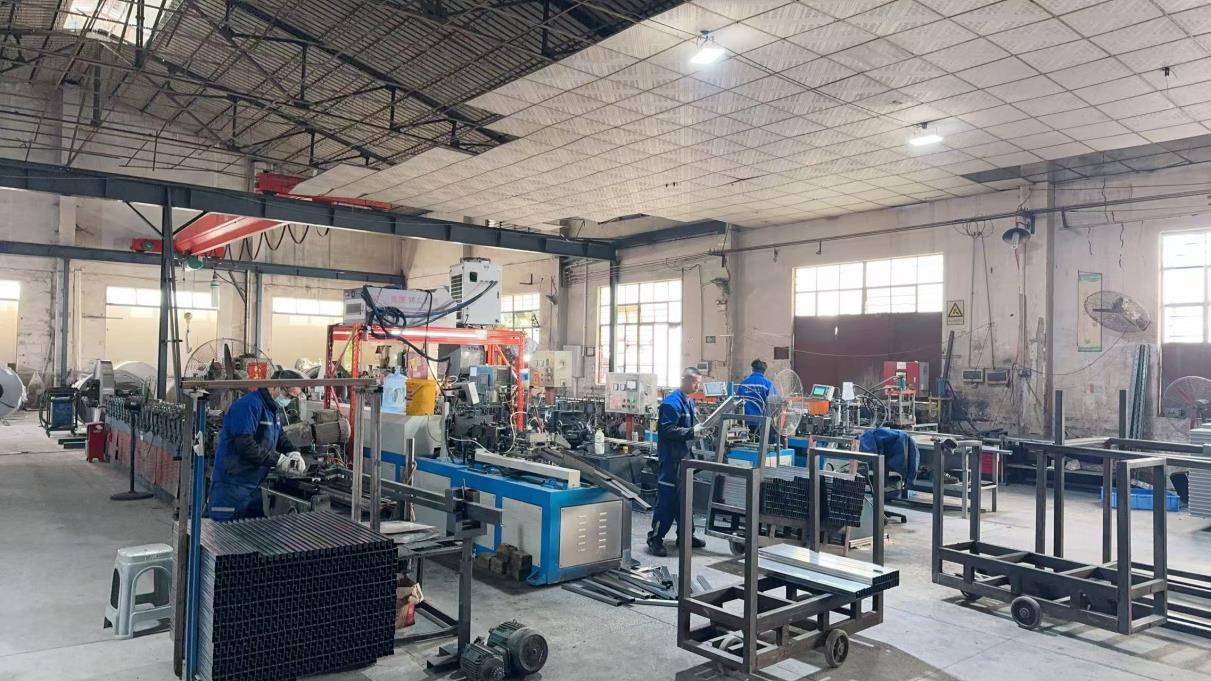
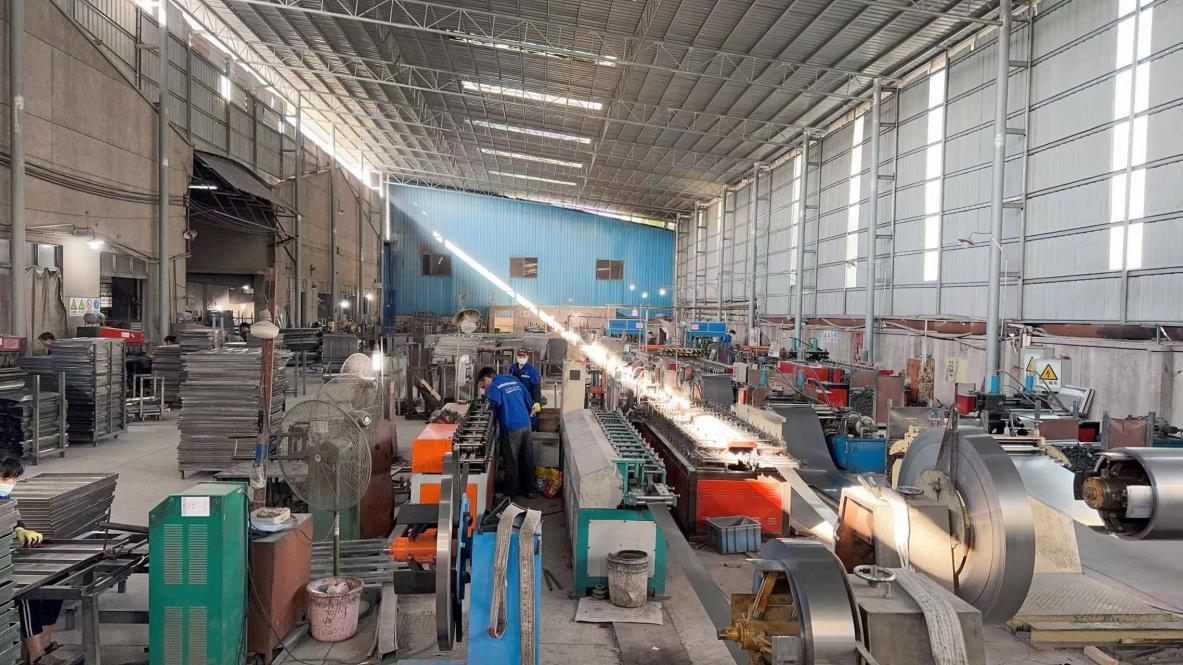
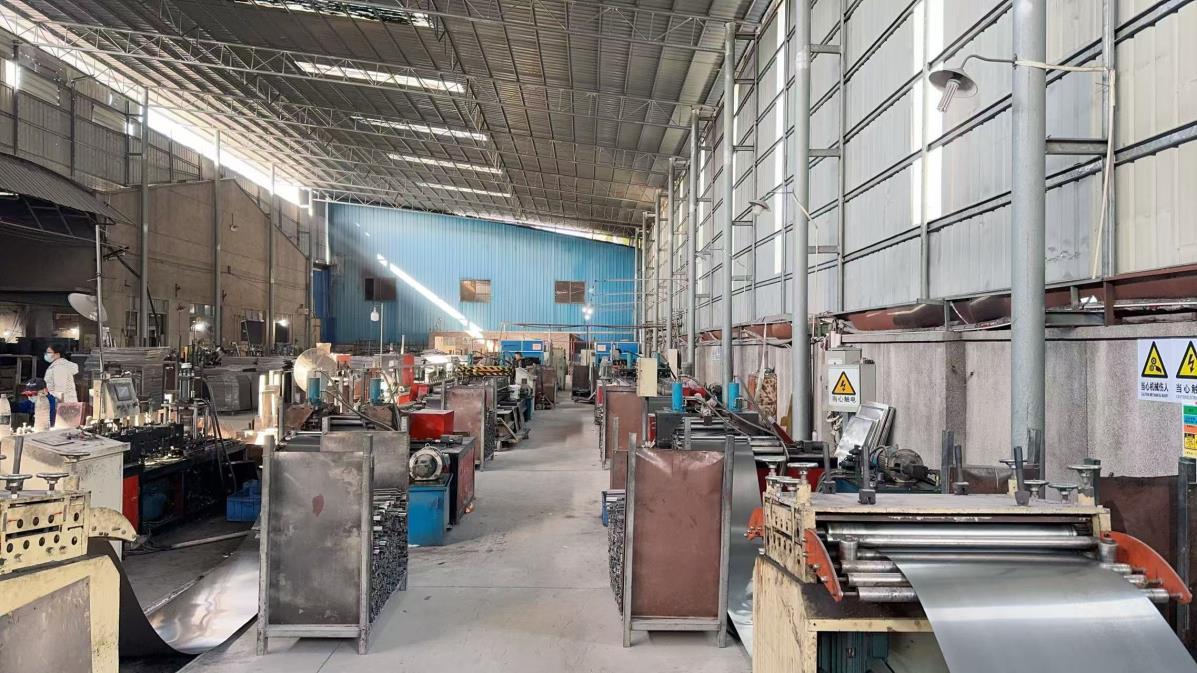
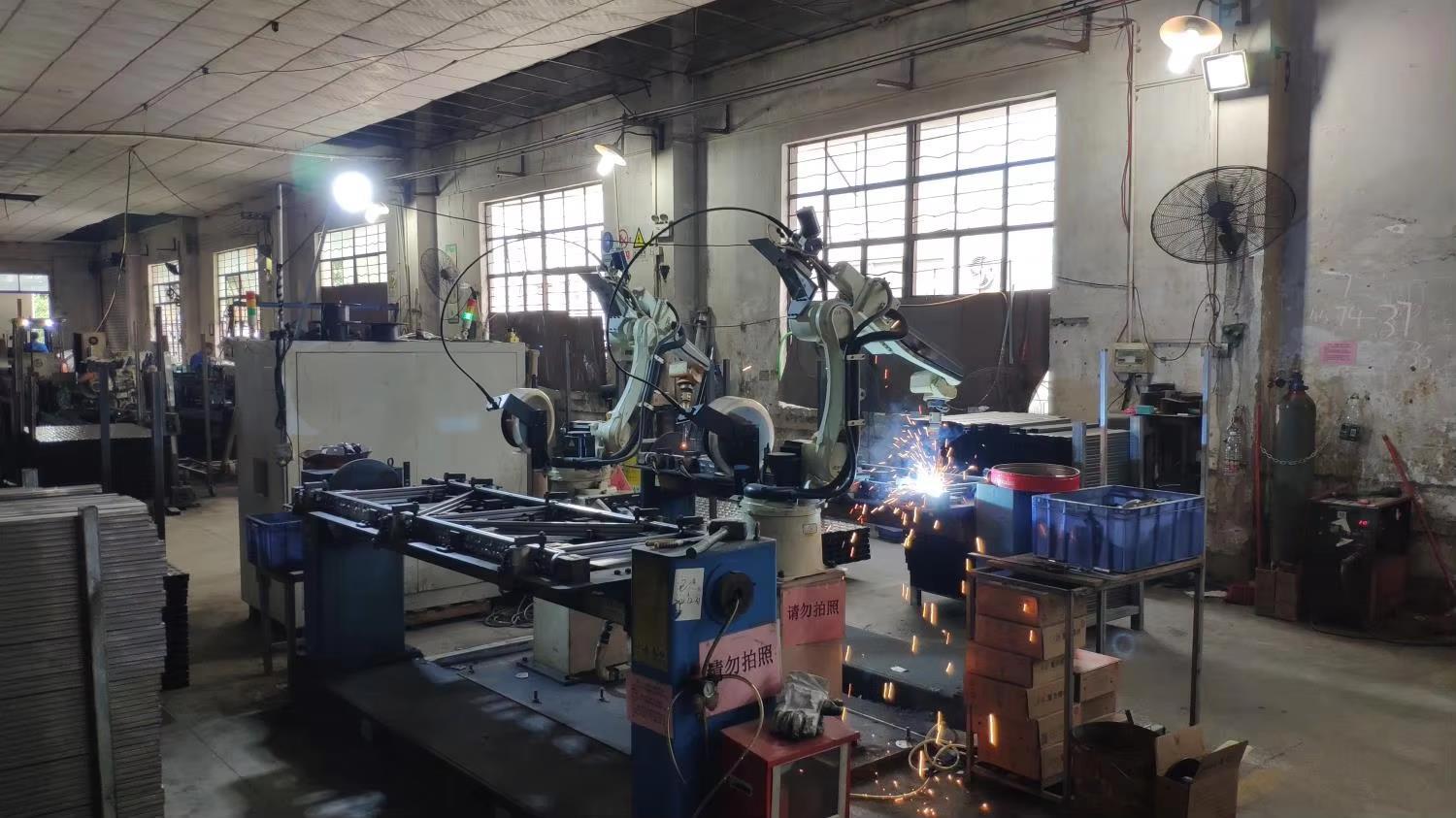
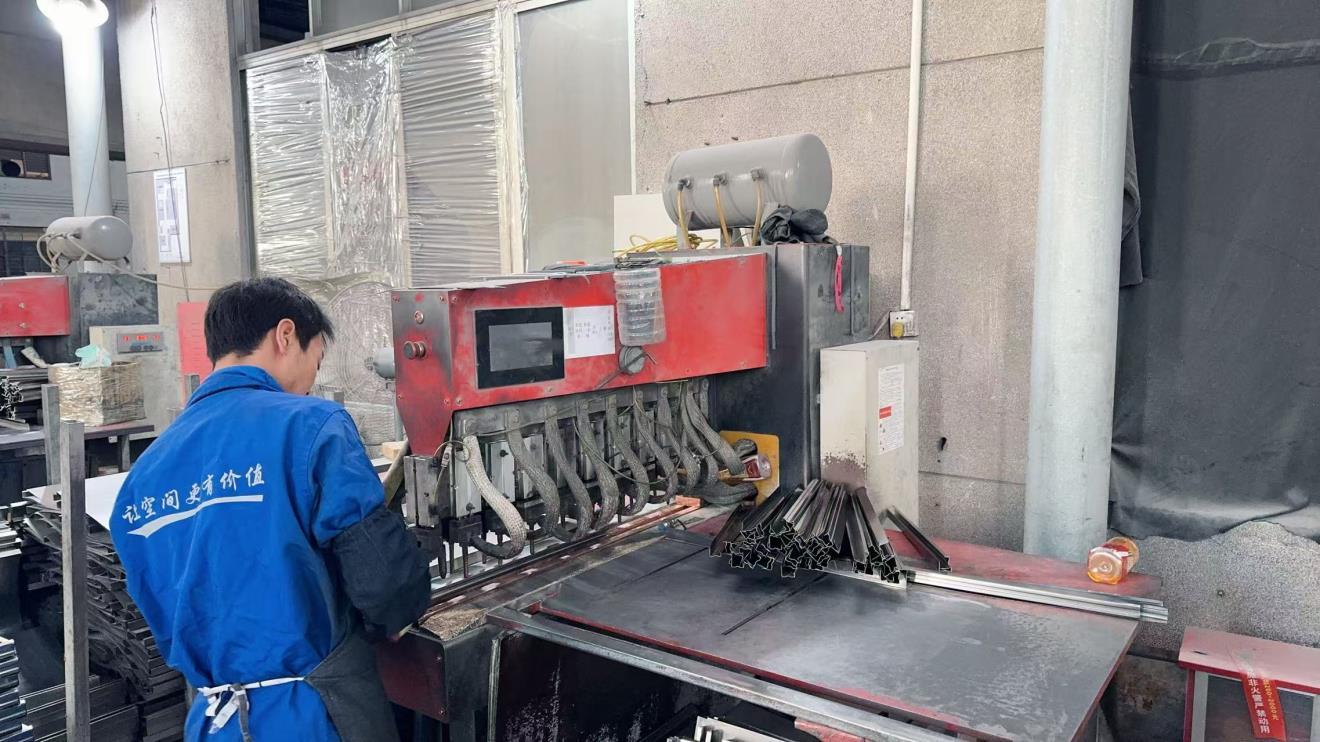
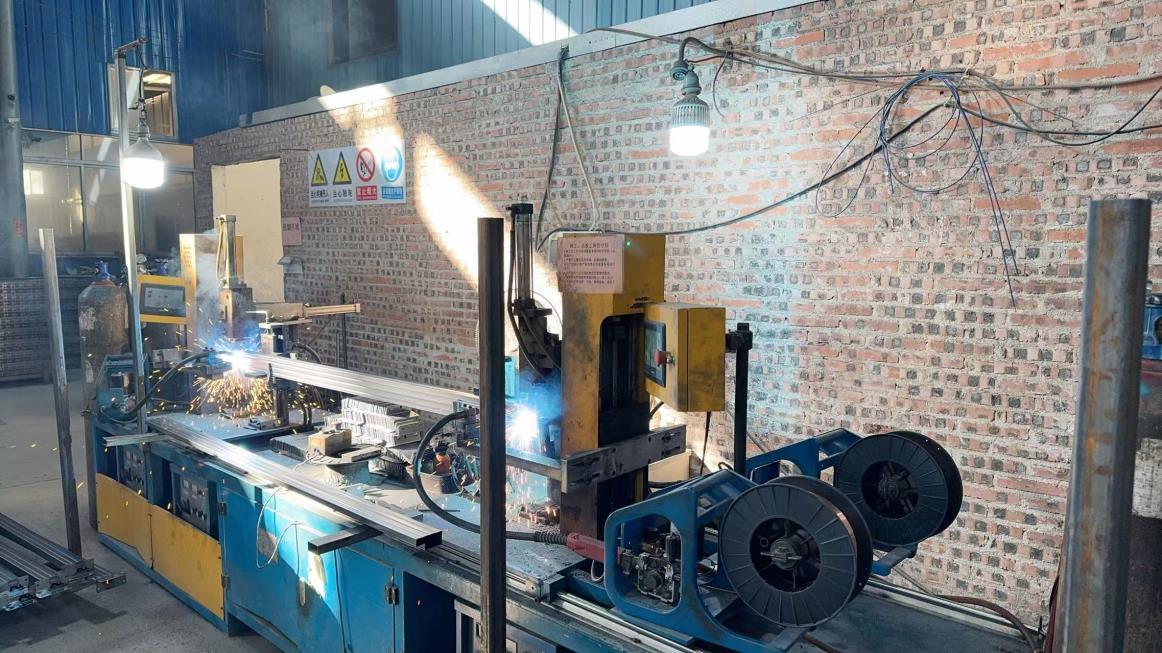
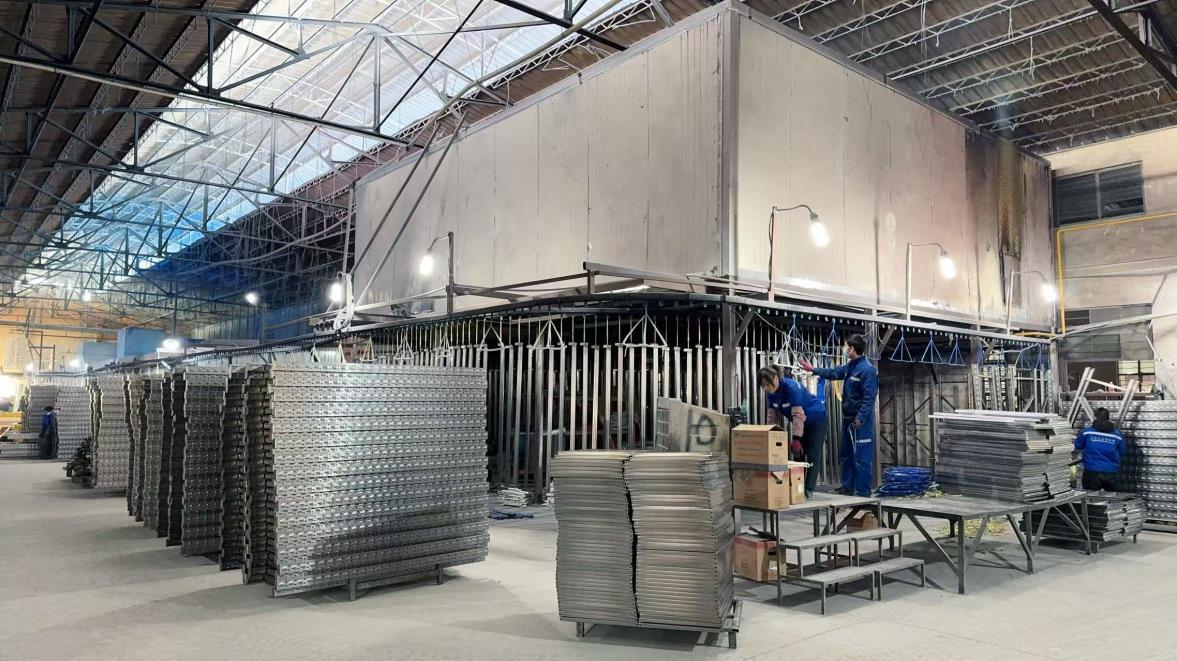
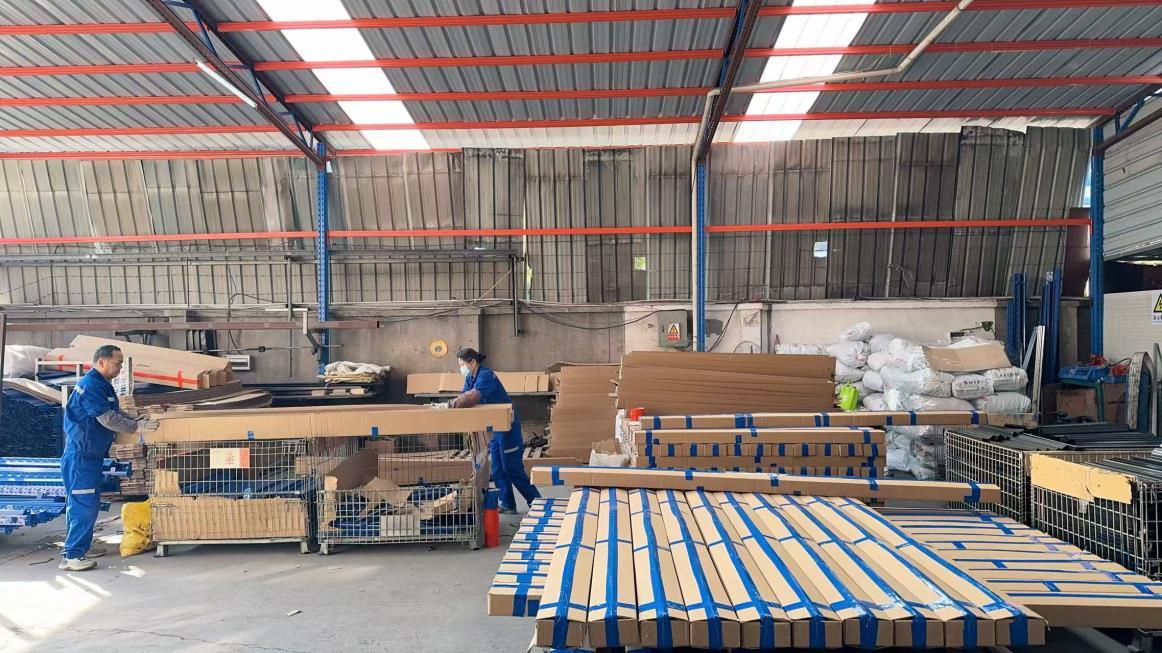
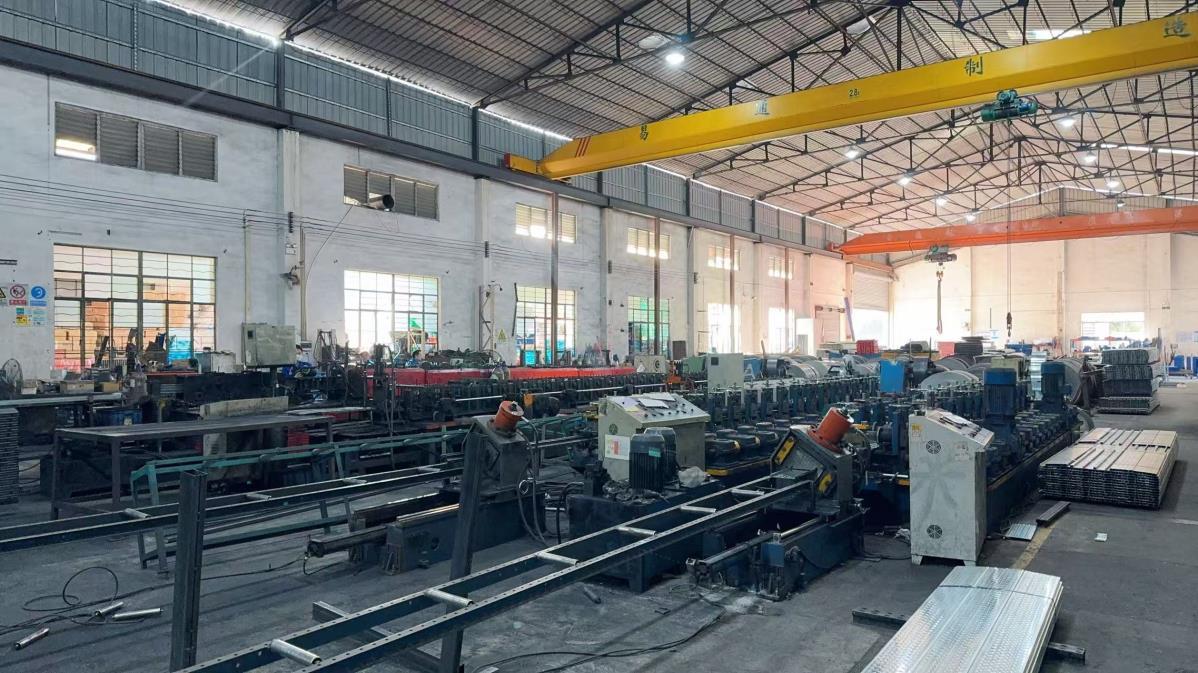
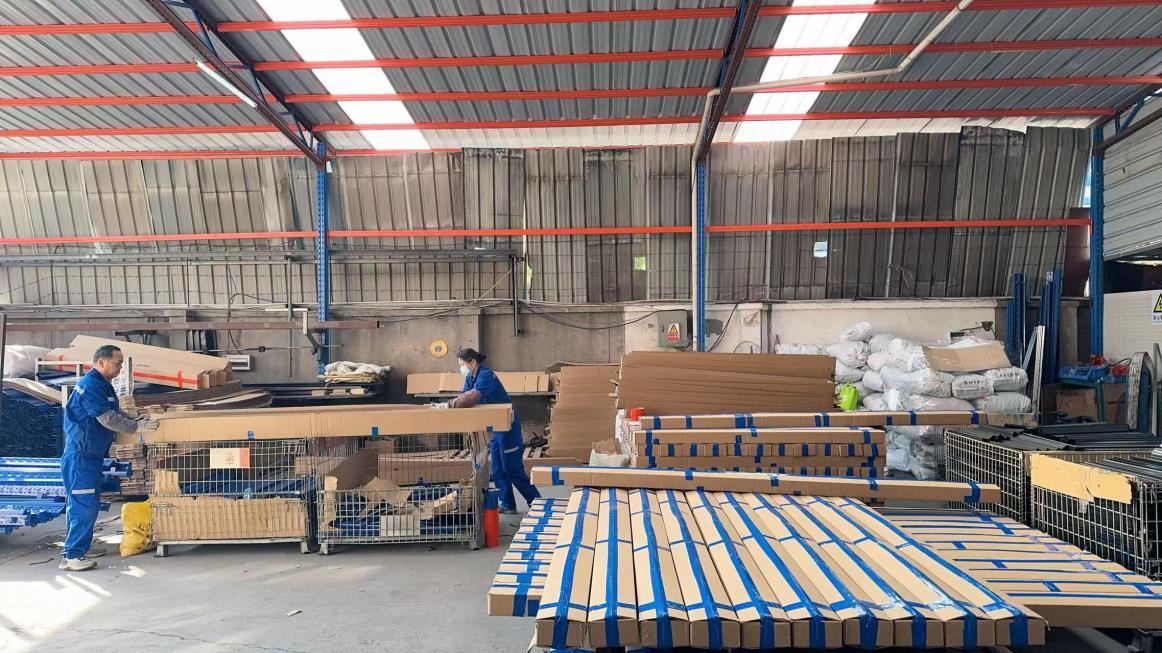
The transformation of industrial warehousing through space optimization, safety standards, and material engineering.
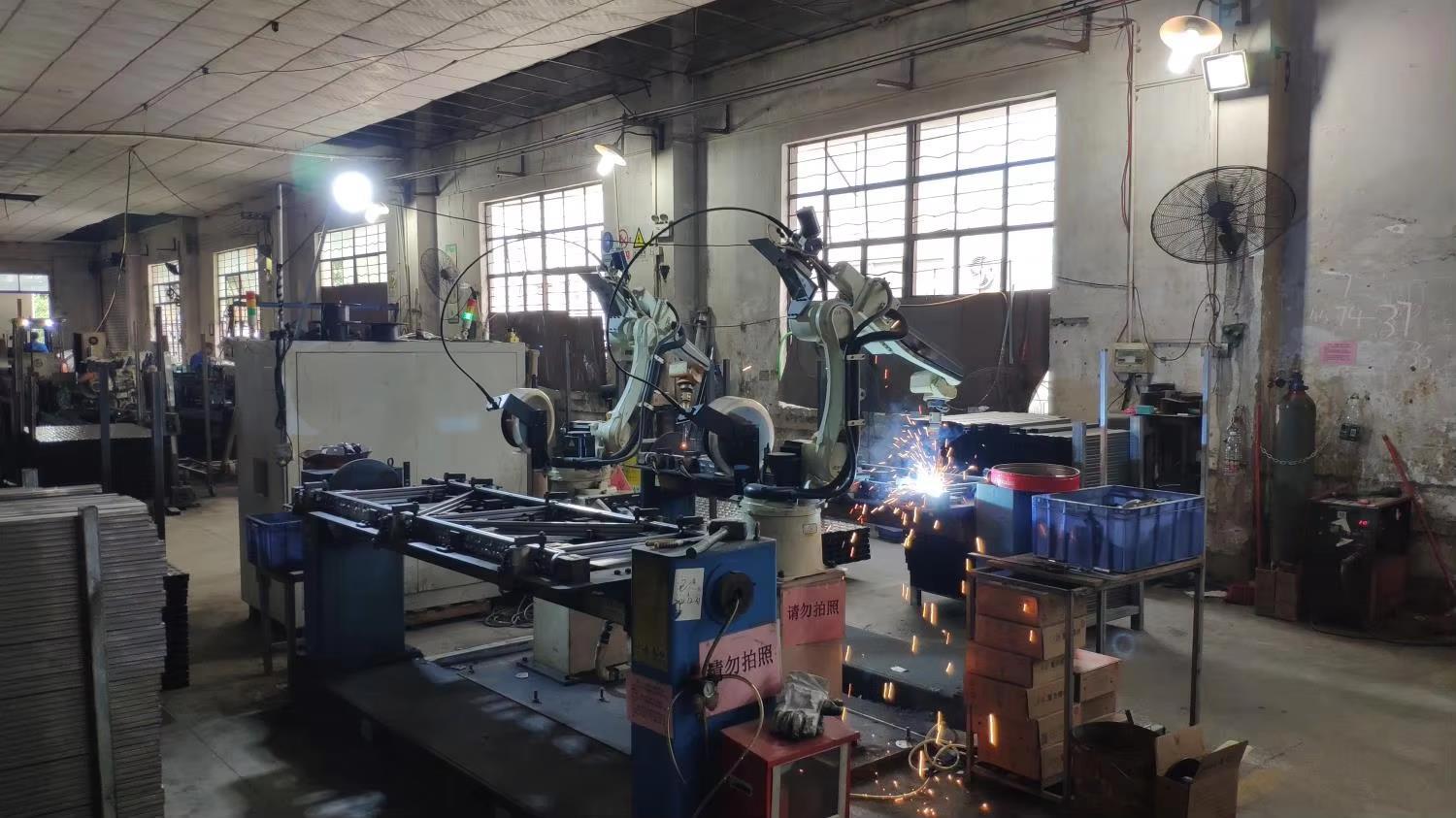
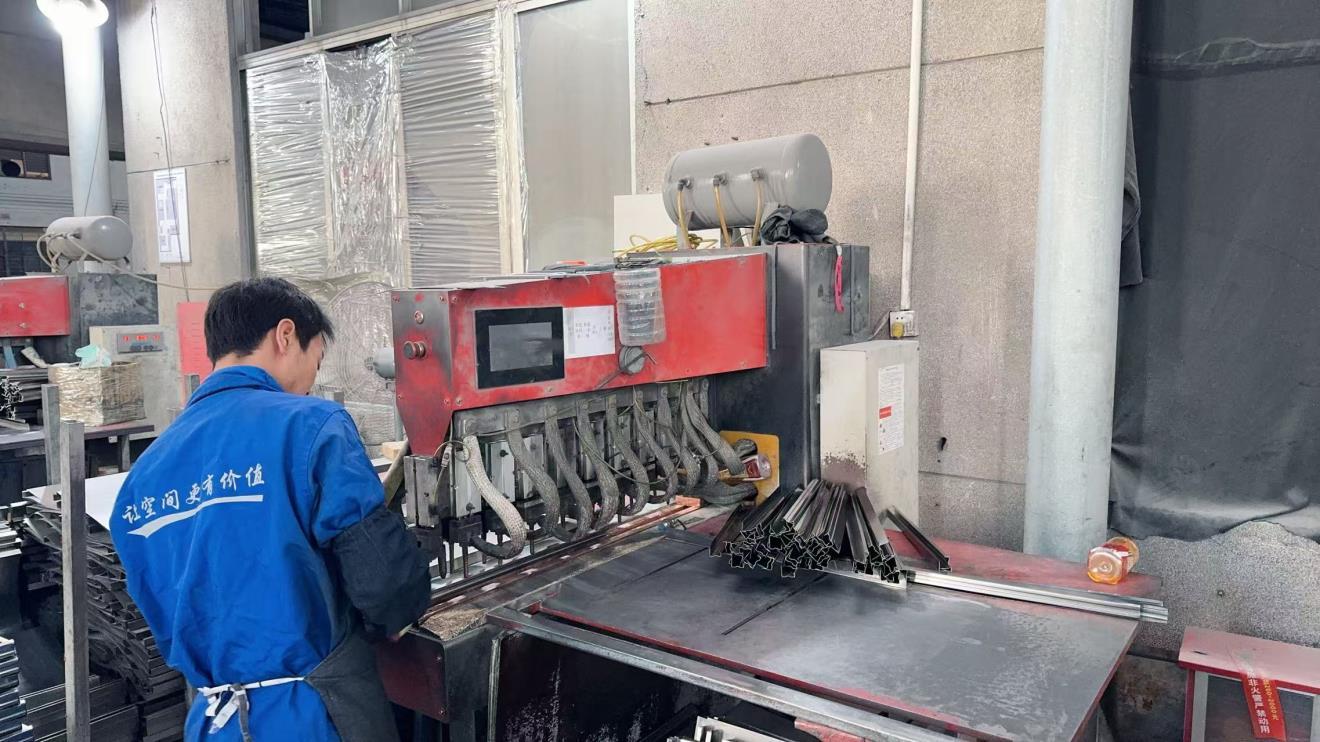
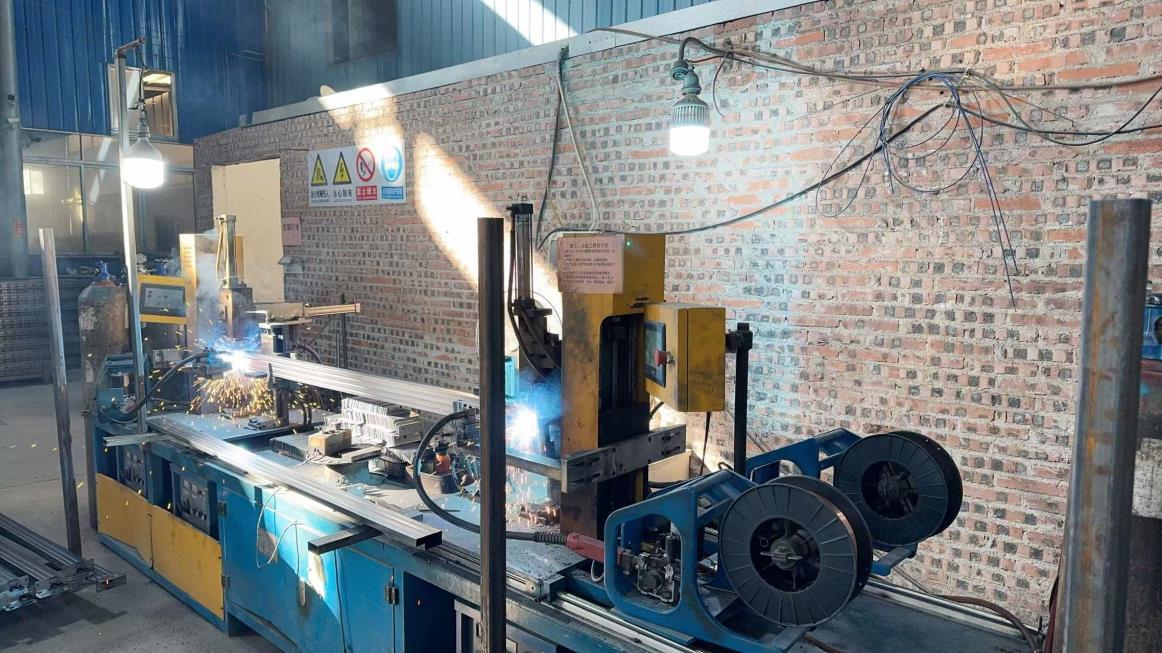
The global shift toward Automation and Smart Warehousing is restructuring traditional racking requirements. Modern Utility Racks are no longer static platforms; they serve as structural frameworks for Automated Storage and Retrieval Systems (AS/RS), autonomous mobile robots (AMRs), and automatic guided vehicles (AGVs). These automated systems require racking layouts designed with tighter structural tolerances. Deflection ratios, surface leveling, and pitch consistency must align with mechanical tolerances measured in millimeters. Dongguan Kimsuk Shelves Co., Ltd. addresses this trend by integrating robot welding systems and CNC laser machining, ensuring precision in every vertical support and cross-beam.
Seismic planning is central to high-bay racking systems. Companies now demand structural safety compliance, including FEM 10.2.02 European codes, Rack Manufacturers Institute (RMI) standards in the US, and AS4084 regulations in Australia. Racking configurations must feature heavy-duty baseplates, robust anchor bolts, and bracing structures optimized to absorb and distribute kinetic energy during seismic activity. The use of high-strength steel grades like Q355 provides safety and structural integrity, protecting personnel and cargo under extreme operational stresses.
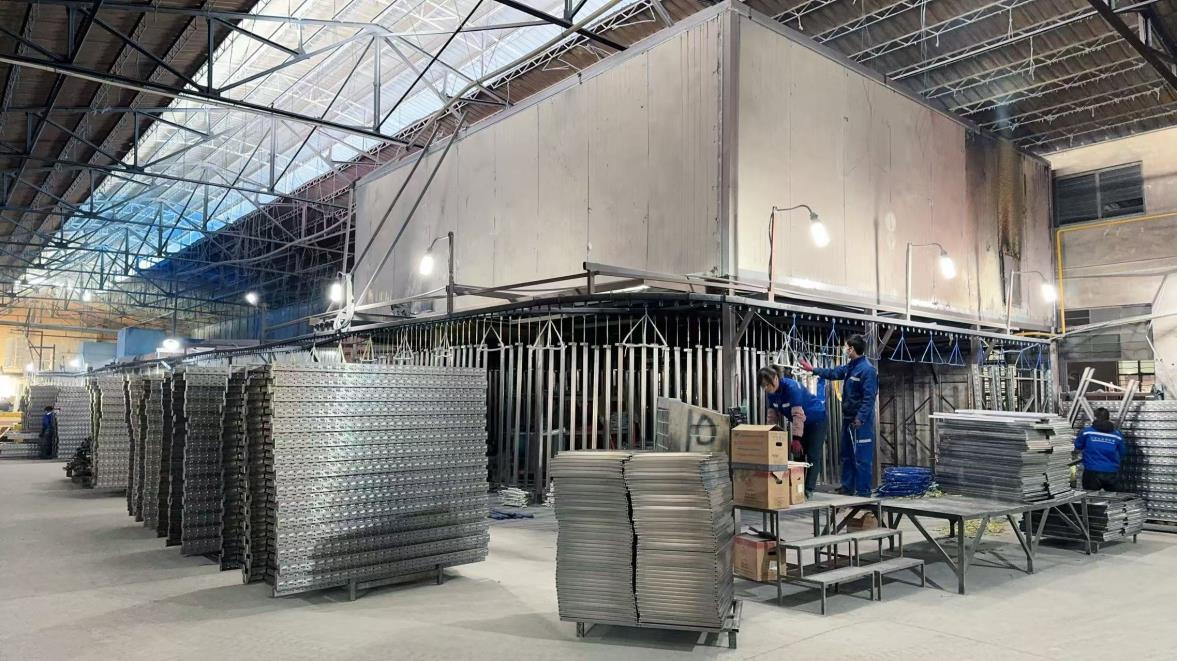
Supply chains are working to minimize their carbon footprint. This focus drives demand for sustainable production processes, recyclable materials, and non-hazardous coatings. Cold-rolled steel remains a sustainable material due to its complete recyclability, high tensile-to-weight ratio, and long service life. Furthermore, electrostatic powder coating systems have replaced volatile organic compound (VOC) painting lines. This change provides corrosion protection and wear resistance without producing hazardous chemical waste, aligning with global green building standards.
Custom storage structures engineered for specific logistical, manufacturing, and operational environments.
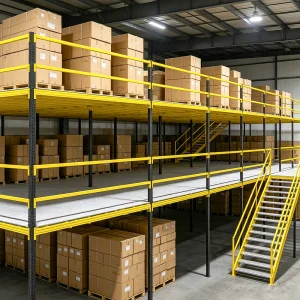
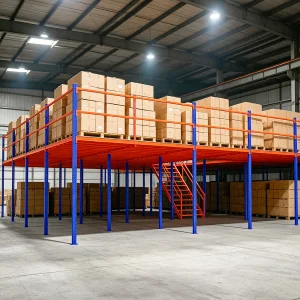
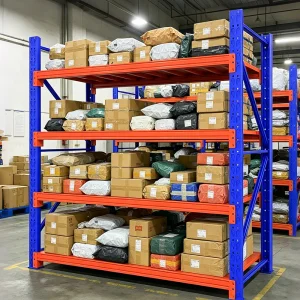
High-density racking configurations designed for rapid SKU turnover, pick-face optimization, and diverse inventory loads. These multi-tier mezzanine floor plans and dynamic pallet flow systems maximize cube utilization in large-scale logistics centers.
Temperature-resistant racking systems manufactured from certified structural steel, finished with low-temperature powder coatings. Engineered to prevent structural cracking in sub-zero environments while facilitating air circulation for temperature control.
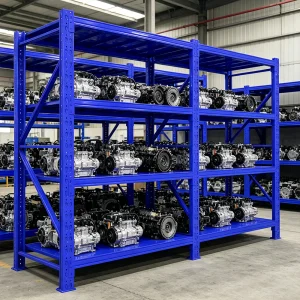
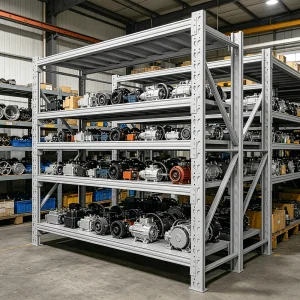
Robust, heavy-load rack designs built for point-load distribution, handling irregular weights, heavy tooling, and large metal components. Integrated wire mesh decks, safety bars, and post guards protect both the racking and storage items.
Technical specifications and material properties for our industrial-grade storage configurations.
| Racking/Shelving System | Load Capacity (per level) | Material Standard | Corrosion Protection / Coating | Seismic Grade Engineering |
|---|---|---|---|---|
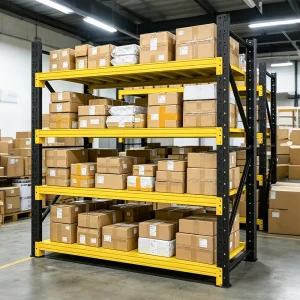
| Heavy Duty Selective Pallet Racking | 1,000kg - 4,000kg | High-Strength Steel Q355 / Q235 | Epoxy Powder Coat (60μm-80μm) | Custom engineered baseplates & bracing |
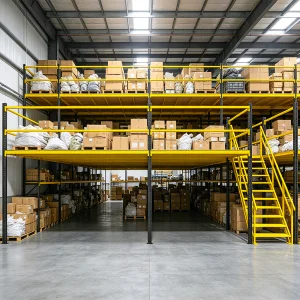
| Boltless Mezzanine Platform Systems | 300kg - 1,000kg/㎡ | Structural Steel Grade Q235B | Standard UV-resistant epoxy finish | Custom structural pillar design |
| Drive-In / Drive-Through Systems | 500kg - 1,500kg | High-Tensile Structural Steel | Anti-microbial, low-temp coating | Dynamic lateral bracing system |
| Garage / Workshop Utility Racking | 100kg - 500kg | Light Cold-Rolled Carbon Steel | Pre-galvanized or smooth powder coat | Anchored footplates for stability |
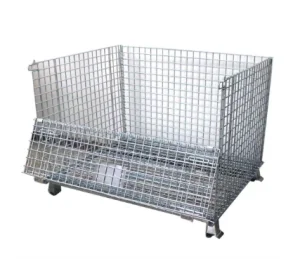
| Lockable Steel Wire Mesh Cages | 500kg - 1,200kg | Cold-Drawn Steel Wire Grid | Electro-galvanized / Hot-dip zinc | Self-locking drop lock doors |
Our commitment to manufacturing innovation, automated processes, and smart storage systems.
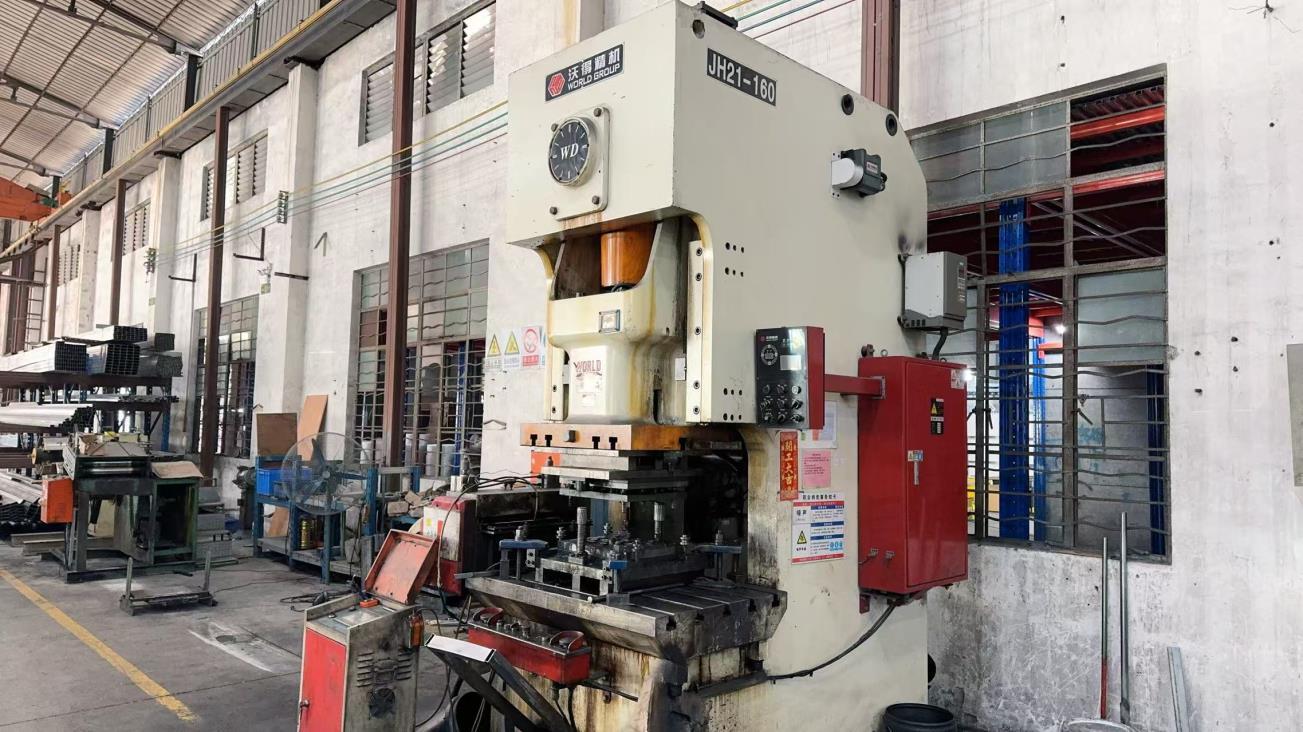
Deploying automated robotic welding stations and automated stamping machines across our production floor. This investment reduces structural variance in cross-beams and frame connections to within 0.2mm, matching the strict requirements of international automated warehousing setups.
Developing structural rack columns with built-in micro-sensors to track real-time load displacement, structural fatigue, and ground vibration. These systems provide predictive maintenance indicators to help protect large logistics centers from structural overload risks.
Transitioning to low-carbon steel profiles and optimizing electrostatic powder recovery systems to recycle excess paint powder. This initiative helps global procurement teams meet their Scope 3 emissions reduction targets without sacrificing system-load performance.
Expert answers addressing the primary challenges in global utility rack procurement and system installation.
We use certified high-tensile cold-rolled steel (predominantly grades Q235B and Q355B). Q355B is selected for heavy-duty load configurations because of its yield strength and structural performance under continuous loads. This material profile ensures stability in tall, high-density configurations.
Our engineering team conducts Finite Element Method (FEM) analysis during the design phase to identify potential stress concentrations. After fabrication, we run physical loading tests at our factory, applying 1.5 times the target capacity to confirm structural safety margins.
We design and manufacture systems to comply with leading structural frameworks. This includes meeting AS4084 criteria for Australian setups, satisfying European FEM guidelines, and aligning with US RMI standards. We also adapt anchor arrays and bracing elements for seismically active regions.
For standard indoor storage, we apply an electrostatic epoxy powder coating (60-80 microns thick) to resist rust and scratches. For high-humidity or cold-chain setups, we offer hot-dip galvanization and low-temperature epoxy powder coats to protect against condensation-induced corrosion.
Production lead times range between 20 and 30 days following engineering sign-off and receipt of deposit, depending on system complexity. Our logistics team handles global shipping, managing customs documentation to support delivery terms including FOB, CIF, DDU, and DDP.
Every order includes structured CAD layout diagrams, dimensional drawings, component lists, and step-by-step installation guides. For large-scale projects, we provide online support and video consultations to help coordinate local contractor setups and ensure safe assembly.
Maximize your cubic capacity with specialized rack components built for varied industrial environments.
 Kimsuk Steel