Explore our premium grade storage systems engineered for maximum capacity, efficiency, and heavy-duty wear-resistance.
An in-depth whitepaper overview of First-In, First-Out (FIFO) dynamic storage technology.
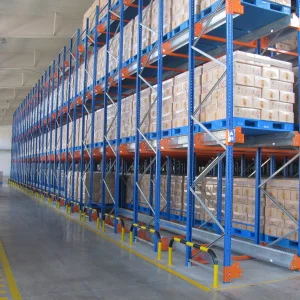
Gravity flow racks, also known as dynamic flow systems, use a combination of sloped roller tracks, speed controllers, and gravitational force to move heavy pallets smoothly from the loading aisle to the retrieval aisle. Operating strictly on the First-In, First-Out (FIFO) principle, these systems maximize warehouse space utilization by minimizing forklift transit paths.
Every dynamic racking design must factor in precise calculations including slope angles (typically 3% to 4%), rollers selection, centrifugal brake configurations, and structural deflection limits. Our structural engineers utilize state-of-the-art finite element analysis (FEA) software to guarantee structural stability, preventing pallet hang-ups and ensuring constant, controlled velocity down the lane.
By shifting to gravity-based kinetic energy, operations significantly lower power consumption, reduce carbon footprints, and accelerate fulfillment times—making gravity racks the backbone of modern automated distribution hubs.
Leading the industrial racking sector with state-of-the-art logistics and structural solutions.
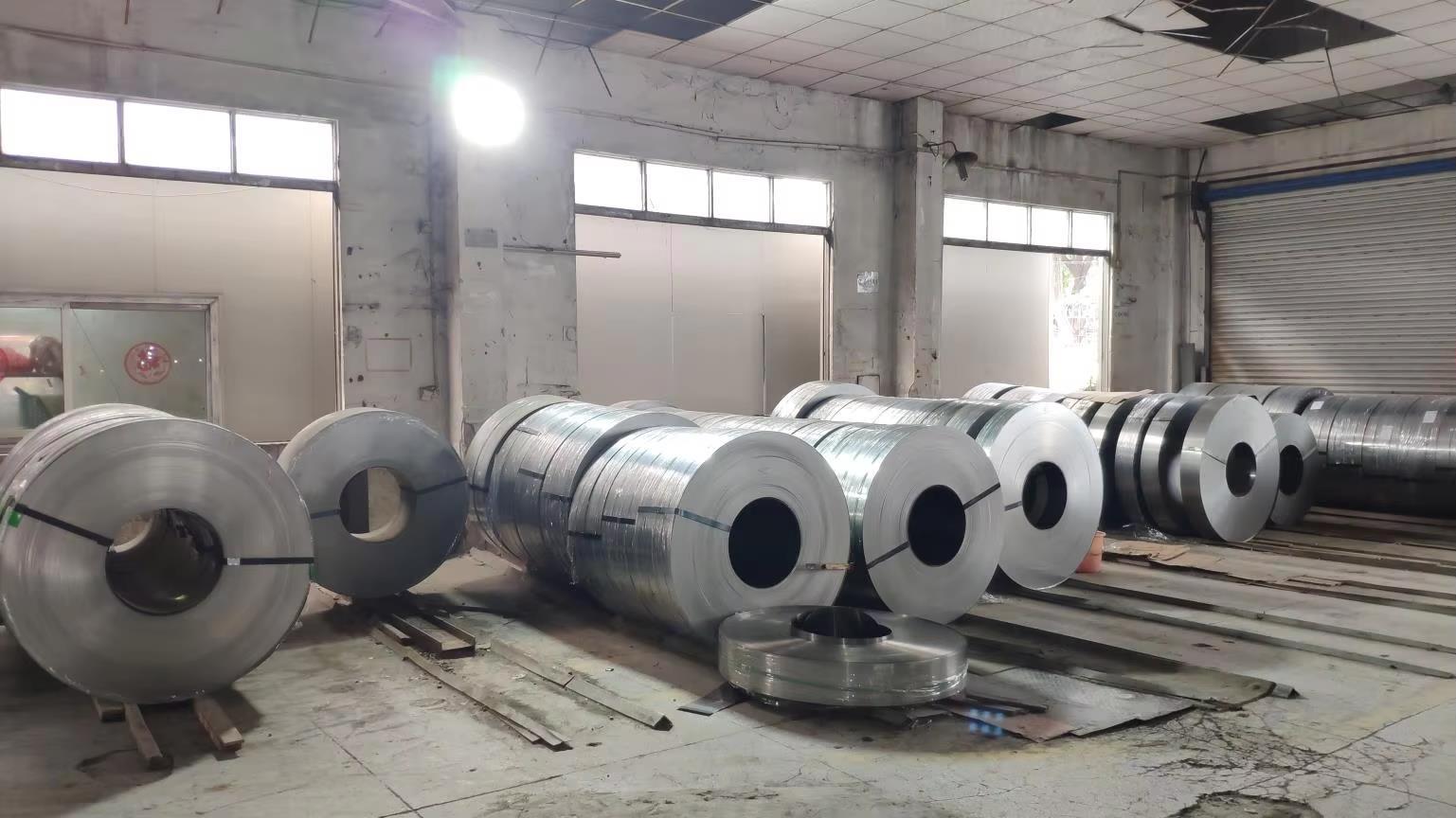
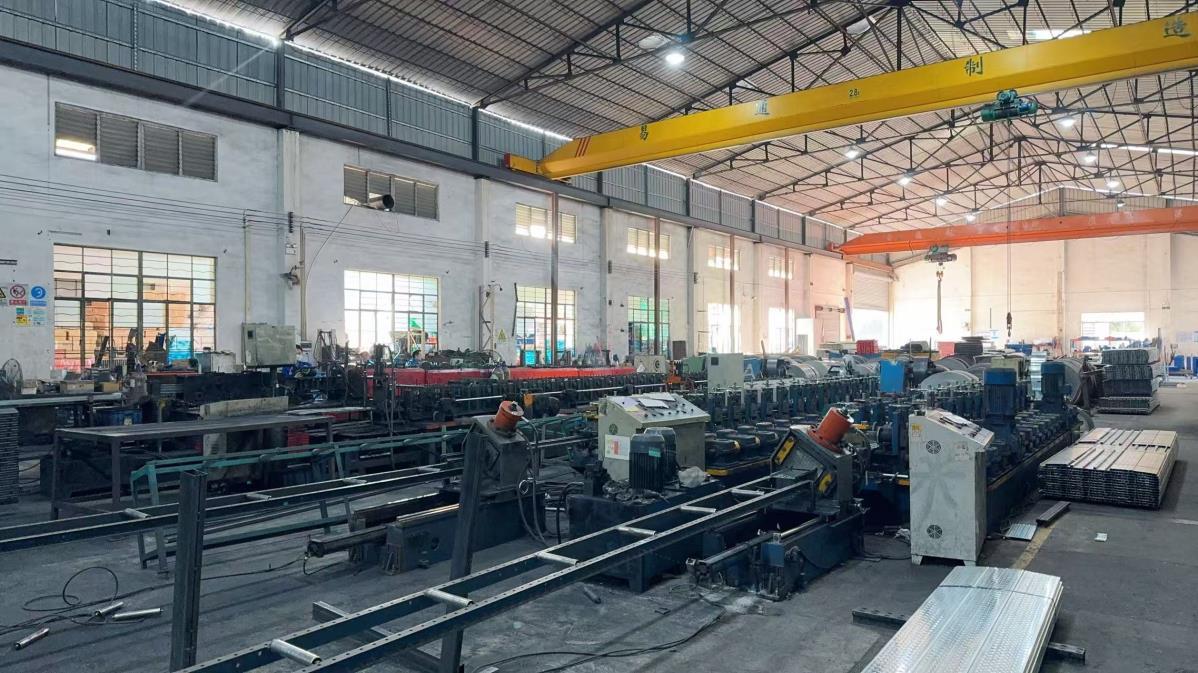
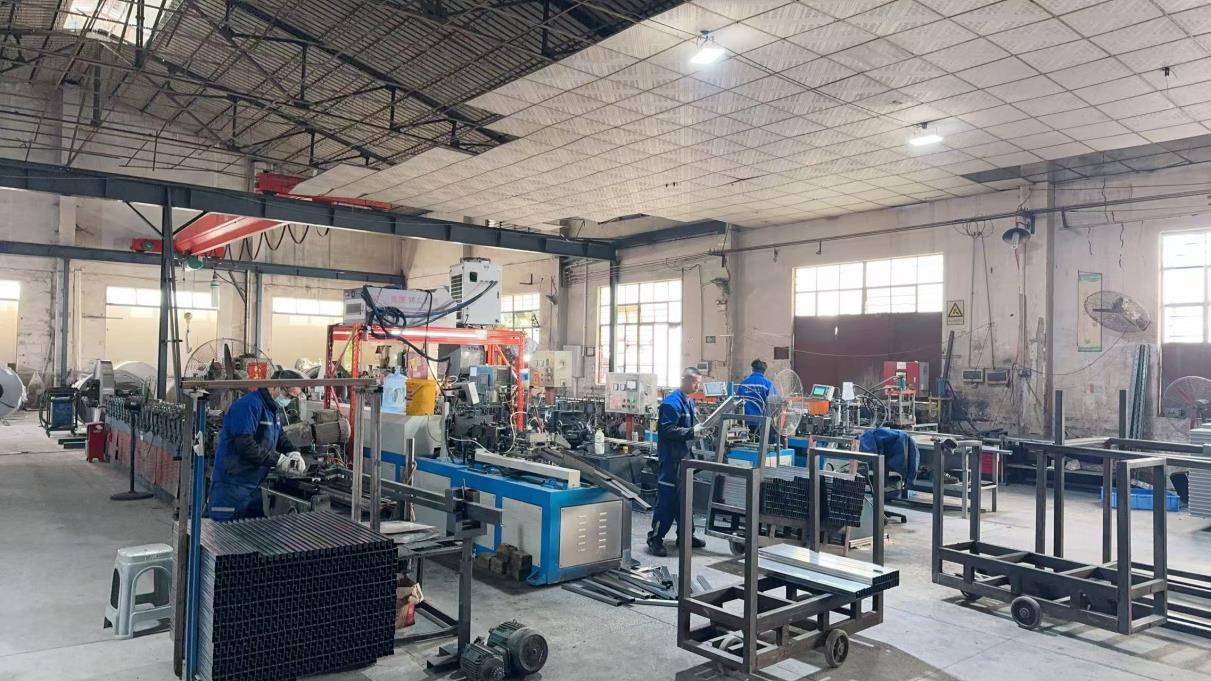
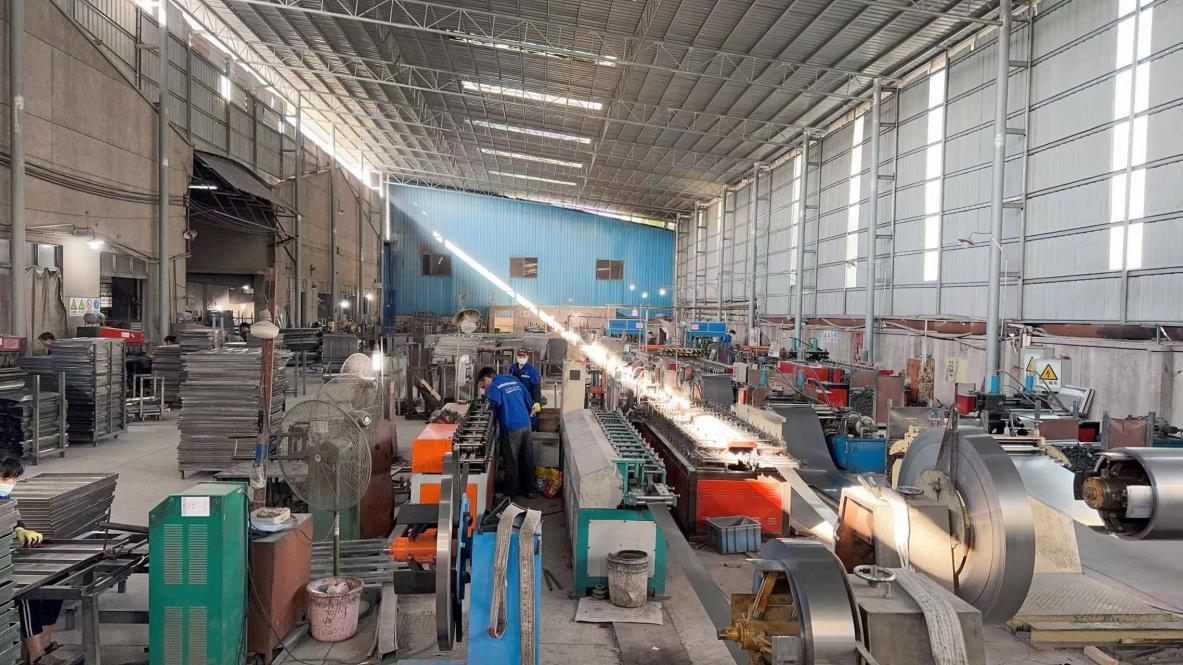
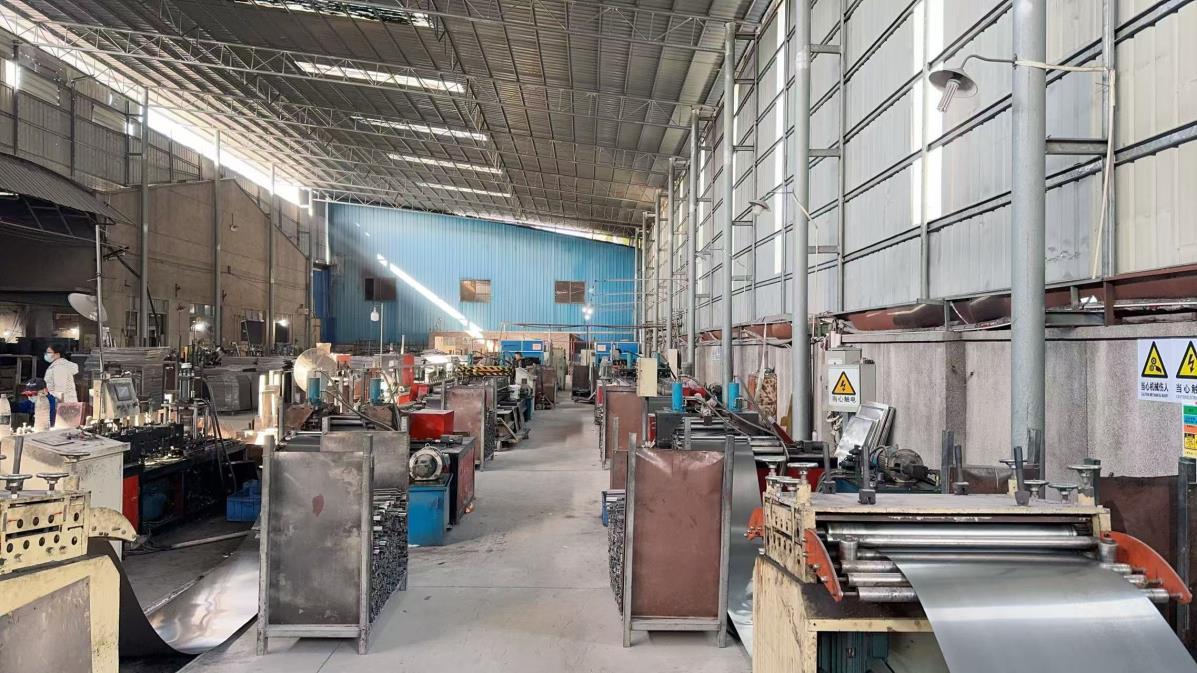
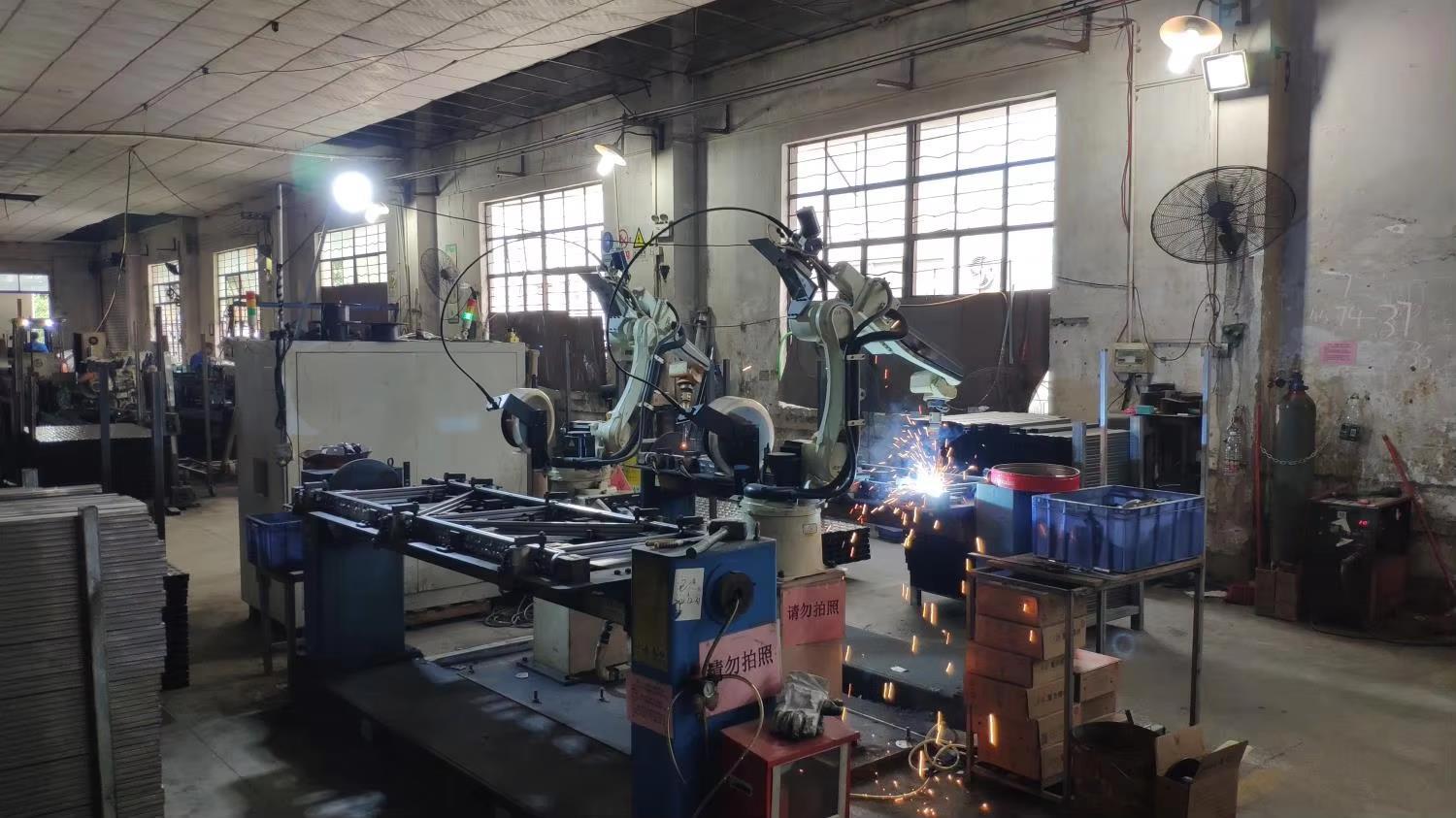
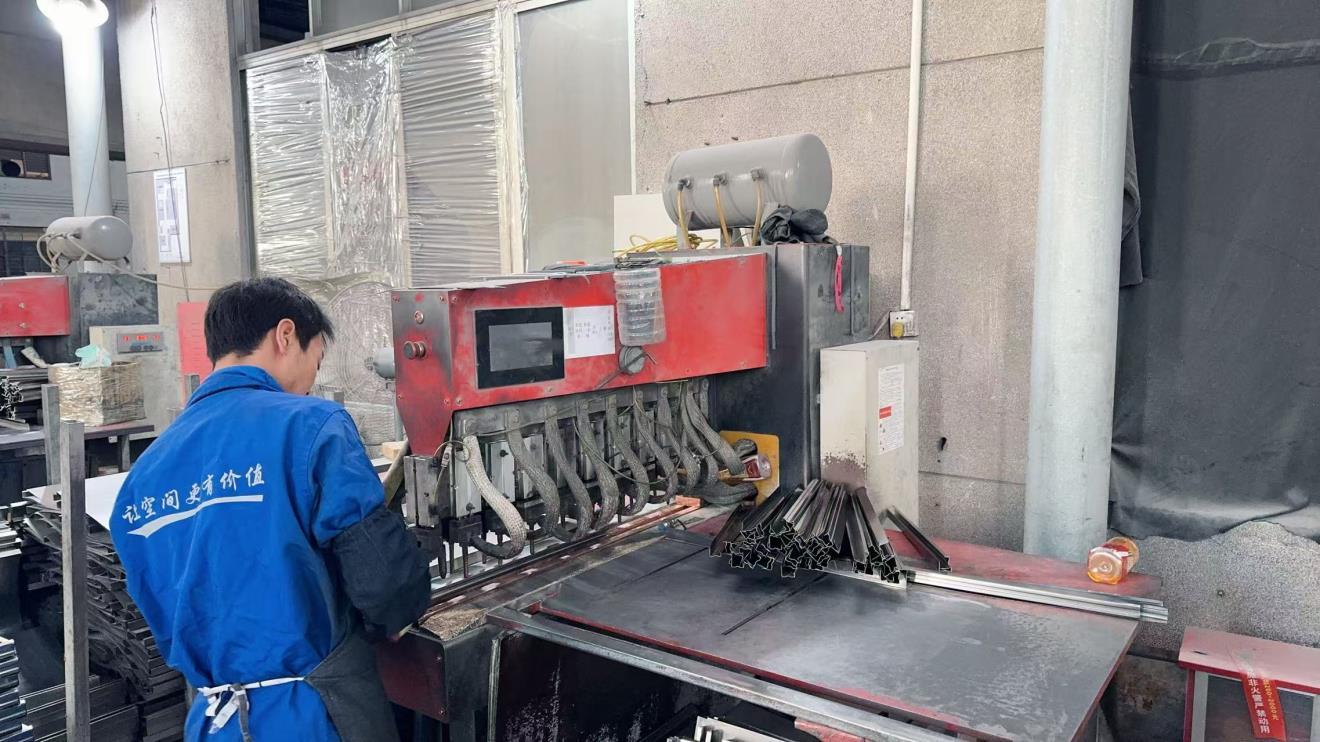
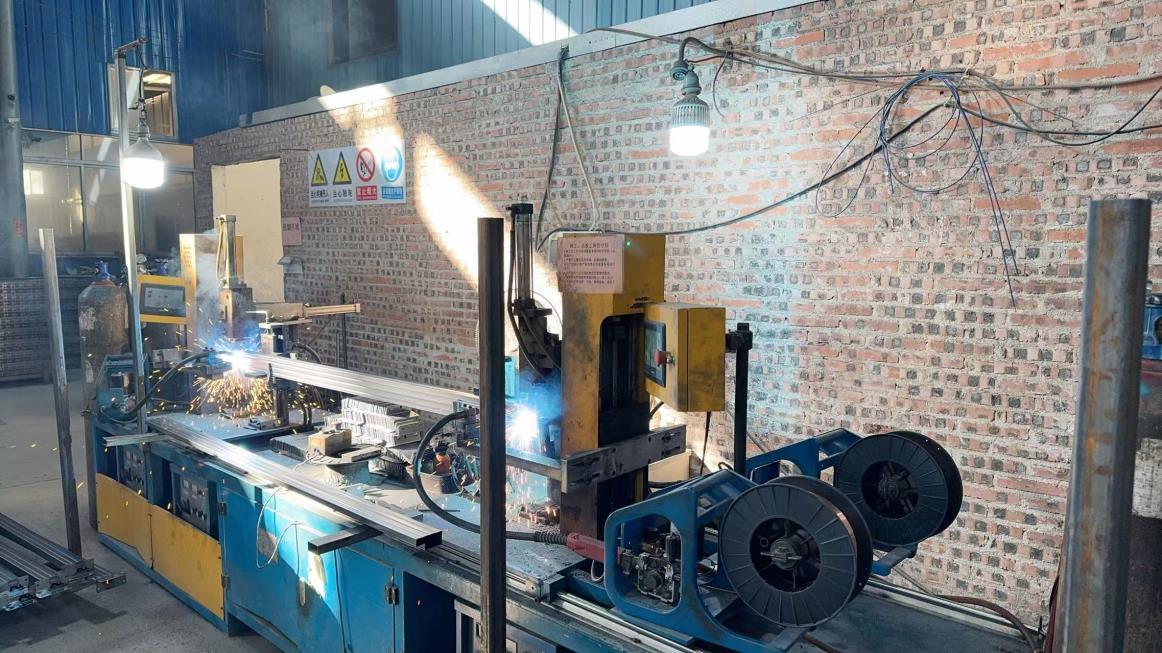
Established in 2015, Dongguan Kimsuk Shelves Co., Ltd. is a leading manufacturer specializing in the design, engineering, and production of heavy-duty industrial shelving and warehouse storage systems. Operating from a modern production facility spanning 32,000 square meters, we have grown into a trusted global supply chain partner with 11 years of industry expertise and 8 years of direct international export experience. Driven by robust manufacturing capability, our annual export revenue reaches $18 million, serving clients across key international markets, including North America, Europe, Southeast Asia, and the Middle East.
Quality and precise engineering are at the core of our operations. We maintain a strict Quality Assurance protocol supported by a dedicated team of 35 QA/QC inspectors. Our comprehensive product inspection methods combine automated non-destructive testing, raw material tensile testing, load-bearing stress evaluations, and precision powder-coating thickness measurements. Supported by an extensive network of over 850 verified supply chain partners, we consistently deliver reliable, high-integrity racking systems to a diverse client portfolio, ranging from large-scale logistics hubs and third-party logistics (3PL) providers to industrial manufacturing facilities and commercial retail distributors.
Innovation drives our growth. Our in-house R&D team consists of 18 senior structural and engineering specialists capable of delivering full OEM/ODM custom solutions. From tailored rack dimensions and heavy load capacities to specialized seismic-resistant structures and anti-corrosion surface finishes, we turn complex warehousing requirements into optimal designs. Demonstrating our continuous drive for innovation, we successfully developed and launched 120 new product models and modular storage enhancements last year alone. At Dongguan Kimsuk Shelves Co., Ltd., we remain committed to maximizing warehouse space efficiency and delivering long-term value to our global partners.
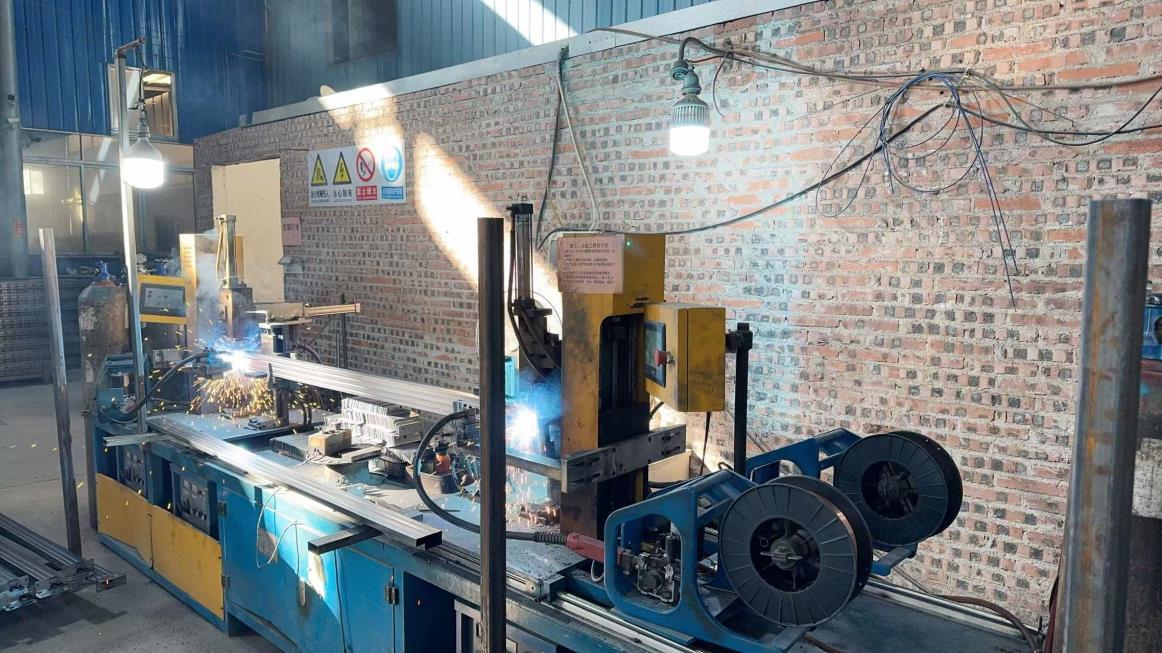
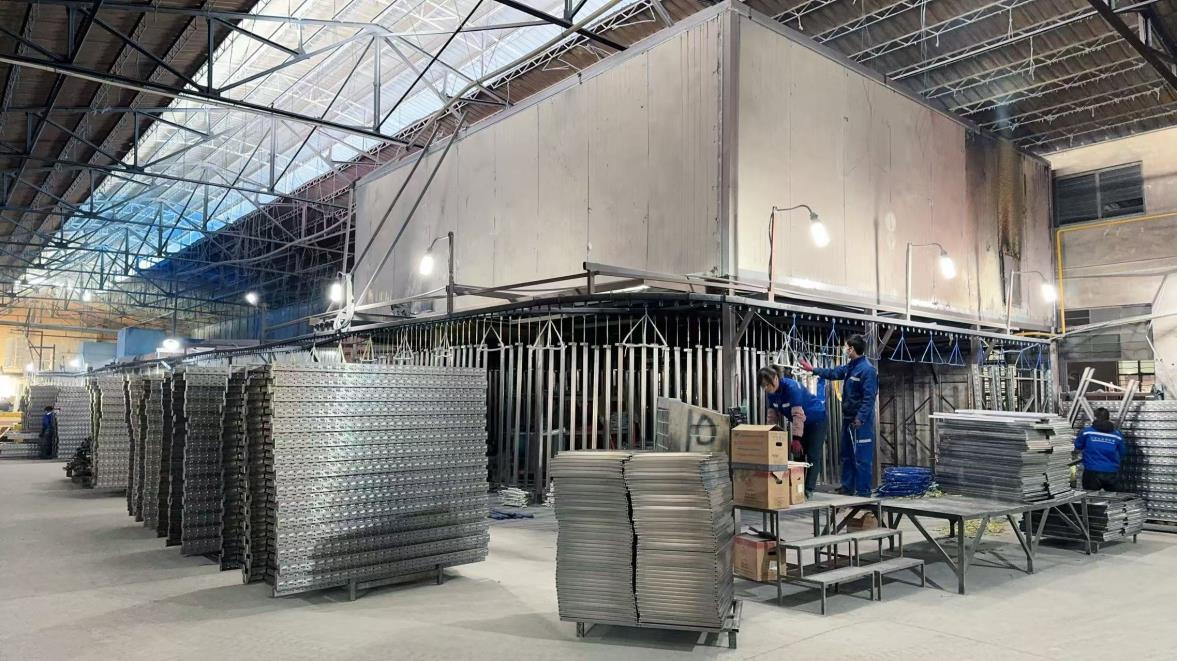
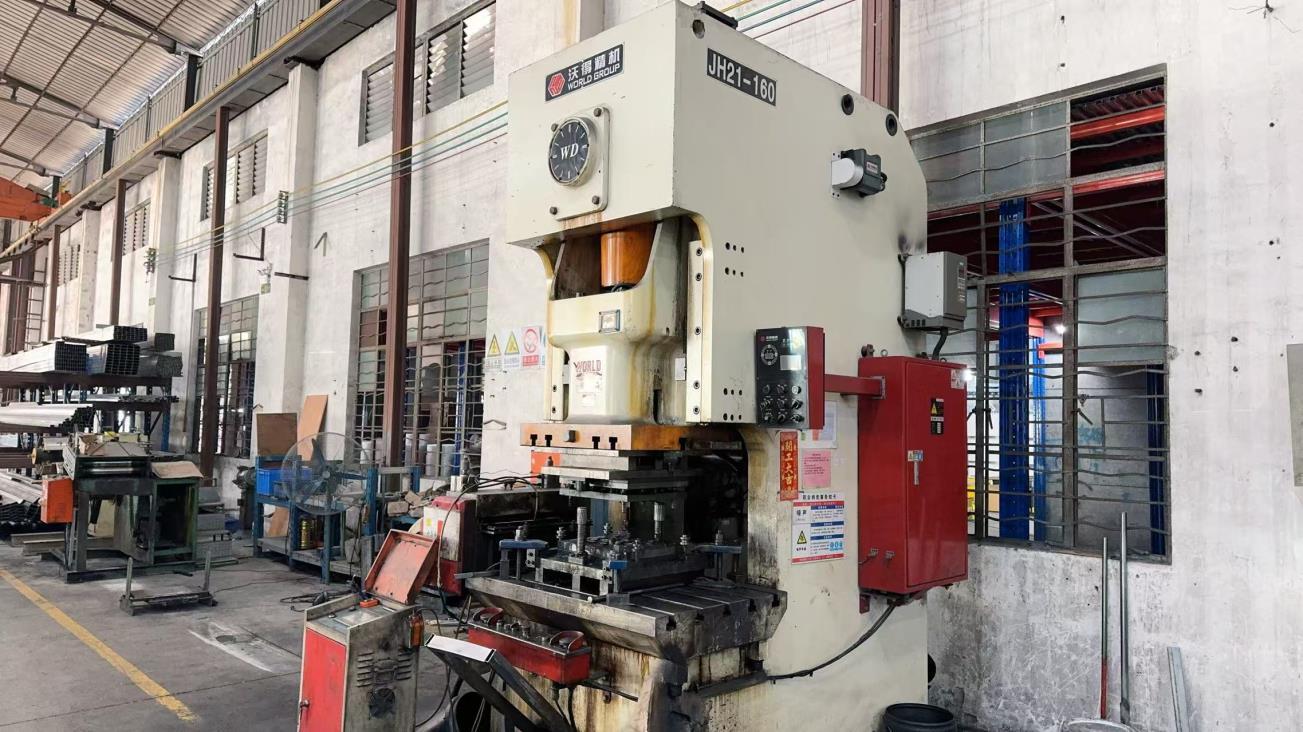
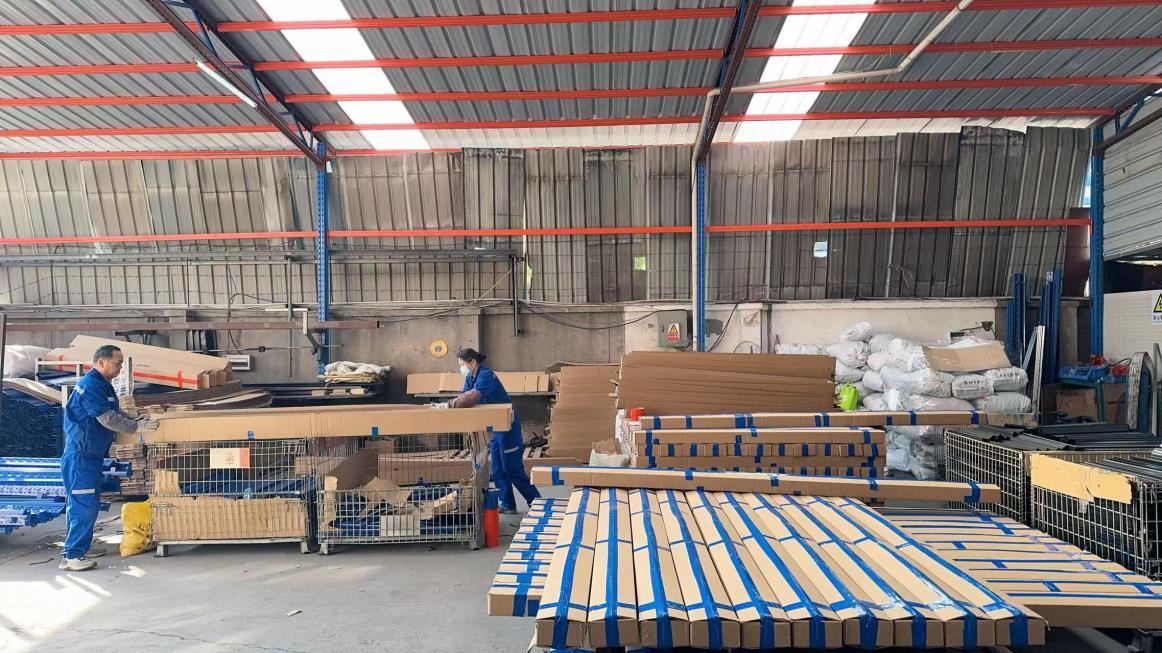
Witness the state-of-the-art machinery and precision processes powering our production line.
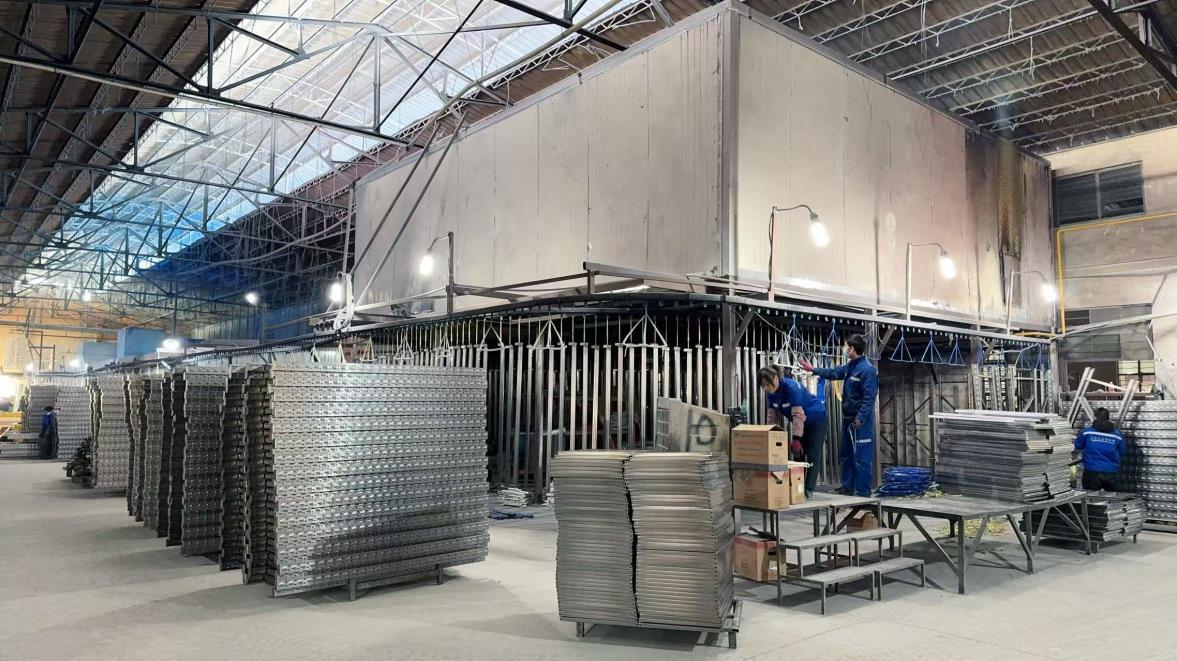
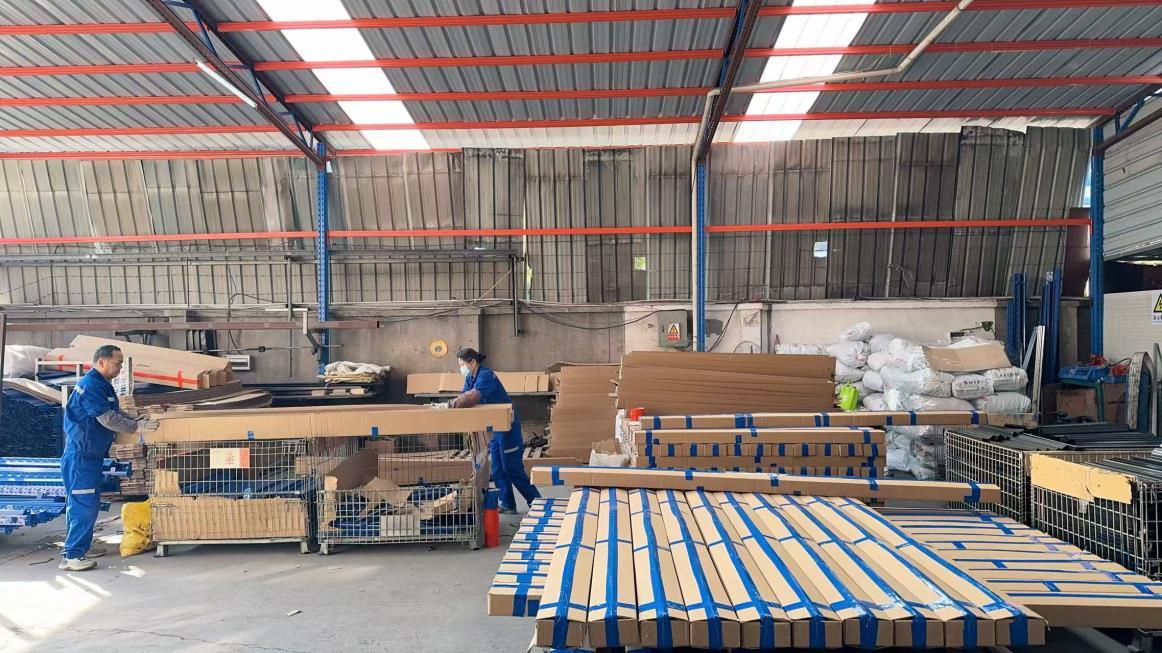
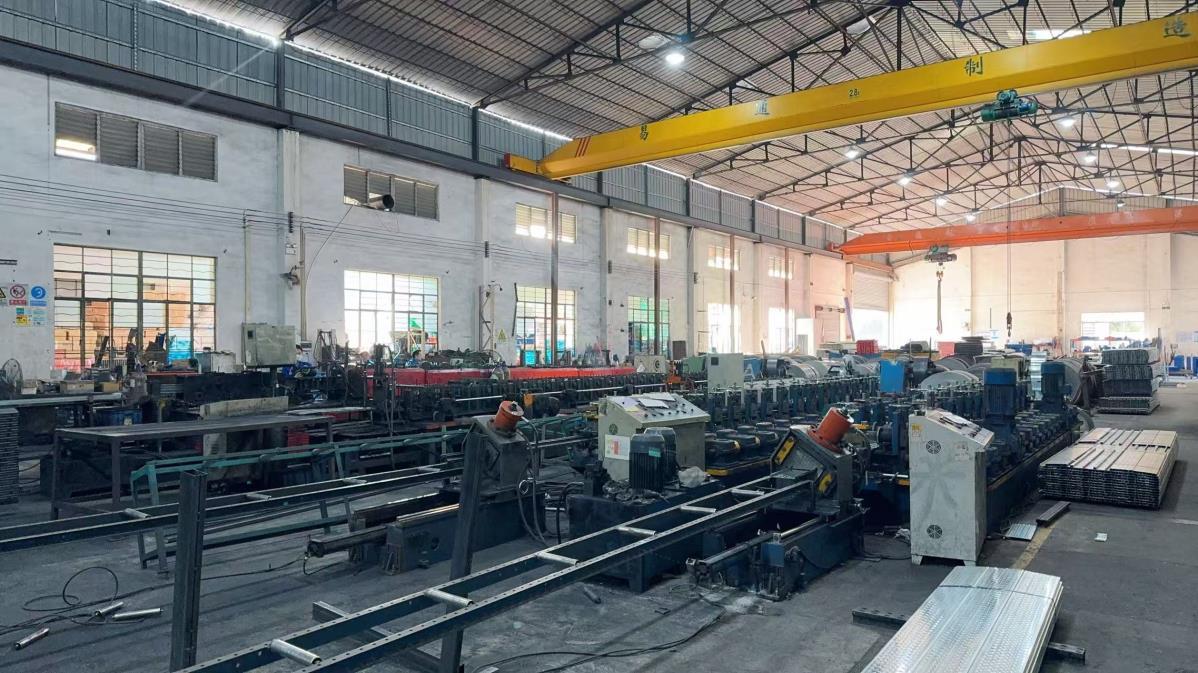
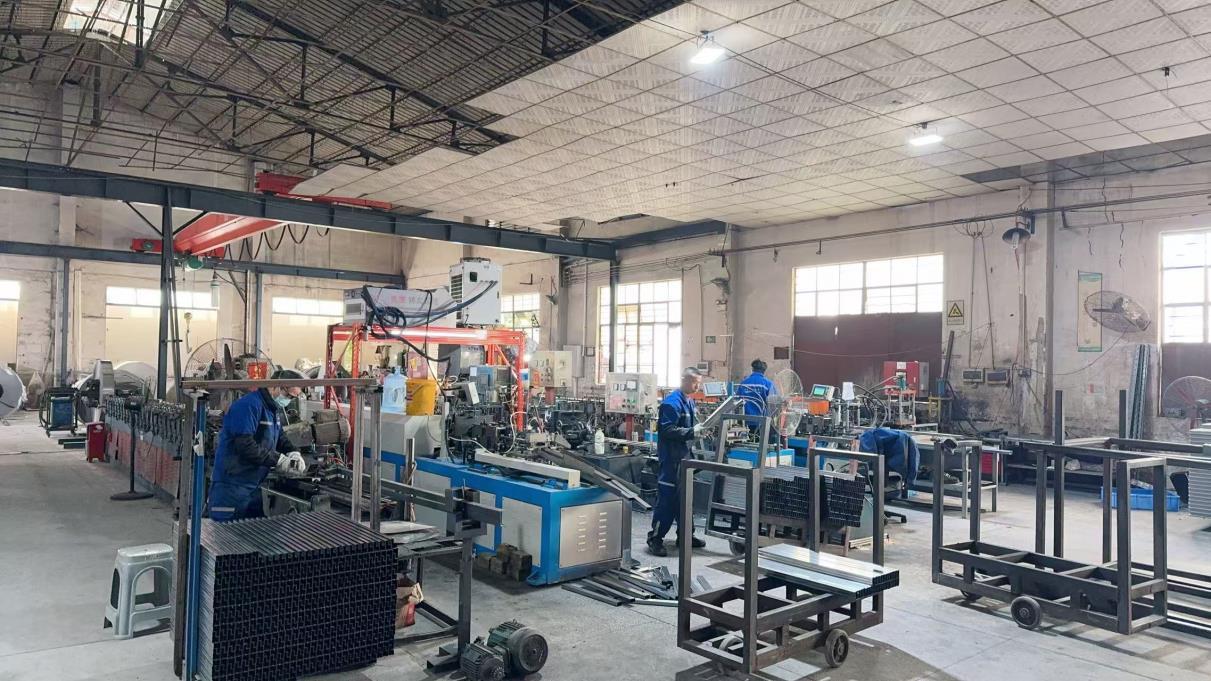
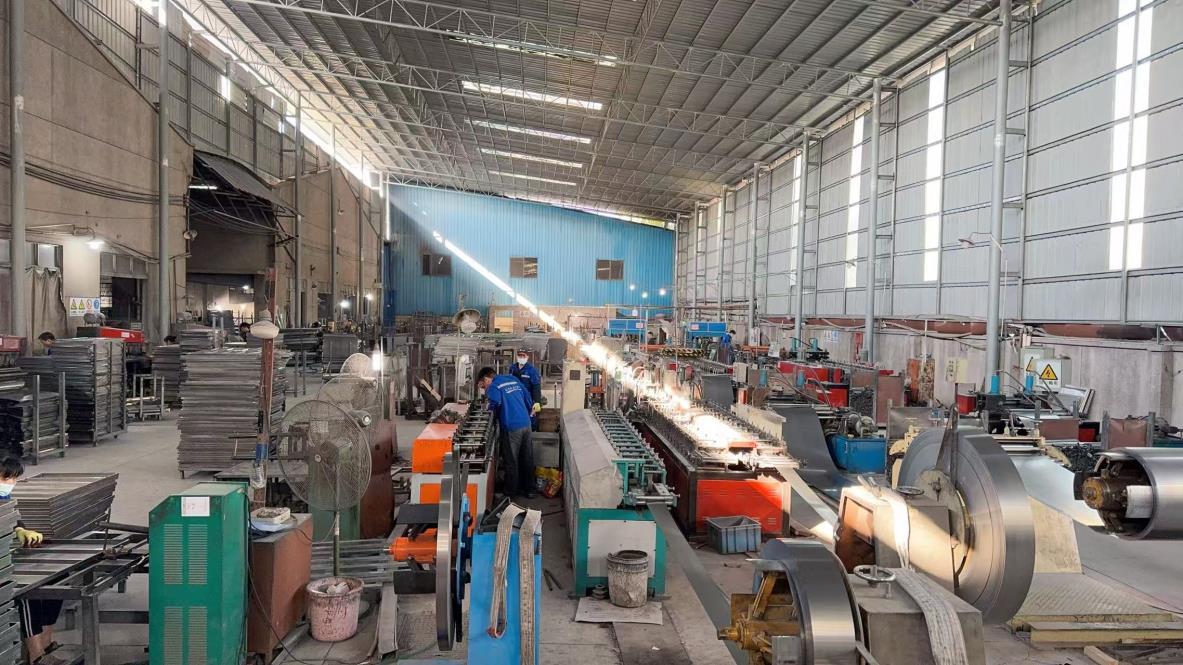
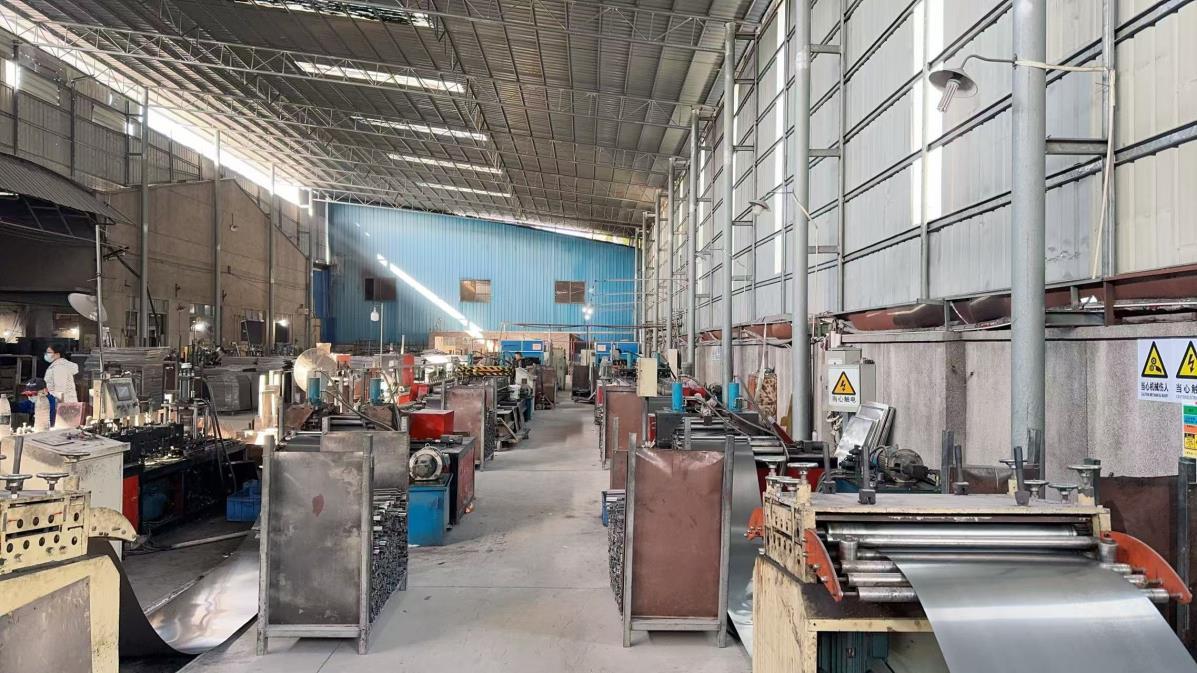
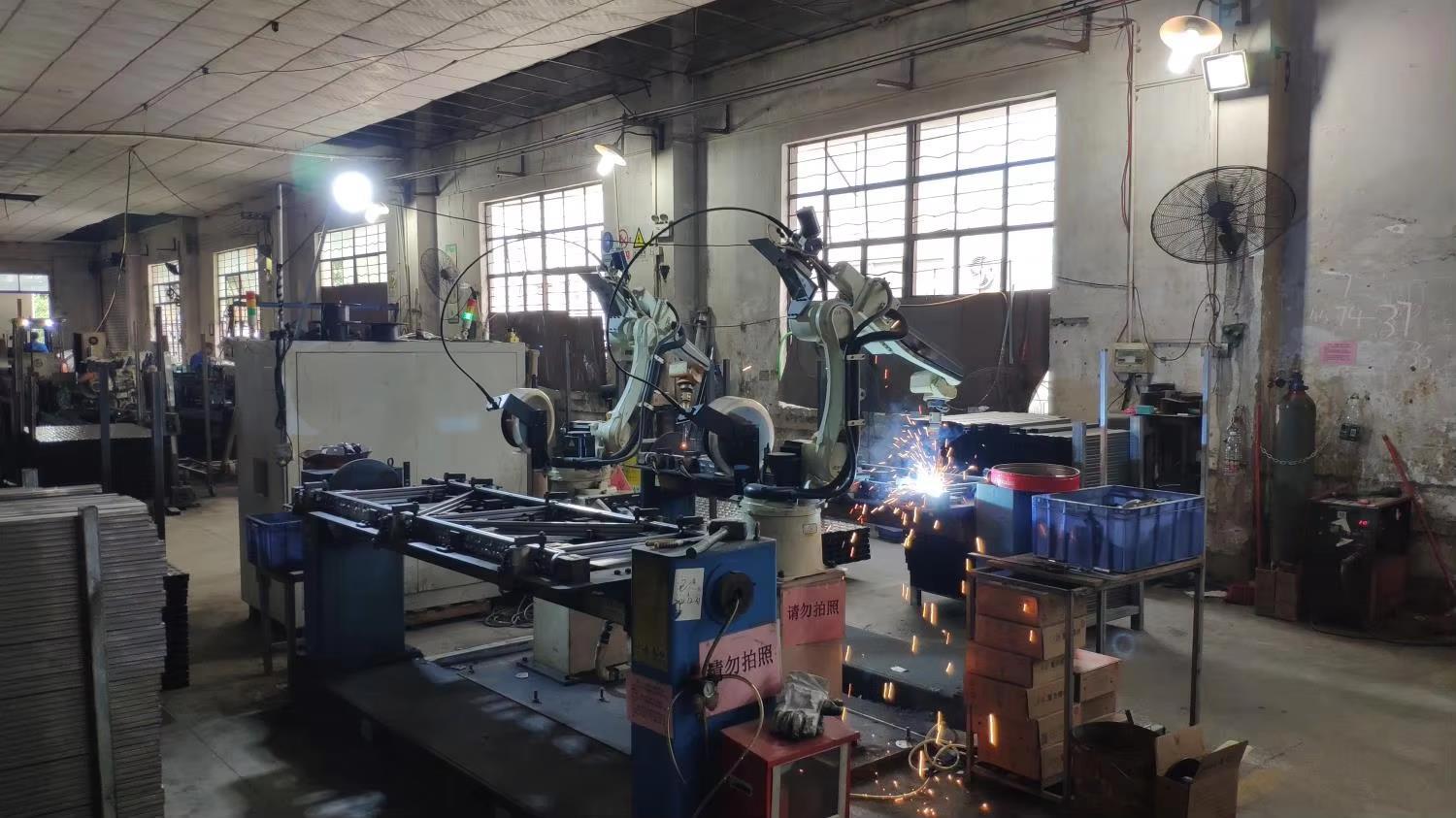
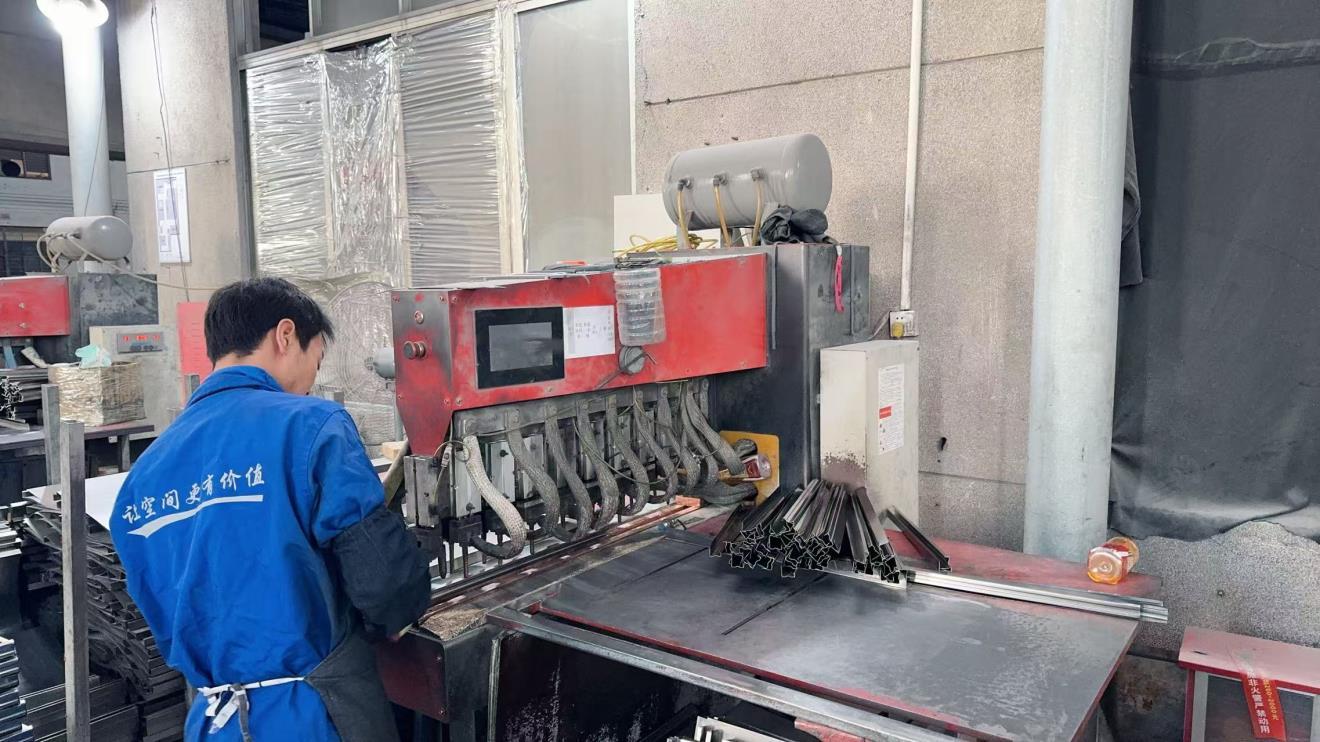
Maximizing density, efficiency, and material throughput across key industries.
Our gravity racks are treated with low-temperature resilient powder coatings, preventing micro-fracturing in freezing conditions down to -30°C. Perfect for perishables requiring swift FIFO inventory cycling.
Designed for fast-moving consumer goods (FMCG) and multi-client logistics centers. Dynamic roller lanes streamline sorting, minimizing labor overhead and maximizing spatial capacity by up to 60% compared to standard select racks.
Keep parts flowing seamlessly directly to assembly lines. Gravity lanes ensure assembly technicians have continuous access to components without downtime, implementing pure visual inventory control.
Unlocking logistics efficiency through certified safety, durability, and customized structural designs.
International procurement agents demand structural reliability. We build our frames using premium Q235B and Q355B structural steel grades, ensuring high yield strength and optimal deflection management. Our engineering team designs custom structural profiles matching the localized seismic zone constraints of our international clients, including specialized baseplates and heavier upright bracing. Every weldment is verified under ISO 3834 welding quality standards, ensuring long-term durability in heavy-impact warehouse zones.
A major concern when procuring gravity lanes is load impact at the retrieval point. Our systems mitigate this by integrating dynamic speed controllers (brakes) every 1 to 2 pallet lengths inside the lane. These dampers limit terminal speed to a safe 0.25m/s. Additionally, heavy-duty impact entry guides and heavy-gauge pallet separation devices safeguard downstream forklift operations from the cumulative pressure of upstream pallets, dramatically reducing wear-and-tear on pallet components and warehouse equipment.
How automation, IoT, and ecological sustainability are shaping the future of gravity flow storage.
Traditional gravity racks rely on forklift operators to load and pick pallets. The next-generation roadmap sees gravity flow lanes acting as the primary buffer zone inside fully automated warehouse systems. By interfacing with Stacker Cranes and Shuttle Systems, automated warehouses utilize gravity to transport pallets through consolidation lanes. This lowers energy usage while maintaining high sorting throughput, establishing a hybrid solution combining raw gravity and smart automation.
Smart rollers embedded with micro-sensors are undergoing operational trials. These sensors detect lane speed fluctuations, structural temperature changes, and track vibrations. Real-time data is piped to warehouse management software (WMS) to alert maintenance personnel of friction changes or track blocks before a collision occurs. Predictive maintenance prevents unscheduled downtime, extending the lifespan of rollers and brakes beyond the industry standard.
As green warehouse mandates expand, reducing mechanical resistance in flow tracks is key. Our R&D division is focused on designing high-precision polyurethane rollers that operate at lower slope angles (down to 2.5%). This reduces the overall vertical height profile of high-bay racking systems, allowing designers to squeeze additional levels into low-height facilities. By using gravity, operations eliminate the electrical consumption associated with active powered roller conveyors, moving logistics hubs toward carbon neutrality.
Ensuring compliance, high-quality standards, and seamless international project delivery.
Our structures comply strictly with localized construction codes and design rules. For North America, we align designs with the Rack Manufacturers Institute (RMI) standards. For Europe, we comply with EN 15512. Australian projects are designed to meet AS4084 guidelines. Certified raw materials, third-party structural inspections, and detailed engineering calculations are standard documentation with every shipment, ensuring hassle-free building approvals.
Exporting structural steel requires heavy-duty transit protection. We employ custom steel pallets and heavy-duty plastic shrink-wrapping to prevent paint scratching and structural distortion during sea transport. Standardized part labeling systems ease onsite installation. We support installation crews with dynamic CAD drawings, localized 3D assembly models, and video walkthroughs. We also arrange direct support with certified local contractors to handle installation and commissioning inspections.
Expert answers to the most common queries regarding gravity racking system procurement, safety, and implementation.
Explore our complete catalog of industrial mezzanines, storage racks, and heavy-duty shelving units.
 Kimsuk Steel