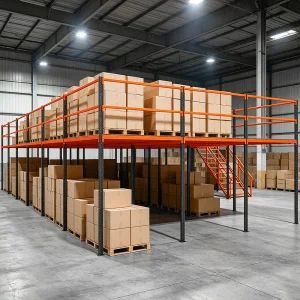
Select heavy-duty warehouse load-bearing structures designed for global export compliance.
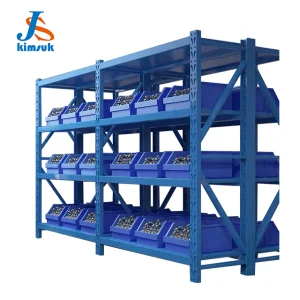
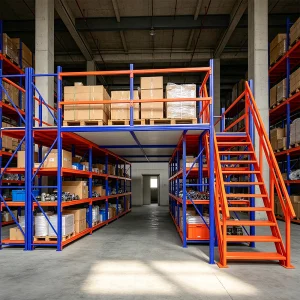
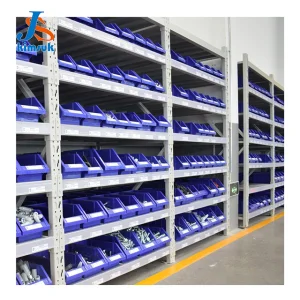
As global distribution operations, heavy metals manufacturing, and commercial timber yards expand rapidly, efficient storage of long, heavy, and non-palletized inventory has become a core logistical bottleneck. Standard selective pallet racking falls short when dealing with structural steel, piping, drywall, timber, and large automotive parts. This is where Cantilever Storage Systems come into play, offering open frontage layouts that eliminate standard upright columns in the shelf plane.
By leveraging an uninhibited front loading area, global logistics providers, third-party logistics (3PL) terminals, and industrial distribution centers can streamline their forklift access channels. The result is minimized stock handling times, significantly reduced damage to oversized goods, and enhanced vertical space utilization. In today's high-overhead economy, utilizing heavy-duty cantilever systems translates directly to reduced operational costs per square meter.
Designing high-capacity cantilever racking requires precise calculations across multiple load factors, including:
Ensuring arm deflection under full load complies with RMI and FEM 10.2.09 global standards.
Tailored bracing and base calculations for Seismic Zones 3 and 4 globally.
Utilizing pivot pin adjustability or heavy bolted joints for customized industrial needs.
Analyzing the strategic shifts in materials science, automation integration, and vertical density design for heavy logistics.
Modern mega-hubs are merging traditional heavy-duty cantilever racks with Automated Storage and Retrieval Systems (AS/RS). Crane stackers and specialized shuttle arms run through vertical cantilever matrices to retrieve long profiles, pipe packs, and sheet bundles without direct human forklift operation, decreasing operational labor costs by up to 40%.
In response to green initiatives, manufacturers are transitioning away from high-solvent liquid paints to electrostatic thermosetting epoxy powder coatings. These provide superior salt-spray corrosion resistance (up to 500 hours) for outdoor lumber and piping applications, alongside reduced environmental VOC footprint during manufacturing.
To reduce shipping weight and overall steel volume without sacrificing loading capacities, advanced factories are utilizing high-tensile hot-rolled H-beams. By moving to grade Q355B instead of traditional structural steel, systems achieve 30% higher load parameters while reducing material column width footprint.
A primary manufacturer providing global enterprises with robust structural racking, high efficiency, and quality assurance.
Established in 2015, Dongguan Kimsuk Shelves Co., Ltd. is a leading manufacturer specializing in the design, engineering, and production of heavy-duty industrial shelving and warehouse storage systems. Operating from a modern production facility spanning 32,000 square meters, we have grown into a trusted global supply chain partner with 11 years of industry expertise and 8 years of direct international export experience. Driven by robust manufacturing capability, our annual export revenue reaches $18 million, serving clients across key international markets, including North America, Europe, Southeast Asia, and the Middle East.
Quality and precise engineering are at the core of our operations. We maintain a strict Quality Assurance protocol supported by a dedicated team of 35 QA/QC inspectors. Our comprehensive product inspection methods combine automated non-destructive testing, raw material tensile testing, load-bearing stress evaluations, and precision powder-coating thickness measurements. Supported by an extensive network of over 850 verified supply chain partners, we consistently deliver reliable, high-integrity racking systems to a diverse client portfolio, ranging from large-scale logistics hubs and third-party logistics (3PL) providers to industrial manufacturing facilities and commercial retail distributors.
Innovation drives our growth. Our in-house R&D team consists of 18 senior structural and engineering specialists capable of delivering full OEM/ODM custom solutions. From tailored rack dimensions and heavy load capacities to specialized seismic-resistant structures and anti-corrosion surface finishes, we turn complex warehousing requirements into optimal designs. Demonstrating our continuous drive for innovation, we successfully developed and launched 120 new product models and modular storage enhancements last year alone.
| Parameter | Value |
|---|---|
| Core Specialization | Heavy-duty racking & loft systems |
| Supply Chain Partners | 850+ Verified Partners |
| R&D Department Size | 18 Structural Specialists |
| OEM/ODM Capabilities | Fully Integrated Solutions |
| Geographic Markets | Americas, Europe, MENA, APAC |
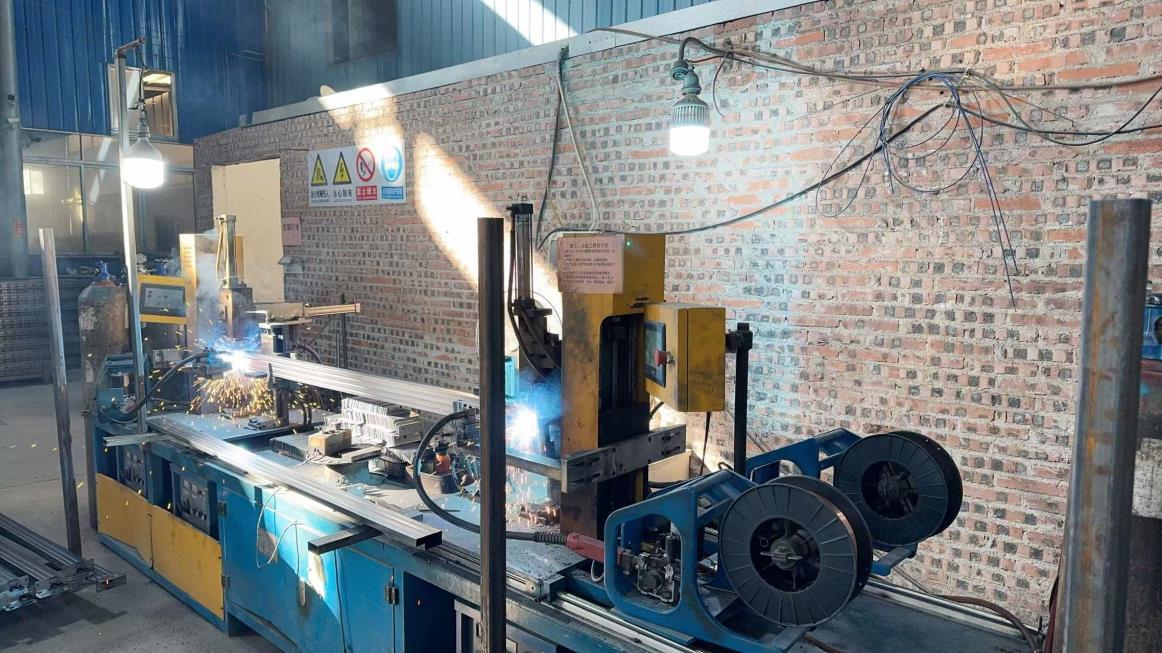
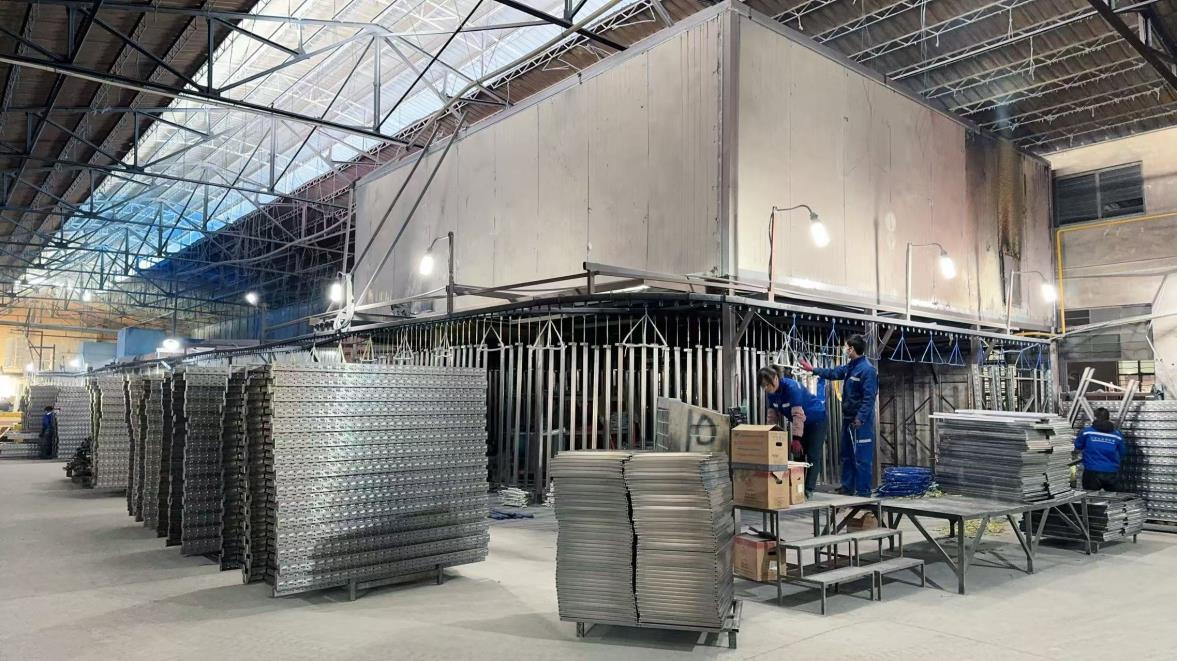
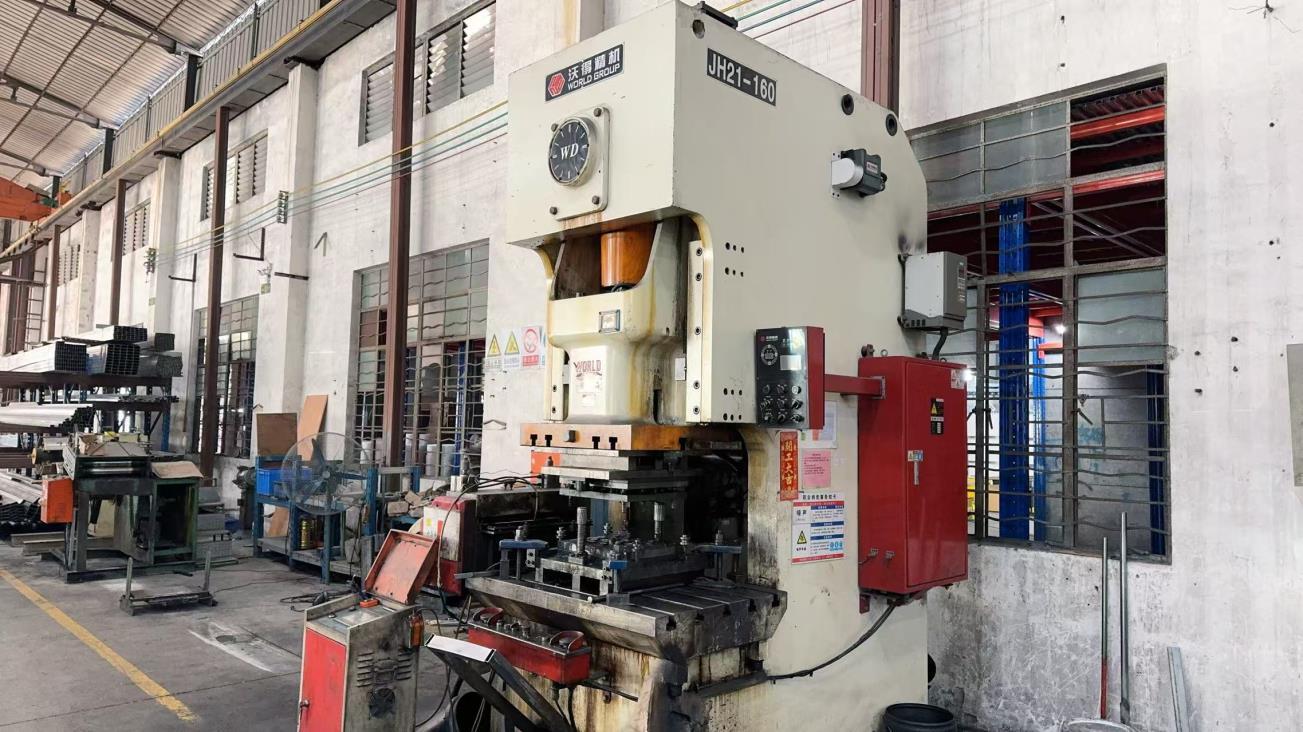
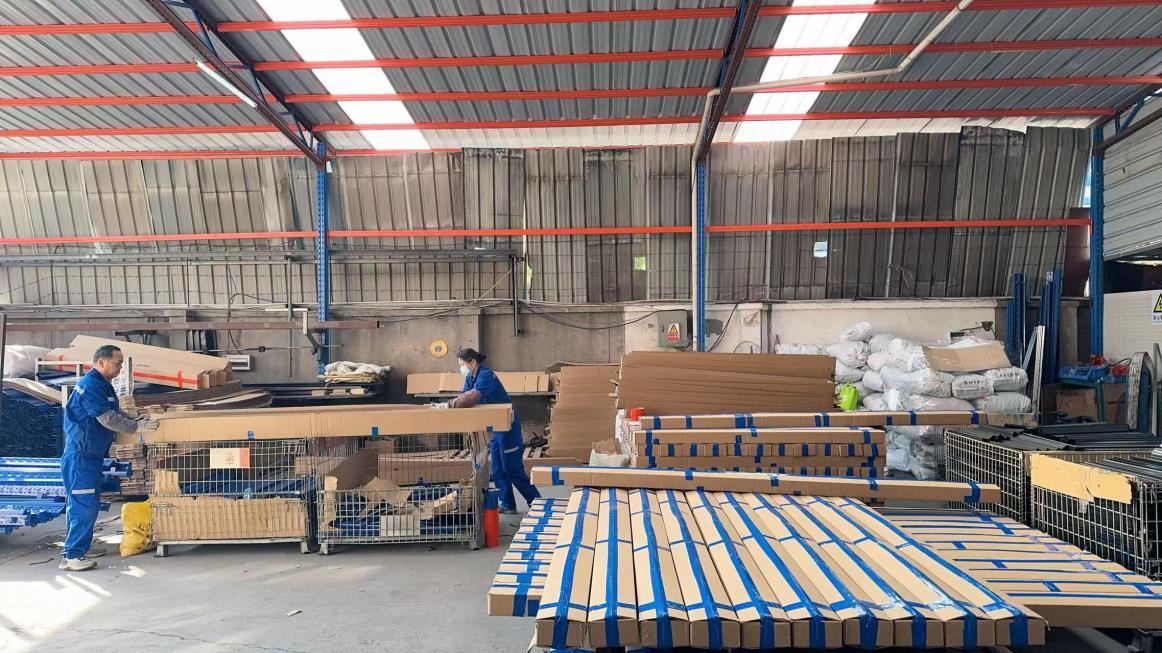
Visualizing our end-to-end automated fabrication, cutting, stamping, welding, and quality checking processes.
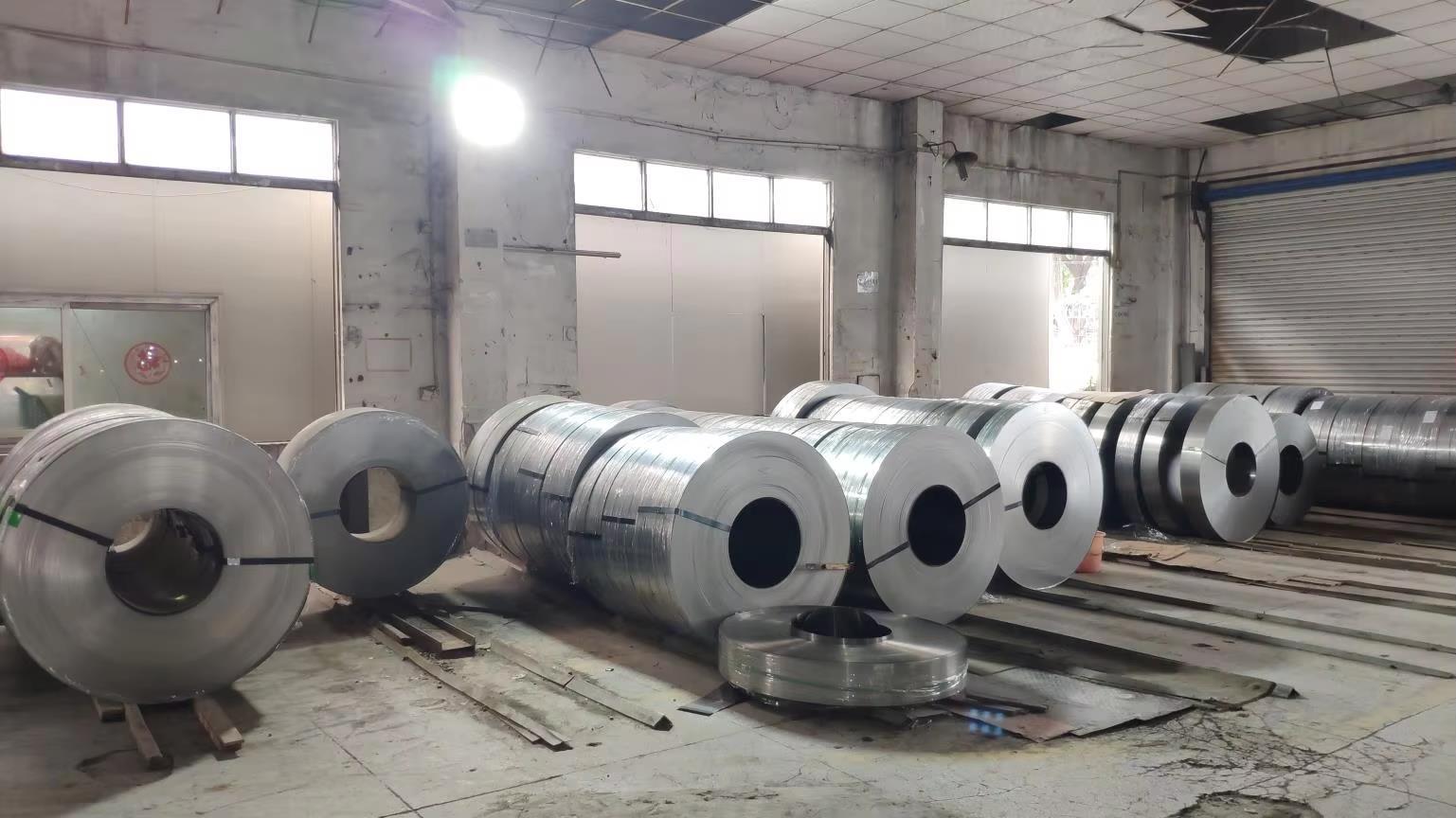
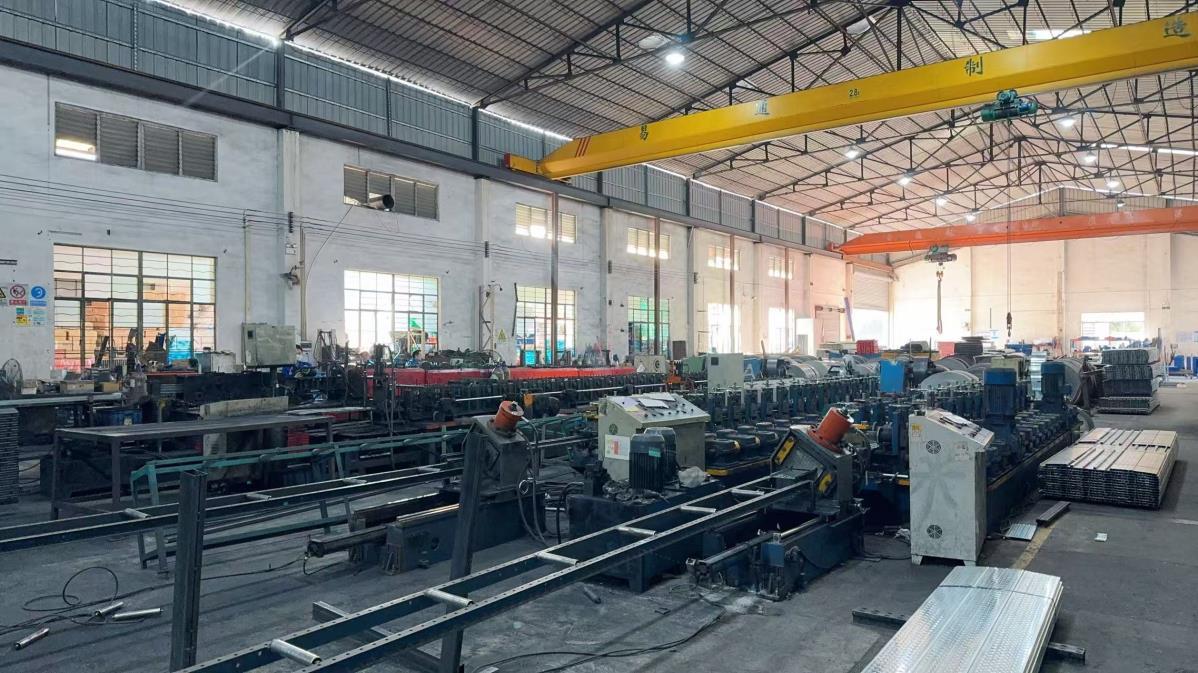
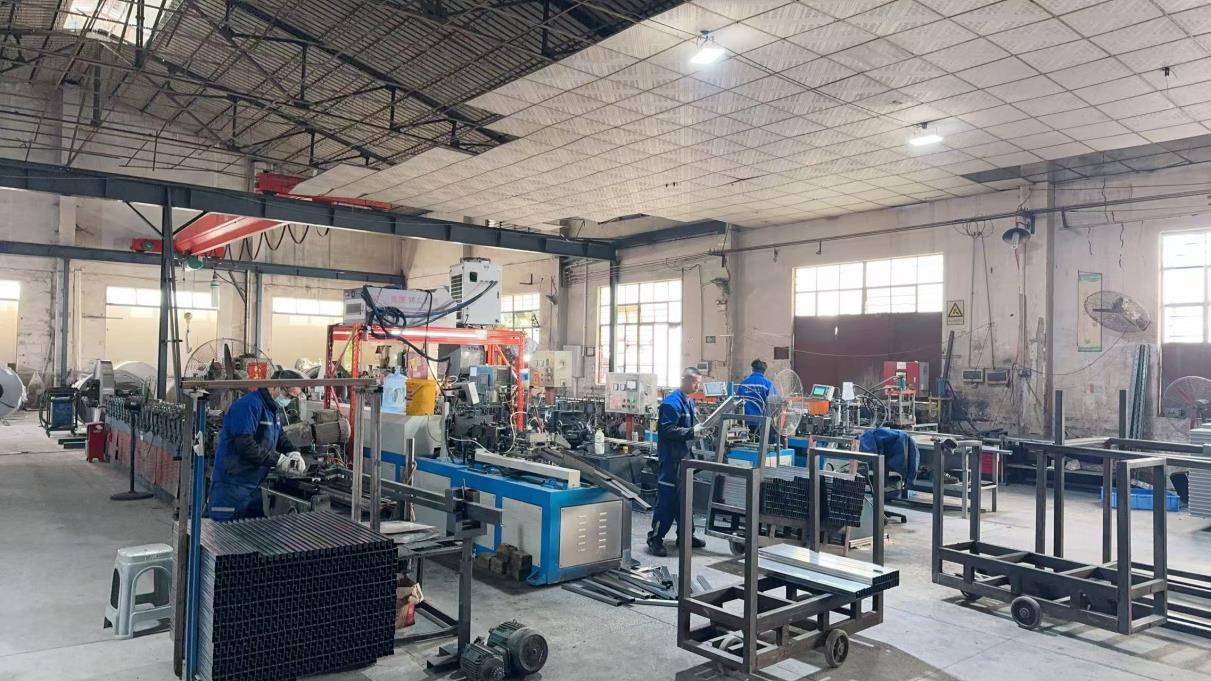
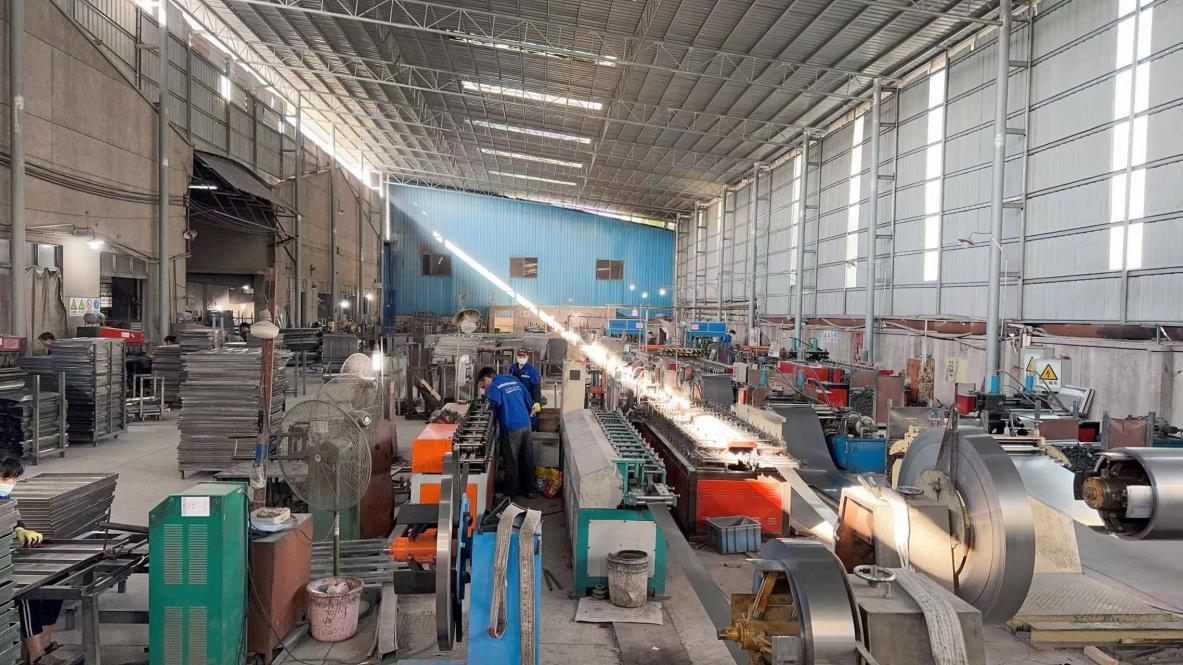
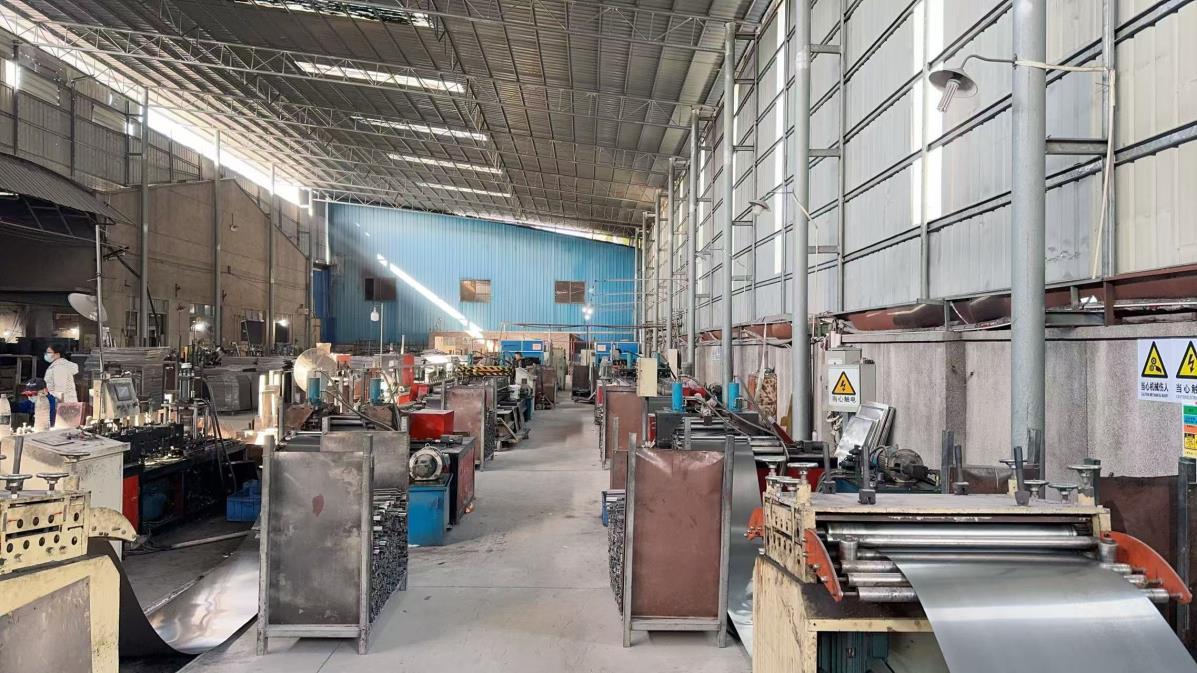
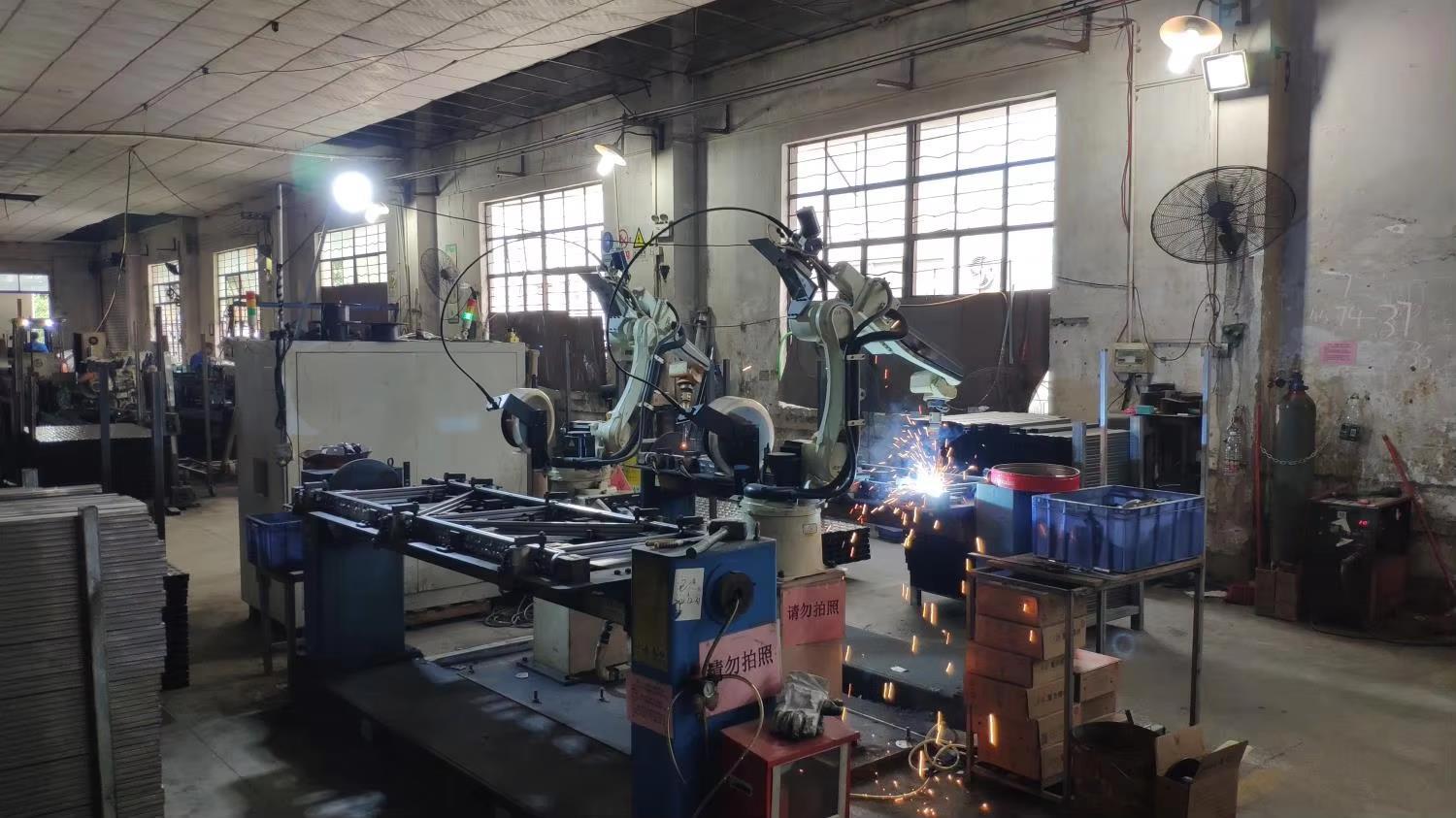
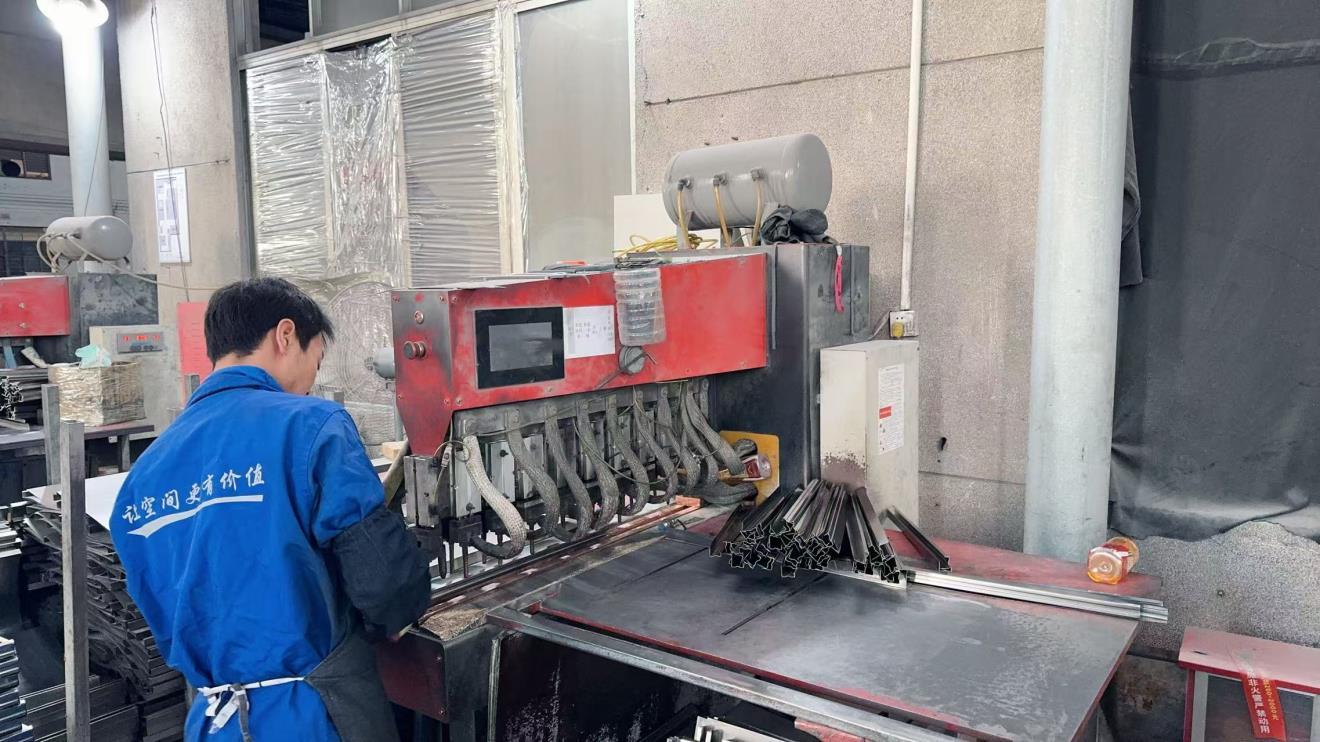
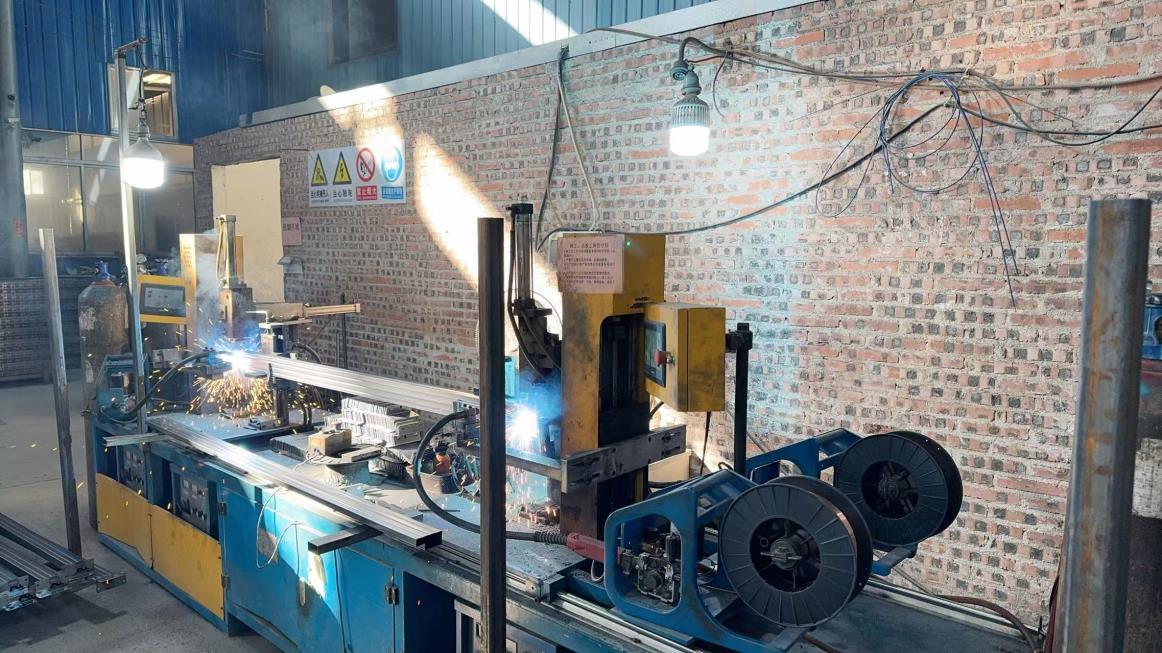
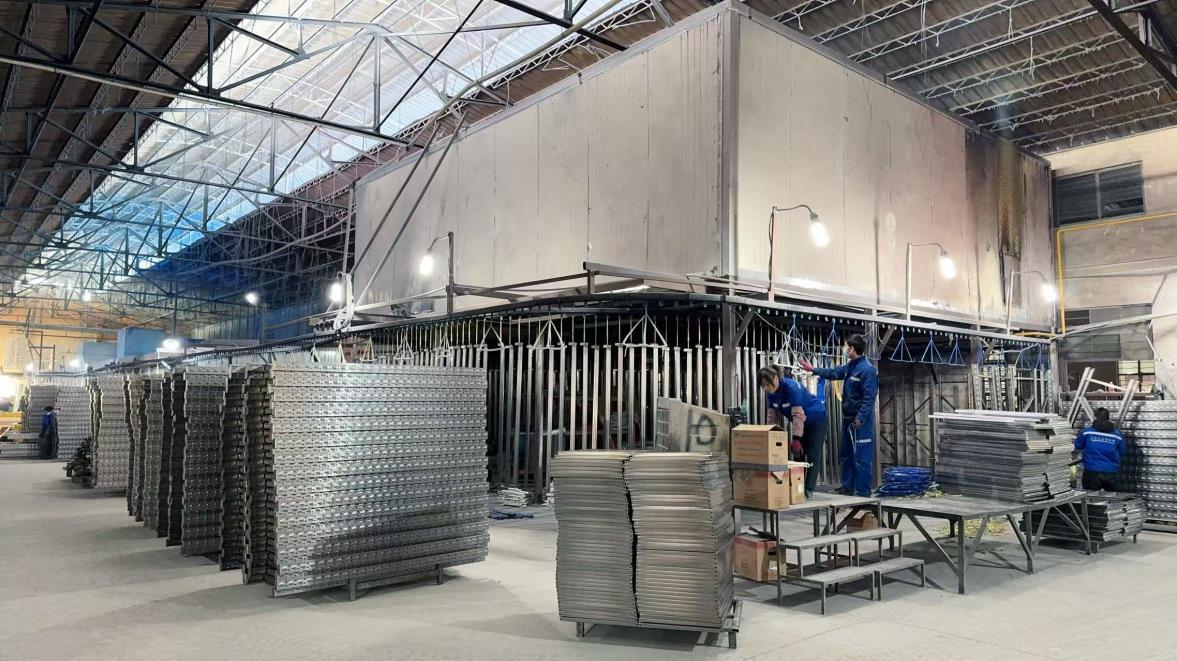
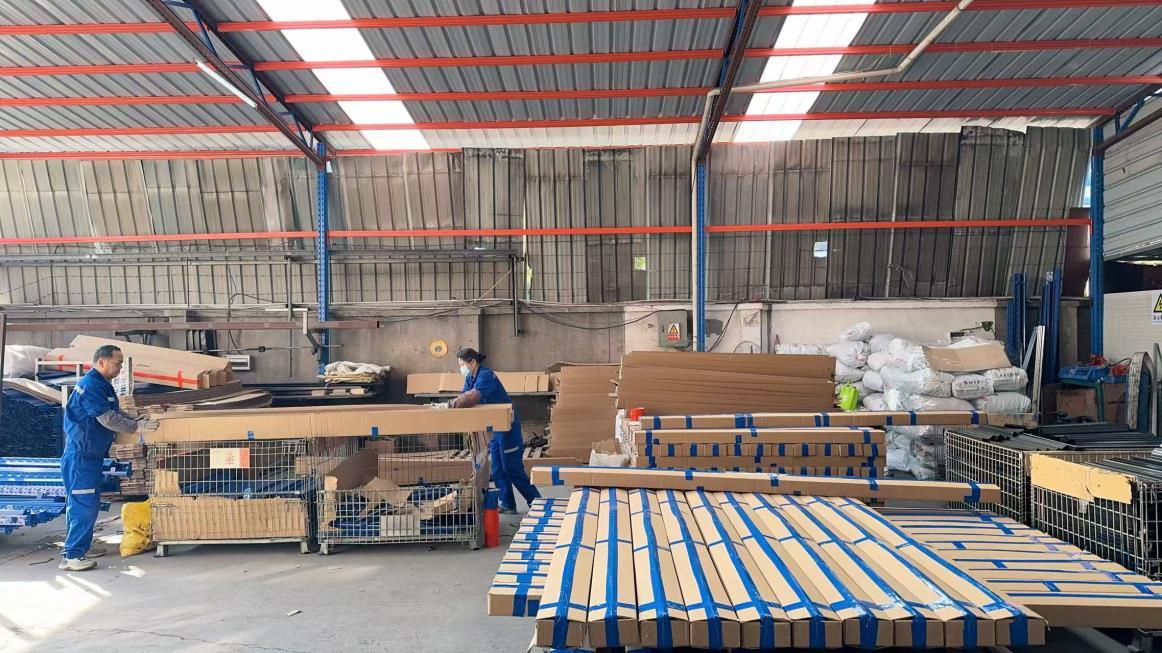
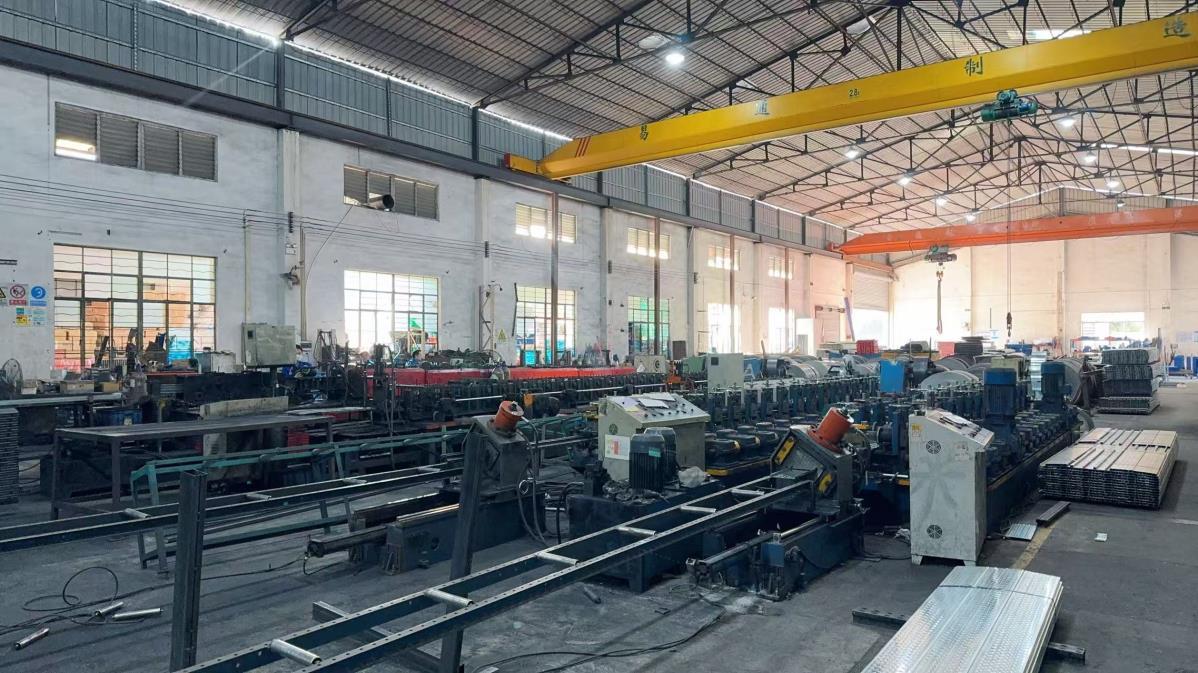
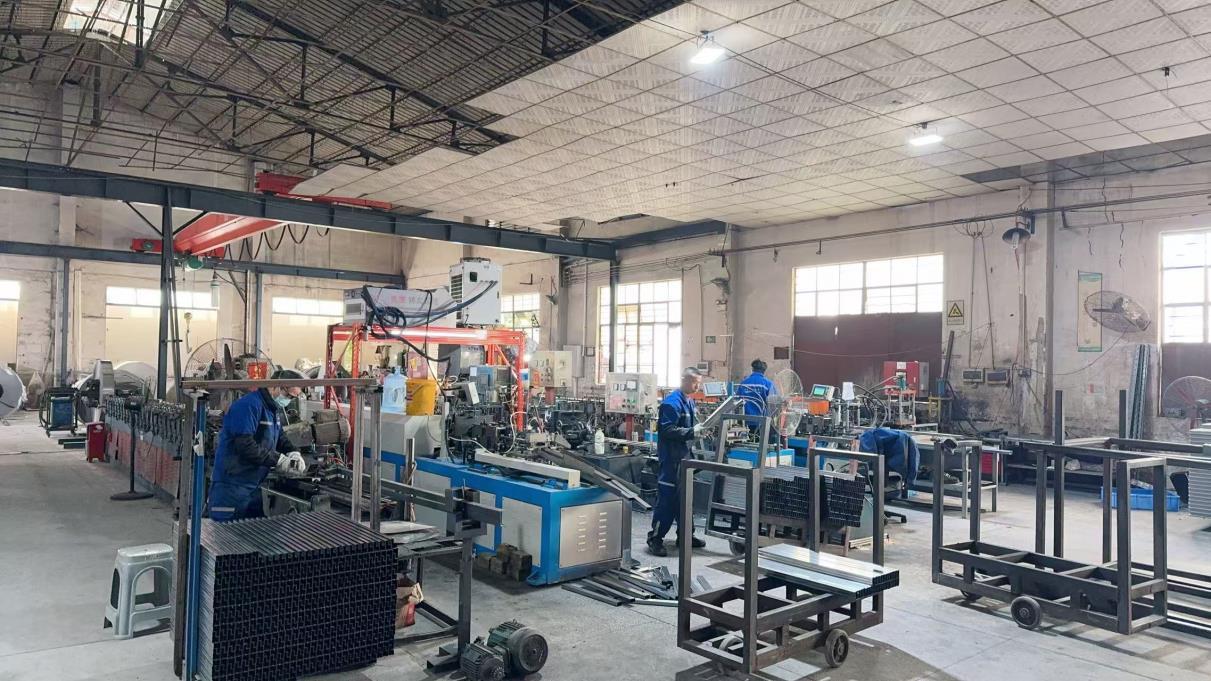
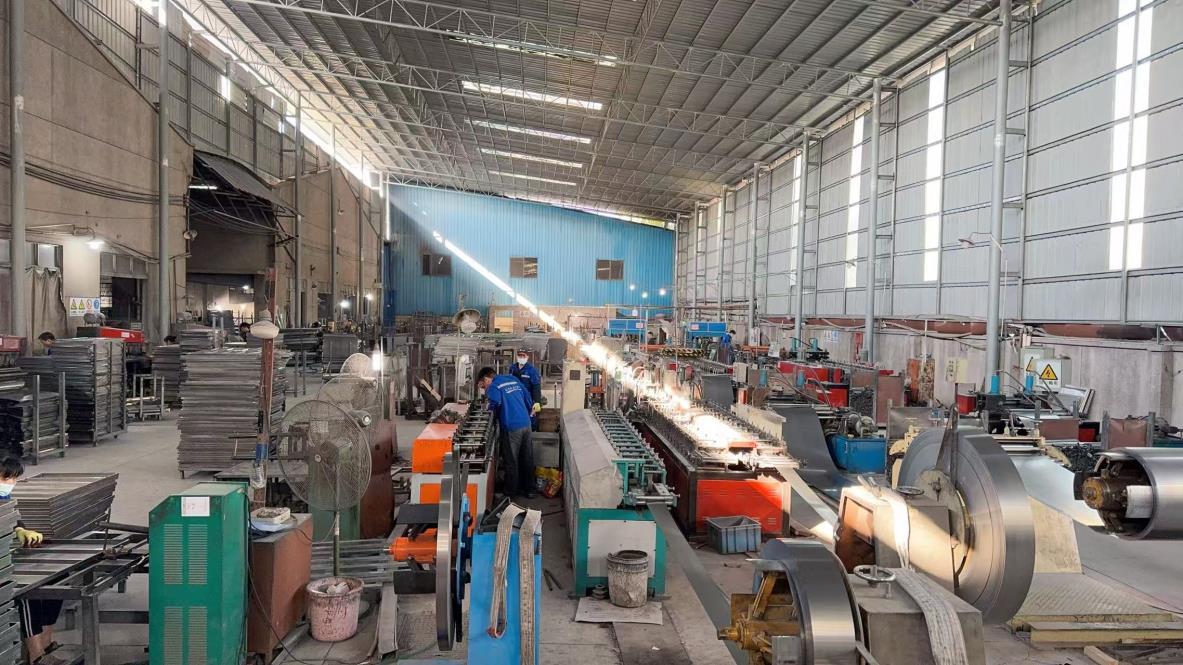
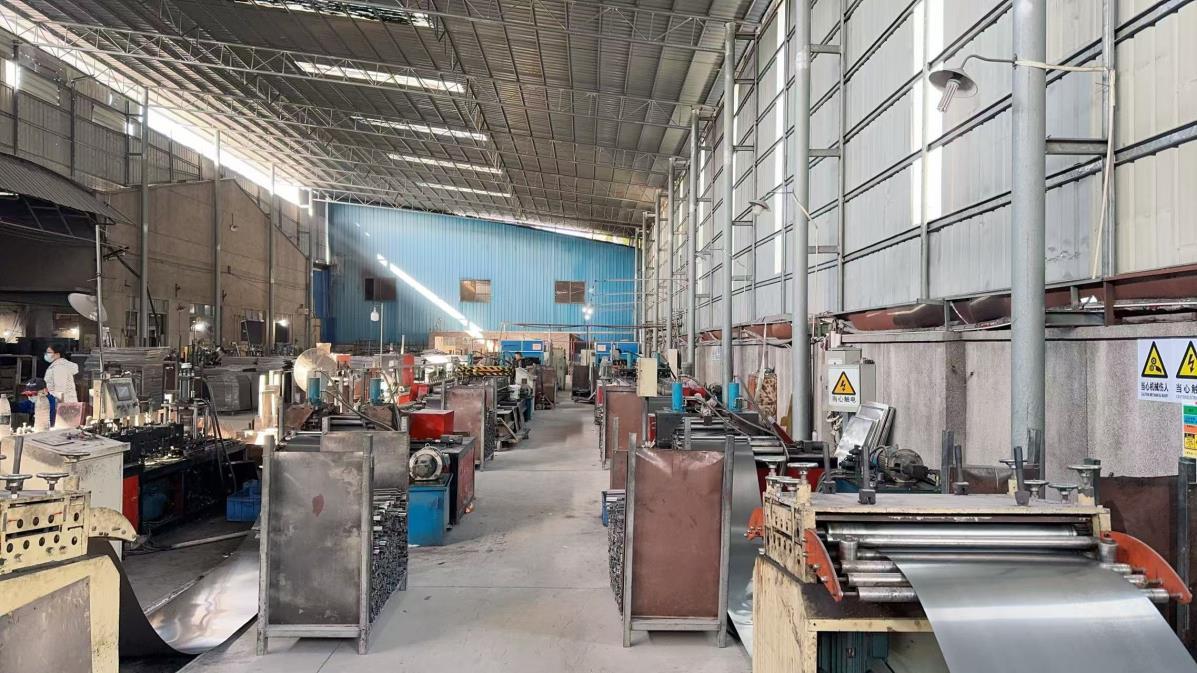
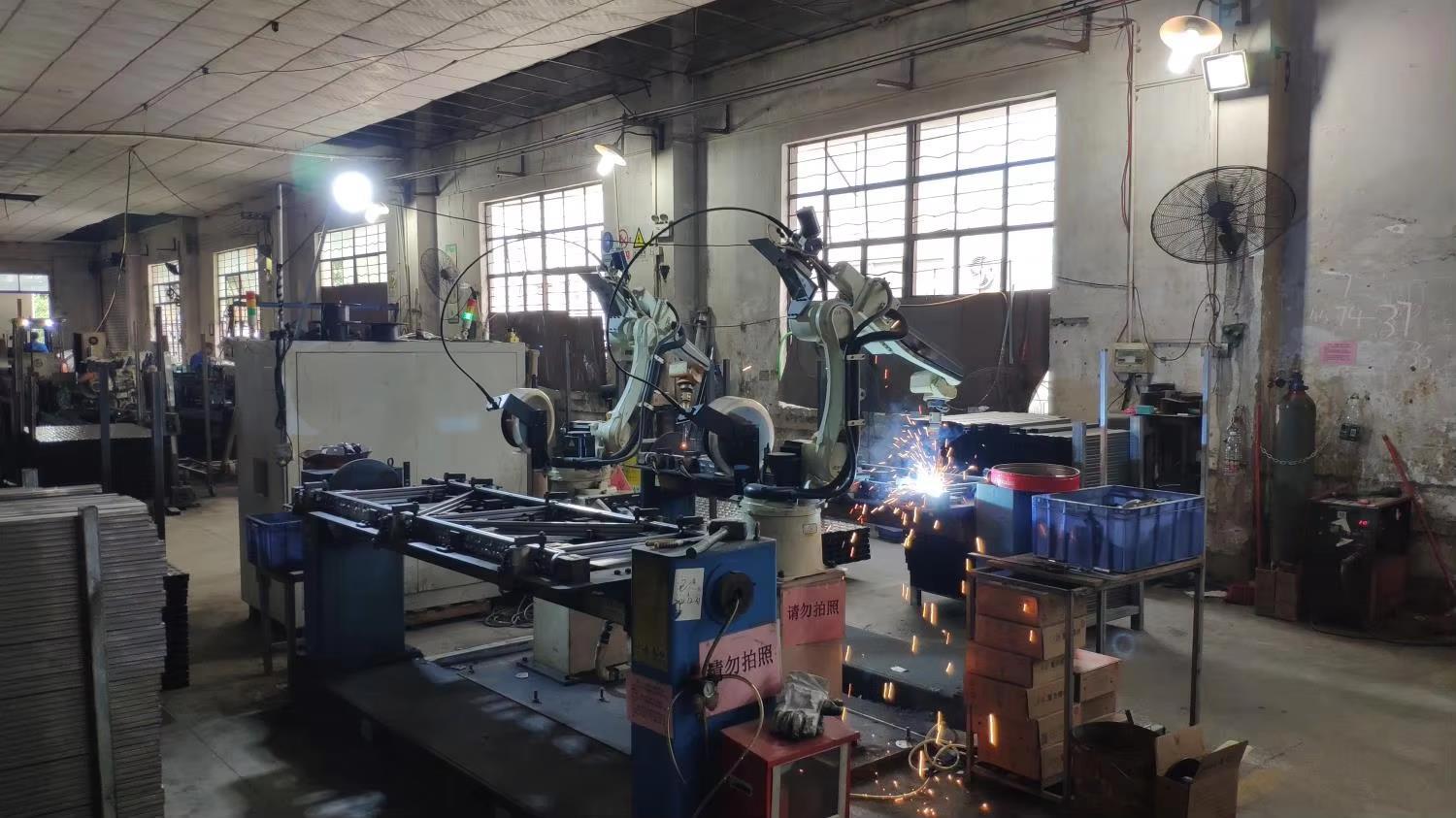
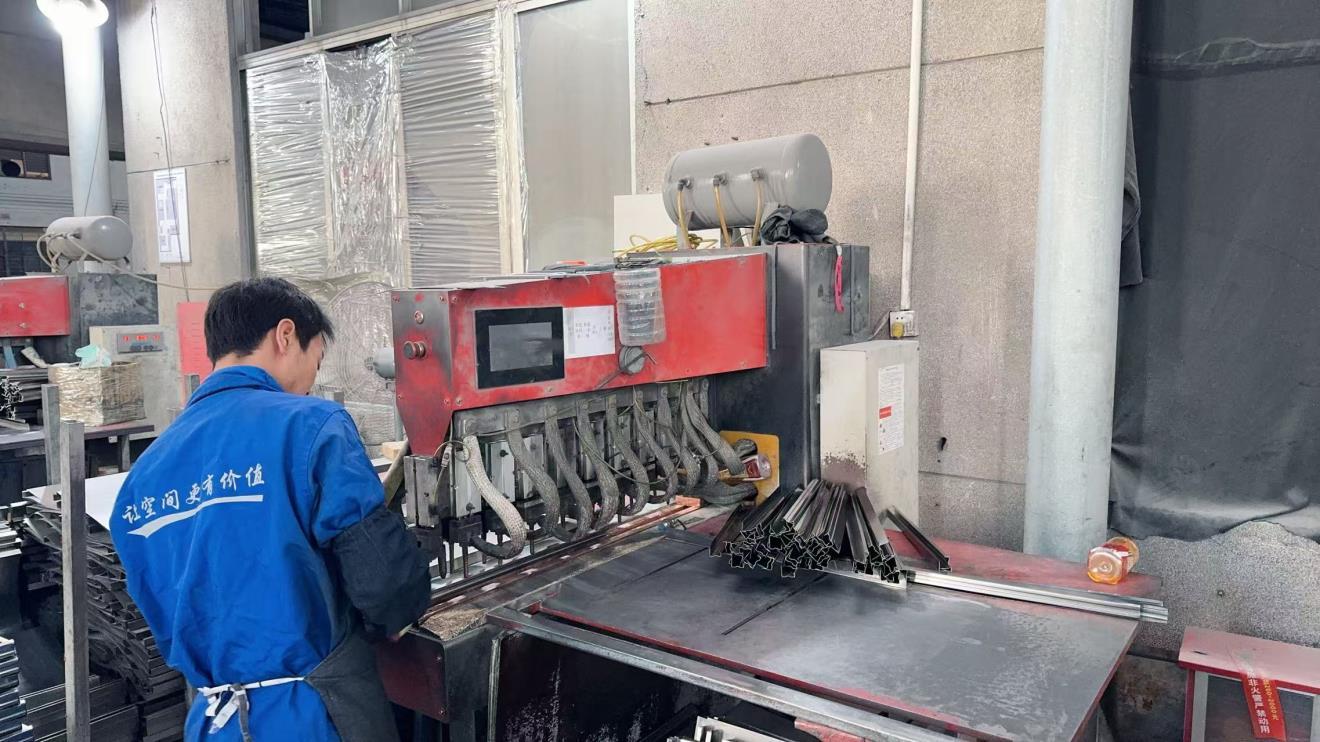
Verifying mill test certificates, measuring steel thickness gauge, and performing tensile strength testing on raw coils.
Robot welding coordinate confirmation, weld penetration analysis, and laser dimension checking within ±0.5mm tolerances.
Verifying powder coating layer depth via digital DFT gauges and assessing adhesion strength through cross-hatch tape testing.
Simulating real-world load configurations at 1.5 times safety factor limits using heavy hydraulic ram testing setups.
For operations directors, procurement managers, and logistics facility heads, finding a reliable supplier goes beyond looking at price lists. Because racking systems must support heavy loads overhead, structural safety is critical. When importing cantilever systems from China, global procurement teams should look for clear standards of production quality.
Key standards include verification of weld integrity under structural conditions, compatibility with US and EU industrial forklifts, and robust protection during shipping to avoid shipping scuffs and paint degradation. At Kimsuk, our 35 QA/QC inspectors ensure every batch from our 32,000 sqm plant adheres to strict design and production parameters before shipping.
Furthermore, our engineering team handles raw material customization for custom lengths, structural base modifications, and layout optimizations, helping supply chains manage tight space requirements while keeping shipping weights low and structural efficiency high.
How heavy duty and medium duty cantilever structures perform in real-world commercial scenarios.
Handling long copper pipes, heavy aluminum extrusions, and carbon steel profiles. Cantilever systems with load capacities exceeding 3,000kg per arm are necessary here. Using high-tensile hot-rolled H-beams ensures structures do not bow under heavy stress over time.
Lumber, drywall, and siding require dry, flat storage surfaces to prevent warping. Open-front cantilever designs enable side-loading forklifts to quickly access inventory, helping to reduce material handling damage and lower overall warehouse labor costs.
Storing bulky chassis sections, exhaust pipes, and heavy cable rolls requires customizable racking layouts. Adjusting cantilever arms along vertical columns allows warehouses to quickly adapt their layout for varying seasonal stock dimensions.
Detailed technical answers to help you design, source, and configure heavy-duty industrial storage systems.
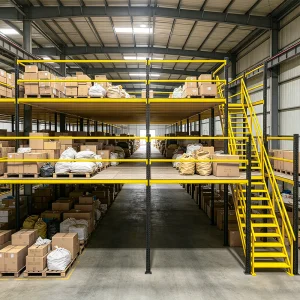
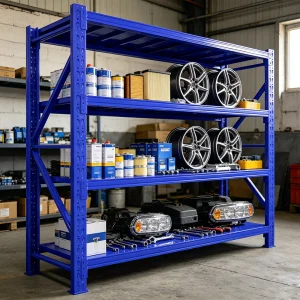
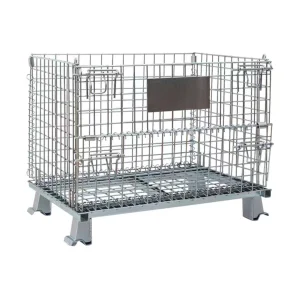
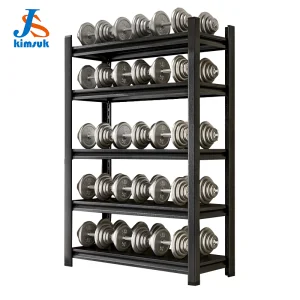
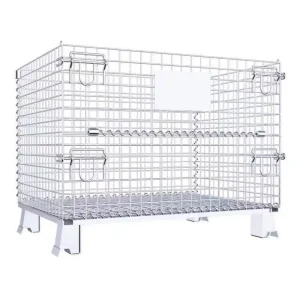
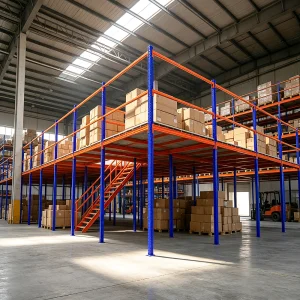
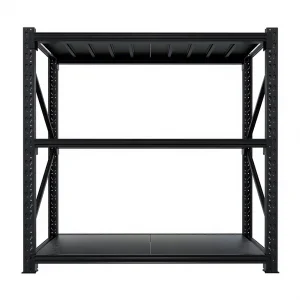
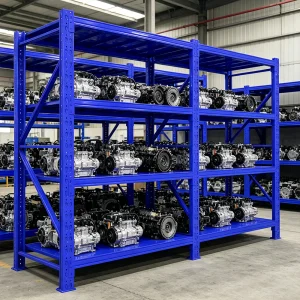
Browse our range of heavy-duty warehouse equipment, metal cages, and customizable storage racks.
 Kimsuk Steel