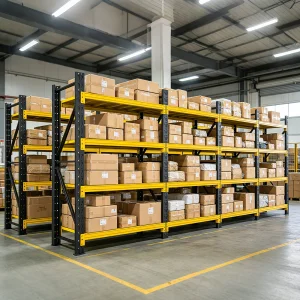
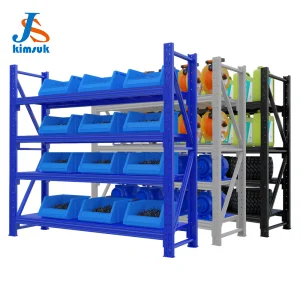
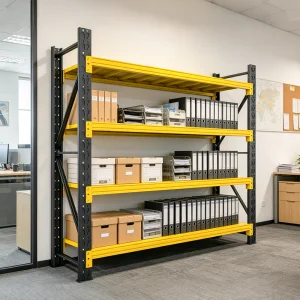
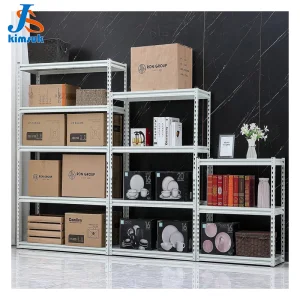
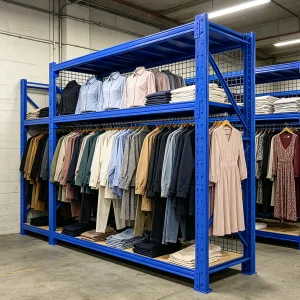
In the rapidly changing landscape of global supply chains and logistics, spatial design optimization is no longer just a structural need but a strategic lever. Industrial utility platforms, steel mezzanine structures, and high-density racking networks are critical building blocks for scaling operations without expanding the physical footprint of a facility. In modern warehouses, smart vertical engineering allows businesses to multiply usable floor space, streamline internal logistics, and improve inventory retrieval speeds.
As a premier CE Certified Utility Platforms Manufacturer & Exporter, Dongguan Kimsuk Shelves Co., Ltd. addresses the operational challenges of high-volume hubs. By utilizing high-tensile cold-rolled steel, automated production steps, and strict compliance structures, we deliver robust solutions that meet international building codes and global occupational safety requirements. This whitepaper analyzes engineering standards, supply chain dynamics, and product compliance frameworks that procurement teams must evaluate when selecting industrial platforms.
Industrial platforms must be engineered to withstand both static load capacities and dynamic forces. Our structures undergo Finite Element Analysis (FEA) to confirm stability in varying seismic zones, meeting regional parameters for Europe, North America, and dynamic coastal environments.
Compliance is essential for workplace safety. Our engineering processes are fully aligned with the EU Machinery Directive and EN 15512 standards for steel static storage systems, ensuring legal compliance and safe operation across the European Economic Area.
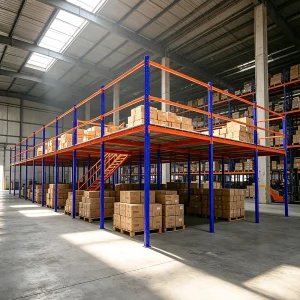
By leveraging multi-level mezzanine systems and structural framing, facilities can expand their usable area vertically. This strategy avoids the high capital expenditures and long lead times associated with new warehouse construction.
The industrial warehousing sector is experiencing a major transition, driven by the growth of e-commerce, automated fulfillment, and stricter safety policies. Storage systems are shifting from simple static racks to dynamic, modular structures that integrate with automated equipment.
Modern utility platforms are increasingly designed to work alongside Autonomous Mobile Robots (AMRs) and Automated Storage and Retrieval Systems (AS/RS). These layouts require very tight structural tolerances, precise floor deflection values, and specialized safety barriers to support continuous robotic operations.
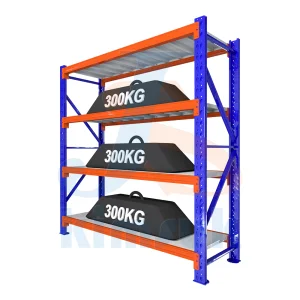
Static, welded structures are being replaced by boltless, modular designs. High-tensile steel connectors and pre-punched uprights allow operators to reconfigure, expand, or relocate systems as operational requirements change, minimizing long-term capital expenditure risks.
Environmental policies drive the demand for low-impact manufacturing. By using high-strength steel alloys, manufacturers can reduce the structural weight of platforms without compromising load capacity. This approach lowers raw material consumption and minimizes shipping emissions.
| Feature / Parameter | Traditional Welded Structures | Modern Modular Utility Platforms | Operational Impact |
|---|---|---|---|
| Installation Speed | Slow (Requires on-site welding/cutting) | Rapid (Boltless interlocking components) | Reduces warehouse downtime by up to 60% |
| Seismic Adaptation | Rigid joints prone to fatigue | Controlled flex points engineered via FEA | Protects personnel and inventory during tremors |
| Surface Finish | Standard liquid paint (high VOCs) | Electrostatic thermosetting powder coat | Excellent corrosion and scratch resistance |
| Relocation Flexibility | Extremely low (often scrap-metal value) | 100% reusable and easily reconfigurable | Protects assets and enhances facility adaptation |
International sourcing managers must evaluate a range of engineering and logistical factors beyond unit pricing when procuring structural steel platforms. Compliance with local building codes, steel mill sourcing traceability, packaging durability for long ocean transits, and clear installation documentation are critical to preventing project delays and safety issues.
For installations in North America, systems must comply with Rack Manufacturers Institute (RMI) standards and OSHA safety guidelines. Engineering calculations must account for local seismic coefficients, particularly in states like California. Sourcing departments typically require mill test certificates to verify the yield strength (typically ASTM A1011 or equivalent) of the structural columns.
European projects require strict adherence to EN 15512, EN 15620, and EN 15635 standards. The structural steel components must carry the CE mark, indicating compliance with EN 1090-1 execution standards. Materials must support specified safety margins for Uniformly Distributed Loads (UDL) and concentrated point loads from automated lift trucks.
With tropical environments and high humidity, installations in major Southeast Asian hubs require superior corrosion resistance. Hot-dip galvanization and advanced epoxy powder coatings are preferred to protect structural steel from rust. Compact, container-optimized packing designs are also essential to manage ocean freight costs.
In the Middle East, structural layouts must withstand high thermal variations within non-conditioned storage yards and support heavy loads for bulk industrial goods. Large-scale 3PL operators prioritize high-density mezzanine integrations with multi-tier storage systems to handle rapid turnarounds.
Established in 2015, Dongguan Kimsuk Shelves Co., Ltd. is a leading manufacturer specializing in the design, engineering, and production of heavy-duty industrial shelving and warehouse storage systems. Operating from a modern production facility spanning 32,000 square meters, we have grown into a trusted global supply chain partner with 11 years of industry expertise and 8 years of direct international export experience. Driven by robust manufacturing capability, our annual export revenue reaches $18 million, serving clients across key international markets, including North America, Europe, Southeast Asia, and the Middle East.
Quality and precise engineering are at the core of our operations. We maintain a strict Quality Assurance protocol supported by a dedicated team of 35 QA/QC inspectors. Our comprehensive product inspection methods combine automated non-destructive testing, raw material tensile testing, load-bearing stress evaluations, and precision powder-coating thickness measurements. Supported by an extensive network of over 850 verified supply chain partners, we consistently deliver reliable, high-integrity racking systems to a diverse client portfolio, ranging from large-scale logistics hubs and third-party logistics (3PL) providers to industrial manufacturing facilities and commercial retail distributors.
Innovation drives our growth. Our in-house R&D team consists of 18 senior structural and engineering specialists capable of delivering full OEM/ODM custom solutions. From tailored rack dimensions and heavy load capacities to specialized seismic-resistant structures and anti-corrosion surface finishes, we turn complex warehousing requirements into optimal designs. Demonstrating our continuous drive for innovation, we successfully developed and launched 120 new product models and modular storage enhancements last year alone. At Dongguan Kimsuk Shelves Co., Ltd., we remain committed to maximizing warehouse space efficiency and delivering long-term value to our global partners.
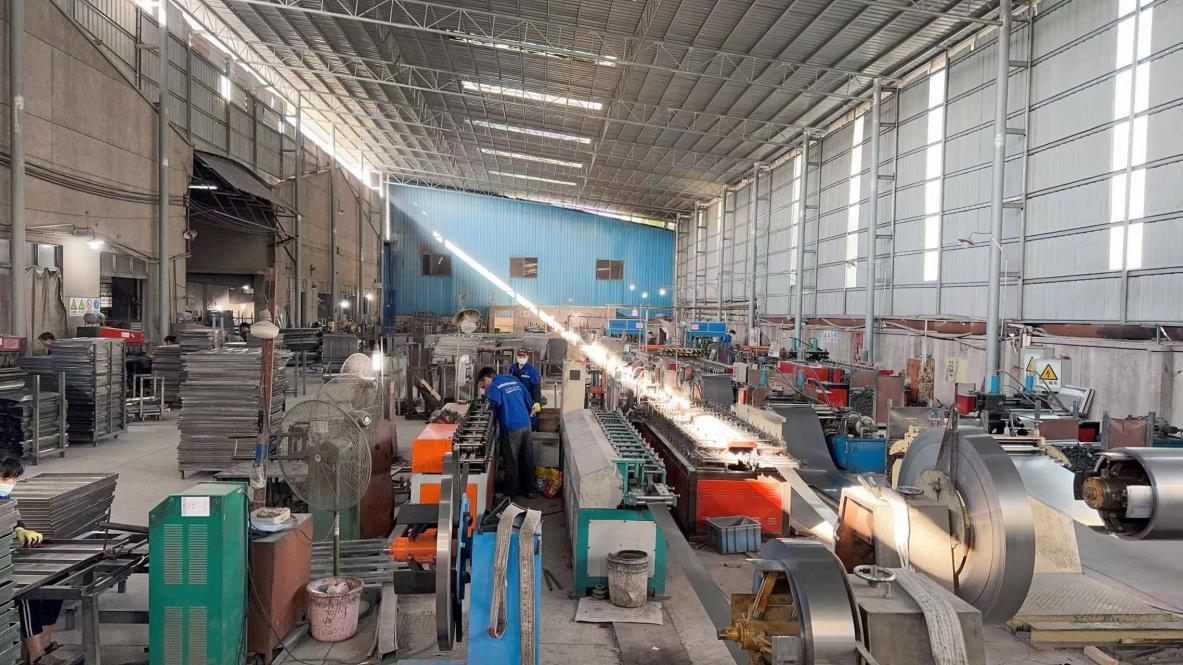
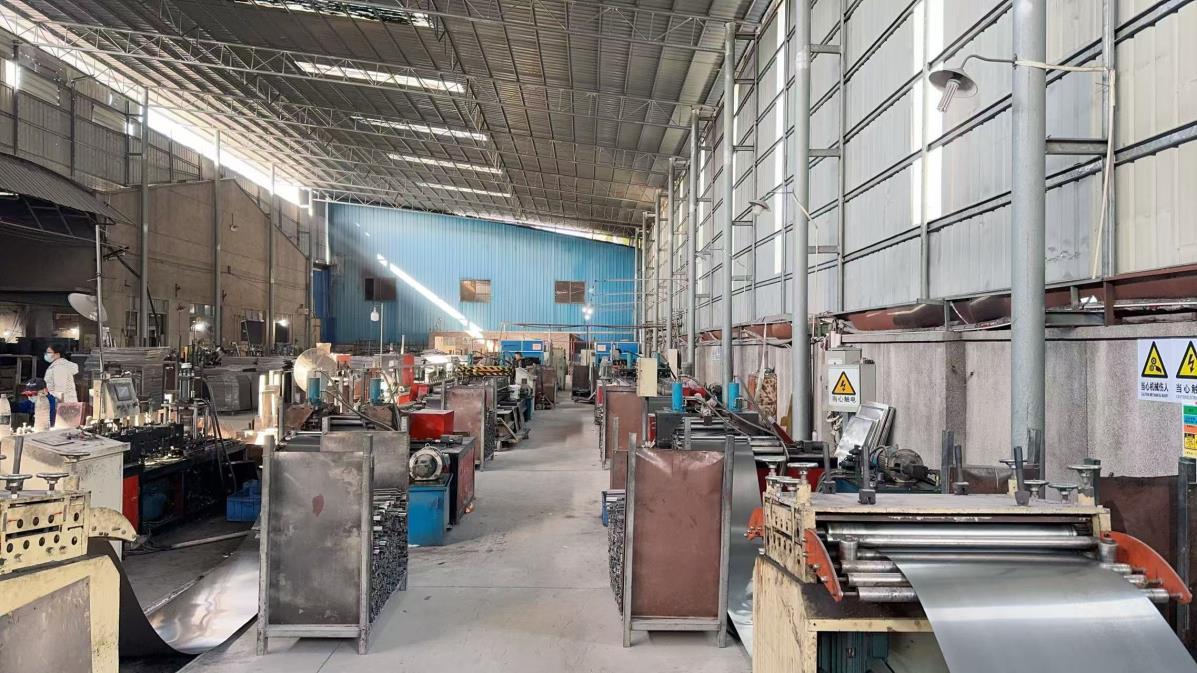
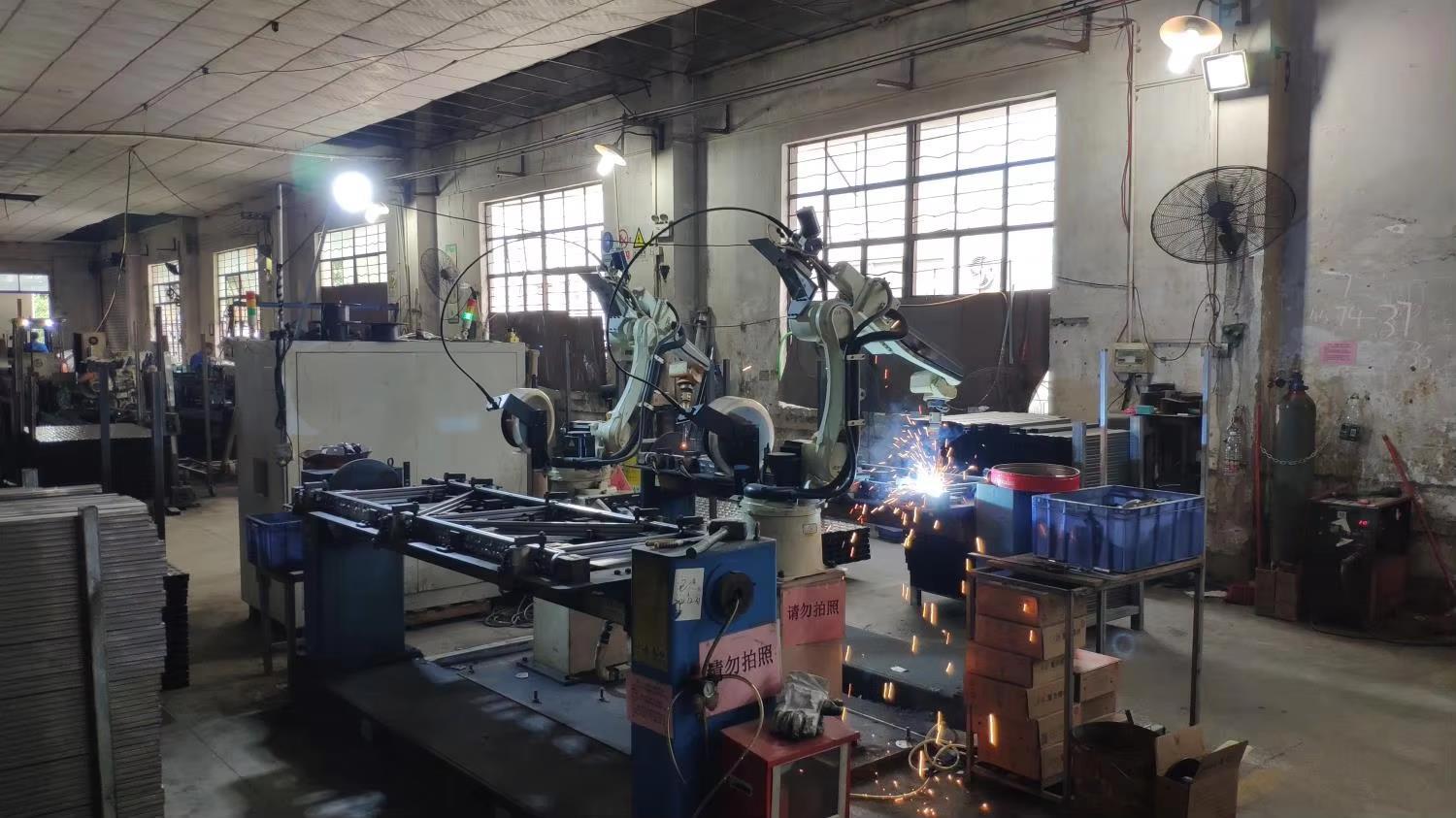
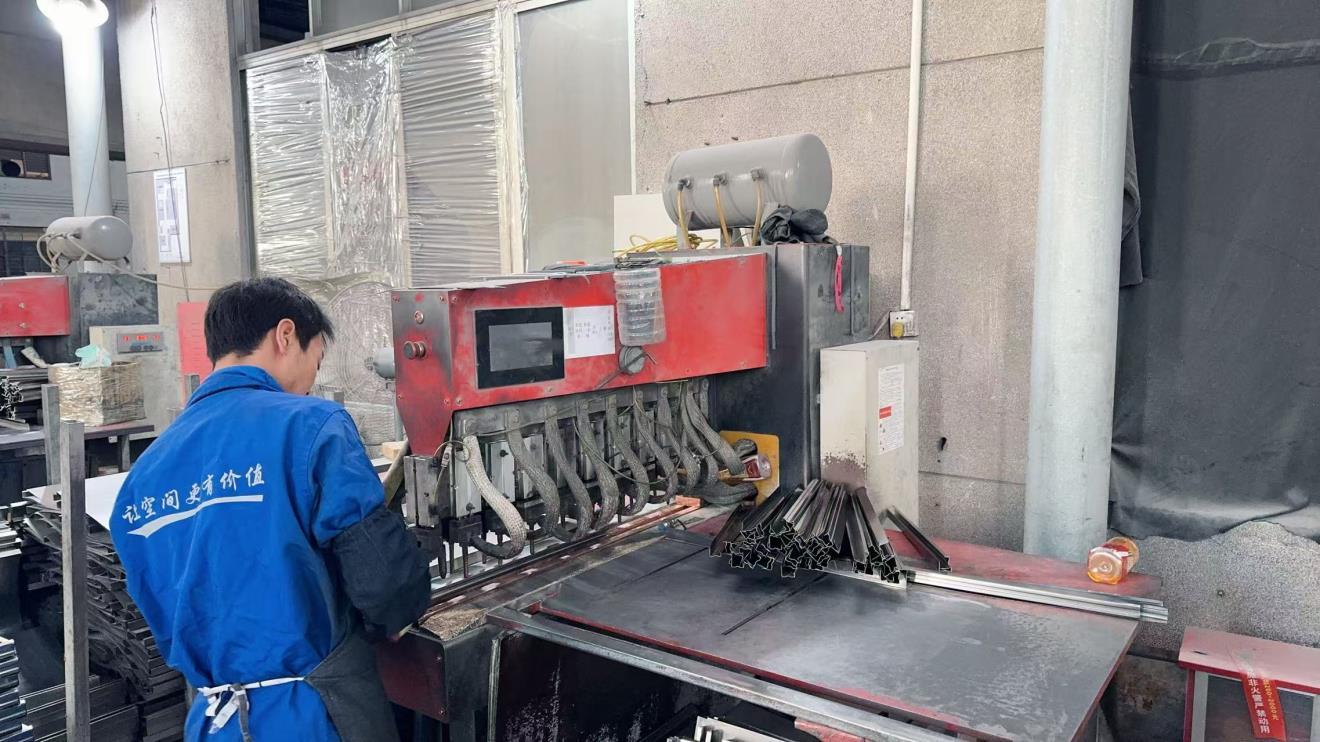
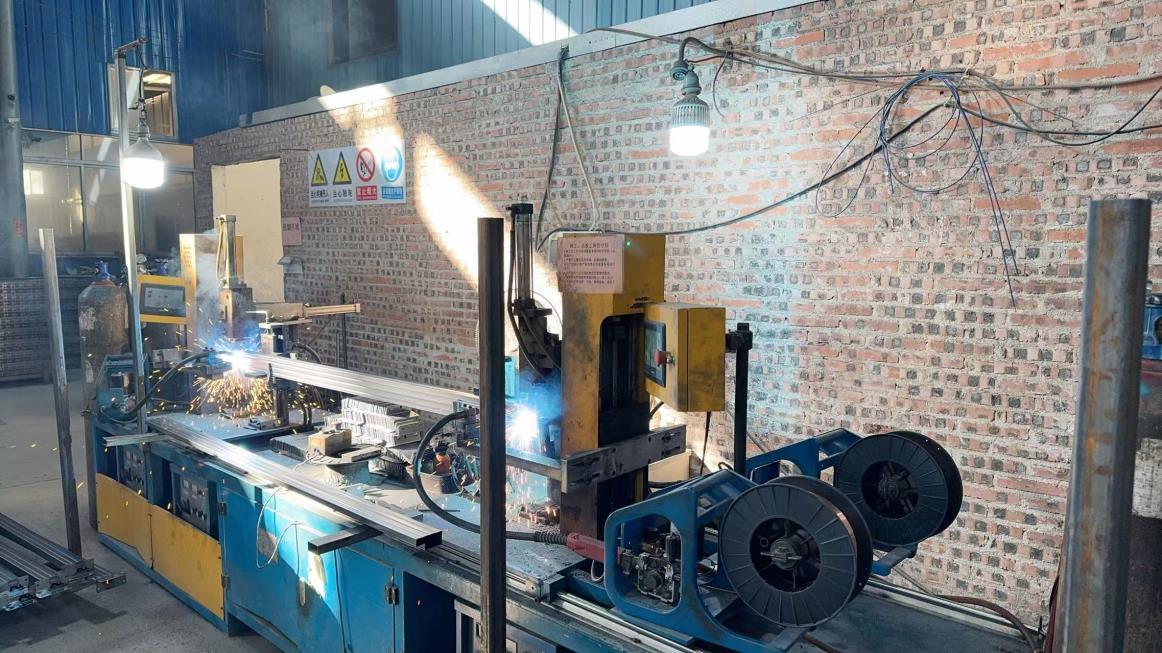
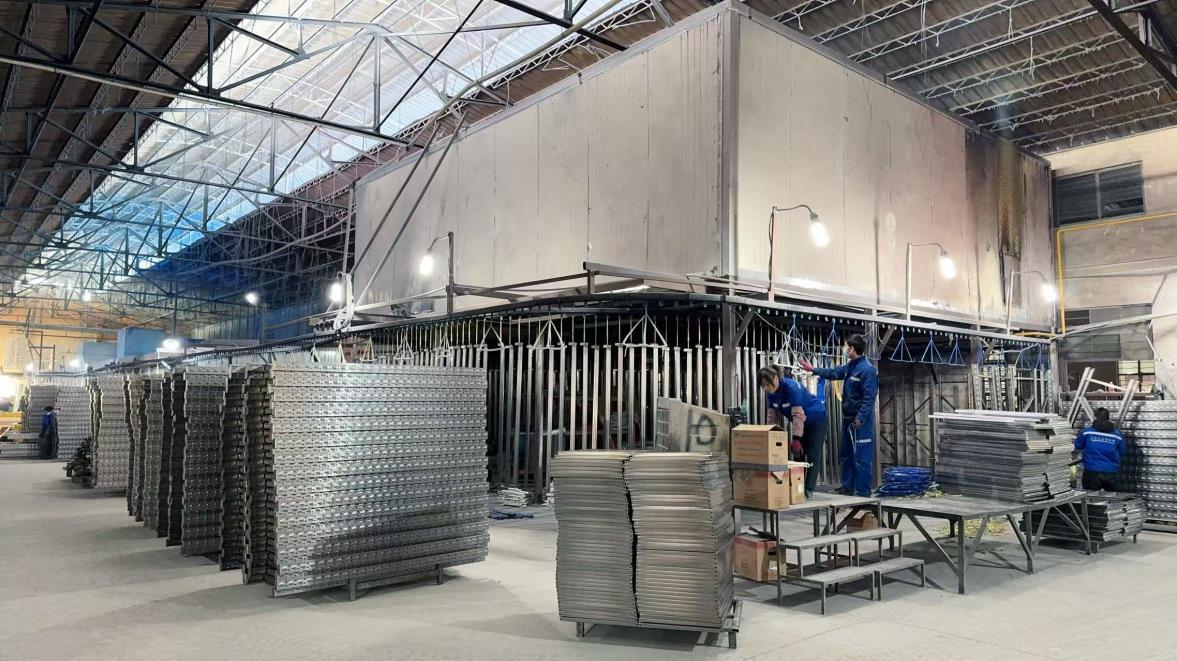
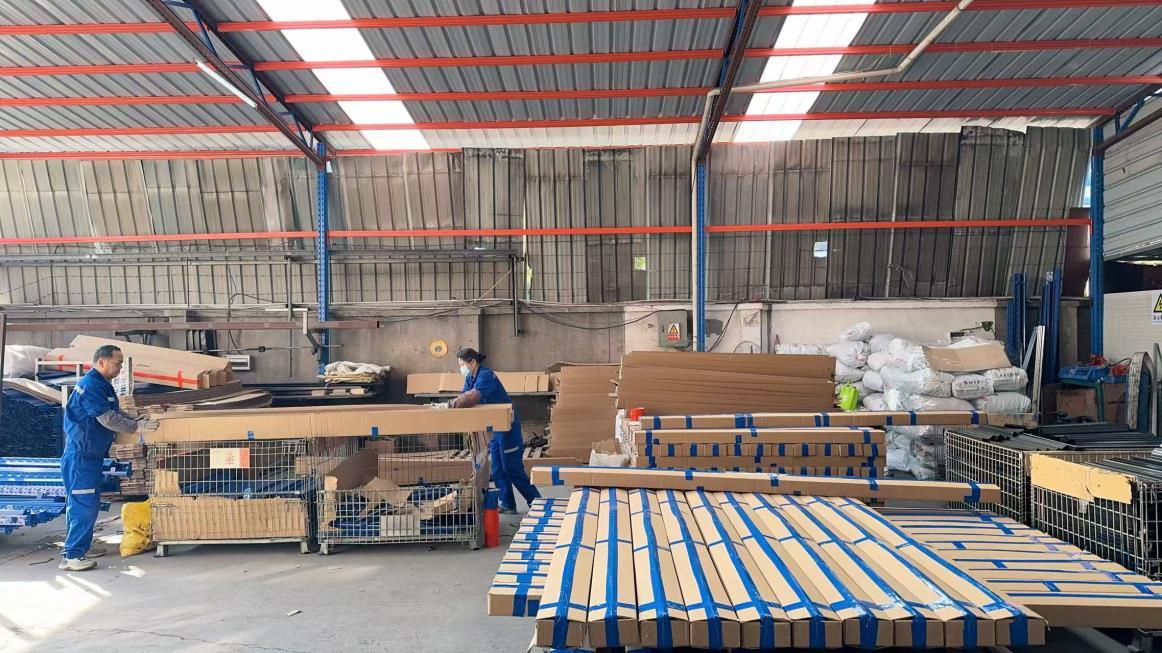
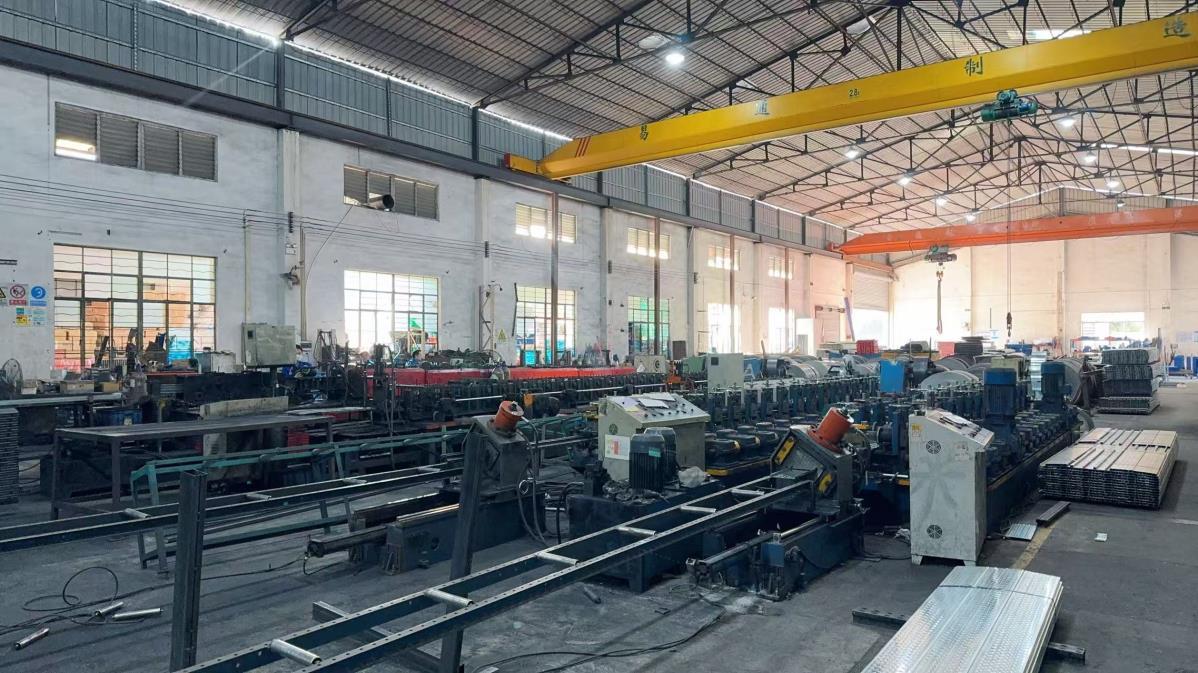
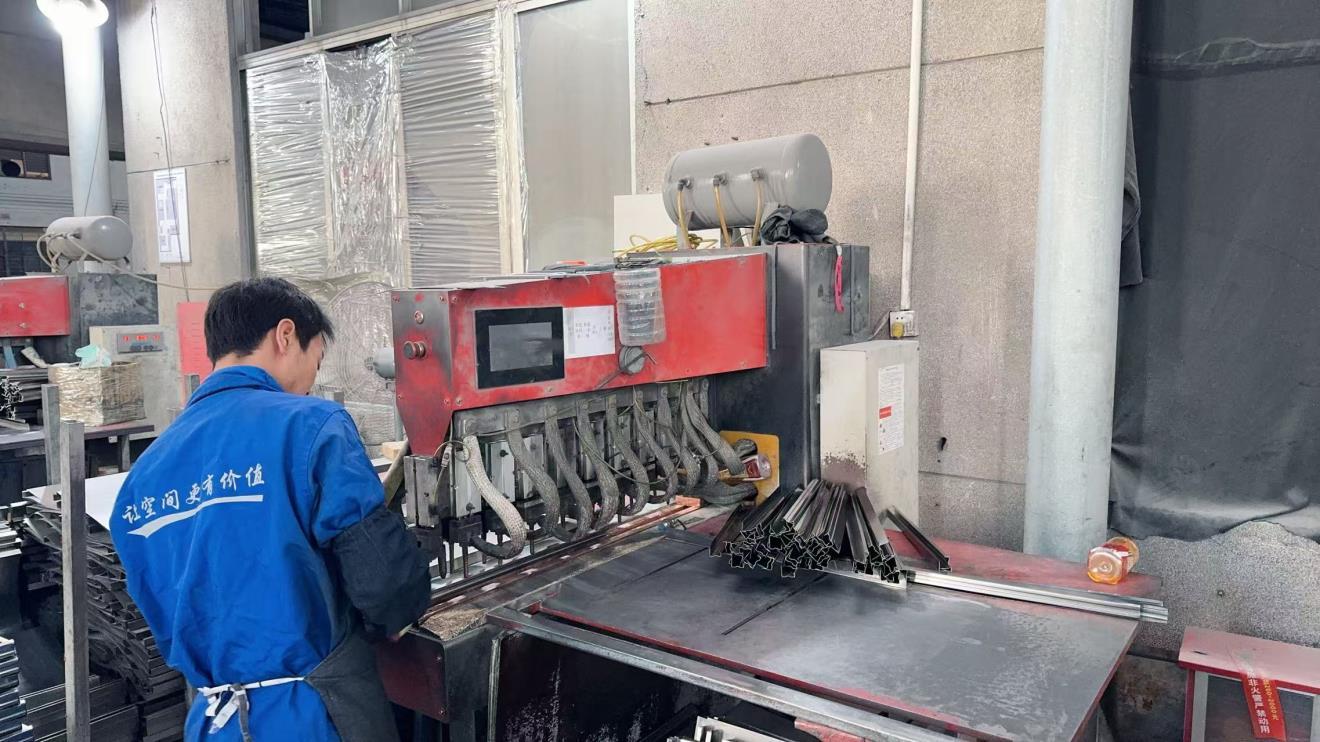
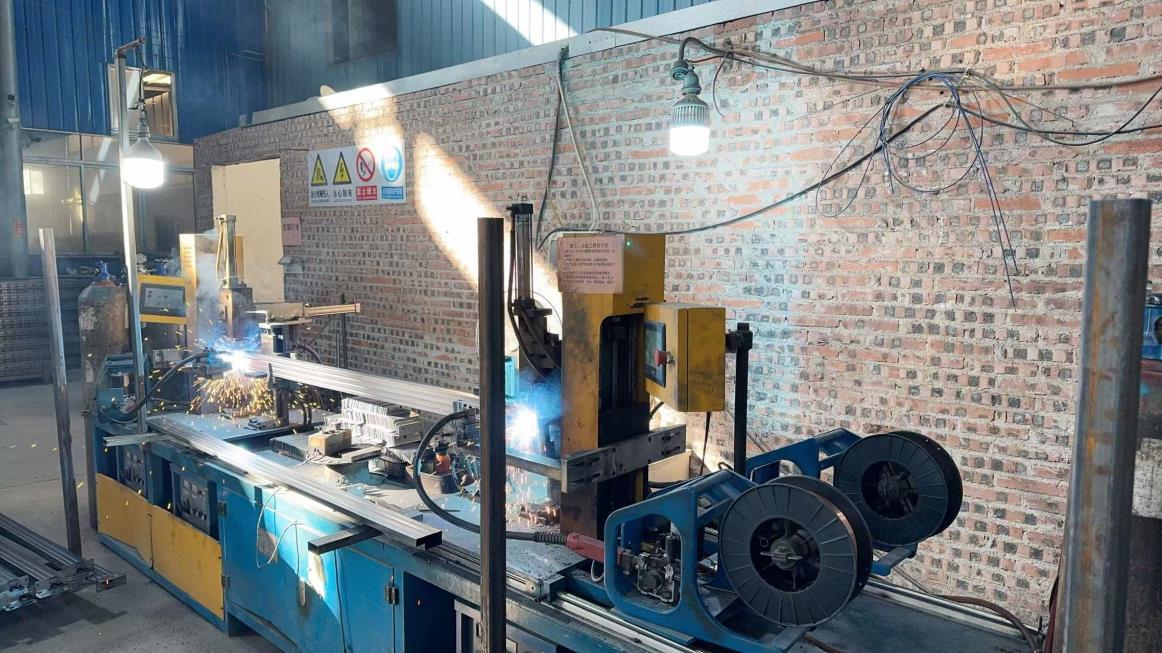
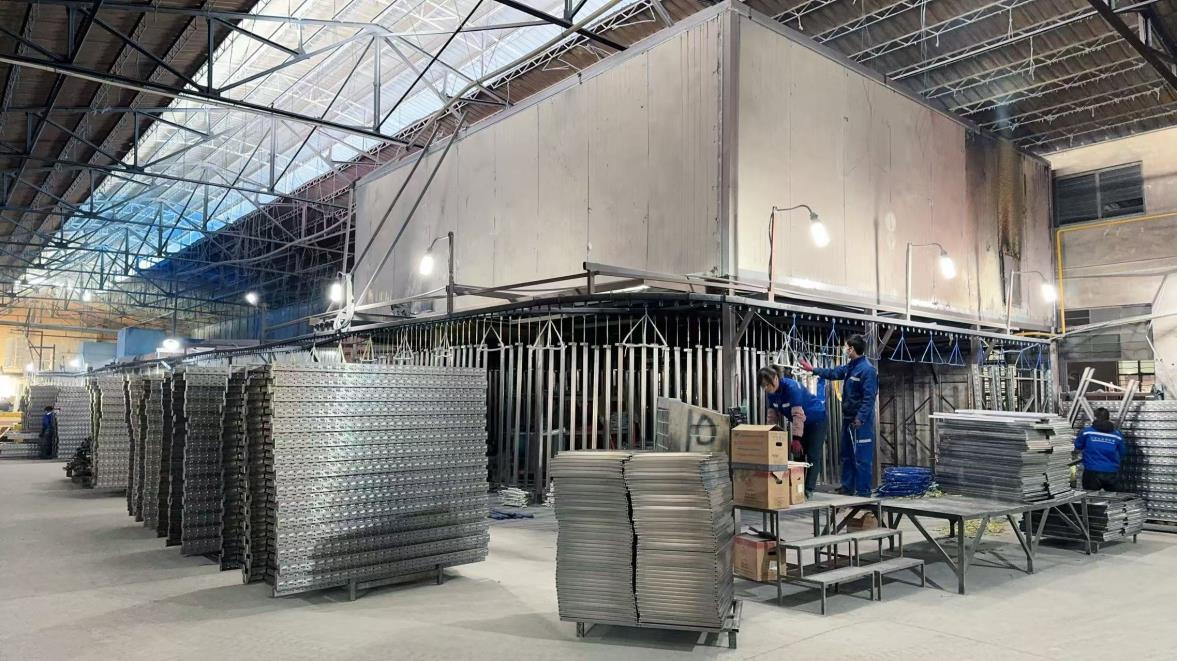
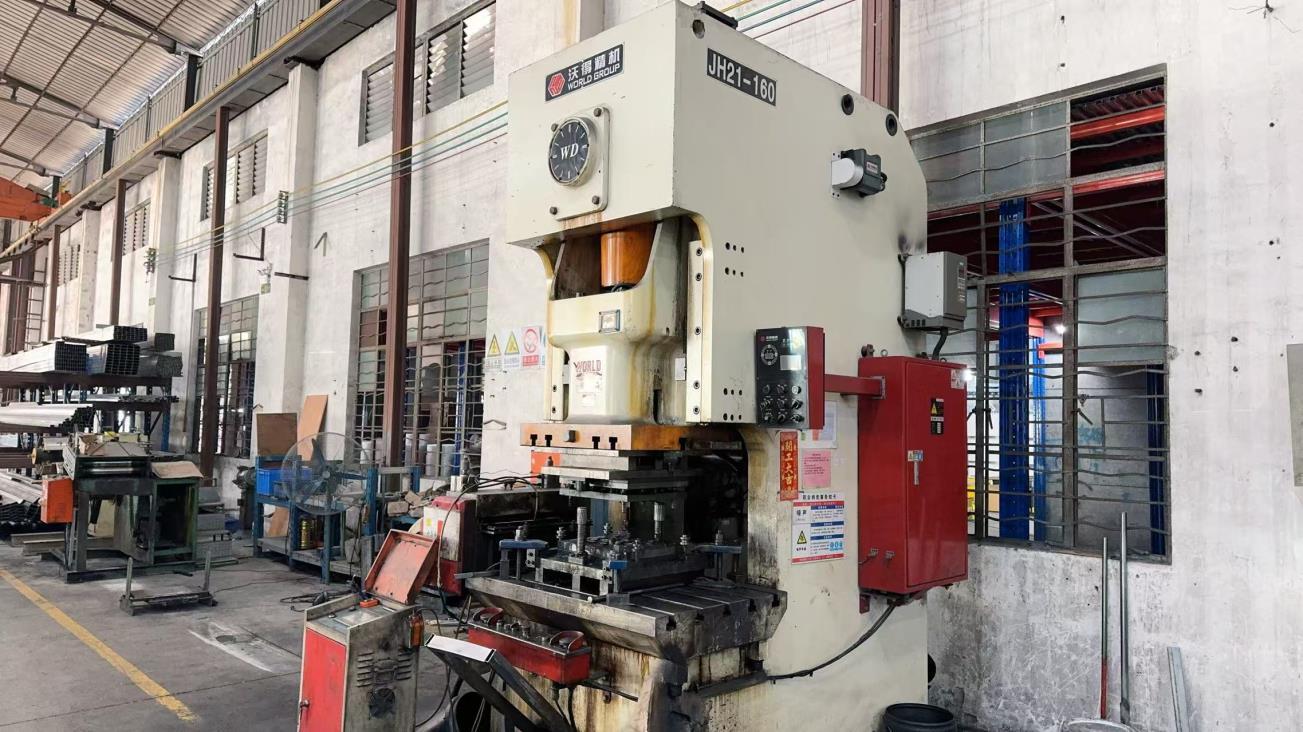
We control every step of production in our state-of-the-art facility to guarantee the structural integrity and compliance of every utility platform.
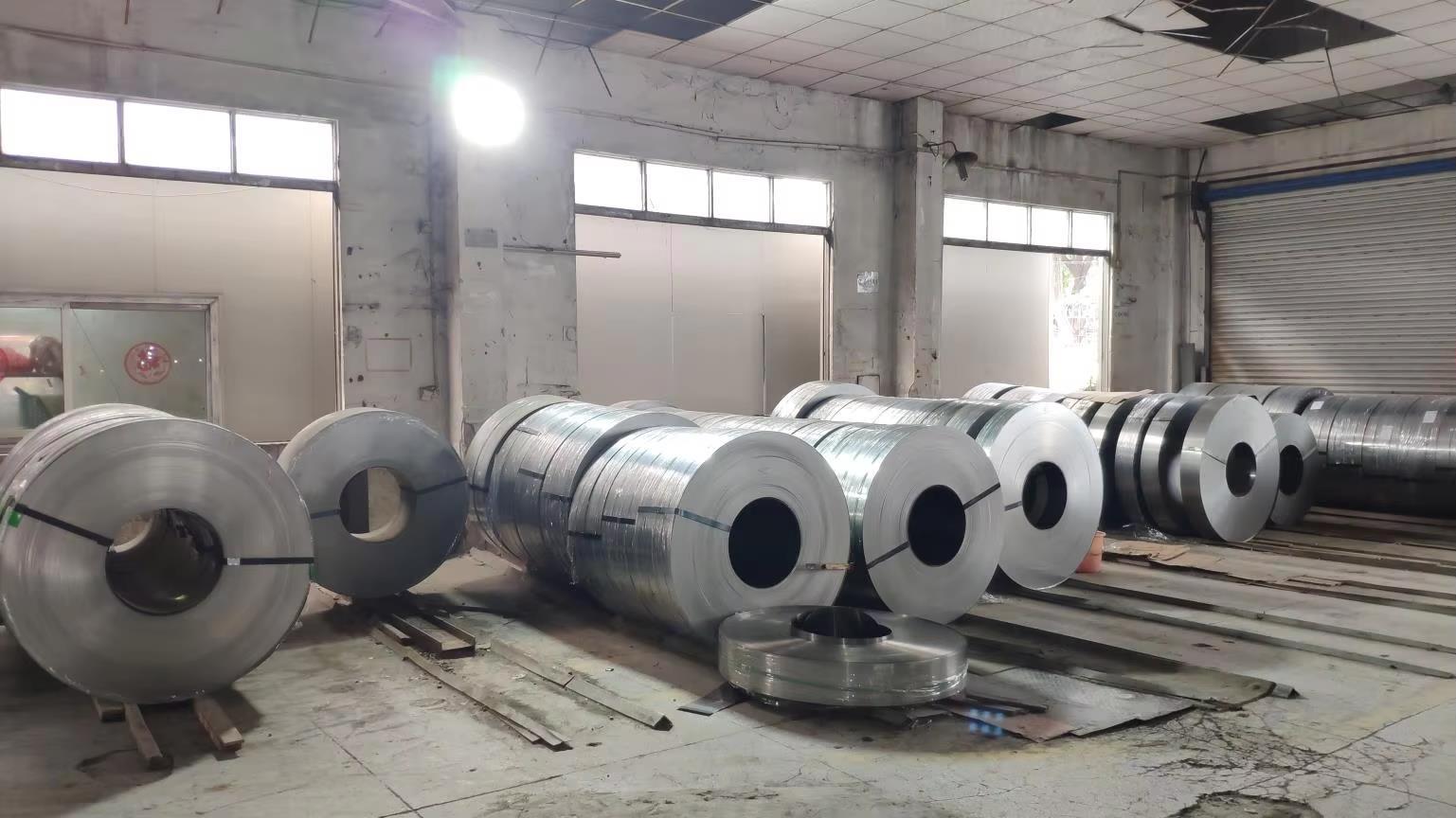
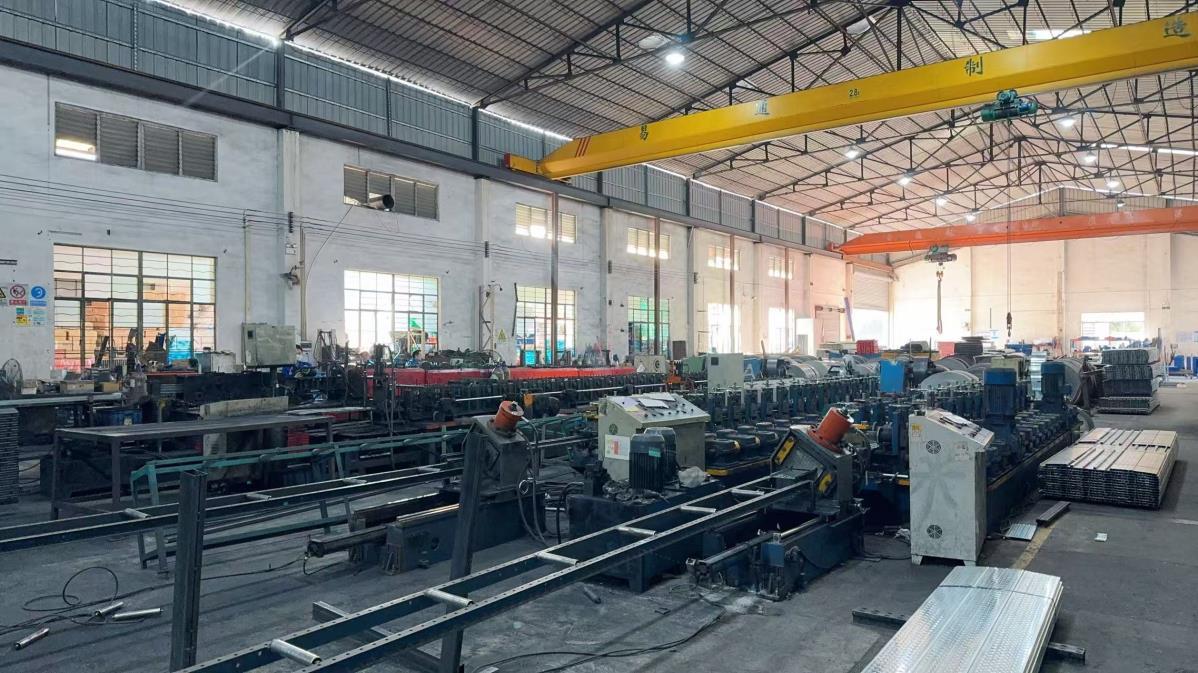
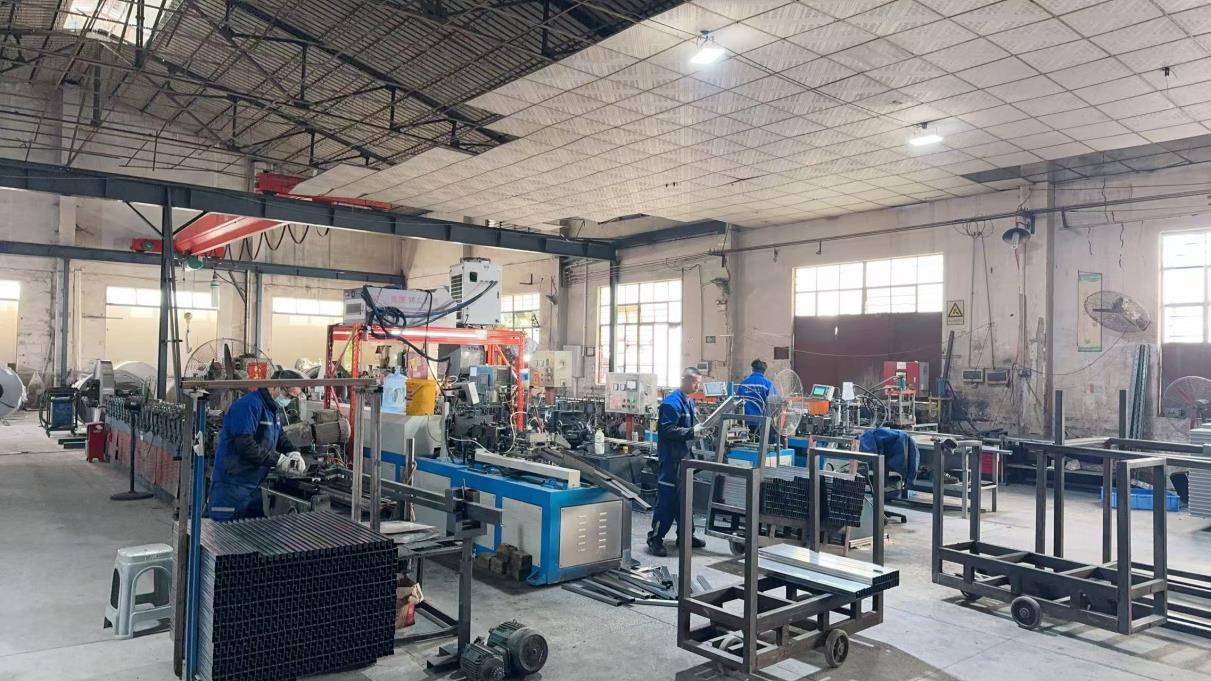
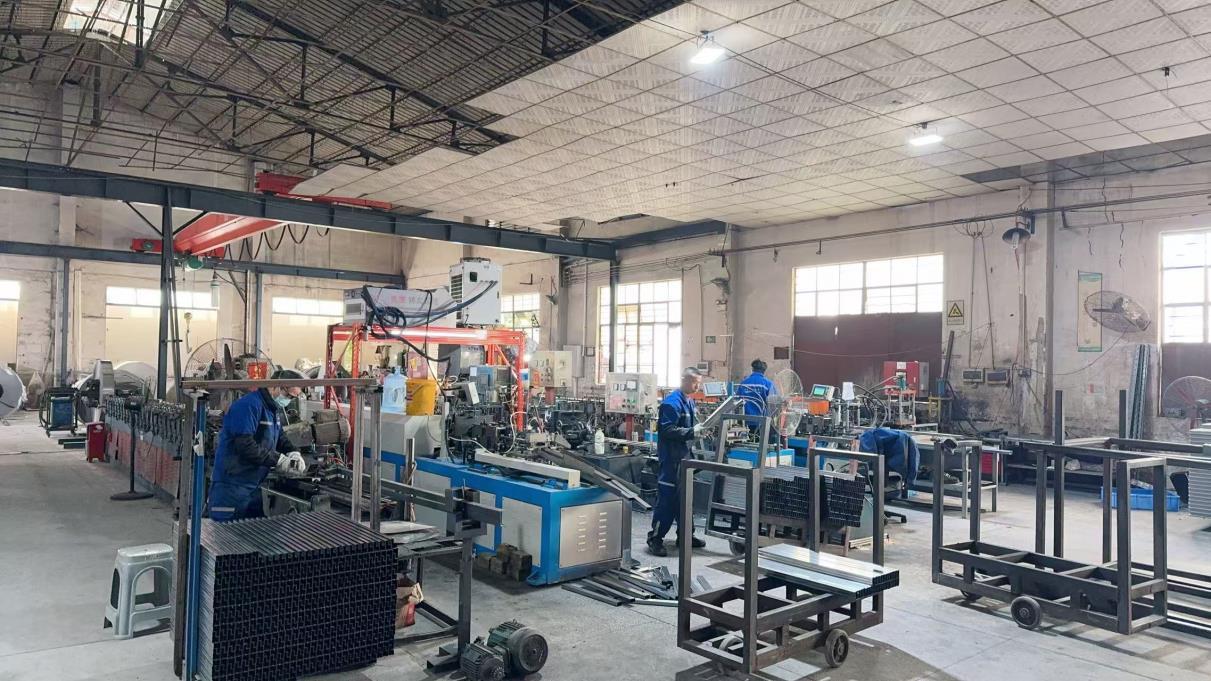
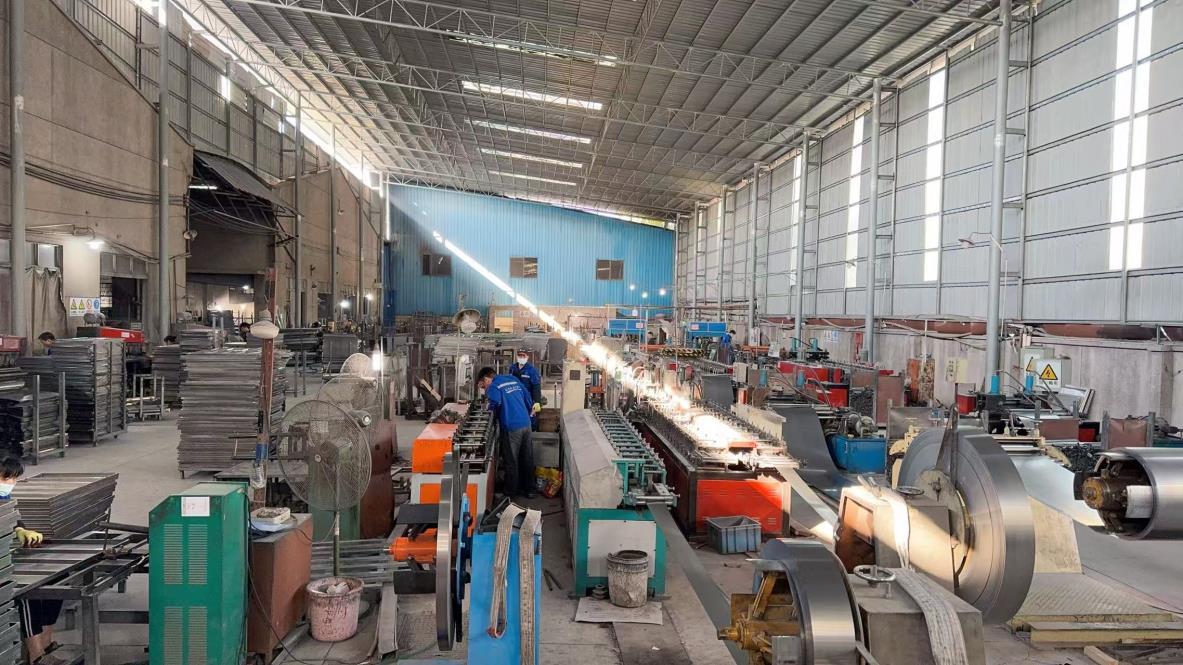
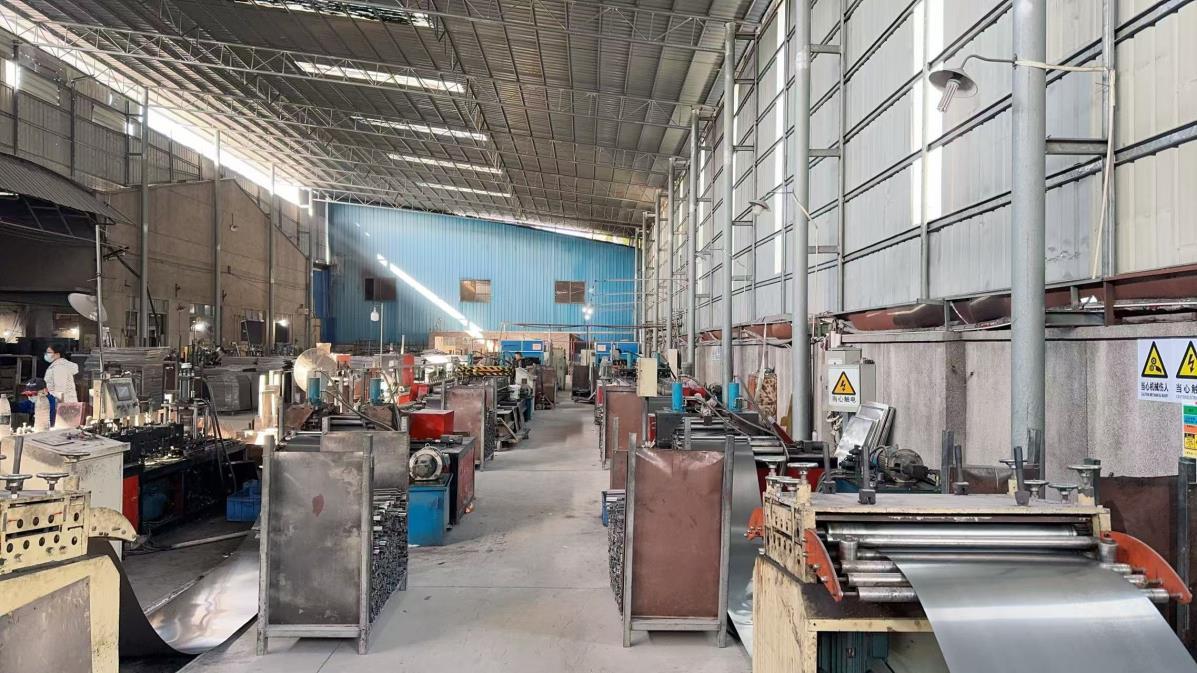
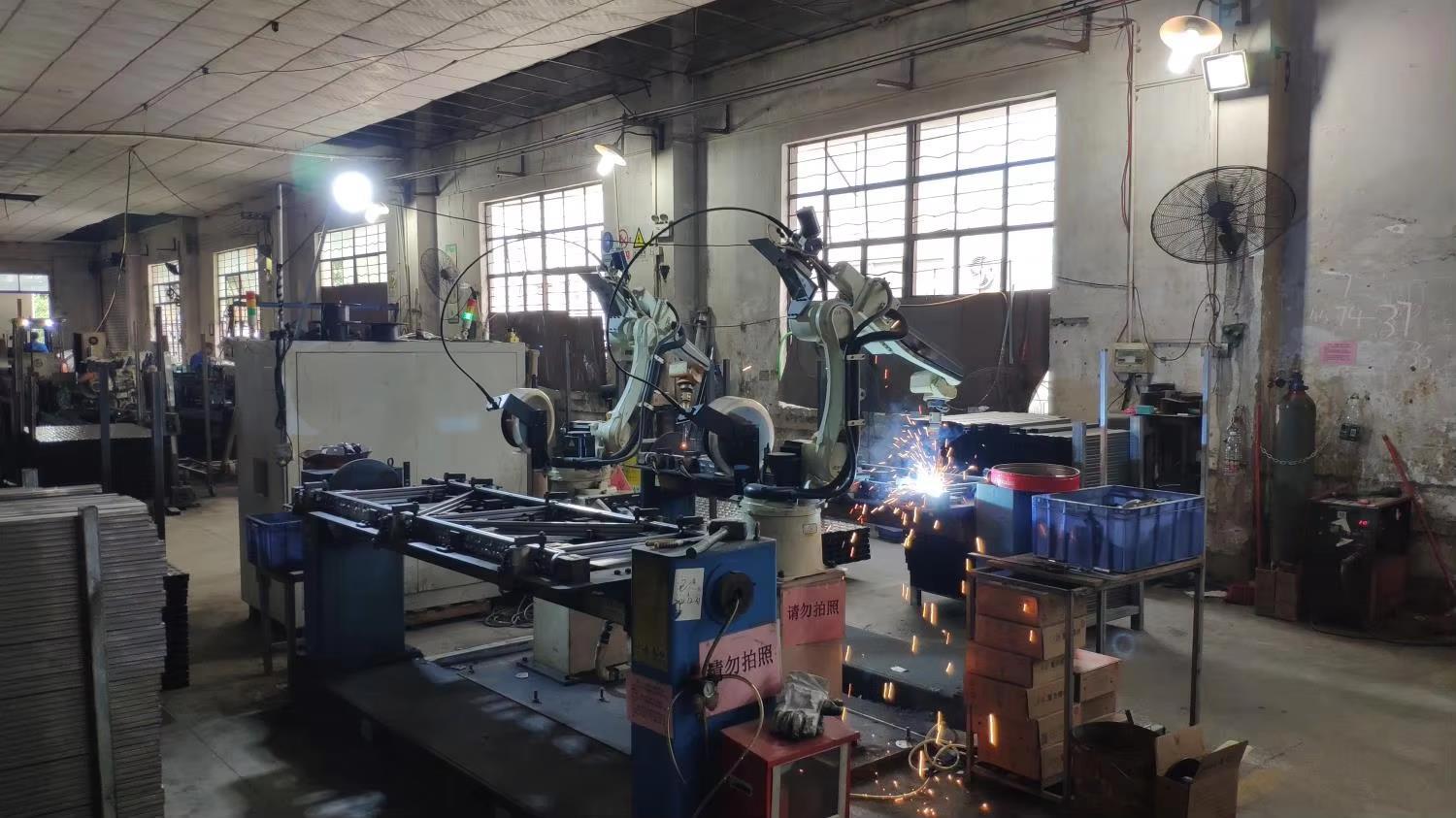
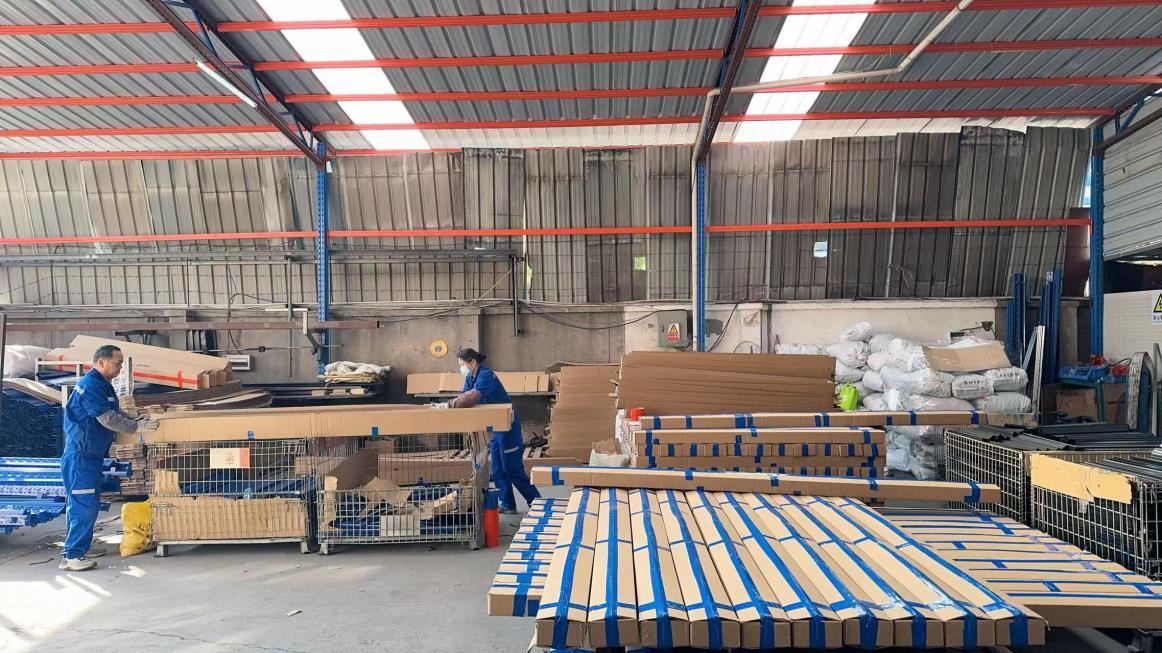
Dongguan Kimsuk Shelves Co., Ltd. continuously refines its engineering to deliver next-generation storage solutions. By prioritizing structural efficiency, safety, and compatibility with modern warehouse technology, our development roadmap is aligned with the needs of global logistics networks.
Integrating advanced thermo-mechanically rolled steel profiles to reduce structural weight by 15% while maintaining load-bearing capabilities. This lowers shipping volume and on-site assembly weights.
Developing pre-configured, Cloud-linked BIM and structural CAD models. This allows engineering teams to simulate load patterns and physical space dynamics before components are shipped to the site.
Adopting heavy metal-free powder pre-treatments that improve adhesion, providing enhanced corrosion protection in harsh warehouse environments.
Managing international logistics and regional regulations requires specialized processes. We streamline the delivery process through structured trade documentation, shipping container optimization, and compliance protocols that ensure smooth customs clearance globally.
| Compliance Target | Reference Standards | Verification Method | Operational Value |
|---|---|---|---|
| Structural Engineering | EN 15512, RMI Standards, AS 4084 | FEA Modeling & Finite Element Analysis | Assures reliable capacity ratings |
| Welding Quality | AWS D1.1, ISO 3834 | Ultrasonic testing (UT) and visual weld checks | Prevents connection fatigue failure |
| Surface Protection | ISO 9227 (Salt Spray test) | 96-hour to 240-hour exposure verification | Extends product service life |
| Fire Safety | NFPA 13, EN 13501 | Integrated wire decking and sprinkler access | Facilitates local fire safety approvals |
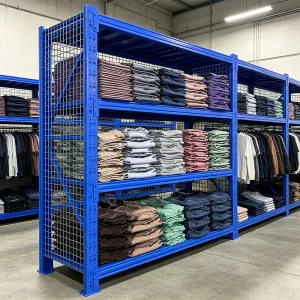
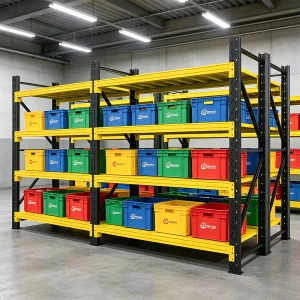
Examine our commercial and industrial-grade storage units designed for warehouse expansion, automotive parts logistics, and general manufacturing storage.
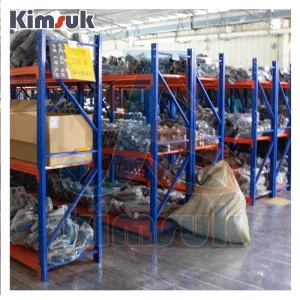
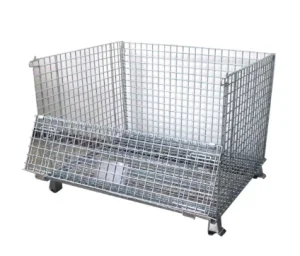
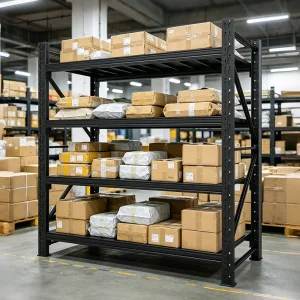
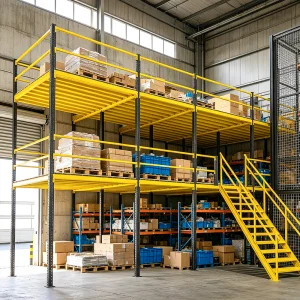
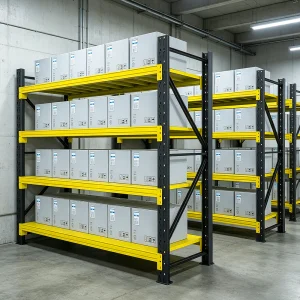
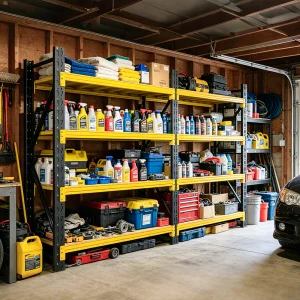
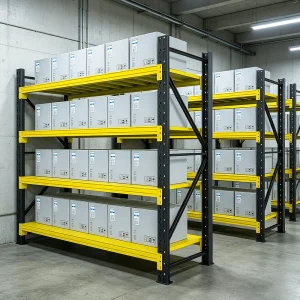
To achieve CE certification, platforms must comply with the EU Machinery Directive 2006/42/EC and EN 1090 standards for steel structures. The engineering process requires verifying raw material yield strength, weld certifications, and loading calculations through Finite Element Analysis (FEA). Dongguan Kimsuk Shelves Co., Ltd. provides comprehensive certification and manufacturing test reports with all exported structures.
Seismic design involves evaluating local ground acceleration rates, soil classifications, and the total height of the platform. We adjust the gauge thickness of our upright columns, increase footplate sizes, and add custom-designed cross-bracing configurations to stabilize the structure under lateral seismic forces, ensuring compliance with local building codes.
For indoor environments with high humidity, we apply an electrostatic powder coating pre-treated with zinc phosphate. For outdoor applications or highly corrosive environments, hot-dip galvanization is recommended. This process creates a thick, metallurgically bonded zinc barrier that protects the steel from oxidation.
Our typical lead time ranges from 25 to 35 days from the final approval of technical drawings to production completion at our Dongguan facility. This timeline includes raw material sourcing, robotic welding steps, powder coating, and final QC inspections by our quality control team.
We verify load ratings using a multi-step QA protocol. First, we perform physical tensile testing on raw steel coils. Second, we run load simulations on structural components using FEA software. Finally, we conduct physical test loading of assembled sections under the supervision of our 35-member QC department to verify deflection margins under load.
Yes, our modular, boltless racking and utility platforms are designed for future adaptation. Our standard uprights feature punched slots at 50mm or 75mm intervals, allowing operators to adjust shelf heights or extend the system layout as storage requirements change without welding on-site.
Optimize your vertical space and ensure structural safety. Contact our engineering team today to receive a complete CAD layout and project quote tailored to your facility's operational requirements.
Contact Our Engineering Team Kimsuk Steel