What Are the Top Types of Steel Platforms?

Time:2026-10-20 Author:Mason
0%

Steel Platforms support people, equipment, materials, and maintenance work in demanding industrial environments. Their design affects safety, workflow, installation time, and long-term operating costs.

Fazlur Rahman Khan, a respected structural engineer, said, “I put myself in the position of the user.” That principle fits Steel Platforms well. A platform is not merely a steel frame. It is a working surface beneath boots, tools, handrails, and heavy loads. Its success depends on how real users move, reach, lift, and respond during difficult conditions.

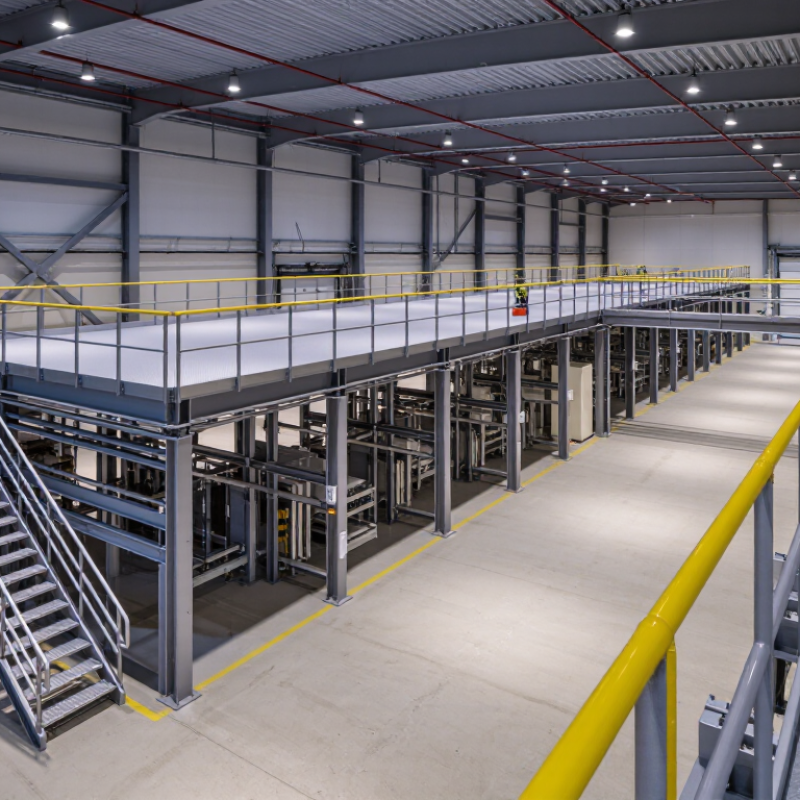
This guide examines the top types of Steel Platforms, including fixed access platforms, mezzanine platforms, maintenance platforms, catwalks, loading platforms, and modular systems. Each type serves a different purpose. Fixed platforms often provide stable access around machinery. Mezzanines create usable floor space above existing operations. Catwalks connect distant work areas with controlled movement. Loading platforms handle transfer tasks where impact and concentrated loads require careful planning.

The right choice depends on load capacity, span, height, corrosion exposure, drainage, surface grip, guardrails, stairs, and inspection access. Material grade matters, but so does fabrication quality. Weld consistency, bolt alignment, coating thickness, and field installation can influence performance significantly.

A neat classification can still mislead. Some facilities need hybrid designs. Others need customization because standard dimensions leave awkward gaps or unsafe reach zones. Engineers should verify calculations, site conditions, and applicable standards before approval. This practical review explains where each platform type performs best, where it may fail, and what buyers should question before ordering.
What Are the Top Types of Steel Platforms?

Steel Platforms: Definition, Purpose, and Core Structural Features

A steel platform is a raised, load-bearing structure for people, equipment, or stored materials. It commonly uses steel beams, columns, braces, decking, stairs, and protective railings. The global scale of steel production matters here. The World Steel Association reported approximately 1.89 billion tonnes of crude steel production in 2023. This supply supports extensive industrial construction, but material availability does not replace engineering judgment.

Common platform types include freestanding work platforms, mezzanines, access platforms, maintenance platforms, and equipment-support platforms. Freestanding units suit production areas with limited wall support. Mezzanines add usable floor space above existing operations. Access platforms provide safer routes around tanks, conveyors, and machinery. Equipment platforms carry concentrated loads, vibration, and service forces. Each type needs a different load assessment. A platform that appears oversized may still fail under uneven loading.

Core structural features include primary beams, secondary joists, bracing, base plates, bolted or welded connections, and a properly selected deck. Guardrails, midrails, and toe boards reduce fall and dropped-object risks. As a widely used safety benchmark, OSHA specifies a guardrail top edge of about 42 inches, with a three-inch tolerance. Designers must also check deflection, vibration, corrosion, fire exposure, and foundation capacity. Small connection details matter greatly. In practice, drawings can look complete while missing maintenance access or drainage. That deserves a second review.

Fixed Steel Platforms for Permanent Industrial and Commercial Use

Fixed steel platforms provide stable elevated work areas for permanent industrial and commercial use. They support equipment, maintenance tasks, inspection routes, and daily operations. Unlike temporary access systems, these platforms remain part of a building’s working environment. Their design must handle repeated foot traffic, stored tools, vibration, and changing weather conditions. A platform should feel solid under every step. That sounds obvious, but poor planning can create expensive problems later.

Engineers usually begin with the intended load and traffic pattern. They also examine beam spans, column positions, floor connections, and emergency access. Galvanized or properly coated steel can reduce corrosion in humid factories and outdoor service areas. Drainage details matter too. Water trapped around connections can quietly weaken protective coatings. Stairs need comfortable rises, while guardrails should protect workers without blocking essential movement. Small details matter.

Commercial platforms often need a cleaner appearance and easier public access. Industrial platforms may prioritize equipment clearance and quick maintenance access. Both still require qualified engineering review and compliance with applicable building and safety codes. Field inspections can reveal issues drawings miss, such as awkward handrail angles or slippery grating near washdown areas. These observations deserve attention, even when the structure appears strong. A design can look excellent on paper and still feel inconvenient in daily use. Regular inspections should check welds, bolts, coatings, and connection points before minor wear becomes structural concern.

What Are the Top Types of Steel Platforms?

Fixed Steel Platforms for Permanent Industrial and Commercial Use

The chart compares representative uniform live-load benchmarks for common fixed steel platform applications. Values are based on widely used building-code occupancy categories and are shown in kPa; final platform sizing must be verified by a qualified structural engineer and the applicable local code.

Mobile and Adjustable Steel Platforms for Flexible Access

What Are the Top Types of Steel Platforms?

Mobile and adjustable steel platforms provide flexible access where fixed structures cannot. Their locking casters support controlled movement across level floors. Adjustable legs or telescopic sections help workers reach different elevations without improvised stacking. That matters in warehouses, maintenance bays, and production areas with changing layouts.

The U.S. Bureau of Labor Statistics recorded 1,075 fatal work injuries in construction during 2023. Falls remain a major hazard in elevated work. OSHA’s Walking-Working Surfaces standard, 29 CFR 1910 Subpart D, emphasizes stable surfaces, guardrails, and safe access. A compliant design should include slip-resistant decking, positive wheel locks, handrails, and a clearly marked load capacity.

Small details matter.

From practical site use, mobility saves setup time, while adjustability can reduce awkward reaching. However, it also introduces more inspection points. A loose locking pin can create dangerous movement. Uneven flooring can defeat an otherwise strong platform. Not always obvious.

Operators should check caster condition, guardrail connections, deck damage, and level positioning before each use. I would not treat adjustability as a cure-all. Stability still depends on correct setup, maintenance, and user judgment.

The National Institute for Occupational Safety and Health repeatedly links falls to poor planning, inadequate protection, and unsafe work practices in its workplace investigation reports. That evidence supports choosing platforms for the actual task, floor condition, working height, and expected load.

Specialized Steel Platforms for Worksites, Storage, and Equipment Support

Steel platforms solve different access and support problems. On active worksites, elevated work platforms provide stable footing around machinery, tanks, and production lines. They often include stairs, handrails, toe boards, and grated floors that drain rainwater and oil. In field projects, I have found that access distance matters as much as platform height. A platform can be strong but still slow workers down. Poor placement creates awkward steps.

Storage platforms, often called mezzanine platforms, add usable space above a warehouse floor. They support cartons, spare parts, maintenance tools, or light production areas. Their design depends on pallet loads, traffic patterns, and available headroom. Equipment support platforms carry pumps, compressors, ducts, control cabinets, or service units. These structures need accurate load calculations and careful vibration review. Static weight is only part of the problem. Start-up movement can expose weak connections.

Portable steel platforms suit changing work zones and temporary maintenance tasks. Fixed platforms serve permanent equipment and allow integrated stairs and guarding. Modular platforms offer a useful middle ground, though repeated assembly may loosen components if inspections are rushed. Reliable selection begins with verified dimensions, load data, corrosion conditions, and required safety features. Check welds, bolts, floor panels, and guardrails before use. Do not rely on appearance alone. I have seen clean paint hide poor drainage and early corrosion. A second site review is worthwhile when workers, forklifts, and equipment share one narrow area.

Key Factors for Selecting the Right Steel Platform Type

What Are the Top Types of Steel Platforms?

Key Factors for Selecting the Right Steel Platform Type

Steel platforms serve different operational needs. Mezzanine platforms add storage or work space above a warehouse floor. Walkways support safe movement around machinery, tanks, and elevated equipment. Work platforms provide stable areas for inspection, maintenance, or assembly. Loading platforms handle repeated transfers between vehicles and buildings. Access platforms combine stairs, ladders, handrails, and landing areas.

The correct type depends on more than available floor space. Start with the expected live load, including workers, tools, pallets, and equipment. Consider point loads, vibration, and the platform’s clear span. A narrow walkway may need less capacity than a maintenance deck, but it still needs firm support. Measure ceiling height carefully. Small errors can block doors, lights, or ventilation.

The environment also changes the selection. Wet areas need slip-resistant surfaces and effective drainage. Outdoor platforms require protection against moisture and temperature changes. In dusty facilities, simple shapes are easier to inspect and clean. Guardrails, toe boards, stair angles, and access routes deserve equal attention. They are not decorative details. A common mistake is choosing steel thickness by appearance alone. Engineering calculations and site measurements are more reliable. Field assessments sometimes reveal that a planned platform is too large, too heavy, or difficult to maintain. That uncomfortable finding can prevent expensive modifications later. Regular inspections should check welds, bolts, coatings, grating, and signs of corrosion.

FAQS

What are fixed steel platforms used for?

Fixed steel platforms create permanent elevated areas for equipment, maintenance, inspections, and daily work. They should feel solid under repeated footsteps. Their design must consider workers, tools, vibration, weather, and stored materials.

When is a mobile steel platform more suitable?

Mobile platforms suit warehouses, maintenance bays, and areas with changing layouts. Locking casters allow controlled movement across level floors. Movement helps, but setup still matters.

What safety features should a mobile platform include?

Important features include slip-resistant decking, handrails, wheel locks, and visible load information. Adjustable legs can support different working heights. Operators should check pins, casters, rails, and deck damage before use.

How do I choose the correct platform type?

Consider the task, working height, expected load, floor space, and access route. Mezzanines add upper storage or work space. Walkways support movement around machinery. Work platforms support inspection and maintenance tasks.

What loads should engineers consider?

Engineers should assess workers, tools, pallets, equipment, point loads, vibration, and clear spans. A maintenance deck may need more capacity than a narrow walkway. Appearance alone cannot show structural strength.

How do weather and site conditions affect platform design?

Wet areas need slip-resistant surfaces and effective drainage. Outdoor platforms need protection from moisture and temperature changes. Trapped water can weaken protective coatings around connections. Small details matter.

What should inspections examine?

Inspections should check welds, bolts, coatings, grating, guardrails, and connection points. Mobile units also need level positioning and working wheel locks. Minor wear can become a larger structural concern. Not always obvious.

Are adjustable platforms always safer and easier?

No. Adjustability can reduce awkward reaching, but it creates more inspection points. Loose pins or uneven floors can cause dangerous movement. I would not treat adjustability as a cure-all. The plan may still need revision.

Conclusion

Steel Platforms are engineered structural systems designed to provide safe, stable, and elevated working or storage surfaces in industrial, commercial, and construction environments. Their core features typically include a strong steel frame, load-bearing decking, protective railings, access stairs or ladders, and durable finishes suited to the operating conditions. Depending on the application, platforms may support workers, machinery, materials, maintenance activities, or specialized equipment while improving space utilization and workplace efficiency.

Fixed steel platforms are suited to permanent installations where consistent access and long-term strength are required. Mobile and adjustable models offer greater flexibility, allowing users to reposition or modify the working height as tasks change. Specialized platforms can be configured for worksites, warehouse storage, equipment support, inspection, or maintenance operations. Selecting the right type requires evaluating load capacity, platform dimensions, height, mobility, access requirements, environmental exposure, safety features, installation conditions, and future expansion needs. A well-matched platform improves productivity while supporting reliable and safe daily operations.

Mason

Mason

Mason is a seasoned marketing professional with a deep expertise in the company's offerings and a passion for driving brand awareness. With a strong background in digital marketing strategies, he has an innate ability to connect with diverse audiences and effectively communicate product benefits.......