As global logistics become increasingly complex, optimal pallet storage solutions are essential. The pallet storage industry has seen a remarkable growth rate of 7.5% annually from 2021 to 2026, according to Market Research Future. An expert in the field, Dr. Emily Chen, states, “Effective pallet storage is key to enhancing efficiency and reducing costs in warehousing.”
In China, the urgency to adopt modern pallet storage methods is clear. Trends show that companies investing in state-of-the-art pallet systems report a 20% improvement in space utilization. However, many businesses still struggle with outdated storage solutions. This inconsistency highlights the need for a shift towards innovative pallet storage techniques.
While China leads in production, the varied needs across global markets create challenges. Local companies must adapt to international standards without compromising their operational integrity. This balance is daunting but necessary for sustainable growth in pallet storage systems.
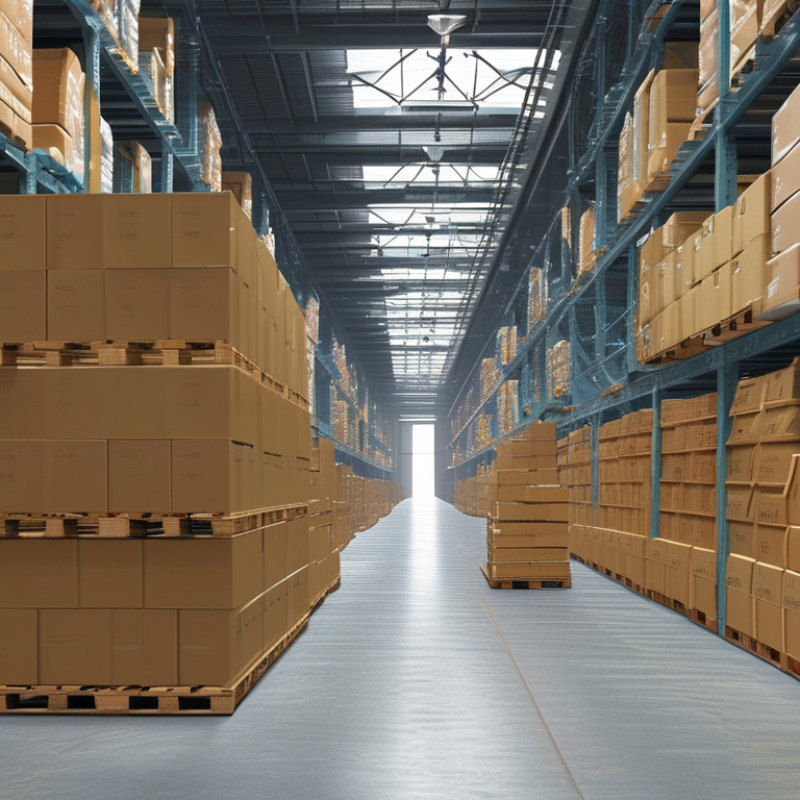
Top Pallet Storage Solutions for Global Buyers in China
In recent years, the demand for effective pallet storage solutions has surged among global buyers in China. The warehouse sector is evolving rapidly, with an estimated market growth rate of 6.3% annually. Efficient pallet storage not only maximizes space but also enhances operational efficiency. A well-organized system can reduce labor costs by 20% and improve inventory management.
One common method includes selective racking. This solution allows easy access to pallets while optimizing vertical space. Reports indicate that this can increase storage density by up to 30%. However, it requires careful planning to avoid bottlenecks in high-traffic areas. Alternative solutions like drive-in racks offer deeper storage but complicate access, reflecting the diversity of needs in different supply chains.
Investing in automated storage solutions is also gaining traction. Though the initial costs can be high, they promise a significant return on investment over time. Studies reveal that automation can reduce pick times by nearly 40%. Yet, as automation becomes prevalent, there's the risk of overlooking employee training and adaptation. Addressing these challenges is crucial to fully realize the benefits of advanced storage solutions.
Understanding the Importance of Efficient Pallet Storage in Supply Chain
Efficient pallet storage is essential for optimizing the supply chain. According to a report from the Material Handling Industry of America, poor pallet management can lead to a 20% increase in operational costs. When pallets are not stored properly, it can result in lost time and diminished efficiency. In a fast-paced environment, every second counts.
Properly organized pallet storage ensures quick access and improved workflow. With a well-structured system, warehouses can enhance their inventory management. A study by the Warehouse Education and Research Council found that 60% of warehouses struggle with space utilization. This indicates the pressing need for solutions that maximize storage capacity while minimizing risk of damage.
Investing in advanced pallet storage options can lead to significant long-term savings. Many companies still rely on outdated storage systems that lack flexibility. An industry survey indicated that nearly 30% of pallets were not stored correctly, leading to increased risk of accidents and product damage. Transitioning to modern solutions not only improves safety but can also boost overall productivity.
Overview of Pallet Types and Their Suitability for Different Industries
Pallet types play a crucial role in storage solutions across various industries. A study by the Material Handling Industry of America stated that around 95% of products transported in the U.S. are moved on pallets. This statistic highlights the importance of selecting the right pallet for specific needs.
Wood pallets are common, but they have limitations. They can splinter and are prone to moisture damage. In contrast, plastic pallets are often more durable. They resist moisture and can be cleaned easily, which is vital in industries like food and pharmaceuticals.
A report from Grand View Research indicates that the plastic pallet market is expected to reach $20 billion by 2025, reflecting growing demand for hygiene and durability.
Metal pallets offer another alternative. They excel in heavy-duty applications but may not be as cost-effective. They also tend to be heavier.
For lighter loads, cardboard pallets can be an eco-friendly choice. Yet, they are less robust. Each type of pallet has its strengths and weaknesses. Understanding these can lead to better investment decisions and improved efficiency in storage solutions. Evaluating specific use cases remains essential for optimizing warehouse performance.
Key Factors in Selecting the Right Pallet Storage Solution in China
When selecting a pallet storage solution in China, there are several key factors to consider. The layout of your warehouse significantly impacts efficiency. A well-organized space allows for easy access to inventory. Think about the flow of goods. Inefficient layouts can slow down operations. It's essential to evaluate how often you retrieve items and adjust your storage accordingly.
Load capacity is another critical aspect. Different pallets and shelving systems are designed for varying weight limits. Always assess the maximum weight your shelves can handle. Investing in quality materials is crucial for safety. Additionally, think about the height of your storage system. Higher racks can maximize space but may complicate access. Find a balance that suits your operational demands.
Lastly, consider the scalability of the solution. As your business grows, so will your storage needs. Choose systems that can adapt to changing demands. Flexibility can save costs in the long run. Collaboration with experienced storage solution providers can offer valuable insights. They can help identify the right system for your unique requirements. However, be cautious of over-purchasing; not every innovation will suit your situation. Regular evaluation is necessary to ensure your storage remains effective and efficient.
Market Trends: Growth of Pallet Storage Systems in the Chinese Logistics Sector
The logistics sector in China is experiencing a significant transformation, particularly in pallet storage systems. Increased demand for efficient warehousing solutions drives growth in this market. Companies are looking for ways to optimize space and improve inventory management. Smart pallet storage systems are emerging as effective responses to these challenges.
As businesses expand, the pressure to streamline operations increases. Many logistics firms are investing in automated pallet systems. This trend reflects a demand for improved efficiency and reduced labor costs. However, it is essential to recognize that not all systems fit every operation. The diverse needs of warehouses should guide these investments. Some companies may face challenges in adapting technology to existing processes.
Moreover, reliable information and expert guidance are crucial for navigating these innovations. Understanding the specific requirements of a storage system is vital. It helps prevent costly mistakes in implementation. Logistics managers must weigh options carefully. Exploring both available technologies and operational needs fosters successful decision-making.
Top Pallet Storage Solutions for Global Buyers in China - Market Trends
| Dimension |
Value |
Growth Rate (%) |
Market Size (in Million USD) |
| Pallet Storage Systems |
45% |
8.5% |
1,200 |
| Automated Storage Systems |
30% |
11% |
900 |
| Manual Storage Solutions |
25% |
5.5% |
600 |
| Cold Storage Pallets |
40% |
9.8% |
450 |
Cost-Benefit Analysis of Investing in Advanced Pallet Storage Solutions
As global buyers navigate the complexities of pallet storage, a cost-benefit analysis becomes essential. Investing in advanced pallet storage solutions can significantly improve operational efficiency. These systems allow for dense stacking and easy retrieval, streamlining warehouse management. When evaluating initial costs, it’s crucial to consider long-term savings such as reduced labor and minimized storage space.
However, not all advanced solutions fit every warehouse. Some buyers may find themselves overwhelmed by both choices and costs. Selecting the wrong system could lead to wasted resources and inefficiencies. It’s vital to analyze specific storage needs and sales forecasts carefully. An adaptable system may initially appear pricier but often proves to be more beneficial in the long run.
Buyers should also account for potential maintenance costs. Advanced systems require regular upkeep, which can strain tight budgets. Understanding these nuances can guide a more informed decision. Clients should conduct thorough research and possibly engage experts who specialize in warehouse optimization for tailored solutions. Ultimately, the right choice hinges on balancing initial investments with future returns.
FAQS
: The most common types are wood, plastic, metal, and cardboard pallets. Each type has its unique features.
Wood pallets can splinter and suffer from moisture damage. They may not be ideal for all conditions.
Plastic pallets resist moisture, are easy to clean, and are essential in food and pharmaceutical sectors.
Metal pallets are heavy-duty and robust, but they tend to be costlier and heavier than other materials.
Cardboard pallets are eco-friendly but are less durable. They may not handle heavy loads well.
Consider warehouse layout, load capacity, height, and scalability. Each affects the efficiency and effectiveness of storage.
A well-organized layout improves access to inventory and ensures smooth product flow. Inefficiency can slow operations.
As your business grows, storage needs change. Regular assessments help optimize space and reduce wasteful spending.
They offer insights and identify systems tailored to your specific requirements, enhancing operational efficiency.
Not every innovation fits all situations. Regular evaluations and thoughtful planning can help prevent unnecessary purchases.
Conclusion
Efficient pallet storage is crucial for optimizing supply chains, especially in the rapidly growing Chinese logistics sector. The article highlights various pallet types and their suitability for different industries, emphasizing the importance of selecting the right pallet storage solution tailored to specific business needs. Key factors include space utilization, load capacity, and compatibility with handling equipment, which are essential for enhancing operational efficiency.
Additionally, the article examines market trends, showcasing the growth of advanced pallet storage systems in China and the cost-benefit analysis of such investments. By adopting innovative pallet storage solutions, global buyers can improve their logistics operations, reduce costs, and enhance overall productivity in an increasingly competitive marketplace.

 Kimsuk Steel