Top 10 Heavy Duty Storage Solutions for Your Business Needs?

Time:2026-07-29 Author:Sienna
0%

In today's competitive business landscape, efficient storage solutions are essential. Businesses need to maximize space while ensuring safety. According to Jane Doe, a renowned expert in Heavy Duty Storage, “Effective storage doesn’t just save space; it saves time and money.” This insight underscores the importance of choosing the right storage systems.

Heavy Duty Storage solutions offer durability and reliability. These systems are designed to withstand rigorous use, making them ideal for warehouses and retail environments. Yet, not all solutions are created equal. Companies often overlook their unique needs, leading to inefficiencies. For instance, a standard shelving unit may not support the weight of heavy equipment, risking damage and accidents.

Investing in the right Heavy Duty Storage is a balancing act. It requires understanding both the products being stored and the workflow of your business. Experts suggest starting with a thorough assessment of your storage needs. This approach can help businesses avoid costly mistakes. In the end, implementing the right strategy will create a more organized and productive workspace.
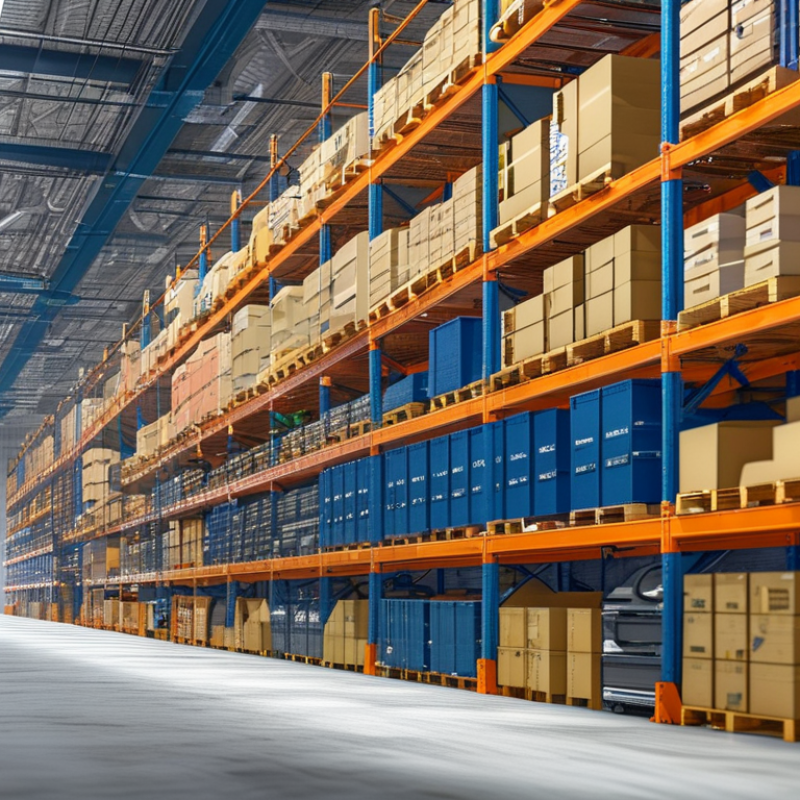
Top 10 Heavy Duty Storage Solutions for Your Business Needs?

Top Heavy Duty Storage Solutions for Different Business Sizes

When it comes to heavy-duty storage solutions, understanding the unique needs of different business sizes is essential. Small businesses often require more versatile, space-efficient options. A well-organized shelving system can maximize limited space. It’s crucial for small operations to choose adjustable shelving that can grow with them. Often, initial investments may seem daunting, but the long-term benefits and organization are worth it.

Medium-sized businesses usually face more complex storage challenges. They often need modular options that can adapt to changing inventory. Heavy-duty racks can be beneficial in warehouses or back rooms where stock levels fluctuate. Investing in durable materials is key here. It’s easy to overlook quality, but inferior products may lead to future expenses. Consideration of weight capacity is critical to ensure safety and functionality.

Larger enterprises require robust solutions. Automated storage systems can streamline operations. These systems may come with a high initial investment but can save time and labor costs. However, it’s important to weigh the technology's reliability against its upkeep needs. Balancing efficiency with maintenance demands can be challenging. Finding the right solution often involves a learning curve and ongoing adjustments.

Comparing Material Types: Steel vs. Plastic in Heavy Duty Storage

When considering heavy-duty storage solutions, the choice of material plays a crucial role. Steel and plastic are the most prevalent options. Steel is known for its durability and strength. Reports indicate that steel shelving can hold up to 2,000 pounds per level. This makes it ideal for businesses that require robust storage systems. However, steel can be prone to corrosion if not properly coated. Maintenance is essential to ensure longevity.

On the other hand, plastic storage solutions offer lightweight convenience. They resist rust and corrosion, which makes them suitable for humid environments. Research shows that plastic bins can carry weights of around 500 pounds per unit. While they may lack the inherent strength of steel, modern plastics can withstand significant loads when designed correctly. The downside is that plastic can become brittle over time, especially when exposed to extreme temperatures.

Selecting between steel and plastic necessitates analyzing specific operational needs. Steel solutions are often more expensive upfront but may save costs in the long run with their durability. Conversely, plastic options are typically more cost-effective initially but may require more frequent replacement. Understanding these trade-offs can guide businesses in making the best storage decisions.

Cost-Benefit Analysis of Industrial Racking Systems for Businesses

When considering industrial racking systems, businesses must conduct a thorough cost-benefit analysis. Such an analysis helps determine the long-term value versus initial costs. Racking systems can significantly improve storage efficiency. Yet, understanding additional maintenance costs is crucial. Sometimes, cheaper options lead to more frequent repairs. This can diminish initial savings over time.

Implementing heavy-duty storage solutions presents unique challenges. Businesses should choose solutions that are adaptable to changing storage needs. Modular systems offer flexibility, making them a great long-term investment. Another consideration is the load capacity required. Overloading can lead to accidents and equipment failures. Investing in high-quality materials ensures durability and safety.

Tips for making informed choices include assessing your current inventory levels. Analyze how effectively your current storage solutions meet these needs. Additionally, consider the layout of your workspace. Effective use of vertical space can maximize storage without increasing footprint. Regularly review your system as inventory fluctuates. This helps avoid underutilization or overcrowding issues. Remember, each choice impacts efficiency and safety in the workplace.

Maximizing Warehouse Space: Effective Layouts for Heavy Storage

When it comes to maximizing warehouse space, effective layouts for heavy storage are essential. A well-planned storage solution can significantly boost efficiency and safety. Start by evaluating your inventory and its dimensions. This allows you to choose the right storage systems tailored to your needs.

Consider using vertical space. Install tall shelving units to take advantage of unused height. Use sturdy racks that can hold heavy items. This method frees up floor space for essential movements.

**Tip:** Regularly assess your layout and adjust as necessary. A layout that worked a year ago might not suit your current needs.

Another effective strategy is to create dedicated zones for different items. Group similar products together to streamline picking processes. This also reduces the chances of accidents during loading and unloading.

**Tip:** Keep pathways clear and wide enough for equipment. A cluttered walkway can lead to mishaps and lowered productivity.

Reflect on your current setup. Is it truly meeting your needs? Small, thoughtful changes can make a big impact on the overall efficiency of your storage.

Safety Standards and Compliance for Heavy Duty Storage Solutions

When it comes to heavy-duty storage solutions, safety standards should be paramount. According to the Occupational Safety and Health Administration (OSHA), proper storage practices can significantly reduce workplace accidents. Inadequately stored materials lead to 25% of reported workplace injuries. Compliance with industry standards ensures that storage systems can support the heavy weights they claim to hold.

Investing in storage solutions that meet or exceed safety regulations is wise. ANSI (American National Standards Institute) verifies that heavy-duty shelving should withstand at least 1,000 pounds per shelf safely. Weight limits should not be viewed merely as guidelines. Miscalculating storage capacity can lead to dangerous situations. Understand that even seemingly minor overloads can compromise the entire system.

Regular audits can address safety concerns. A 2022 report from the National Safety Council illustrates that proactive safety measures can lower injury rates by up to 50%. Periodic inspections of storage units ensure they remain compliant. Employees should be trained on these standards. Overlooking proper training can lead to incorrect loading and hazardous conditions. Reflecting on current practices can unveil hidden risks, emphasizing the need for continual improvement.

Top 10 Heavy Duty Storage Solutions Comparison

This chart compares the weight capacities of various heavy-duty storage solutions commonly used in businesses. Each solution offers different capabilities, making it essential to choose based on specific storage requirements.

FAQS

: What material is better for heavy-duty storage, steel or plastic?

: Steel offers strength and durability. Plastic is lightweight and resistant to rust. Each has its benefits.

How much weight can steel shelving hold?

Steel shelving can hold up to 2,000 pounds per level. This makes it suitable for heavy storage needs.

What are the downsides of using steel for storage?

Steel can corrode without proper coating. Regular maintenance is needed to ensure its longevity.

What is the weight capacity of plastic storage bins?

Plastic bins can typically carry around 500 pounds each. They may lack steel's strength, but they still hold significant loads.

How does temperature affect plastic storage solutions?

Plastic can become brittle when exposed to extreme temperatures. Regular checks are necessary to ensure safety.

Why is safety compliance important in storage?

Safe storage can reduce workplace accidents significantly. Poorly stored materials cause many reported injuries.

What safety standards should heavy-duty shelving meet?

Shelving should meet at least 1,000 pounds per shelf. Miscalculating weight limits can lead to hazardous conditions.

How can businesses improve storage safety?

Regular audits and inspections can uncover hidden risks. Training employees on safety standards is crucial.

What are the cost considerations between steel and plastic storage?

Steel may be more expensive upfront but lasts longer. Plastic is cheaper initially but may need replacement sooner.

What is a common reason for workplace injuries related to storage?

Inadequate storage practices contribute to many injuries. Reflecting on storage methods can improve safety significantly.

Conclusion

In today's competitive business environment, selecting the right Heavy Duty Storage solutions is crucial for optimizing efficiency and managing space effectively. Whether you operate a small enterprise or a large corporation, understanding the various storage options available can dramatically influence your operational success. This article explores heavy-duty storage solutions tailored for different business sizes, highlighting the comparative benefits of materials like steel versus plastic.

Additionally, we delve into a cost-benefit analysis of industrial racking systems, which can provide significant long-term savings for businesses. An effective warehouse layout is also essential for maximizing space utilization, while adhering to safety standards and compliance regulations ensures that heavy duty storage systems operate safely and efficiently. By evaluating these factors, businesses can make informed decisions that enhance productivity and streamline their storage needs.

Sienna

Sienna

Sienna is a skilled marketing professional with a deep expertise in our company’s core products and services. With a passion for innovation and detail, she plays a pivotal role in crafting insightful blog posts that not only highlight the unique features of our offerings but also provide valuable......