Choosing the best cantilever storage solution is crucial for efficiency. Many industries, from manufacturing to retail, rely on effective storage. John Smith, a cantilever storage expert, emphasizes, "The right solution maximizes space and minimizes chaos." His insight reflects the importance of strategic planning.
Cantilever storage systems are especially useful for long, bulky items. This type of storage helps to organize materials effectively. Yet, not every system fits all needs. You must consider your specific requirements. This might include the weight capacity, height, and layout. Poor choices can lead to wasted space and operational inefficiencies.
Evaluate your available space carefully. An ineffective layout leads to cluttered areas and potential safety hazards. Remember, the wrong cantilever storage can increase overhead costs. Reflecting on your needs and analyzing options can yield significant benefits. With the right approach, you can create a streamlined, efficient storage environment.
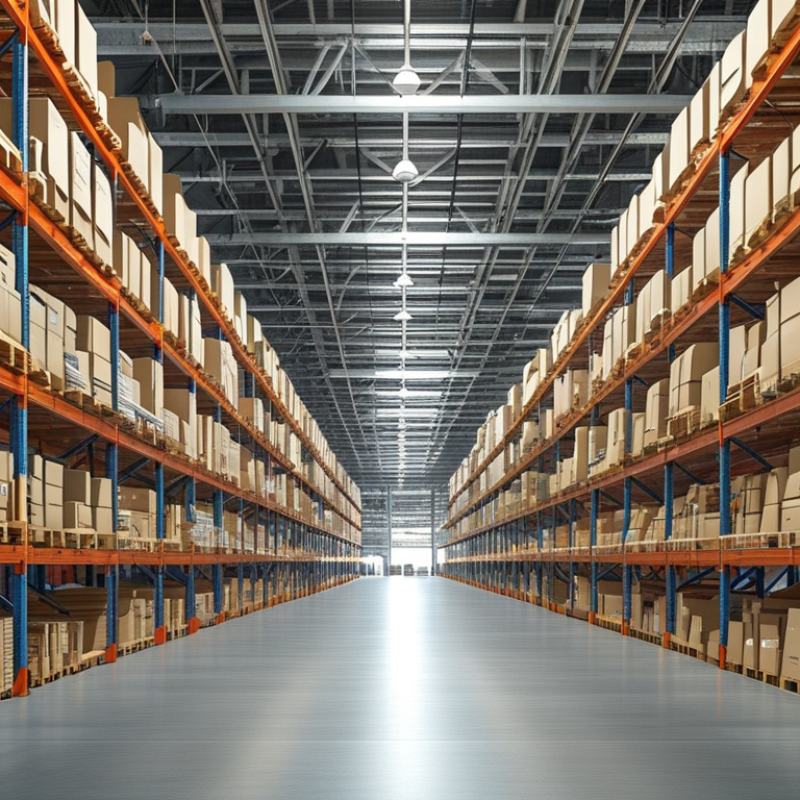
Cantilever storage solutions offer an efficient method for maximizing warehouse space. Their design allows for the easy storage of long and bulky items, making them perfect for industries like lumber, metal fabrication, and construction. According to industry reports, companies utilizing cantilever systems can increase storage density by at least 30%. This reduction in floor space used is crucial for businesses looking to optimize their operations.
Key features of cantilever storage include robust support arms and adjustable heights. These systems facilitate flexibility, allowing users to customize their setups based on evolving inventory needs. The simplicity of access is also a standout benefit. Easily reached materials reduce retrieval times, which can enhance overall workflow. However, it’s essential to regularly assess the structural integrity of these systems, as wear and tear can compromise safety.
Tip: Regularly inspect your cantilever racks for signs of damage or fatigue. This will ensure safety and longevity.
Another aspect to consider is the level of expertise required for assembly and maintenance. Although cantilever racks are user-friendly, complex installations should involve trained professionals. Continuing education for staff on the best practices will also lead to better safety outcomes. Remember that the ultimate goal is to create a storage solution that adapts to your business needs while ensuring safety.
Assessing spatial requirements for cantilever systems is crucial for efficiency. Begin by measuring the area where the storage will be installed. Consider the length and width of the materials you intend to store. The height is equally important. High ceilings allow for taller cantilever racks, maximizing vertical space.
Evaluate the type of items you will store. Long items like lumber or steel pipes require specific configurations. Make sure the system can accommodate these types of loads. The weight of the items also affects your choice. Heavier items need more robust racks with suitable support.
Think about the layout of your workspace. Is there enough space to navigate? Will larger equipment fit beside the cantilever racks? An overcrowded area can lead to safety hazards. Create a balance between accessibility and storage capacity. Regularly reassess your spatial needs as your inventory changes. This reflection helps in optimizing your cantilever storage.
| Storage Type | Max Load Capacity (lbs) | Arm Length (inches) | Number of Arms | Recommended Applications | Footprint (L x W inches) |
|---|---|---|---|---|---|
| Light-Duty Cantilever | 2,000 | 30 | 2 | Small Pipes, Lumber | 48 x 36 |
| Medium-Duty Cantilever | 4,000 | 42 | 4 | Sheet Metal, Timber | 60 x 48 |
| Heavy-Duty Cantilever | 10,000 | 48 | 6 | Steel Coils, Bulky Objects | 72 x 60 |
| Extra Heavy-Duty Cantilever | 15,000 | 60 | 8 | Oversized Manufacturing Materials | 96 x 72 |
Selecting the right cantilever storage solution involves a careful evaluation of load capacity and material selection. Load capacity is crucial. It determines how much weight your storage can handle. Consider your items' weight and dimensions. Heavy materials like steel or dense wood are ideal for robust storage needs. However, lighter materials like aluminum can be sufficient for less demanding applications. Remember, overloading can lead to safety hazards and costly damages.
Material selection impacts both durability and cost. Steel offers strength but can be more expensive. Wood is versatile but may require maintenance. Evaluate the environment too. If your storage is outdoors, choose materials resistant to weather conditions. Reflect on your specific needs, including potential future expansions. A solution that works today might not suffice tomorrow. Be cautious; choosing the wrong material can lead to frustrating setbacks and inefficiencies in your storage operations.
When selecting a cantilever storage solution, understanding the various styles available is crucial. Different sectors require unique support systems, from construction materials to bulky machinery. According to a 2021 report by the Storage Solutions Association, 48% of warehouses utilize cantilever racks for their versatility and capacity. This highlights the growing need for customized storage options.
For example, timber companies often benefit from single-sided racks, allowing easy access to materials. In contrast, dual-sided designs are ideal for metals, providing optimal space for heavy loads. A 2022 industry analysis also indicated that cantilever racks can enhance space utilization by up to 30%, especially in high-density storage areas. However, it is essential to assess the load capacities carefully. Overloading can lead to structural failure, resulting in costly downtimes.
While cantilever racks offer numerous advantages, installation requires careful planning. Poorly placed racks can lead to inefficiencies and frequent reorganizations. Regular maintenance is also vital to ensure long-term reliability. Monitoring wear and tear is a proactive approach that many warehouses overlook, and this may contribute to operational disruptions.
When it comes to cantilever storage solutions, installation and maintenance are crucial for ensuring longevity and efficiency. Proper installation starts with a thorough assessment of your space. Measure dimensions accurately to select the right sizes. The wrong dimensions can lead to instability. Ensure that the ground is level; this will prevent uneven settling over time. Each arm of the cantilever system must be properly bolted down. Check connections regularly to avoid unexpected collapses.
Maintenance plays an equally important role. Regularly inspect for signs of wear or rust. A minor issue can quickly escalate into a major problem if ignored. Dust and debris accumulation can hinder its functionality, so keep the area clean. Lubricate moving parts to prevent friction. This simple step can extend the life of your storage solution significantly. Reflecting on how you use the space may reveal additional needs. Adapt your maintenance schedule to match usage patterns. Recognizing these factors will help prolong the effectiveness of your cantilever system.
: Cantilever storage solutions optimize warehouse space by storing long and bulky items efficiently.
Industries like lumber, metal fabrication, and construction utilize cantilever storage for better space management.
Companies can achieve at least a 30% increase in storage density by using cantilever systems.
Key features include robust support arms, adjustable heights, and ease of access for materials.
Inspecting racks for damage ensures safety and extends their longevity in a busy warehouse.
Complex installations should always involve trained professionals to ensure safety and optimal setup.
Measure the area and consider the height, weight, and type of items to ensure fit and safety.
Choose materials based on weight and environment; steel is strong while wood is versatile.
Consider the weight and dimensions of items to avoid overloading which can lead to hazards.
Regularly reassess inventory and anticipate future expansions to avoid frustrations in storage operations.
Cantilever storage systems offer efficient solutions for managing long and bulky items, making them essential for various industries. Understanding the key features and benefits of cantilever storage is crucial; it allows for easy accessibility and maximizes vertical space. When selecting a cantilever system, assessing your spatial requirements is necessary to ensure optimal utilization of your area.
Furthermore, evaluating the load capacity and selecting suitable materials is vital for ensuring the safety and longevity of stored items. Different styles of cantilever racks cater to diverse needs, and being aware of these options can significantly enhance operational efficiency. Lastly, proper installation and regular maintenance tips can prolong the lifespan of your cantilever storage solution, enabling sustained high performance in inventory management.

Kimsuk Steel