Top Carton Flow Storage Systems for Global Buyers

Time:2026-10-28 Author:Oliver
0%

Choosing the right Carton Flow Storage system can improve picking speed, stock rotation, and warehouse visibility. Global buyers need more than attractive catalog photos. They must assess carton dimensions, load weight, lane depth, roller spacing, replenishment methods, and local installation conditions. A system designed for small retail cartons may fail under heavier industrial packaging. That difference matters.

Real warehouse experience often reveals what product sheets omit. Operators need clear access to fast-moving SKUs, smooth carton movement, and dependable backstops at every lane. Adjustable dividers can support changing product ranges, while front-facing labels reduce search time during busy shifts. Safety features also deserve attention, including stable frames, guarded rollers, and suitable floor anchoring. Compliance requirements may differ between countries, so buyers should confirm documentation with qualified local professionals.

There is no universal best system. A low-cost option may create higher maintenance costs later. A premium design may exceed the needs of a smaller facility. Careful comparison helps.

This guide examines leading carton flow solutions for international purchasing teams. It considers capacity, materials, customization, delivery support, maintenance access, and supplier reliability. Buyers should request drawings, testing details, installation guidance, and references from comparable warehouses. Measurements should be checked twice, especially where aisles are narrow or ceilings are low. Even a well-planned layout can need revision after a pilot test. That is not failure. It is useful evidence for improving the final decision.
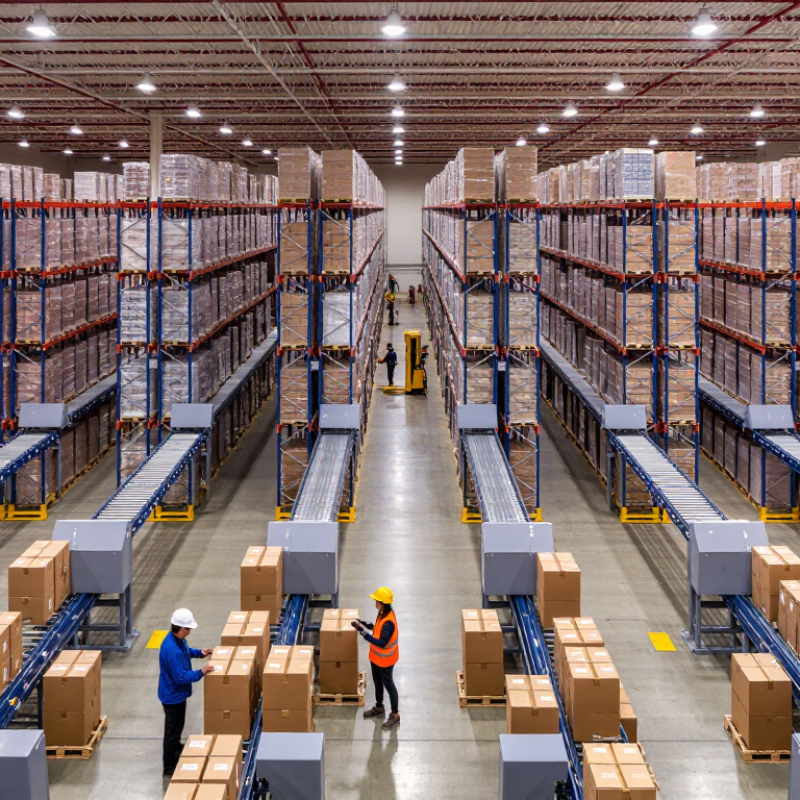
Top Carton Flow Storage Systems for Global Buyers

Carton Flow Storage Systems: Definition, Structure, and Operating Principles

Carton flow storage is a dynamic picking system for cartons, totes, and small cases. Products enter from the replenishment side and move toward the operator by gravity. Each lane usually includes inclined rollers or wheels, side guides, lane dividers, and a front stop. The structure creates a visible first-in, first-out sequence. It is simple to understand.

Operating performance depends on carton weight, base material, lane slope, and roller spacing. A heavier carton may accelerate too quickly, while a soft carton can drag or twist. Operators replenish from the rear and pick from the front, reducing walking and unnecessary handling. Labels should face the aisle. Clear lane identification also reduces search time. These details matter more than attractive frame design.

The 2024 MHI Annual Industry Report states that 55% of supply chain professionals planned to increase technology and innovation investment. Carton flow is not fully automated, yet it can support that strategy through better product presentation and controlled replenishment. The 2023 WERC benchmarking program also treats picking productivity and inventory accuracy as important distribution-center measures. A flow lane can improve both, but only when slotting matches demand. Fast-moving cartons need ergonomic access and frequent replenishment. Slow-moving stock may waste valuable pick-face space. That assumption is useful, but imperfect. Real cartons rarely behave perfectly. Temperature, dust, damaged packaging, and inconsistent dimensions can change flow speed. Testing a loaded sample lane before a global rollout remains a practical professional step.

Key System Types and Their Best-Fit Warehouse Applications

Carton flow storage works best when product movement is frequent, visible, and predictable. Carton flow shelving suits piece-picking zones with cartons, totes, and small cases. Gravity rollers move stock forward, supporting first-in, first-out rotation. It fits grocery, healthcare supplies, spare parts, and e-commerce picking. A 2024 MHI Annual Industry Report found that 55% of respondents planned to increase technology investment. That pressure makes simple, scalable systems attractive.

For heavier cartons or reserve inventory, pallet flow racking offers deeper lanes and controlled FIFO access. It suits cold storage, beverage distribution, and high-volume case picking. Pick modules combine carton flow levels with conveyors, shelving, and replenishment lanes. They work well where workers pick many small orders near packing stations. The 2024 State of Logistics Report from the Council of Supply Chain Management Professionals reported continued pressure from transportation and inventory costs. Therefore, slotting accuracy matters. A fast lane placed too far from dispatch still wastes labor.

Tips: Measure carton dimensions, weight, daily picks, and replenishment frequency before choosing rollers. Keep fast movers between knee and shoulder height. Test one lane during a live shift. Small details matter. I would also review the design after peak season. Product sizes change, and today’s perfect lane may become tomorrow’s bottleneck. Safety checks should cover load limits, damaged rollers, guardrails, and clear pedestrian paths. Data helps, but warehouse experience should challenge the spreadsheet.

Top Carton Flow Storage Systems for Global Buyers - Key System Types and Their Best-Fit Warehouse Applications
System Type How It Works Best-Fit Warehouse Application Typical Load Profile Stock Rotation Main Advantages Key Limitations Typical Product Examples
Gravity Roller Carton Flow Rack Cartons move from the replenishment side to the picking side on slightly inclined roller tracks. Gravity advances the next carton after the front carton is removed. High-volume piece-picking zones, retail distribution centers, grocery warehouses, and order-picking aisles with repeated SKUs. Small to medium cartons; commonly used for loads up to approximately 50–100 kg per carton, subject to track and rack design. FIFO Fast picking, clear SKU presentation, reduced walking, and good visibility of inventory levels. Requires compatible carton bottoms and regular track cleaning; slow-moving SKUs may not justify dedicated lanes. Packaged food, cosmetics, healthcare items, consumer goods, and spare parts.
Wheel-Bed Carton Flow Rack Cartons travel over closely spaced skate wheels or wheel rails installed on an incline. The low-friction surface supports smooth movement for suitable cartons. Light-duty picking areas, e-commerce fulfillment, apparel distribution, and operations handling uniform corrugated cartons. Light to medium cartons with rigid, flat bottoms; often selected for loads below approximately 50 kg per carton. FIFO Lower rolling resistance, economical configuration, and good performance for clean, consistent cartons. Less suitable for soft, damaged, narrow, or irregular carton bases; wheel alignment may require inspection. Apparel, books, packaged accessories, small appliances, and online retail orders.
Carton Flow Pick Module Multiple levels of carton flow lanes are integrated with structural rack, shelving, or a mezzanine to create a dedicated manual picking module. Large SKU assortments, split-case distribution, omnichannel fulfillment, and batch-picking operations. Small and medium cartons; lane capacity is normally designed around SKU velocity, carton dimensions, and replenishment frequency. FIFO High storage density at the pick face, scalable lane allocation, and efficient separation of replenishment and picking tasks. Requires accurate slotting and replenishment planning; high-velocity lanes may need frequent restocking. Retail store orders, pharmaceutical products, spare parts, electronics accessories, and packaged goods.
Case-Flow Pallet Rack Insert Carton flow lanes are installed inside or in front of pallet-rack bays, combining pallet storage above or behind with carton-level picking below. Warehouses that need reserve pallet storage and forward carton picking in the same footprint. Carton-level picking at the lower levels; palletized reserve stock at upper levels, with capacities determined by the rack structure. FIFO at pick face Uses existing rack geometry, shortens replenishment travel, and supports a reserve-to-forward storage strategy. Available pick-face depth and beam clearance can limit lane length and carton size; structural review is required. Food and beverage, household supplies, general merchandise, and industrial consumables.
Powered Carton Flow Conveyor Motor-driven rollers or belt sections transport cartons through dedicated picking, sortation, or accumulation zones instead of relying only on gravity. High-throughput distribution centers, automated order consolidation, goods-to-person interfaces, and sortation areas. Consistent cartons with defined weight and dimensions; conveyor specifications vary by package size, weight, and speed. Application-dependent Controlled movement, accumulation capability, integration with scanners and warehouse control systems, and reduced manual handling. Higher capital and maintenance requirements than passive flow rack; needs controls, guarding, and reliable power. Parcel cartons, e-commerce orders, replenishment totes, and high-volume consumer products.
Tote and Carton Flow Shelving Modular shelving uses inclined roller or wheel tracks to present totes and cartons at an ergonomic picking position. Small-parts warehouses, kitting areas, maintenance stores, laboratories, and light assembly operations. Small totes, bins, and lightweight cartons; capacity is governed by shelf, track, and container ratings. FIFO Compact footprint, ergonomic access, simple SKU identification, and flexible adjustment for changing assortments. Limited capacity compared with heavy-duty rack; not intended for palletized or very heavy carton loads. Fasteners, electrical components, repair parts, medical supplies, and assembly kits.
Mobile Carton Flow Picking Unit Carton flow shelves or racks are mounted on mobile bases that open an aisle only where access is required. Space-constrained warehouses with moderate SKU counts and high value per cubic meter of storage. Small to medium cartons; total bay capacity depends on mobile-base design, floor loading, and seismic requirements. FIFO High space utilization, reduced fixed aisle area, and adaptable access to low- and medium-velocity SKUs. Slower access to every location, higher installation cost, and greater dependence on floor condition and safety controls. Pharmaceutical products, spare parts, archival materials, and high-value packaged components.
Dynamic Flow Rack with Automatic Replenishment Carton flow lanes are combined with sensors, pick-to-light, conveyor interfaces, or warehouse software to support replenishment and picking control. High-volume fulfillment operations requiring accurate inventory visibility, low travel time, and repeatable picking processes. Standardized cartons, totes, or bins with known dimensions and weights; lane capacity is engineered for the operating profile. FIFO Controlled rotation Improves pick accuracy, supports real-time task management, and can reduce replenishment interruptions. Higher system complexity, integration effort, and training requirements than manually managed flow rack. E-commerce orders, grocery items, healthcare products, and high-frequency spare parts.

Planning note: Actual capacity, lane length, roller or wheel spacing, rack height, incline, carton weight, and safety requirements must be confirmed through an application-specific engineering review. Local building codes, seismic conditions, fire protection, and material-handling regulations may affect the final design.

How to Compare Capacity, Load Handling, and Accessibility

When comparing carton flow storage systems, start with usable capacity, not the advertised frame size. Measure carton width, depth, height, and clearance between lanes. A shelf may hold 24 cartons on paper, yet labels, dividers, and picking gaps reduce that number. Leave room for hand access. Tight packing slows work. It can also hide damaged stock. For global projects, convert dimensions carefully between millimetres and inches. Small conversion errors can affect an entire aisle.

Load handling requires more than a stated maximum weight. Check whether the rating applies per lane, shelf, or complete bay. Review carton weight distribution, bottom strength, and impact during replenishment. Heavier cartons may need stronger rollers or a lower position. Test the actual carton, not a sample box. I have seen lightweight packaging deform after repeated loading. The calculation looked safe. The operation was not. Supplier drawings, test records, and installation instructions should support every capacity claim.

Accessibility should be judged from the operator’s side. Confirm picking height, lane angle, replenishment routes, and label visibility. Fast-moving cartons need direct reach, while slow stock can use deeper lanes. Consider both hand directions, aisle width, and restocking frequency. A system that stores more can still reduce productivity. Ask for a trial layout using real SKU dimensions. It may expose awkward reaches or wasted space. Do not ignore maintenance access. Rollers collect dust, and dividers can shift. The best choice balances capacity, load handling, and safe daily access, even when the comparison looks less impressive on paper.

Global Buying Factors: Safety, Standards, Cost, and Supplier Support

Top Carton Flow Storage Systems for Global Buyers

Global buyers should judge carton flow systems beyond roller count and price. Safety begins with stable frames, controlled carton movement, guarded edges, and clear access paths. Load ratings must match carton weight, shelf width, and daily handling frequency. Ask for test reports, installation drawings, and maintenance instructions. Standards vary by country, so suppliers should explain which local requirements their design supports.

Small details matter. A picking lane needs smooth rollers, visible labels, and enough replenishment space. Workers should not reach across moving cartons or climb shelving. During warehouse reviews, uneven floors often create alignment problems. Adjustable feet can help, but they are not a complete solution. I have seen low-cost systems become expensive after repeated jams and difficult repairs.

Cost evaluation should include freight, installation, spare parts, training, and future expansion. Request a clear quotation with steel thickness, surface treatment, tolerances, and warranty terms. Reliable suppliers provide responsive technical support before and after delivery. They should answer practical questions quickly, including replacement roller availability and installation limits. A video call with the supplier can reveal more than polished product images. Do not assume the cheapest offer is efficient. That assumption needs testing.

Top Carton Flow Storage Systems for Global Buyers

Global Buying Factors: Safety, Standards, Cost, and Supplier Support

How to read the chart: This reference scoring model rates the practical importance of each purchasing factor from 1 to 5, where 5 means critical. Safety and standards should be verified against applicable local regulations, workplace requirements, and recognized rack inspection practices. Total cost should include equipment, installation, maintenance, spare parts, and future expansion. Supplier support covers technical documentation, installation guidance, training, warranty response, and after-sales service.

Installation, Maintenance, and Performance Evaluation Guidelines

Installing carton flow storage requires more than fitting rollers into a steel frame. Confirm carton dimensions, load weight, and picking frequency before selecting lane width. Mark floor positions with a laser, then check aisle clearance against local safety requirements. Anchor frames on level surfaces and keep every lane slightly inclined toward the picking face. A small height error can create carton jams. It happens more often than expected. Test each lane with empty cartons, then repeat with the heaviest approved load. Record restart distance, carton speed, and stopping points.

Maintenance should follow actual use, not a generic calendar. Inspect rollers, brakes, dividers, and guide rails during weekly walking checks. Remove labels, shrink film, and dust from moving surfaces. Replace bent components promptly; forcing a damaged roller usually spreads the problem. Operators should report cartons stopping mid-lane, unusual noise, or uneven acceleration. Keep a simple log with the date, lane number, observed fault, and corrective action. Photographs help, although they do not replace hands-on inspection.

Performance evaluation needs measurable evidence. Track pick rate, replenishment time, jam frequency, carton damage, and empty-lane availability over several shifts. Compare results during normal and peak workloads. A system may move cartons quickly but still waste labor when replenishment access is poor. Review data with warehouse staff, because spreadsheets can miss awkward reaches and blocked sightlines. Recheck the layout after product sizes change. No design stays perfect. That limitation should guide the next adjustment.

FAQS

What is a carton flow storage system?

It is a dynamic picking system for cartons, totes, and small cases. Products move forward by gravity on inclined rollers or wheels. It is simple, not magical.

How does carton flow storage operate?

Workers replenish products from the rear and pick them from the front. This supports a visible first-in, first-out sequence. Labels should face the aisle.

Which factors affect carton movement?

Carton weight, base material, lane slope, and roller spacing affect movement. Heavy cartons may accelerate quickly. Soft cartons may drag, twist, or stop.

How should buyers evaluate system safety?

Check frame stability, guarded edges, clear access paths, and controlled carton movement. Load ratings must match carton weight and shelf width. Workers should not climb shelving.

What should a quotation include?

Request steel thickness, surface treatment, tolerances, warranty terms, freight, installation, training, and spare parts. Ask about replacement rollers. Cheap pricing can hide repair costs.

How should carton flow lanes be installed?

Confirm carton size, load weight, and picking frequency before choosing lane width. Mark floor positions with a laser. Keep lanes slightly inclined toward the picking face.

How can installation problems be detected?

Test every lane with empty cartons, then use the heaviest approved load. Record carton speed, stopping points, and restart distance. Small height errors can cause jams.

What maintenance does the system require?

Inspect rollers, brakes, dividers, and guide rails during weekly walking checks. Remove dust, labels, and shrink film. Replace bent parts promptly. Do not force damaged rollers.

How should performance be measured?

Track pick rate, replenishment time, jam frequency, carton damage, and empty-lane availability. Compare normal and peak workloads. Numbers can miss awkward reaches and blocked views.

Does carton flow storage fit every warehouse?

Not always. Fast-moving cartons need accessible pick faces and frequent replenishment. Slow-moving stock may waste valuable space. Test a loaded sample lane before wider deployment.

Conclusion

Carton Flow Storage is a dynamic shelving solution designed to move cartons smoothly from replenishment areas to picking locations through slightly inclined roller or wheel tracks. Its structure typically includes frames, flow lanes, guides, separators, and optional braking or stop components. By using gravity, cartons advance toward the picking face, supporting organized stock rotation and efficient order fulfillment. Common system types include single-lane shelving for small-item picking, multi-level configurations for high-density operations, and integrated layouts for distribution, retail, manufacturing, and cold-storage environments.

When comparing systems, buyers should evaluate storage capacity, carton dimensions, load ratings, lane depth, accessibility, replenishment speed, and compatibility with existing warehouse equipment. Global purchasing decisions should also consider worker safety, applicable standards, total cost, installation requirements, spare parts, technical support, and supplier communication. Proper installation, routine inspection, track cleaning, component adjustment, and timely replacement of worn parts help maintain stable performance. Regular evaluations should measure picking accuracy, replenishment efficiency, space utilization, safety conditions, and long-term operating costs.

Oliver

Oliver

Oliver is a seasoned marketing professional with a wealth of expertise in driving brand awareness and engagement. With a deep understanding of our company's product offerings, he consistently delivers high-quality content that enriches our professional blog. His insights not only shed light on......