What Are the Best Types of Boltless Systems in 2026?

Time:2026-09-25 Author:Ethan
0%

Choosing the right Boltless Systems in 2026 requires more than comparing prices and shelf heights. Modern storage areas face tighter spaces, heavier inventory, and frequent layout changes. A practical system must remain stable while allowing quick assembly without specialized tools.

This guide examines the best types of Boltless Systems for warehouses, workshops, retail rooms, and home storage. It considers load capacity, frame strength, adjustability, corrosion resistance, and long-term maintenance. It also looks at how shelves perform under real conditions, such as uneven floors, repeated loading, and humid environments. Small details matter. A shelf that flexes under boxes may signal a larger safety concern.

Experience from storage projects shows that one design rarely suits every location. Rivet shelving can support demanding warehouse use, while slot-in systems often fit flexible workshops. Clip-in models may save installation time, but their performance depends on material quality and proper assembly. That difference is easy to overlook.

Not every advertised rating tells the full story. Manufacturers may test products in controlled conditions, while daily use is less predictable. For that reason, this overview focuses on transparent specifications, credible engineering information, and sensible safety practices. It also recognizes an uncomfortable point: the cheapest system may become expensive after repairs, replacements, or wasted space.

The best choice balances strength, access, adaptability, and budget. It should also match the people using it every day. A clear comparison can help buyers avoid attractive but unsuitable options and build storage that remains useful throughout 2026.
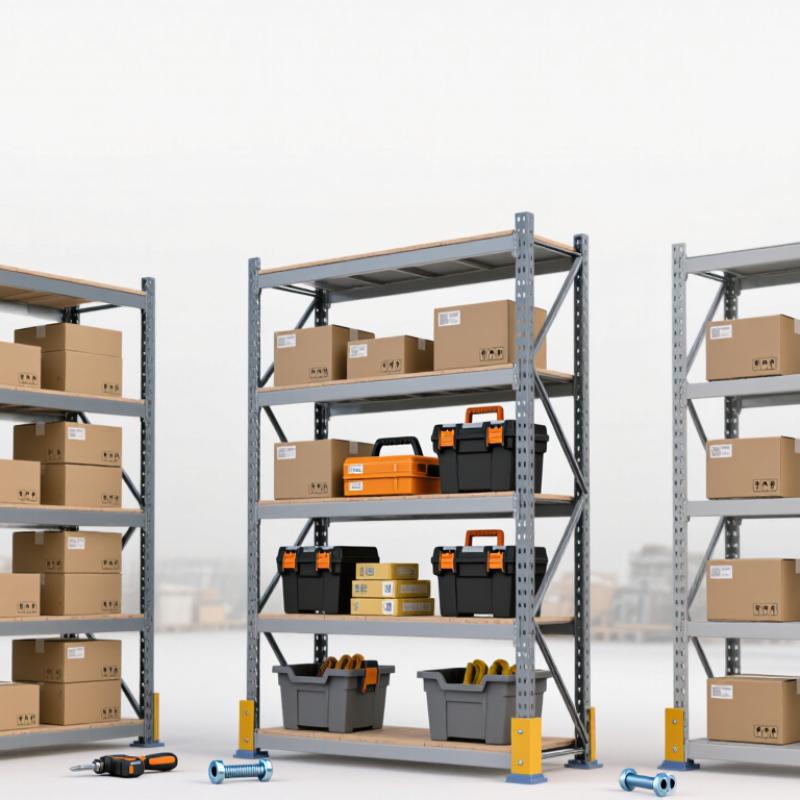
What Are the Best Types of Boltless Systems in 2026?

Classify Boltless Systems by Structure, Load Rating, and 2026 Use

The best boltless system depends on what it must hold, how often items move, and the available floor space. Rivet-style shelving uses upright frames and beams that lock together with clips. It suits boxes, tools, and small parts in stockrooms. Clip-together steel shelving often has solid shelves, which help contain loose items. Longspan systems use deeper beams and wider bays for bulky cartons or bins. Assembly is quick. But quick assembly still needs careful alignment.

Load rating separates light-, medium-, and heavy-duty systems. Check the stated capacity per shelf and per bay; these are not interchangeable figures. Ratings usually assume evenly distributed weight, not a dense load stacked at one corner. A shelf may look sturdy and still sag under repeated overloading. Read the supplier’s technical data, and inspect connectors after installation. Small details matter.

For 2026, compact rivet shelving can work well in e-commerce packing areas where pickers need clear access to labeled bins. Longspan suits spare-parts rooms with larger containers, while solid-shelf units are useful for small components that could fall through open decks. Choose adjustable levels if inventory changes often. Fixed layouts can be cheaper, but they may become awkward. Measure the actual cartons, aisle width, and loaded height before ordering; estimates are easy to get wrong.

Measure Rivet Shelving Against 500–2,000 lb-per-Level Product Ratings

What Are the Best Types of Boltless Systems in 2026?

Rivet shelving is worth comparing when a product lists 500 to 2,000 pounds per level. That range is not a promise that every shelf can safely hold any load. Ratings depend on the specific frame, beams, decking, and assembly. Check whether the stated capacity assumes evenly distributed weight. A row of small boxes may spread load well; one heavy machine part can concentrate pressure on a narrow area. Also distinguish per-level capacity from the total capacity of the entire unit. The labels can be easy to misread.

Tips: Match the rating to your heaviest planned shelf, then leave a practical margin. Confirm the floor is level, inspect every connection, and follow the maker’s anchoring guidance. Put dense items low. If a rating sheet does not explain its test conditions, ask for clarification before loading.

For real comparisons, record shelf depth, clear opening, beam spacing, and the weight of your actual goods. A 1,000-pound rating may not help if the shelf is too shallow or awkward to access. Recheck the system after installation and whenever the load changes. Small details matter. It is tempting to compare only the largest number, but I would not treat a headline capacity as a complete safety assessment.

Compare Clip-In Shelving Using ANSI MH28.1 and Four Load-Span Factors

What Are the Best Types of Boltless Systems in 2026?

Clip-in shelving suits storage areas that need quick adjustment without loose bolts. Compare systems against ANSI MH28.1 and confirm that published capacities match the exact shelf configuration. A rating is not universal. It can change with the frame, beam, deck, and installation details.

Four load-span factors matter:

  • beam span
  • load distribution
  • shelf-deck construction
  • connection stability

Longer spans can increase deflection, even when the total load stays unchanged. A concentrated load, such as a heavy tool case, also stresses a shelf differently from evenly spaced cartons. Wire, steel, or particleboard decks may respond differently, so check the tested configuration and stated limits. Tall bays need suitable bracing and secure connections. Small details count.

Tips: Measure the clear span, then note each shelf’s heaviest item and placement. Compare those details with the rated load and test information. Do not assume a familiar-looking clip fits every frame. I would also recheck the setup after moving shelves; it is easy to miss a loose connection during a busy restock.

Assess Long-Span Boltless Racks with RMI and EN 15635 Safety Criteria

For long-span boltless racks, judge the system by its rated load, not by how sturdy the beams look. RMI’s ANSI MH16.1-2021 standard covers the design and testing of steel storage racks; its principles help buyers check whether the stated capacity matches the rack configuration. Beam length, shelf material, and load distribution all matter. A concentrated stack of cartons can behave differently from evenly spaced bins. Check the load plaque. If the configuration changes, confirm the rating again.

EN 15635 provides an operational safety framework for steel storage equipment, including regular inspections and an expert inspection at least once every 12 months. Record bent uprights, loose connectors, missing locking pins, and impact marks near floor level. A small dent can be easy to dismiss; that is exactly where judgment can get uncomfortable. Remove affected equipment from use when damage presents an immediate risk, and follow the standard’s assessment and action process. Keep inspection records with repair dates and rack locations. RMI and EN 15635 are useful references, but neither replaces a site-specific engineering assessment. Aisle traffic, uneven floors, and actual loading habits still need careful review.

Match Wire and Modular Shelving to OSHA 1910.176(b) Storage Rules

What Are the Best Types of Boltless Systems in 2026?

OSHA 1910.176(b) requires stored materials to remain stable and free from hazards. This rule matters when choosing boltless shelving for warehouses, workshops, and stockrooms. Wire shelving supports visibility, airflow, and quick inspections. It works well for cartons, containers, and items needing ventilation. Modular steel shelving offers greater flexibility for heavier, denser loads. Its adjustable levels help separate parts by size, weight, and handling frequency.

Do not select a system by appearance alone. Check the manufacturer’s load rating for each shelf level. Confirm that the rating applies to evenly distributed weight, not one concentrated box. Shelves should stand on a level floor, with heavier materials placed lower. Tall units may need anchoring, especially in busy aisles or areas exposed to impact. OSHA does not provide one universal shelf height. Stability remains the practical test.

Tips: Keep aisles clear and inspect clips, beams, and shelf surfaces regularly. Replace bent components promptly. Label maximum loads where workers can see them. A practical mistake is treating every carton as harmless. Small boxes can become dangerous when stacked too high or placed near an aisle edge. Wire shelves improve visibility, but they do not correct poor stacking. Modular shelves increase capacity, yet overcrowding can still create a collapse hazard. Recheck the layout after inventory changes. Storage plans often fail when real work changes faster than the paperwork.

FAQS

Which boltless system works best for small parts?

Solid-shelf units help keep small components from falling through open decks. They also contain loose items better. Measure the parts first.

When should I choose rivet shelving?

Rivet shelving suits boxes, tools, and labeled bins in stockrooms or packing areas. Check the shelf depth and clear opening before ordering. A large capacity number alone is not enough.

What is longspan shelving best used for?

Longspan systems have wider bays and deeper beams for bulky cartons or bins. They can suit spare-parts rooms. Make sure the cartons fit without blocking access.

How should I read shelf load ratings?

Check capacity per shelf and per bay; they are different figures. Ratings usually assume evenly distributed weight. One dense item can create concentrated pressure. Leave a practical margin.

What should I measure before buying a system?

Measure cartons, aisle width, shelf depth, and loaded height. Include the actual goods, not just estimated dimensions. Estimates are easy to get wrong.

Are adjustable shelf levels useful?

Adjustable levels help when inventory sizes change often. Fixed layouts may cost less, but they can become awkward later. I might still underestimate how quickly stock changes.

What should I inspect after assembly?

Check connectors, locking pins, uprights, and floor-level areas for looseness or impact marks. Recheck after installation and when loads change. Small details matter.

How often should storage racks receive an expert inspection?

Arrange an expert inspection at least once every 12 months, and keep records of damage and repairs. A small dent may seem minor. Don’t guess about its effect.

Conclusion

In 2026, the best Boltless Systems are selected by structure, load rating, and intended use rather than by appearance alone. Rivet shelving is suitable for general storage when each level is rated between 500 and 2,000 pounds, while clip-in shelving should be evaluated through ANSI MH28.1 guidance, considering load distribution, beam span, deck type, frame height, and the number of supported levels. These factors help determine whether a system can safely handle light, medium, or heavier inventory.

For wider or bulkier materials, long-span boltless racks should be reviewed against RMI recommendations and EN 15635 safety principles, including upright stability, inspection routines, and protection from impact. Wire and modular shelving offer flexibility for areas requiring visibility, ventilation, or frequent reconfiguration, but they must still support organized storage and safe aisle conditions. Across all categories, OSHA 1910.176(b) provides a practical benchmark: stored materials should remain stable, secure, and arranged to prevent hazards during normal workplace activity.

Ethan

Ethan

Ethan is a seasoned marketing professional with a deep expertise in our company's innovative product line. With a passion for sharing knowledge and insights, he takes the lead in regularly updating our corporate blog, where he explores industry trends, product features, and effective marketing......