Radio Shuttle Storage has revolutionized warehousing for global buyers, offering a host of benefits. This innovative system allows for efficient storage solutions, maximizing warehouse space. According to a recent industry report, businesses can increase storage capacity by up to 50% when employing Radio Shuttle Storage technology. This is critical in an economy where space is at a premium.
However, while the benefits are significant, there are considerations to reflect upon. The initial investment for Radio Shuttle Storage systems can be substantial. Companies need to assess the long-term benefits against upfront costs. Additionally, proper training and maintenance are essential for maximizing efficiency. A study highlighted that improper use of automated systems can lead to decreased productivity.
Ultimately, Radio Shuttle Storage stands as a reliable solution for modern logistics. Its advantages, such as faster retrieval times and improved inventory management, cannot be overlooked. As businesses continue to adapt to changing demands, exploring this storage solution could provide a competitive edge. The decision should be made thoughtfully, aligning with the company's overall strategy.
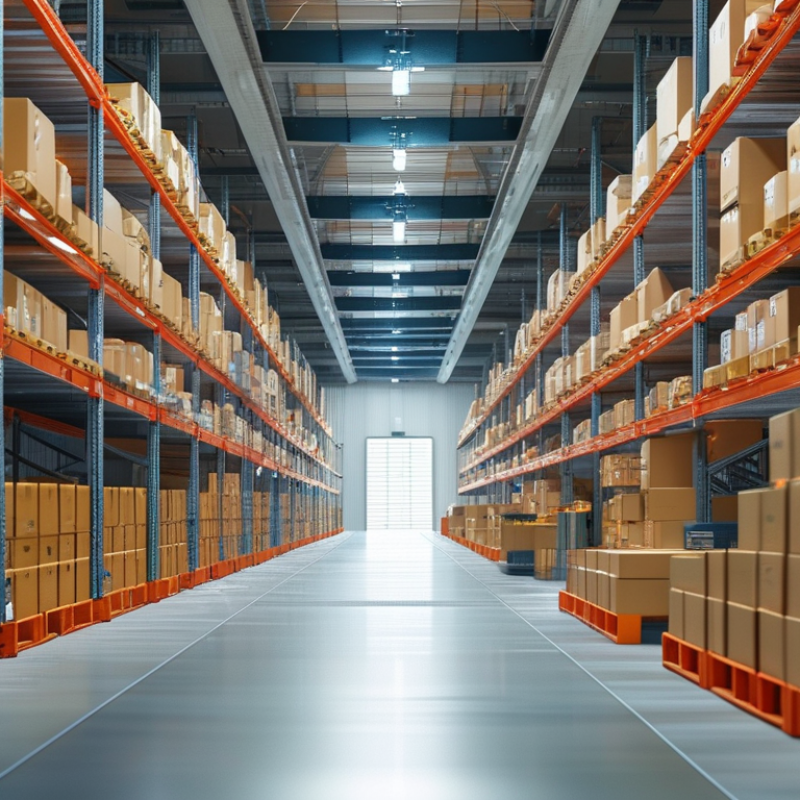
Radio shuttle storage systems are becoming a pivotal solution for warehouses and distribution centers. These systems enhance efficiency and space utilization while minimizing labor costs. At the heart of their operation is the shuttle itself, which operates on a rail system to transport pallets. This design allows for high-density storage, making it ideal for businesses with diverse inventory needs.
One key feature is the automated retrieval process. Shuttles can efficiently load and unload goods, reducing wait times significantly. As a result, turnaround times improve, boosting overall productivity. The systems also enable easier inventory management. Users can integrate sophisticated software to track stock levels, ultimately enhancing decision-making processes.
However, companies must reflect on some challenges. Initial setup costs can be high, impacting budgets. Additionally, integration with existing systems may require adjustments, which can disrupt operations. It is vital to weigh these factors against the long-term benefits of adopting a radio shuttle storage system. This balance between efficiency and cost-effectiveness is crucial for making informed decisions in warehouse management.
Radio shuttle storage has emerged as a game-changer in enhancing warehouse operations. This system optimizes space usage, allowing for dense pallet storage. By utilizing a shuttle, multiple pallets can be managed simultaneously. This not only speeds up the loading and unloading process but also ensures that inventory is more accessible.
Enhanced efficiency is evident in reduced labor costs. With automated handling, fewer workers are needed for operations. This minimizes human error and improves overall accuracy. However, implementing such technology requires a learning curve for staff. Businesses must invest time in training. Despite this, the long-term gains typically outweigh the challenges.
Moreover, the ability to easily reconfigure layouts adds flexibility. As demand fluctuates, warehouses can adapt quickly without extensive modifications. However, this adaptability can lead to inconsistencies if not managed properly. Regular audits are essential to maintain efficiency and inventory accuracy. While the benefits are clear, ongoing evaluation is necessary to handle potential pitfalls.
Cost-effectiveness is a central concern for global supply chains. Implementing radio shuttle storage systems can significantly reduce costs. According to a recent industry report, companies using these systems can achieve up to 30% more storage efficiency. This boost leads to lowered warehousing expenses. The ability to maximize vertical space can greatly shorten payback periods for investments in technology.
Furthermore, radio shuttle storage minimizes labor costs. Automated systems reduce the need for manual handling. A study indicated that labor costs could decrease by over 20% with the proper implementation of these technologies. Equipment operational time increases, leading to higher throughput and faster order fulfillment. Such gains can be crucial for businesses competing in tight margins.
Yet, it's crucial to recognize potential challenges. Initial setup costs can be steep, especially for small enterprises. There may be a learning curve in adopting this technology. Maintaining the system requires ongoing training and support. These factors can deter some organizations from making the switch. However, the long-term cost benefits often outweigh these initial hurdles once properly managed.
Radio shuttle storage systems are revolutionizing inventory management practices for global buyers. These systems enhance efficiency by allowing pallets to move automatically. This technology reduces the need for manual labor. As a result, businesses can allocate resources more effectively. Moreover, storing pallets this way optimizes space significantly. Warehouses can store more goods without expanding their footprint.
However, there are challenges in implementing such systems. Many companies underestimate the training required for staff. Employees must feel comfortable with automated equipment. Inadequate training can lead to mismanagement of inventory. This creates potential bottlenecks in operations. Regular assessment of these systems is essential. Frequent adjustments can help maintain optimal performance.
Visibility in inventory is another critical benefit. Real-time data from radio shuttle systems enables better tracking of stock levels. Companies can quickly identify shortages or overstock situations. However, data accuracy depends on system maintenance. Neglecting routine checks can lead to misinformed decisions. Striking a balance between automation and human oversight is key for success.
Radio shuttle storage systems are transforming warehouse operations, particularly in enhancing safety and optimizing space utilization. A recent study indicates that such systems can improve storage density by up to 80%. This is crucial for global buyers who need to maximize limited warehouse space while accommodating varying inventory sizes.
Moreover, the implementation of radio shuttle systems significantly reduces the risk of workplace accidents. According to safety reports, warehouses utilizing automated systems can lower accident rates by approximately 30%. These systems minimize human interaction, leading to fewer injuries and safer transit of goods. However, the transition to automation requires careful planning and training to ensure that employees adapt effectively.
Despite these benefits, there are challenges in adoption. Not all facilities may effectively integrate radio shuttle systems. Operational disruptions might occur during the initial phase, causing hesitation among buyers. Additionally, some warehouses may not have the infrastructure required for such advanced systems. Comprehensive assessments and pilot testing phases are essential to address these concerns and ensure a smooth transition.
| Benefit | Description | Impact on Operations |
|---|---|---|
| Increased Safety | Minimizes the risk of accidents by using automated systems. | Enhances employee safety and reduces insurance costs. |
| Space Utilization | Maximizes storage density through efficient pallet storage. | Reduces warehousing costs and increases inventory capacity. |
| Improved Inventory Management | Allows for better tracking of goods with automated systems. | Minimizes stock discrepancies and improves accuracy. |
| Faster Retrieval | Automated shuttles speed up order picking and retrieval. | Increases throughput and reduces lead times. |
| Energy Efficiency | Reduced energy consumption compared to traditional systems. | Lowers operating costs and supports sustainability goals. |
| Scalability | Easily adjustable to meet changing storage needs. | Supports business growth without major renovations. |
| Reduced Labor Costs | Less manual handling required due to automation. | Decreases workforce expenses and improves ROI. |
| Flexibility | Adapts to various warehouse layouts and inventory types. | Enhances operational versatility. |
| Enhanced Customer Satisfaction | Improved order accuracy leads to better service. | Increases customer loyalty and repeat business. |
| Advanced Technology Integration | Easily integrates with existing warehouse management systems. | Improves overall digital transformation and efficiency. |
: It is a system that optimizes warehouse space by managing multiple pallets simultaneously.
It speeds up loading, unloading, and makes inventory more accessible, reducing labor costs.
Yes, implementing this technology requires a learning curve and investment in staff training.
It allows quick reconfiguration of warehouse layouts as demand changes, but requires careful management.
Yes, it reduces the risk of workplace accidents by minimizing human interaction.
Initial setup costs can be high, and not all facilities may integrate the systems effectively.
It can lower warehousing expenses and decrease labor costs through automation and better space utilization.
They need to assess their needs, potential operational disruptions, and required infrastructure.
Regular audits ensure efficiency and inventory accuracy, preventing inconsistencies in operations.
Generally, long-term gains in efficiency and cost-effectiveness often outweigh initial hurdles.
Radio Shuttle Storage systems are revolutionizing warehouse operations, offering a multitude of benefits for global buyers. One of the key features of these systems is their ability to enhance efficiency, as they allow for faster loading and unloading of goods while maximizing space utilization. This leads to improved inventory management practices, enabling companies to track and organize their stock more effectively.
Moreover, Radio Shuttle Storage proves to be a cost-effective solution for global supply chains. By optimizing space and improving operational workflows, businesses can significantly reduce overhead costs while maintaining high safety standards. Overall, the integration of Radio Shuttle Storage systems not only increases productivity but also fosters a safer and more organized environment within warehouses, making it an invaluable investment for any logistics operation.

Kimsuk Steel