Warehouse space is expensive, and poorly planned storage can quietly reduce daily output. Push-Back Storage offers a practical answer when facilities need high-density pallet positions without sacrificing straightforward forklift access. Its nested carts or pallet rails allow operators to store multiple pallets deep, using a last-in, first-out flow. That detail matters in beverage, packaging, and non-perishable goods operations.
Industry data supports closer attention to storage design. The 2024 MHI Annual Industry Report identifies labor availability, inventory management, and technology investment as continuing supply chain priorities. It also reports that 55% of surveyed supply chain professionals planned to increase technology investment. Meanwhile, CBRE’s 2024 U.S. Industrial and Logistics figures show sustained demand for efficient warehouse capacity, despite changing leasing conditions. More usable locations can therefore influence both operating cost and expansion decisions.
This guide reviews seven strong push-back rack systems for warehouses. The assessment considers load capacity, structural quality, pallet compatibility, installation demands, beam adjustment, safety features, and long-term maintenance. Practical experience suggests that the cheapest rack is rarely the lowest-cost choice. A bent rail, uneven floor, or overloaded beam can create delays and serious safety concerns. It is not perfect, either. Push-back systems may limit stock rotation compared with FIFO solutions, and operators need disciplined loading practices. Small details matter. For example, a 10-foot aisle, damaged pallet, or poorly trained driver can change real-world performance. The recommendations below aim to help warehouse managers compare proven designs with clearer expectations, not blindly follow a ranking.
What Are Push-Back Storage Racks and How Do They Work?
7 Best Push Back Storage Racks for Warehouses
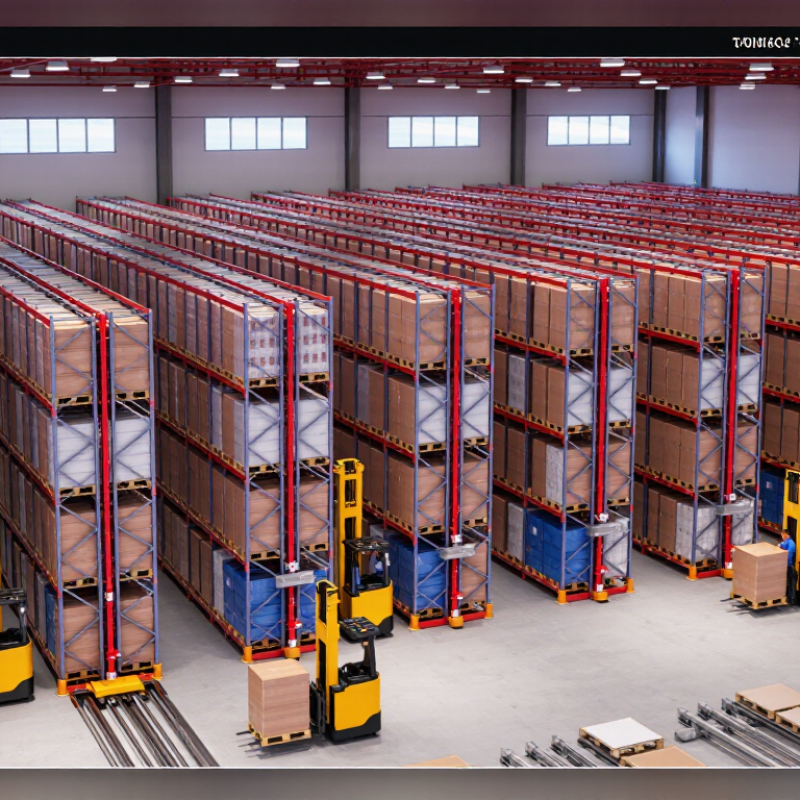
Push-back storage racks use inclined rails and nested carts to store pallets behind one another. Operators load and retrieve pallets from the same aisle. A forklift places the first pallet on the front cart, then gently pushes it backward. Each added pallet moves the previous one deeper into the lane. Gravity returns the carts toward the aisle when space becomes available. This design supports LIFO inventory rotation and uses warehouse depth efficiently. It can reduce travel time, especially where floor space is limited.
The system works best with consistent pallet sizes and carefully checked load weights. Uneven pallets may catch on the rails or shift during movement. Skilled forklift operators control speed, fork height, and entry angle. Clear labels help workers identify lanes and prevent inventory mistakes. In practice, rack capacity is not the only concern. Fire clearances, aisle width, rack anchoring, and routine inspections also matter. It is easy to overstate the space savings. Poorly planned lanes can create congestion instead.
Tips: Check every pallet before storage. Keep heavy loads low. Use lane labels facing the aisle. Inspect rails, carts, guards, and uprights regularly. Train operators with real loading exercises, not classroom theory alone. Test one lane under normal conditions before expanding the entire system.
Key Features to Evaluate in Push-Back Warehouse Racks
When evaluating push-back warehouse racks, start with load capacity and pallet dimensions. Each level should support the real load, not an optimistic estimate. Record pallet weight, height, and overhang. Measure the aisle.
Rack depth affects storage density and forklift movement. A deeper lane stores more pallets, but it may reduce visibility and access. Check the number of carts, rollers, and supports in each lane. Smooth movement matters during busy shifts.
Look closely at the cart design and lane slope. Carts should move steadily without sudden stops or excessive force. Adjustable components can accommodate changing pallet sizes, though they may increase inspection needs. Safety stops, upright guards, and clear load notices deserve careful review. They are not optional details. Use corrosion-resistant finishes where moisture or temperature changes are common. Floor quality also matters; uneven concrete can affect alignment and cart travel. In rack assessments, teams sometimes focus on capacity and overlook the forklift turning radius. That mistake can create daily delays.
Consider installation access, maintenance space, and future expansion. A modular frame may simplify changes, but connections must remain secure after repeated use. Inspect welds, beams, tracks, and rollers on a scheduled basis. Keep damaged components out of service. A practical test with the heaviest normal pallet can reveal friction or alignment problems that drawings miss. Noise, vibration, and awkward handling should also influence the decision. The cheapest layout may not be the most reliable one.
Seven Best Push-Back Storage Rack Options for Different Needs
Warehouses rarely need one rack design for every pallet. These seven push-back storage rack options match different operating needs. A two-deep system suits fast-moving goods and short storage cycles. It keeps pallet access relatively simple and reduces travel time. A three-deep layout adds capacity without creating an overly deep channel. It works well when product turnover is moderate.
A four-deep option supports higher density in warehouses with limited floor space. Operators should confirm forklift reach and aisle clearance before installation. A five-deep system fits slower-moving inventory with reliable batch control. It saves valuable floor area, but stock rotation becomes less forgiving. A mixed-depth layout combines two-, three-, and four-deep lanes. This helps separate products by demand, dimensions, or handling frequency. A heavy-duty configuration serves dense pallets with substantial load weights. Engineers must verify rail capacity, cart strength, and floor conditions.
A temperature-controlled version can support chilled storage when components match the environment. Materials, clearances, and inspection schedules need careful review. Push-back storage normally follows last-in, first-out access. That limitation matters. A modular option suits warehouses expecting future expansion or changing pallet sizes. Adjustable components can reduce later reconstruction costs. In practice, the best choice depends on load data, turnover history, and forklift behavior. I have seen layouts look efficient on paper but slow down during peak shifts. A small trial lane can reveal problems before a full installation. Regular checks should cover rails, carts, uprights, pallet condition, and impact damage. Safety signage helps, but disciplined operating habits matter more.
7 Best Push-Back Storage Racks for Warehouses
Seven push-back rack configurations compared by typical pallet depth per lane.
Deeper lanes increase storage density and reduce aisle requirements, while shallower configurations provide faster access and easier SKU separation. The figures shown are common planning benchmarks for standard palletized goods; final capacity depends on pallet dimensions, load weight, ceiling height, rack engineering, and local safety requirements.
How to Choose the Right Push-Back Rack for Your Warehouse
How to Choose the Right Push-Back Rack for Your Warehouse
Choosing a push-back rack starts with product behavior, not rack appearance. Measure pallet depth, load weight, SKU count, and daily movements. A warehouse handling many pallets per SKU may benefit from deeper lanes. Faster-moving, mixed inventory often needs shorter lanes. MHI’s 2024 Annual Industry Report surveyed more than 1,700 supply chain professionals and identified labor pressure and inventory visibility as major concerns. Your rack should reduce travel and make stock positions easy to read.
Check product behavior,
storage needs, and
warehouse movement.
Check aisle width, clear height, floor capacity, and forklift compatibility before ordering.
A rack that fits the drawing may fail beside sprinkler lines, columns, or uneven concrete. Keep heavier pallets in lower positions. Confirm beam levels and cart ratings with a qualified engineer. Pallet flow direction also matters. LIFO access suits reserve storage, but it can complicate date-sensitive inventory. That trade-off is easy to miss.
Walk the proposed layout with an operator. Watch a full pallet enter, stop, and return. Measure the real clearance, not the optimistic clearance. The Occupational Safety and Health Administration emphasizes safe storage, stable loads, and clear aisles in warehousing guidance. Record inspection points, damaged components, and load labels. I would also test one lane before expanding. It costs time, but assumptions often look different on a busy Tuesday.
Installation, Loading, and Safety Guidelines for Push-Back Racks
7 Best Push Back Storage Racks for Warehouses
Choosing among the seven best push-back storage racks starts with installation quality. Measure pallet dimensions, aisle clearance, ceiling height, and floor capacity before delivery. A qualified installer should check every upright, rail, and anchor point. The rack must stand level. Even a small tilt can change pallet movement and increase impact risk. Follow the manufacturer’s load chart, but verify it against your actual pallet weight and size. Do not assume a standard pallet fits every lane.
Loading requires controlled forklift movement. Place the heaviest pallet in the deepest position, then load each unit evenly. Keep pallets centered on the carts or rails. Push the next pallet gently, without sudden braking or side contact. Operators need clear visibility and suitable training. In my experience, rushed loading causes more damage than normal daily use. That observation may vary by site, so review incident records instead of relying on assumptions.
Tips: Mark each lane with its maximum load. Keep damaged pallets out of storage. Inspect rails, wheels, pins, guards, and anchors weekly. Remove any rack with bent parts until a competent inspector approves it. Maintain clear aisles and pedestrian separation. Do not mix pallet sizes without testing the lane. A safer layout may reduce storage density slightly, yet improve access and control. Some warehouses overfill lanes to save space. That decision often creates hidden pressure, poor rotation, and harder inspections.
FAQS
It stores pallets on inclined rails with nested carts. Forklifts load and retrieve pallets from one aisle.
The first pallet sits on the front cart. Each new pallet gently pushes earlier pallets deeper into the lane.
Push-back racks usually support last-in, first-out rotation. The newest pallet remains closest to the aisle.
Two-deep lanes suit fast-moving goods and short storage cycles. Deeper lanes increase capacity but can slow access.
No. Pallets should have consistent dimensions and stable loads. Uneven pallets may catch on rails or shift during movement.
Inspect rails, carts, wheels, guards, uprights, anchors, and pallets regularly. Remove racks with bent parts until inspection is complete.
Operators should control speed, fork height, and entry angle. Keep pallets centered and avoid sudden braking or side contact.
Not always. Poor lane planning may create congestion despite higher storage density. A trial lane can expose problems before expansion.
Check pallet sizes, aisle width, ceiling height, floor capacity, anchors, and rack levelness. Even a slight tilt can affect pallet movement.
Use aisle-facing lane labels and clear load limits. Train operators through practical loading exercises, not classroom instruction alone.
Conclusion
This guide explores how Push-Back Storage racks improve warehouse capacity by using inclined lanes, nested carts, or roller systems that allow pallets to be loaded and retrieved from the same aisle. It explains the basic operating principle and highlights key features to evaluate, including load capacity, rack depth, frame strength, lane configuration, pallet compatibility, durability, and ease of maintenance. The article also compares seven push-back rack options designed for different warehouse layouts, inventory profiles, space limitations, and operational priorities.
Readers will learn how to select the right system by assessing available space, storage turnover, pallet dimensions, equipment access, and future expansion needs. The guide also covers essential installation, loading, and safety practices, such as proper anchoring, balanced pallet placement, controlled loading speed, routine inspections, and employee training. Together, these recommendations help warehouse managers improve storage density, workflow efficiency, and operational safety while choosing a push-back solution that fits their specific requirements.

 Kimsuk Steel