2026 Best Steel Container Types for Global Buyers?

Time:2026-10-15 Author:Sienna
0%

Choosing the right Steel Containers in 2026 will require more than comparing prices online. Global buyers must match each container type with cargo, route, climate, handling equipment, and storage conditions. Standard dry containers suit most boxed goods, while refrigerated units protect temperature-sensitive products. Open-top designs help with tall cargo, and flat racks support heavy machinery. Tank containers require stricter technical review and qualified handling.

A practical assessment starts with steel grade, wall condition, door seals, flooring, corner castings, and ventilation. Look closely at welds and rust around the lower rails. These details often reveal future repair costs. Buyers should also confirm dimensions, payload, tare weight, inspection records, and applicable international certifications. Requirements may differ between manufacturing countries, ports, carriers, and final destinations. Professional suppliers can provide drawings, test documents, maintenance history, and clear warranty terms. Independent inspection adds confidence, especially for large orders.

There is no universal winner.

A container that works perfectly for a coastal warehouse may perform poorly on a long inland route. Freight rates, port charges, availability, and local repair support can change the final value. Even experienced buyers sometimes underestimate these factors. That deserves reflection. The most reliable decision combines supplier experience, engineering advice, verified documentation, and real operating conditions. This guide examines the leading Steel Containers for global buyers in 2026, with practical comparisons focused on safety, durability, compliance, and total ownership cost.
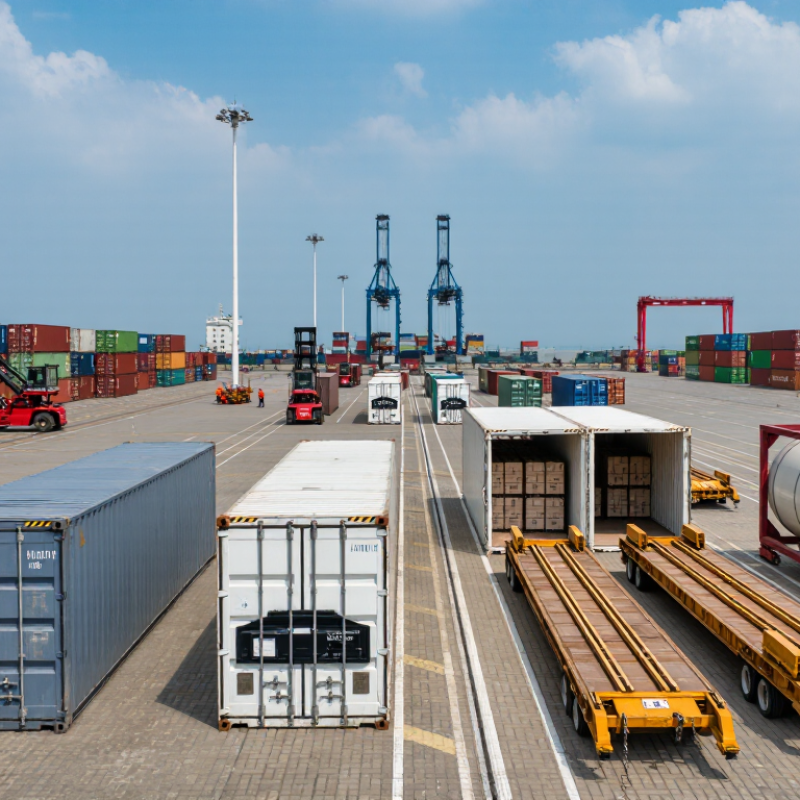
2026 Best Steel Container Types for Global Buyers?

What Are Steel Containers and Why Do Global Buyers Use Them?

Steel containers are standardized cargo units built from corrugated steel panels, reinforced frames, corner castings, doors, and a treated floor. Common types include dry freight, open-top, flat-rack, and insulated containers. Their dimensions follow ISO standards, while the Convention for Safe Containers requires approved units to pass safety inspections.

Global buyers choose steel containers because they support sea, rail, and road transport without repacking. UNCTAD’s Review of Maritime Transport reports that more than 80% of global merchandise trade by volume moves by sea. This scale demands predictable dimensions and strong stacking performance. A loaded container may face salt air, vibration, rain, crane impacts, and repeated handling. Weathering steel helps resist corrosion, although it does not eliminate maintenance. The World Steel Association also identifies steel as one of the world’s most recycled materials, supporting long service cycles and material recovery.

Steel is not automatically the best option. It can be heavy, dented, or vulnerable to condensation when ventilation is poor. Buyers should check the container’s inspection plate, floor condition, door seals, corner posts, and repair history. Small defects become expensive during long routes. That deserves more attention.

Tips: Match the type to the cargo. Use dry freight for general goods, open-top units for tall loads, and flat-racks for oversized machinery. Confirm ISO dimensions, CSC validity, payload limits, and local handling equipment before purchase. Photographs help, but an independent pre-shipment inspection is safer.

2026 Best Steel Container Types for Global Buyers

Steel containers are standardized, stackable cargo units designed for secure international transport by ship, rail, and truck. The chart compares approximate internal volume across common container types.

How to choose: 20-foot dry containers suit dense, heavy cargo; 40-foot and 40-foot high-cube containers provide more space for lightweight or bulky goods; reefer containers are designed for temperature-sensitive cargo and offer slightly less internal volume because of insulation and cooling equipment.

Internal volumes are approximate nominal figures based on common ISO container dimensions. Actual capacity varies by manufacturer, insulation, door configuration, and container specification.

Which Steel Container Types Fit Different Cargo and Storage Needs?

Global buyers need more than a standard box. The right steel container depends on cargo shape, loading method, climate, and storage duration. A dry container suits packaged goods, tools, furniture, and general cargo. It provides enclosed protection from rain and dust. However, sensitive goods may still need internal wrapping and moisture control.

Open-top containers work well for tall machinery, stone, timber, and cargo loaded by crane. Flat racks support oversized equipment, but the load needs careful securing and weight distribution. Tank containers are designed for approved liquids and require suitable technical certification. For long-term storage, inspect door seals, floor strength, ventilation, and corrosion before purchase. A container can look sound outside while showing hidden floor damage.

Tips: Match internal dimensions with your largest item, not the average one. Check corner posts and locking bars. Ask for inspection records and clear photos. Leave space for airflow. Measure twice.

A practical inspection lesson is easy to miss: loading access often matters more than volume. A narrow doorway can delay handling and increase damage risk. Buyers should also consider local transport limits, lifting equipment, stacking plans, and expected weather exposure. The cheapest option may become expensive after modifications. I would not choose from a specification sheet alone; real cargo trials can reveal awkward gaps, unstable weight, or poor ventilation.

How Do Steel Container Sizes, Grades, and Features Compare?

For global buyers, steel container selection starts with cargo, route, and handling cycles. The market is not simply “20-foot versus 40-foot.” ISO 668 defines external dimensions and ratings, while the CSC Convention requires safety approval for international transport. A 20-foot dry container suits dense machinery and is easier to position. A 40-foot high-cube adds interior height for bulky, lighter cargo. High-cubes usually provide about 30 centimeters more height. Measure twice.

UNCTAD’s Review of Maritime Transport 2024 reported a global container fleet exceeding 28 million TEU at the start of 2024. This scale increases demand for standardized, repairable equipment. Yet standardization does not eliminate material differences. New containers commonly use weathering steel panels, structural steel frames, and plywood or composite floors. Buyers should request yield strength, coating thickness, weld quality, and floor-load data.

World Steel Association data placed 2024 global crude-steel production near 1.9 billion tonnes. Volume is impressive, but it does not prove consistent container quality. Mill certificates and independent inspections matter more than polished specification sheets.

Feature choices change lifecycle cost. Double doors speed loading but add seals and locking points to maintain. Side openings improve access for long cargo but may reduce rigidity and weather resistance if poorly engineered. Ventilated units suit produce and moisture-sensitive loads. Insulation is necessary for temperature-sensitive cargo, not merely helpful. I would compare tare weight, payload, corrosion protection, repair history, and spare-part availability together. A lower purchase price can hide frequent repainting or floor replacement. The difficult point is that the “best” grade depends on climate, cargo, and handling abuse. Some procurement tables still oversimplify this.

What Standards and Certifications Should International Buyers Check?

For global buyers, container steel must be checked beyond appearance. UNCTAD’s Review of Maritime Transport 2024 reports that shipping carries over 80% of world trade by volume. A weak corner casting can therefore become a serious handling risk. Ask suppliers for compliance with ISO 668 and ISO 1496, which define container dimensions, ratings, and performance tests. Verify the CSC safety approval plate before loading. It should show maximum gross mass, stacking strength, and inspection dates.

Material evidence matters too. The World Steel Association reported about 1.89 billion tonnes of crude steel production in 2023. High output does not guarantee suitable steel quality. Request mill certificates, heat numbers, thickness records, and welding inspection results. ISO 3834 can support welding-quality controls, while ISO 1161 covers corner fittings and ISO 6346 supports identification coding. Coating systems should also match the intended climate, especially for humid ports and saltwater routes.

Do not trust certificates alone. I have seen documents look complete while repair areas showed uneven welds and trapped rust. Inspectors should measure floor deflection, door alignment, gasket compression, and visible corrosion. Independent checks are worth the extra time. A supplier’s internal report may miss repeated damage from previous service. Buyers should also confirm whether inspections follow a recognized procedure and whether non-conformities were corrected. This part is often overlooked.

How Can Buyers Evaluate Cost, Durability, Delivery, and Suppliers?

In 2026, global buyers may choose standard dry, high-cube, open-top, or temperature-controlled steel containers. The right type depends on cargo, route, handling equipment, and storage conditions. A low purchase price can hide painting, inland transport, port fees, and modification costs. Calculate the landed cost, not only the factory quotation. Delivery is part of cost.

Durability starts with steel grade, weld quality, floor strength, and door alignment. Inspect corner castings for deformation and check seals around every door. In coastal climates, corrosion protection deserves extra attention. Ask for coating details, load ratings, production records, and independent inspection results. Do not skip inspection. A new-looking container may still have weak welds or poor drainage.

Supplier evaluation should include manufacturing capacity, spare-part support, quality controls, and realistic delivery commitments. Confirm production dates against shipping schedules and request photographs during key stages. Compare warranty terms carefully, because exclusions can be more important than coverage. Traceable materials and consistent test reports improve reliability. Some buyers overvalue the lowest offer. I have seen delayed delivery erase an apparent saving within weeks. No supplier is perfect, and buyers should record unresolved defects instead of accepting vague promises. References from similar routes can reveal practical problems that certificates miss.

2026 Best Steel Container Types for Global Buyers? - How Can Buyers Evaluate Cost, Durability, Delivery, and Suppliers?

Container type Typical application Common size and internal volume Typical payload* Indicative purchase budget in 2026 (USD) Expected working life Typical production or sourcing lead time Main durability considerations Buyer evaluation priority
20-foot standard dry container General cargo, machinery, packaged goods, storage and international ocean transport External: approximately 6.06 m; internal volume: about 33 m³ Approximately 25–28 metric tonnes, subject to container tare weight and route limits New: about $2,000–$4,000
Used: about $900–$2,500
15–25 years with regular maintenance; shorter in severe marine or coastal conditions Stock units: approximately 1–4 weeks
New production: approximately 5–10 weeks
Inspect corner castings, door bars, roof, floor condition, welds and corrosion around the lower rails Best balance of availability, resale liquidity, handling compatibility and cost per usable tonne
40-foot standard dry container High-volume general cargo and lower-cost storage per cubic metre External: approximately 12.19 m; internal volume: about 67 m³ Approximately 26–29 metric tonnes, often limited by road regulations before structural capacity New: about $3,000–$5,500
Used: about $1,300–$3,500
15–25 years when maintained and not repeatedly overloaded Stock units: approximately 1–4 weeks
New production: approximately 5–10 weeks
Longer floor and side rails require careful inspection for deflection, impact damage and uneven loading Best for volume efficiency; confirm inland transport limits before purchase
40-foot high-cube dry container Tall or lightweight cargo, furniture, retail products and cubic-volume-sensitive shipments External height: approximately 2.90 m; internal volume: about 76 m³ Approximately 26–29 metric tonnes, depending on tare weight and local limits New: about $3,300–$6,000
Used: about $1,500–$4,000
15–25 years with suitable handling and corrosion control Stock units: approximately 1–4 weeks
New production: approximately 5–10 weeks
Check top clearance, roof bows, corner posts and compatibility with local chassis, depots and cranes Usually the strongest option for maximizing cubic capacity without changing the basic dry-container design
20-foot open-top container Bulk cargo, scrap, stone, timber and tall goods loaded by crane or from above Approximately 32–33 m³; removable roof bows and tarpaulin or convertible roof Approximately 24–28 metric tonnes, subject to tare weight and cargo distribution New: about $3,500–$7,000
Used: about $1,800–$4,500
12–20 years, often dependent on roof, top-rail and floor wear Approximately 6–12 weeks; stock availability is more limited than dry units Top rails, tarpaulin fittings, door headers and floor must withstand concentrated or irregular loads Confirm cargo height, lashing points, water protection and port acceptance before ordering
20-foot flat rack container Oversized machinery, vehicles, steel products and heavy project cargo Open sides; fixed or collapsible end walls; usable deck length commonly close to 5.6 m Approximately 21–27 metric tonnes, depending on design and tare weight New: about $7,000–$15,000
Used: about $3,000–$10,000
15–25 years when deck, lashing points and end walls are maintained Approximately 8–16 weeks; engineering review may extend the schedule Deck deflection, lashing rings, corner posts, welds and permitted concentrated loads are critical Obtain cargo drawings, center-of-gravity data, securing plans and carrier approval before shipment
40-foot refrigerated container Temperature-controlled food, pharmaceuticals, chemicals and other perishable products Internal volume commonly about 67–68 m³; insulated body with powered refrigeration unit Approximately 27–29 metric tonnes, subject to refrigeration equipment and route limits New: about $18,000–$35,000
Used: about $6,000–$20,000
10–15 years economically; refrigeration machinery may require major overhaul earlier New production: approximately 10–20 weeks
Used and tested units: approximately 2–8 weeks
Verify insulation, door gaskets, evaporator, compressor, controller, temperature history and electrical safety Evaluate total operating cost, service access, power requirements and temperature-validation records
20-foot tank container Bulk liquids, gases and powders that meet applicable hazardous-goods and tank regulations Typical tank capacity: approximately 21,000–26,000 litres, depending on product and design Cargo payload commonly about 20–27 metric tonnes, limited by density and regulatory requirements New: about $25,000–$60,000
Used: about $10,000–$35,000
15–25 years, subject to periodic inspection, pressure testing and product compatibility Approximately 10–24 weeks, depending on specification, certification and inspection schedule Tank material, pressure rating, valves, weld quality, insulation and certification validity are essential Prioritize regulatory compliance, cleaning records, compatibility, testing certificates and emergency procedures
Buying notes: Prices are indicative planning ranges in USD for 2026 and exclude ocean freight, inland transport, duties, taxes, inspections, modifications and site-delivery charges. Actual quotations vary by region, steel and equipment prices, container grade, certification, quantity, port availability and seasonal demand. Payload must always be checked against the container safety plate, carrier rules, road axle limits and applicable national regulations.
Supplier due-diligence checklist: Request the container specification sheet, manufacturing or inspection date, photographs of all sides and the roof, corner-casting and CSC-related documentation where applicable, repair history, test records, warranty terms, spare-parts availability, delivery point, Incoterms, payment milestones and a pre-shipment inspection option.

FAQS

What are steel containers used for?

Steel containers carry goods by sea, rail, and road without repacking. They use corrugated panels, strong frames, corner fittings, doors, and treated floors. Salt air, rain, vibration, and crane impacts can occur during one journey.

Which container size suits dense machinery?

A 20-foot container often suits dense machinery and is easier to position. A 40-foot high-cube provides about 30 centimeters more interior height. Measure the cargo carefully. Guessing can become expensive.

When should buyers choose a high-cube container?

Choose a high-cube unit for bulky, lighter cargo needing extra vertical space. Check internal height, door opening, tare weight, and payload limits. A larger box is not always better.

Which container type fits different cargo?

Dry freight suits general goods. Open-top containers suit tall cargo. Flat-racks handle oversized machinery. Ventilated units help moisture-sensitive loads, while insulated units support temperature-sensitive cargo.

What condition checks matter before purchase?

Check the inspection plate, floor, door seals, corner posts, and repair history. Look for trapped rust, uneven welds, dents, and poor door alignment. Photographs help, but they can miss problems.

Which standards and documents should buyers verify?

Confirm ISO dimensions, ratings, identification details, and approved safety markings. Check the inspection date, maximum gross mass, and stacking strength. Request steel certificates, thickness records, and welding inspection results.

Can certificates alone prove container quality?

No. Documents may look complete while repairs remain weak or rusty. An independent inspection should measure floor deflection, gasket compression, corrosion, and door alignment. This extra step is annoying, but useful.

How do container features affect maintenance costs?

Double doors speed loading but add seals and locking points. Side openings improve access but may reduce weather resistance if poorly built. Compare purchase price, repair history, spare parts, corrosion protection, and floor replacement costs.

Is steel always the best container material?

Not automatically. Steel offers strength, long service cycles, and strong recycling potential. It can also be heavy, dented, or vulnerable to condensation. Poor ventilation remains a real weakness.

How should buyers prepare for harsh routes?

Match the container to the climate, cargo, and handling equipment. Use suitable corrosion protection for humid ports and saltwater routes. Confirm payload limits before loading. I might inspect more than necessary, but missed defects cost more.

Conclusion

Steel Containers are essential tools for global buyers who need secure, durable, and reusable solutions for international transport, warehousing, and specialized storage. This guide explains how to select the right type for different cargo, including general goods, liquids, temperature-sensitive materials, and oversized equipment. It also compares common container sizes, steel grades, construction methods, protective coatings, ventilation options, doors, locking systems, and stacking capabilities, helping buyers match performance with practical requirements.

For international purchasing, buyers should review applicable quality standards, safety certifications, load ratings, inspection records, and documentation before placing an order. A complete evaluation should also consider total cost, expected service life, corrosion resistance, maintenance needs, delivery schedules, customization options, and supplier reliability. By comparing technical specifications and long-term operating value rather than focusing only on the initial price, global buyers can choose steel containers that provide dependable protection, efficient logistics, and suitable performance across diverse climates and storage environments.

Sienna

Sienna

Sienna is a skilled marketing professional with a deep expertise in our company’s core products and services. With a passion for innovation and detail, she plays a pivotal role in crafting insightful blog posts that not only highlight the unique features of our offerings but also provide valuable......